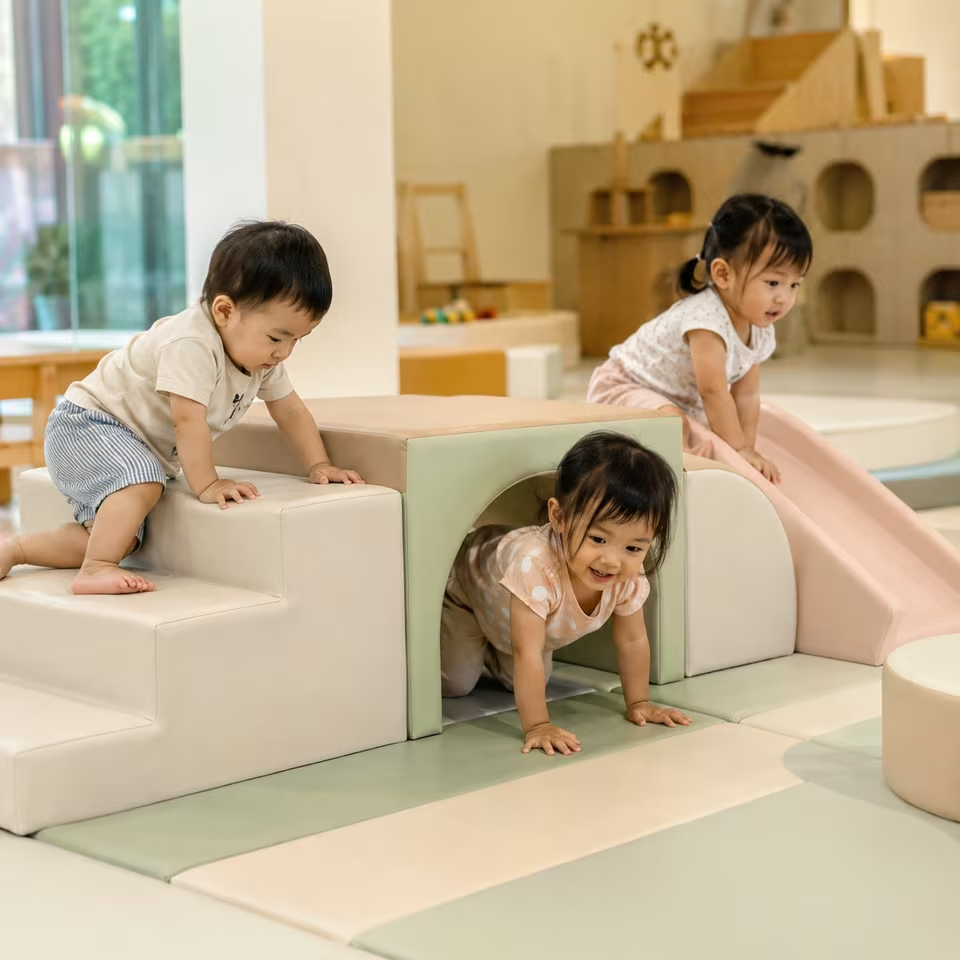
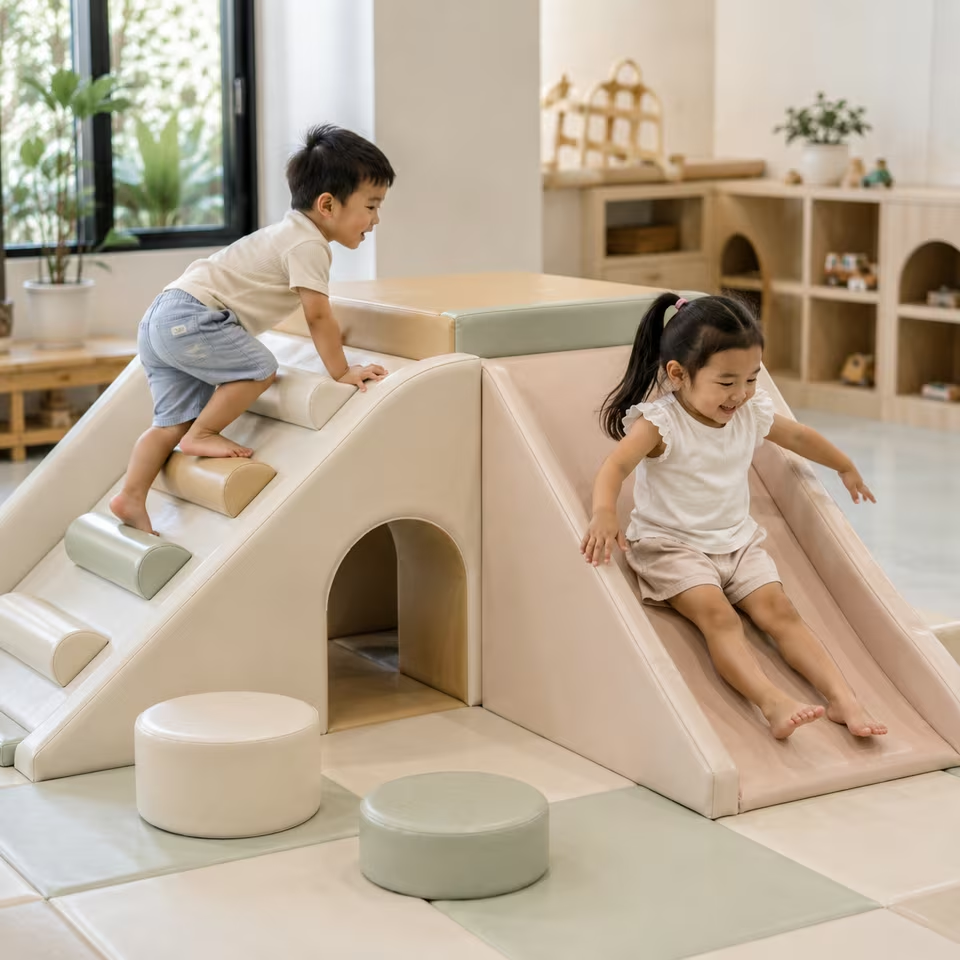
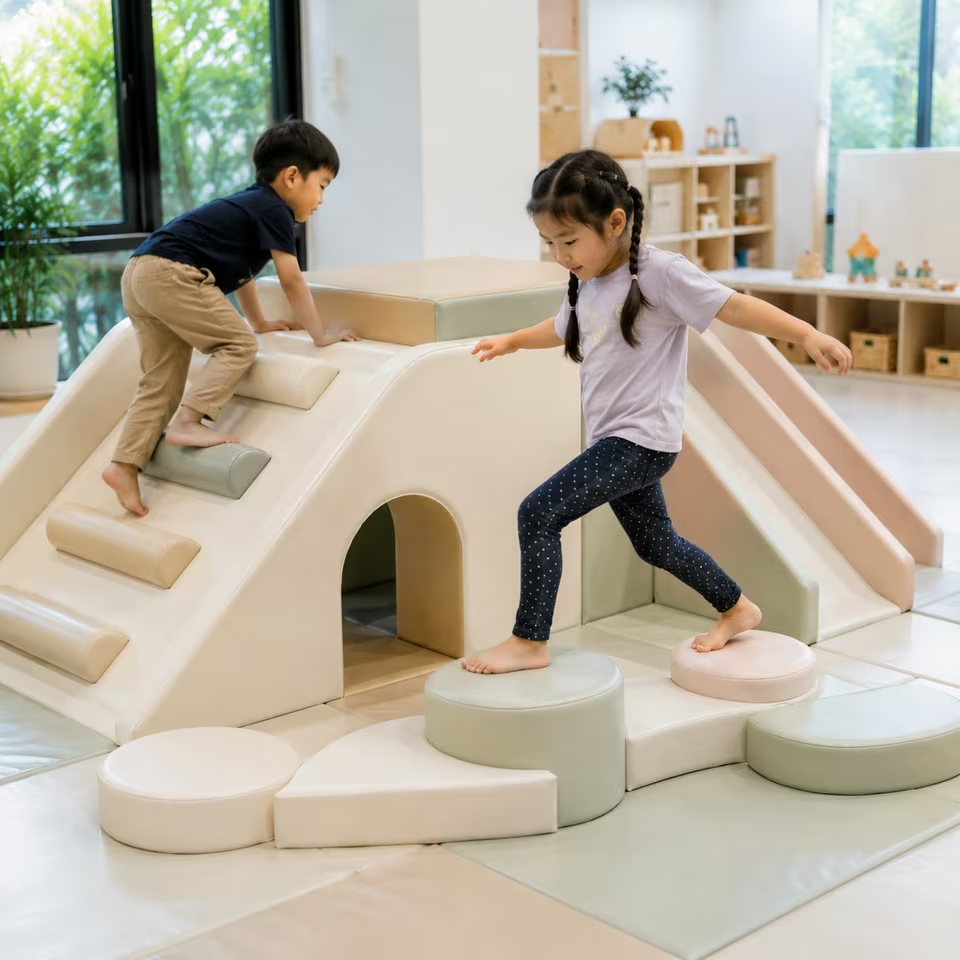
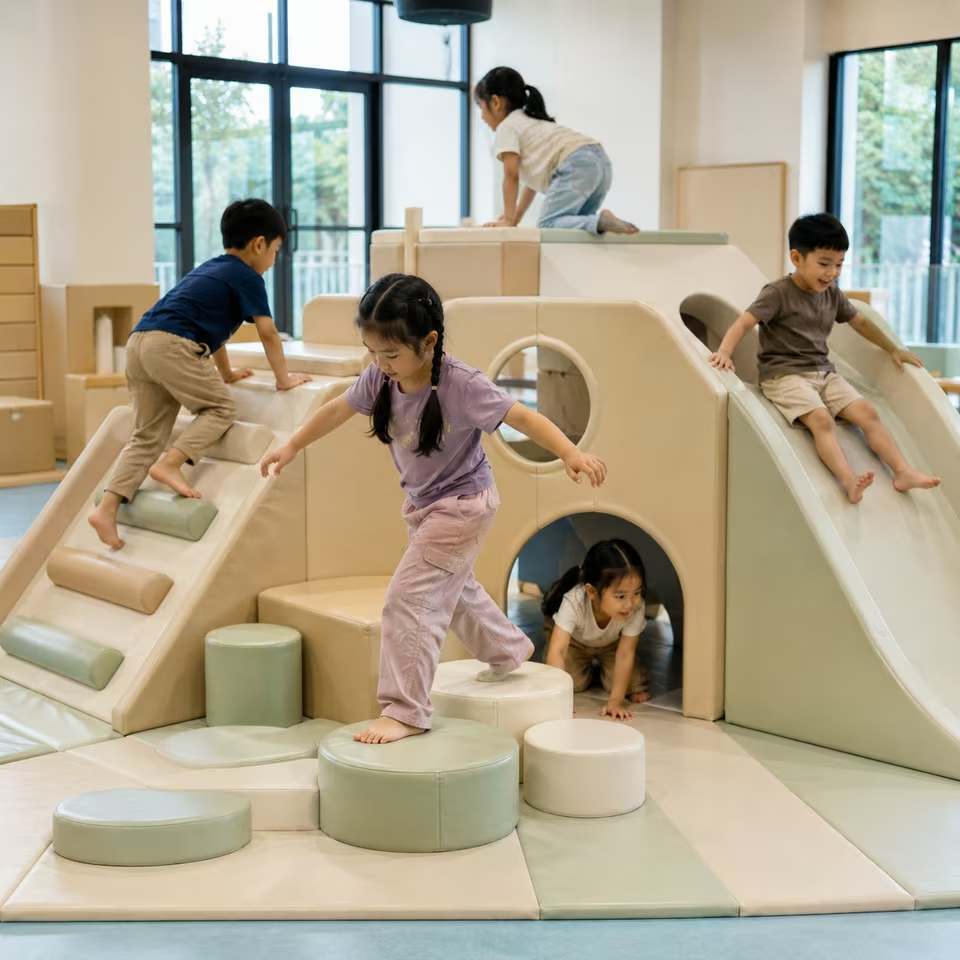
What is a Soft Play indoor playground?
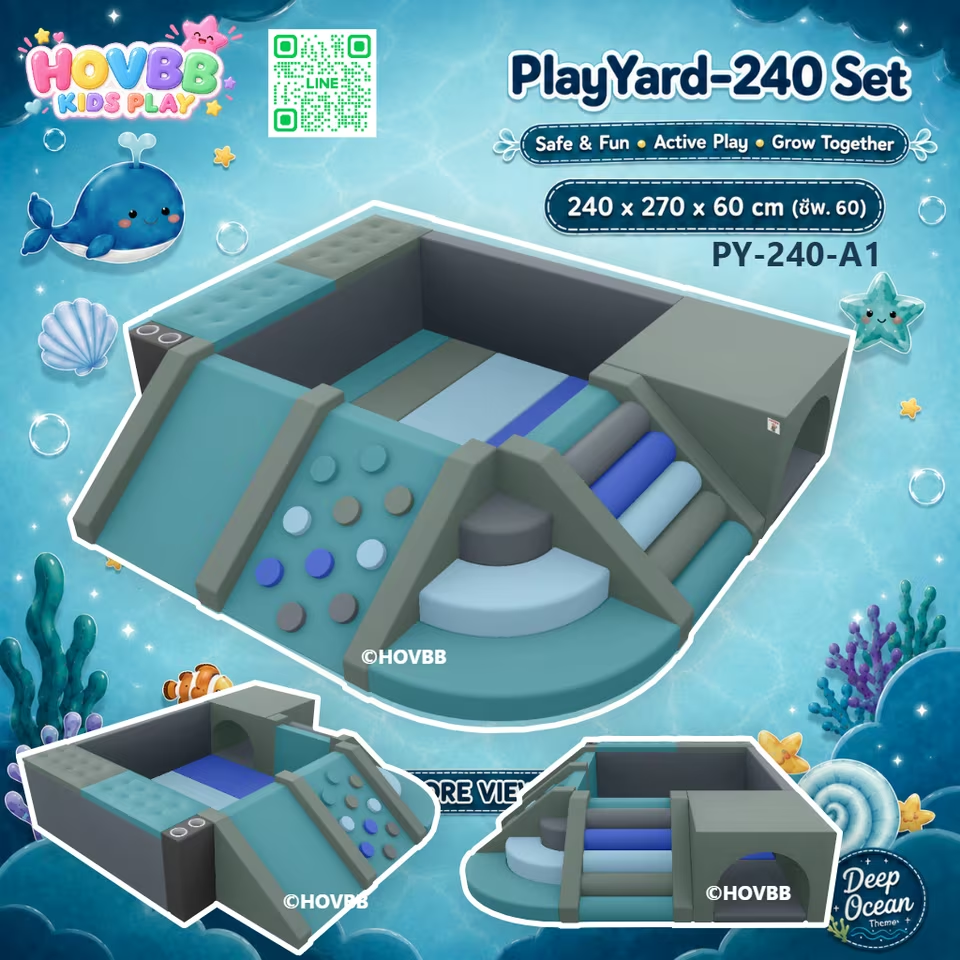
It is an indoor play environment that uses padded play forms and structures to create experiences such as climbing, crawling, stepping, sliding, exploring and moving between different play zones.
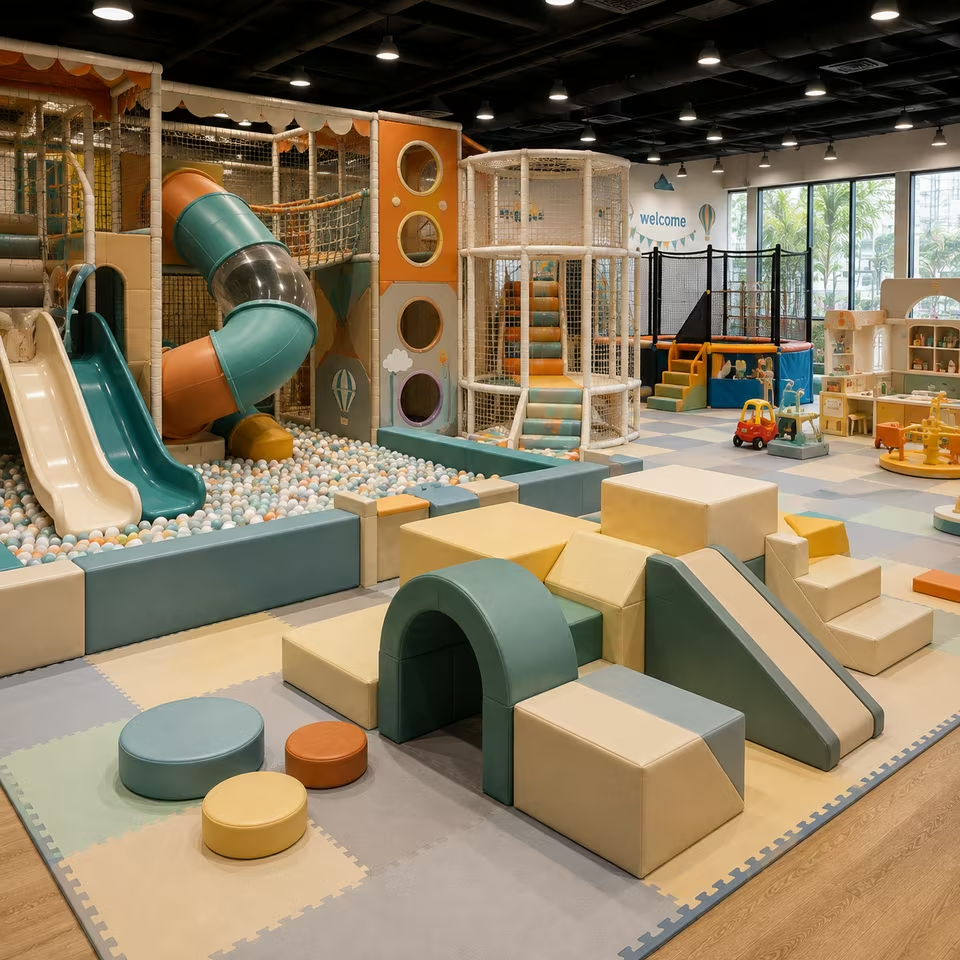
Create an engaging indoor playground where Soft Play, climbing, sliding, crawling and exploration come together as the main play experience for children.
An indoor playground is a dedicated play environment where active movement and exploration form the core experience of the space. Soft Play can be arranged into larger connected layouts combining platforms, climbing forms, steps, ramps, tunnels, slides, ball pits and other padded elements to create varied movement routes within one coherent playground. Unlike a children's activity center, where Soft Play may share the venue with classes, workshops and other programs, an indoor playground can make physical play itself the primary attraction. Planning should consider how children enter, move between activities and return to different parts of the playground, while also accounting for age groups, expected capacity, circulation, staff sightlines, parent or caregiver areas, access for cleaning and the operational needs of the venue. A strong layout should feel exciting and rich in play possibilities without becoming visually or physically disorganized.
It is an indoor play environment that uses padded play forms and structures to create experiences such as climbing, crawling, stepping, sliding, exploring and moving between different play zones.
Depending on the space and intended users, a playground can combine climbing forms, platforms, steps, ramps, tunnels, slides, ball pits and other padded play elements into connected or clearly defined zones.
An indoor playground makes play and physical exploration the primary attraction. A children's activity center may have a broader program that combines play with classes, workshops, creative activities and other organized experiences.
Soft Play can form a major part of a commercial indoor playground. The layout and equipment should be selected according to the intended users, available space, expected capacity, operating model and requirements of the specific equipment.
Yes. A ball pit can be integrated as one play zone and connected with suitable platforms, slides or other play elements depending on the intended design and equipment configuration.
Potentially, but play difficulty, equipment and zoning should reflect the intended users. A playground serving a broad age range may benefit from clearly differentiated areas rather than expecting one route to suit every child.
There is no universal footprint. Space requirements depend on the equipment dimensions, clearances, intended capacity, circulation, landing areas, supporting facilities and the complexity of the planned play experience.
Zones can be organized by activity type, movement intensity, age range or level of challenge. The important consideration is that children and caregivers can understand how the areas connect without creating unnecessary conflicts between movement routes.
Yes. A smaller venue can focus on a compact combination of versatile climbing, crawling, sliding and exploration elements instead of trying to reproduce a large multi-level playground.
Planning should consider target age groups, expected capacity, play routes, circulation, sightlines, parent areas, reception, storage, cleaning access, building conditions and the installation and intended-use requirements of the selected equipment.