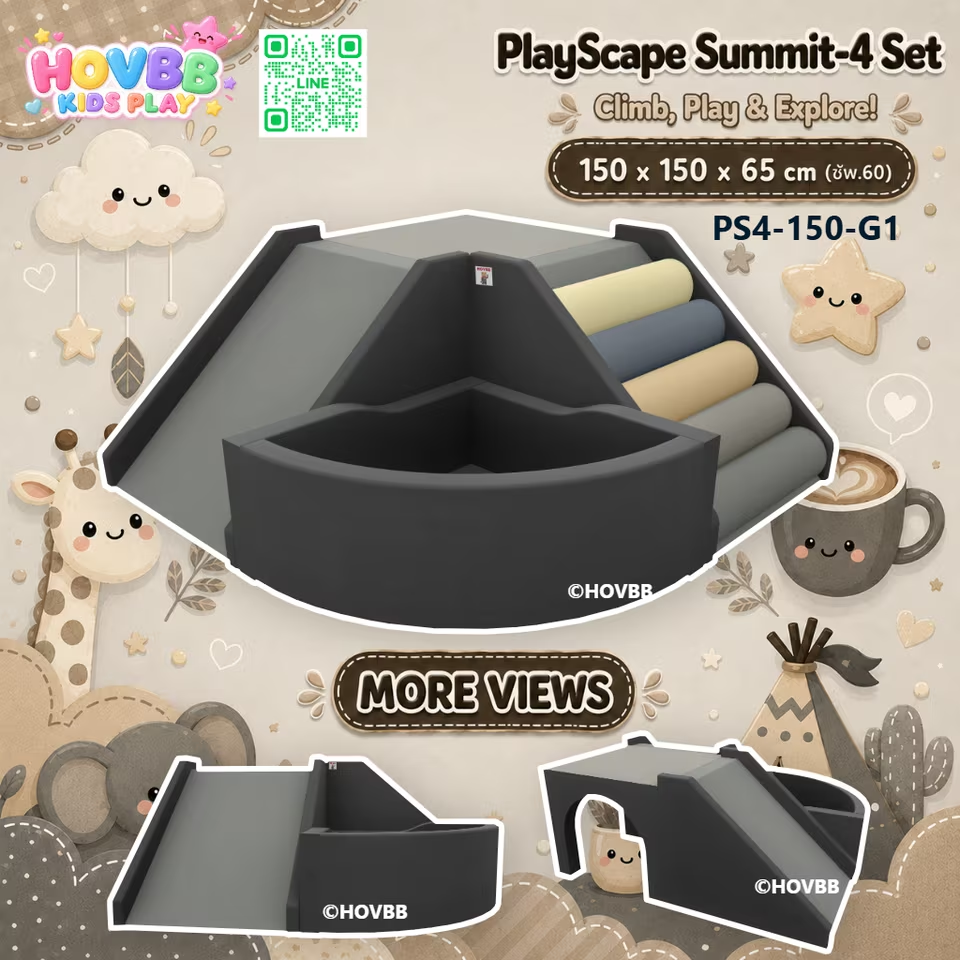
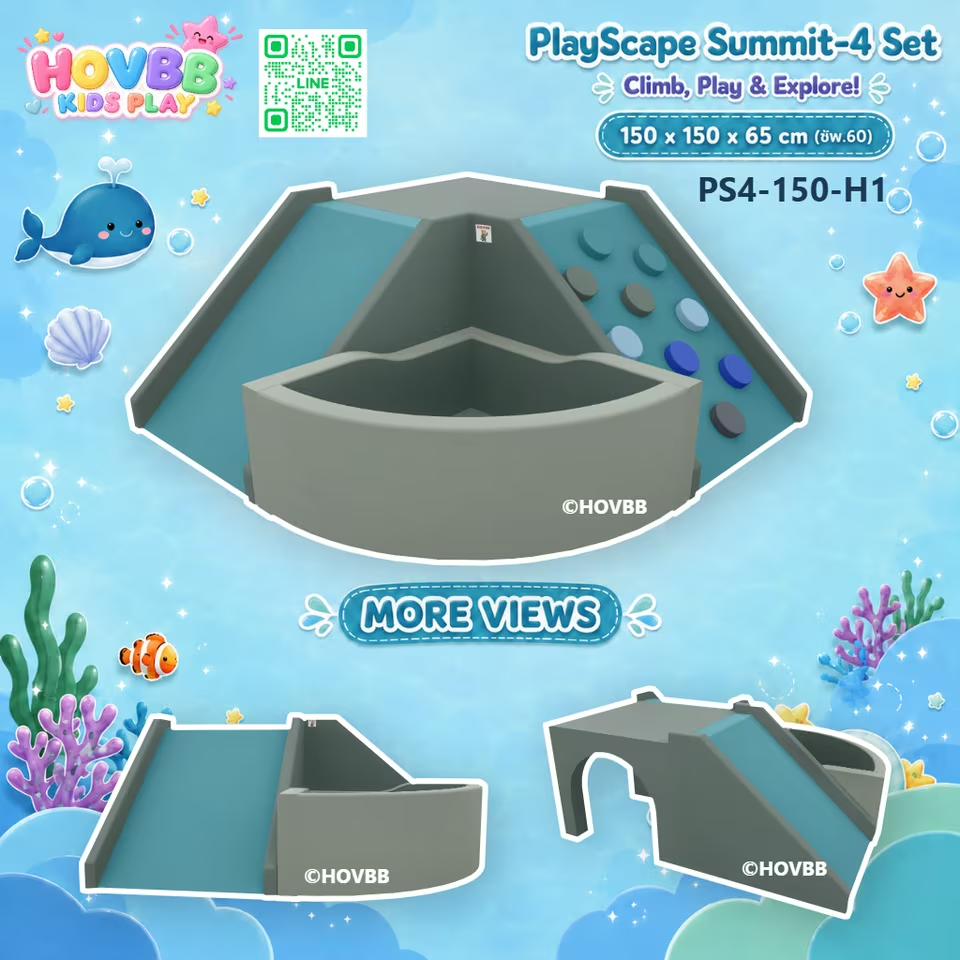
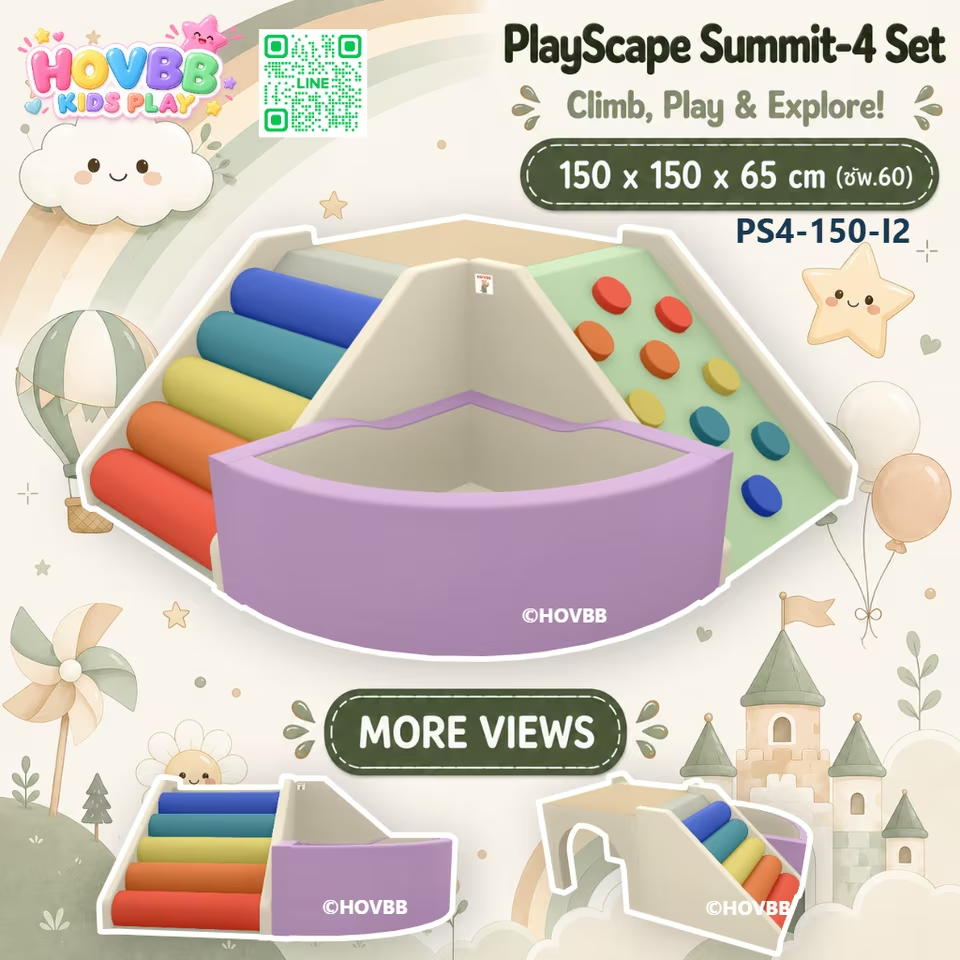
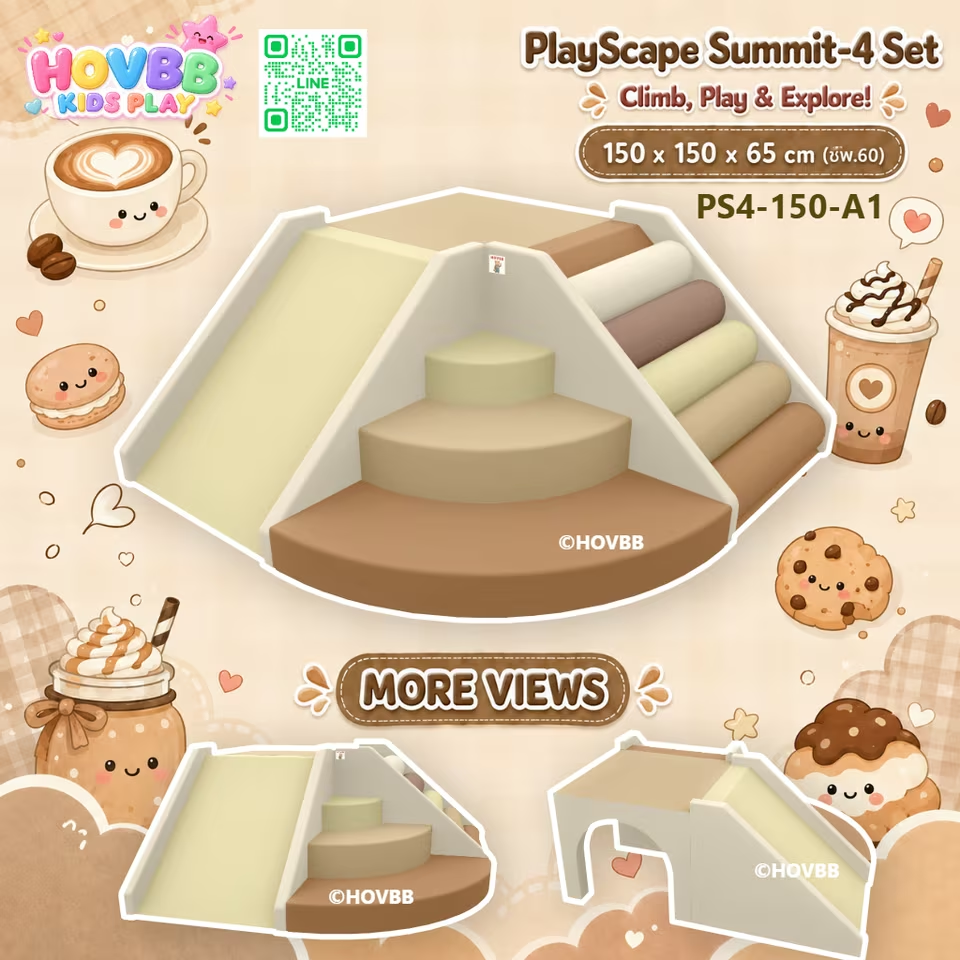
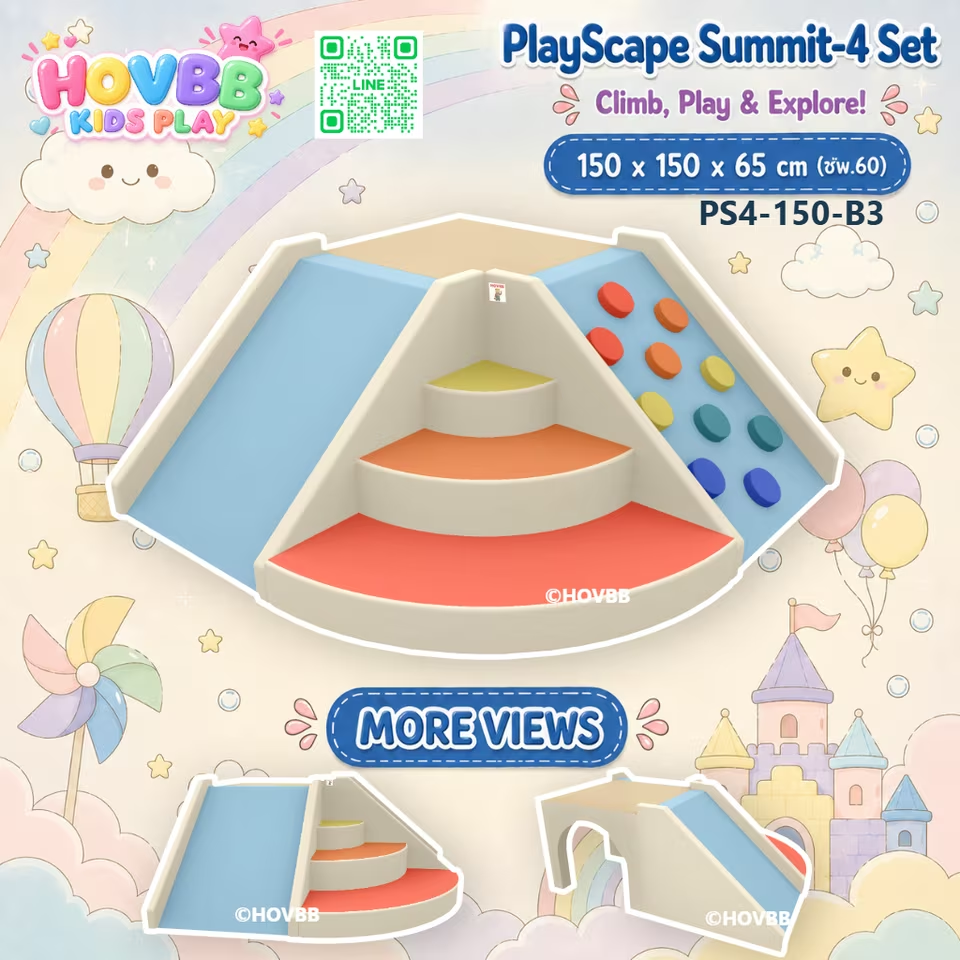
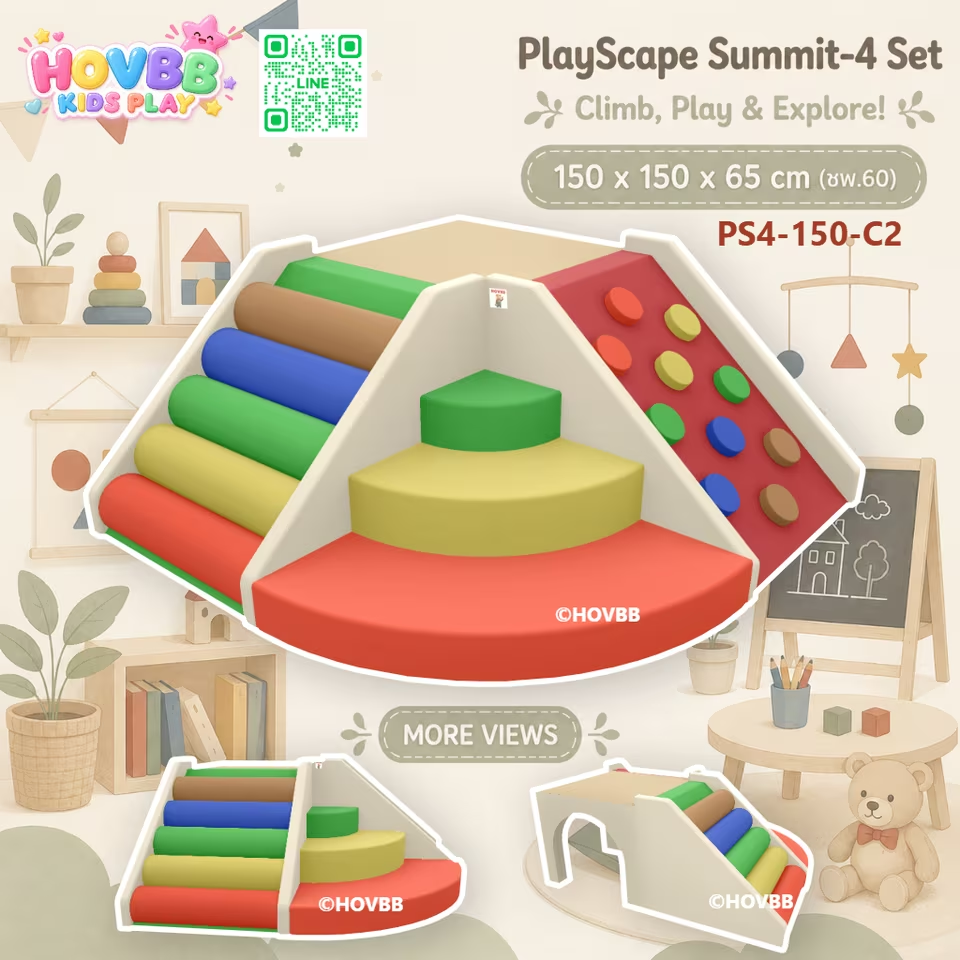
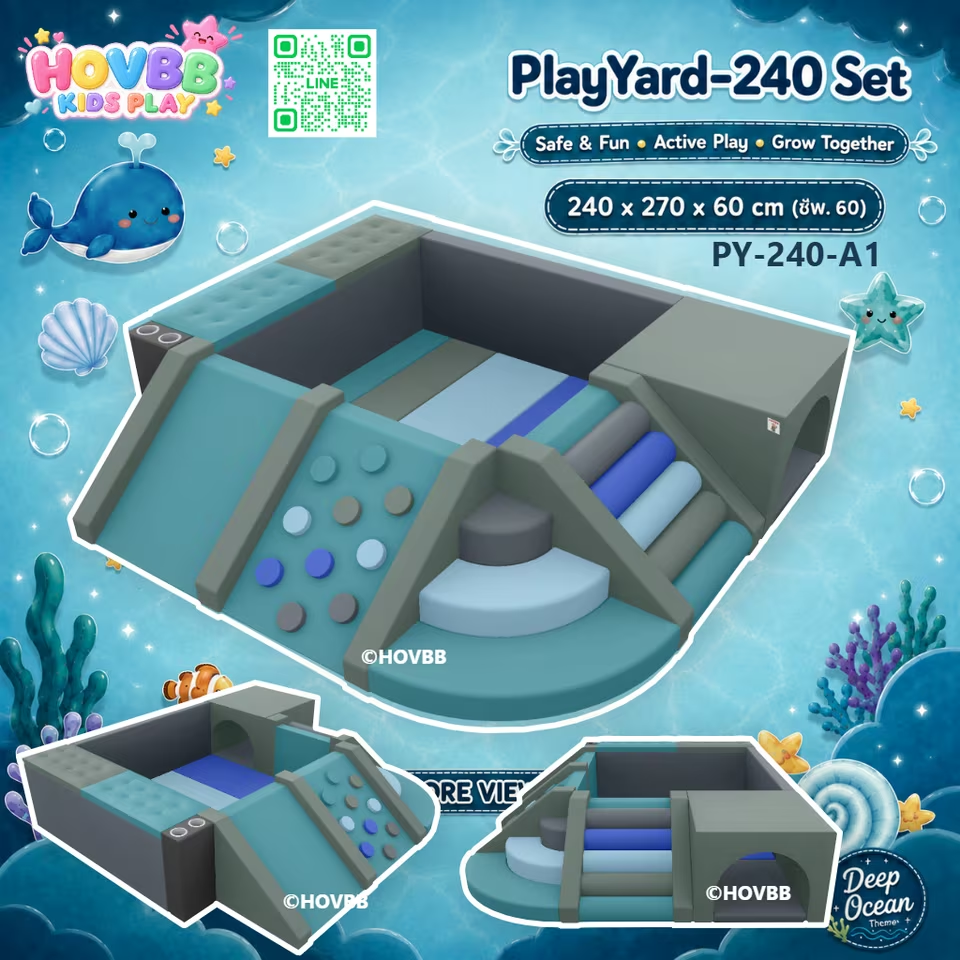
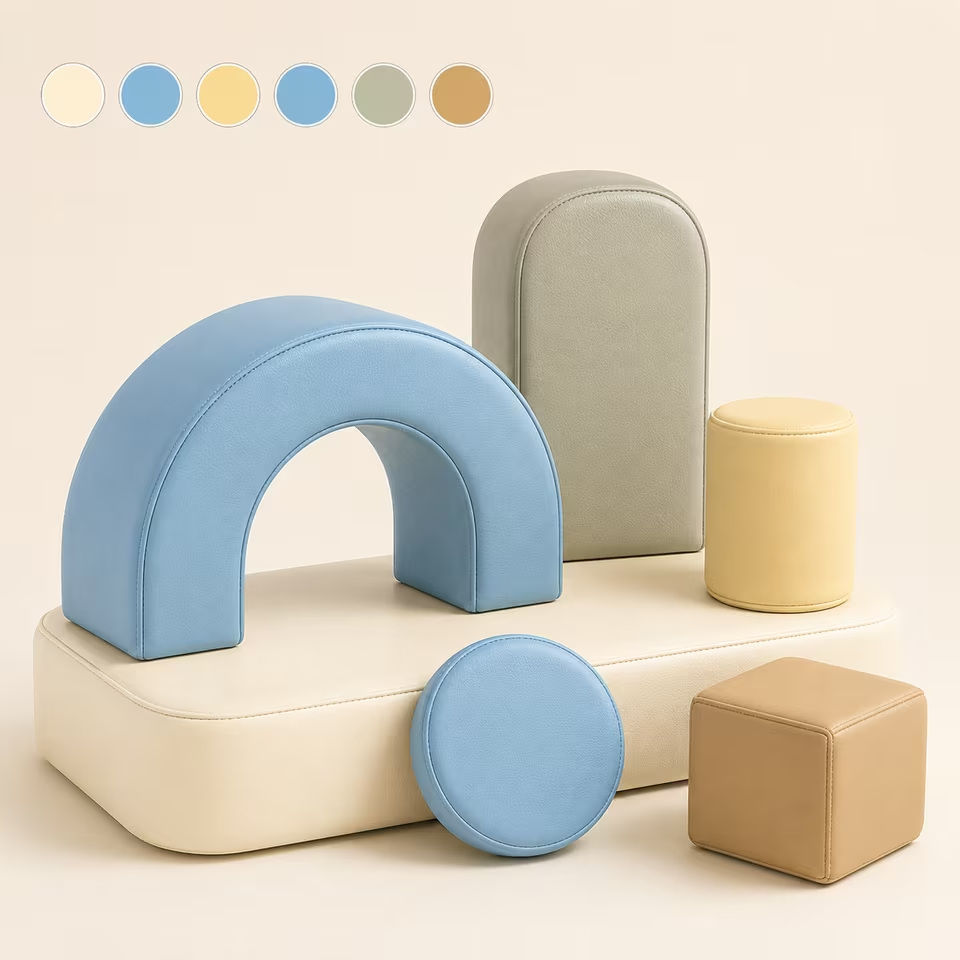
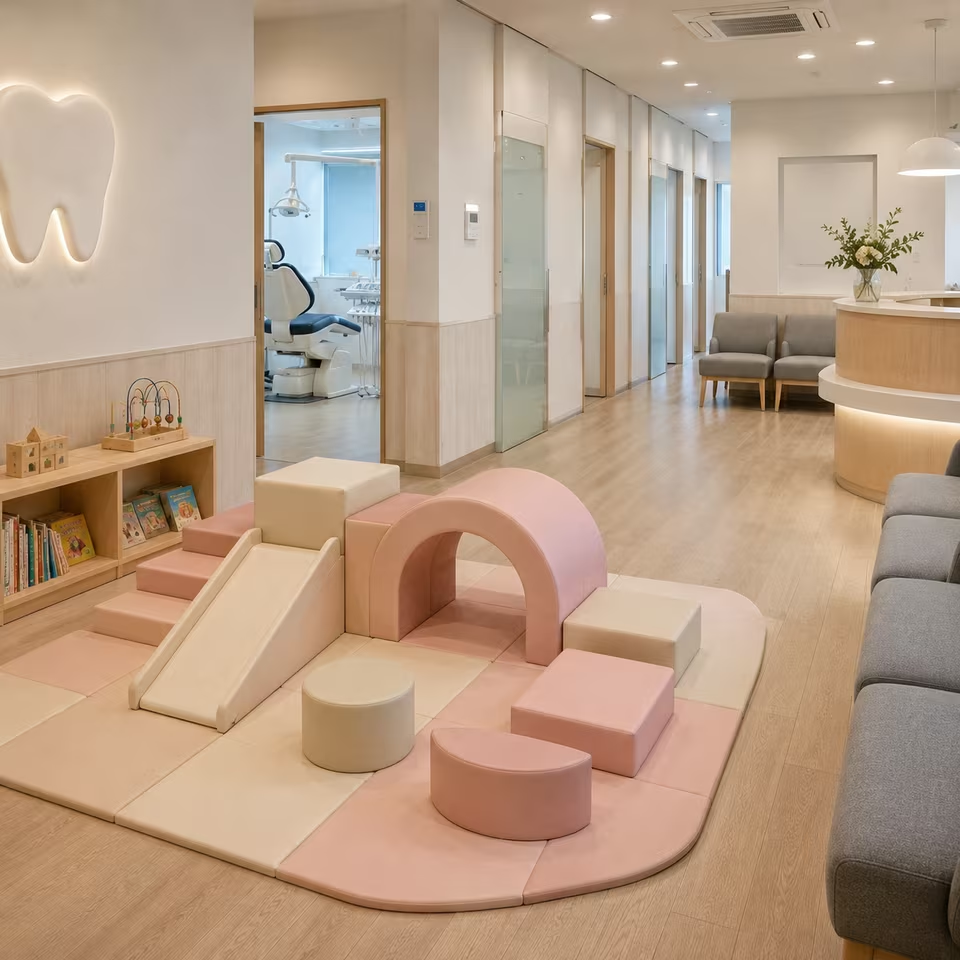
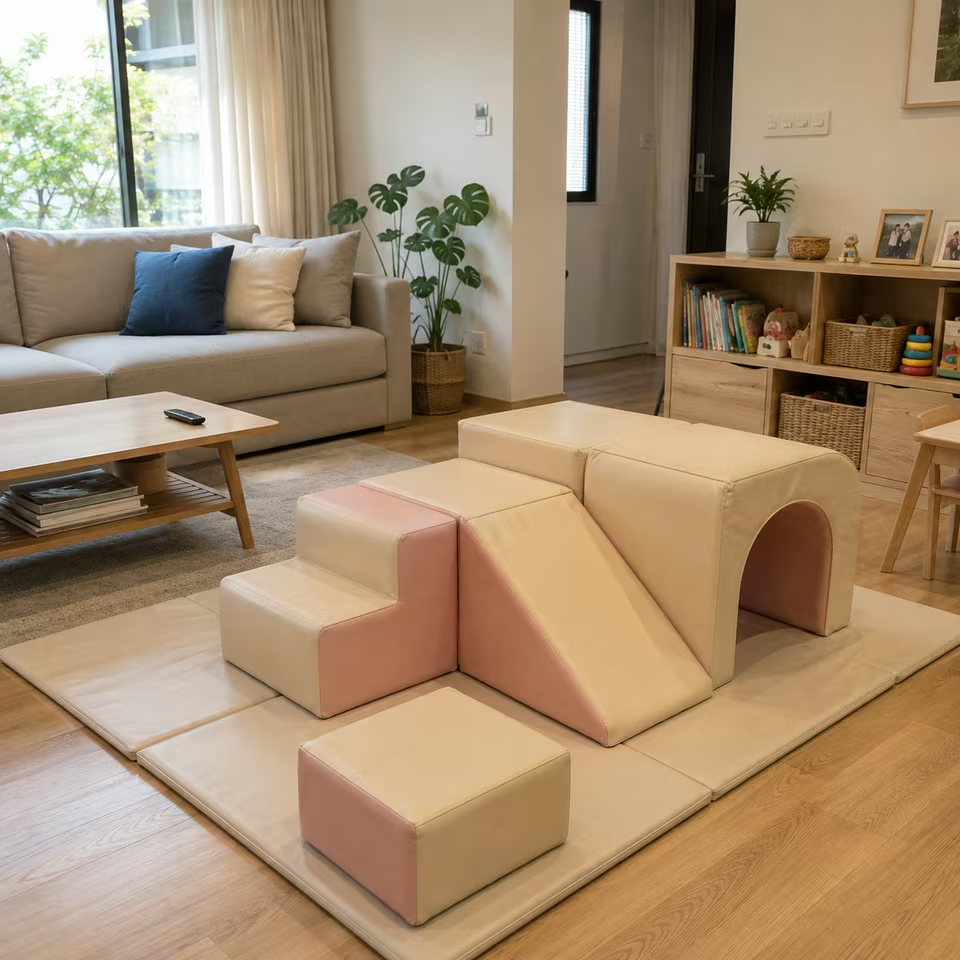
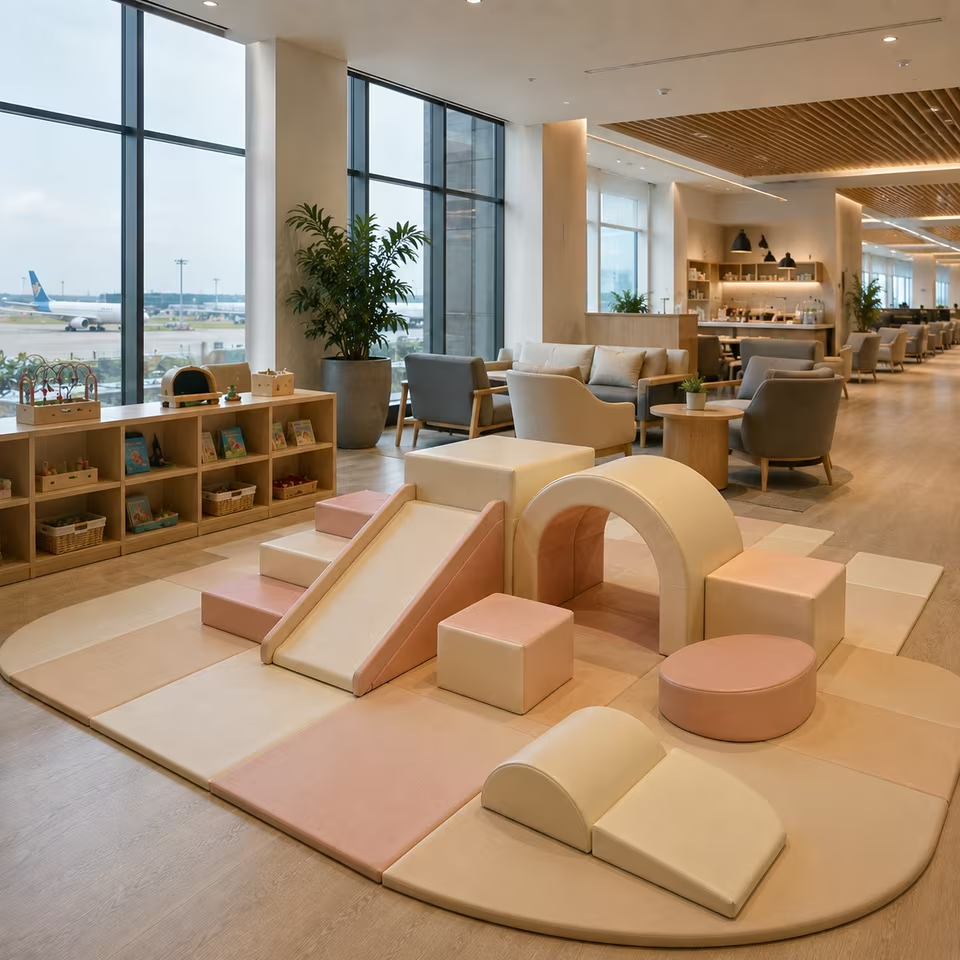
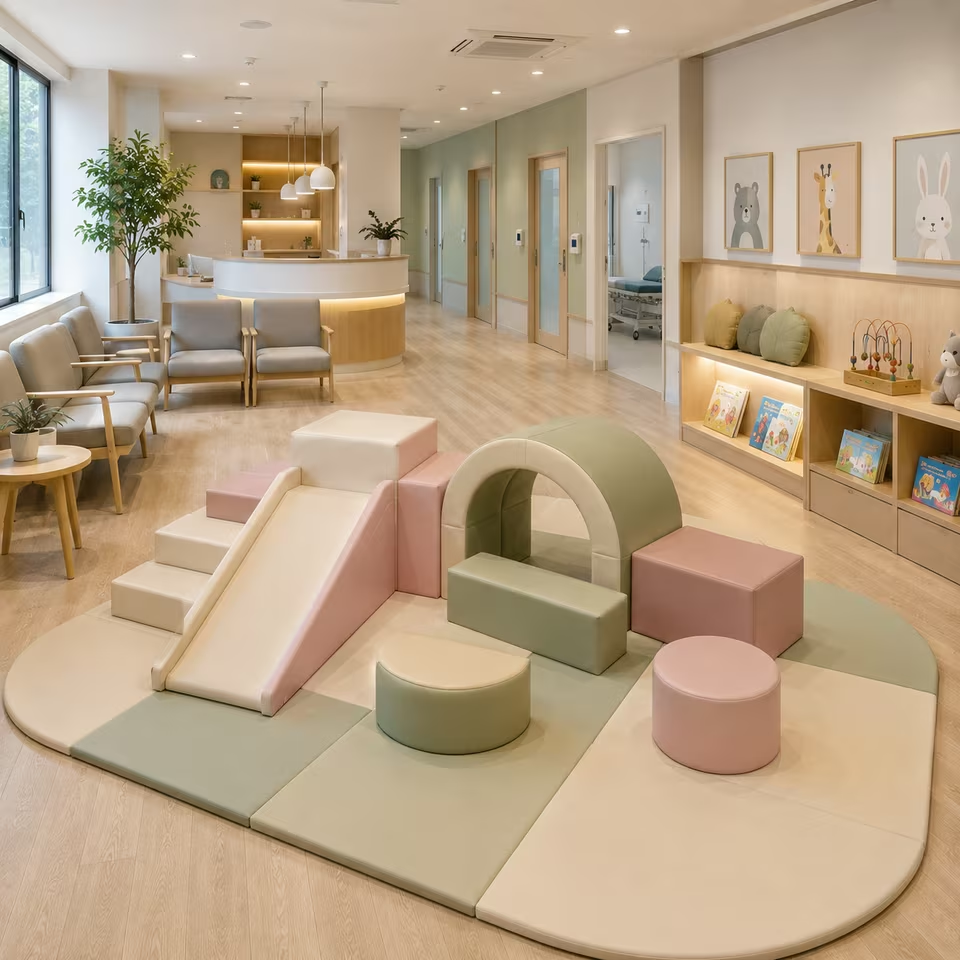
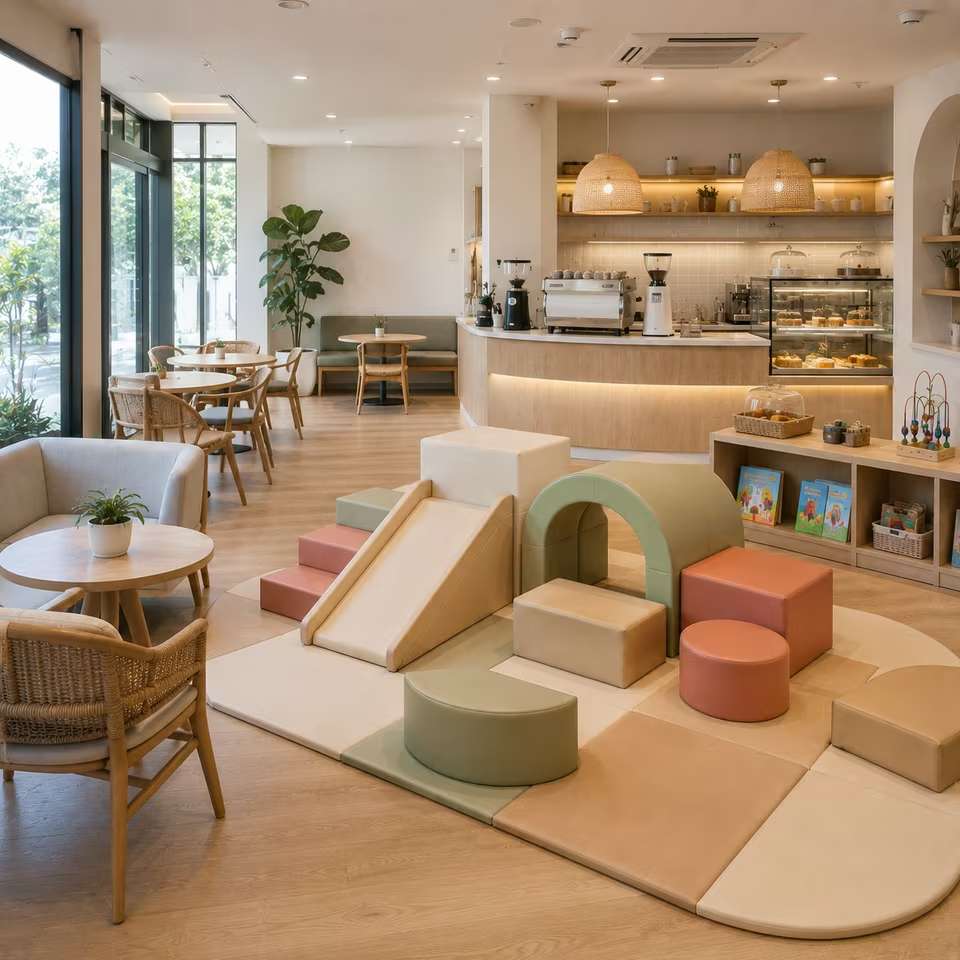
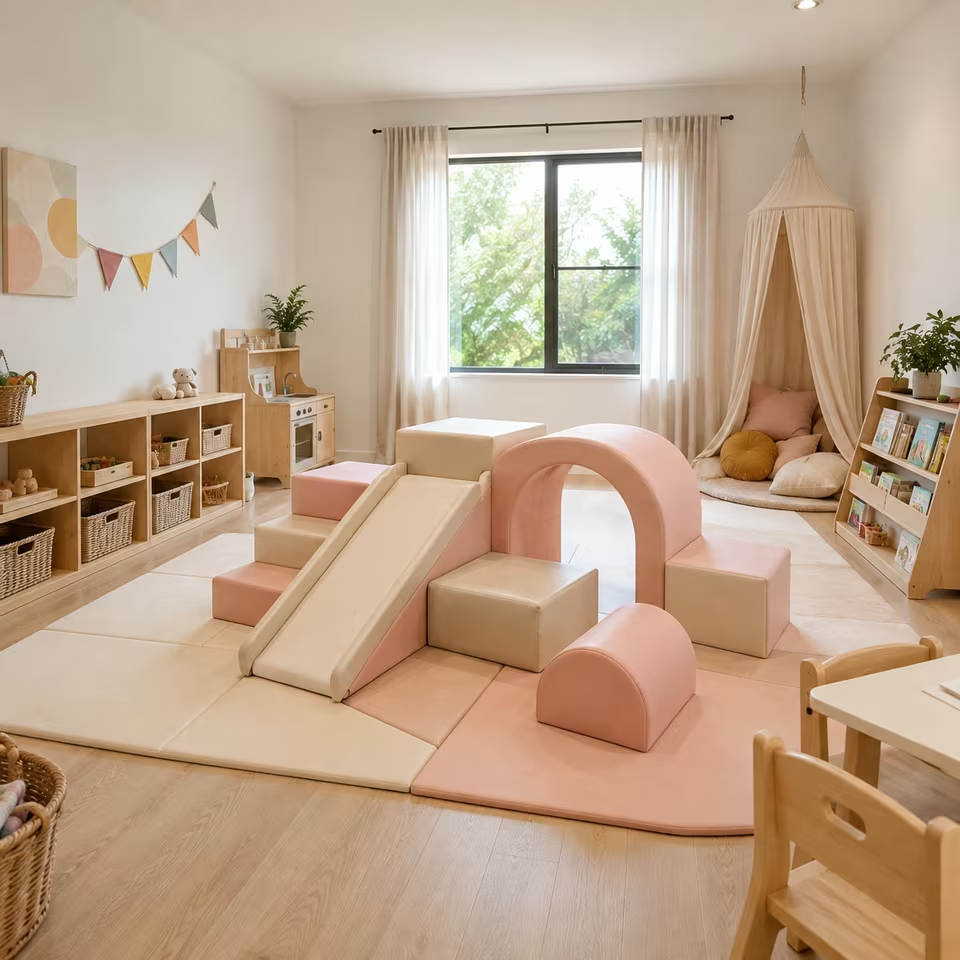
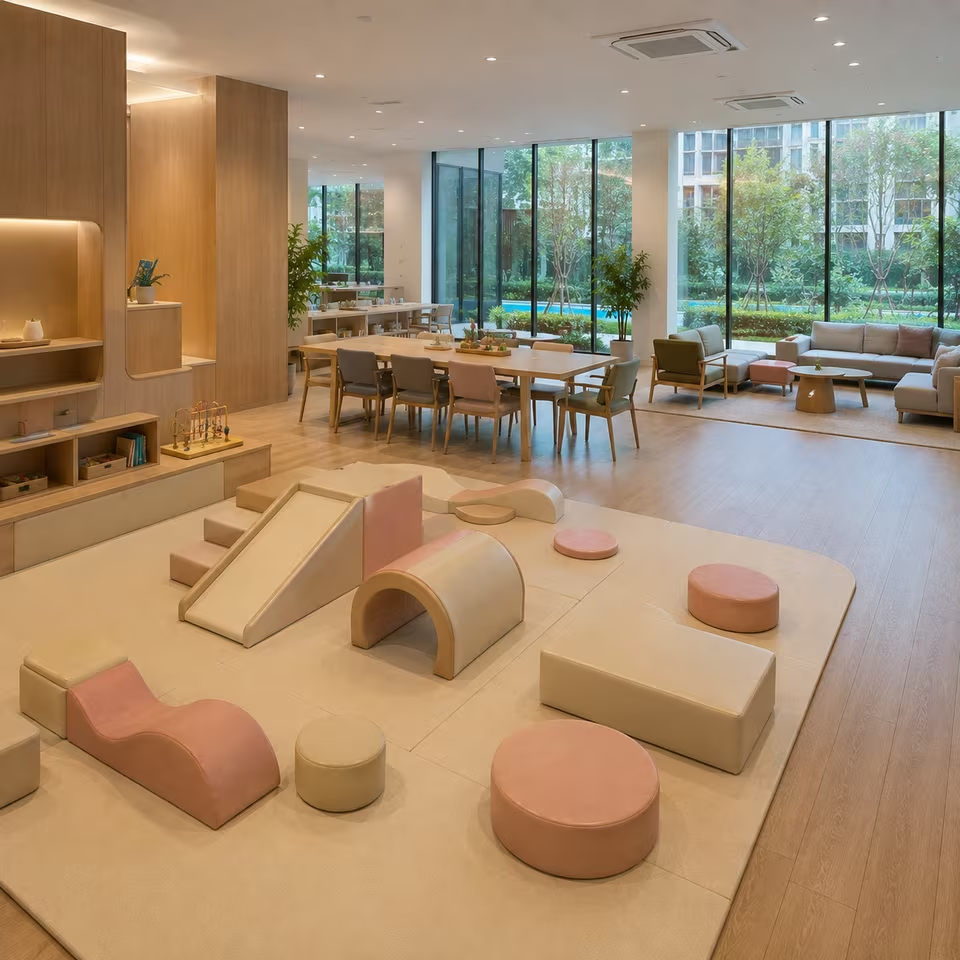
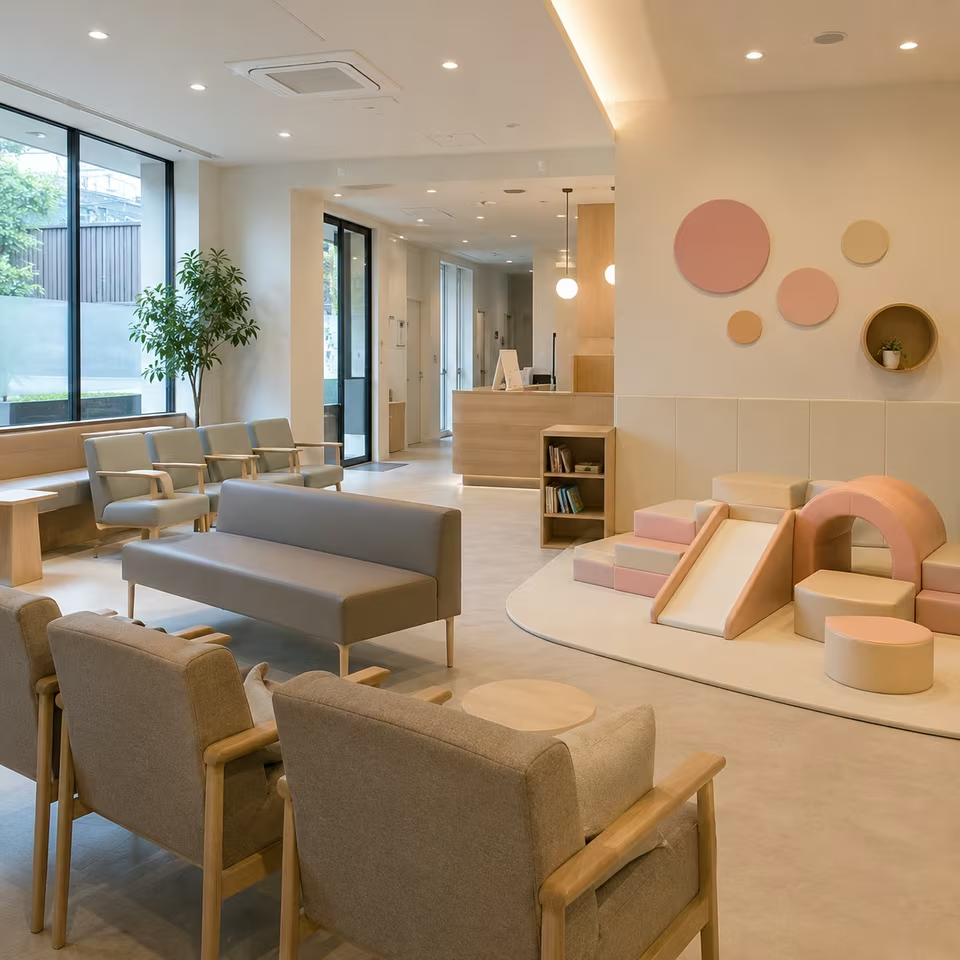
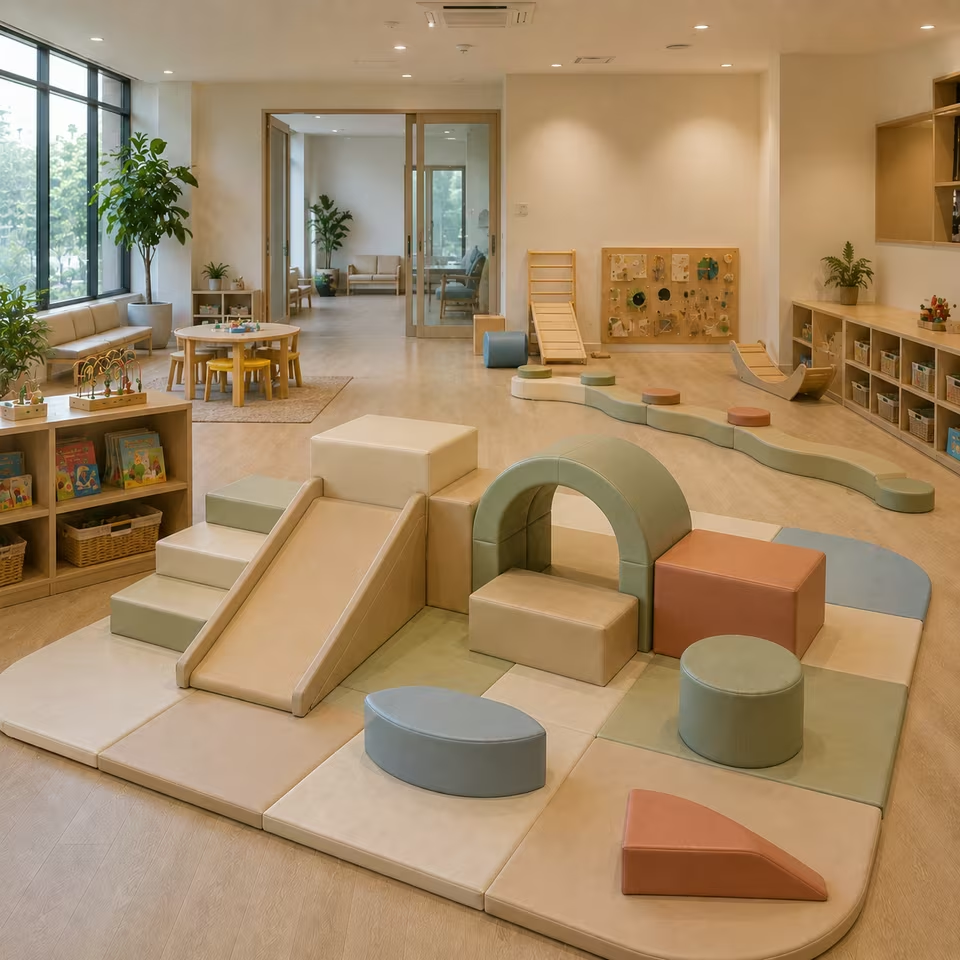
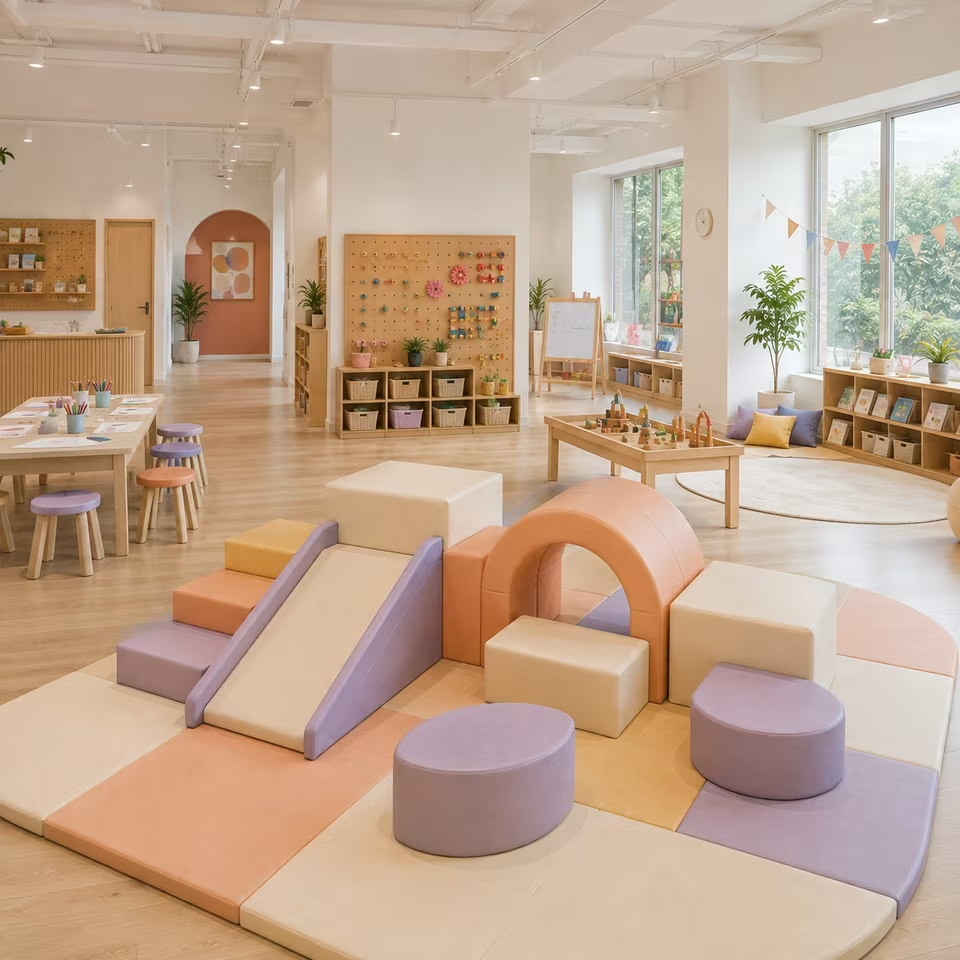
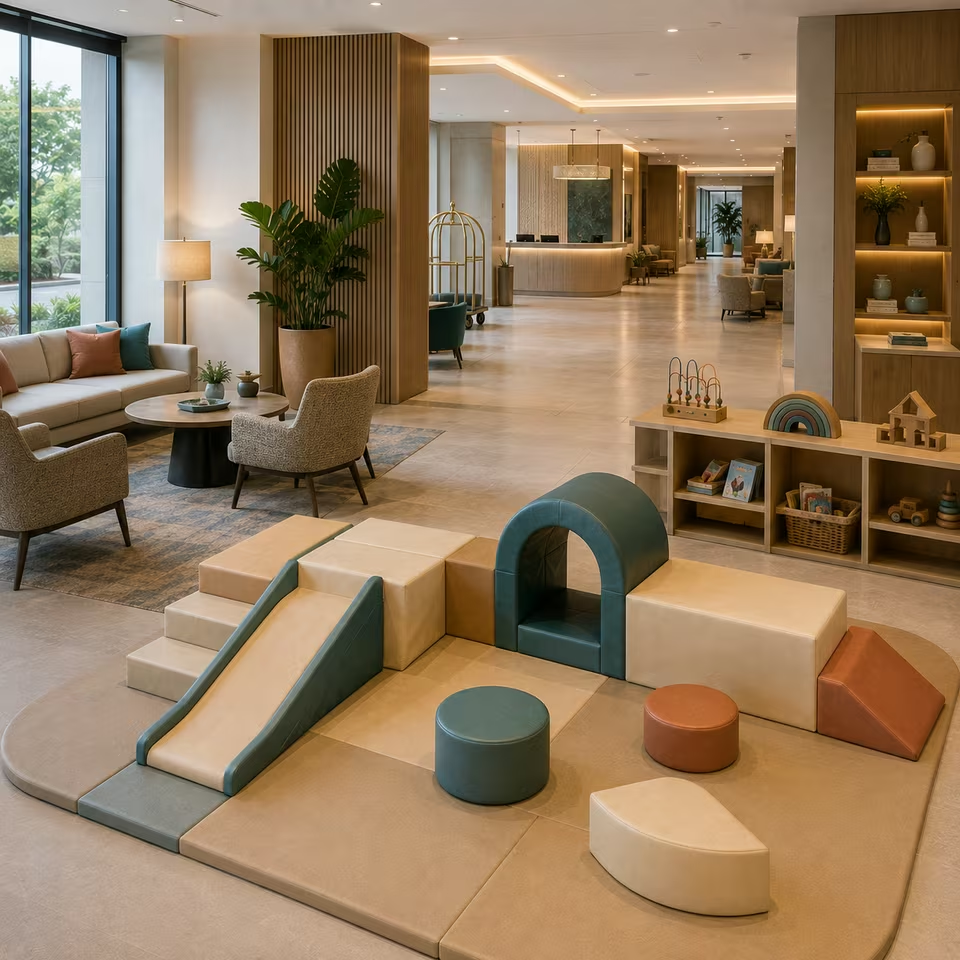
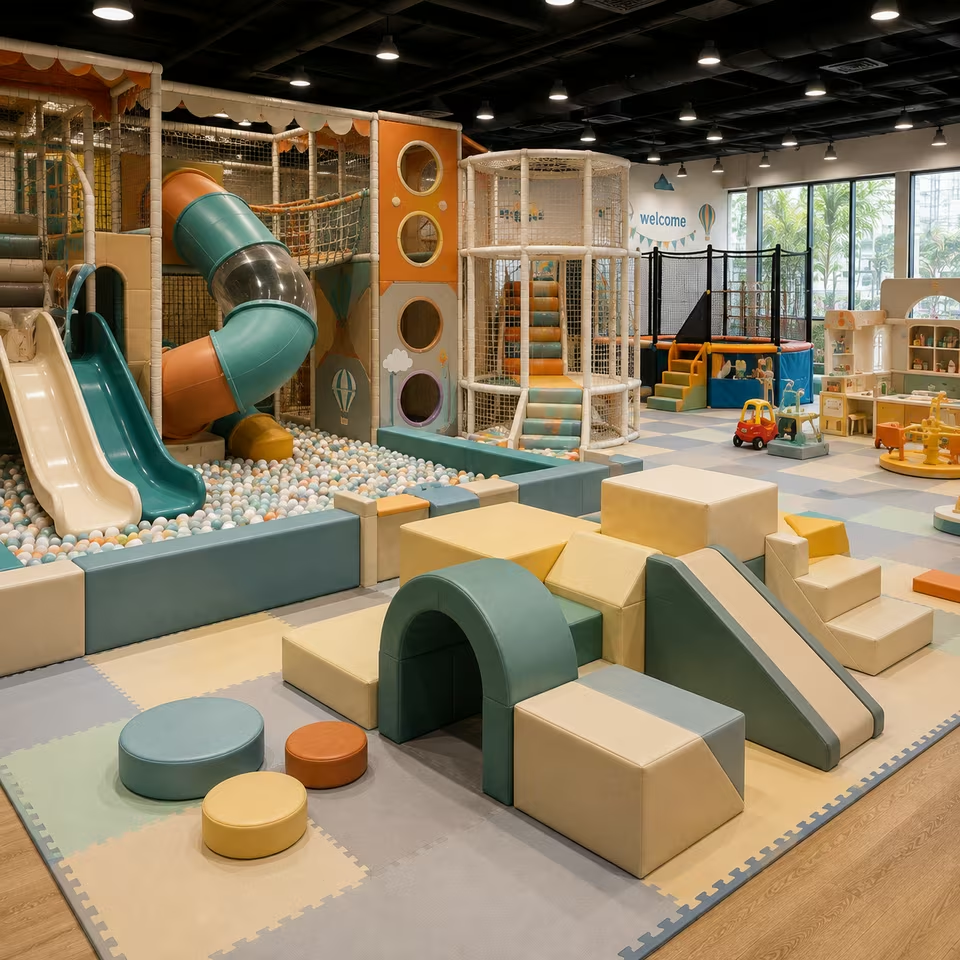
What kind of soft play is suitable for children ages 5-6?
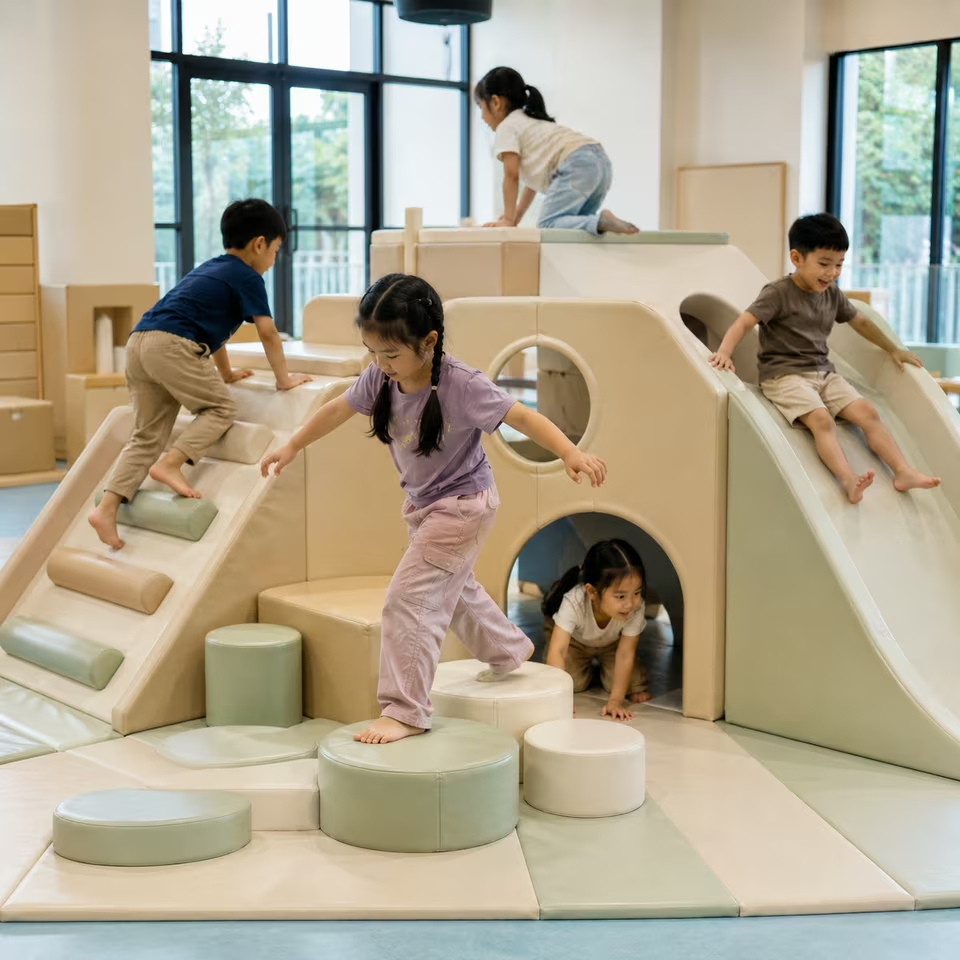
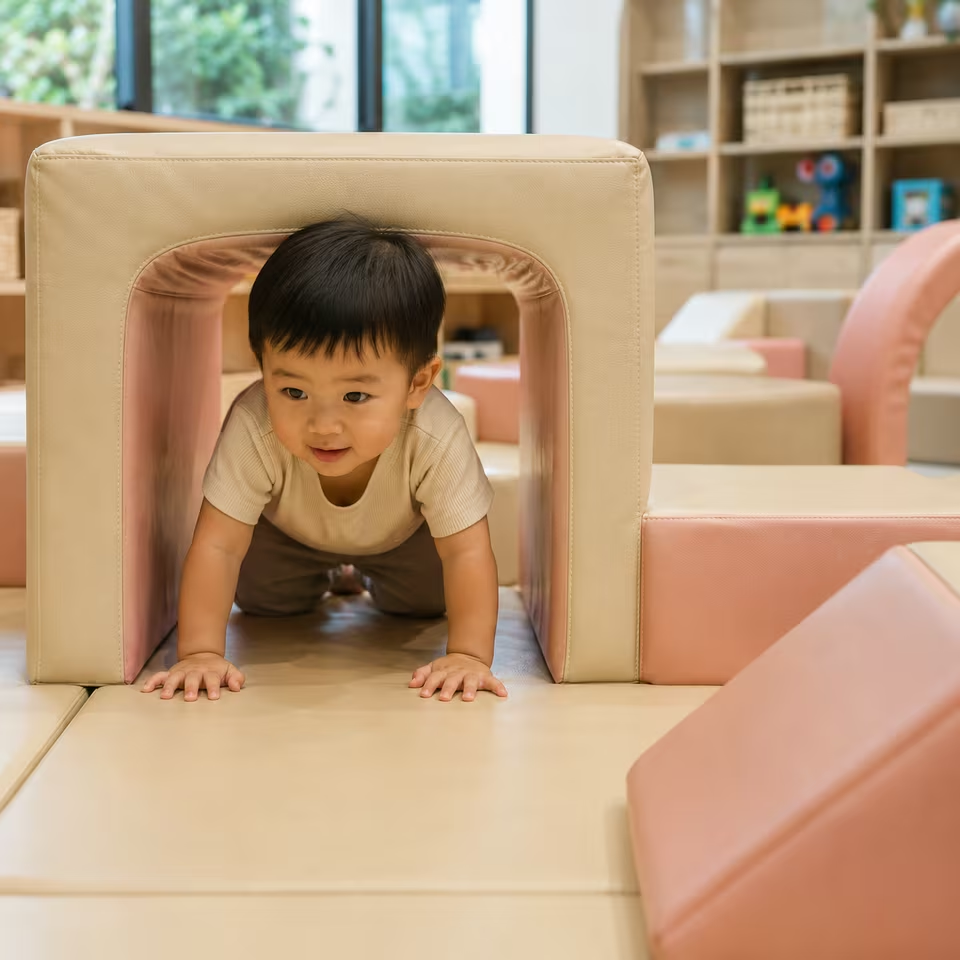
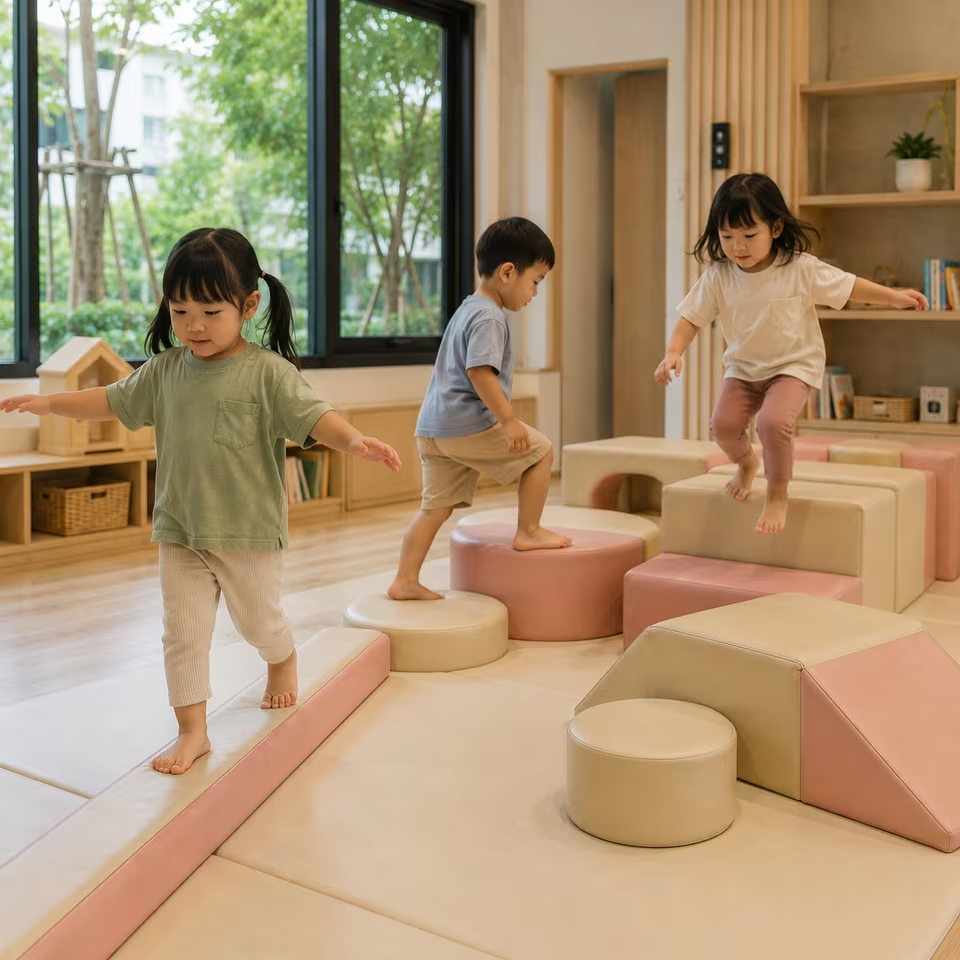
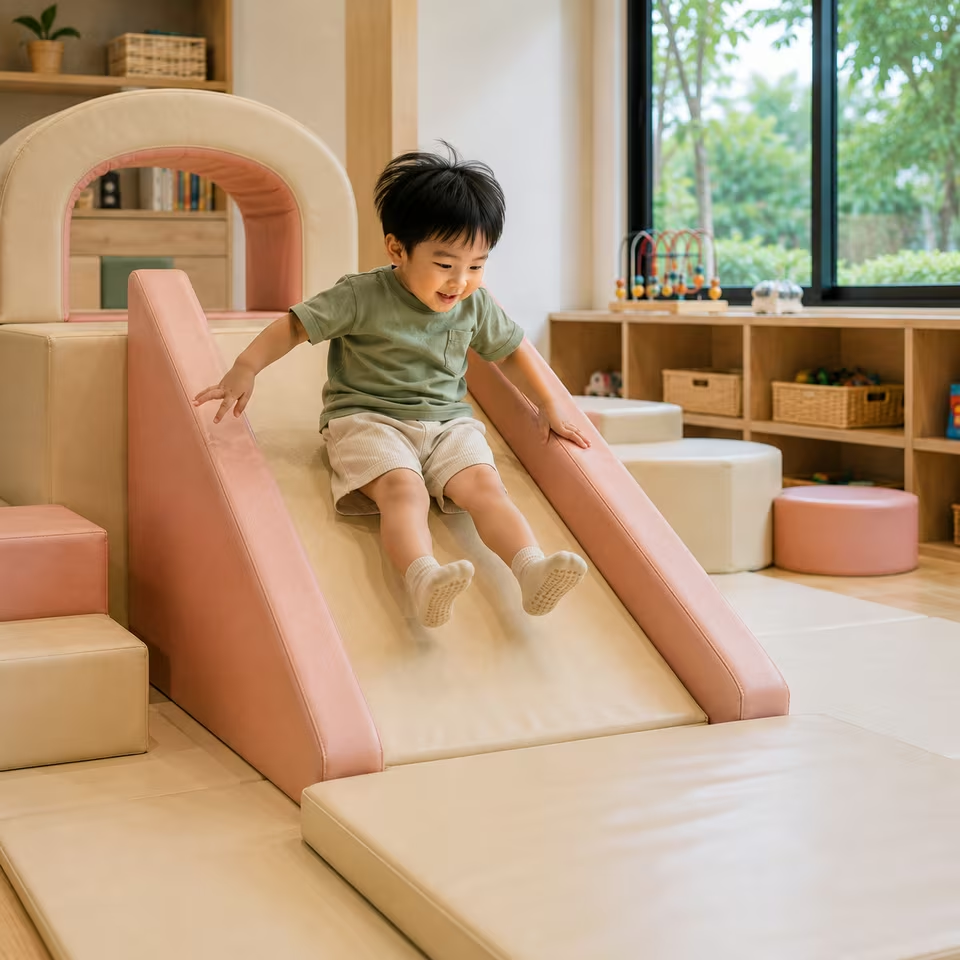
Look for a play environment that offers connected movement, varied routes and challenges that can be approached in more than one way. Suitability should reflect the individual child's current coordination, confidence and interests as well as the intended use of the equipment.
What should I look for when buying soft play for a 5-6 year old?
Consider movement variety, route choices, coordination challenges, replay value, usable circulation and the child's current abilities. Also check the intended age range, dimensions, configuration and use guidance for each product.
What play equipment is suitable for a 5-year-old?
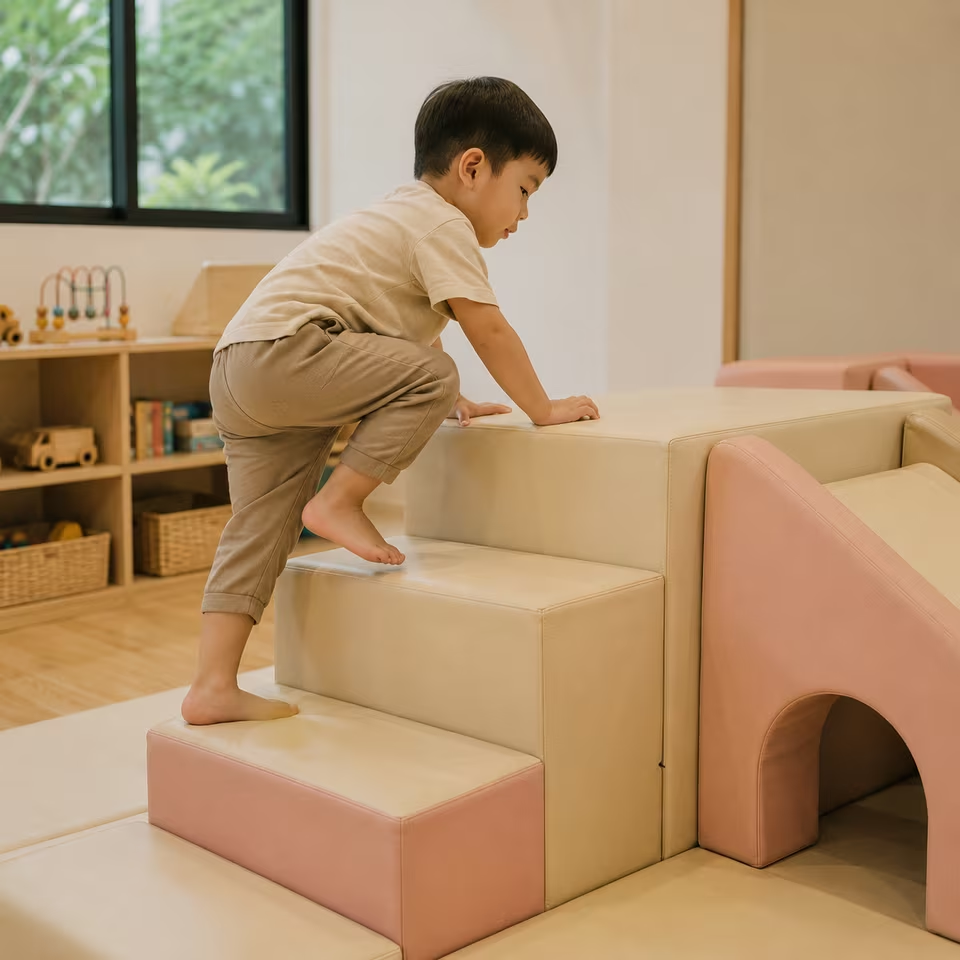
Children around five may enjoy equipment that lets them combine several movements, choose routes and repeat challenges with different approaches. The best choice still depends on the individual child, available space and the specifications of the equipment.
What play equipment is suitable for a 6-year-old?
Children approaching six may look for greater movement variety, longer routes and opportunities to refine how they complete familiar challenges. Challenge can come from coordination, precision, sequencing and route choice rather than height alone.
Is soft play still suitable for 5-6 year olds?
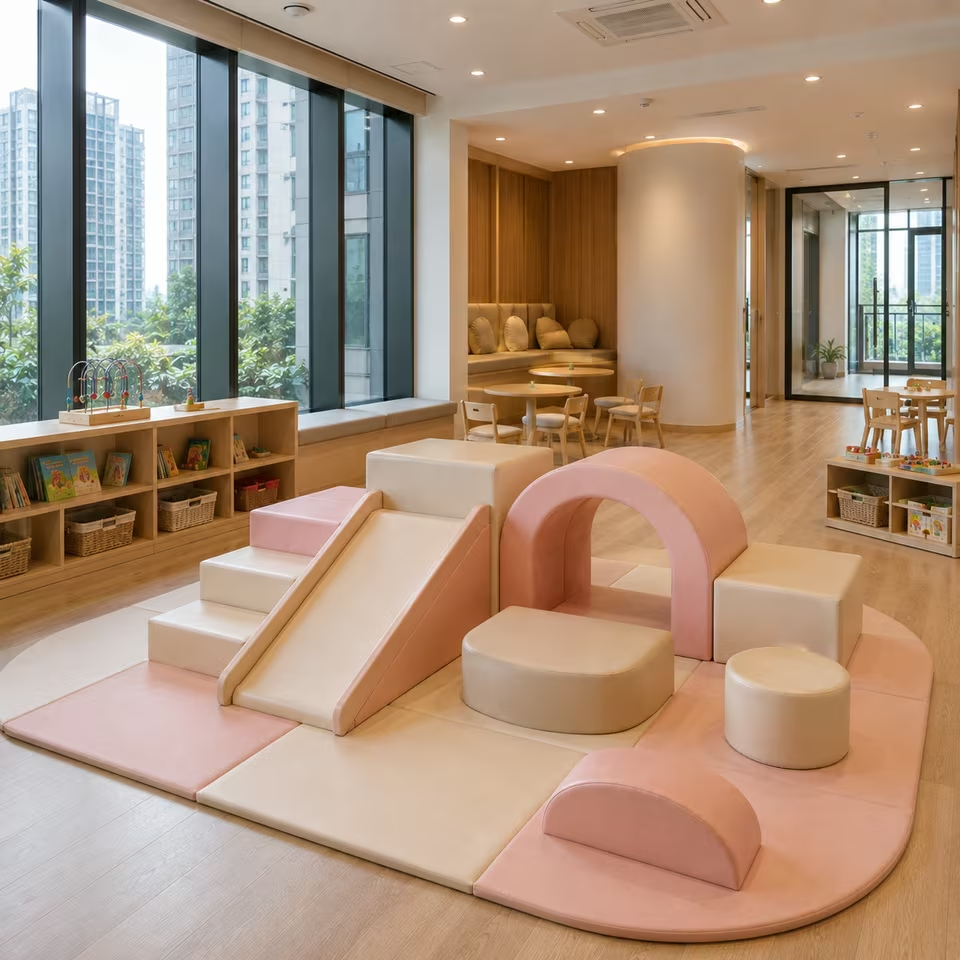
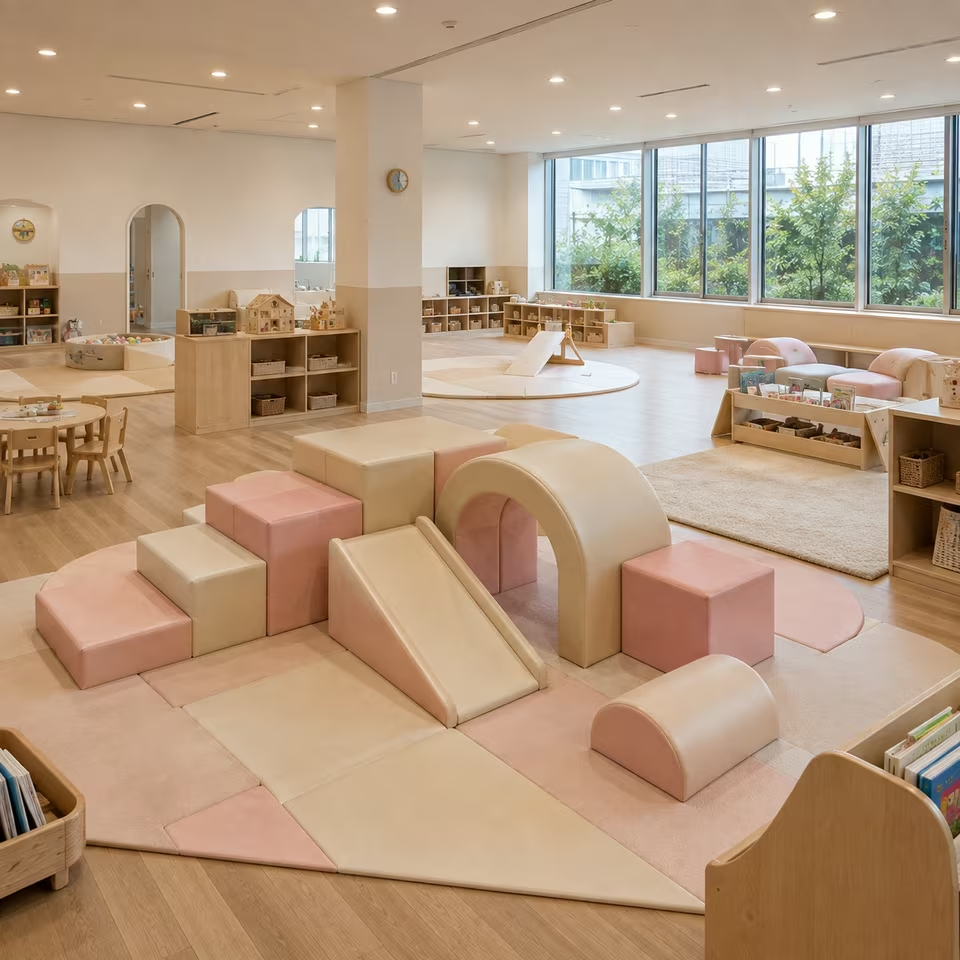
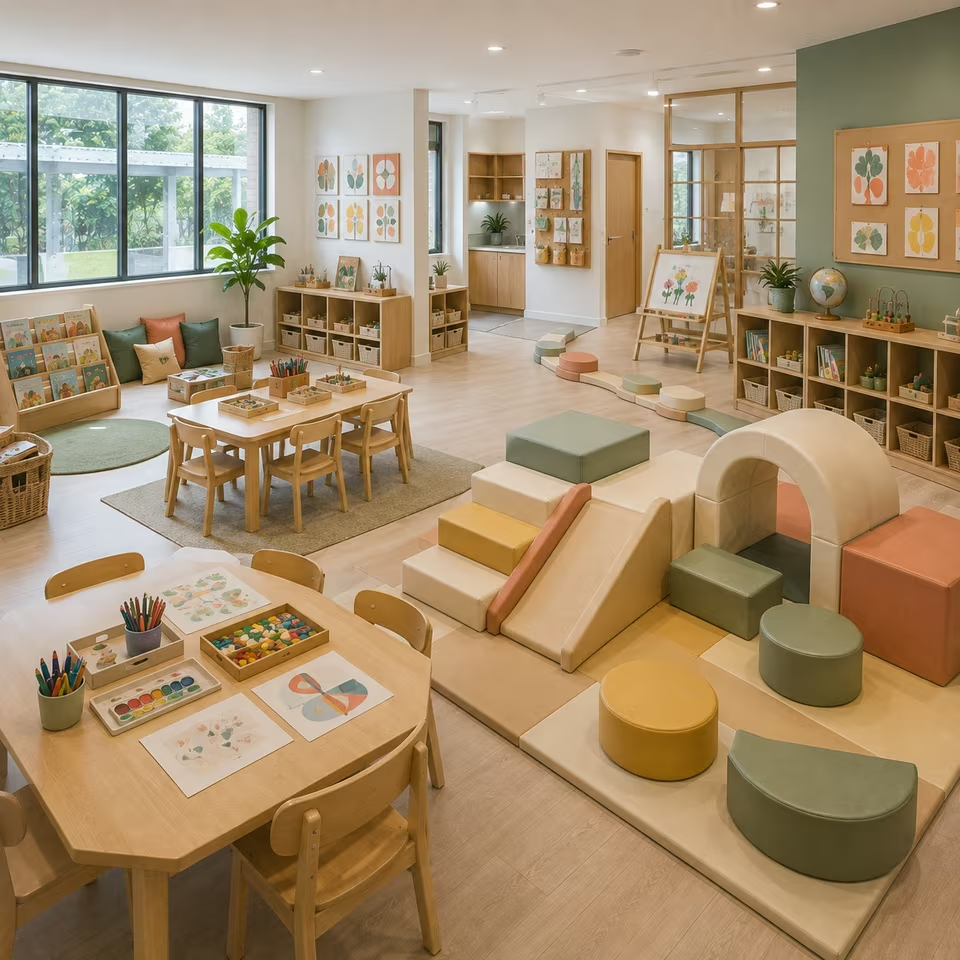
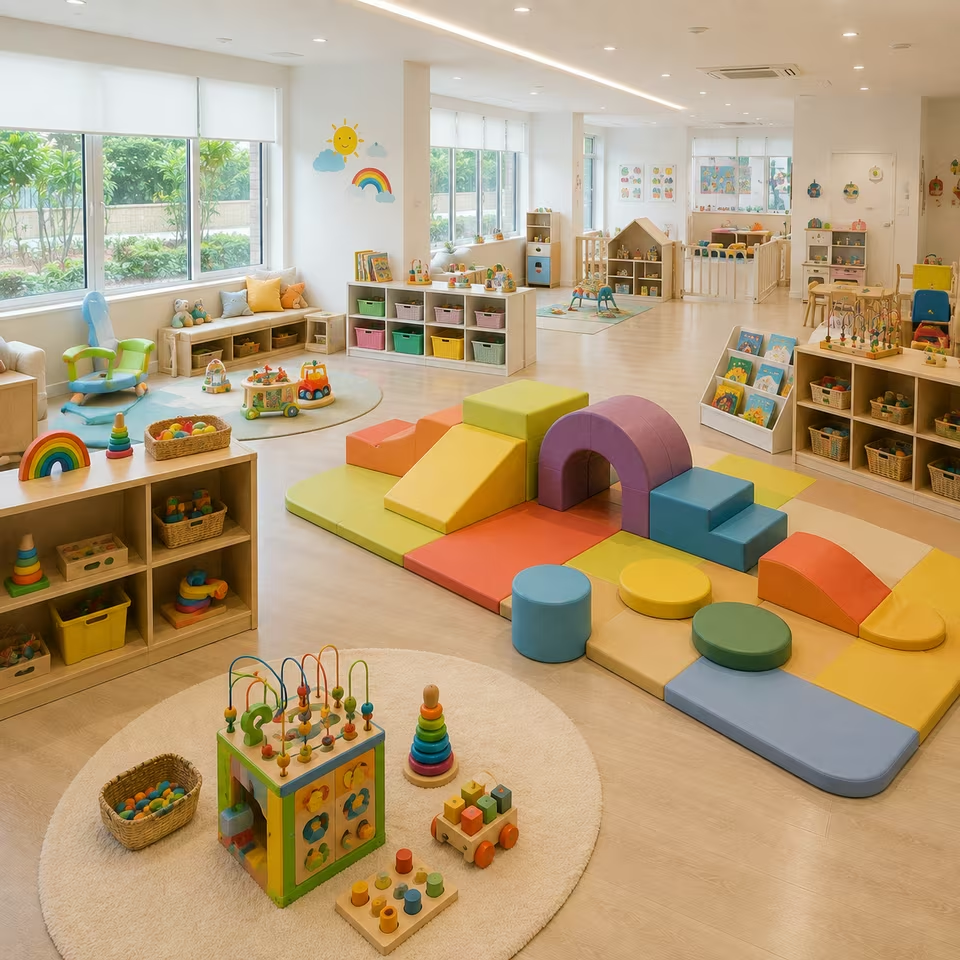
It can be, provided the environment offers enough movement variety and the individual equipment is intended for the child's age and use. Soft play does not need to be limited to simple toddler activities; layout, scale and the ways movements connect can significantly change the experience.
Does soft play for older children need to be taller?
Not necessarily. Height is only one design variable. Coordination, route complexity, precision, changes in direction, movement combinations and alternative approaches can create meaningful challenge without relying primarily on greater height.
What makes soft play challenging for a 5-6 year old?
Challenge can come from combining movements, choosing between routes, controlling body position, navigating spacing and repeating a familiar route in a different way. A good environment can offer several levels of engagement without requiring one fixed difficulty.
How much space do I need for soft play for a 5-6 year old?
There is no single ideal size. Consider the equipment footprint together with the space needed for approaches, transitions, circulation and longer movement routes. Preserving usable space around and between features can be especially important as play becomes more active.
Can soft play work in a small space for children ages 5-6?
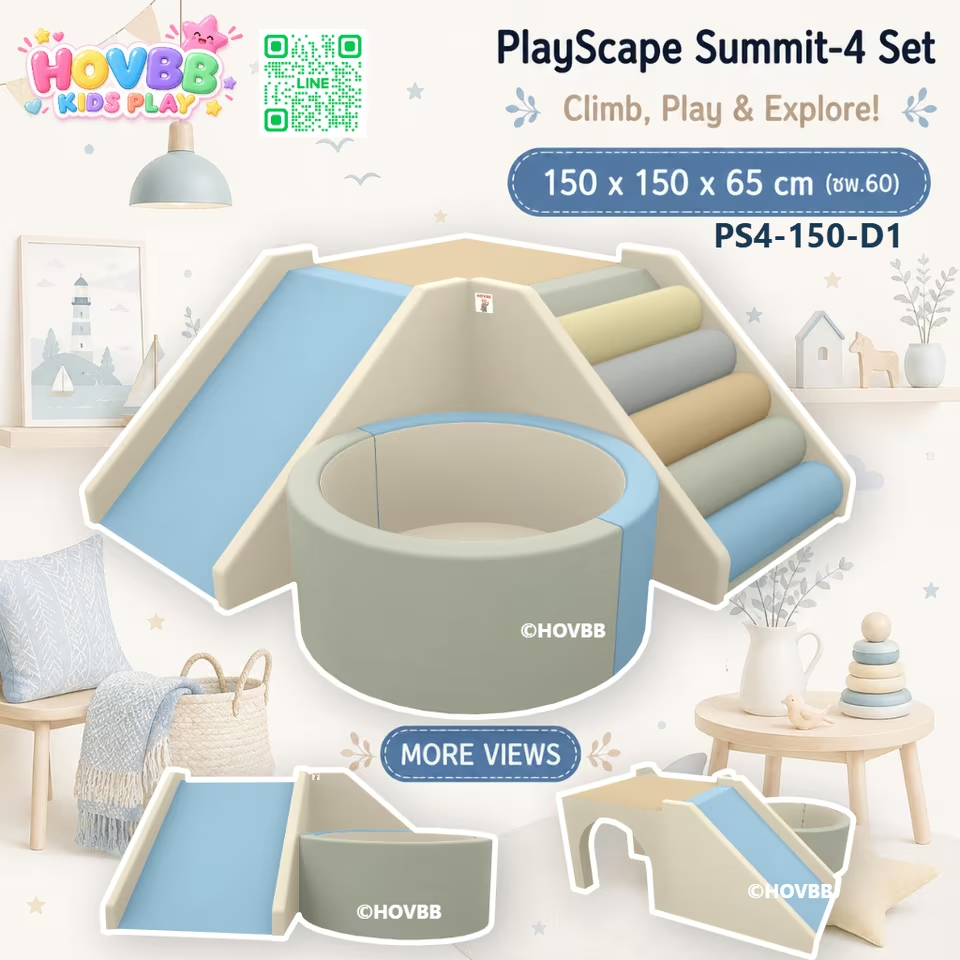
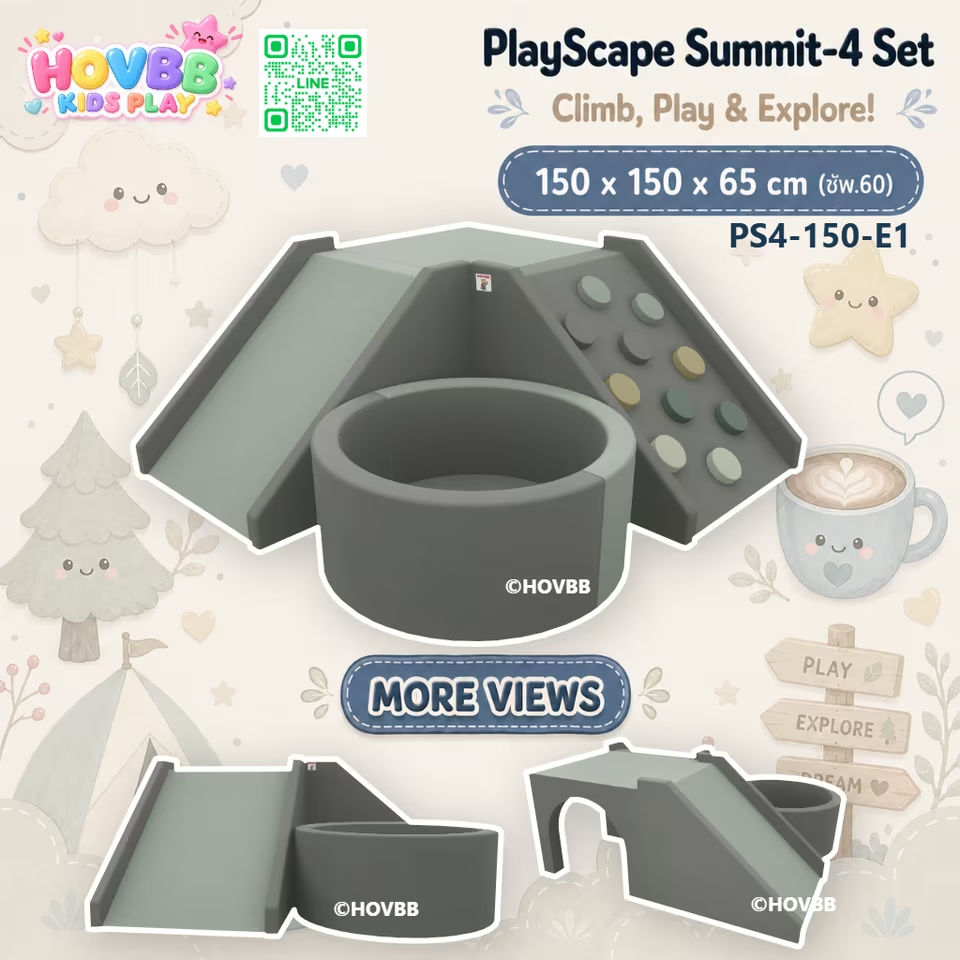
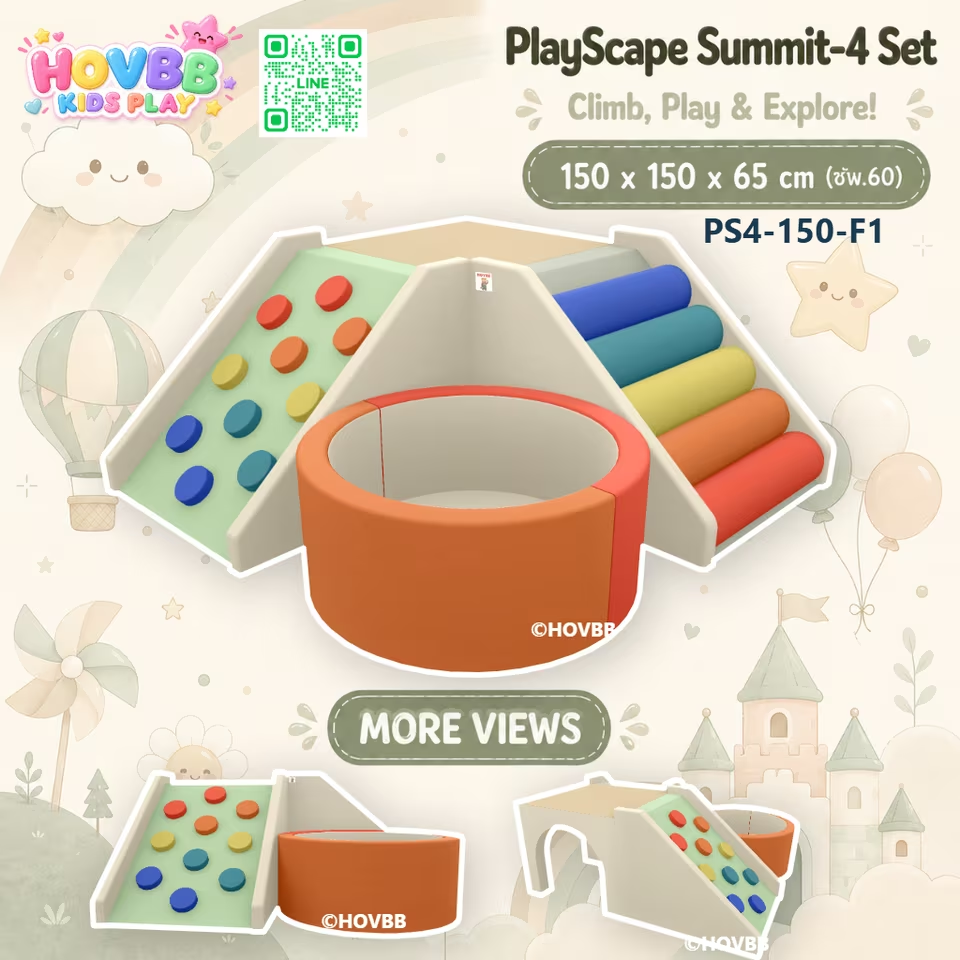
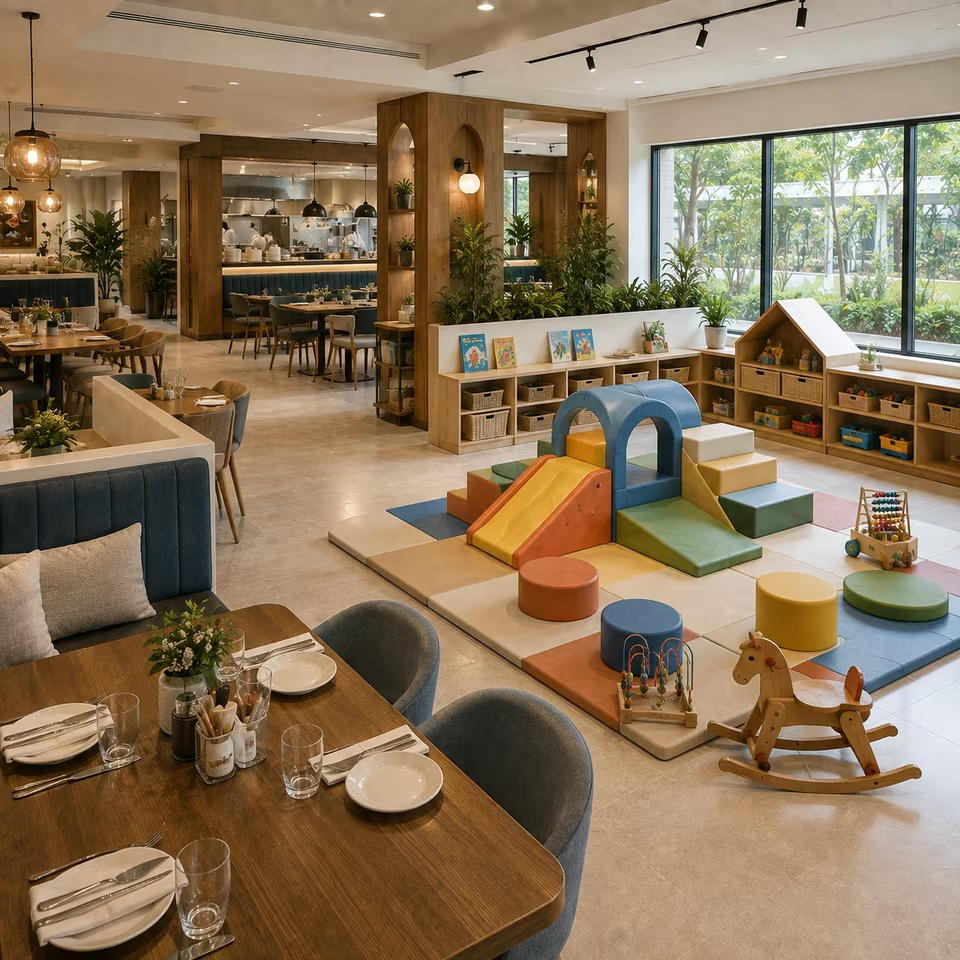
Yes, but the layout needs to use the available area efficiently. Connected features, route variation and replay value are often more useful than trying to fit many separate activities into a compact space.
Is a bigger soft play set better for a 5-6 year old?
Not automatically. A larger footprint can create more possibilities, but route quality, movement variety, usable circulation and how well the features connect usually matter more than size alone.