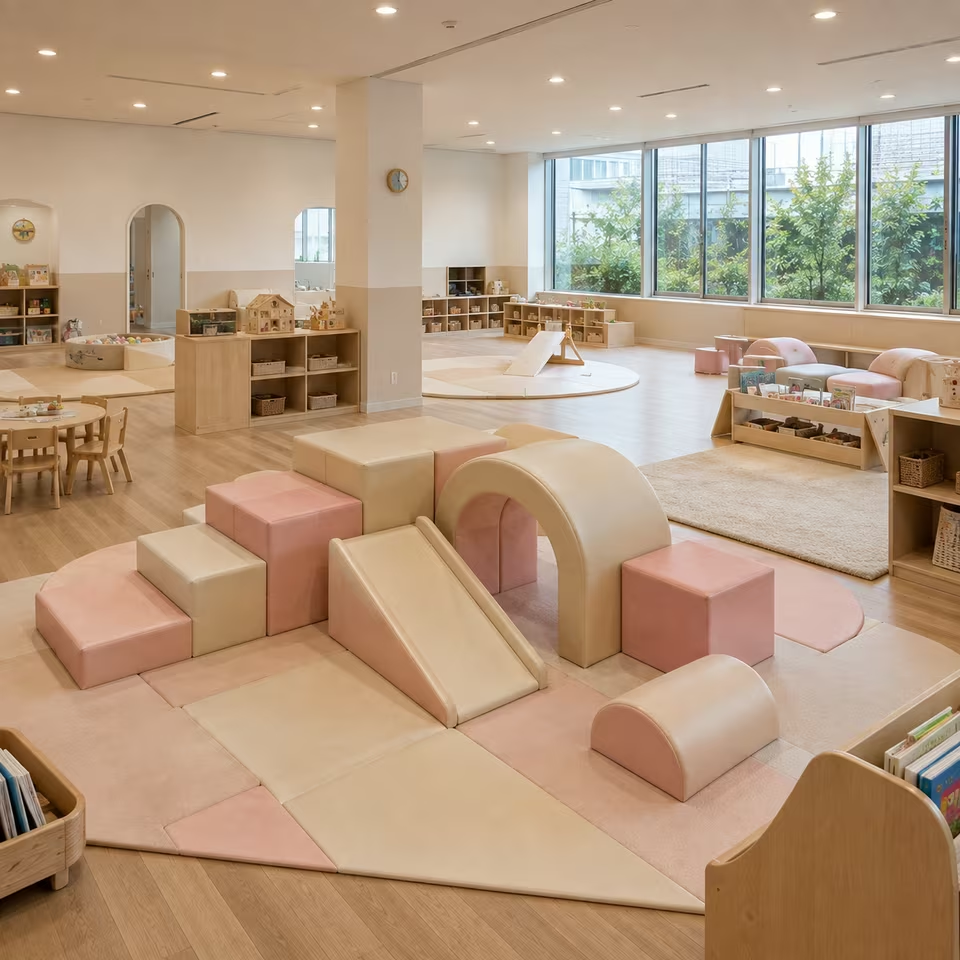
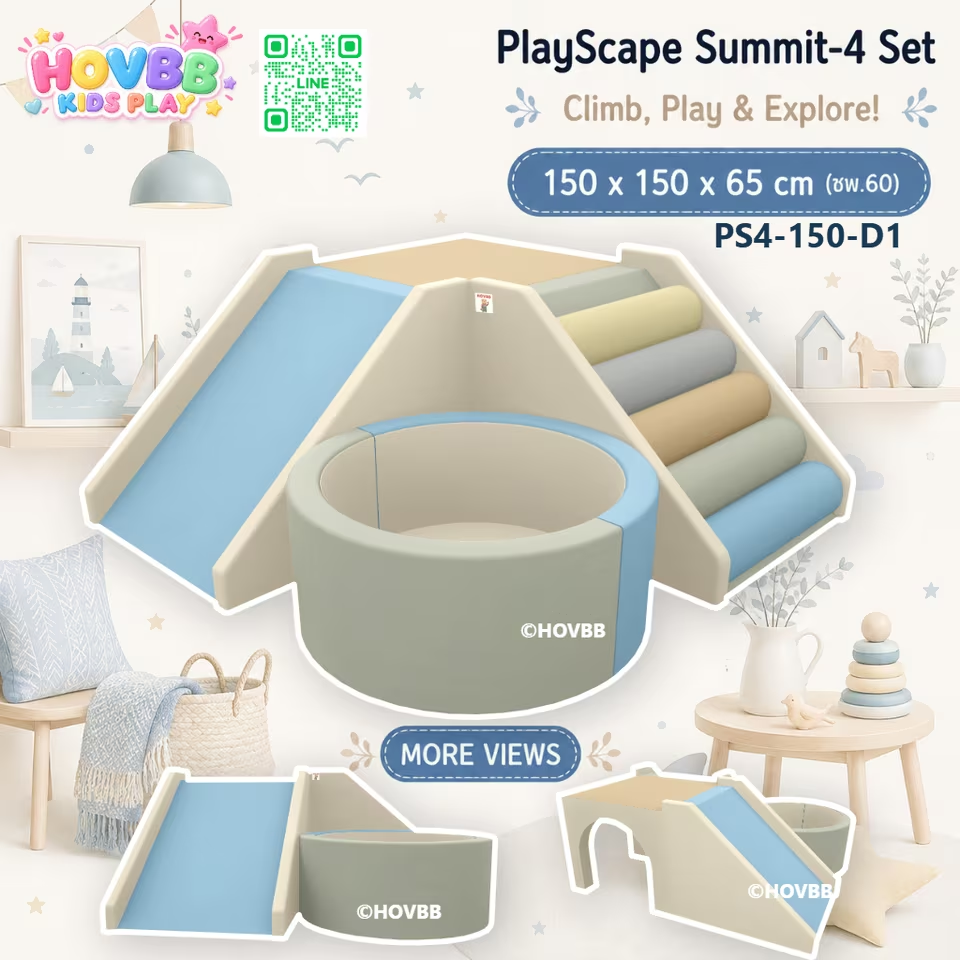
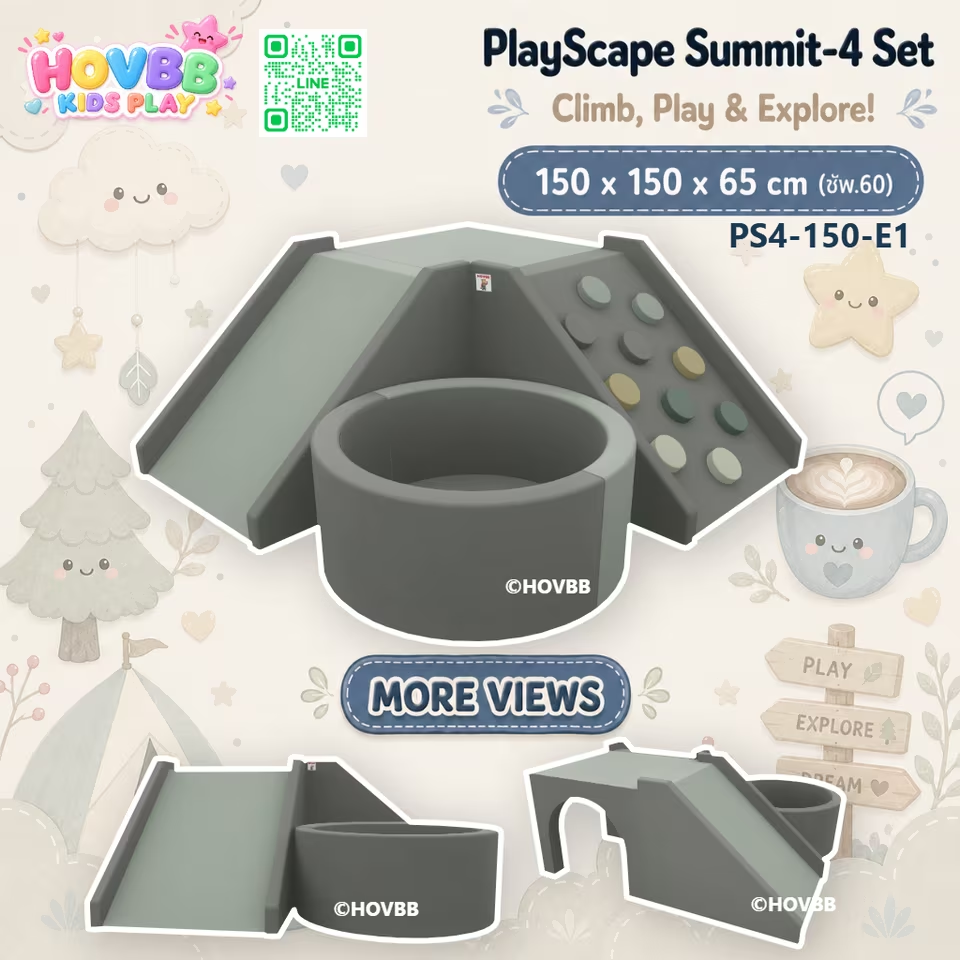
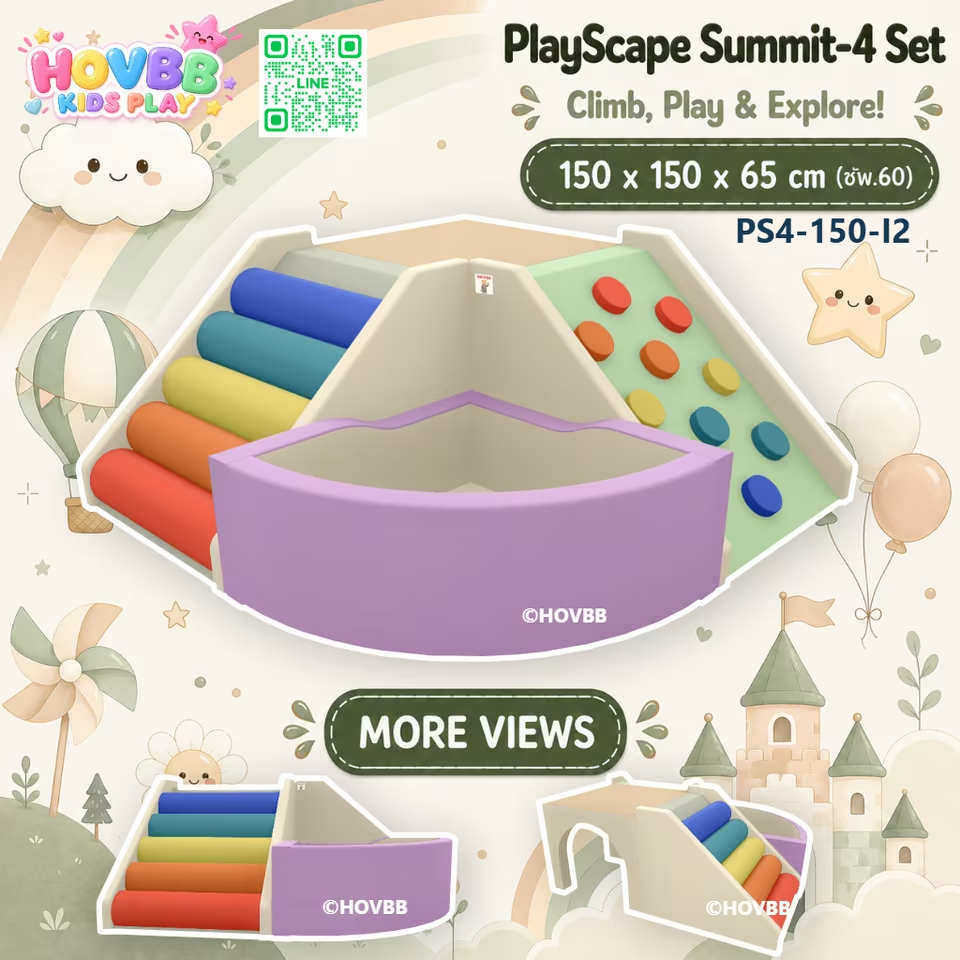
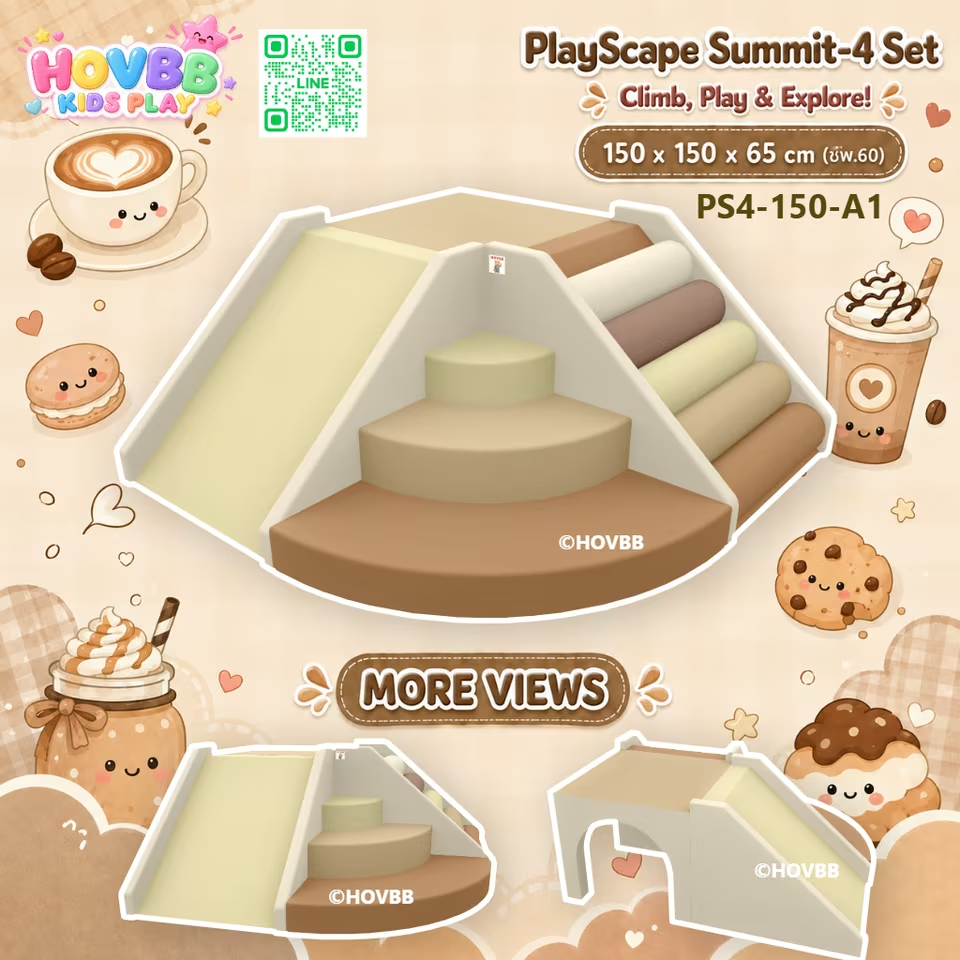
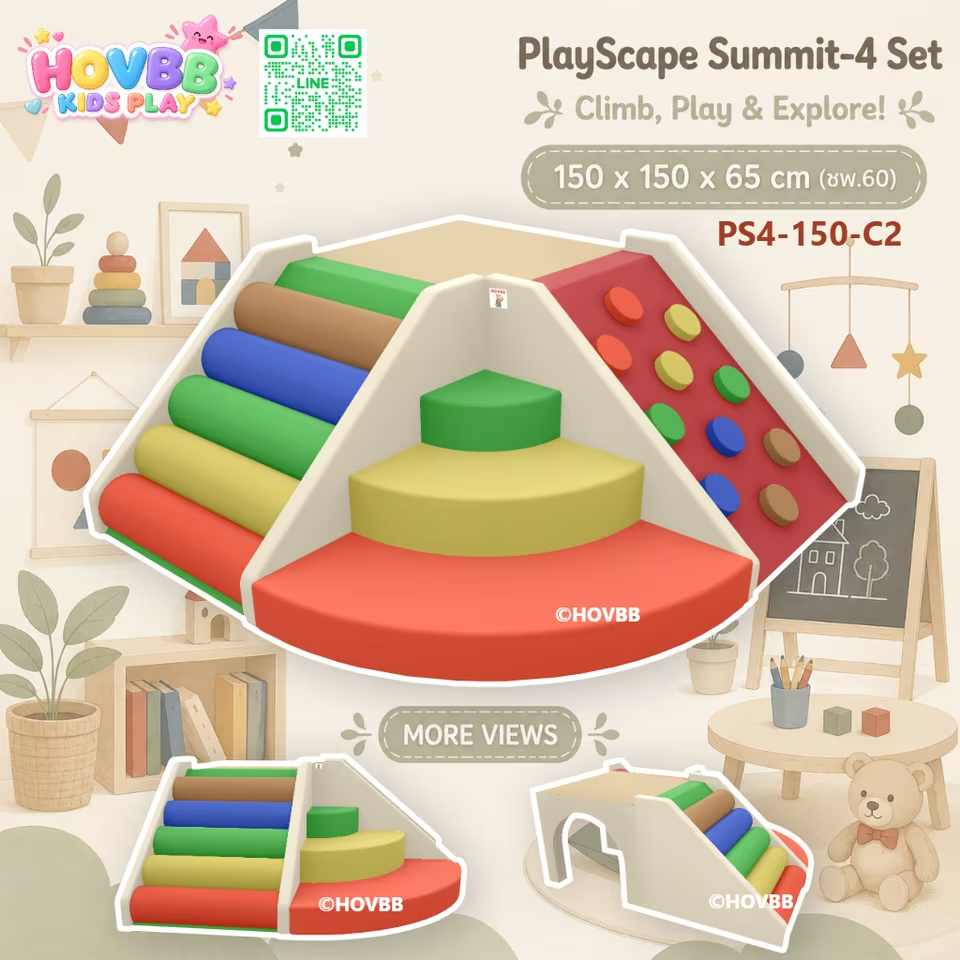
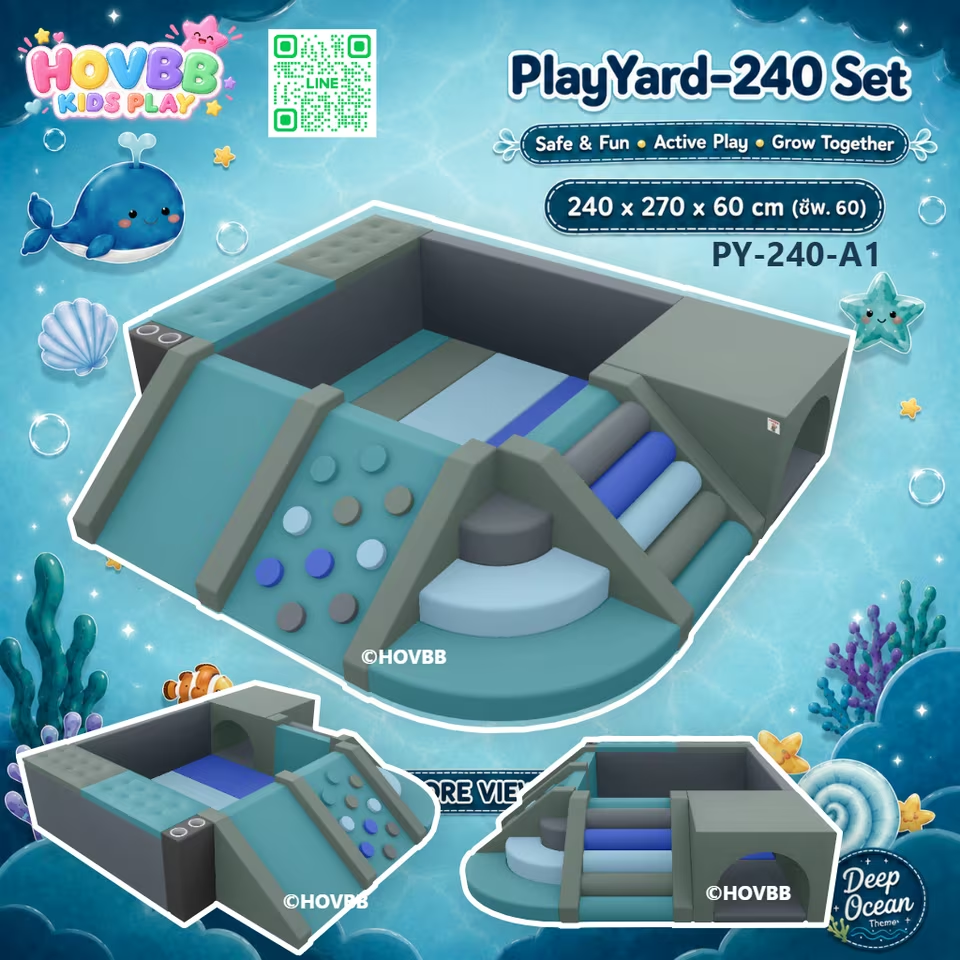
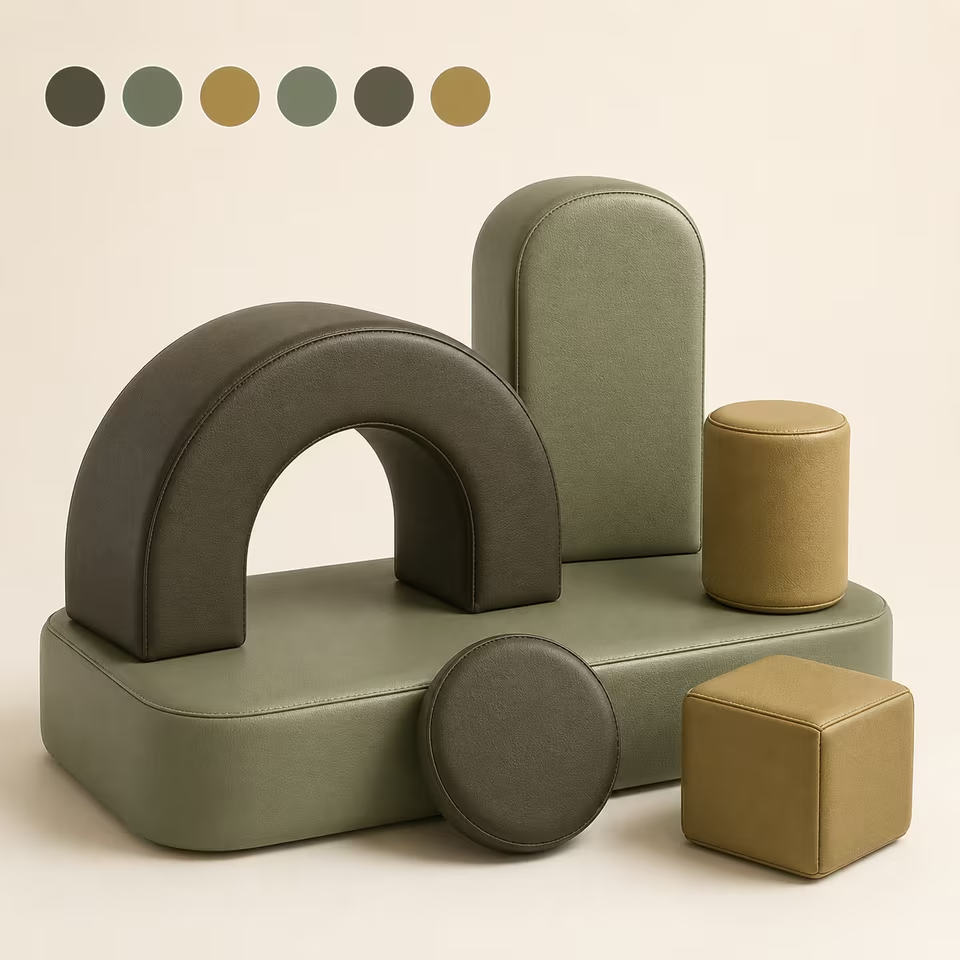
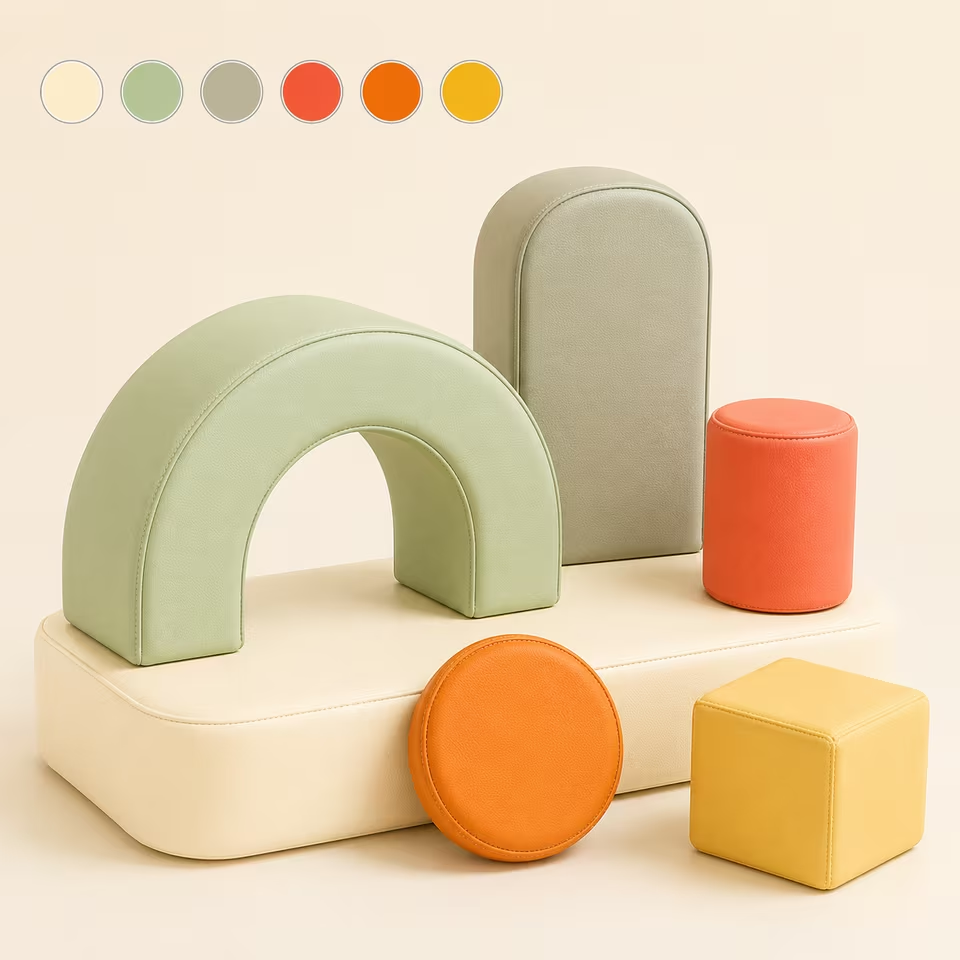
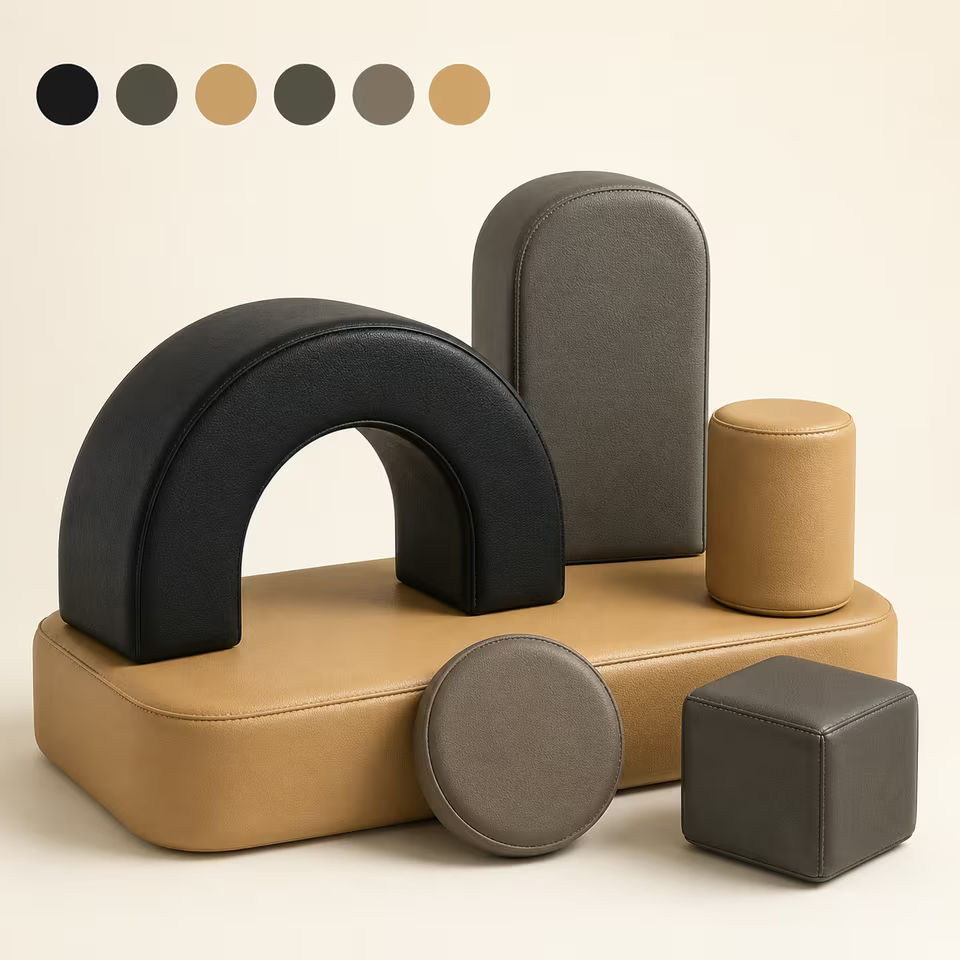
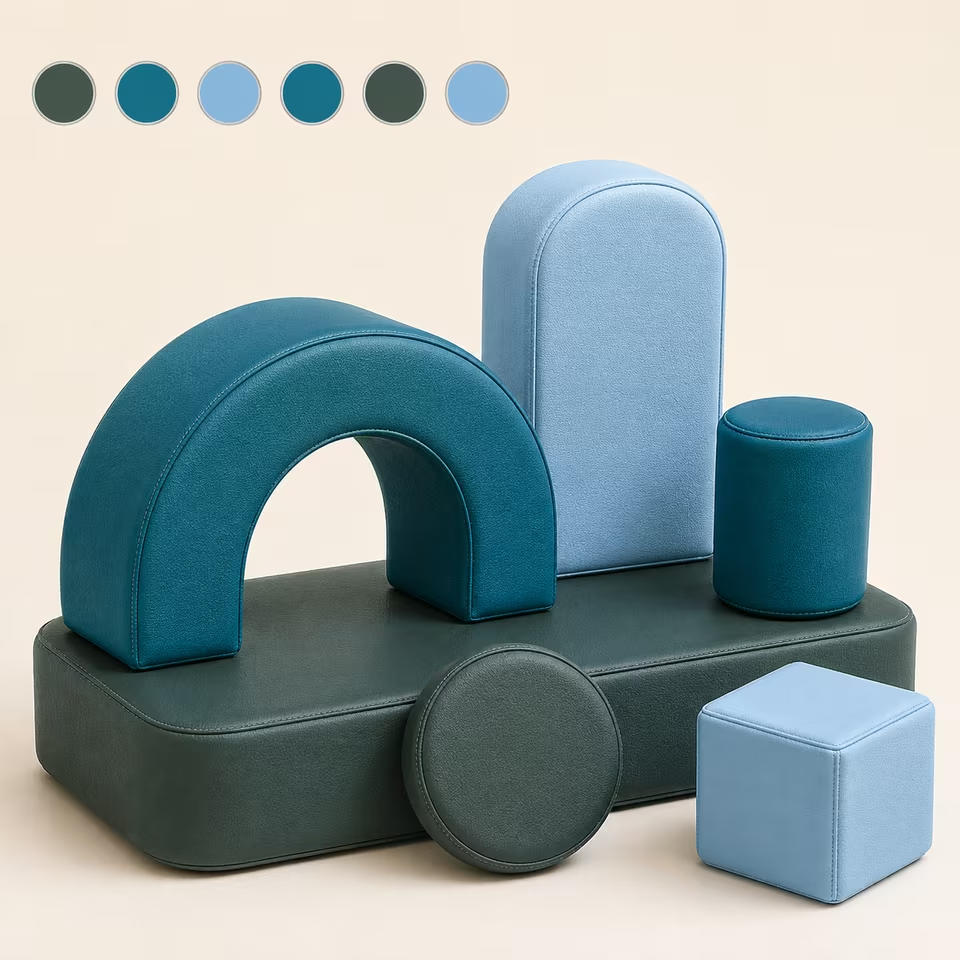
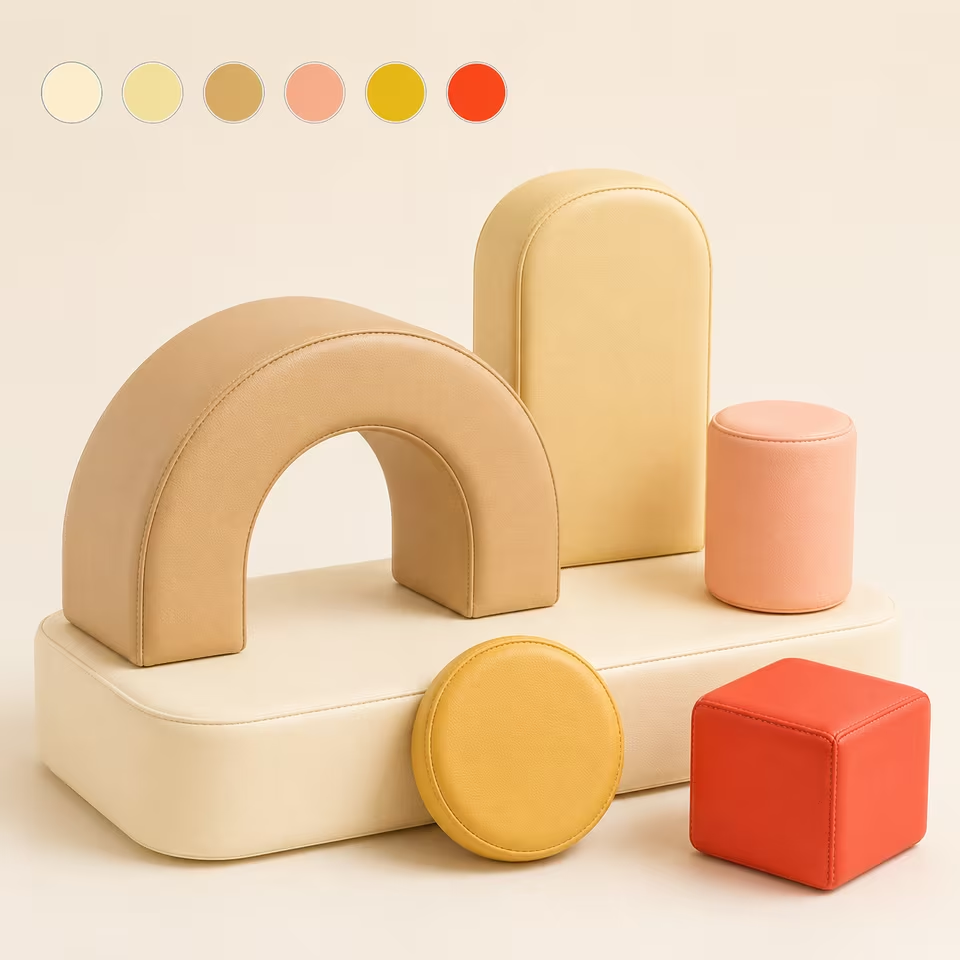
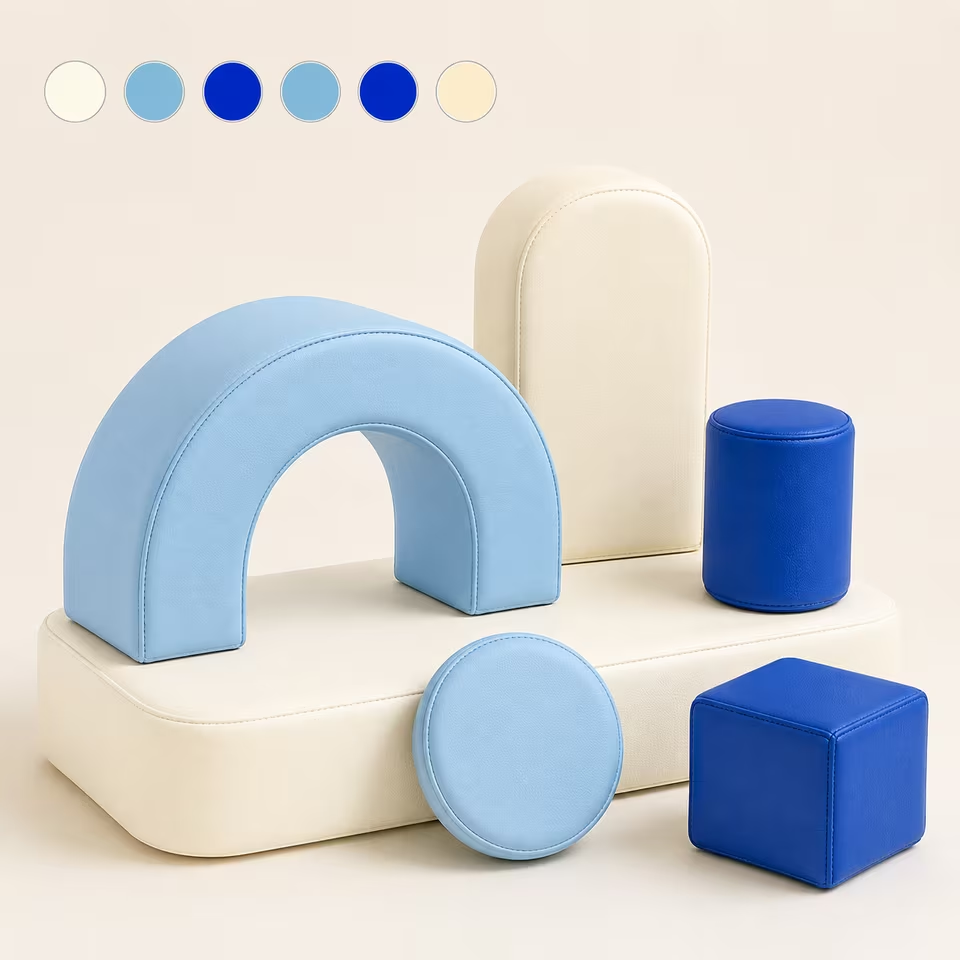
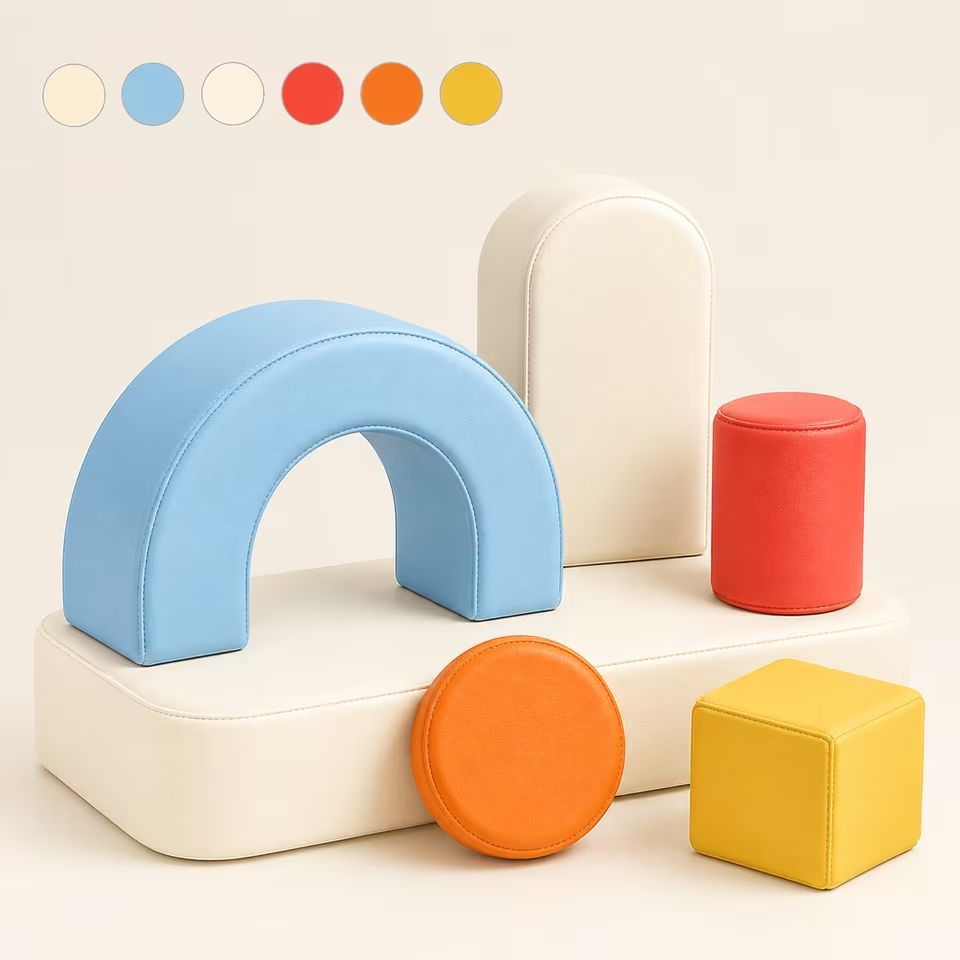
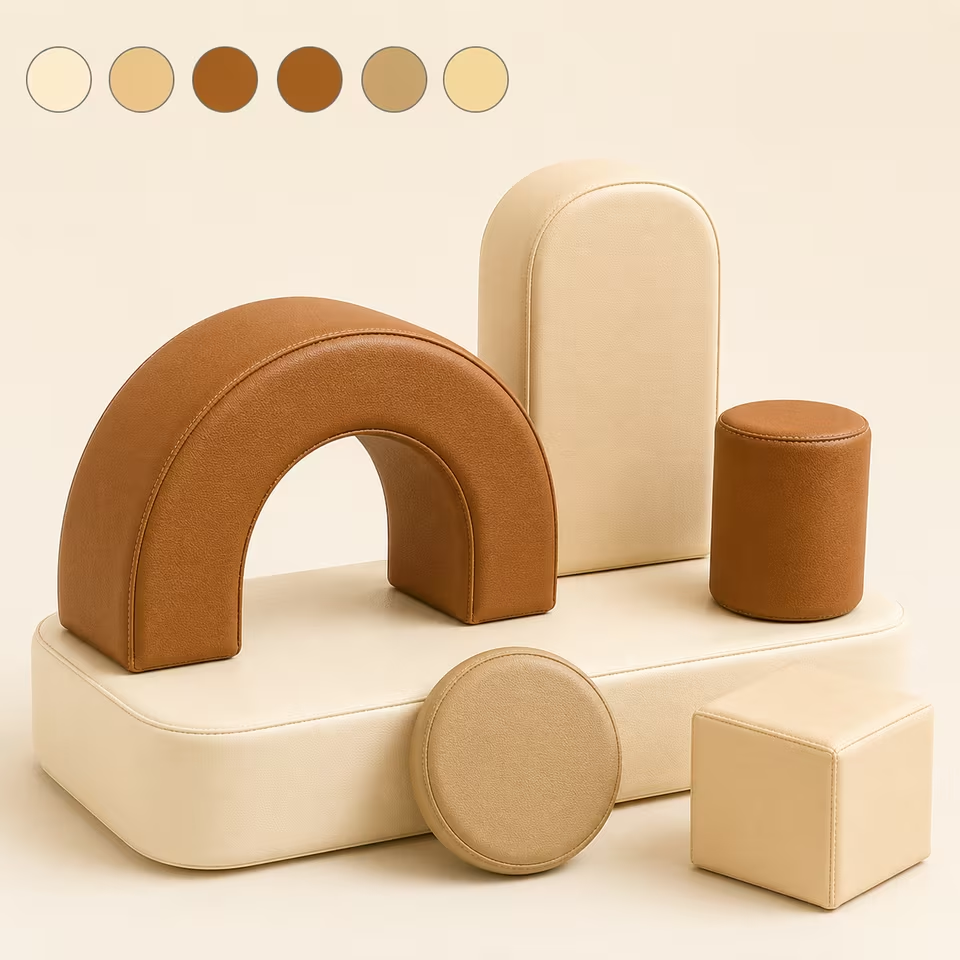
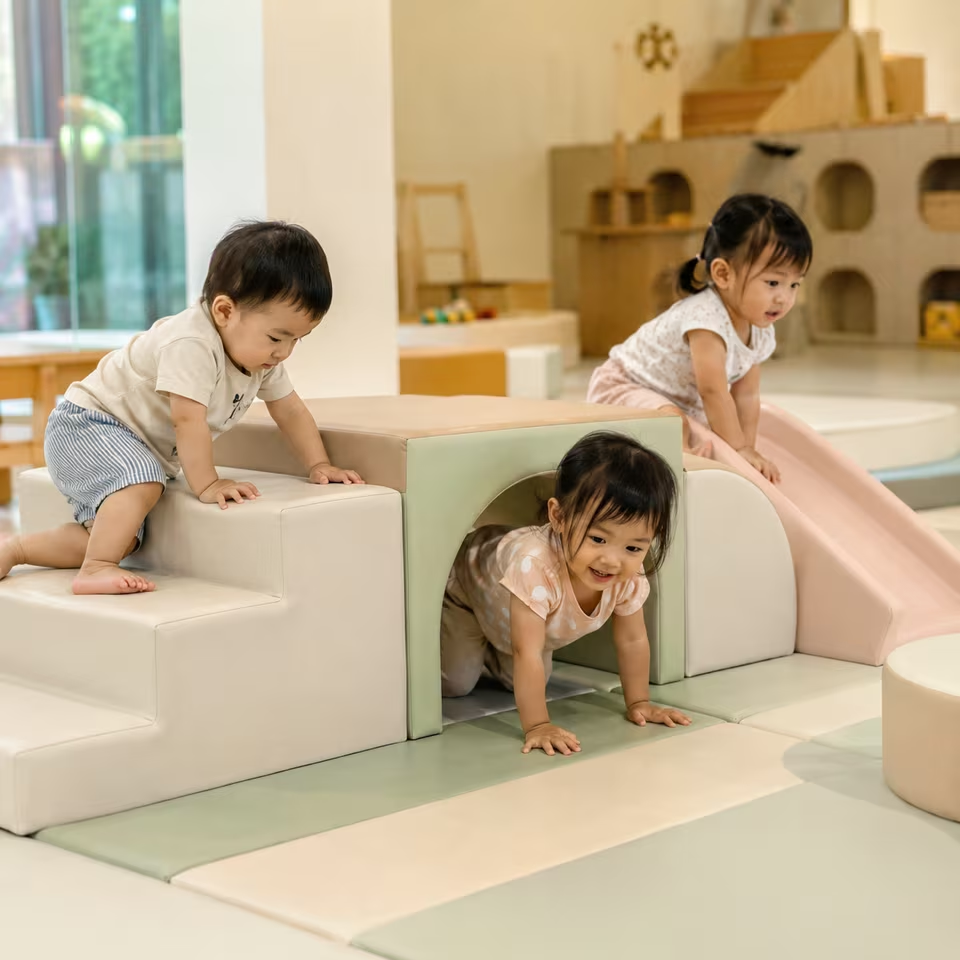
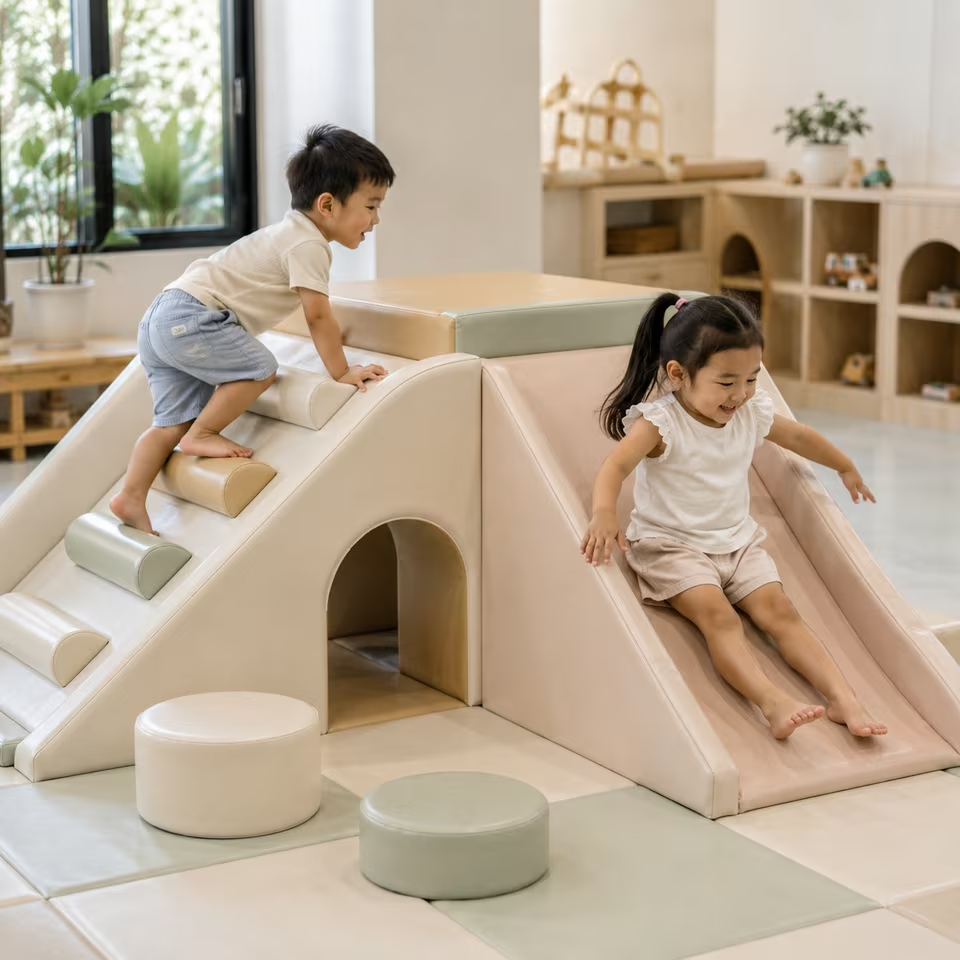
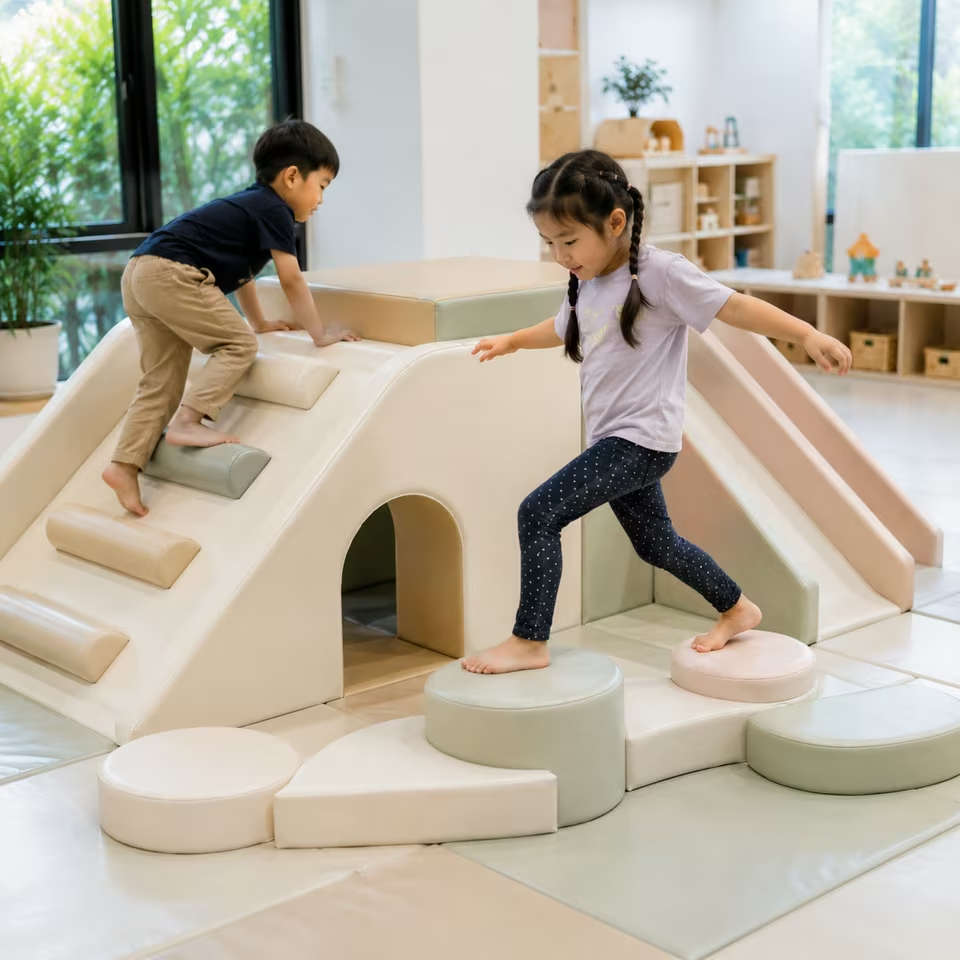
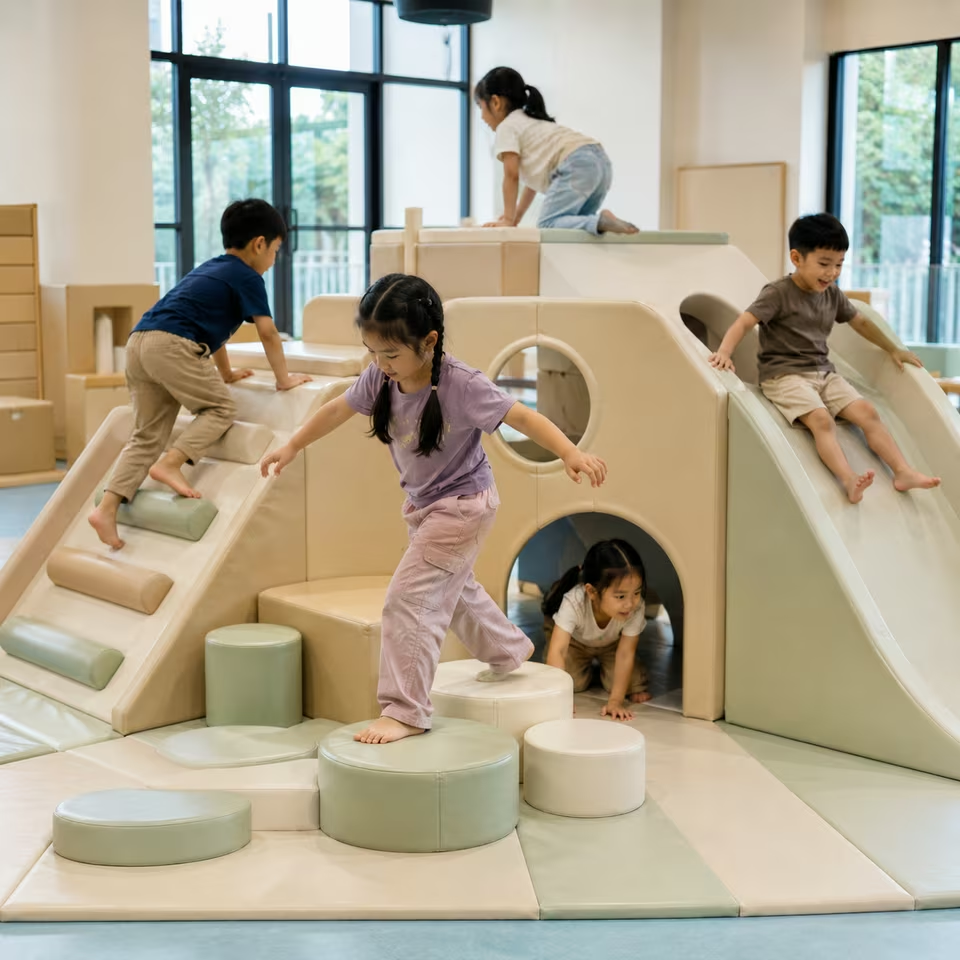
A shared childcare environment designed for safe, active and age-appropriate everyday play.
Daycare centers need play spaces that work naturally within a busy childcare routine. The environment should give children opportunities to climb, crawl, balance, explore and play together while remaining easy for caregivers to supervise. A well-planned play area feels inviting without overwhelming the room, with clear circulation and enough open space for children to move comfortably between activities.
Highlights
Supports active play as part of the daily childcare routine
Encourages climbing, crawling, balancing and exploration
Suitable for shared play among multiple children
Works best with clear sightlines for caregiver supervision
Can help create distinct activity zones within an open room
Plan the play area around the age range and number of children who are likely to use it at the same time.
Balance active play with quieter parts of the room so different activities can happen without competing for the same space.
Keep the layout understandable at a glance, with simple movement paths rather than too many tightly packed activities.
Allow enough surrounding space for children to approach, leave and move around the play area comfortably.
Consider how the play area will fit into everyday routines such as free play, group activities and room transitions.
Placement Tips
Place active play where caregivers can maintain clear visual supervision from the main occupied areas of the room.
Avoid positioning the play zone where it blocks primary circulation between entrances, classrooms, storage or activity areas.
Use open floor space around climbing and sliding elements rather than placing them directly against busy circulation paths.
Where possible, use the play area to define a zone while preserving visual openness across the room.
Keep frequently accessed storage and furniture from interfering with the natural entry and exit points of the play area.
FAQ
What type of soft play works well in a daycare center?
Daycare environments generally benefit from approachable, low-level play elements that support several kinds of movement rather than a single activity. Climbing, crawling, stepping, balancing and gentle sliding can create varied play without requiring a large playground structure.
How much space should be left around a daycare play area?
The appropriate amount depends on the layout and the activities involved. In practice, the play area should have enough surrounding room for children to approach, exit and circulate without immediately entering furniture, walls or busy walkways.
Where should soft play be placed in a daycare room?
A good location is usually visible from the main supervision areas while remaining outside primary circulation routes. The play zone should feel connected to the room without becoming an obstacle between other frequently used areas.
Can a soft play area be used by several children at once?
Yes. For shared childcare environments, layouts can be planned with multiple points of interest and more than one natural approach or movement path, helping children play alongside one another without concentrating everyone in a single spot.