Entity Detail

Explore

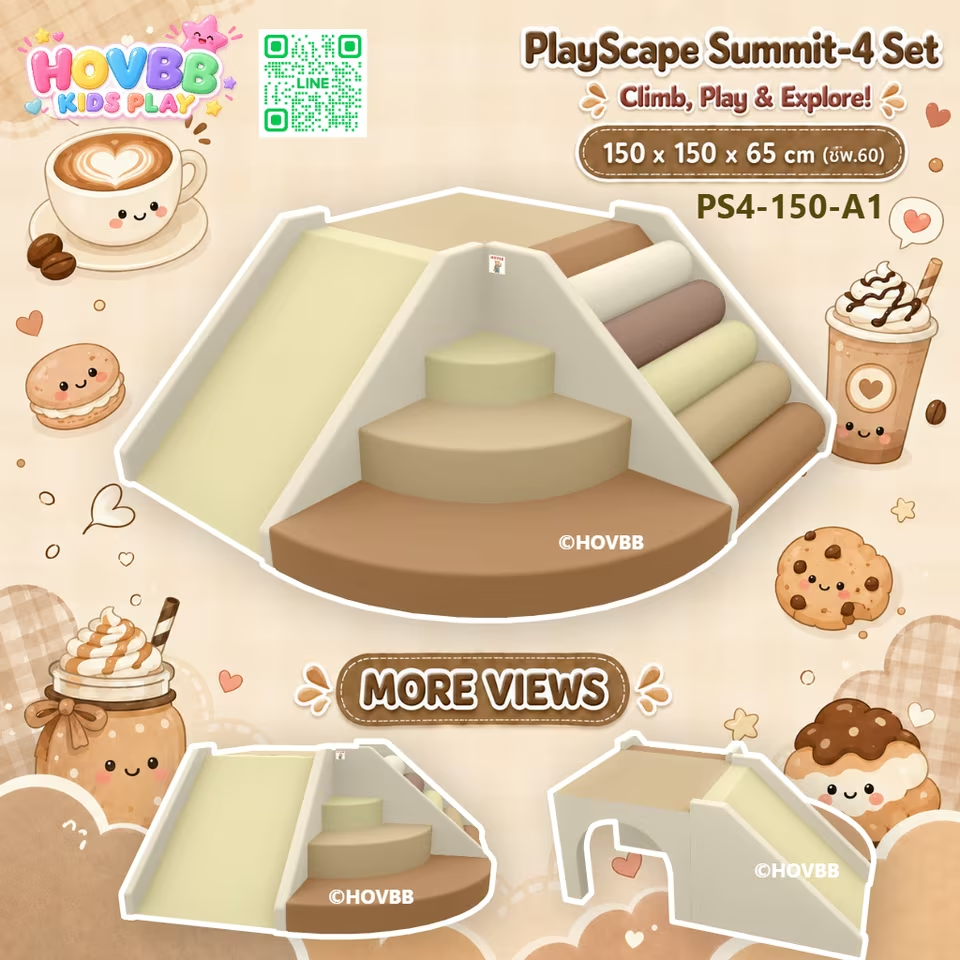
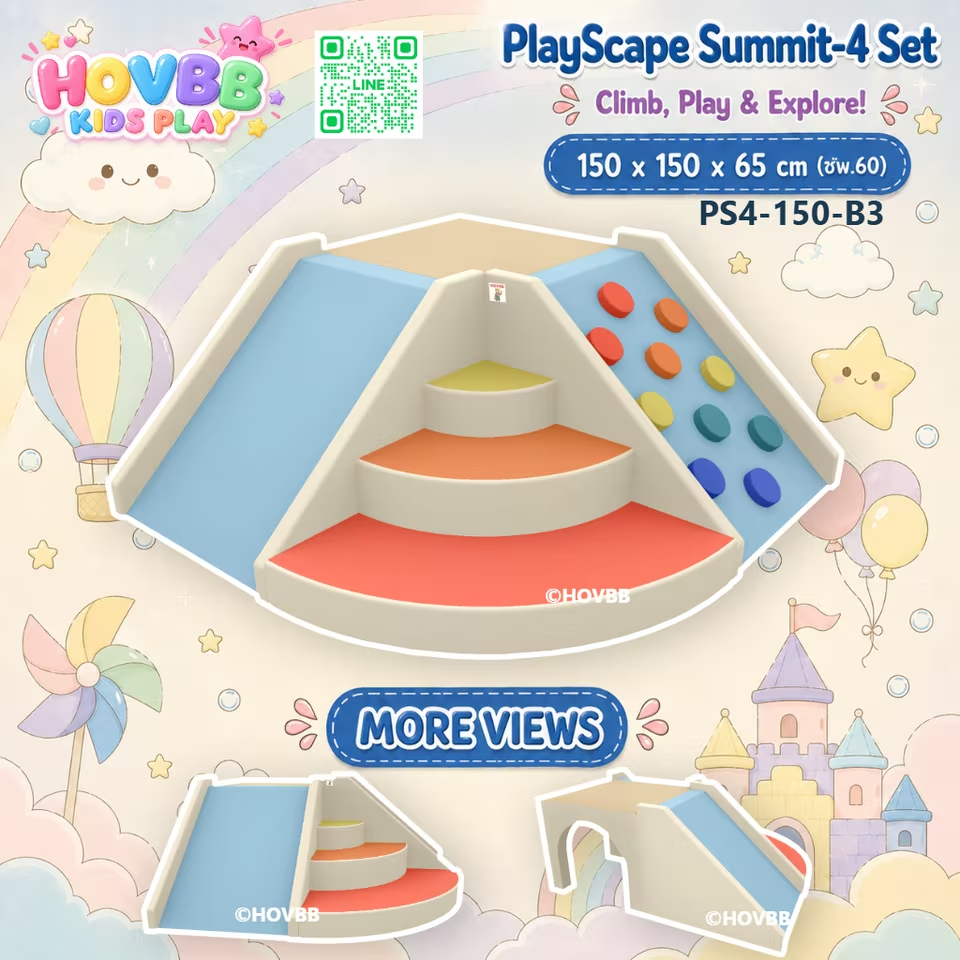
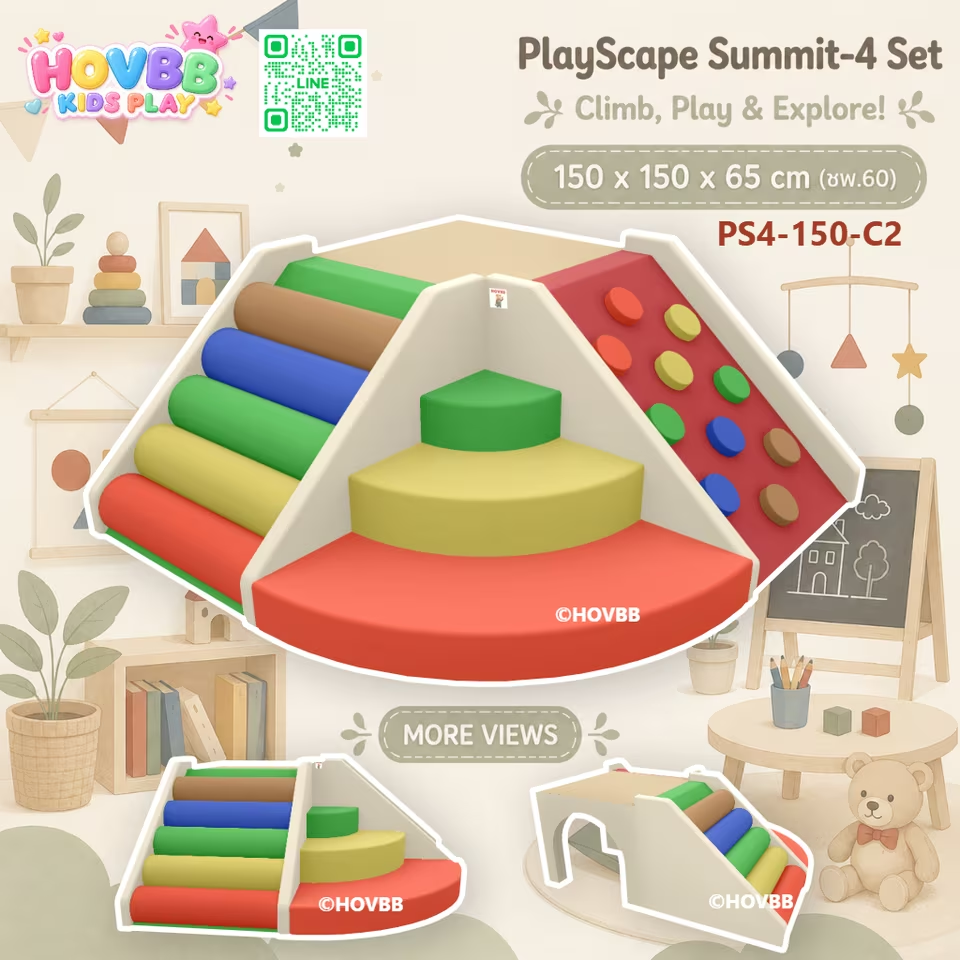
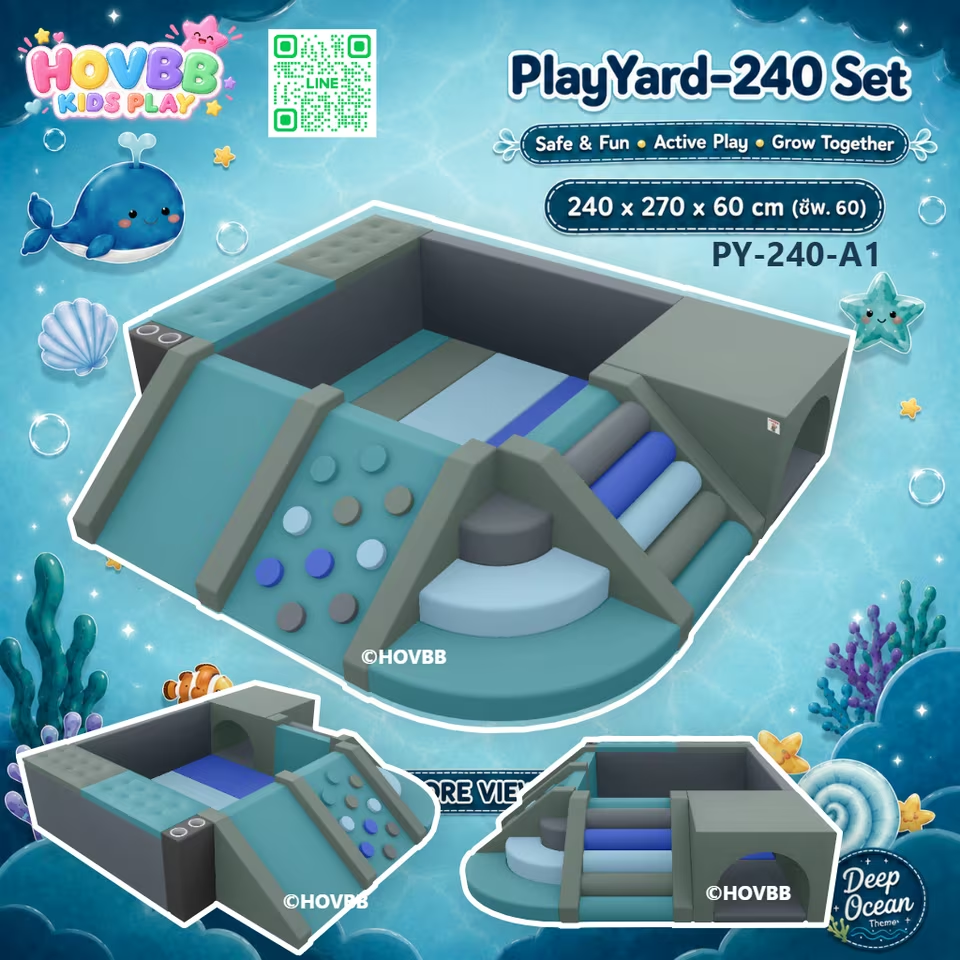
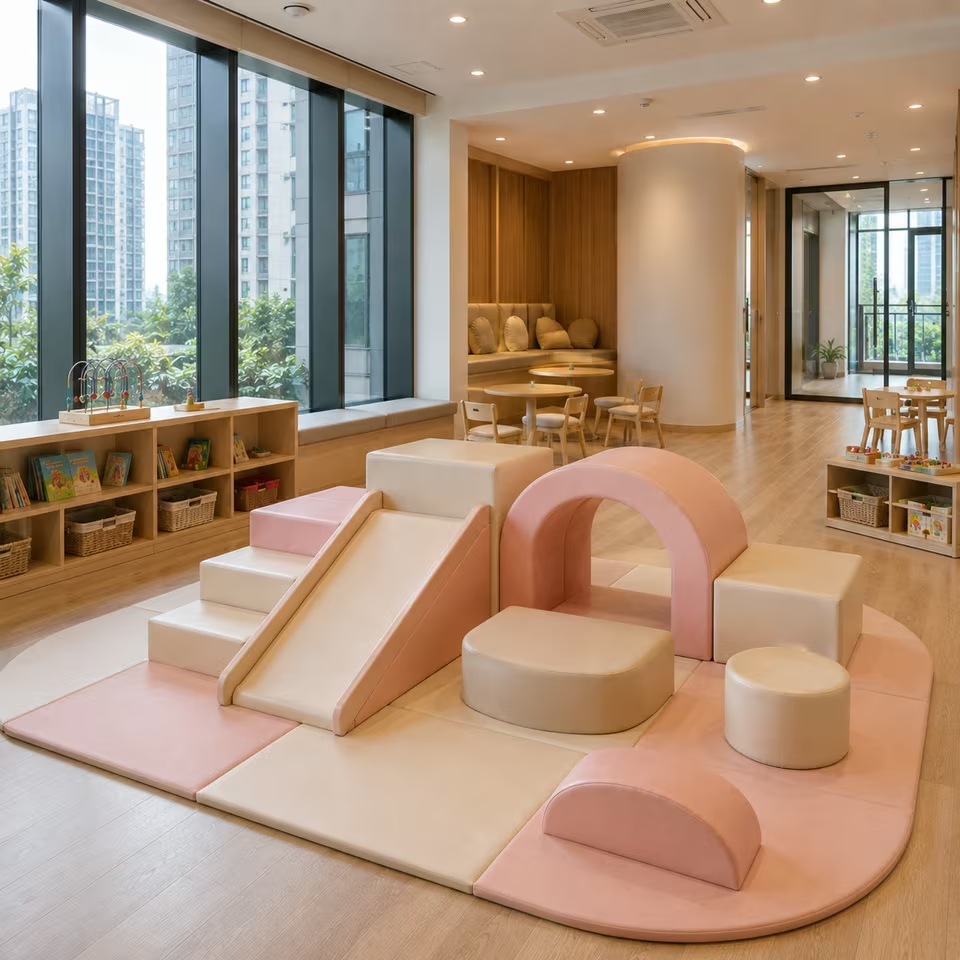
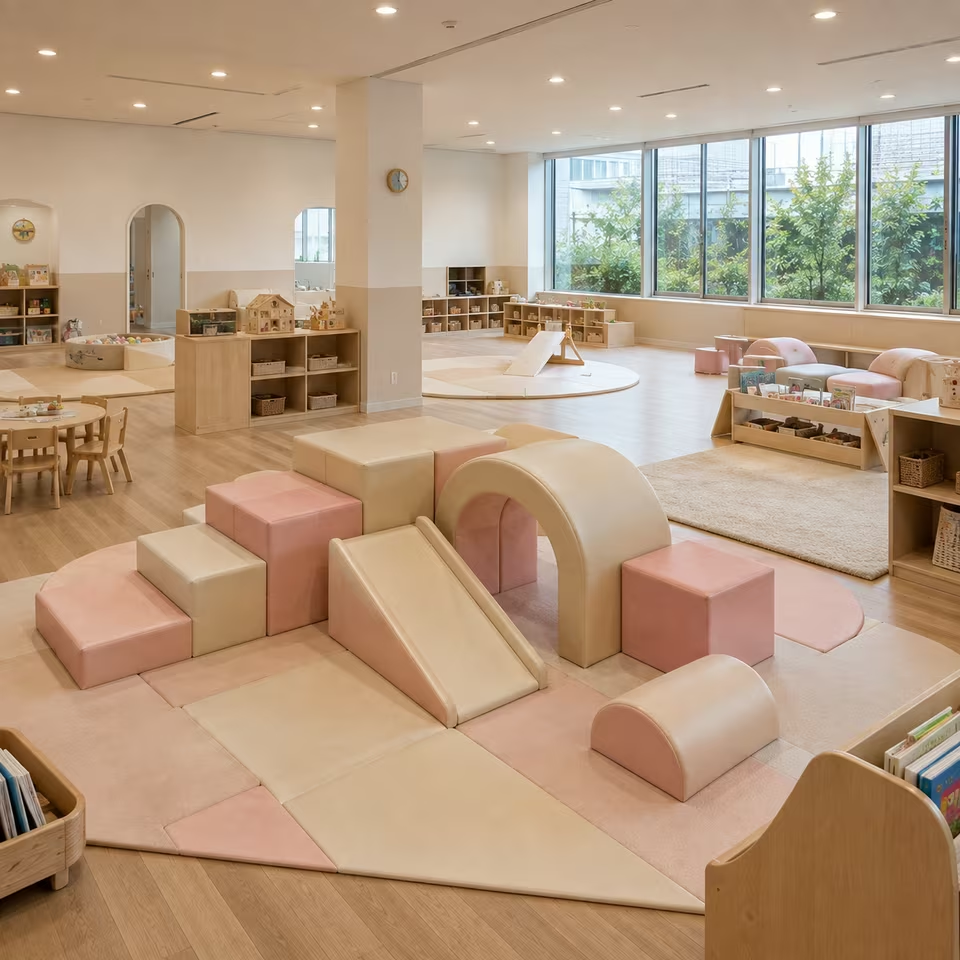
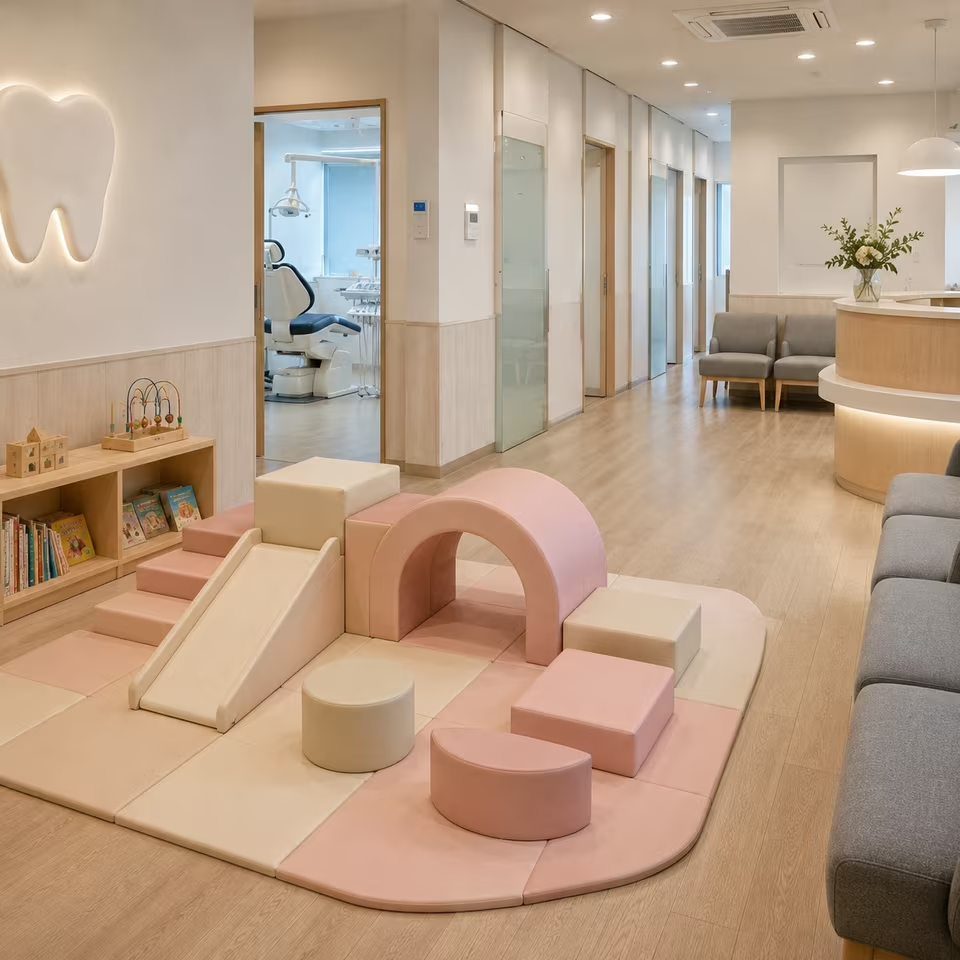
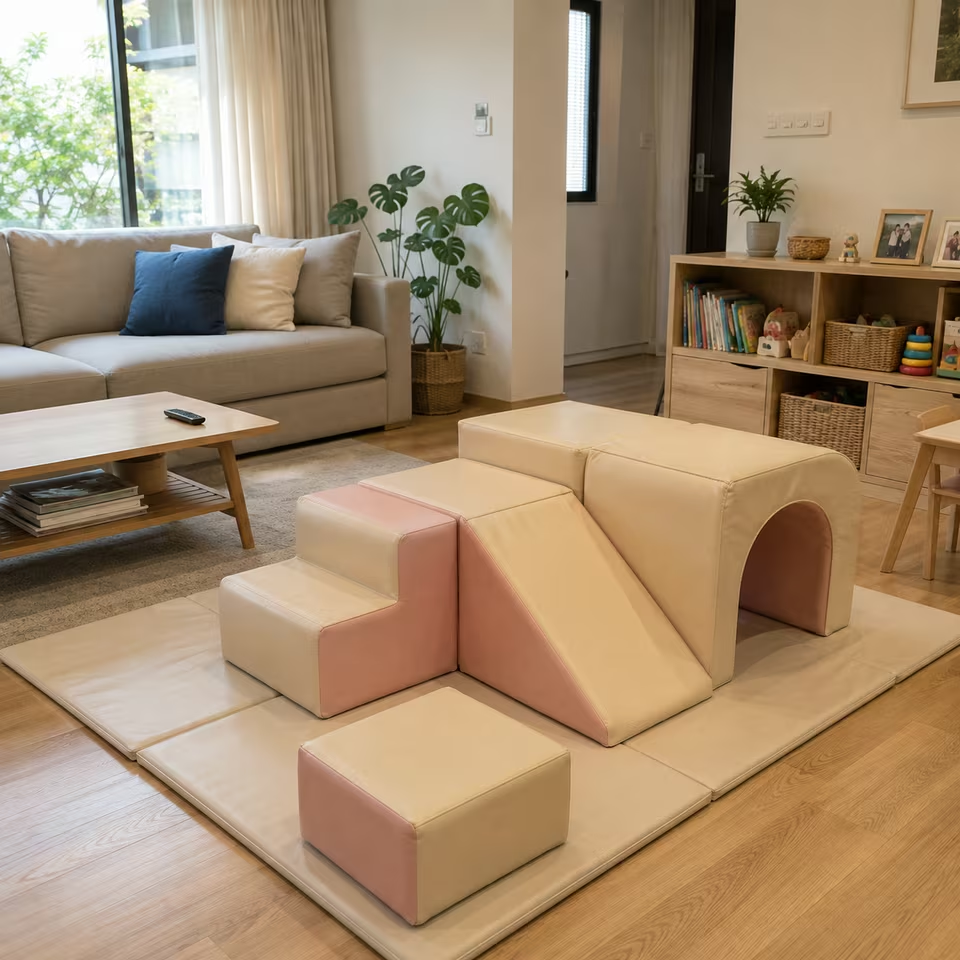
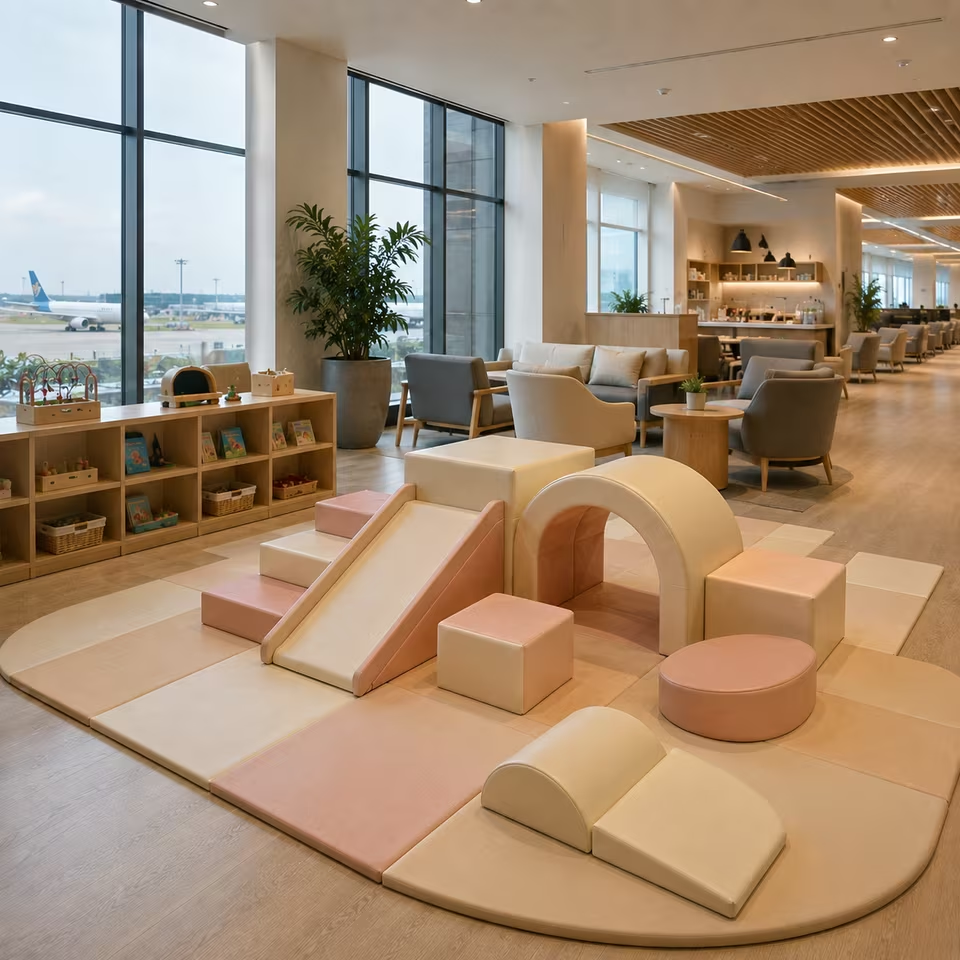
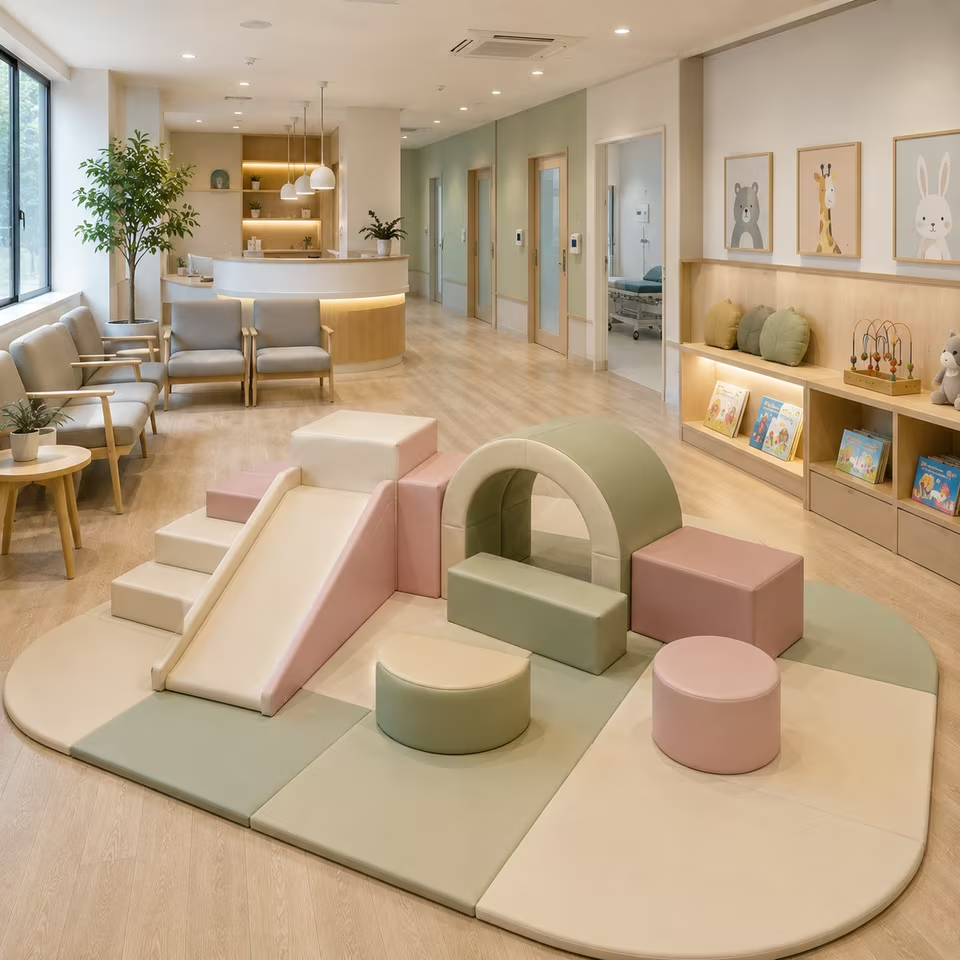
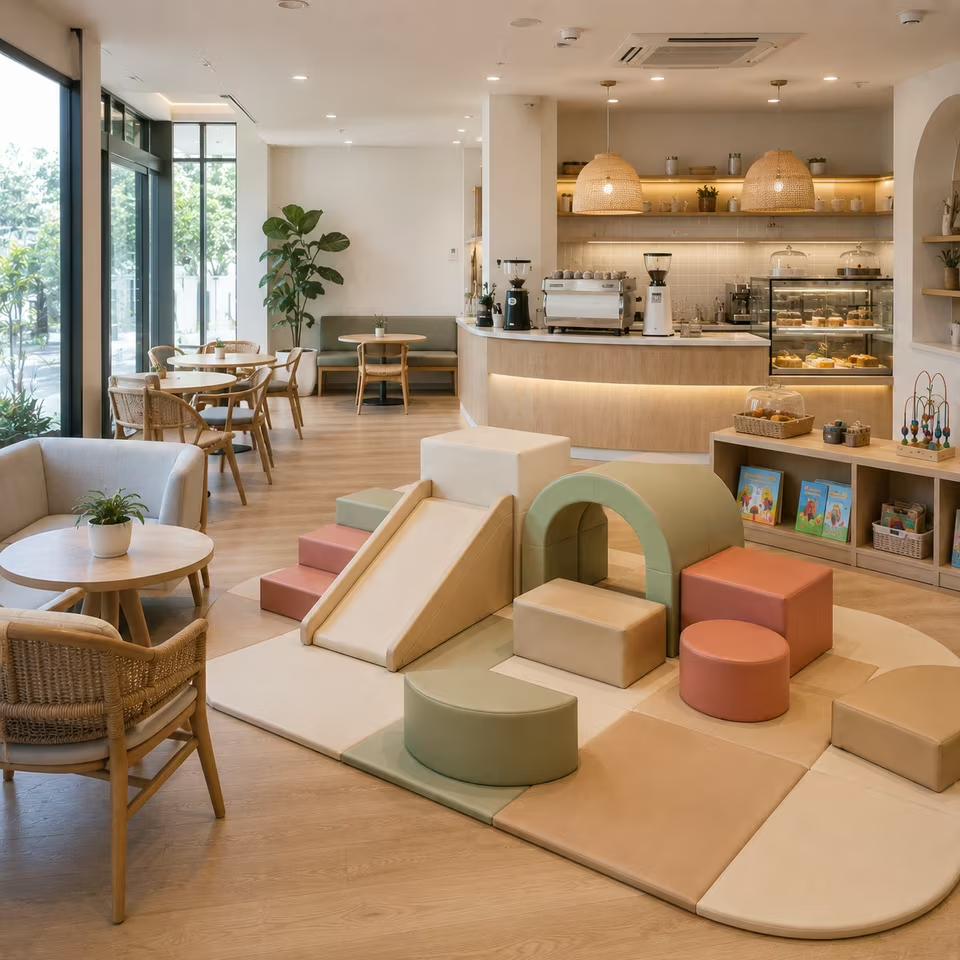
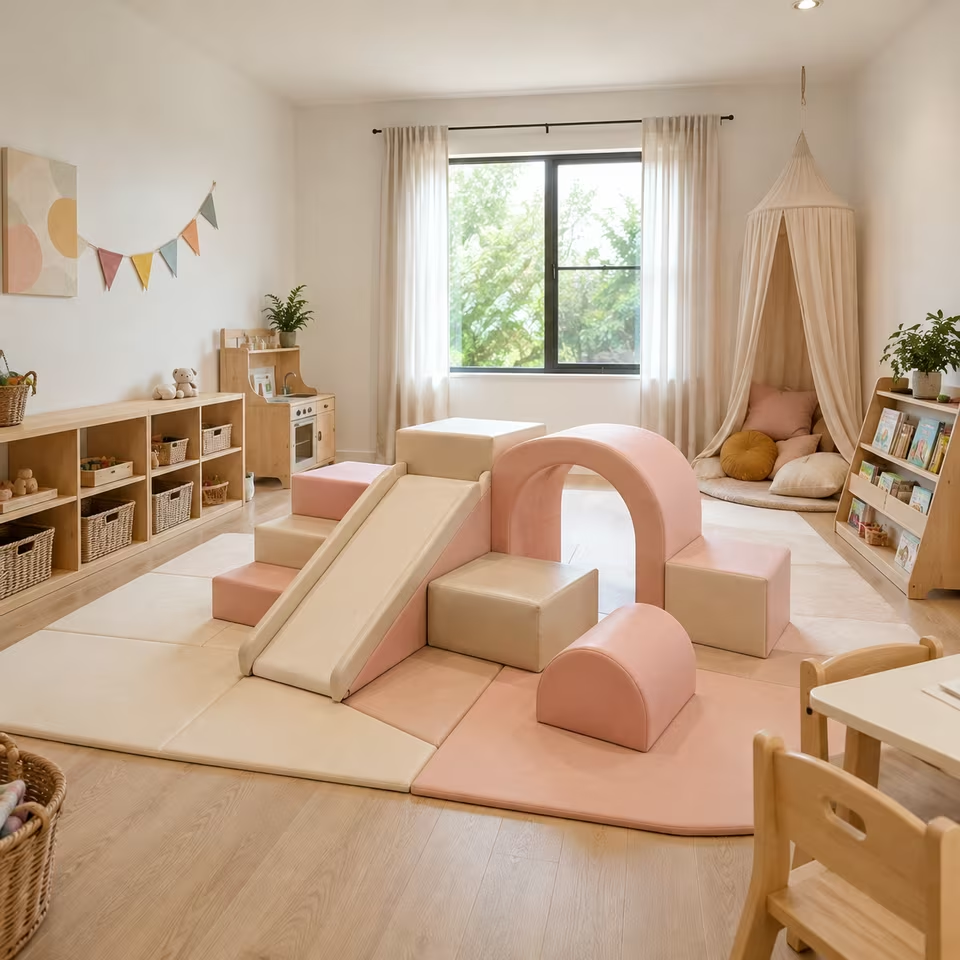
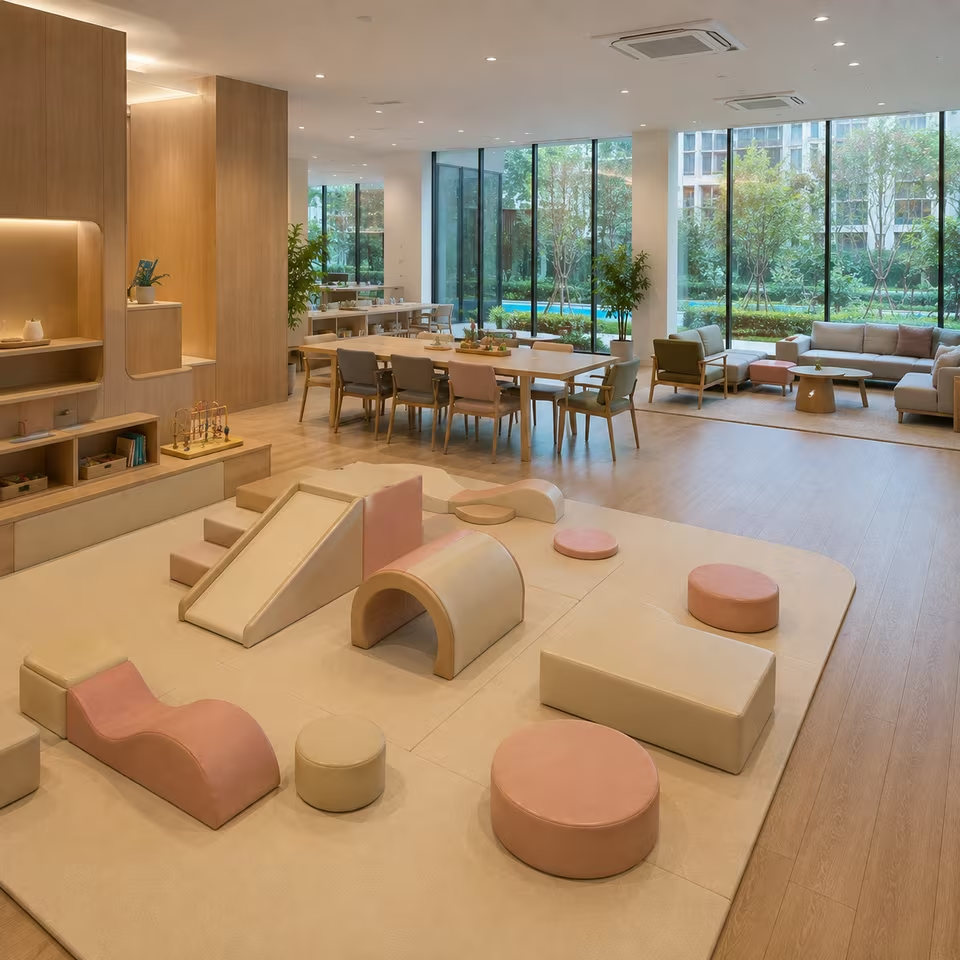
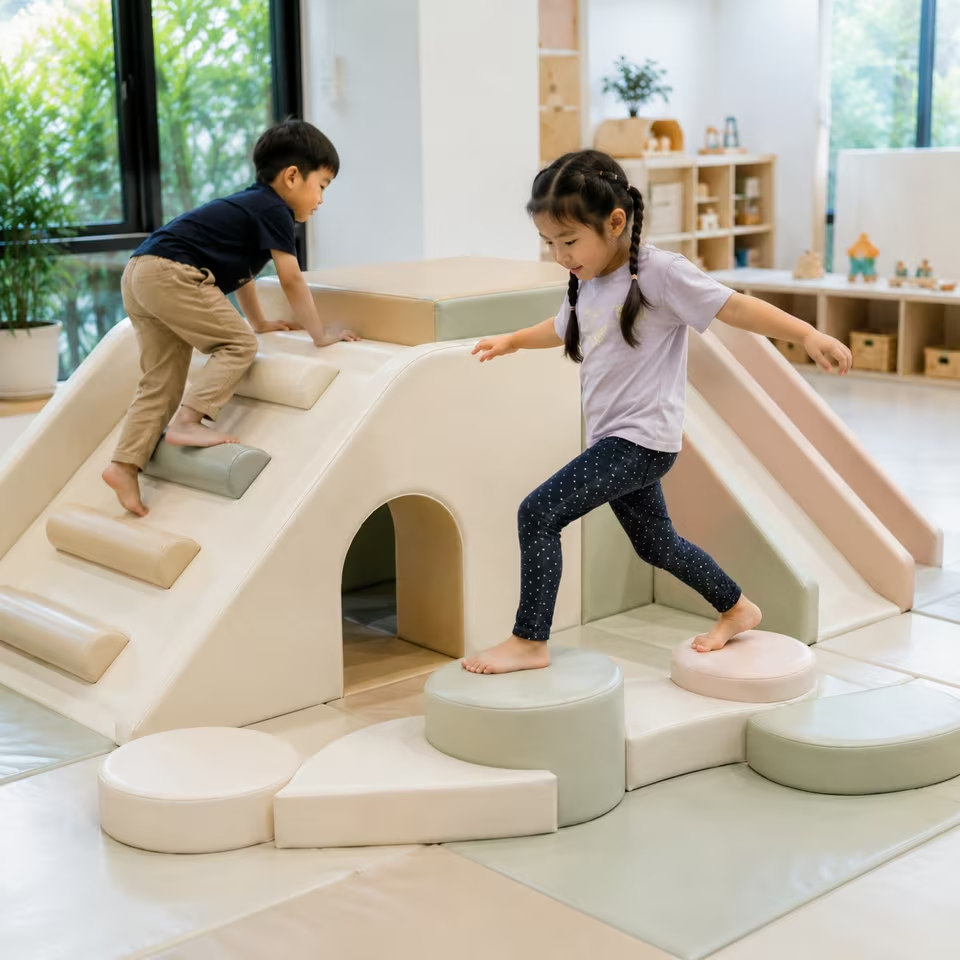
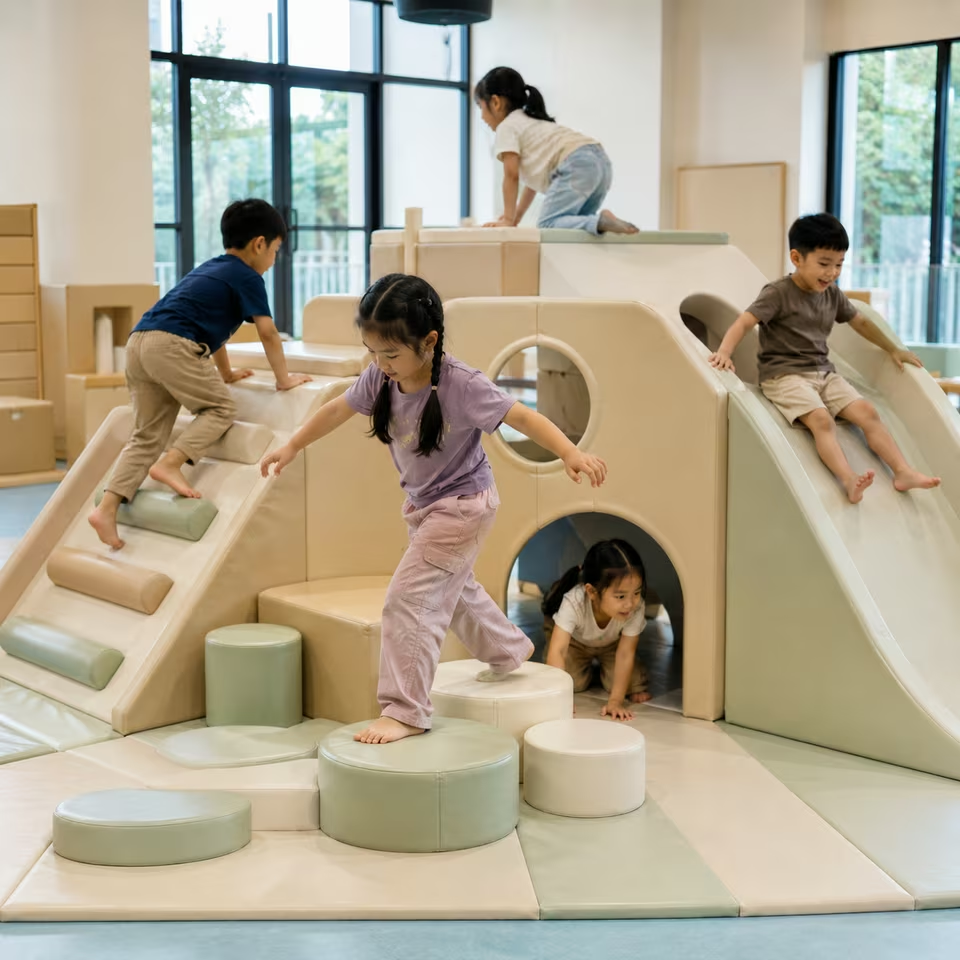
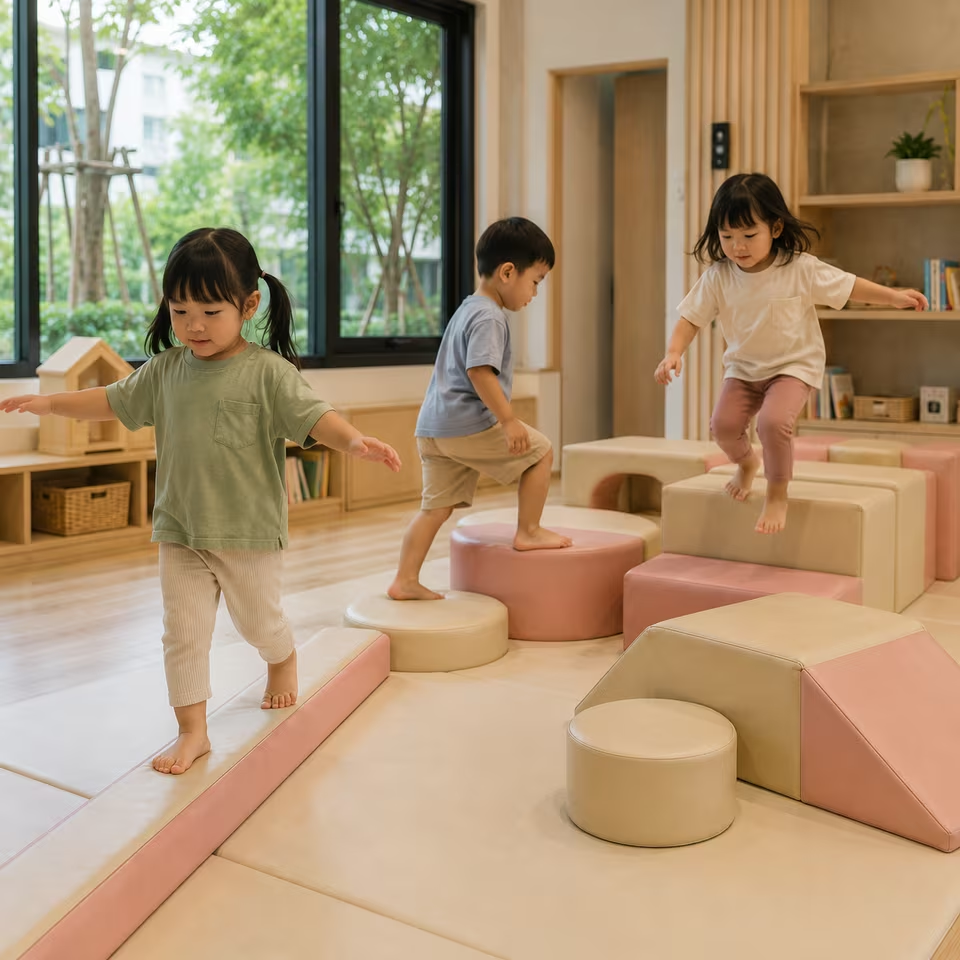
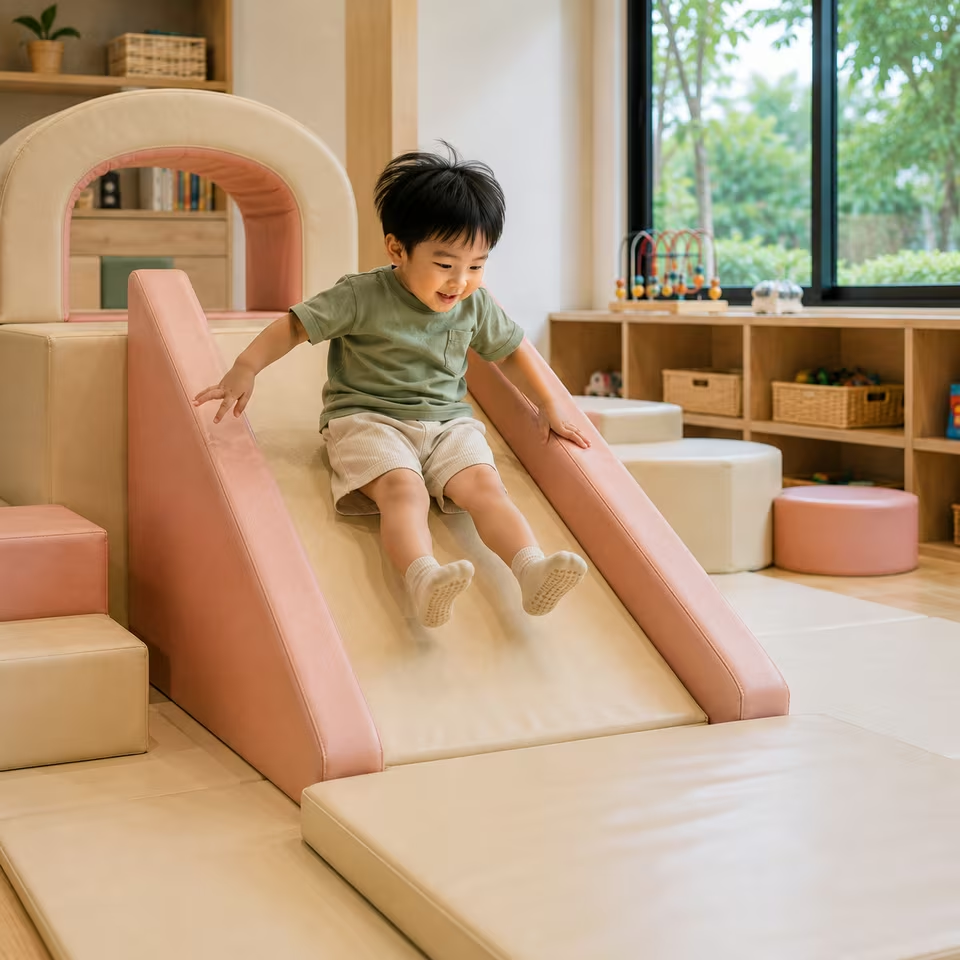
Exploratory play invites children to look around, choose where to go and discover different ways to move through and interact with a play environment.

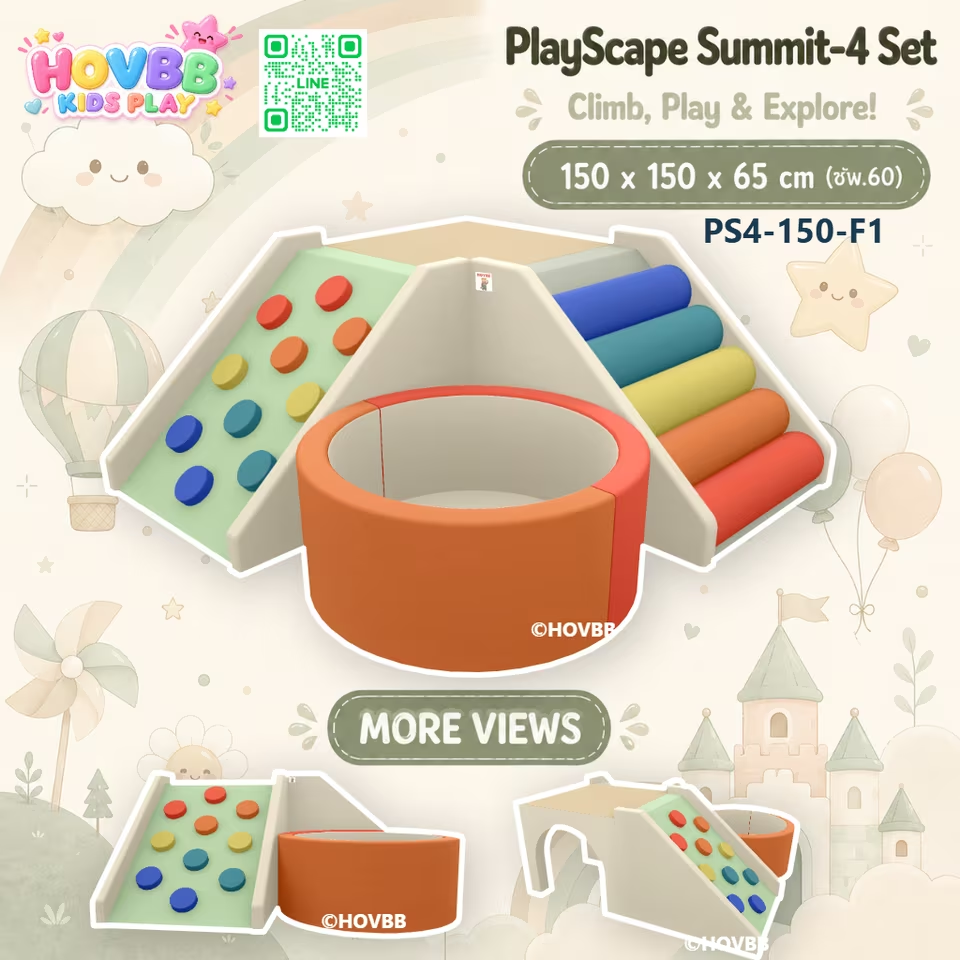
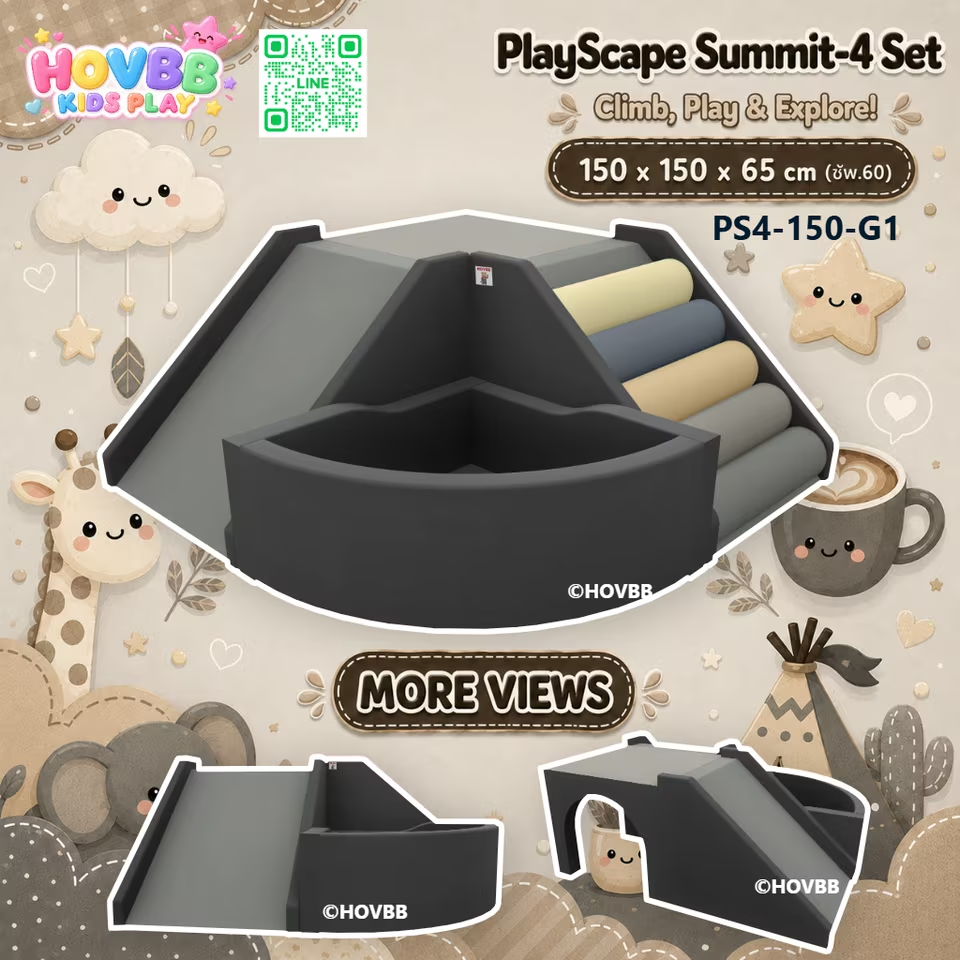
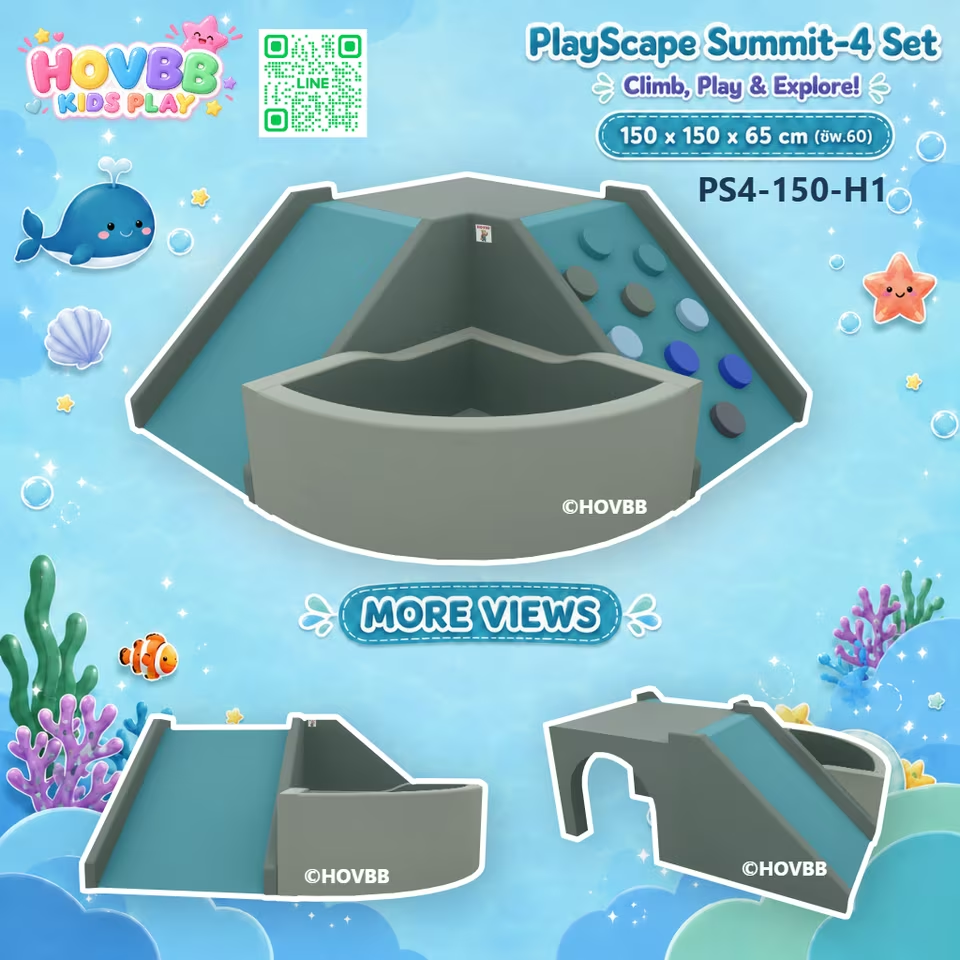
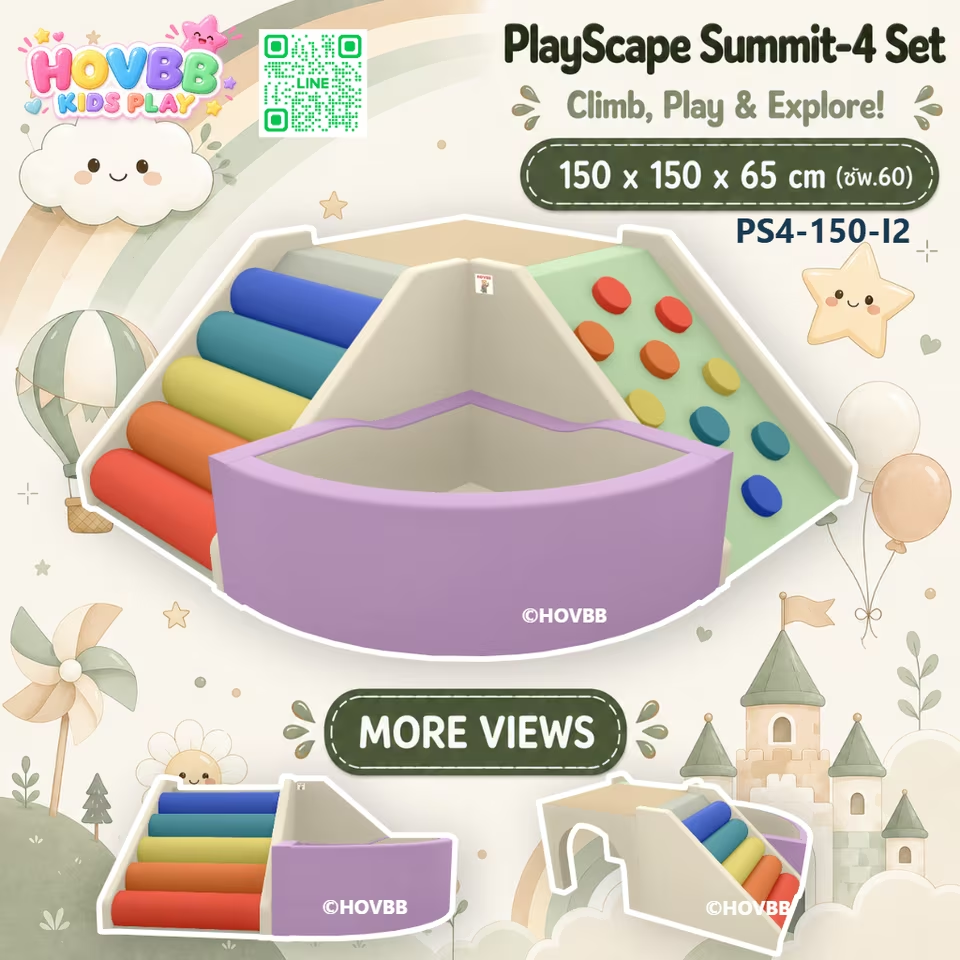
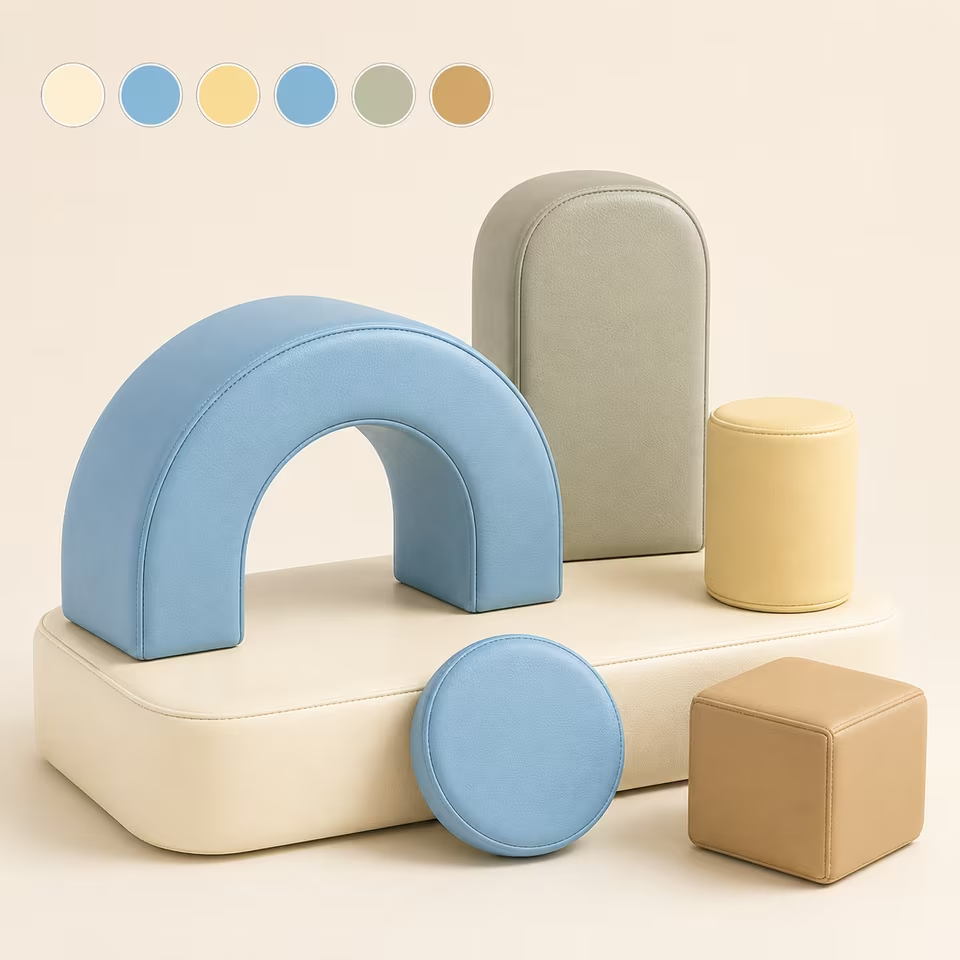
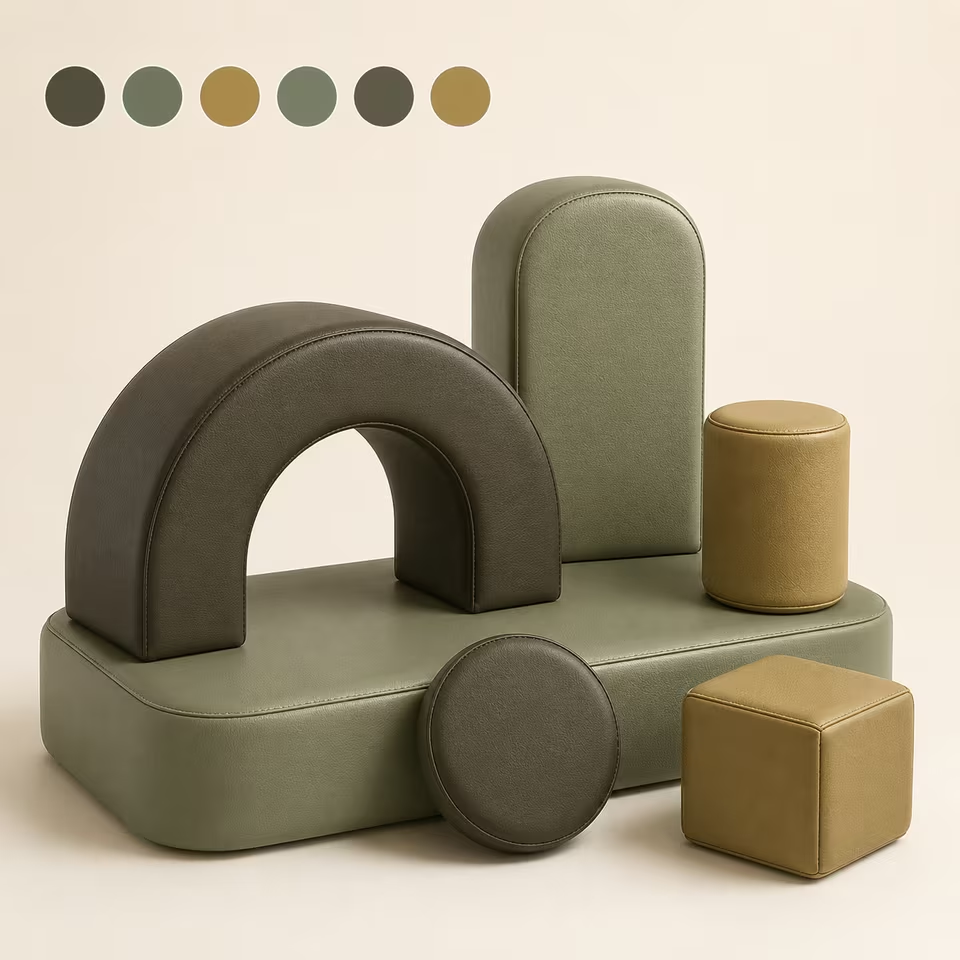
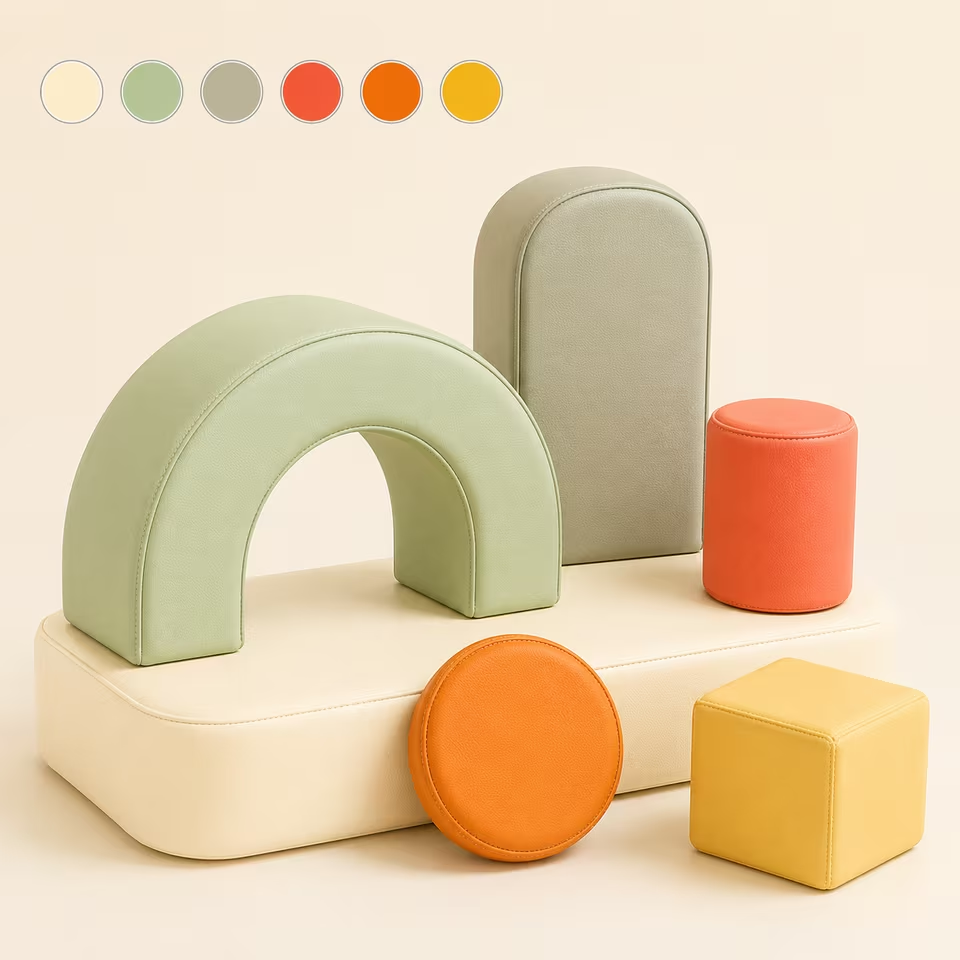
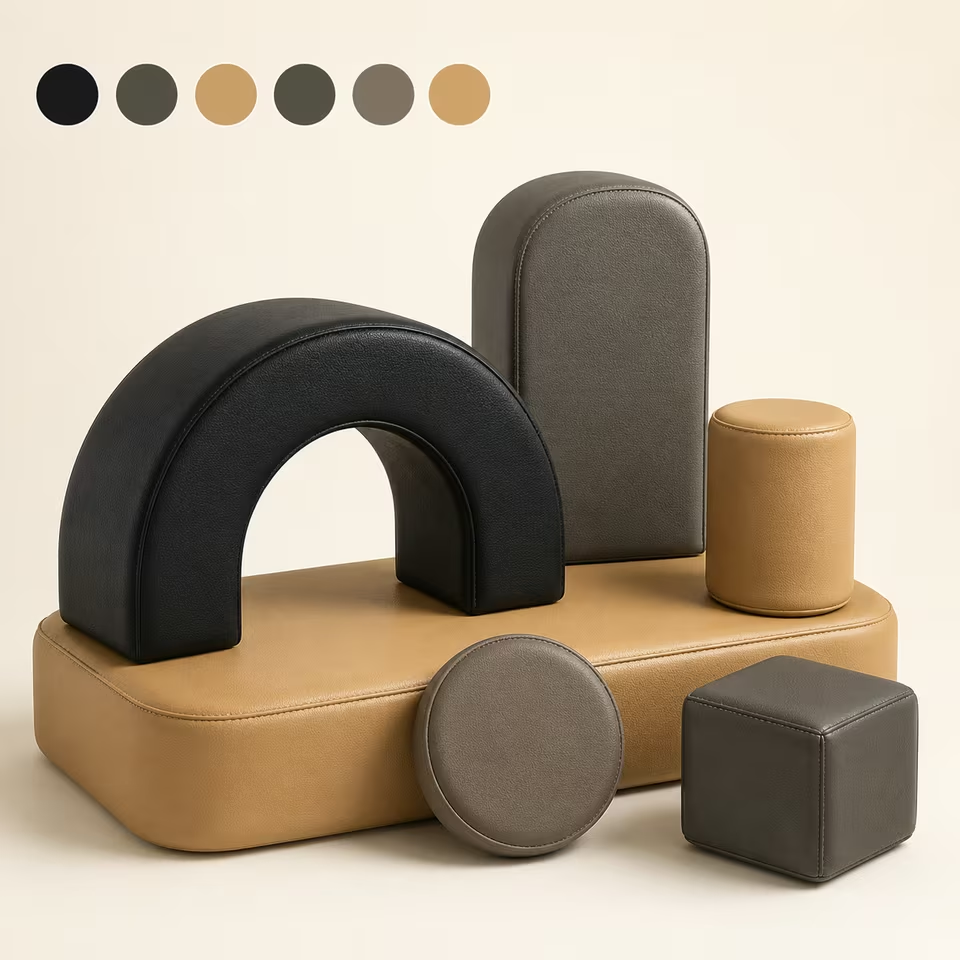
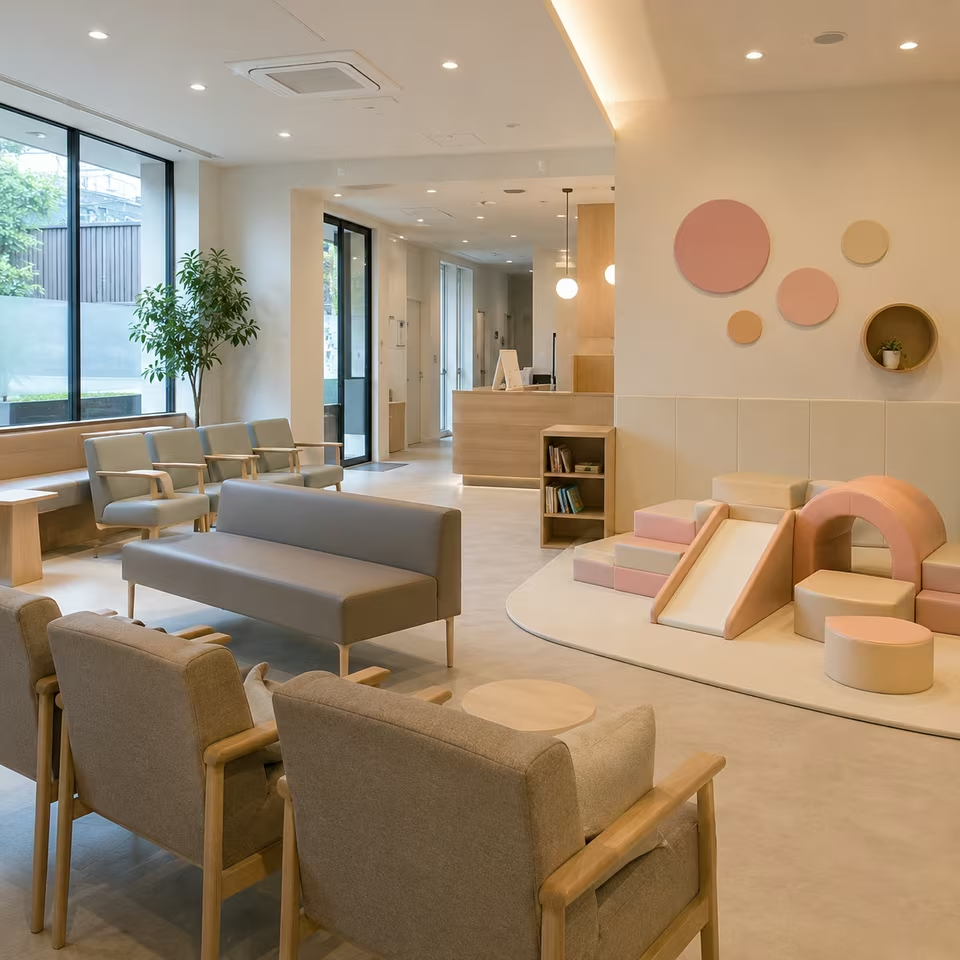
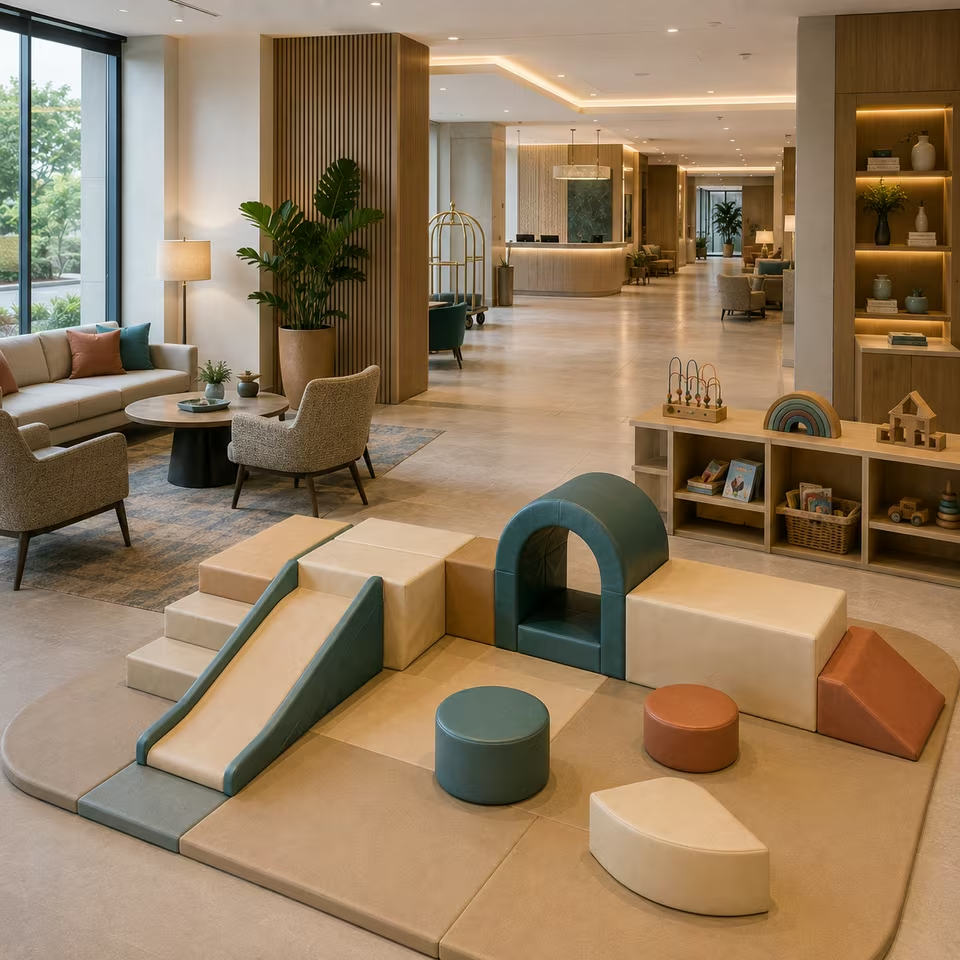
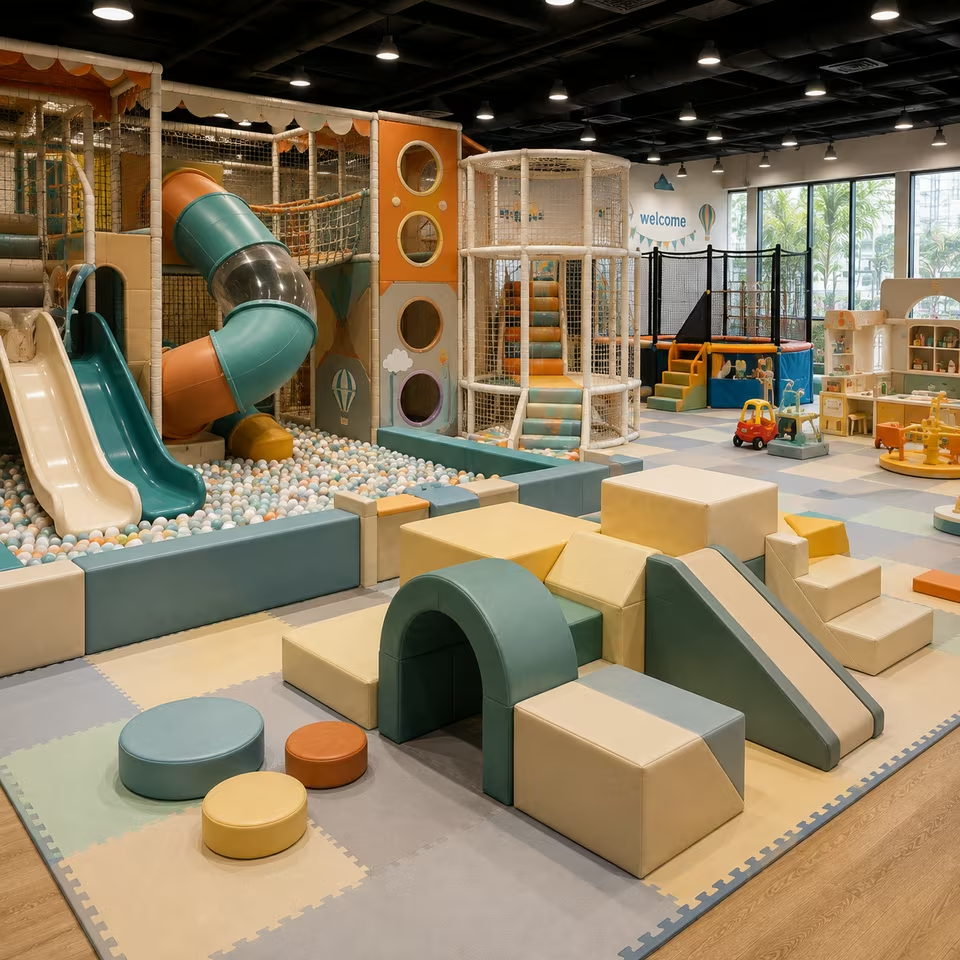
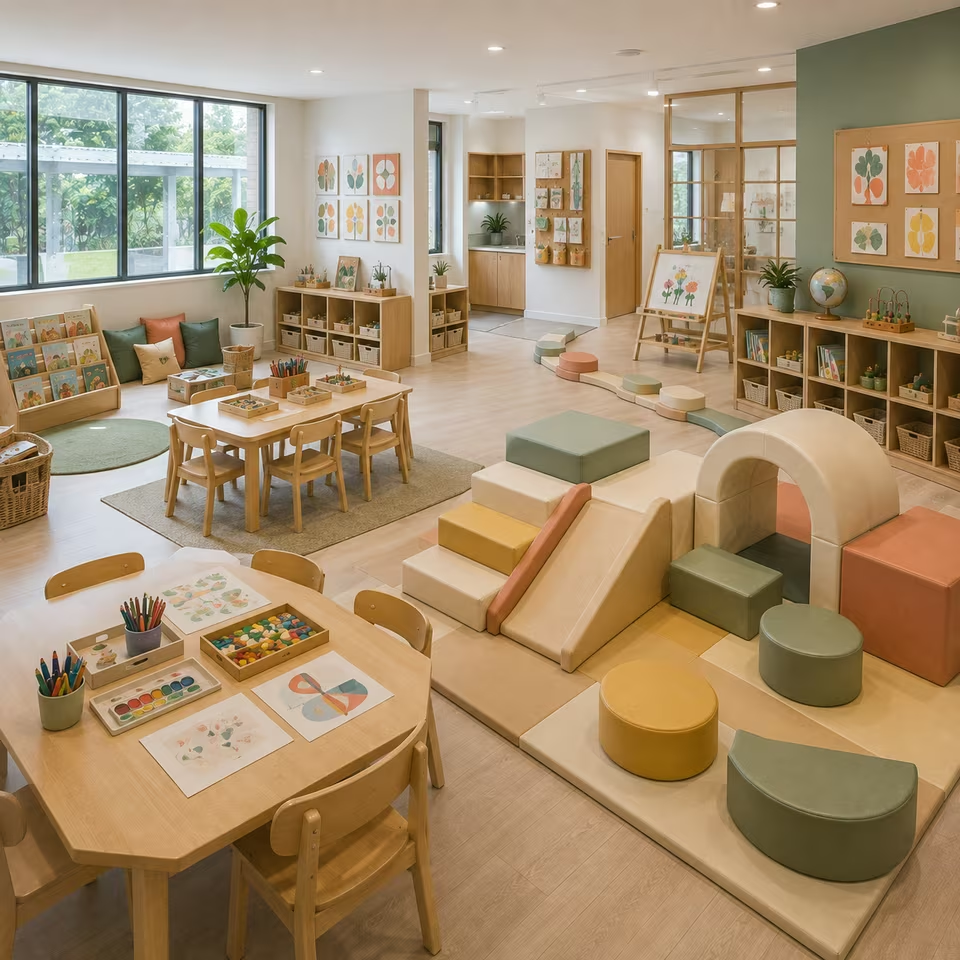
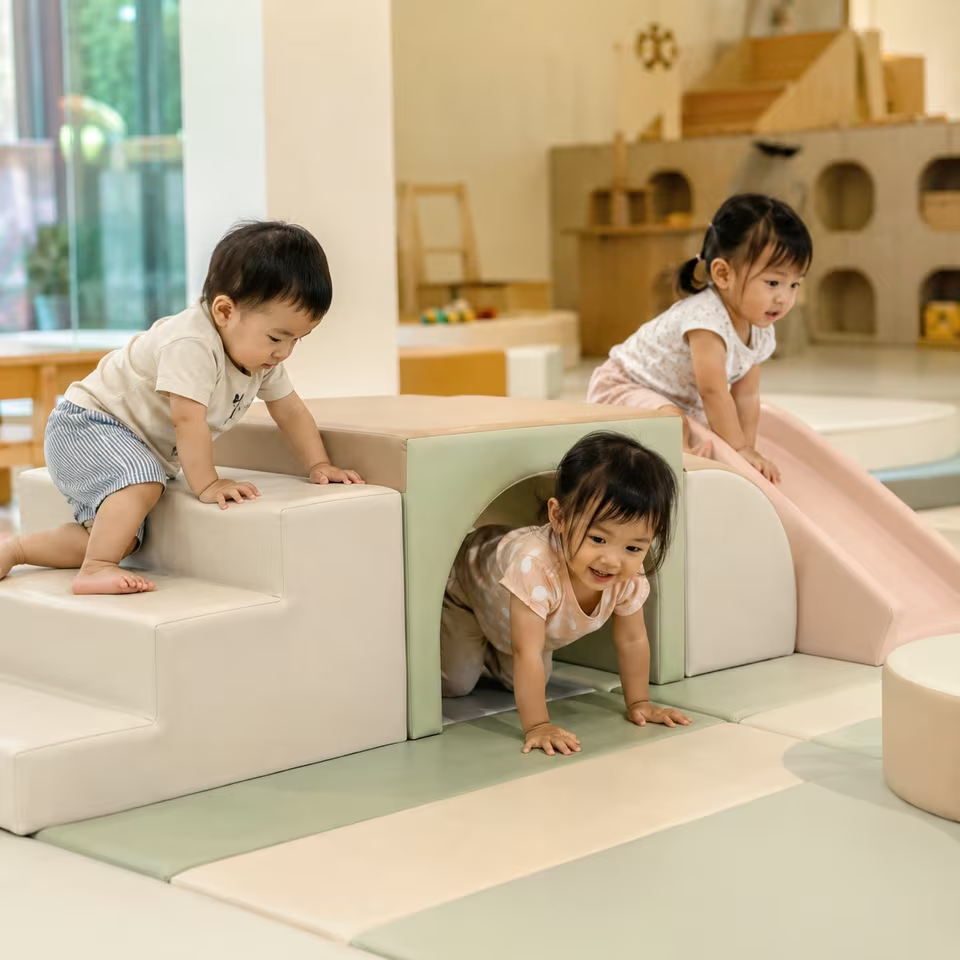
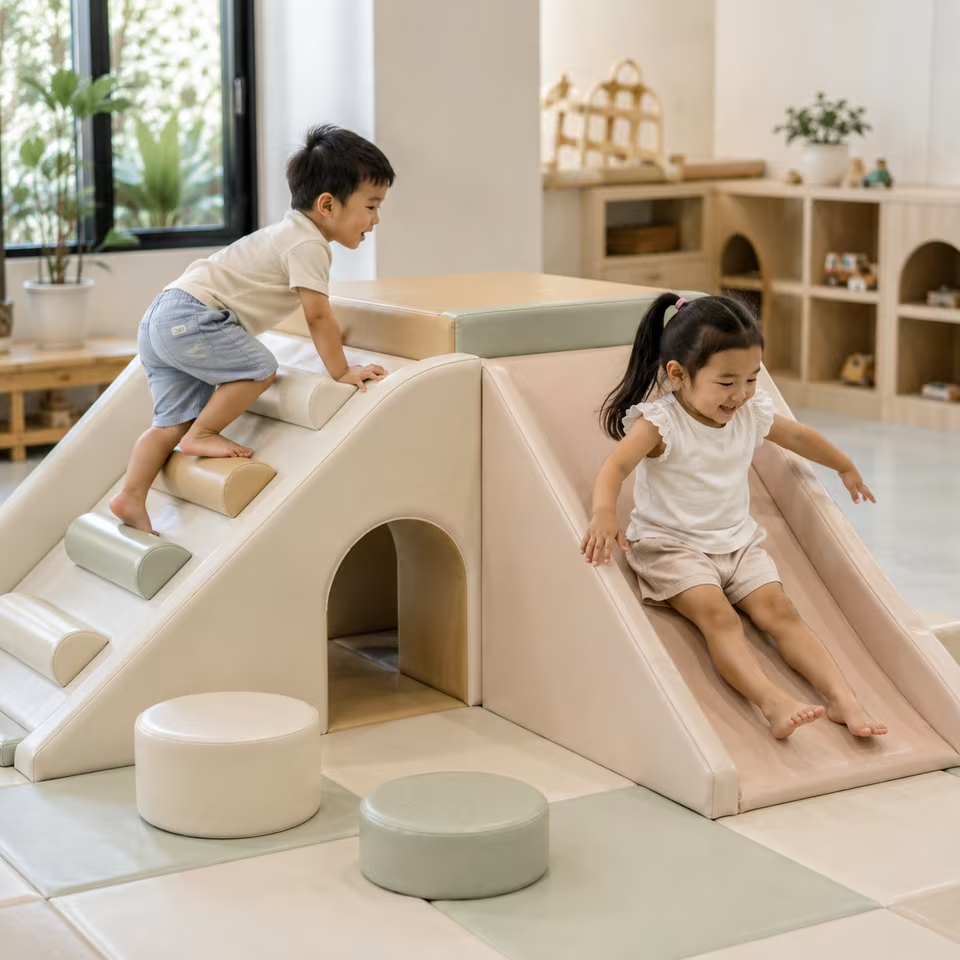
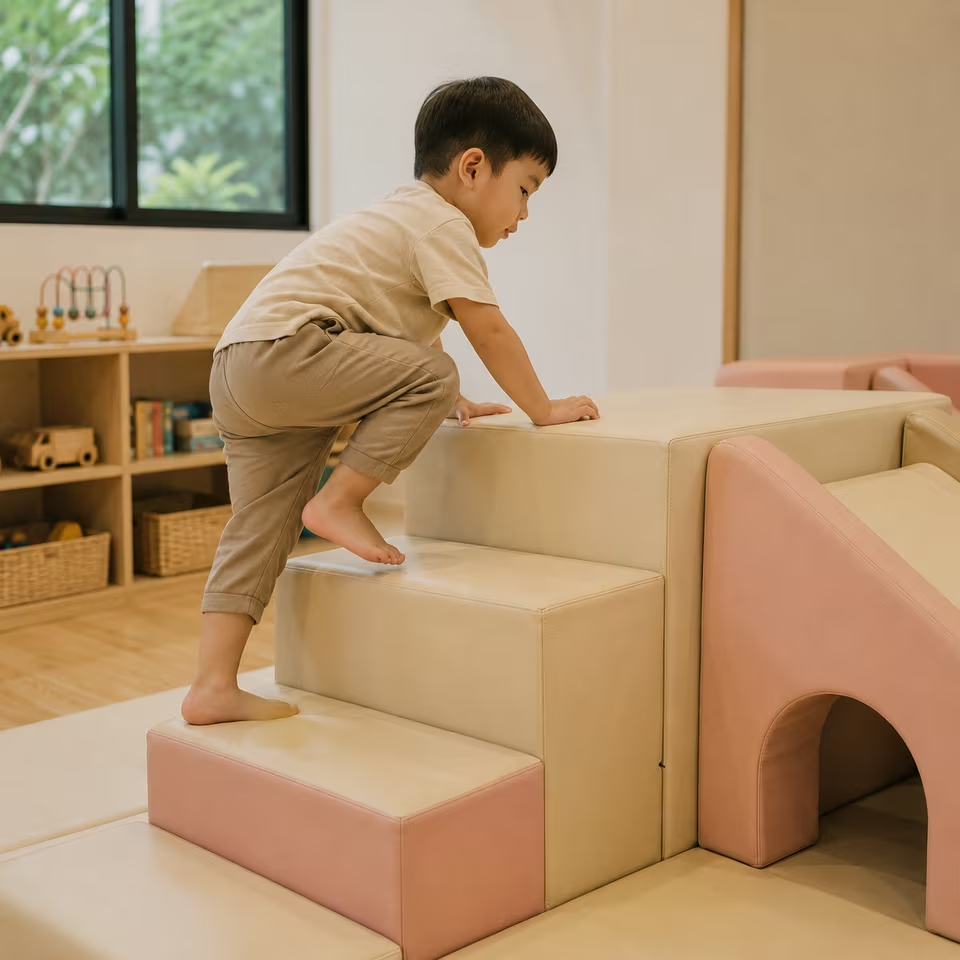
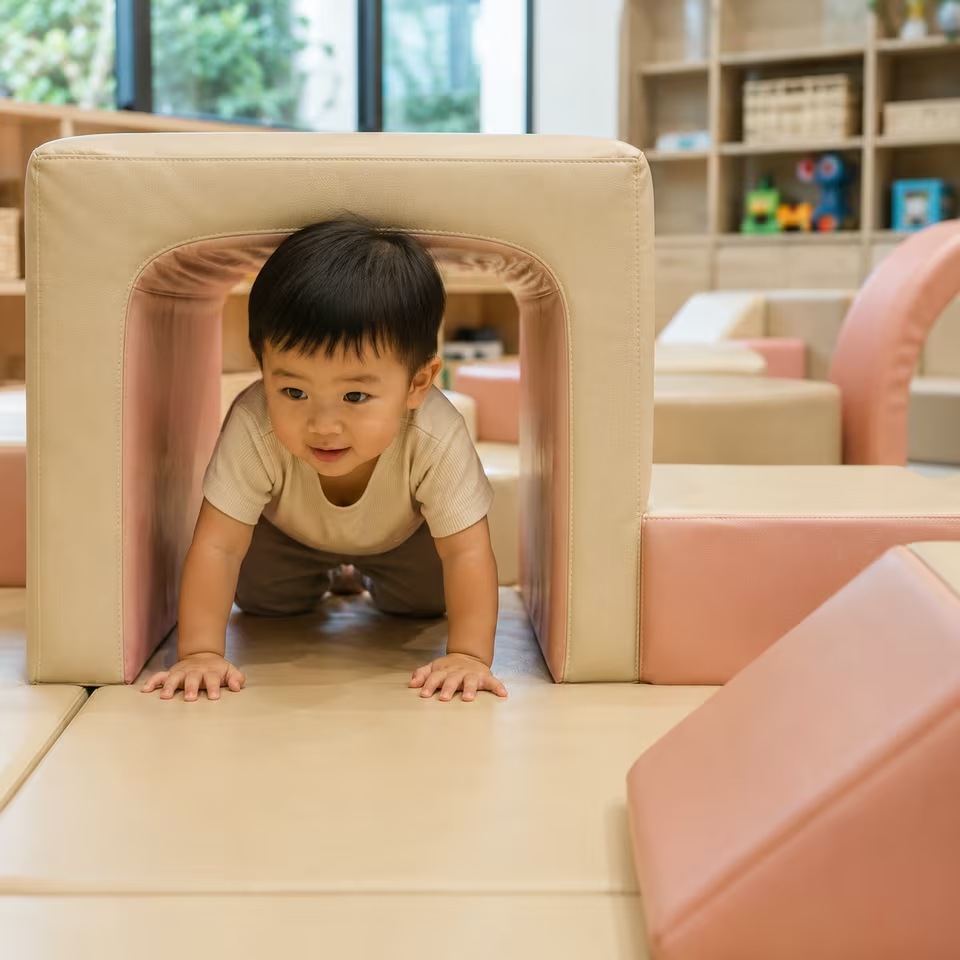
Exploration begins when children are given enough freedom to decide what interests them and what to try next. They may follow an unfamiliar route, move around a shape, look through an opening, crawl into a small space or return to something they discovered earlier. Rather than requiring one correct way to play, an exploratory environment offers possibilities that children can notice, test and revisit at their own pace. In soft play, this can turn even simple forms, levels and pathways into a richer experience of movement, curiosity and discovery.

Highlights

Additional Details

Play Patterns
open-ended-exploration · self-directed-play · route-choice · spatial-discovery · trial-and-discovery · free-movement · revisiting · multi-route-play · environment-interaction · curiosity-led-play
Experience Keywords
exploratory play · discovery · curiosity · open-ended play · self-directed play · route exploration · spatial exploration · movement discovery · free play · play choices
Related Designs

Related Themes

Related Spaces

Related Ages

Related Developments

Benefits

Activity Tips

FAQ

What is exploratory play?

Exploratory play happens when children investigate their surroundings through their own choices and actions. They may move through different routes, examine spaces, try different ways of interacting with an object or return to something that previously caught their attention.
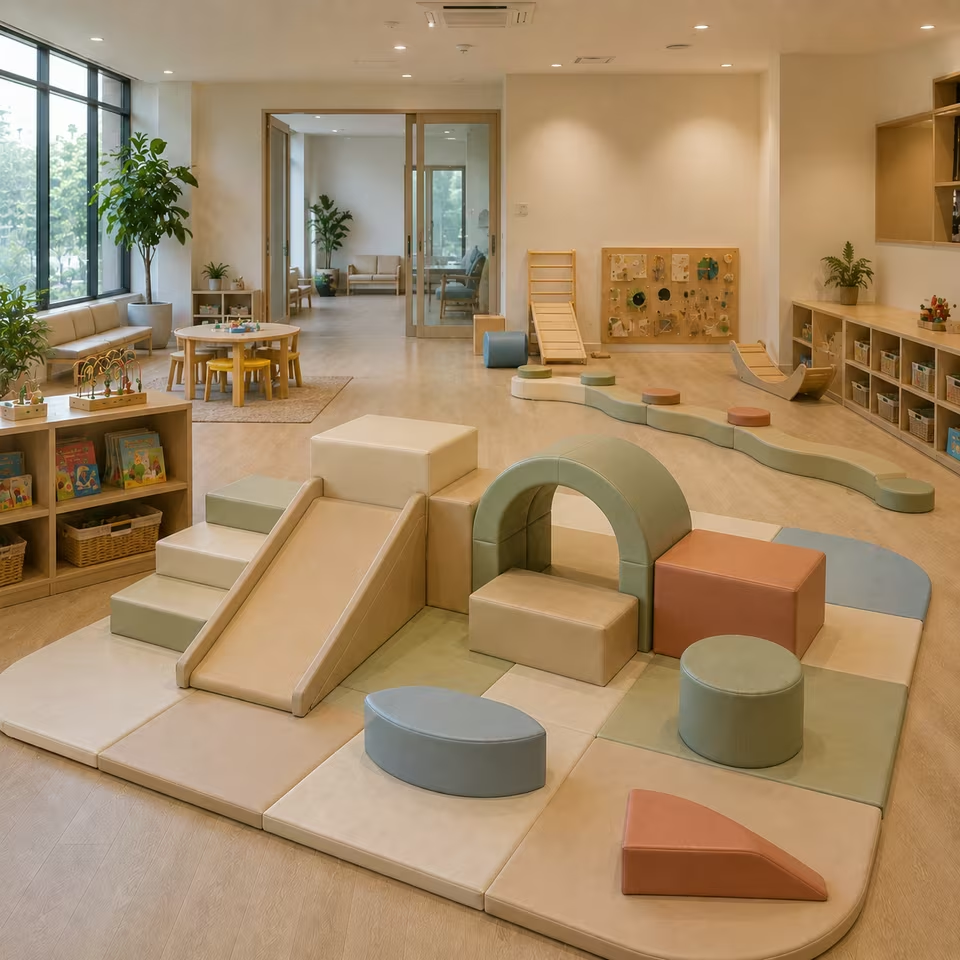
How can soft play encourage exploration?

Soft play can combine pathways, openings, different levels and simple forms that can be approached in several ways. Instead of prescribing one activity, the environment can give children clues and choices that encourage them to discover what is possible.
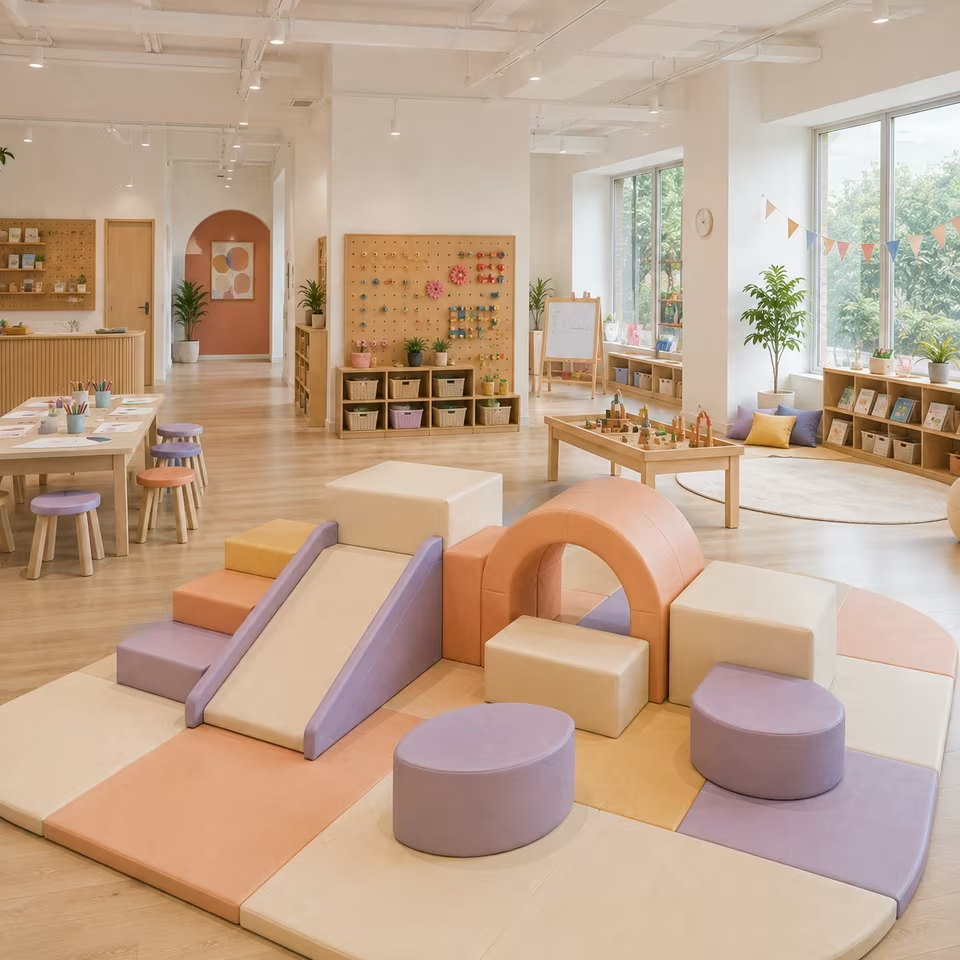
Does exploratory play need special equipment?

Not necessarily. Exploration often comes from how a space is arranged rather than the number of play features it contains. Simple forms can become interesting when children can move around, over, through or between them in different ways.

Why are multiple routes useful in a children's play area?

Multiple routes give children decisions to make. They can choose where to go, change direction or return through another path, making movement through the environment less repetitive and more self-directed.

What makes a play space interesting to explore?

Variation can come from changes in direction, height, openness and visibility. A combination of clear destinations and partially revealed spaces can give children reasons to keep moving and discovering what comes next.

Can children explore the same soft play area repeatedly?

Yes. An open-ended environment can offer different experiences on different visits or even during the same play session. Children may choose another route, approach a familiar feature differently or notice something they previously passed by.

Is more play equipment better for exploratory play?

Not always. Filling every available space can reduce movement choices and make the environment visually confusing. A smaller number of thoughtfully arranged features can sometimes create more meaningful opportunities for exploration.