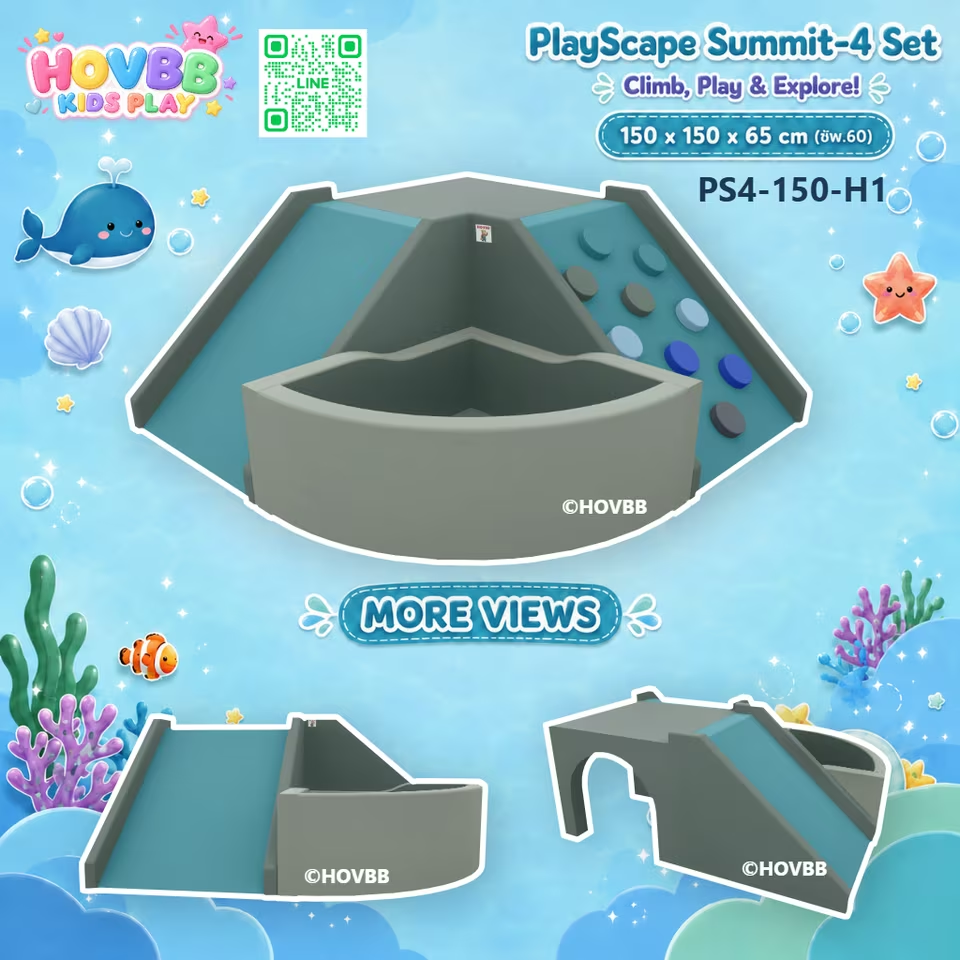
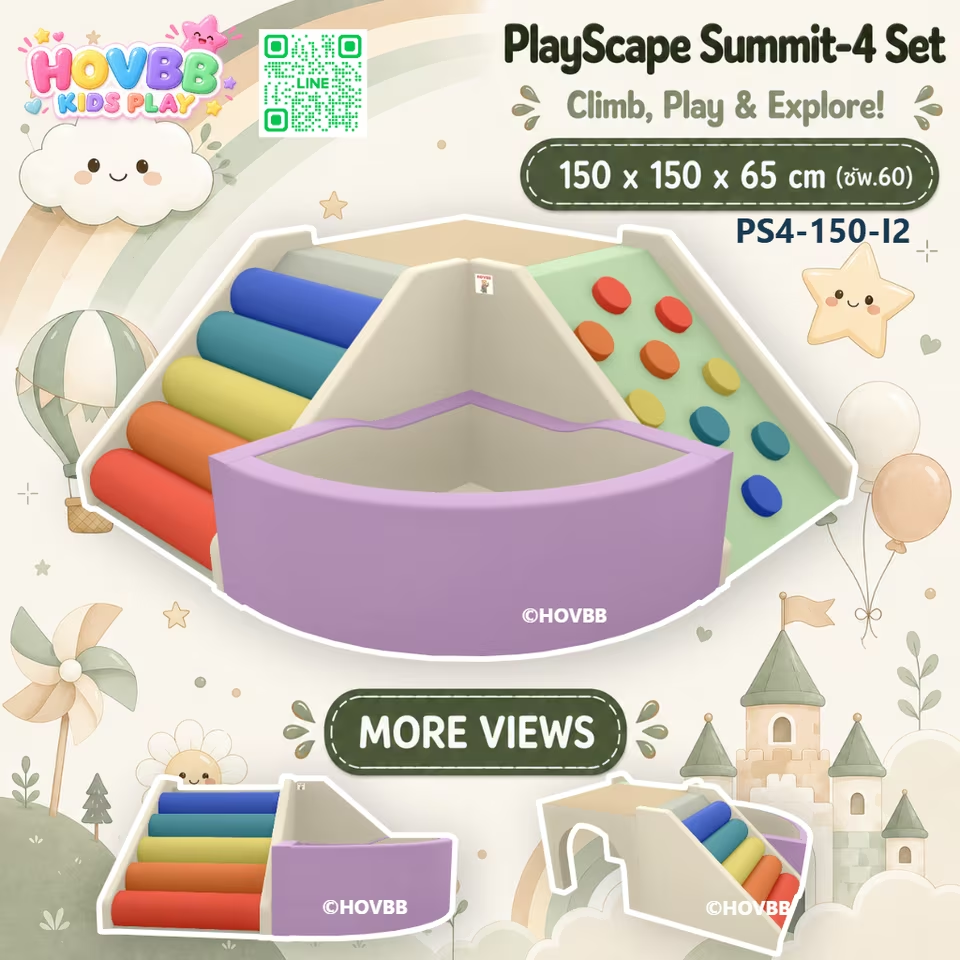
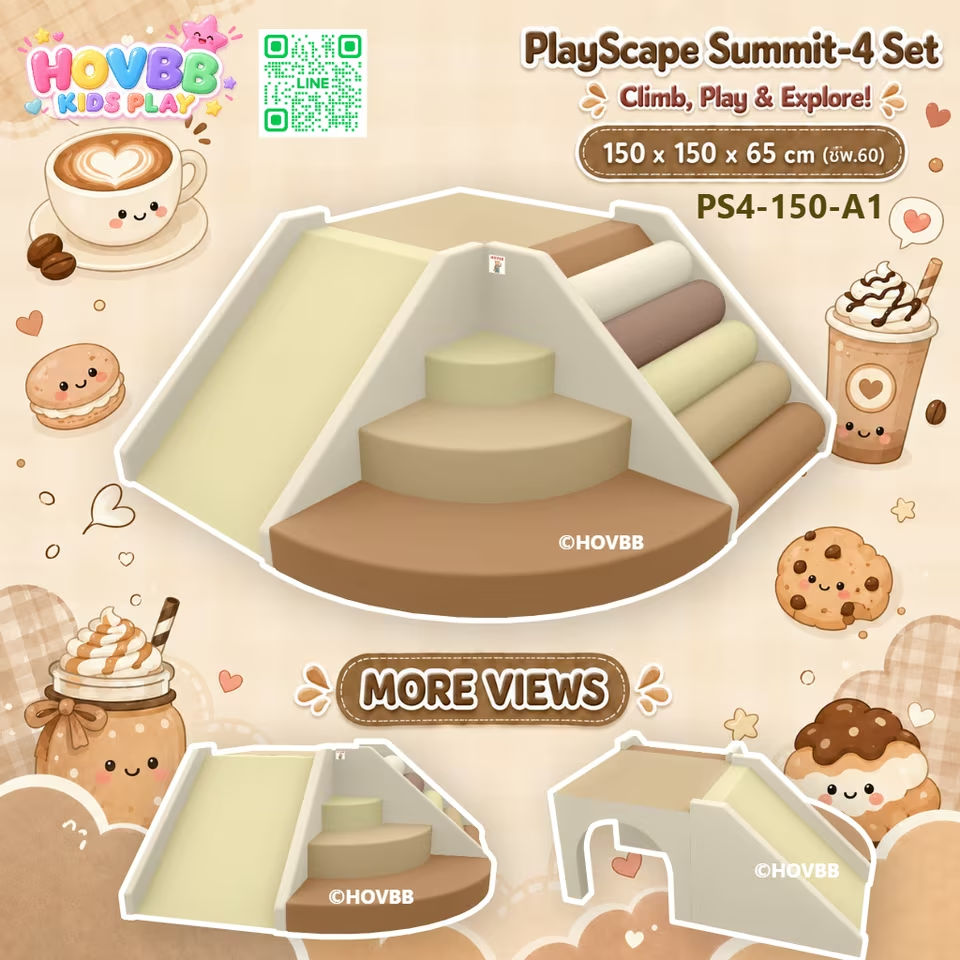
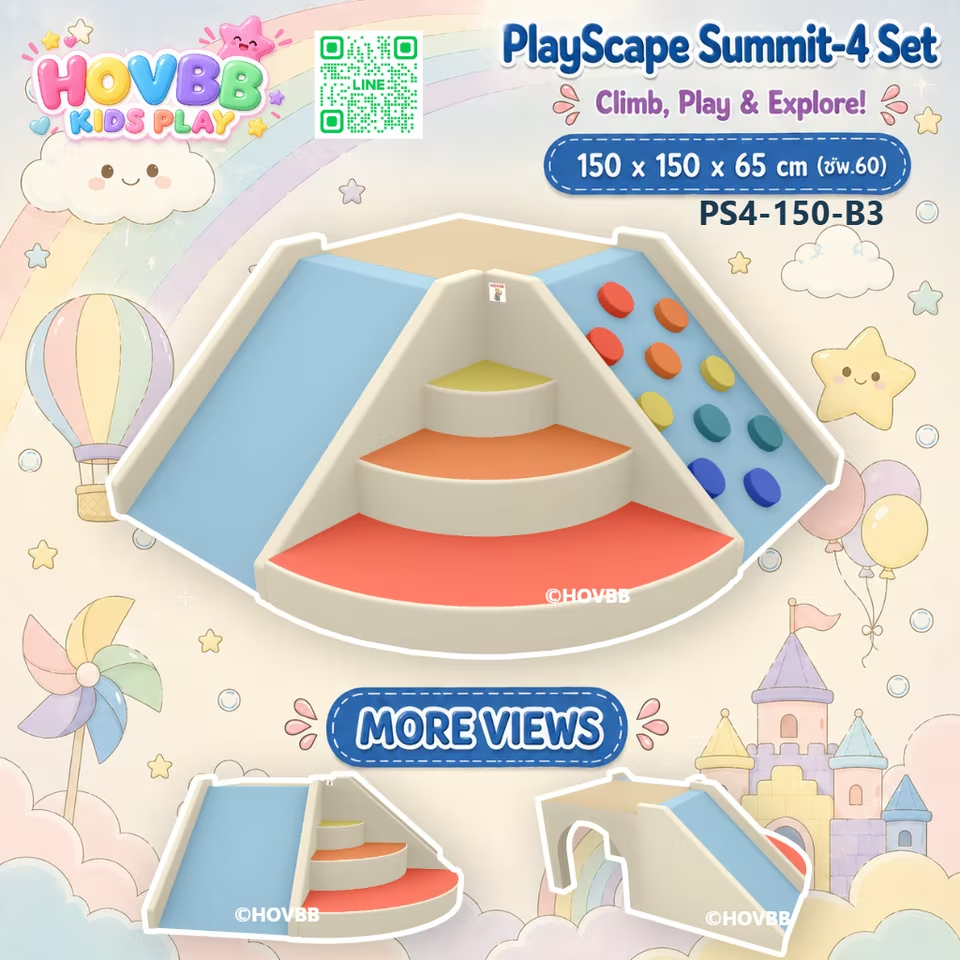
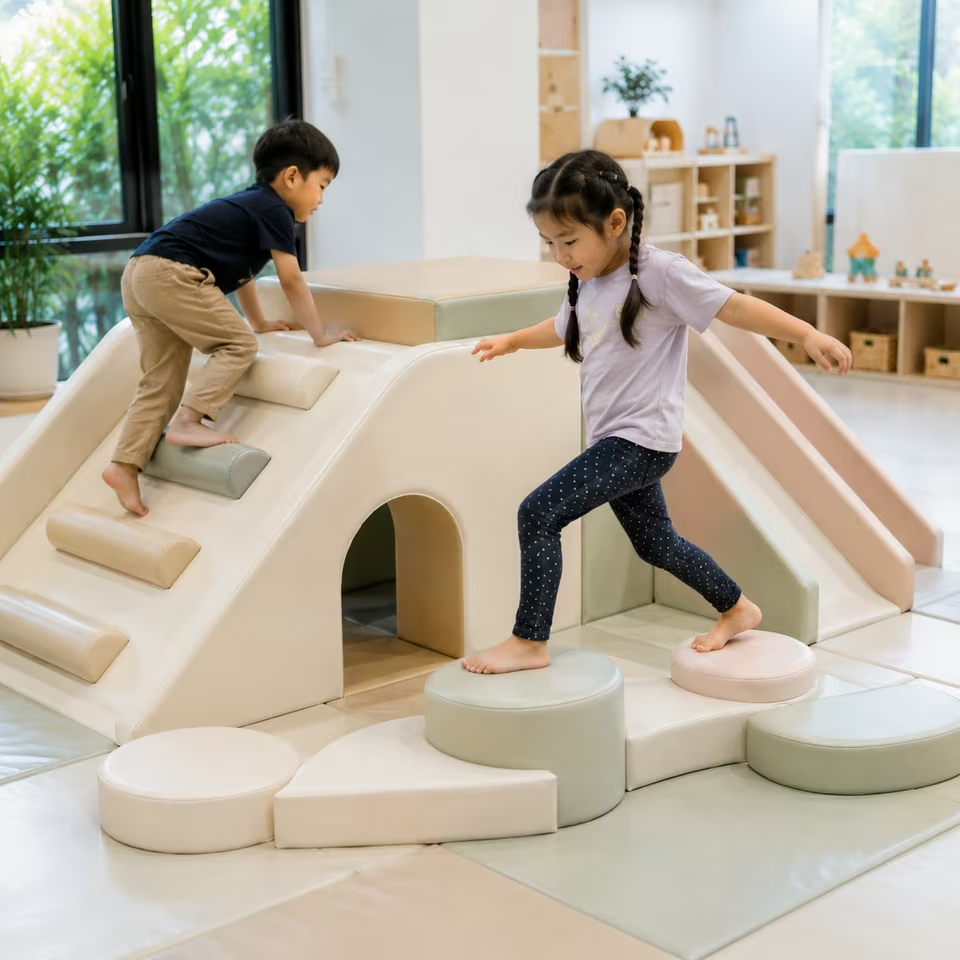
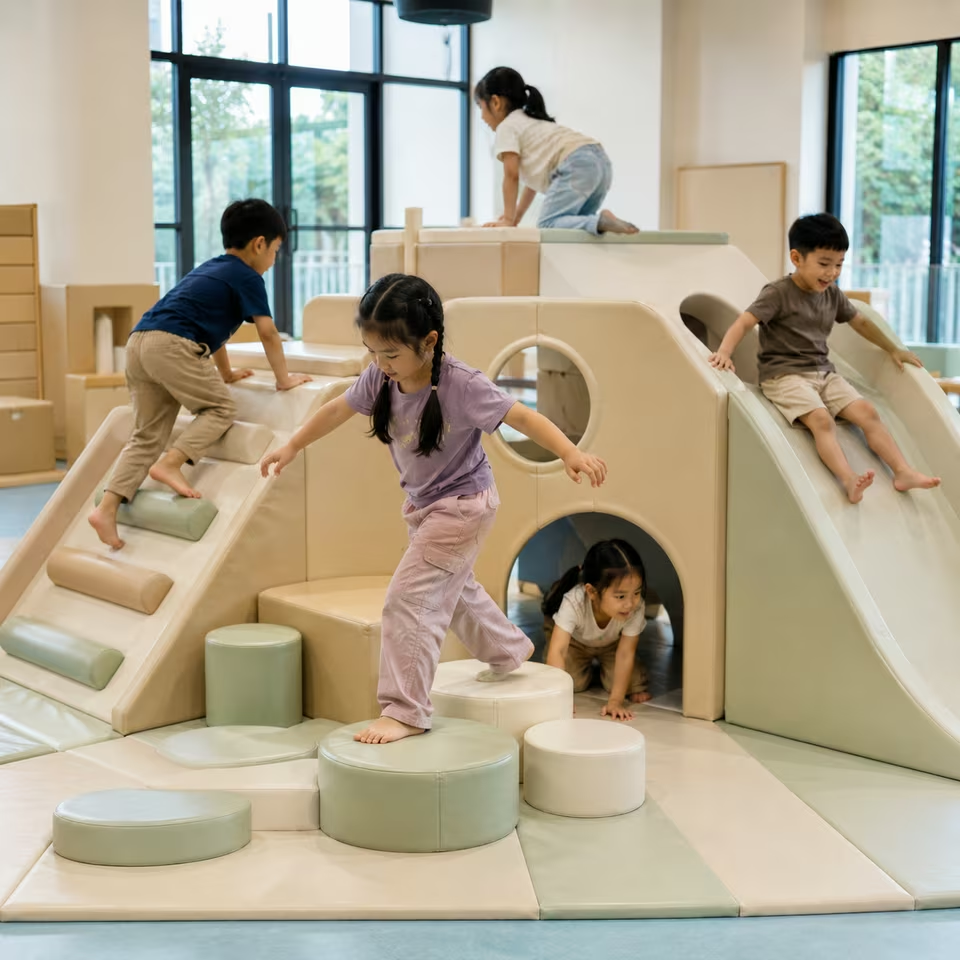
What are gross motor skills?
Gross motor skills involve larger body movements used for activities such as walking, running, climbing, balancing, crawling, stepping and changing body position.
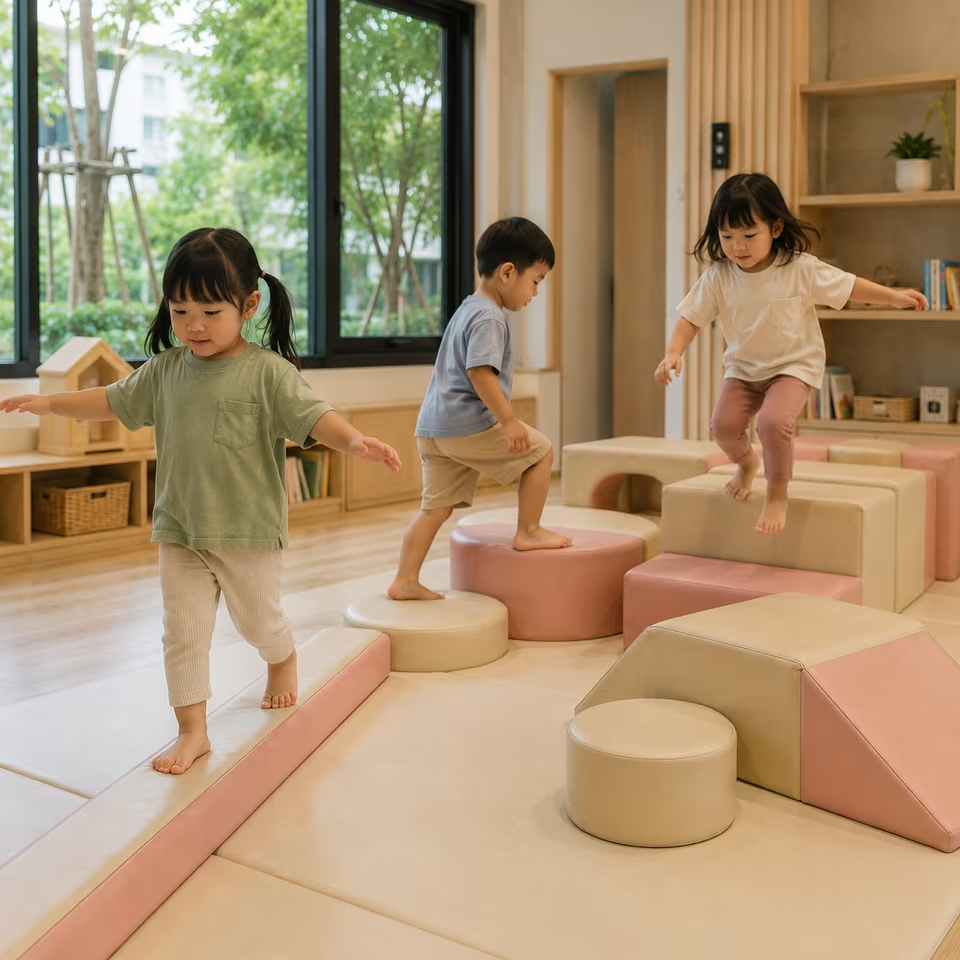
Gross motor development involves using the body's larger muscle groups for movements such as climbing, balancing, stepping, crawling, pushing and changing position. Active play can give children varied opportunities to explore these movements through play.
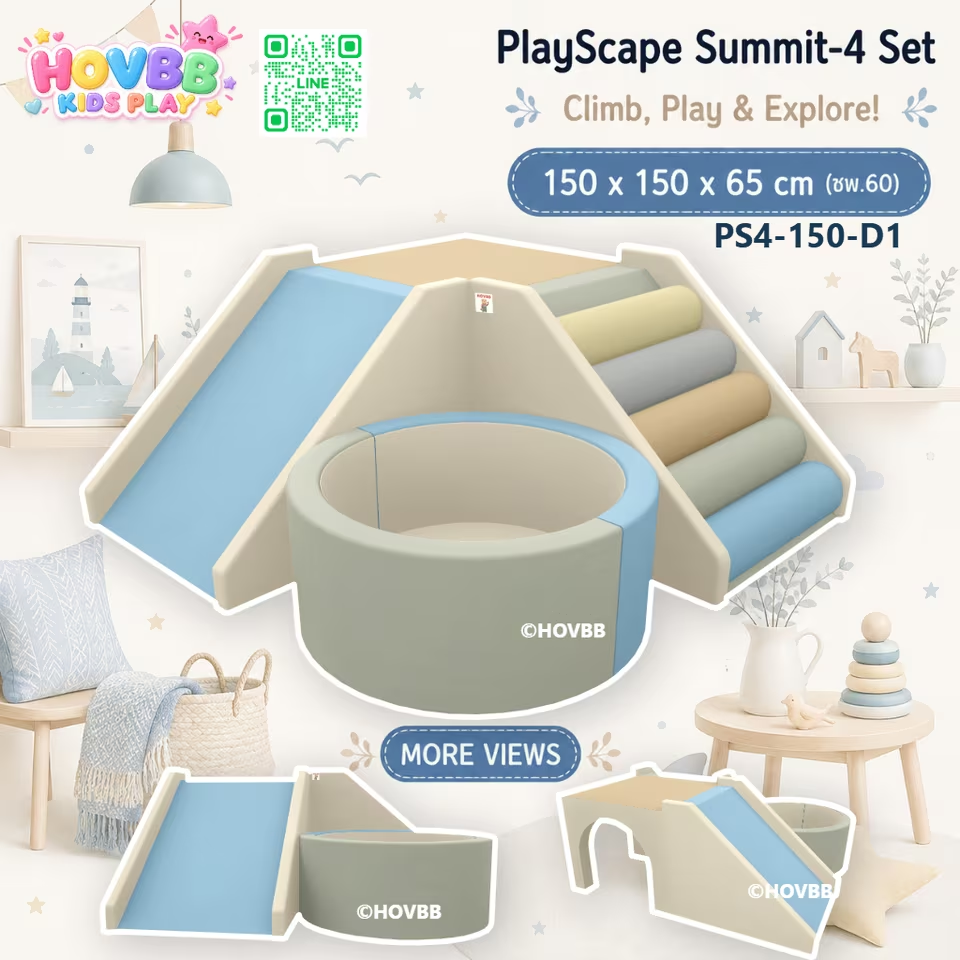
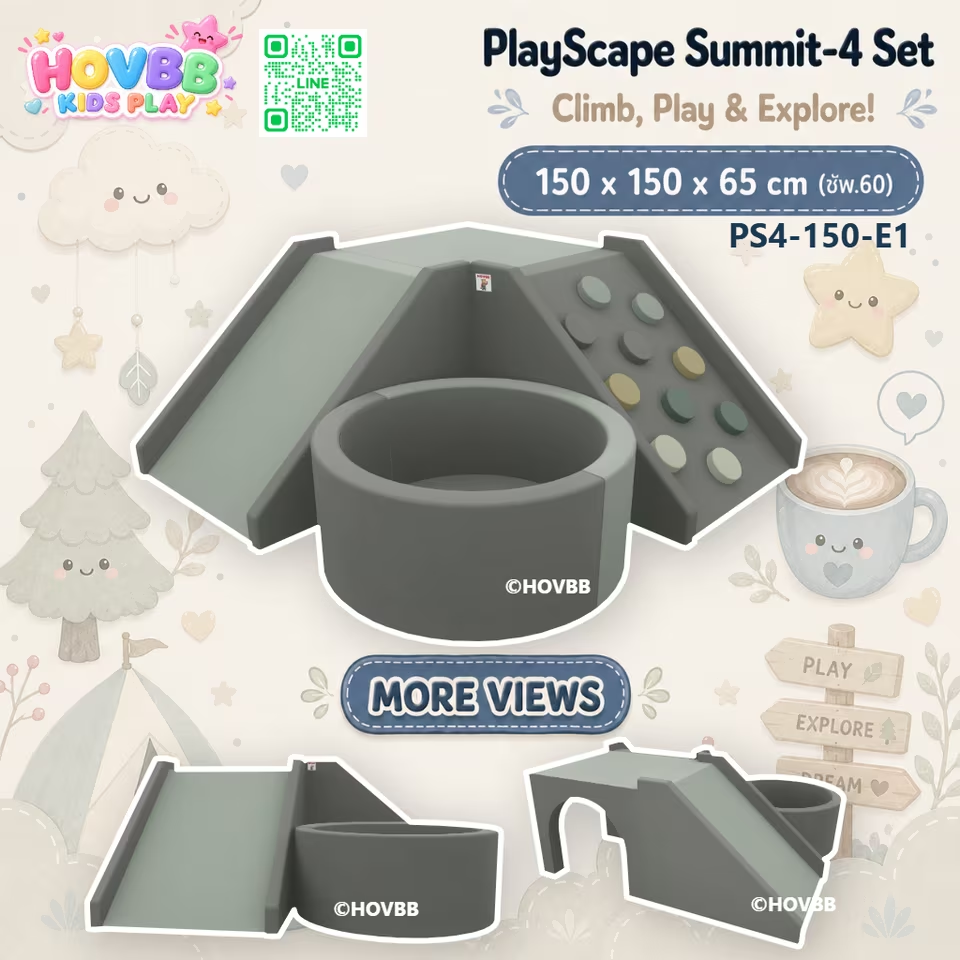
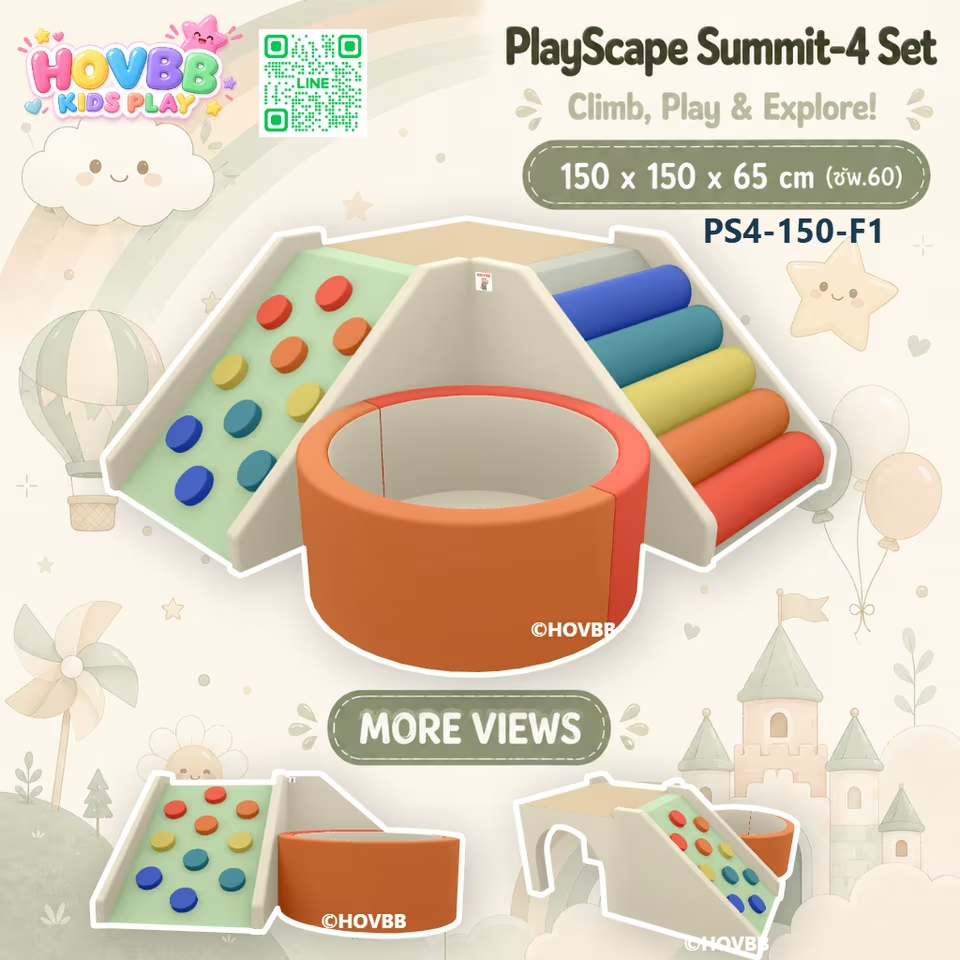
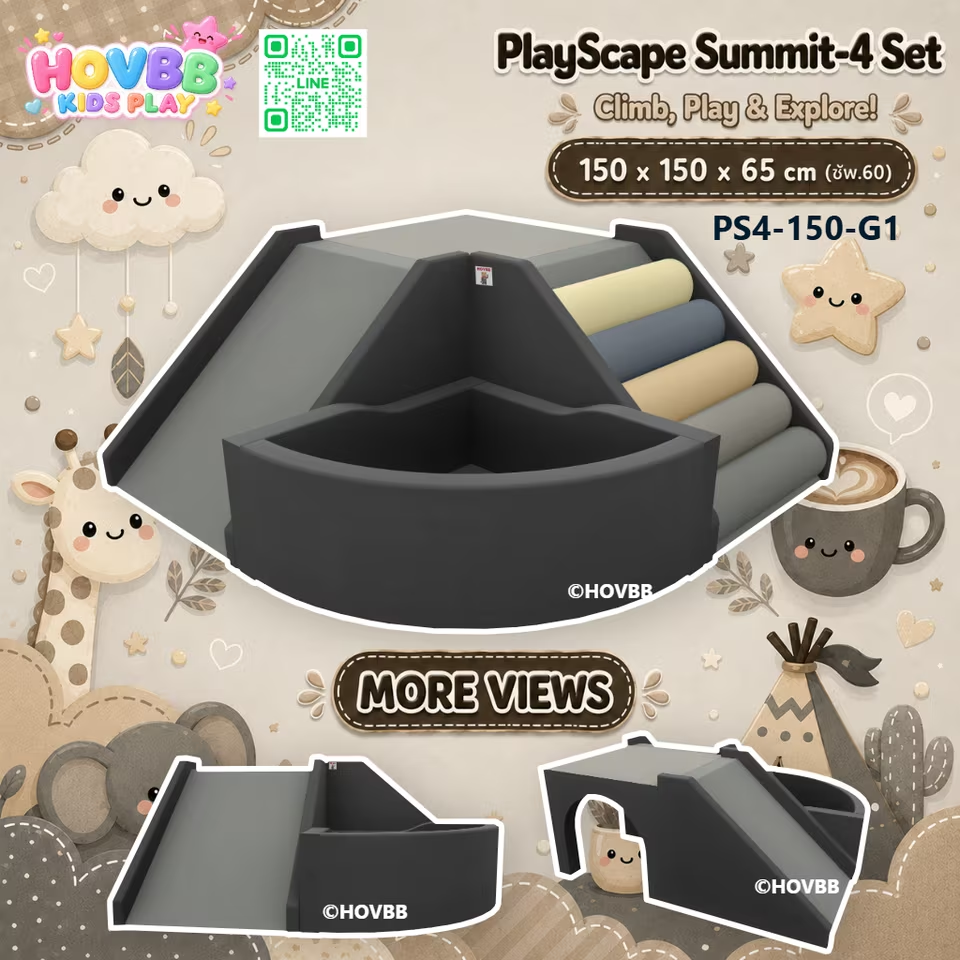
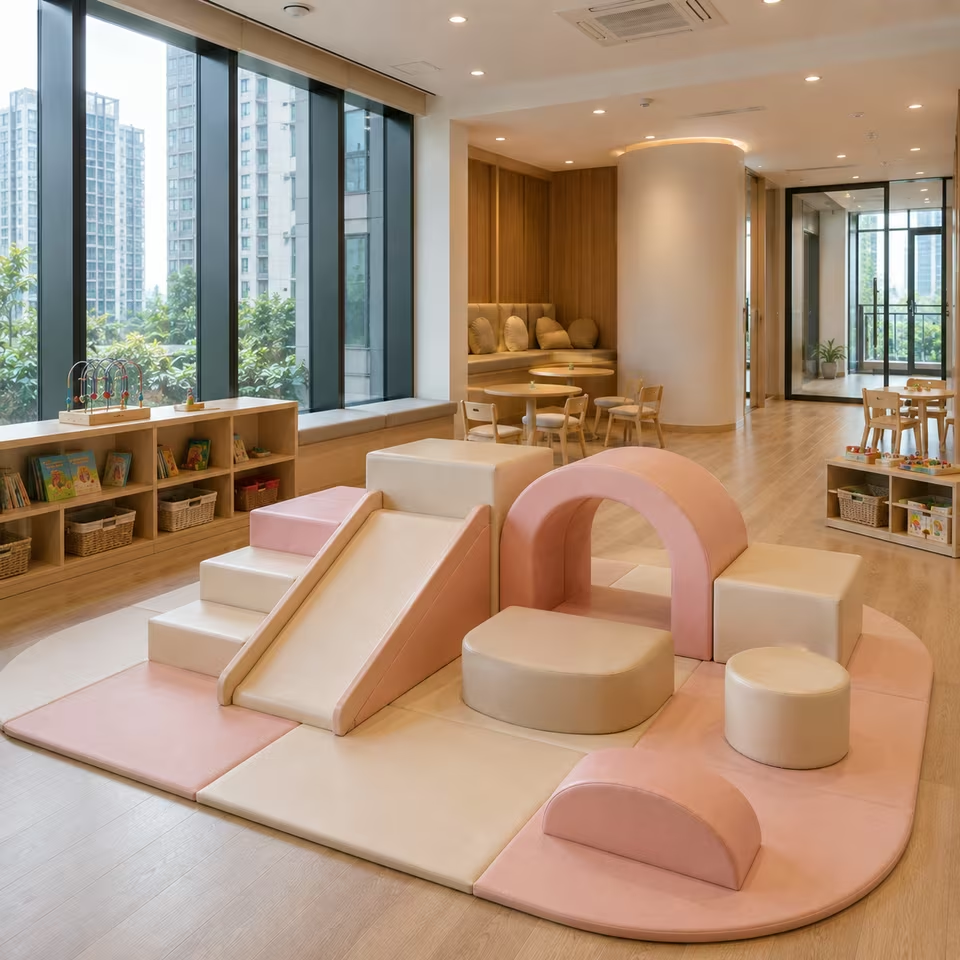
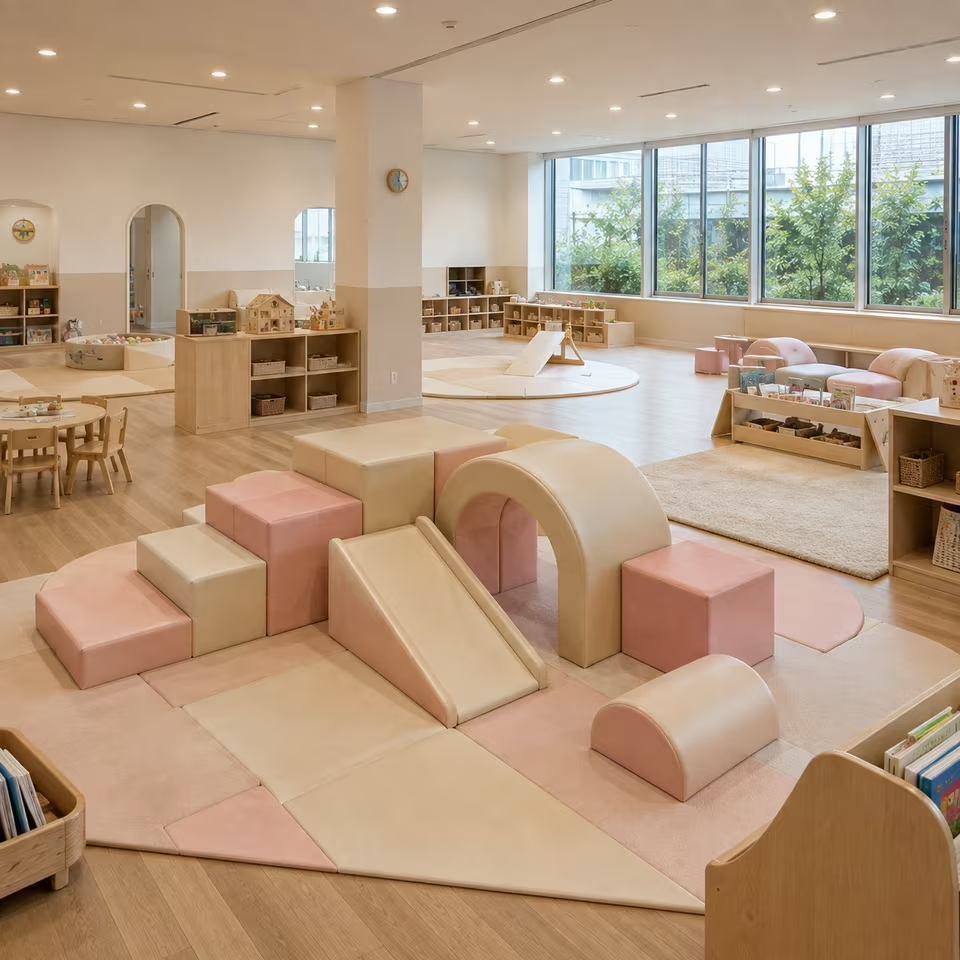
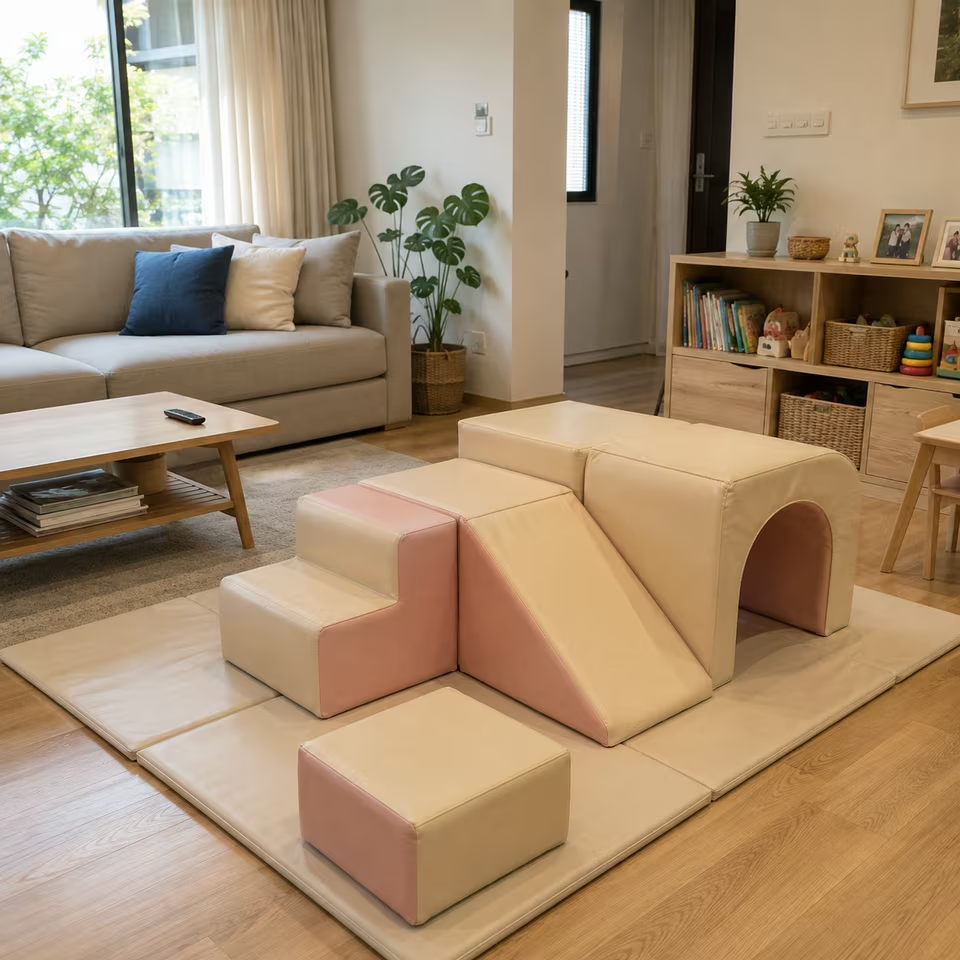
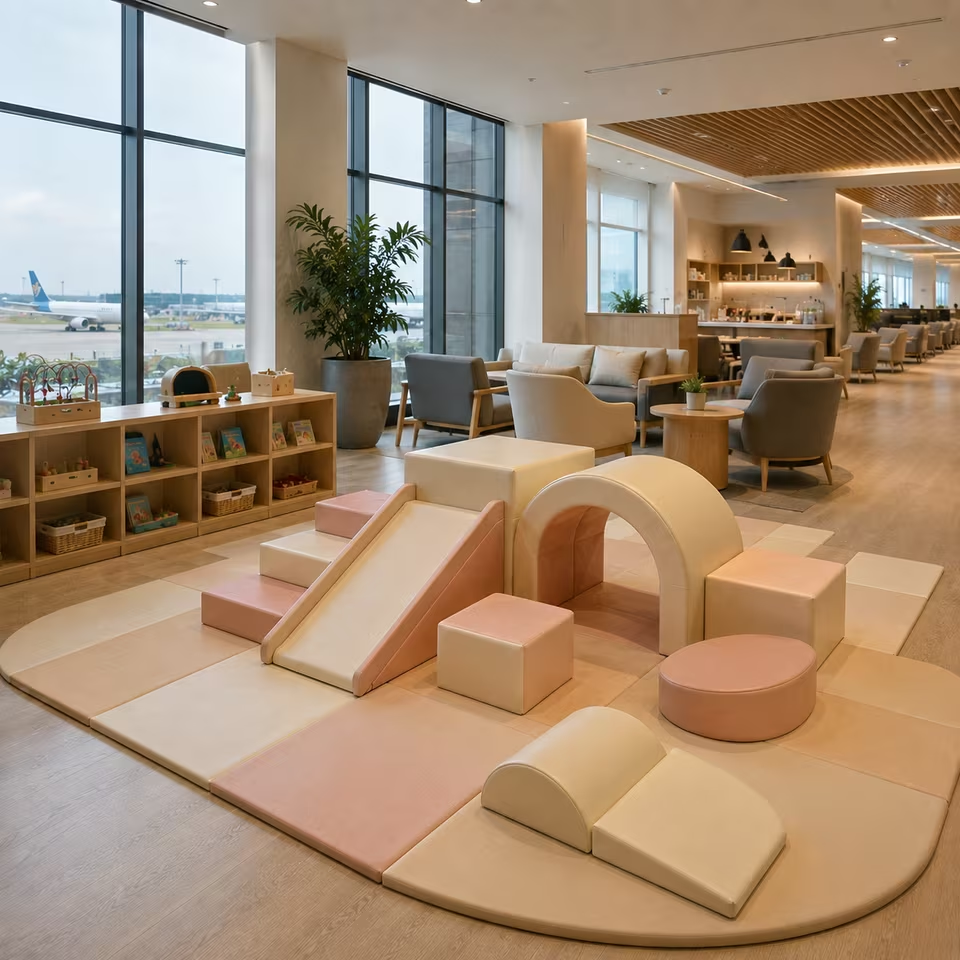
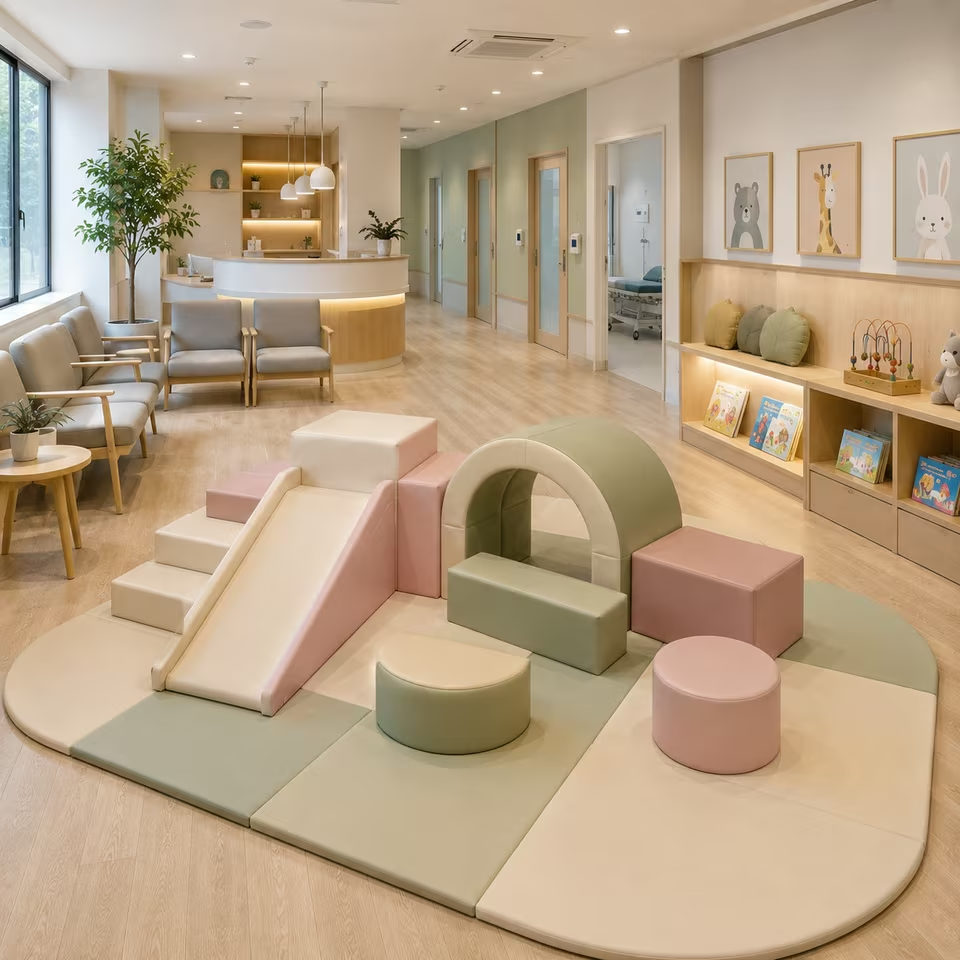
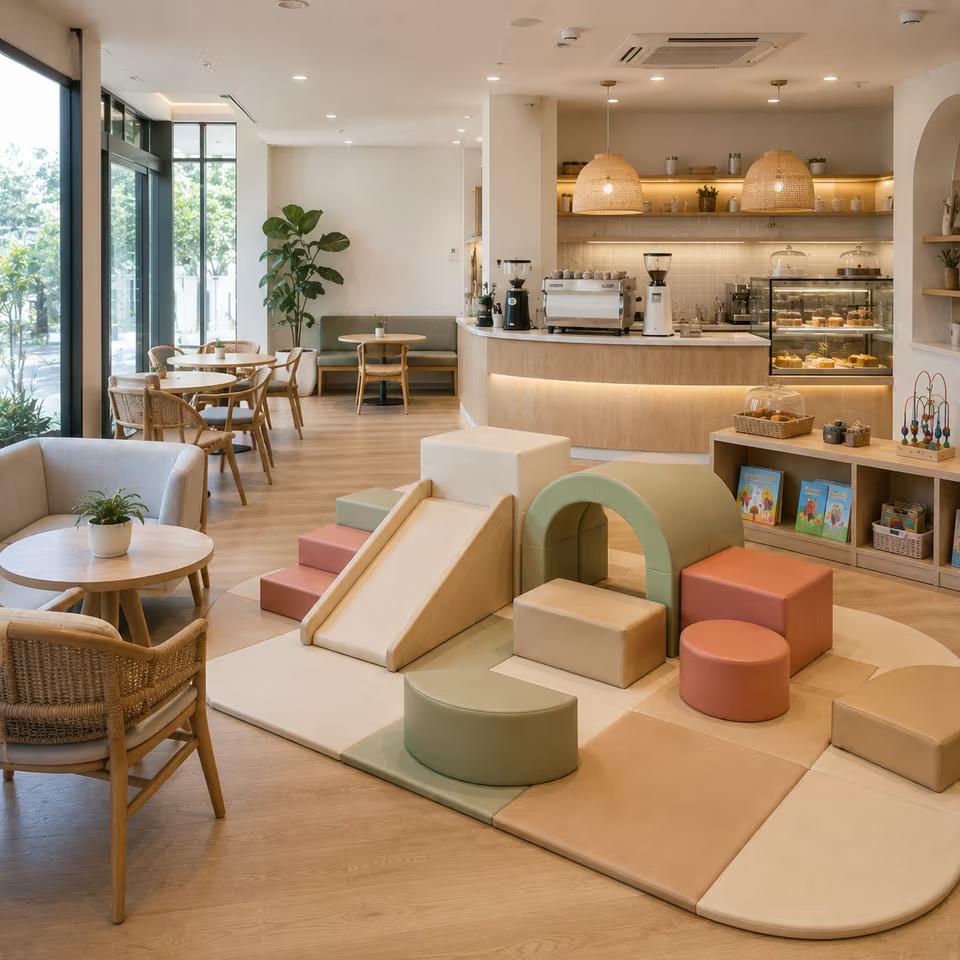
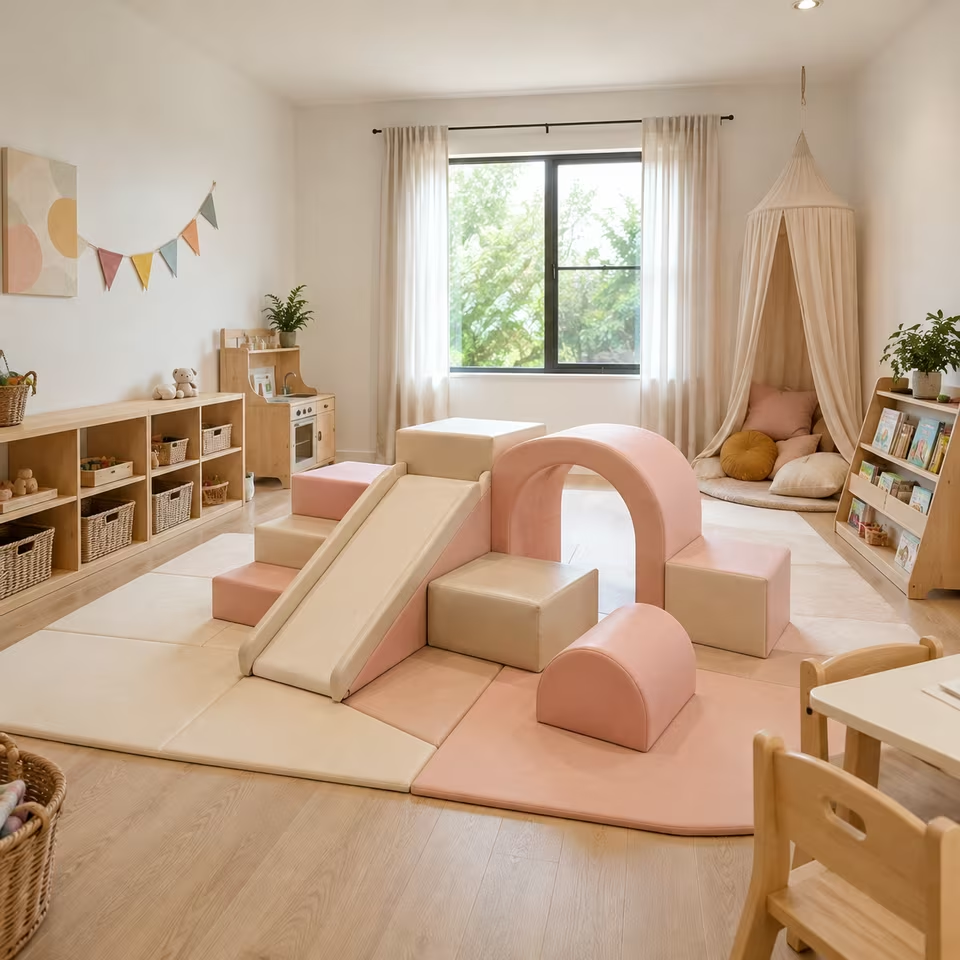
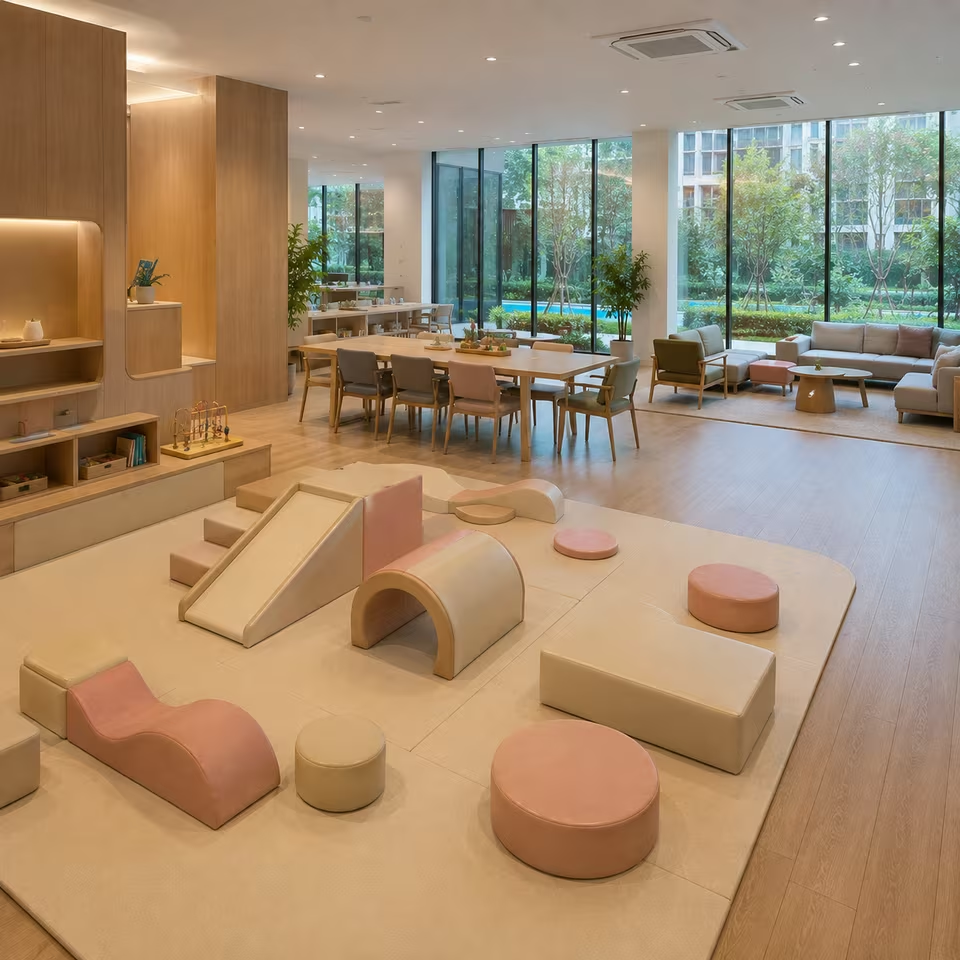
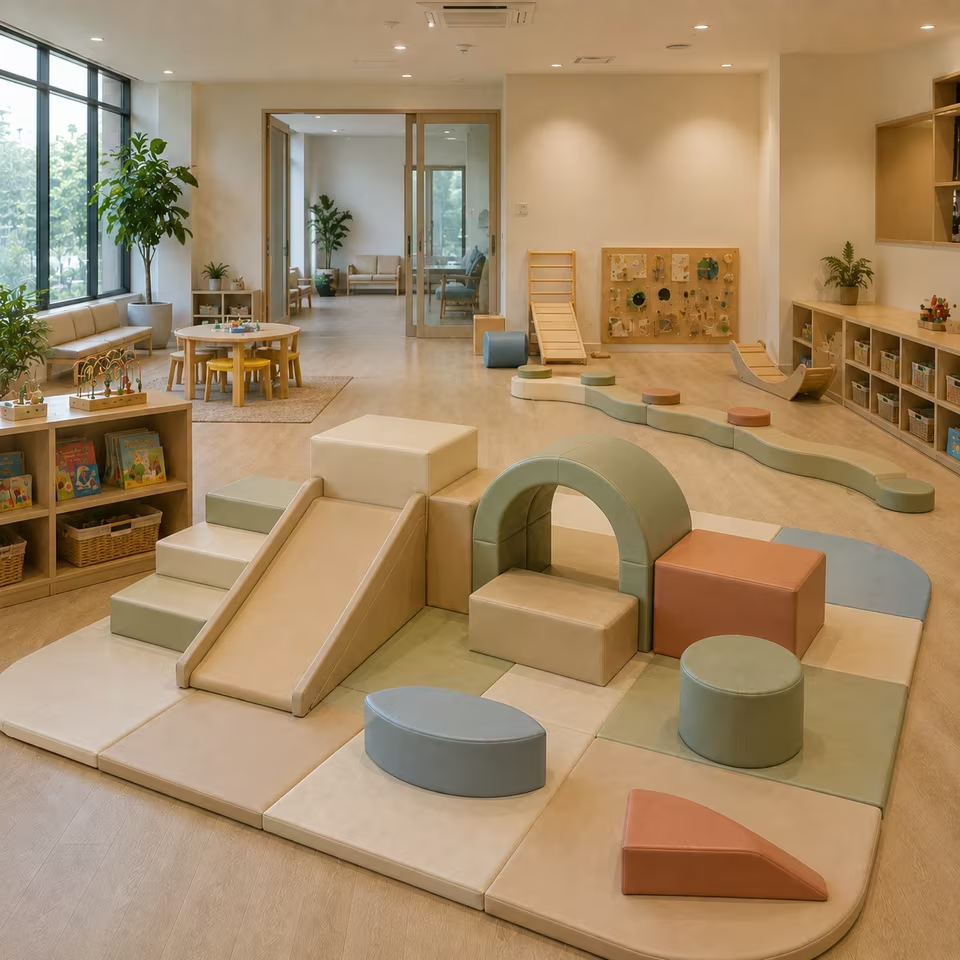
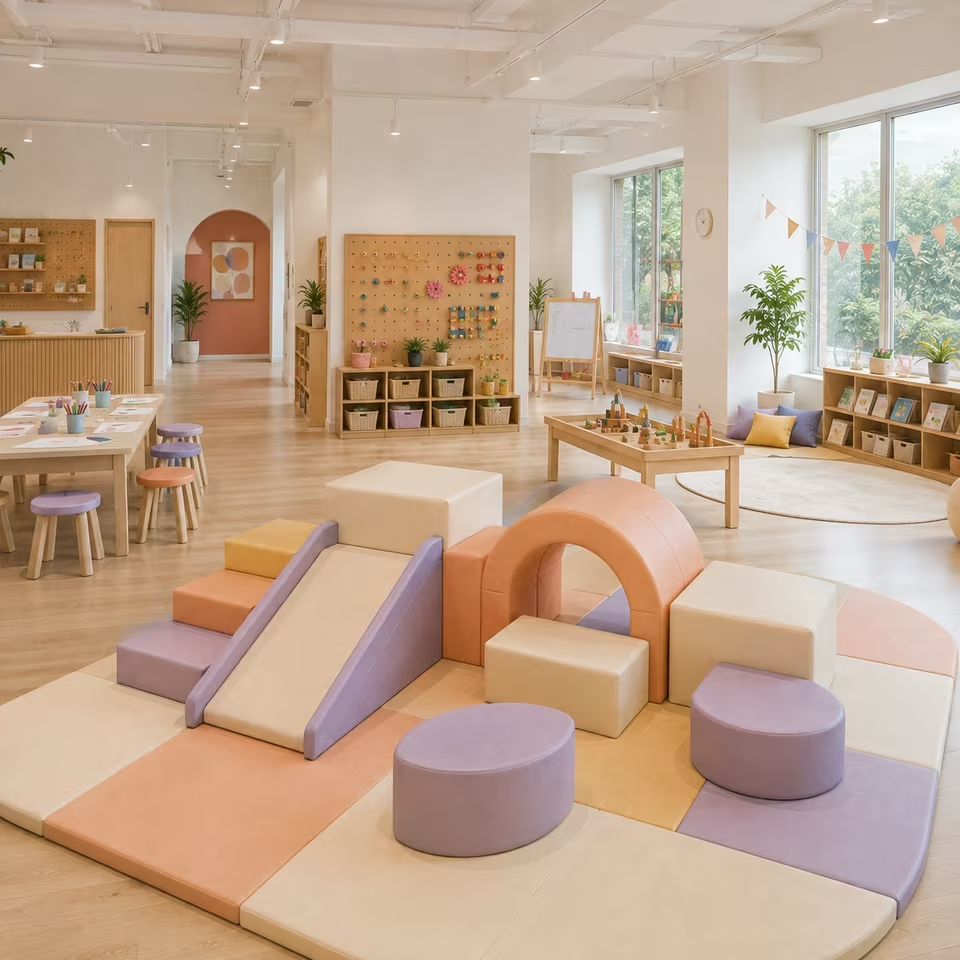
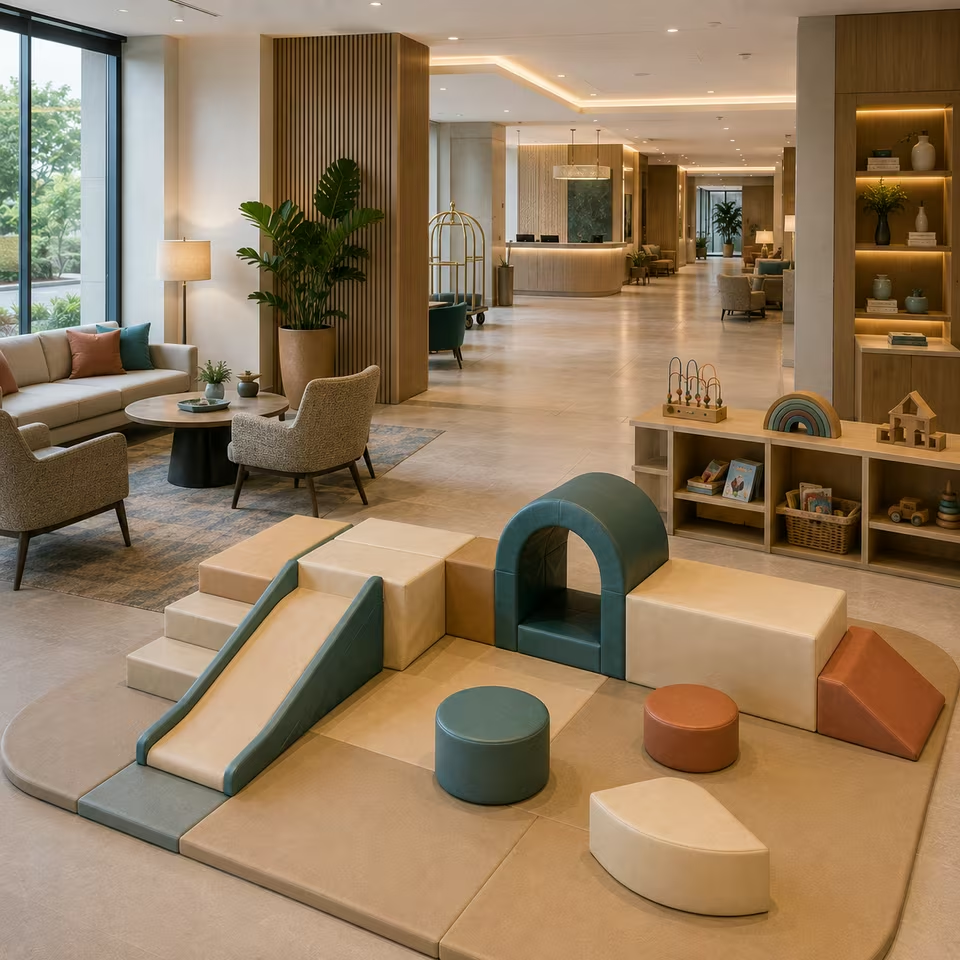
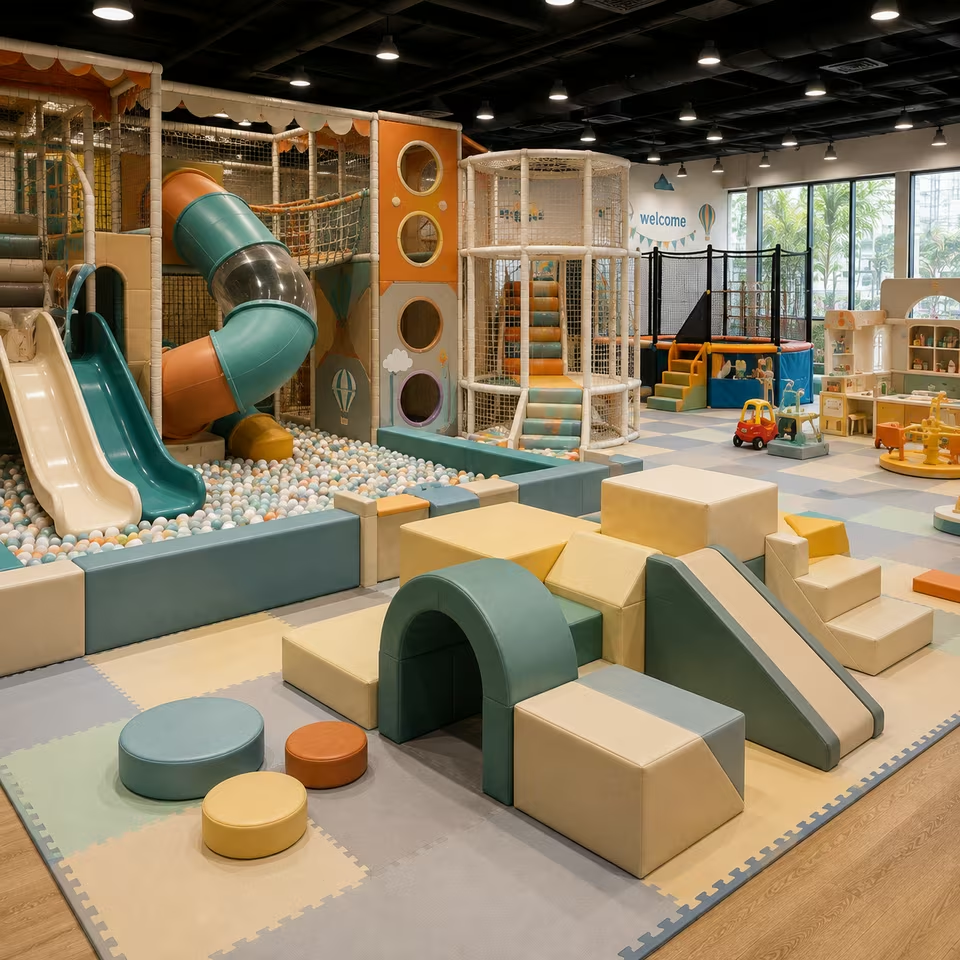
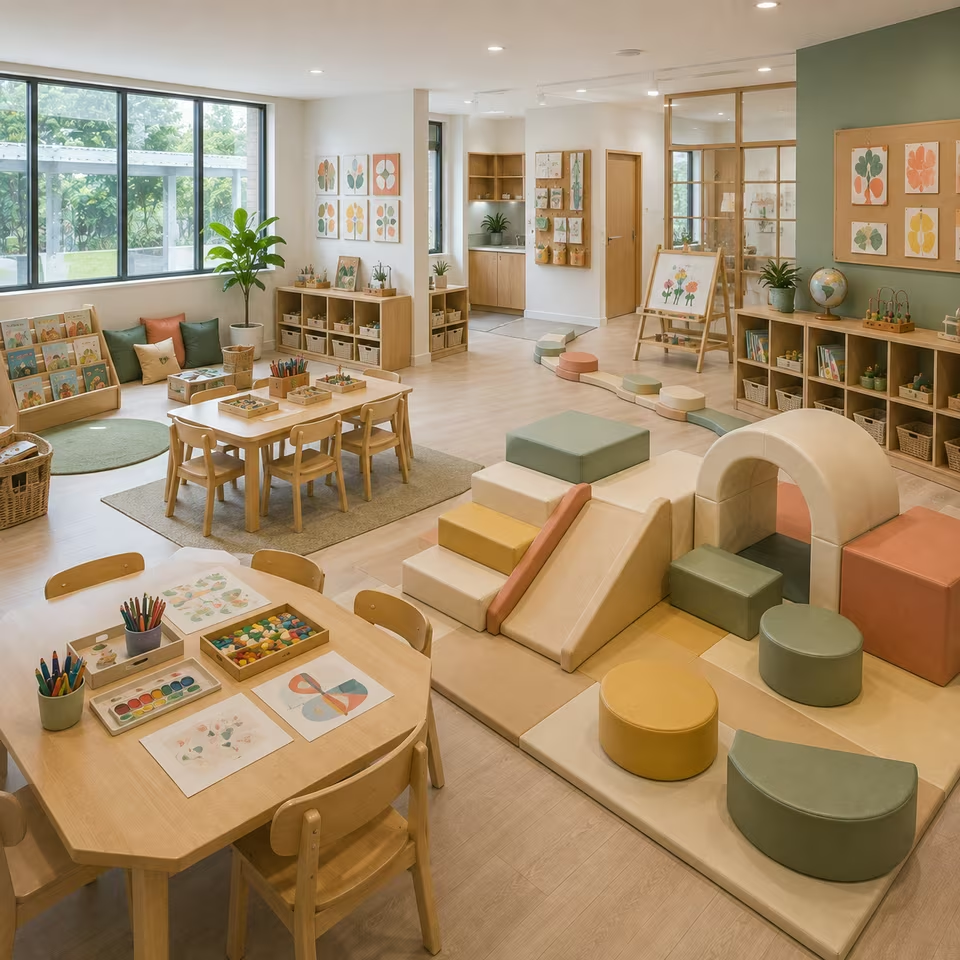
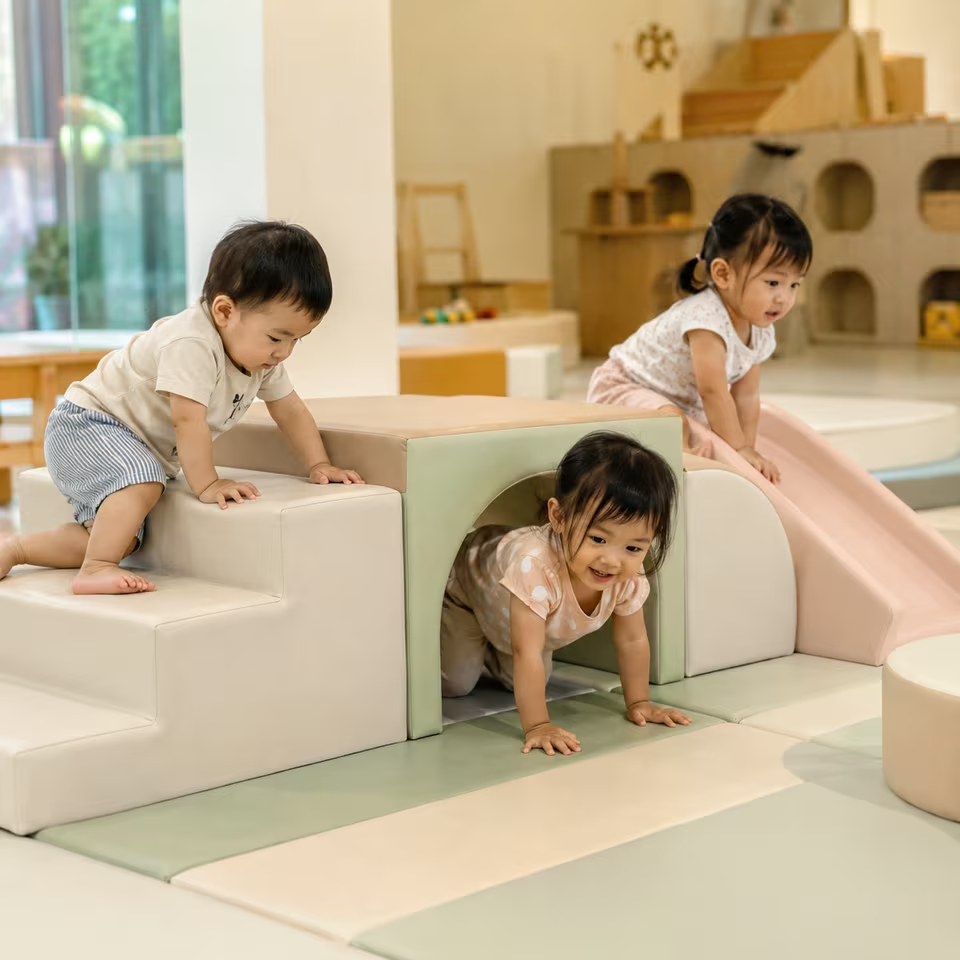
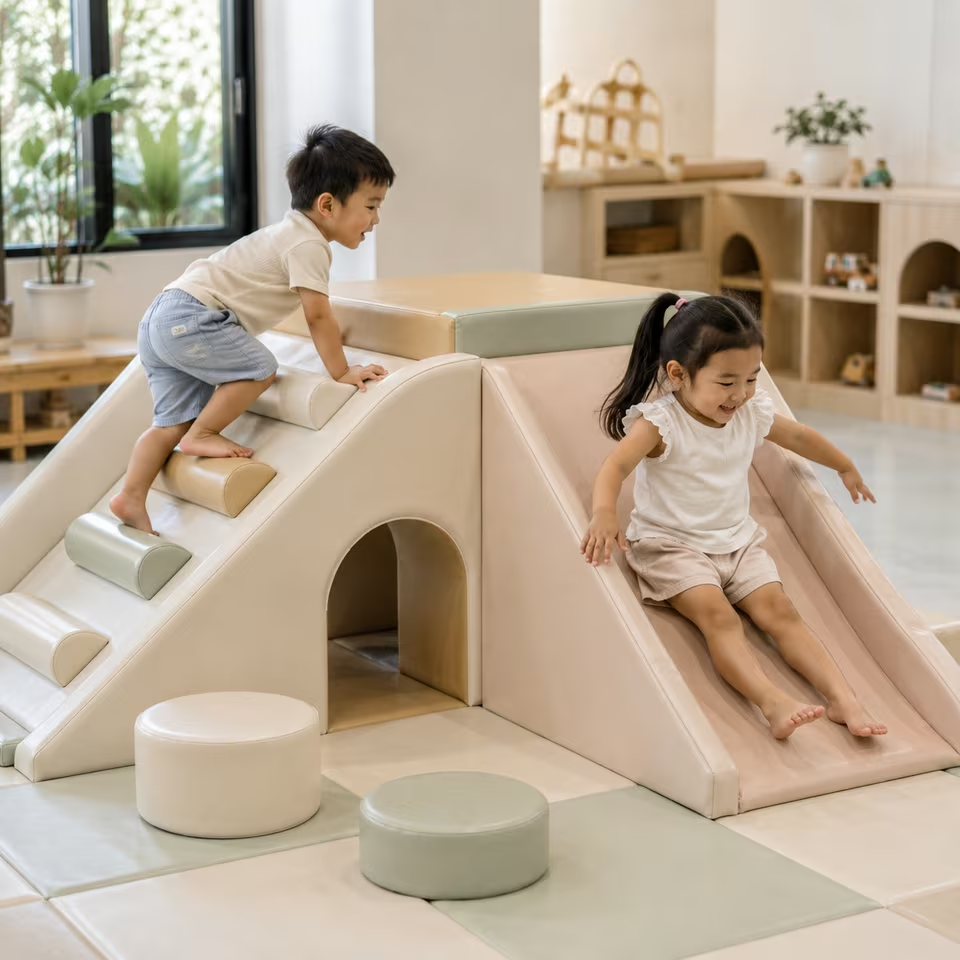
Gross motor skills are involved whenever children use larger movements of the body to move through and interact with their surroundings. During active play, children may climb onto a platform, step between different heights, crawl through an opening, balance across a surface or coordinate several movements as part of one route. A thoughtfully arranged play environment can offer different movement opportunities without requiring every activity to have a prescribed way to play. For soft play, the relationship between elements is especially important: changes in level, slopes, steps, platforms and transitions can create connected movement experiences that children can approach in different ways and revisit as their confidence and control change.
Gross motor skills involve larger body movements used for activities such as walking, running, climbing, balancing, crawling, stepping and changing body position.
Gross motor activities are forms of play and movement that involve larger parts of the body. Examples can include climbing, crawling, balancing, stepping between surfaces and moving through simple obstacle-style routes.
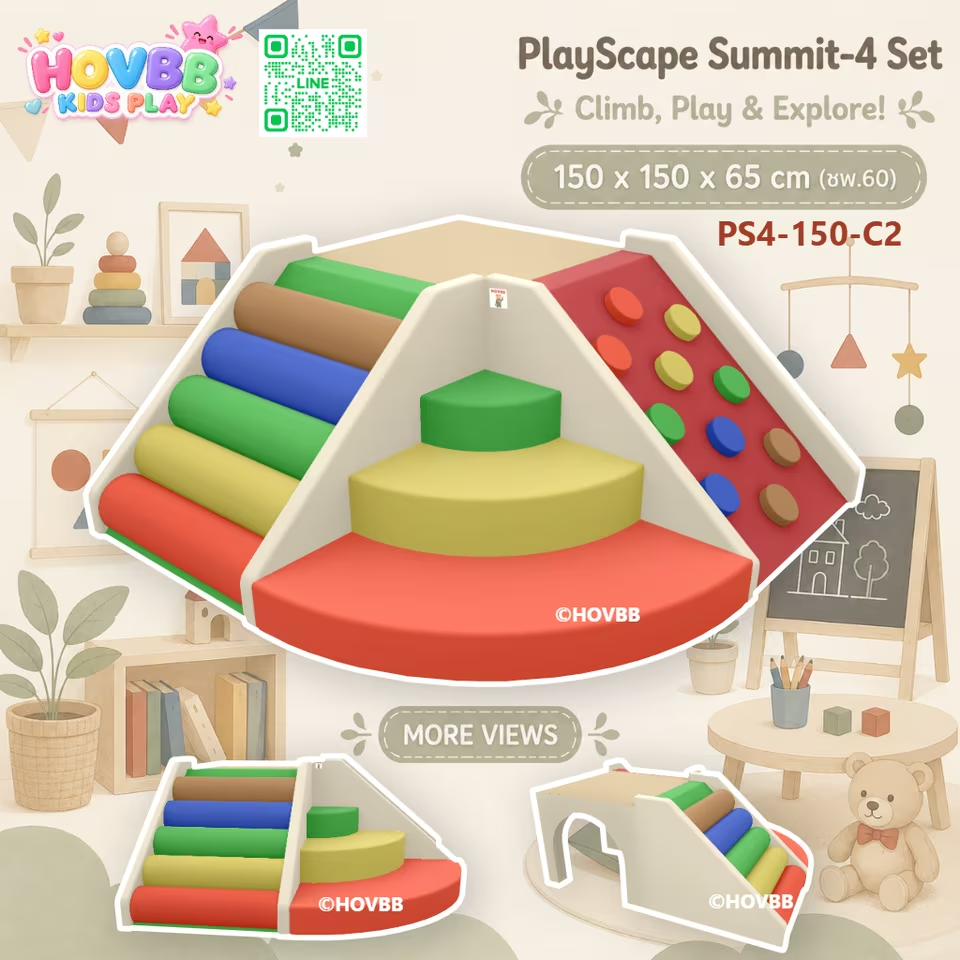
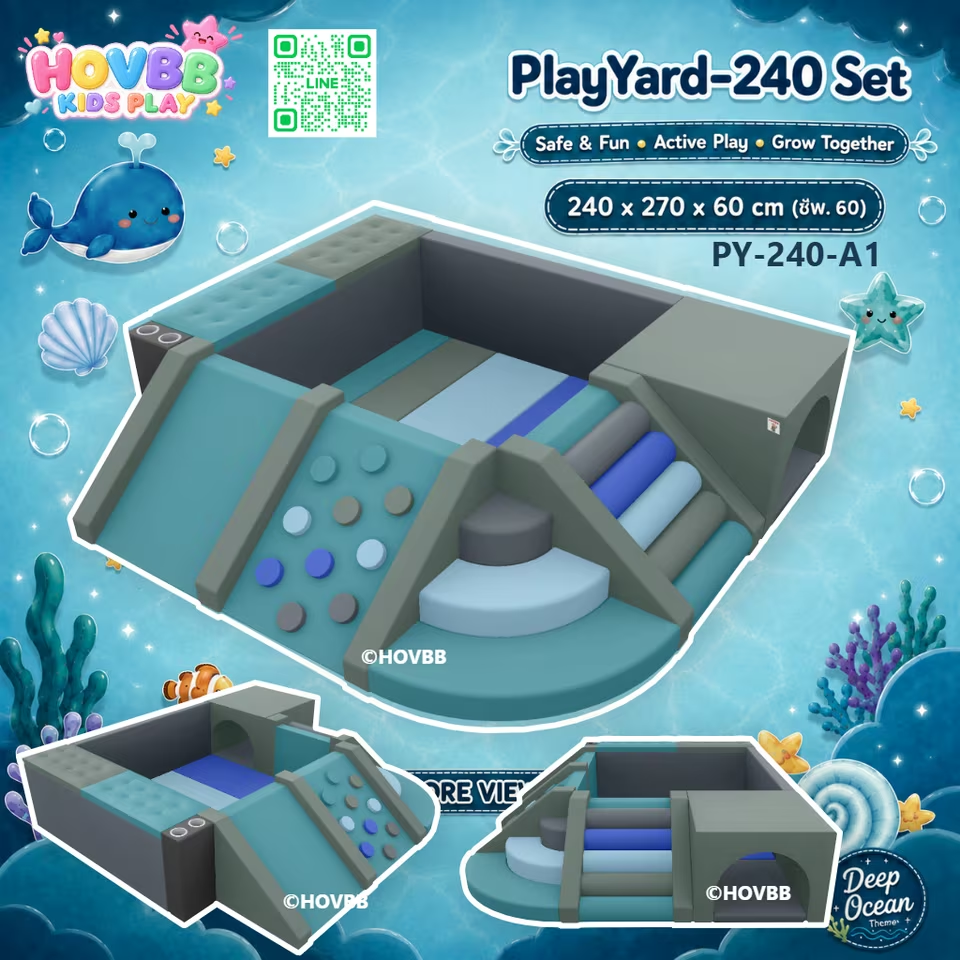
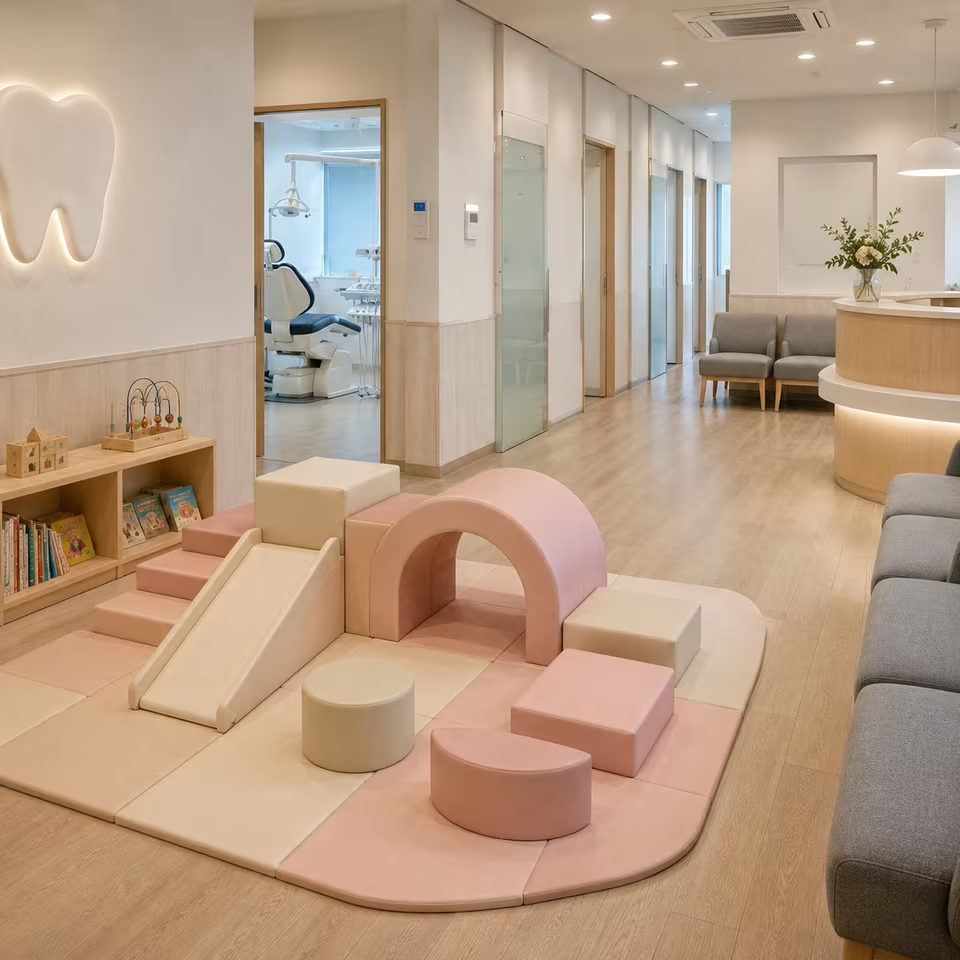
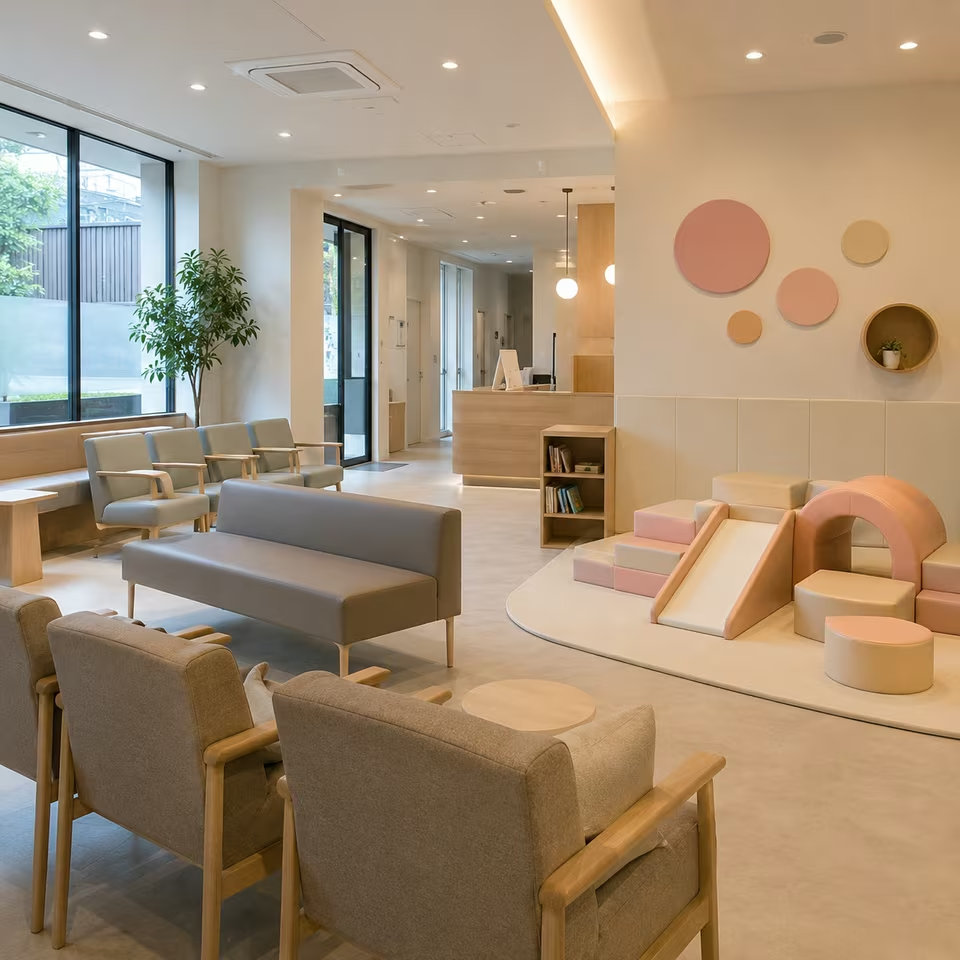
Soft Play can provide an environment for many gross motor movements. Depending on the configuration, children may climb, step, crawl, balance, move between levels and combine several movements along one route.
Depending on the individual design, padded steps, slopes, platforms, climbing forms, tunnels and balance-style elements can create different movement opportunities. The overall layout and transitions between pieces are also important.
Climbing can require children to coordinate their arms, legs and trunk while shifting body weight and moving between levels. The exact movement demands depend on the shape and configuration of the climbing element.
Balancing involves controlling body position while standing or moving. Play routes with appropriate balance elements or changes in surface can give children opportunities to adjust posture, weight distribution and movement.
Crawling involves coordinated movement of the arms, legs and trunk and is commonly considered a gross motor movement. Tunnels and low pass-through spaces can provide opportunities for crawling during play.
Not necessarily. Gross motor movement occurs in many forms of everyday active play. Purpose-designed play equipment can provide additional ways to organize climbing, balancing, crawling, stepping and other movements into a play environment.
Consider the intended users, available space and the variety of movement the configuration provides. Look at how climbing, stepping, balancing, crawling and transitions connect, then check the specifications and intended use of the individual equipment.
More difficult is not automatically better. A useful level of challenge depends on the individual child and the equipment. Variety, opportunities for repeated movement and an appropriate progression of challenge can be more meaningful than simply increasing height or difficulty.