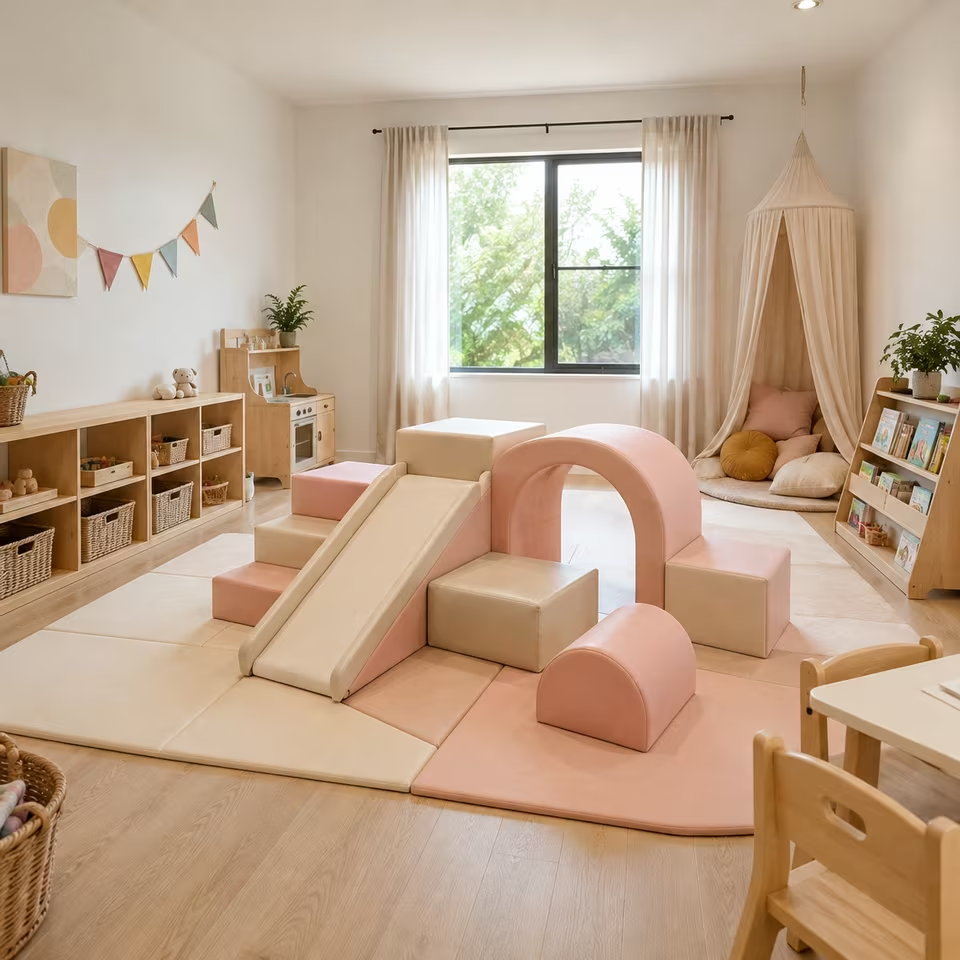
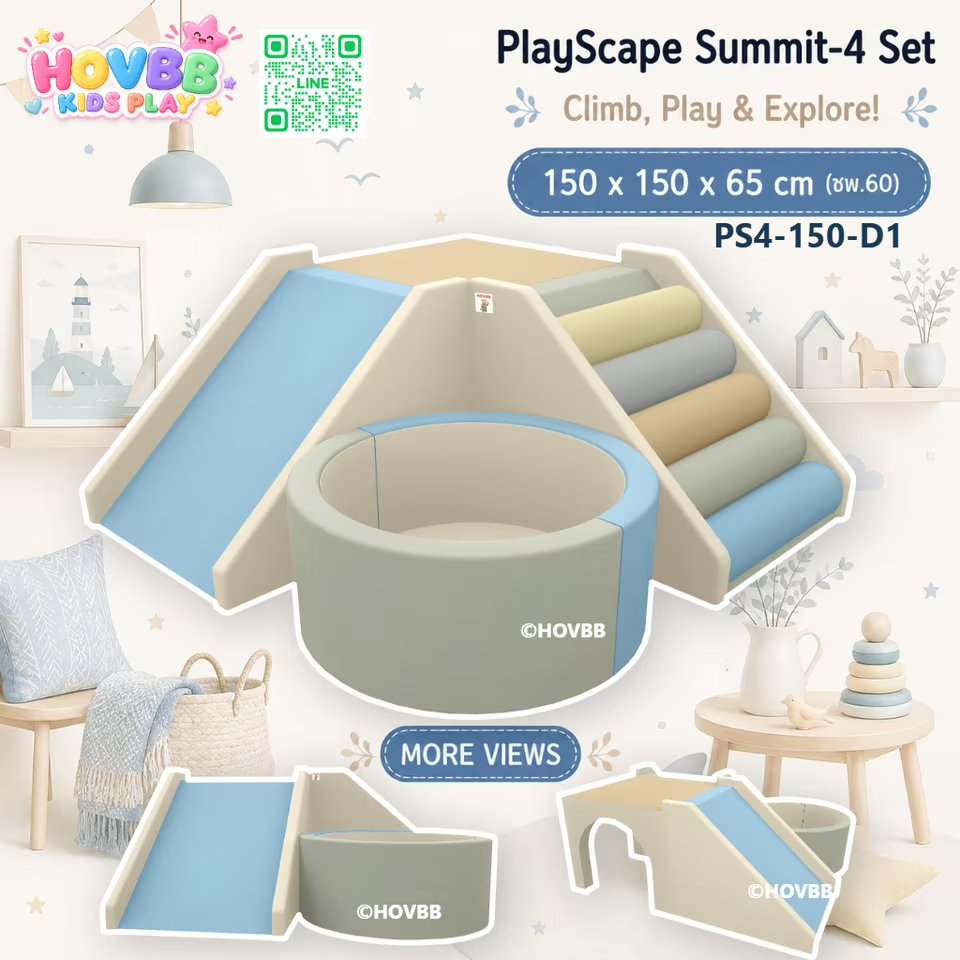
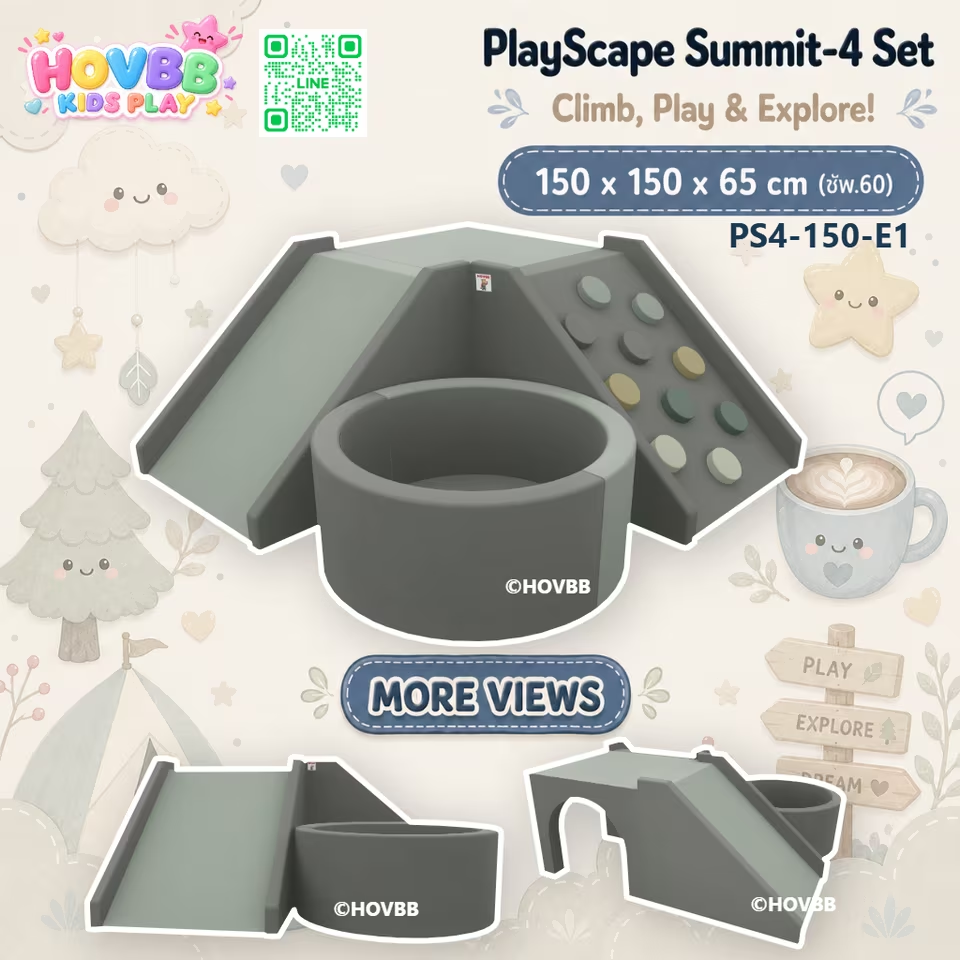
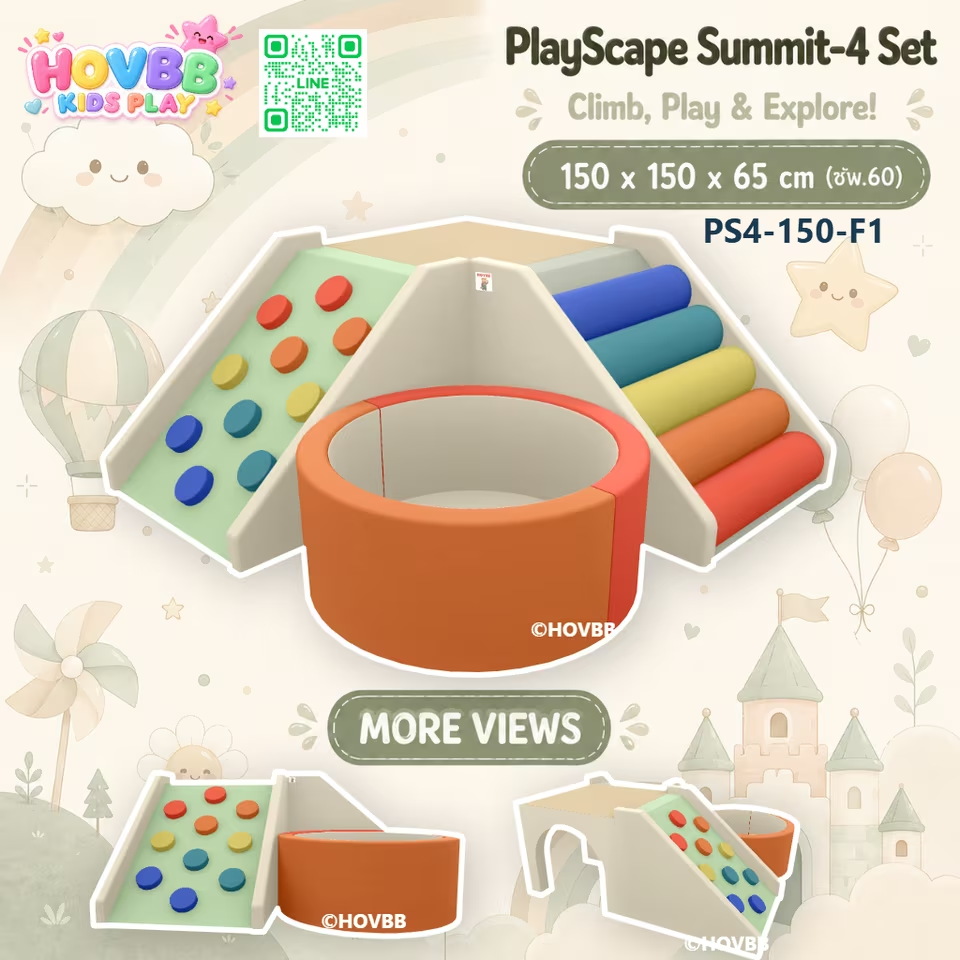
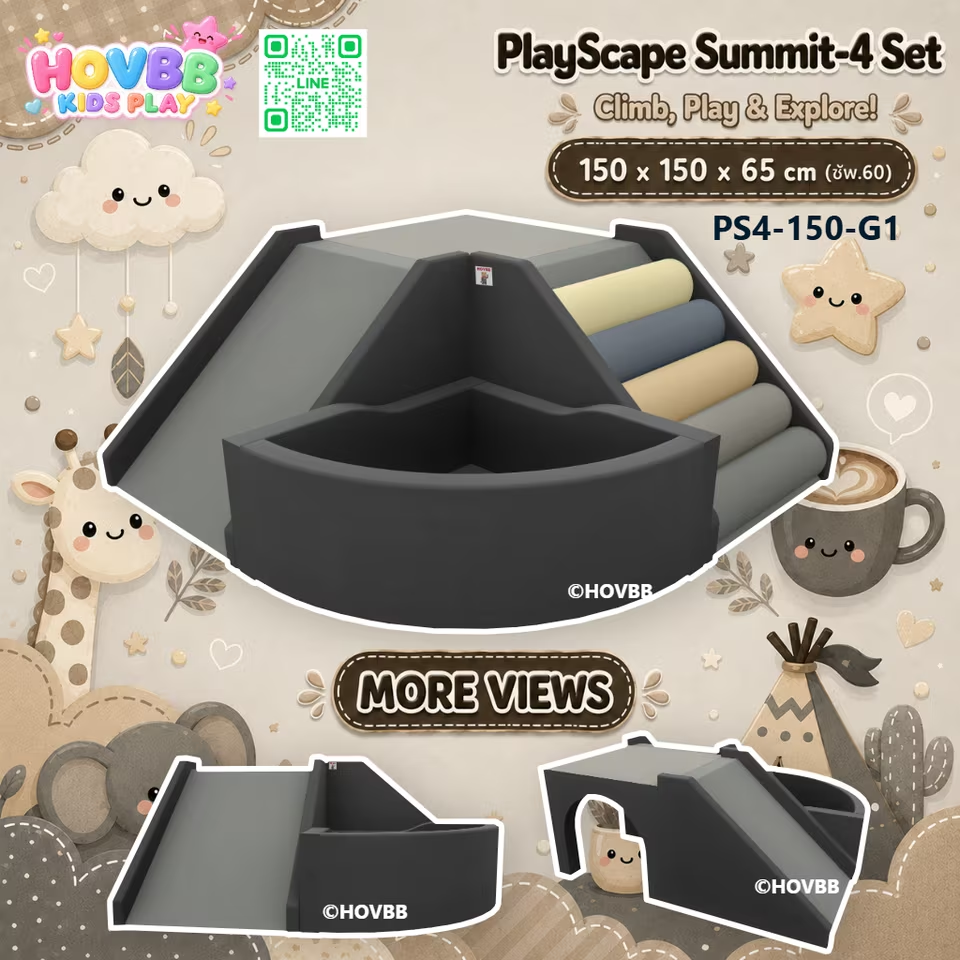
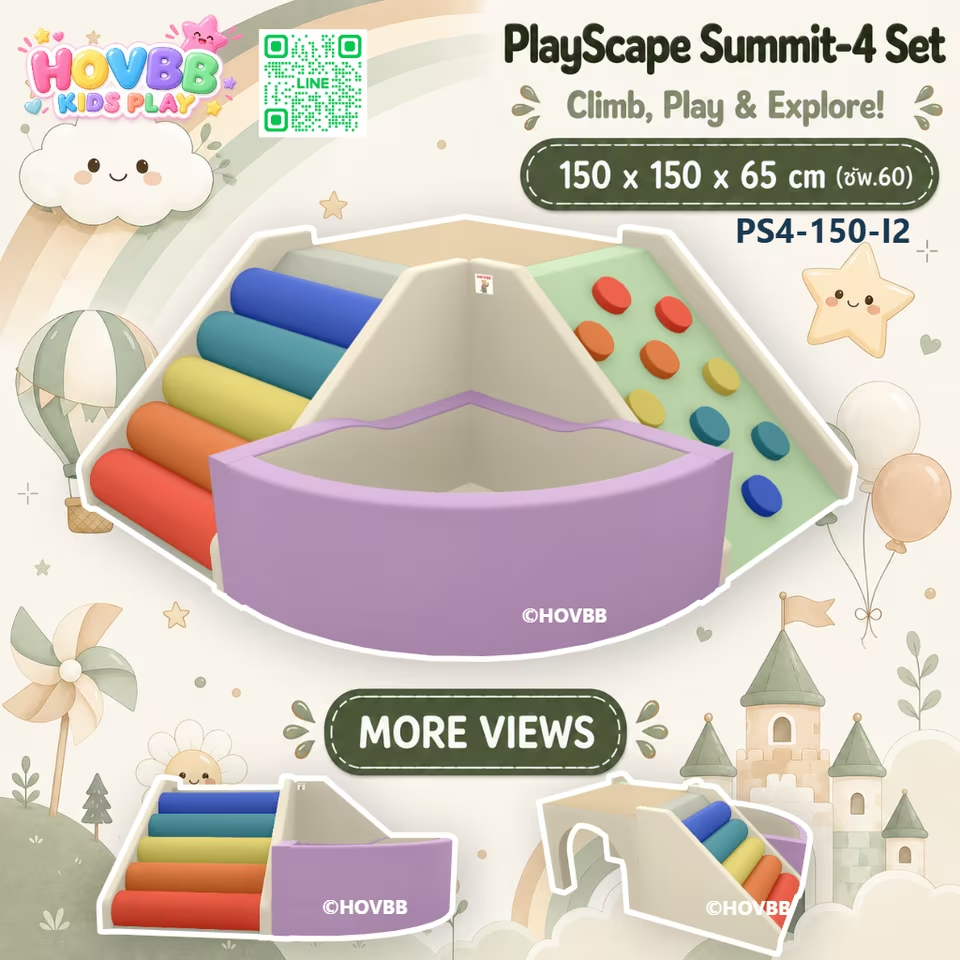
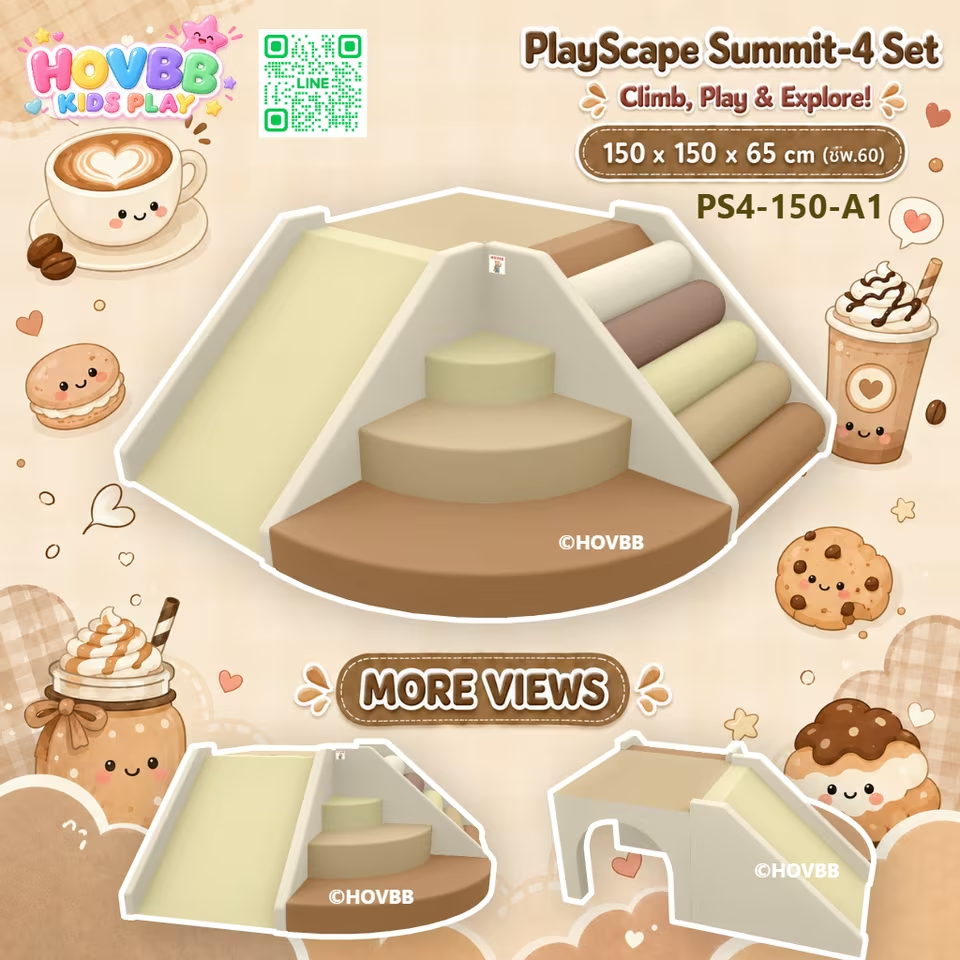
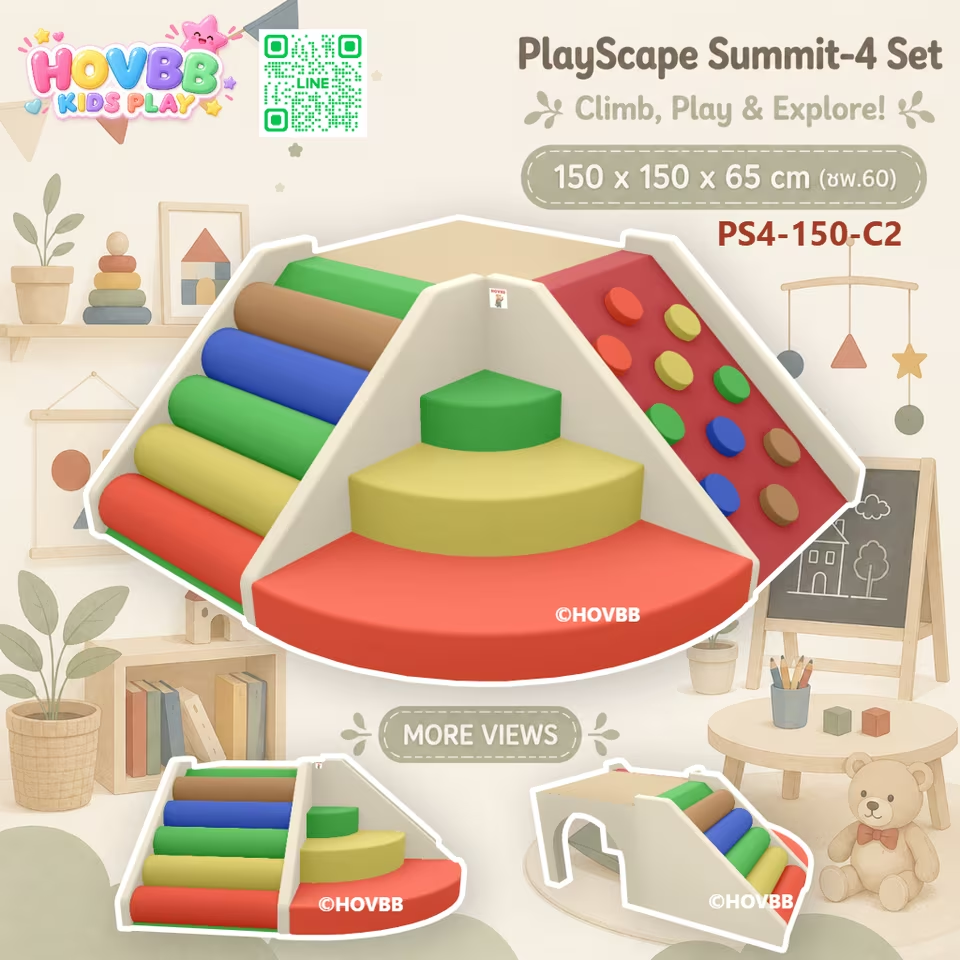
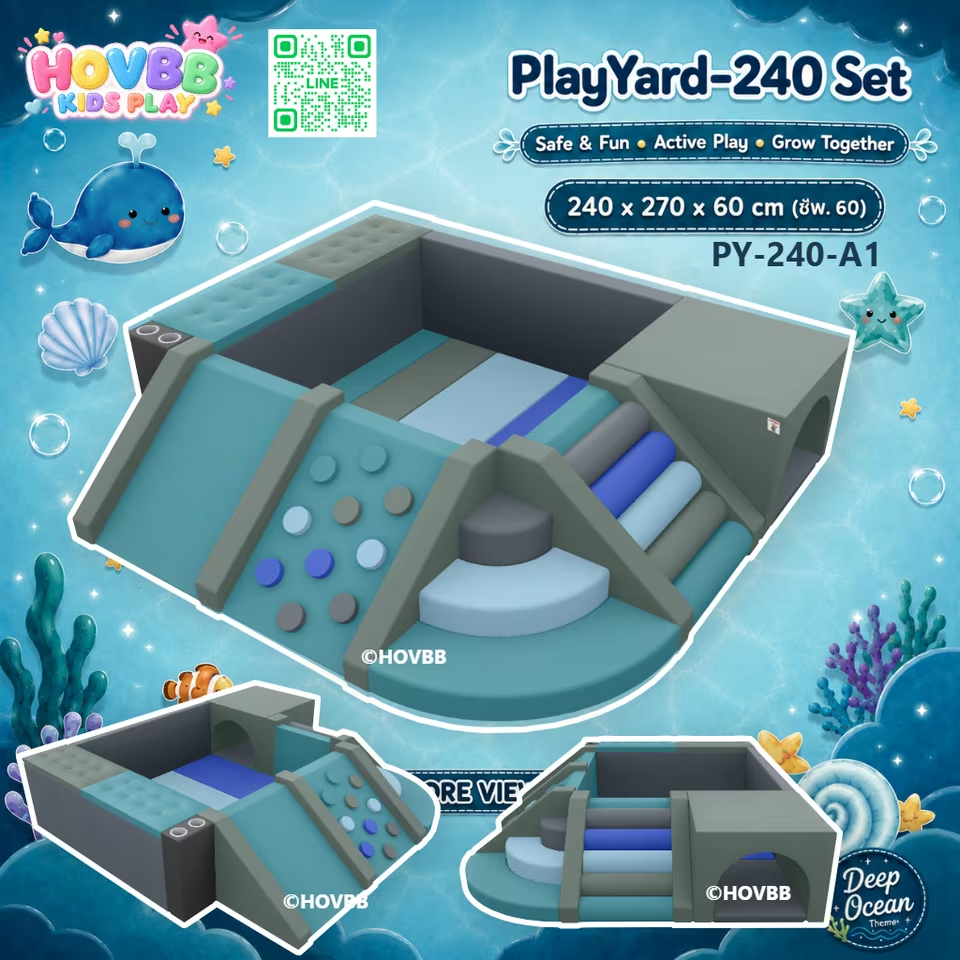
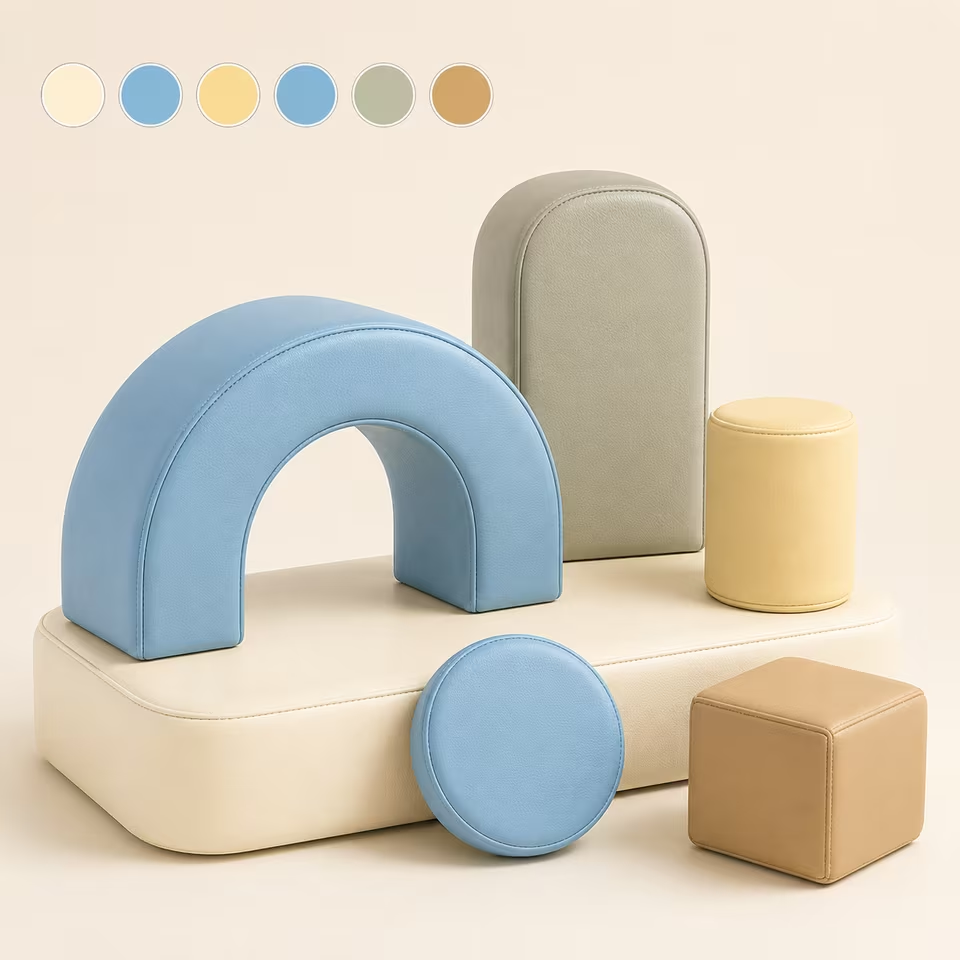
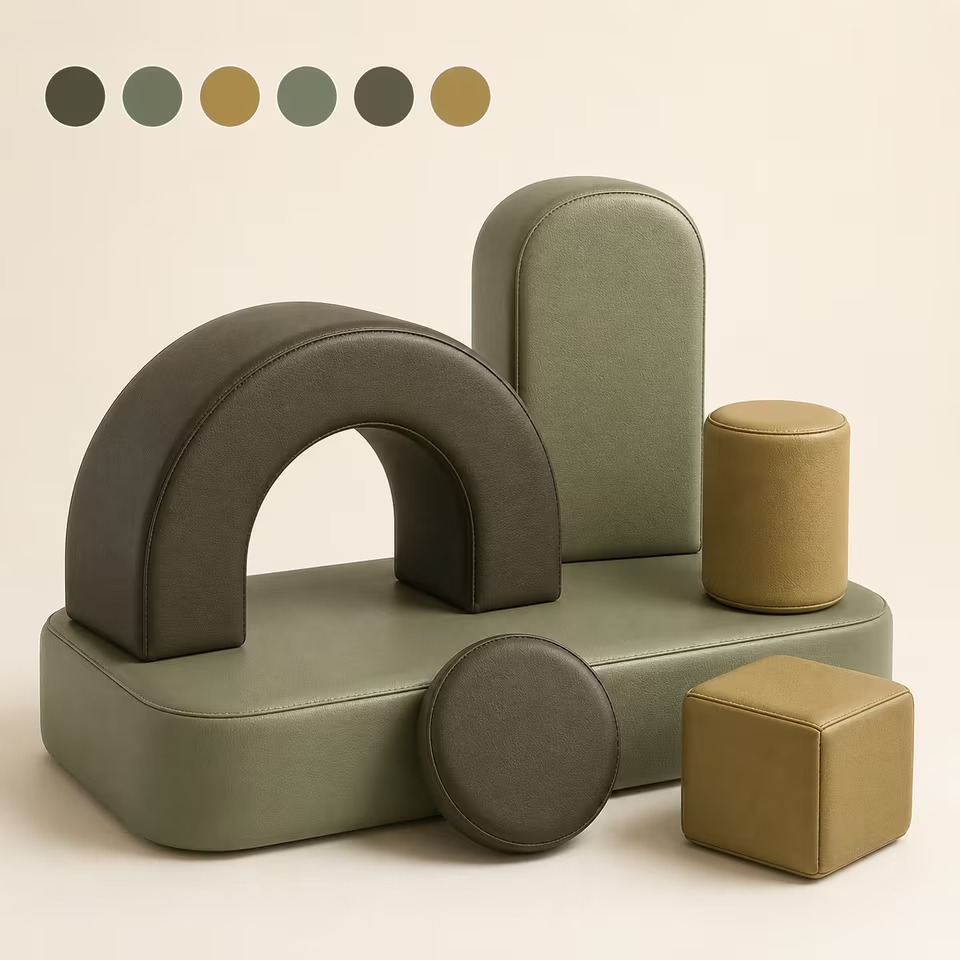
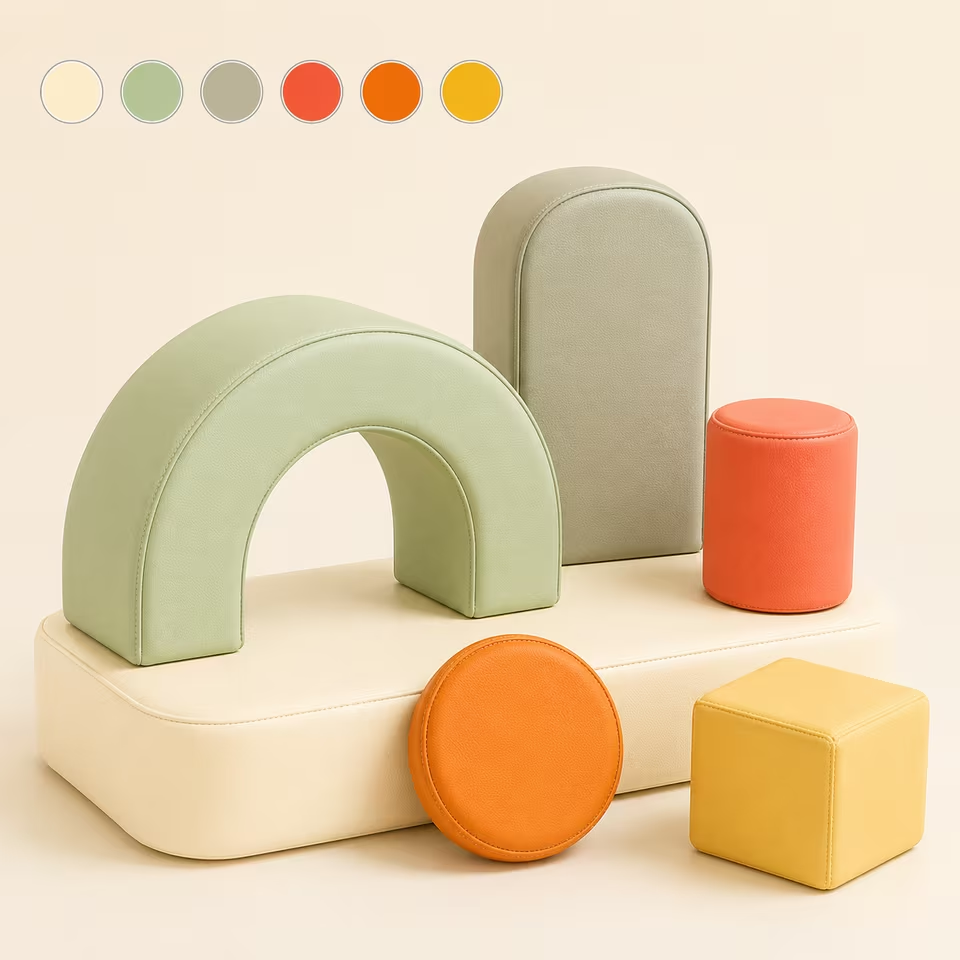
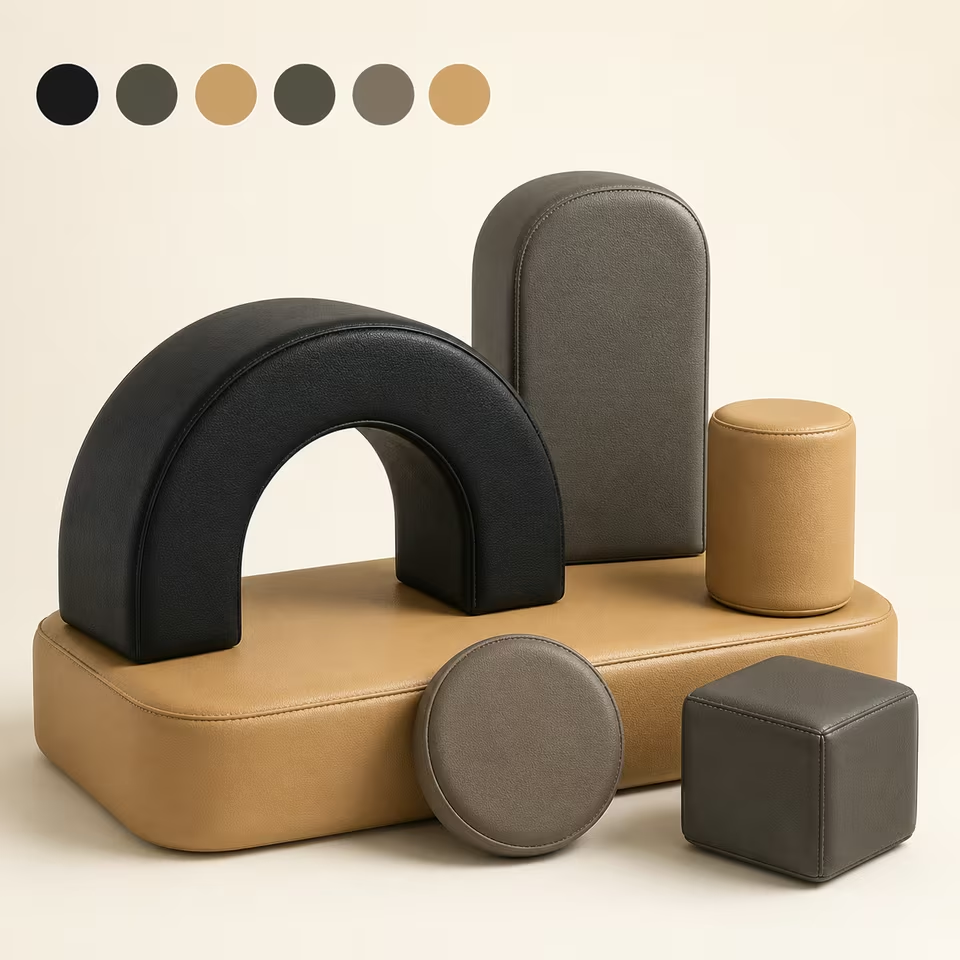
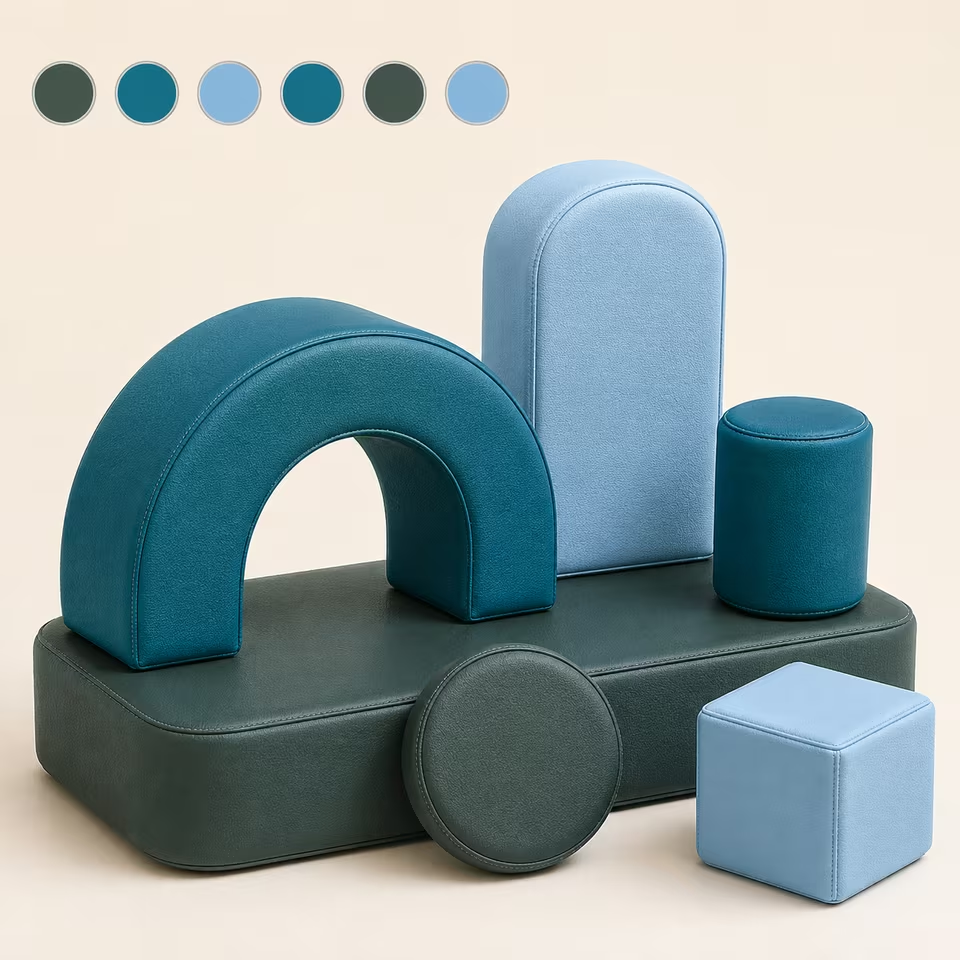
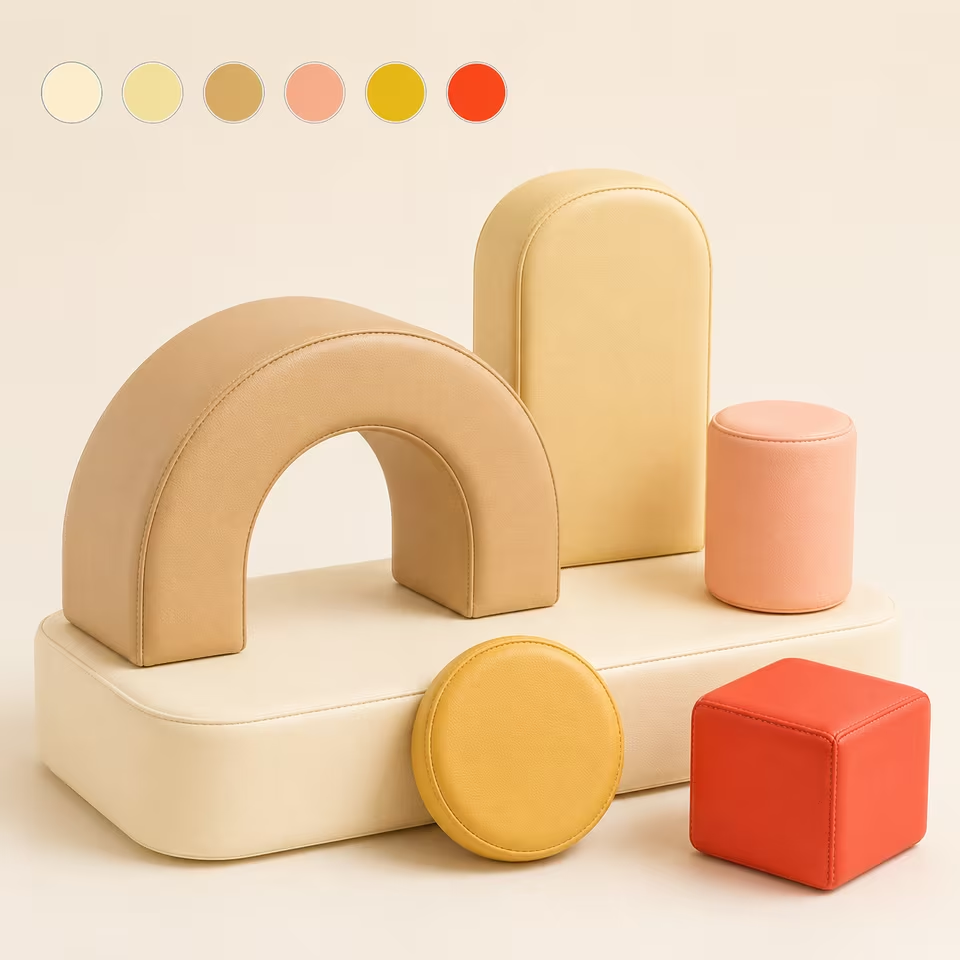
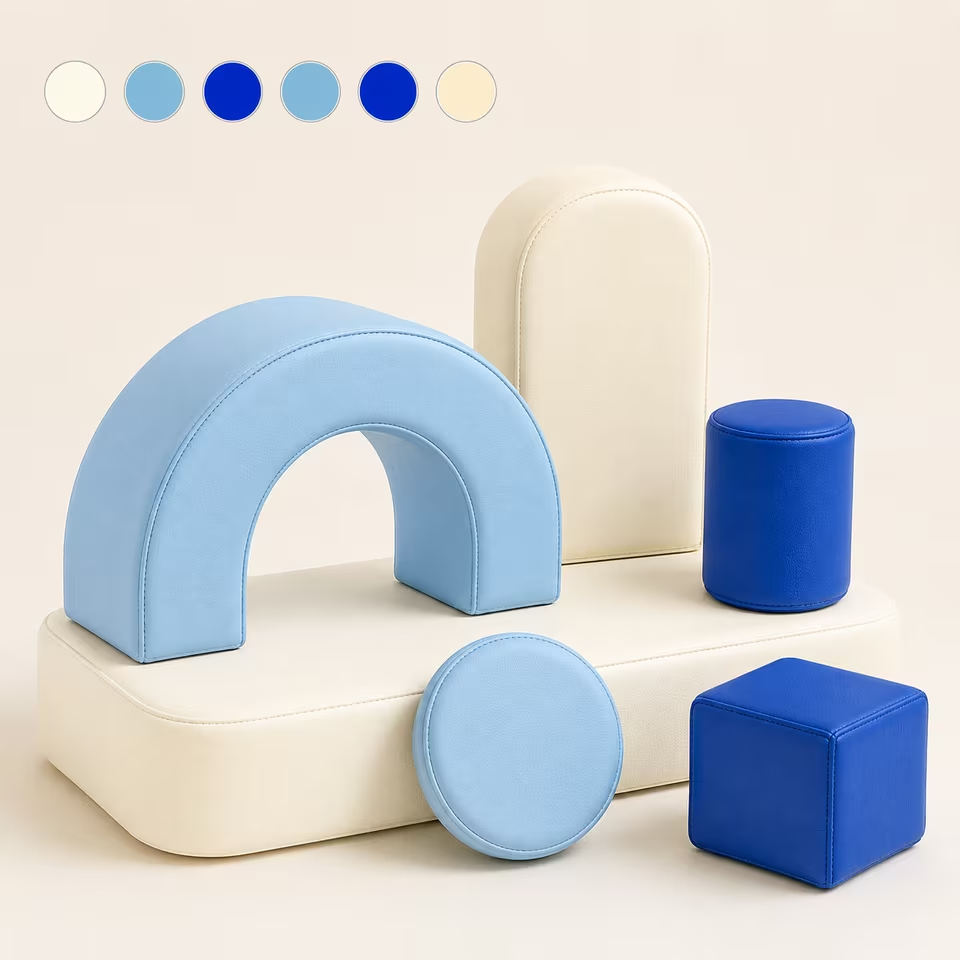
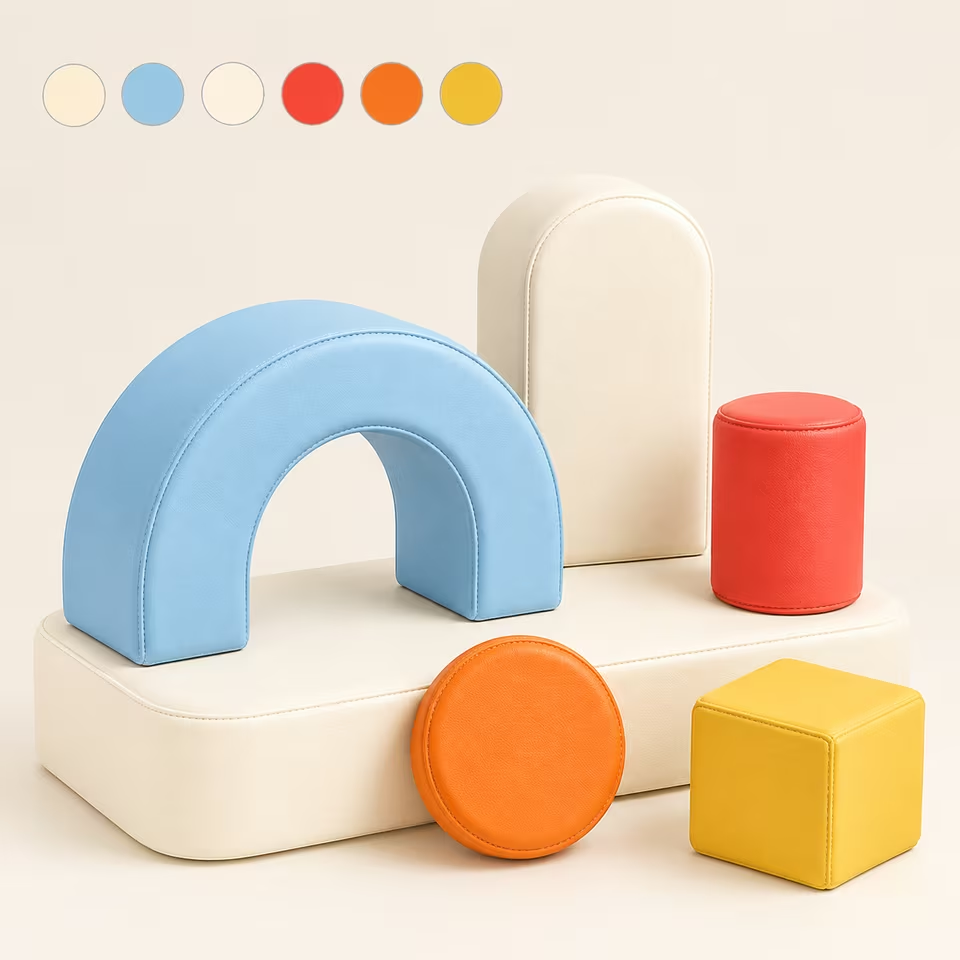
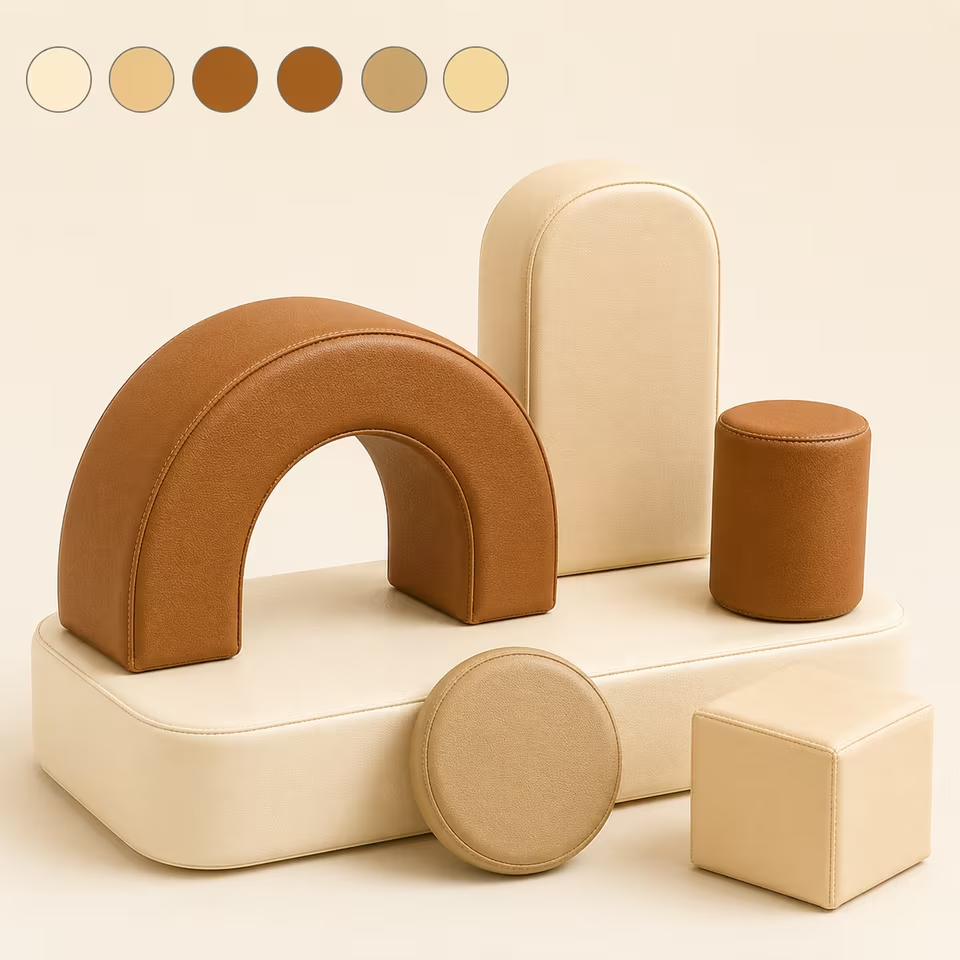
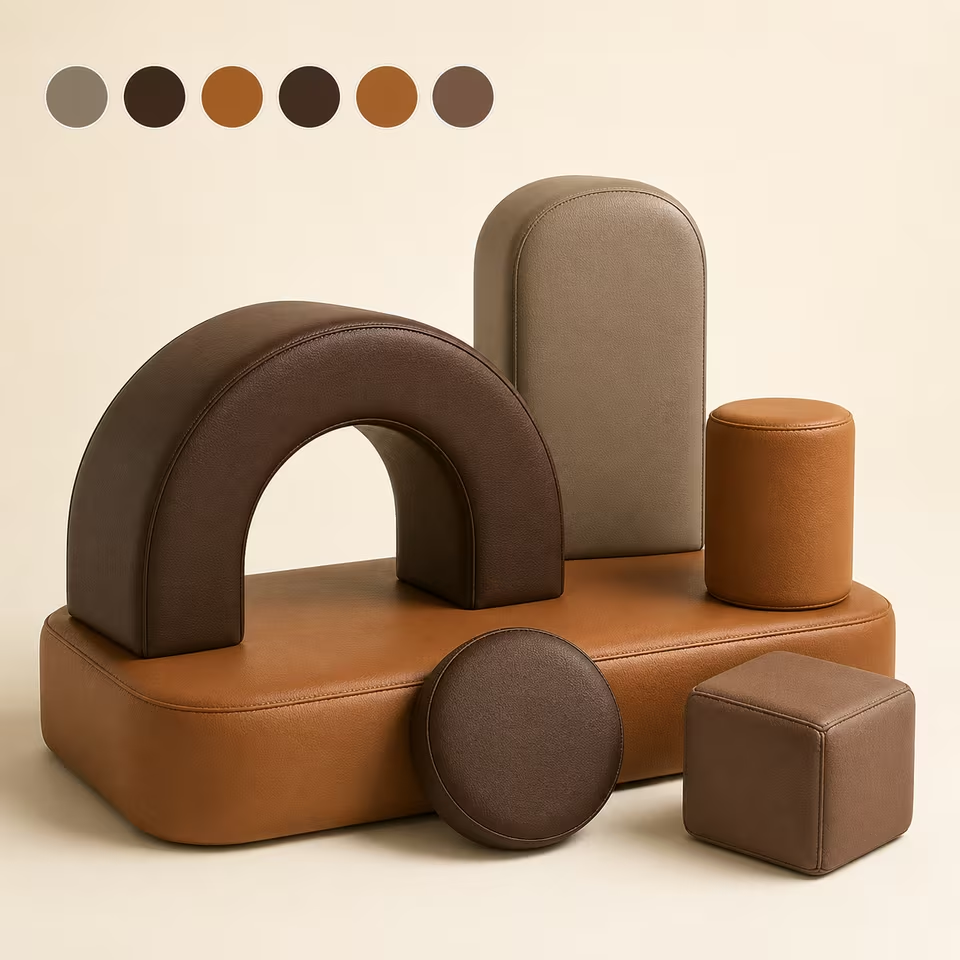
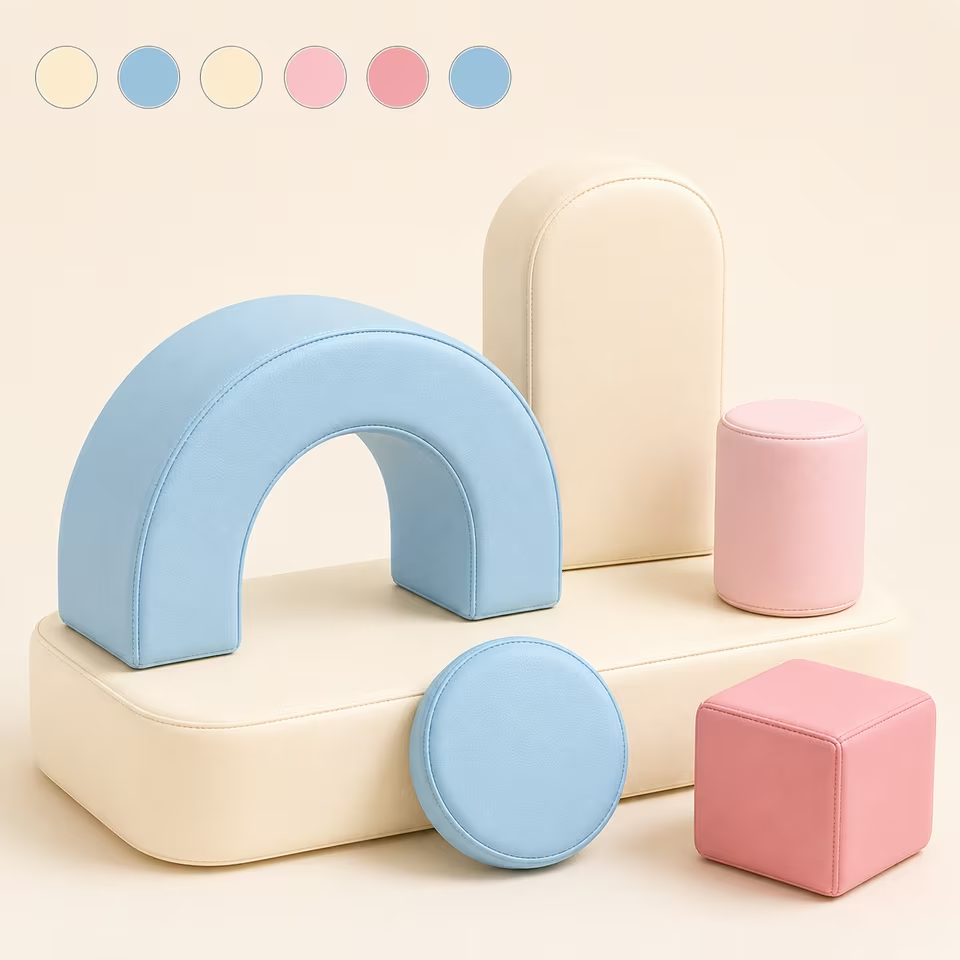
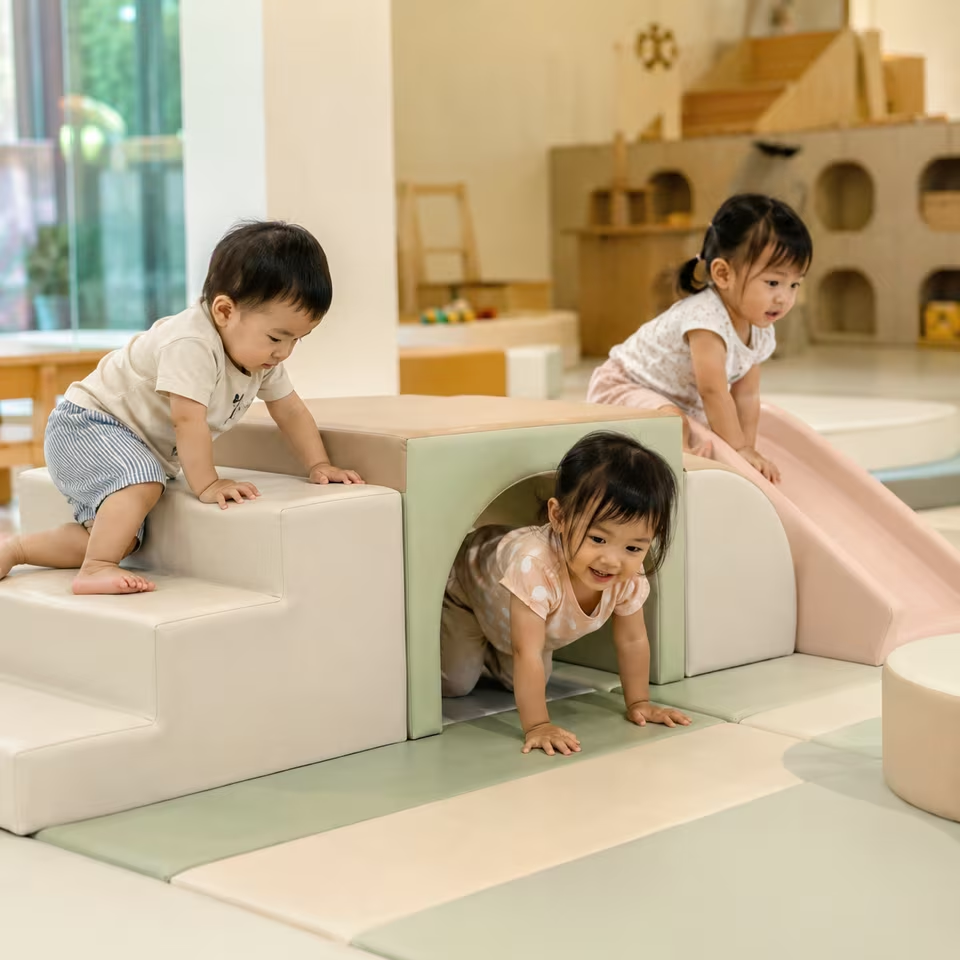
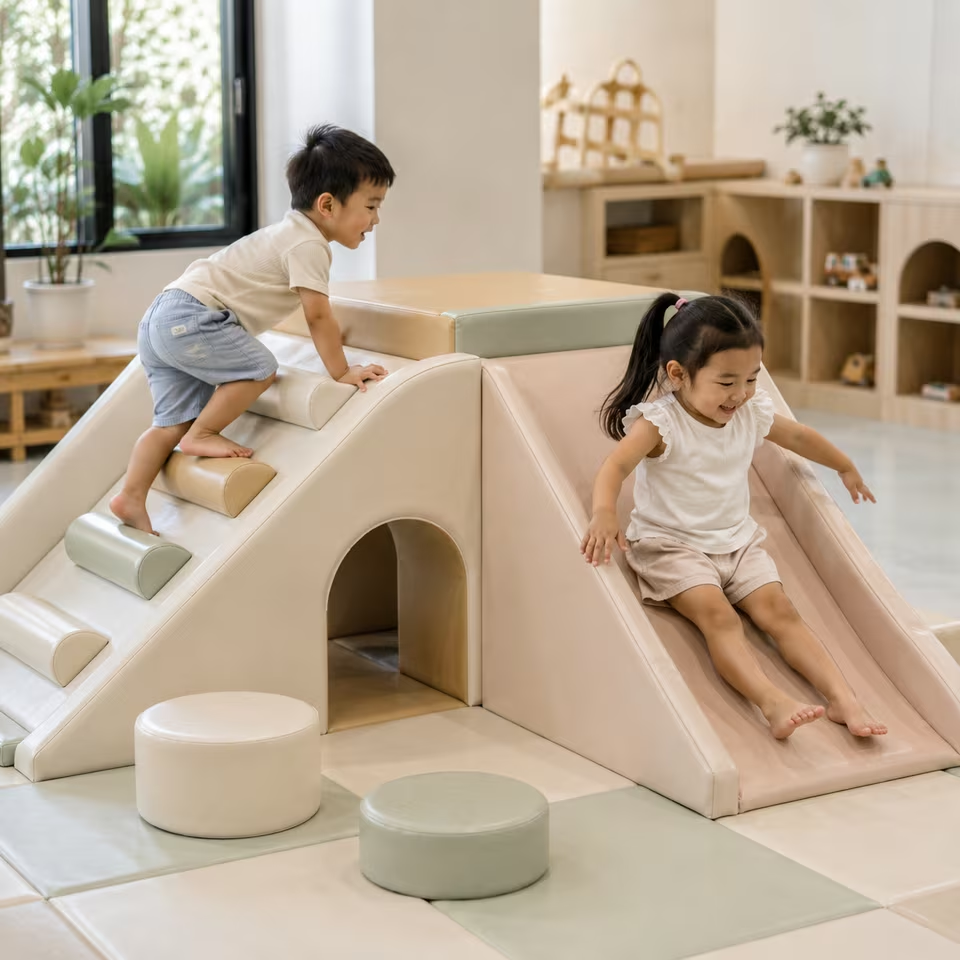
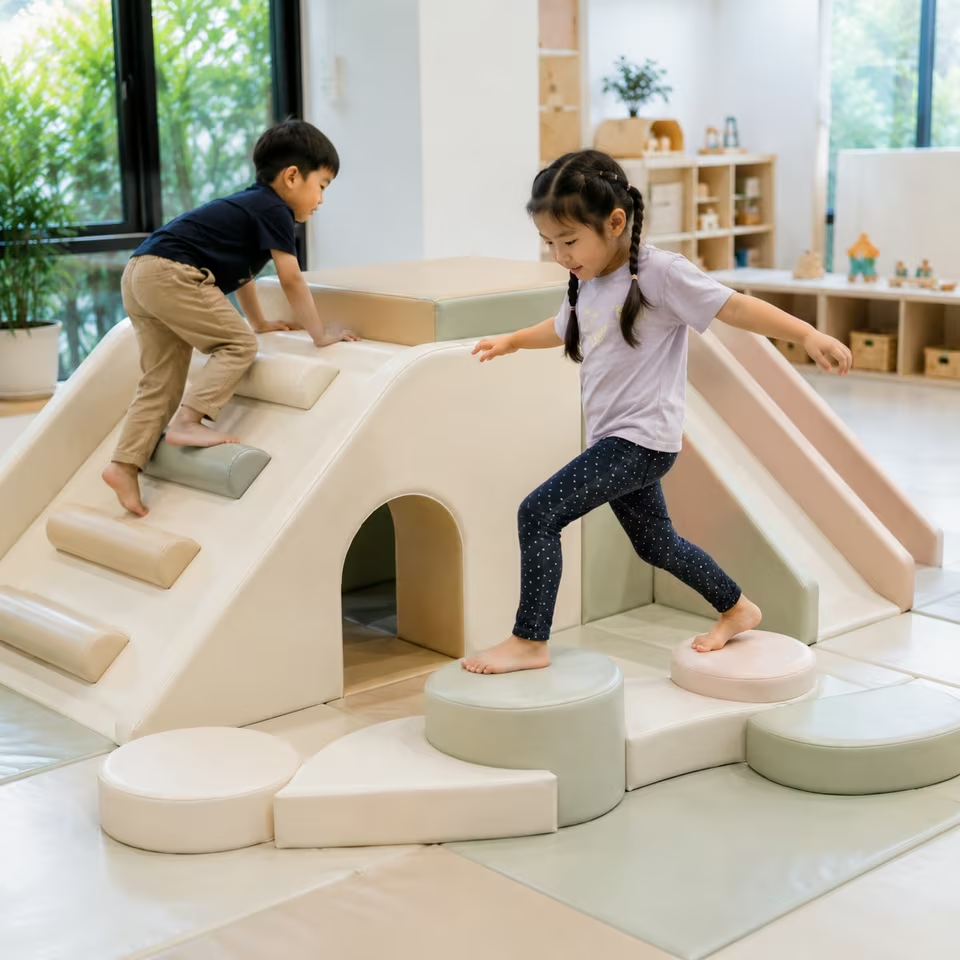
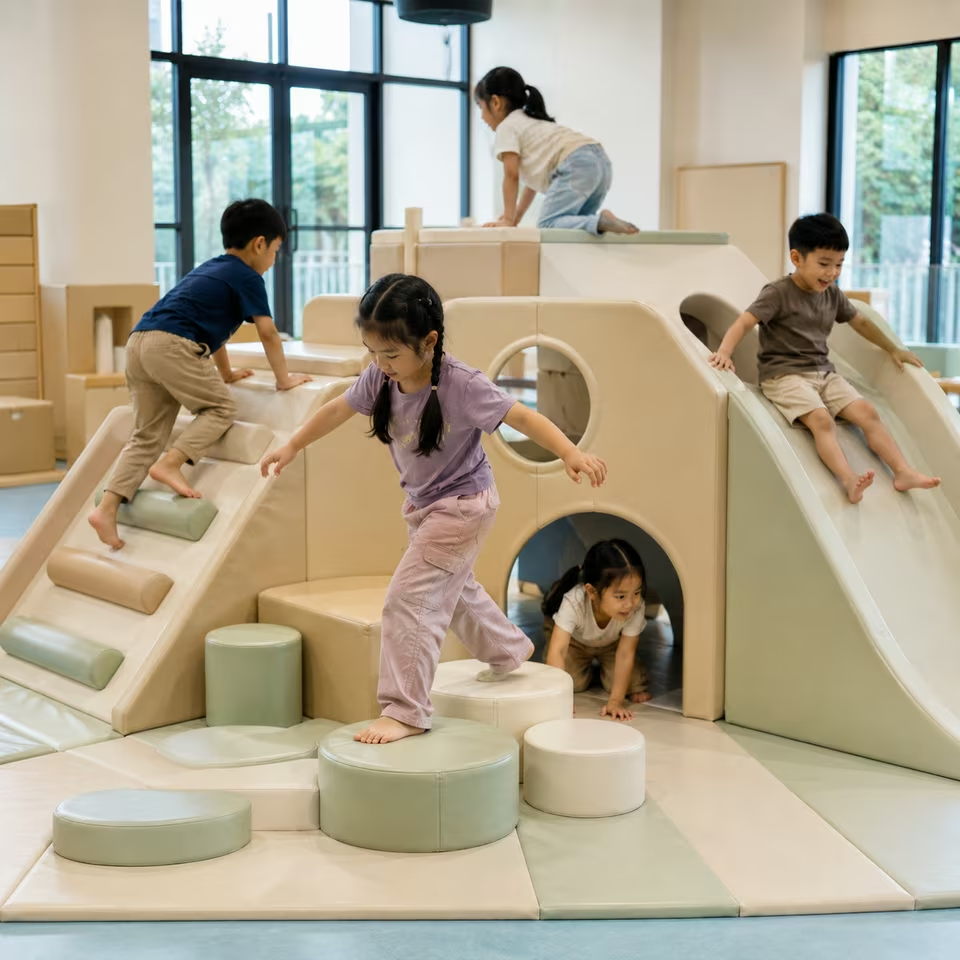
A dedicated indoor space where children can move, explore and play freely as part of everyday life at home.
A playroom gives children a space of their own for active play, imagination and everyday discovery. Unlike a shared living area, the room can be planned around how children naturally move and play, with space for climbing, crawling, balancing and quieter activities. A thoughtful layout keeps the room inviting and flexible while leaving enough open floor area for children to move comfortably and for the space to adapt as their interests change.
Highlights
Creates a dedicated space for everyday play
Supports active movement and open-ended exploration
Combines naturally with toys, books and creative activities
Can adapt as children's interests and abilities develop
Helps keep active play organized within a defined area
Start with how the room is actually used and leave enough open floor space for children to move freely between activities.
Create a balance between active play and quieter activities such as reading, drawing or imaginative play.
Choose a layout that can evolve rather than filling every part of the room with permanent play elements.
Consider the child's current abilities while allowing room for new ways to play as confidence and coordination develop.
Keep frequently used toys and activities within easy reach so children can move naturally between different kinds of play.
Placement Tips
Keep active play elements away from doors and the main path through the room.
Leave useful open space around climbing, sliding and balancing areas rather than fitting equipment tightly against surrounding furniture.
Use walls and corners thoughtfully while keeping the main play area visually open and easy to access.
Position storage so toys are easy to reach without interrupting the natural movement around the play area.
Avoid filling the center of the room unnecessarily when an open central area would make the space more flexible.
FAQ
What type of soft play works well in a playroom?
Playrooms usually work well with approachable play elements that offer more than one way to play. A combination of climbing, crawling, balancing, stepping and gentle sliding can provide variety while remaining suitable for everyday indoor use.
How should I plan a small playroom?
Prioritize usable floor space rather than trying to fill the entire room. A compact active-play area combined with open space and accessible storage can often make a small playroom feel more useful and flexible.
Where should soft play be placed in a playroom?
Look for a position that does not interfere with doors or primary walkways and leaves comfortable space around the active sides of the play area. Corners or one side of the room can work well when they preserve useful open floor space.
How can a playroom adapt as a child grows?
Keep part of the room flexible and avoid designing every area around one specific activity. Play elements that can support different movements or arrangements can help the room remain engaging as interests and abilities develop.