Entity Detail

Tunnel Crawl

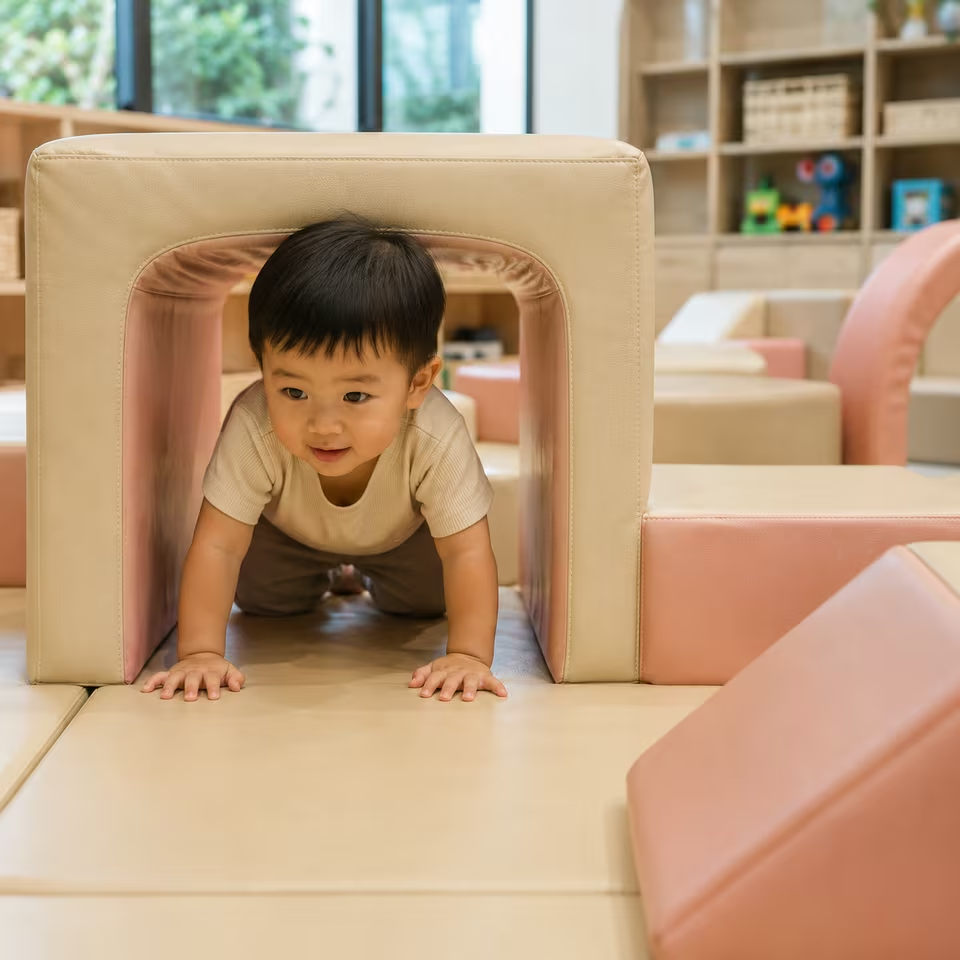
Tunnel crawling invites children to move through an enclosed passage, combining crawling with the curiosity of discovering what is inside and where the tunnel leads.

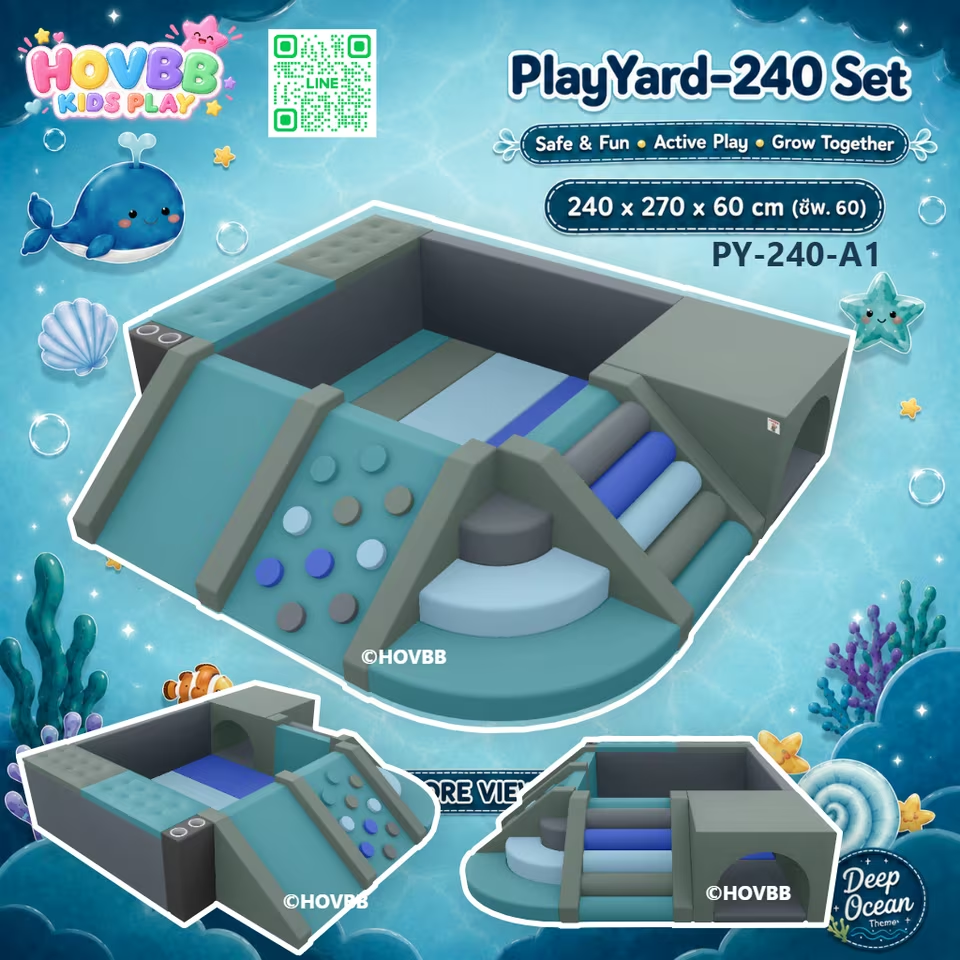
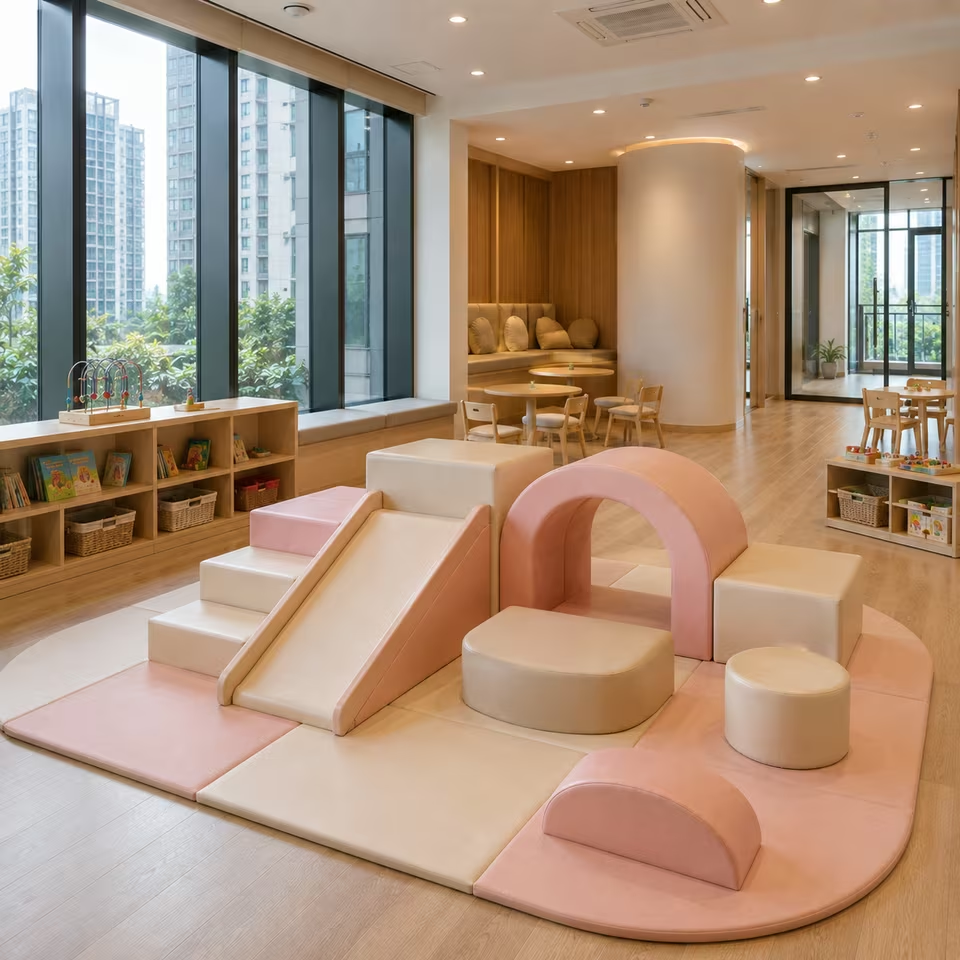
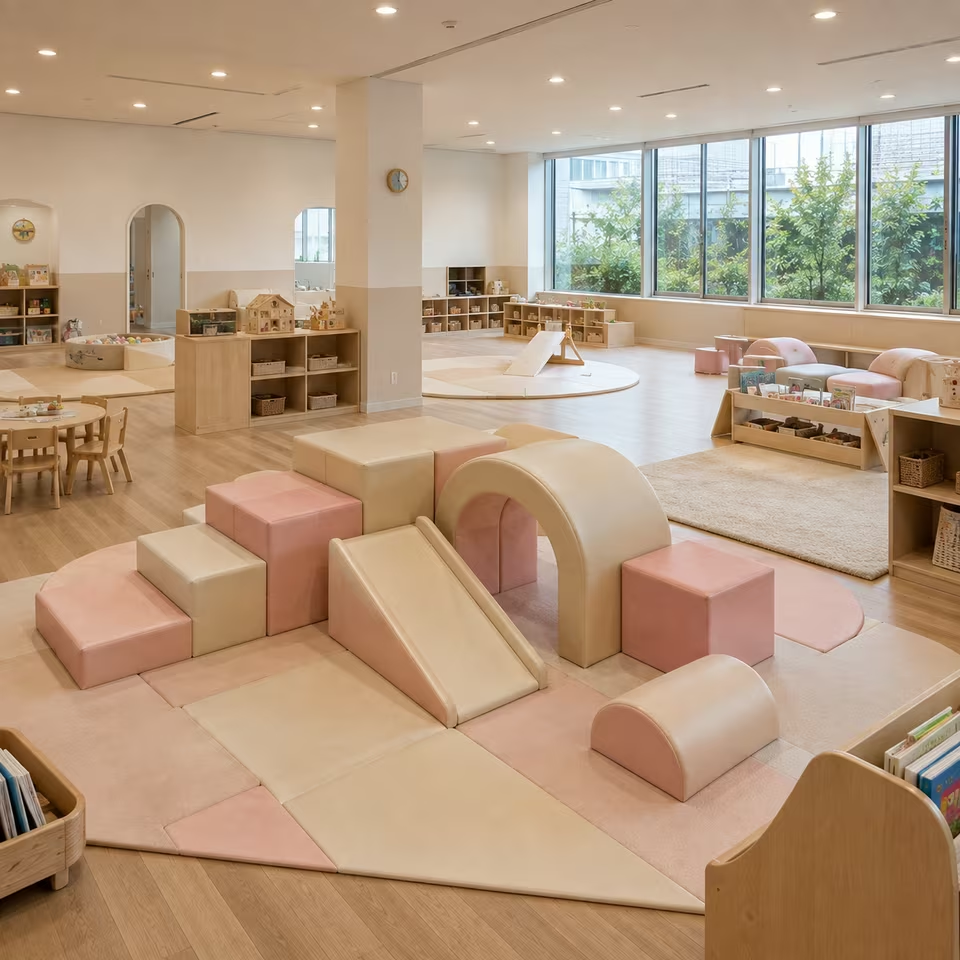
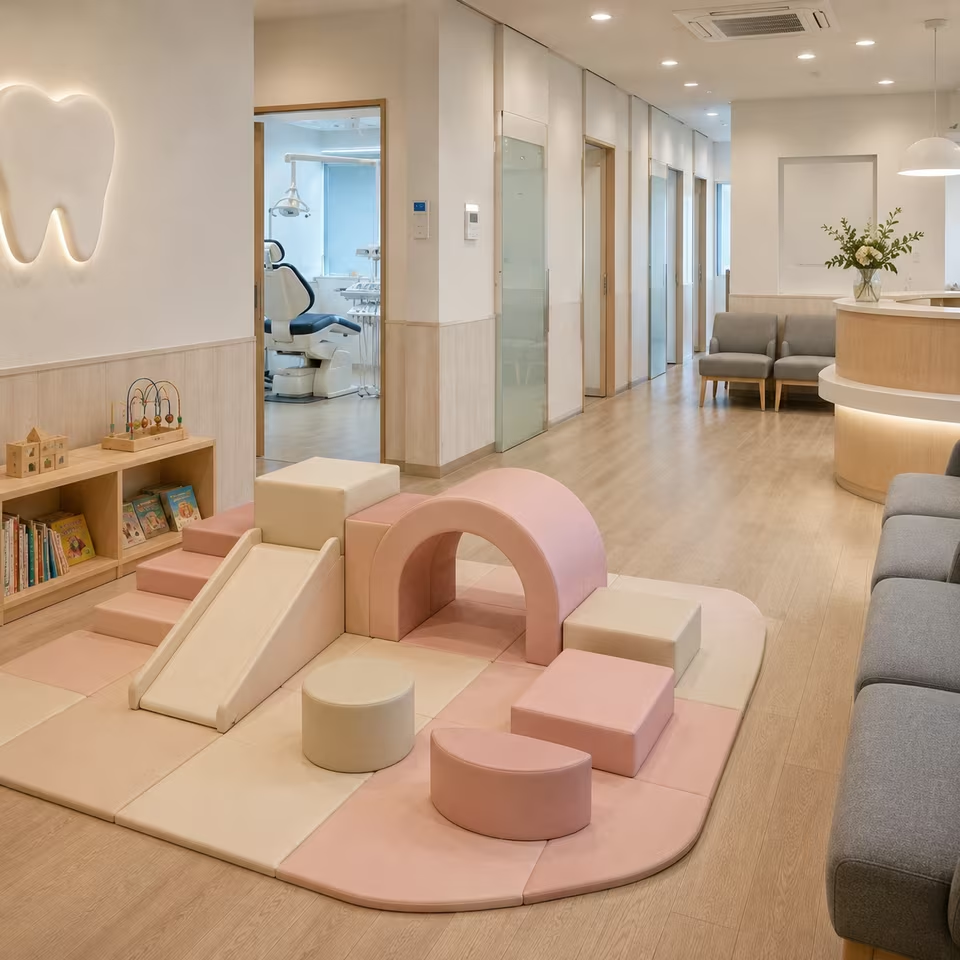
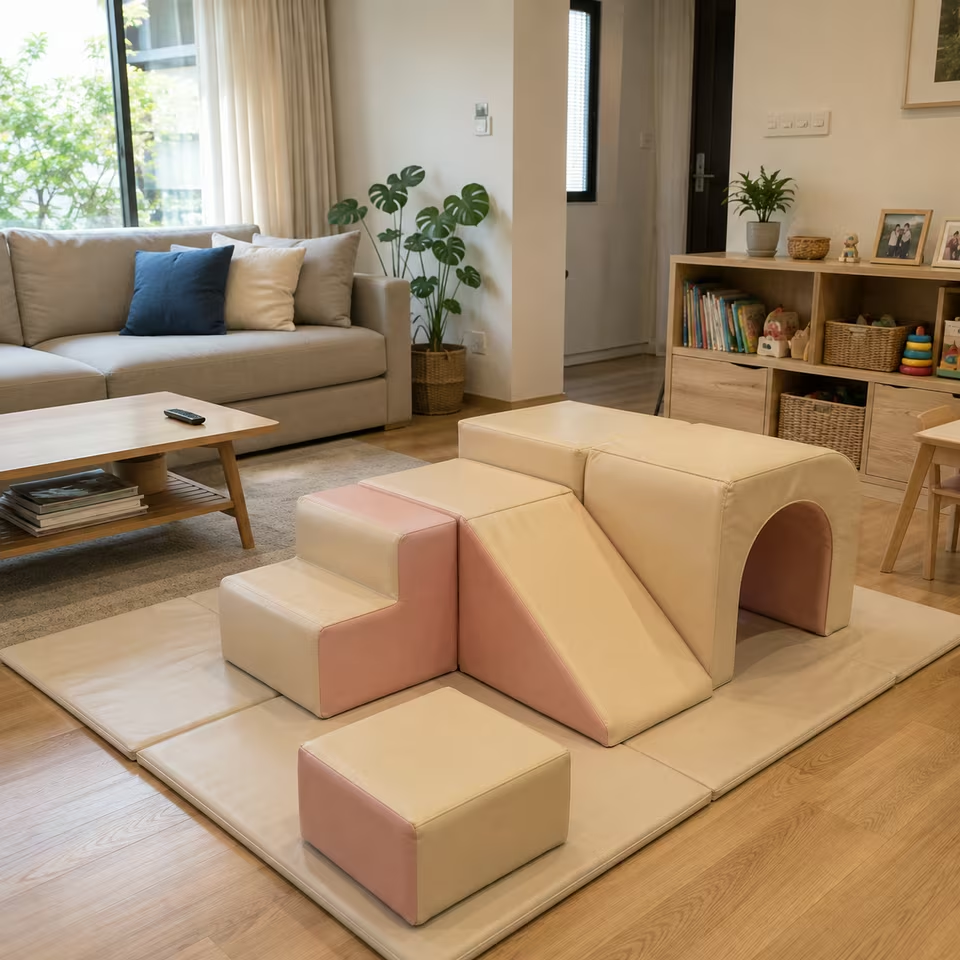
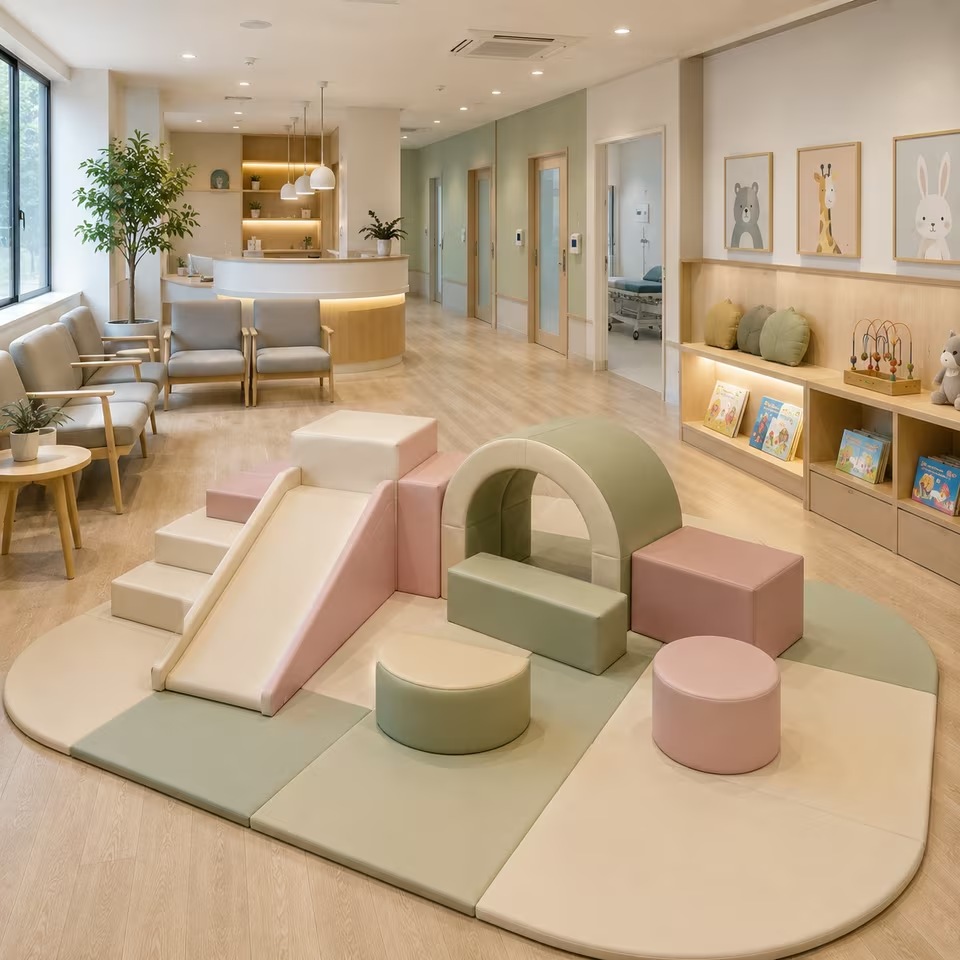
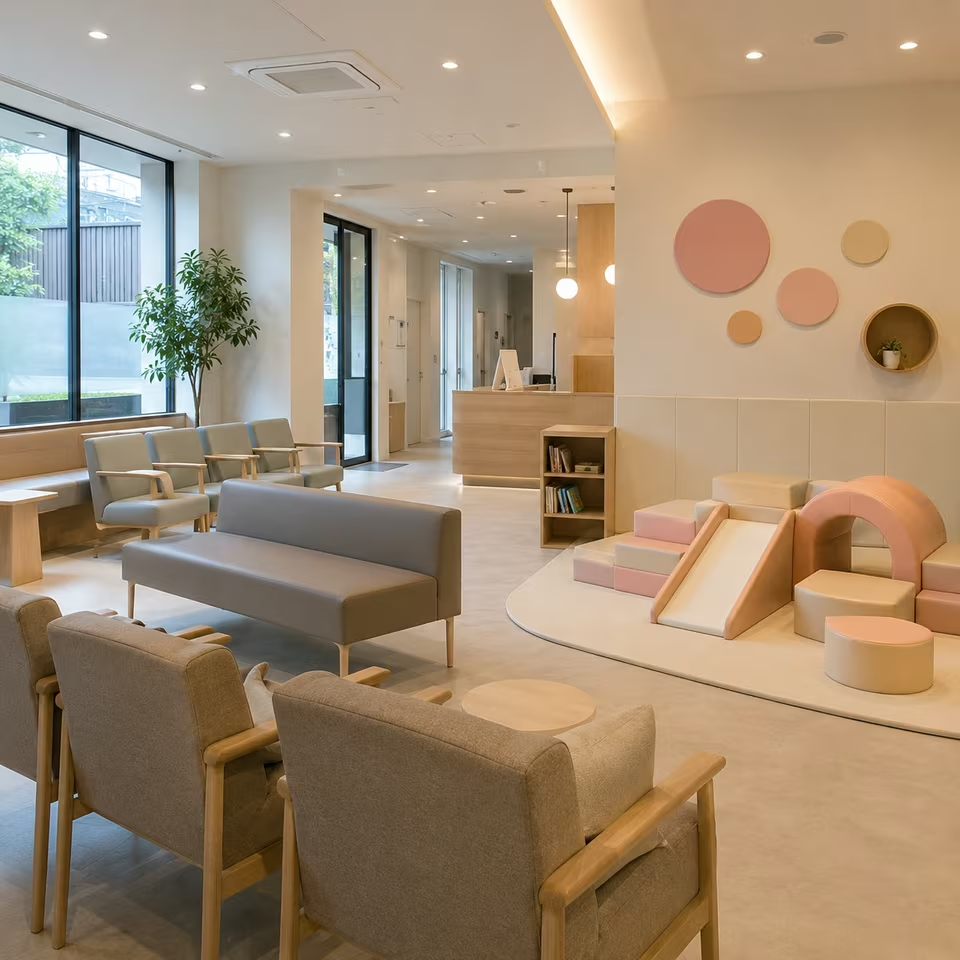
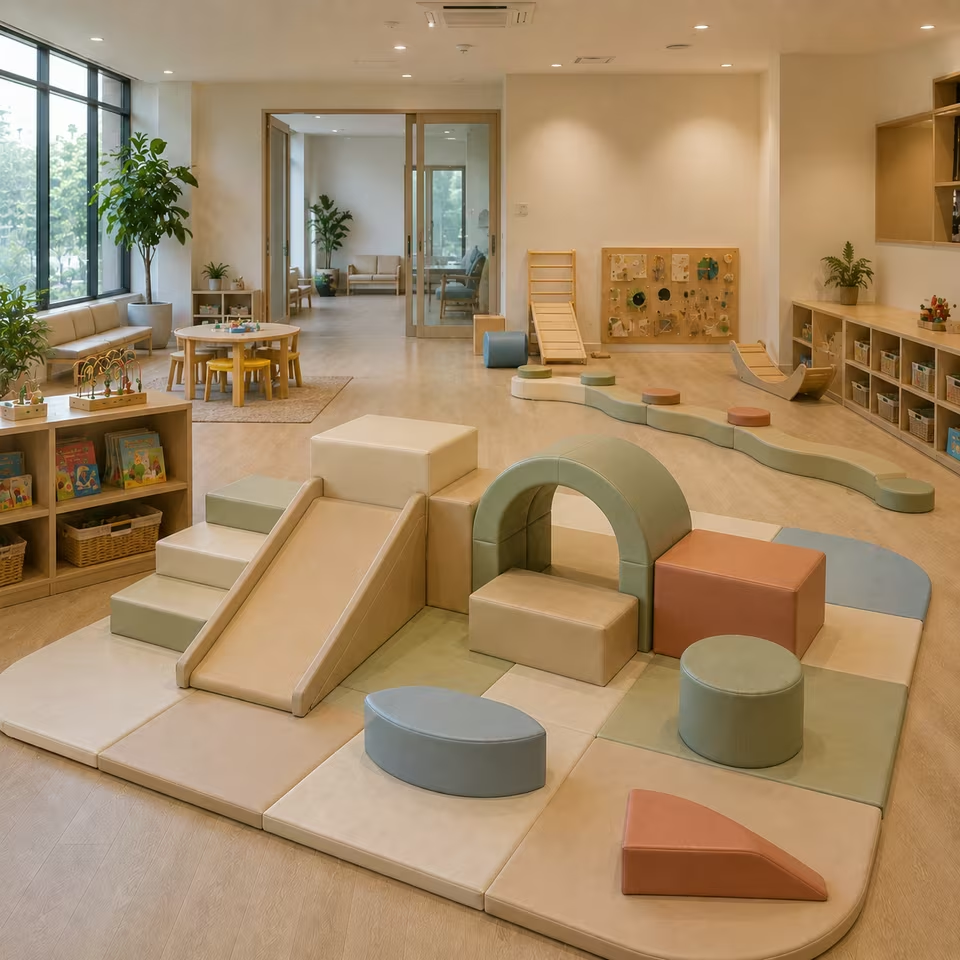
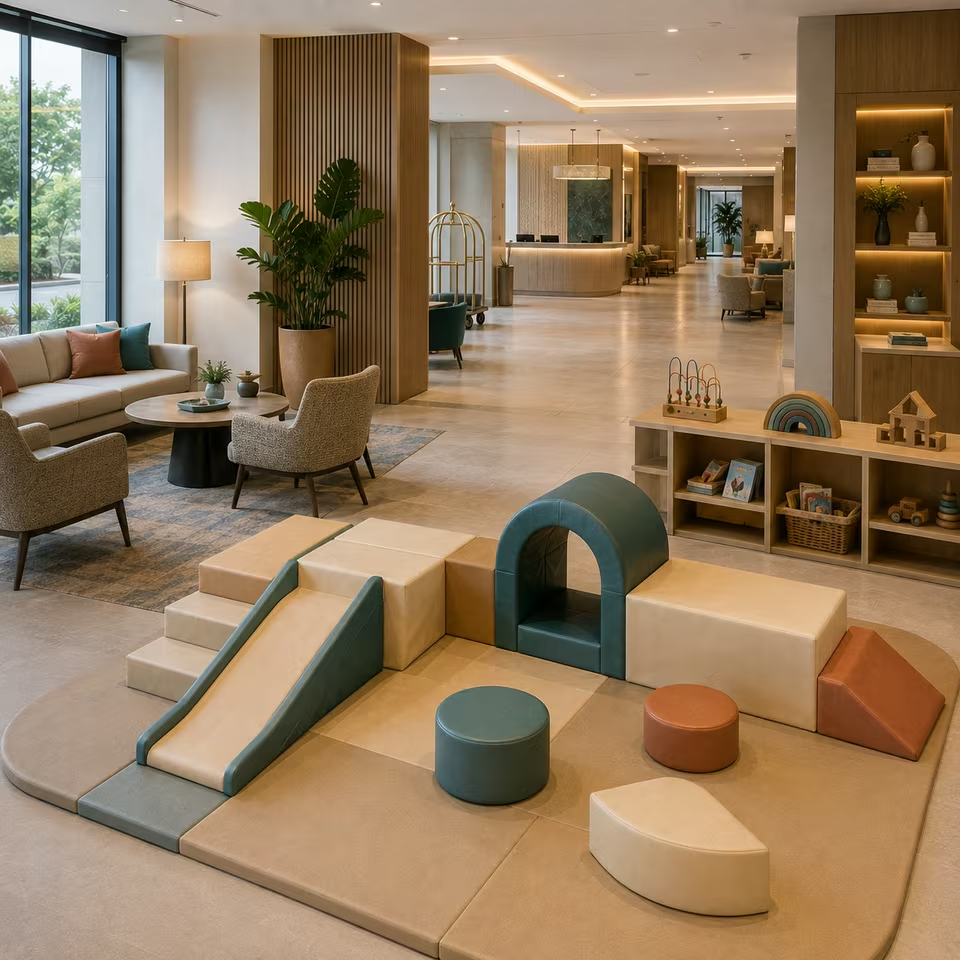
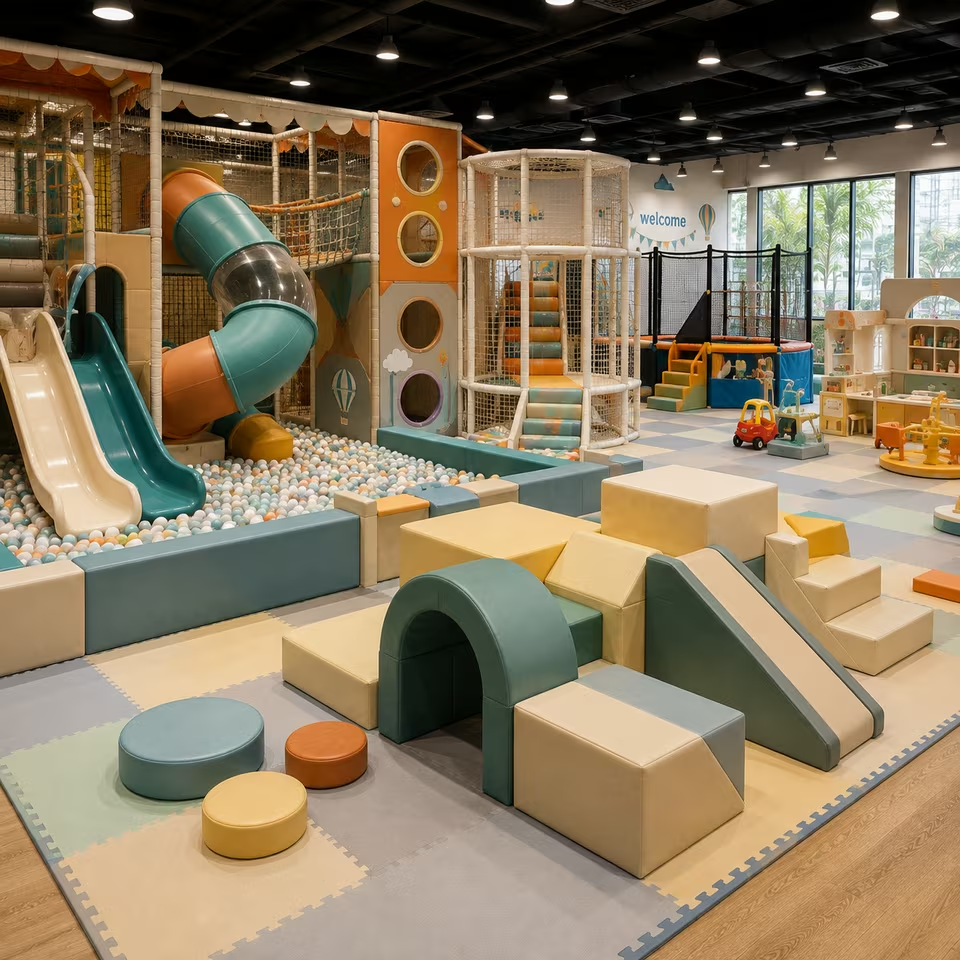
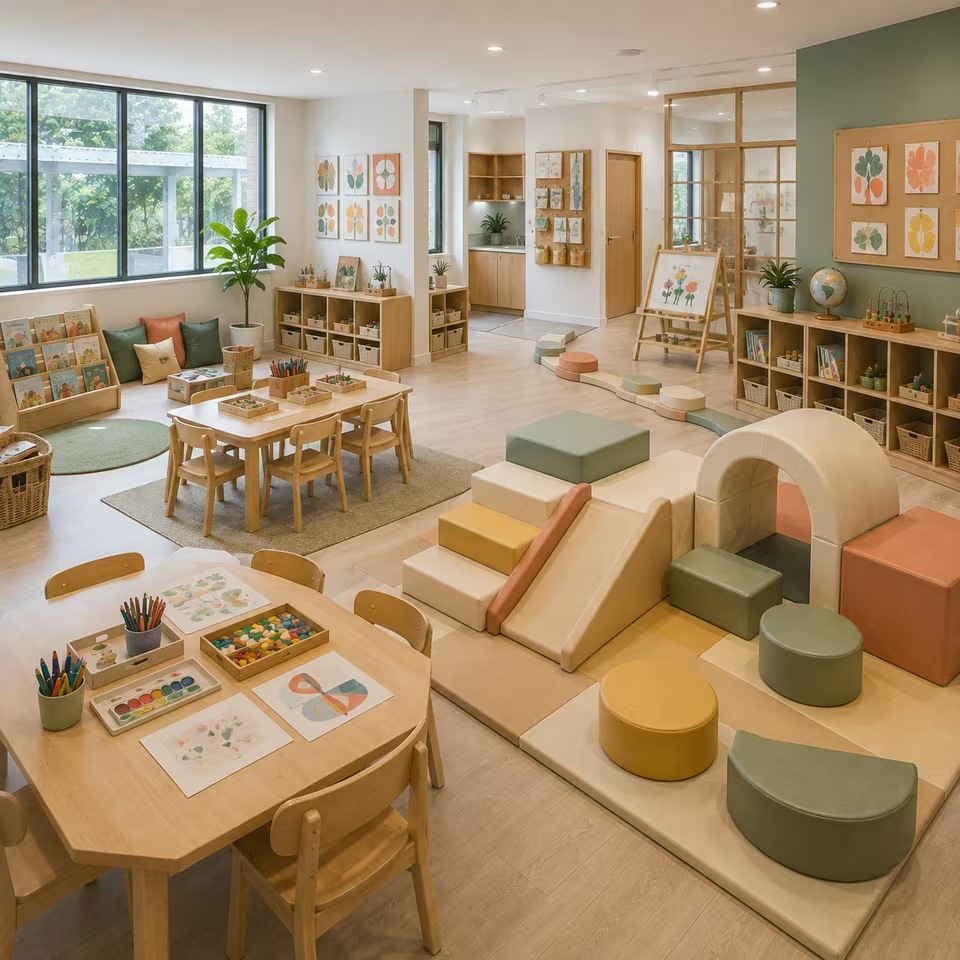
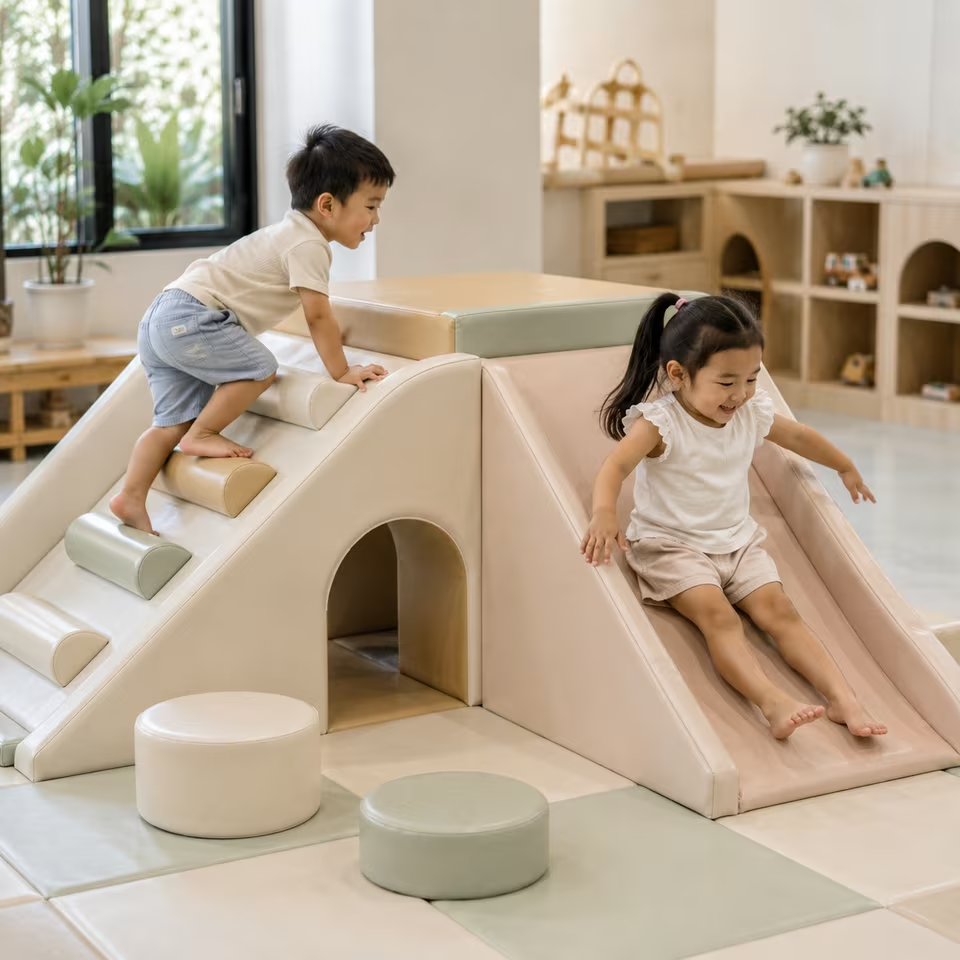
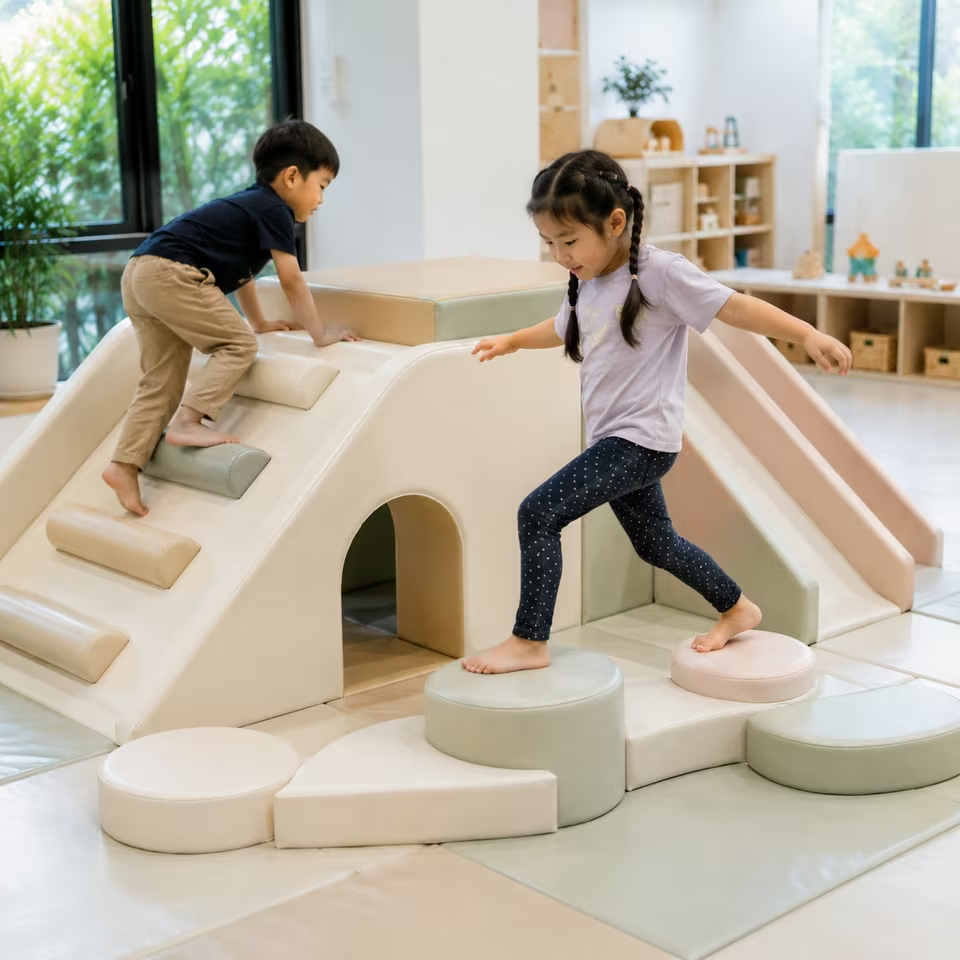
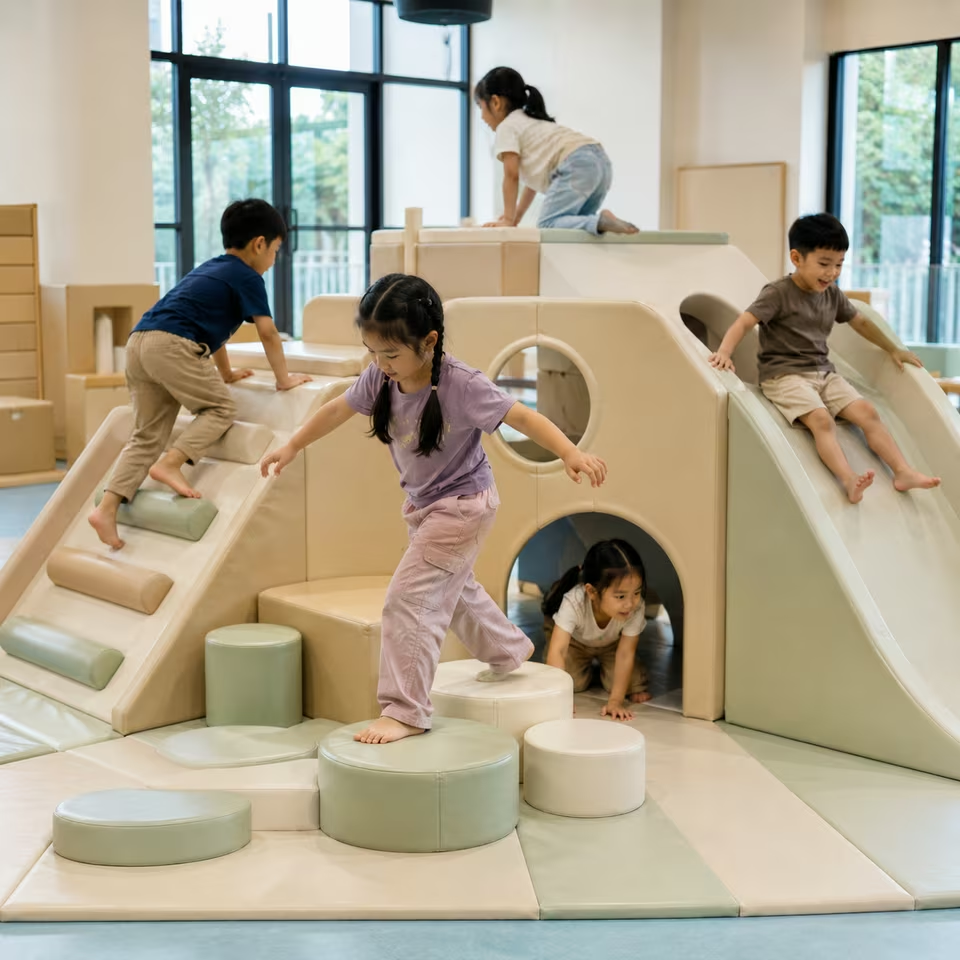
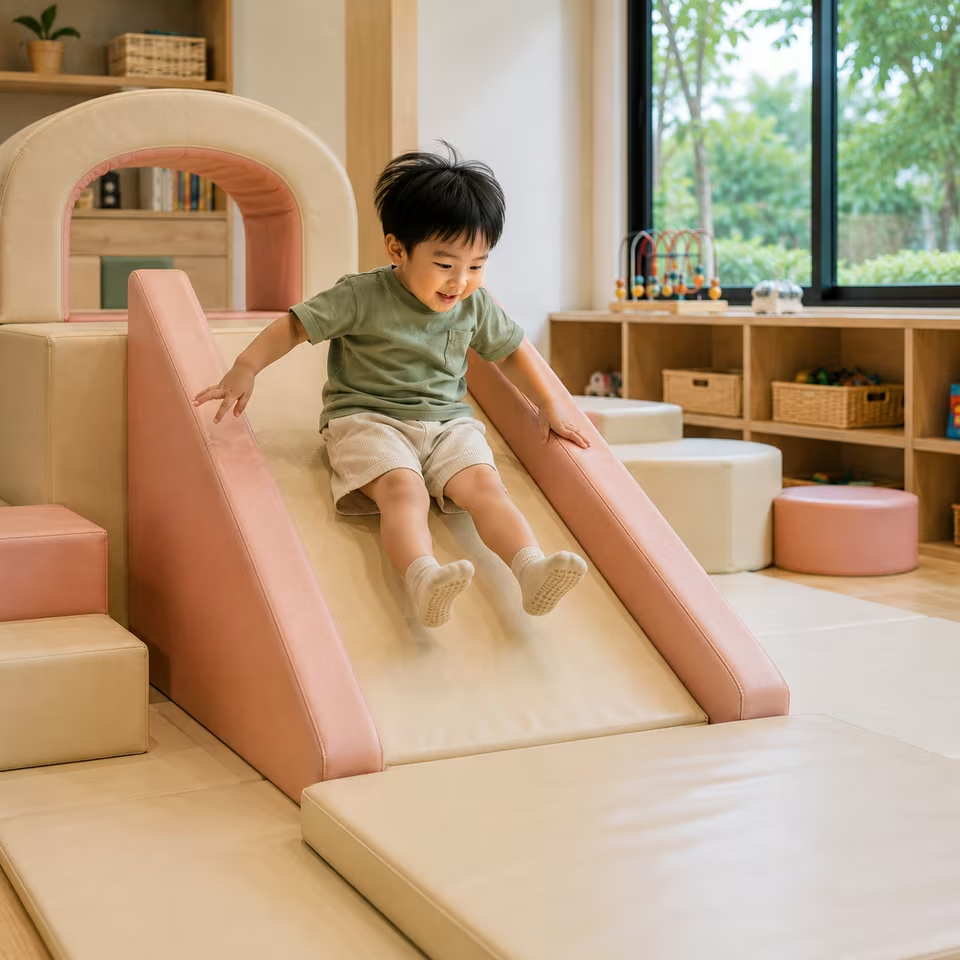
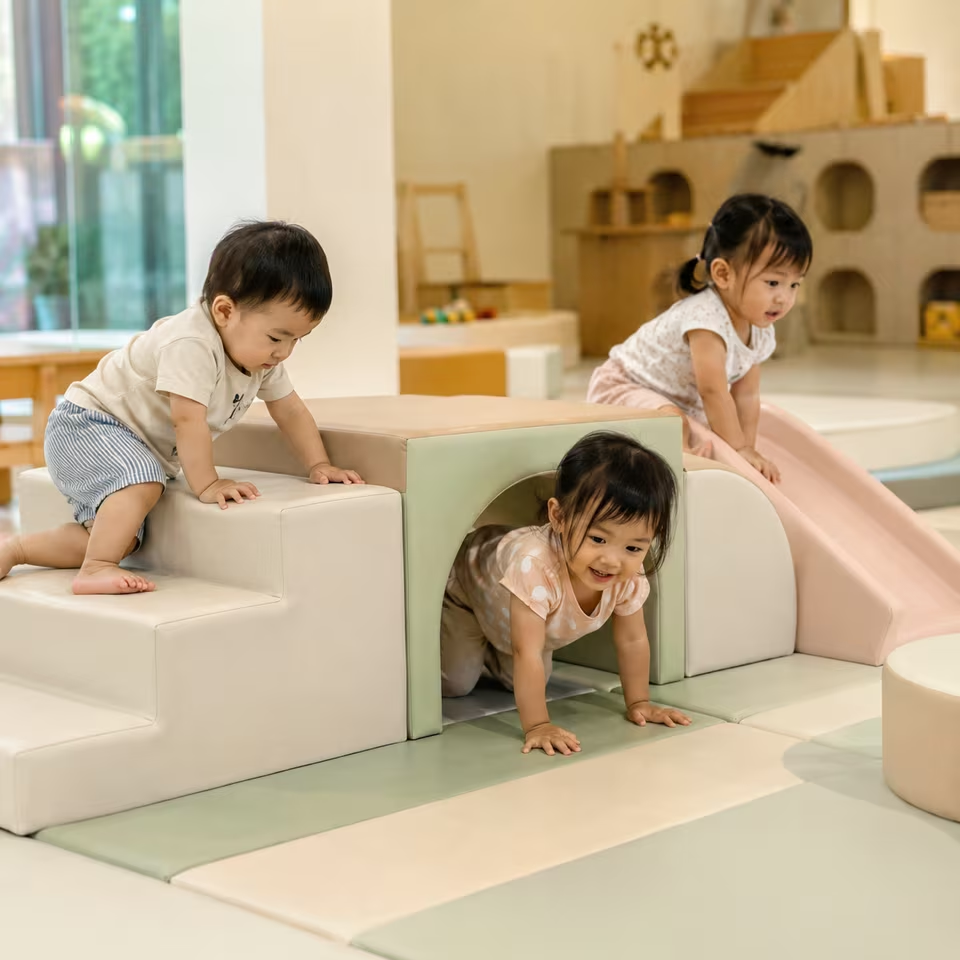
Crawling through a tunnel turns simple floor movement into a small journey of discovery. Children approach an opening, lower their bodies, move through the enclosed passage and emerge into another part of the play space. The limited view inside a tunnel creates a different experience from crawling across an open floor, while openings at either end provide a clear destination. In a soft play environment, tunnels can work as activities on their own or as connecting routes between climbing, sliding and other areas of play.

Highlights

Additional Details

Play Patterns
tunnel-crawling · enclosed-passage · enter-and-emerge · through-movement · low-level-movement · spatial-transition · route-connection · bidirectional-play · peek-and-discover · repeat-route
Experience Keywords
tunnel crawling · crawling · crawl through · tunnel play · enclosed space · hidden passage · spatial discovery · enter and exit · movement exploration · soft play tunnel
Related Designs

Related Themes

Related Spaces

Related Ages

Related Developments

Benefits

Activity Tips

FAQ

What is a tunnel crawling activity?

Tunnel crawling is a play activity where children move through an enclosed passage on hands and knees or in another low body position. The entrance, interior and exit turn a simple crawling movement into a short journey through space.

Why do children enjoy crawling through tunnels?

A tunnel changes what children can see and creates curiosity about what is inside or beyond the other end. Entering one space and emerging somewhere else can make a simple crawling route feel like a discovery.

How can a play tunnel be used in soft play?
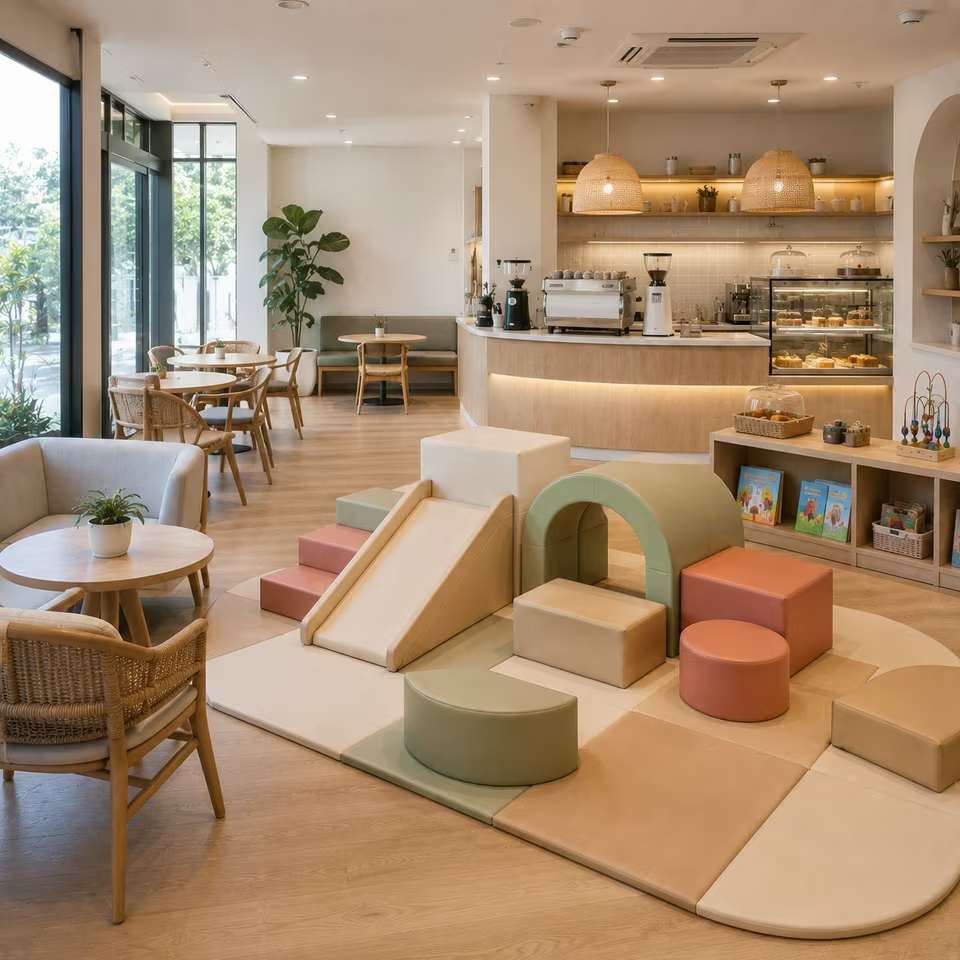
A tunnel can be an individual activity or a connection between different parts of a soft play layout. It can lead toward open play space, a climbing area, a slide route or another activity.

What makes a good crawling tunnel for kids?

A useful tunnel has a recognizable entrance, a clear or understandable route and enough space around both ends for children to enter and leave naturally. Its location within the overall play flow is as important as the tunnel itself.

Should a play tunnel be open at both ends?
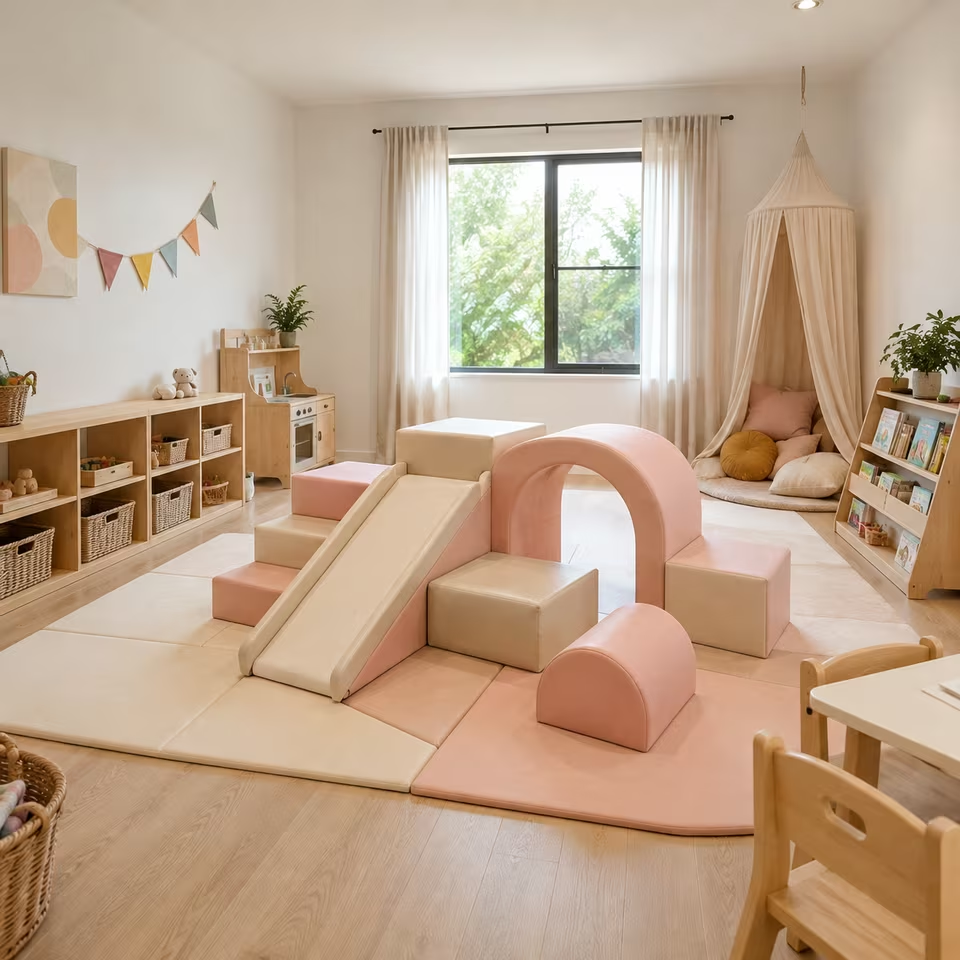
For a crawl-through activity, openings at both ends create a clear journey and allow the tunnel to connect different areas. The exact design can vary, but children should be able to understand where the route leads.

Can a tunnel connect to climbing and sliding activities?

Yes. A tunnel can work particularly well as part of a larger play route, connecting floor-level crawling with climbing, platforms, slides or other movement experiences.

Does a kids' play tunnel need to be long to be interesting?
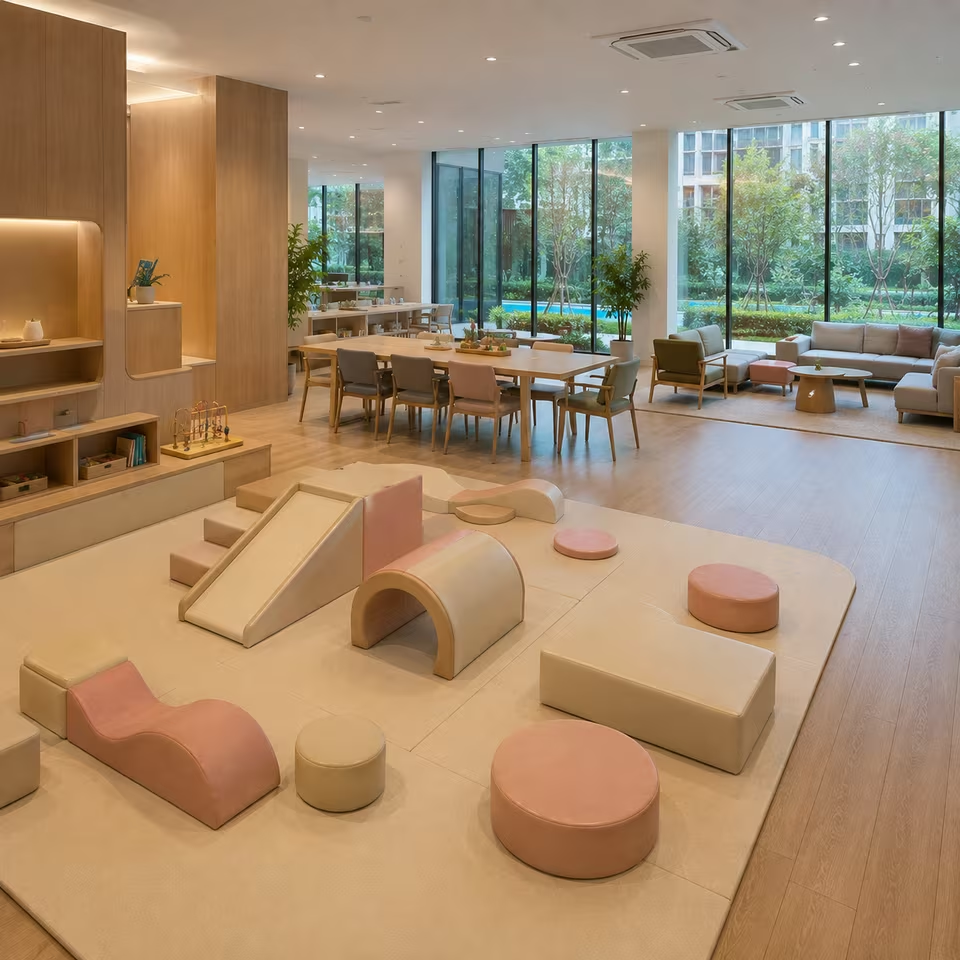
No. Even a short tunnel can create a meaningful contrast between open and enclosed space. Its openings, destination and relationship with surrounding activities can be more important than length alone.
Related Articles