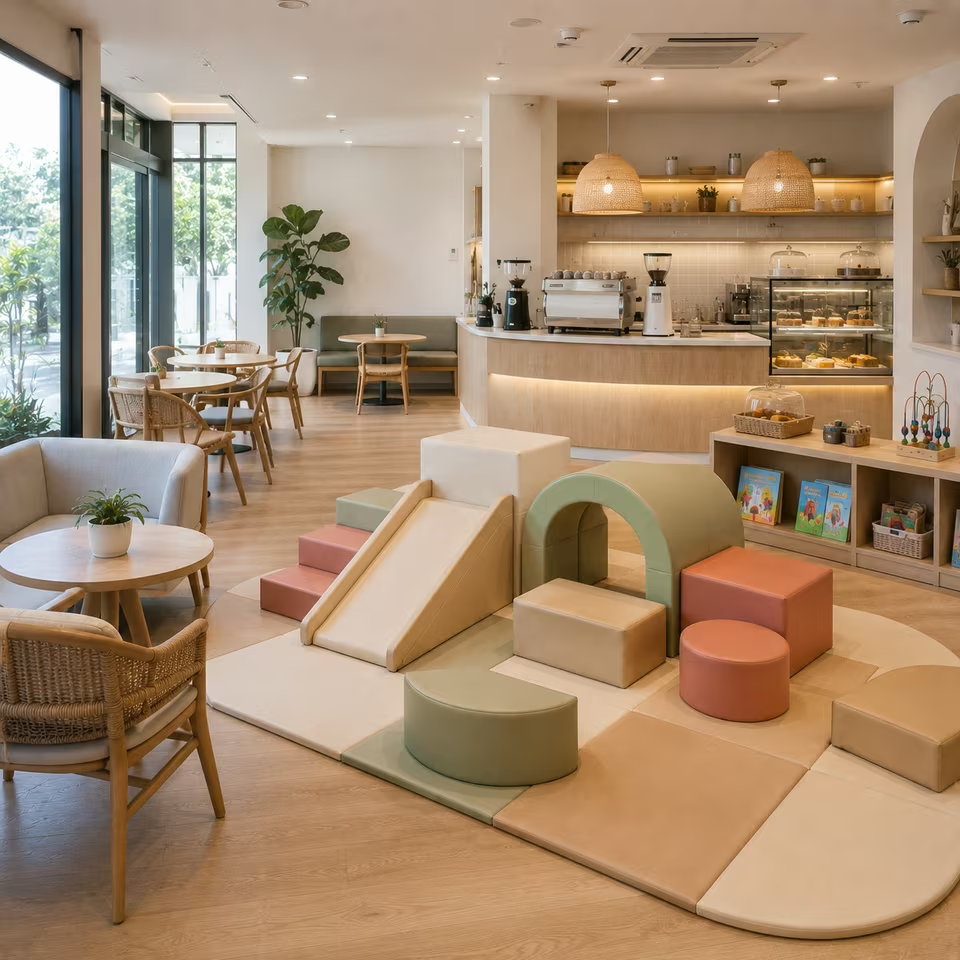
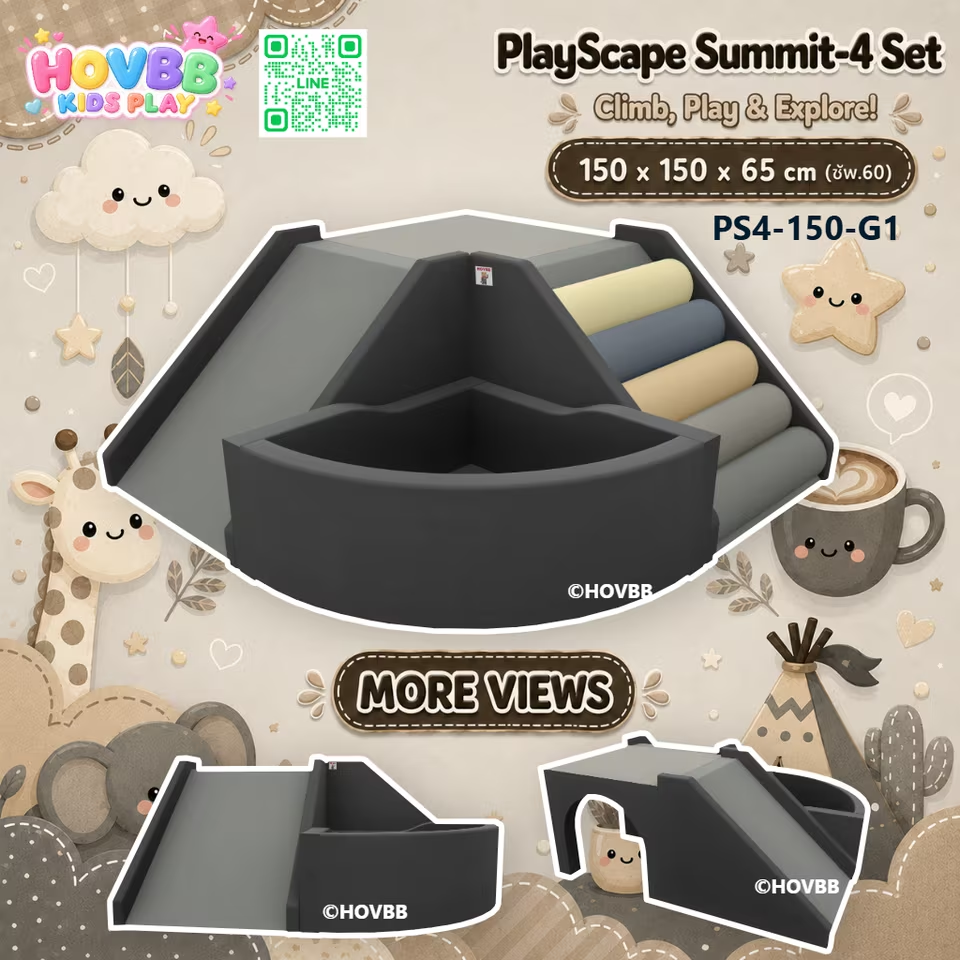
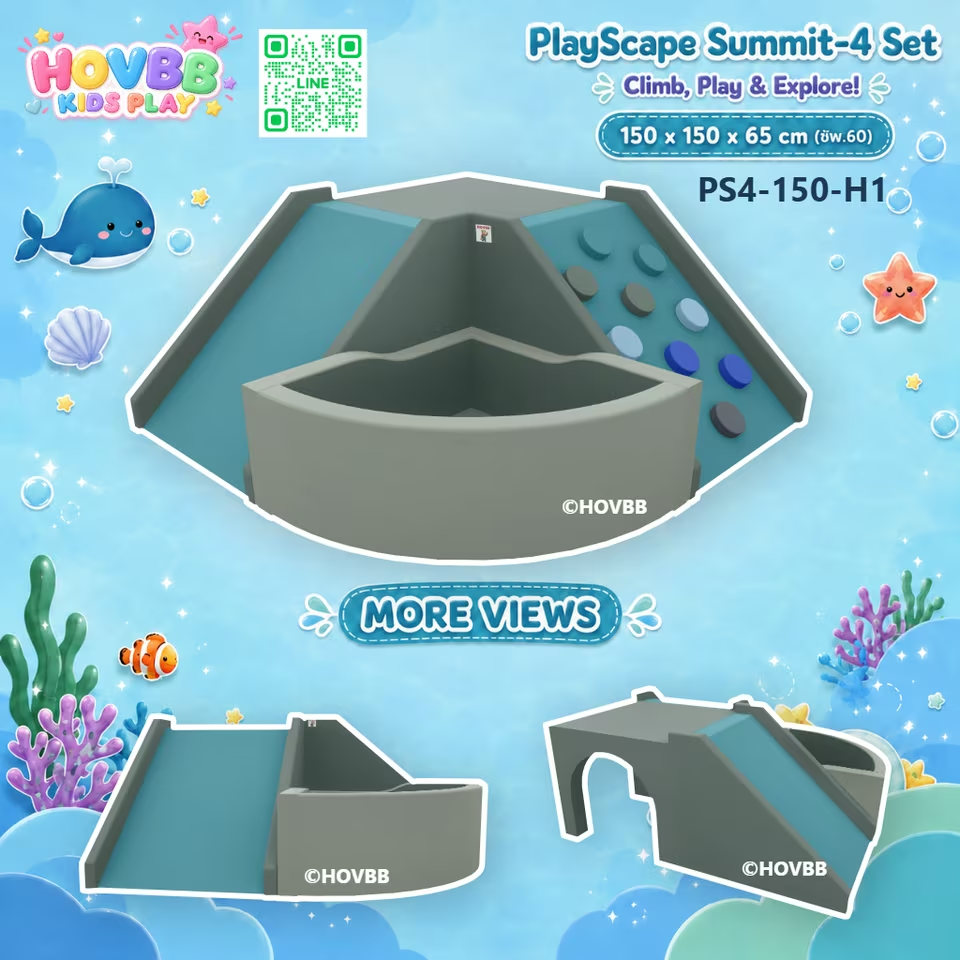
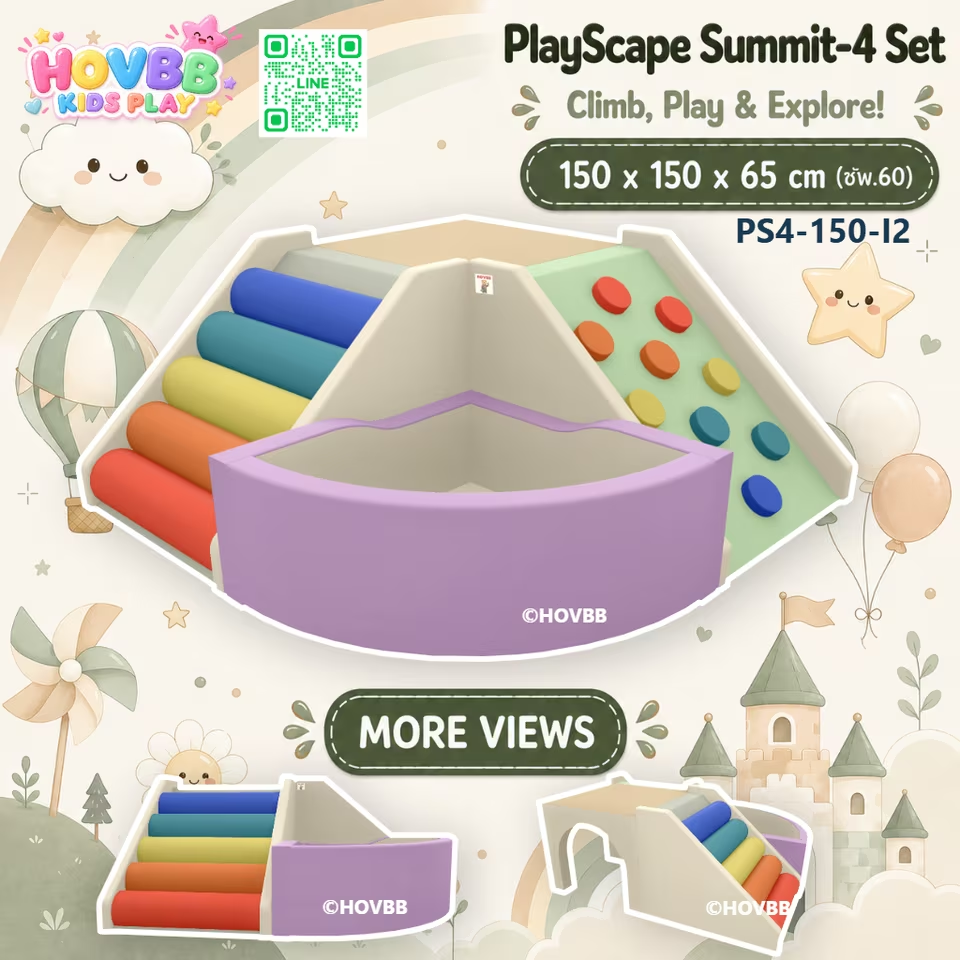
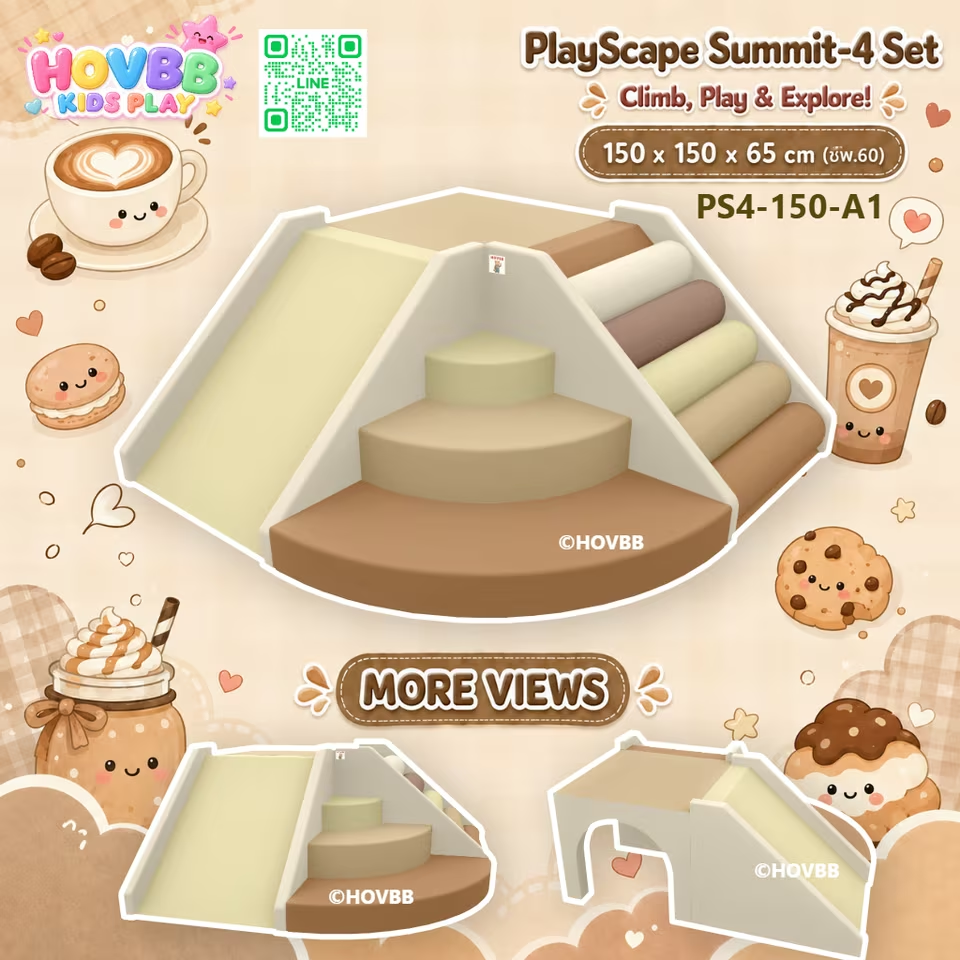
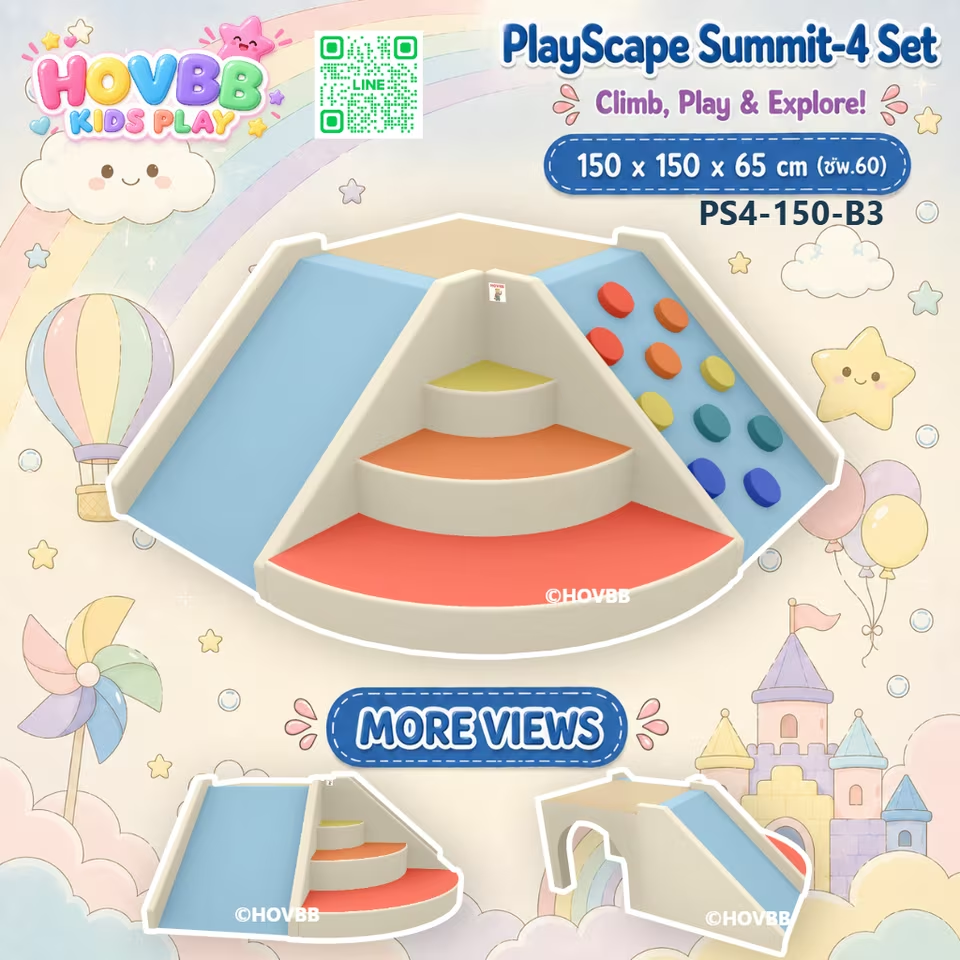
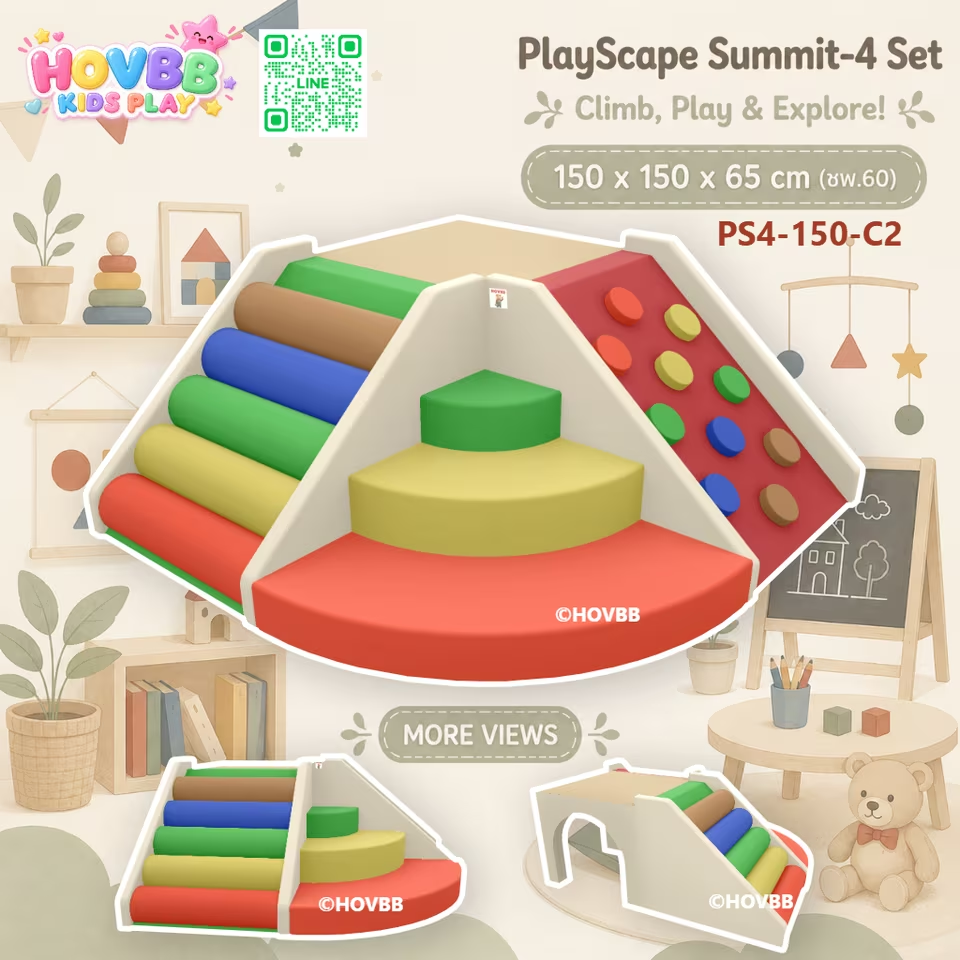
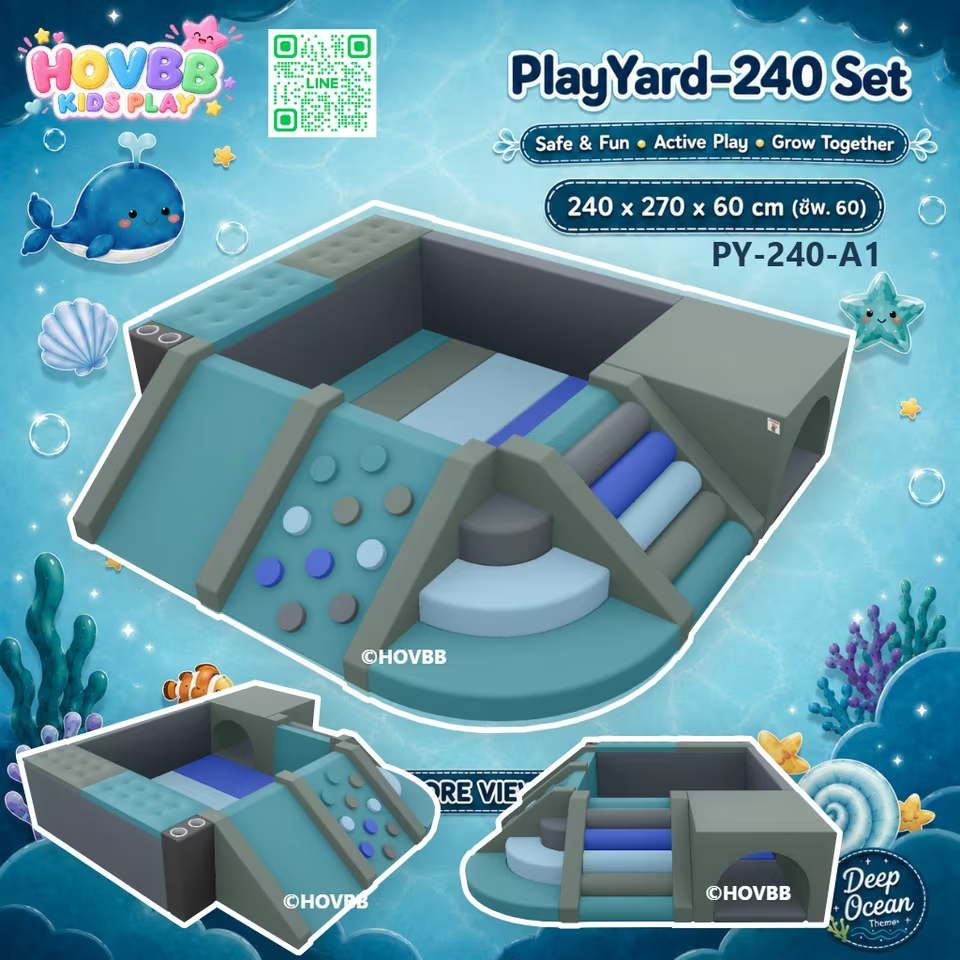
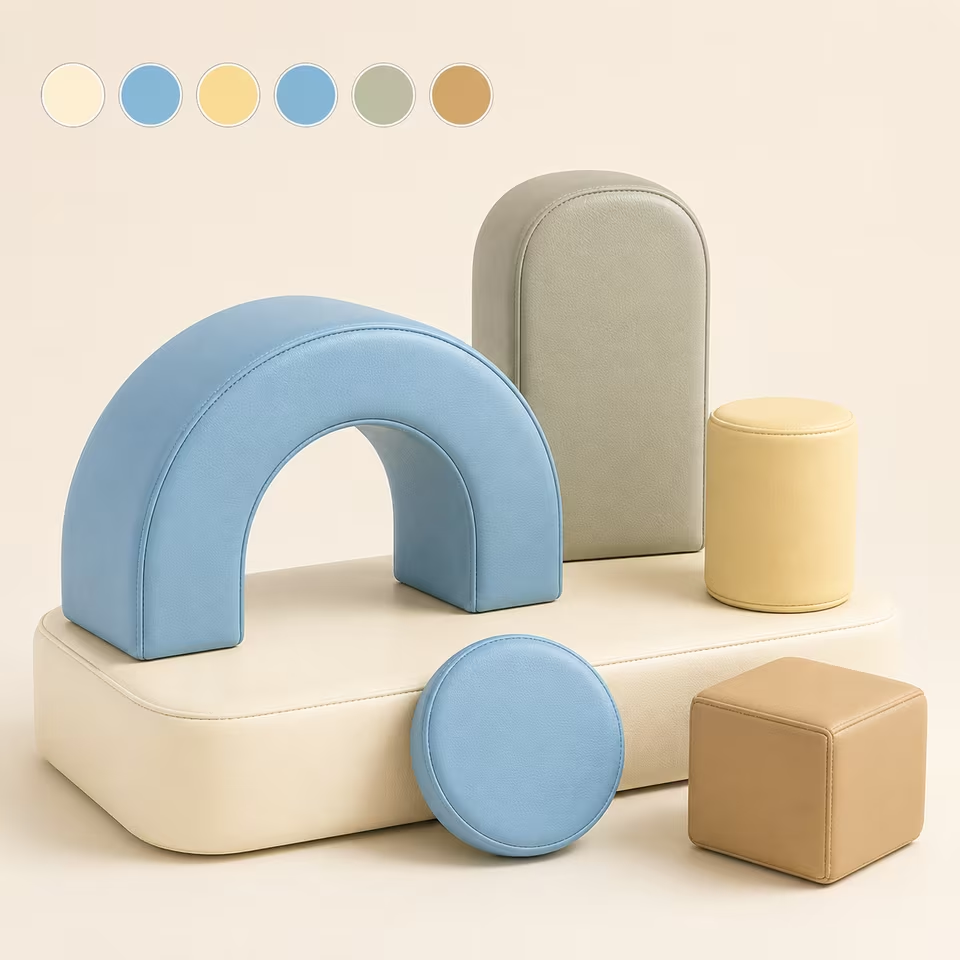
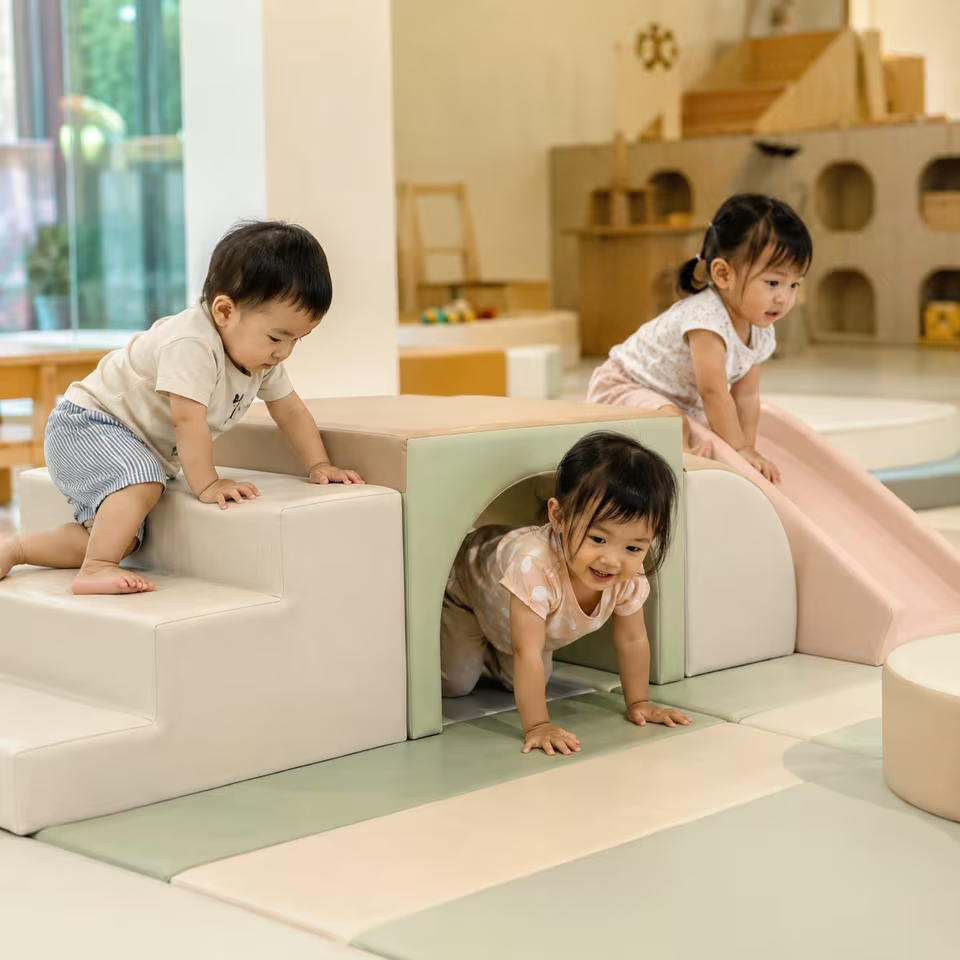
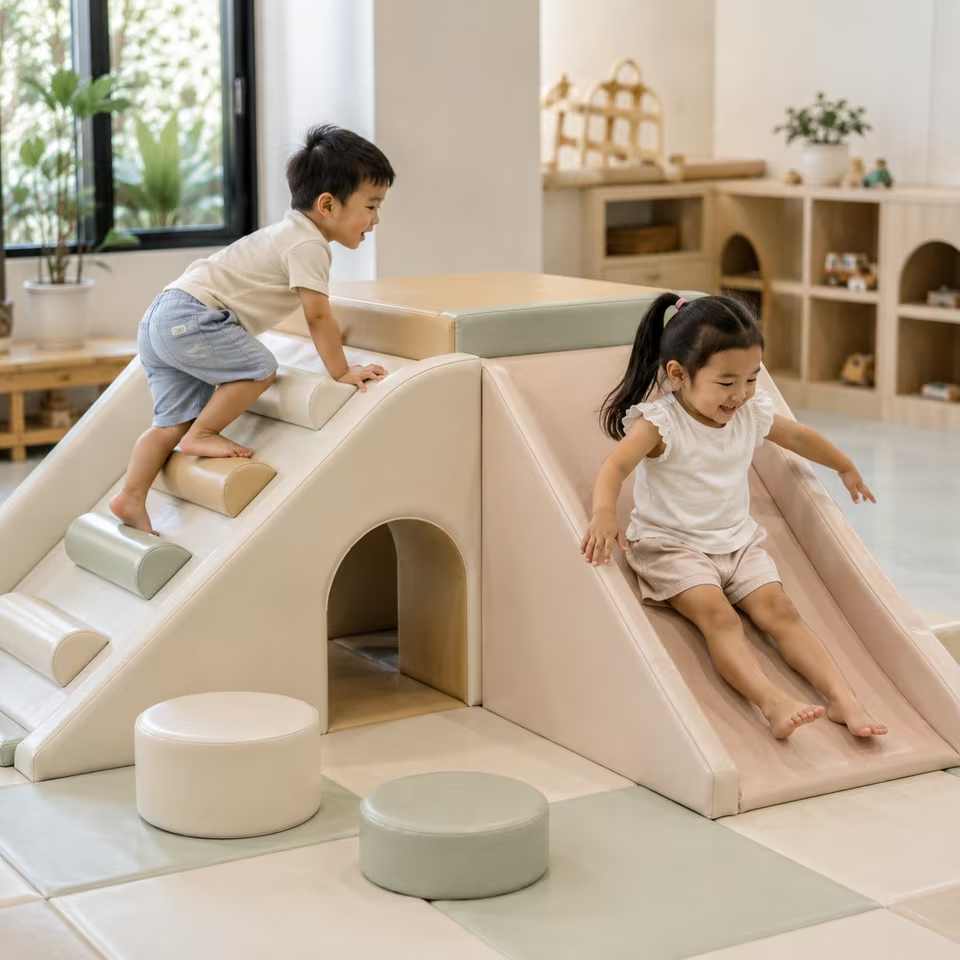
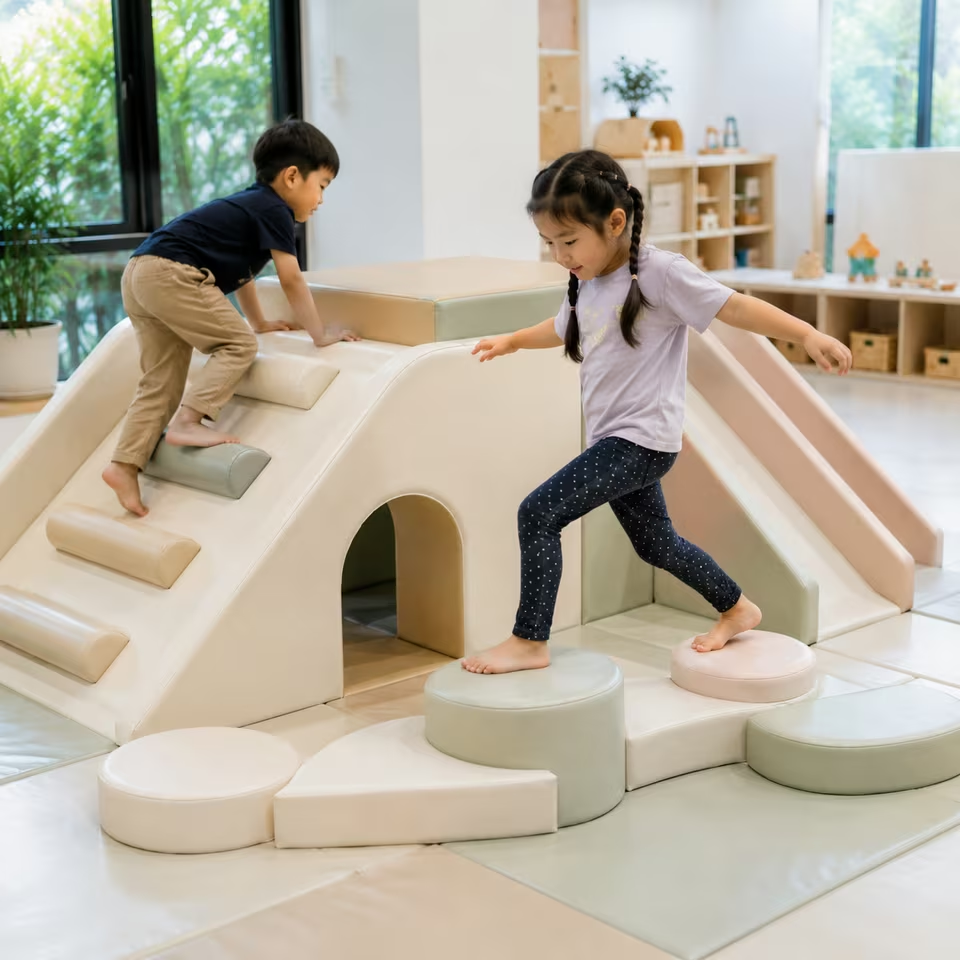
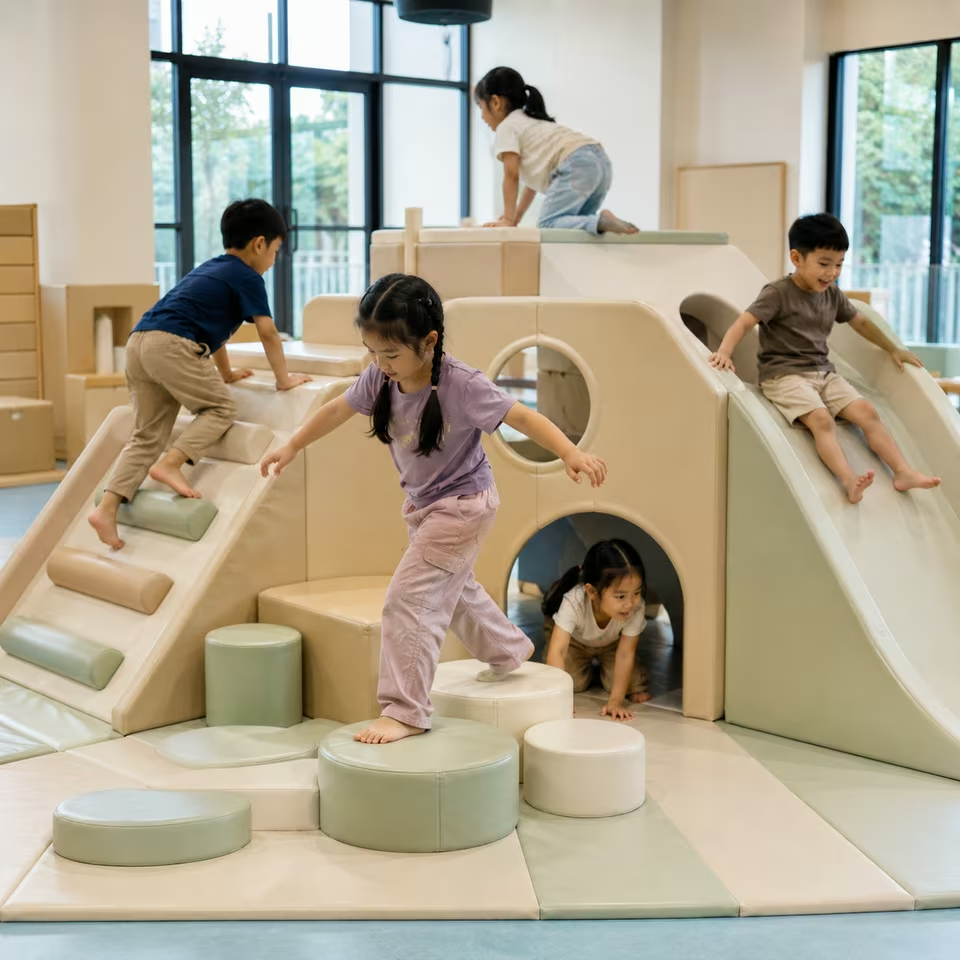
A family-oriented cafe where children's play and adult seating are intentionally designed to work together as one shared experience.
A play cafe combines the everyday comfort of a cafe with a dedicated environment for children's play. Families can spend time together while children climb, crawl, explore and interact nearby and adults sit, eat, drink or socialize. Unlike adding a small play corner to a conventional cafe, play is a meaningful part of the overall experience, so the relationship between play zones, seating, service areas and circulation needs to be considered as one connected environment.
Highlights
Combines children's play with a comfortable cafe experience
Allows adults to relax while children remain active nearby
Supports longer and more engaging family visits
Creates opportunities for movement, exploration and social play
Connects play, seating and hospitality within one shared environment
Plan the play area and cafe seating together rather than treating them as two unrelated zones.
Consider how adults will sit, eat and socialize while remaining naturally connected to children in the play area.
Allow for different patterns of use, including children entering and leaving play while families remain seated for longer periods.
Balance active play with the comfort of surrounding guests so movement and social activity do not overwhelm the cafe experience.
Consider cleaning, storage and daily operation from the beginning because both play and food-service areas are used repeatedly throughout the day.
Preserve enough flexible space for families to arrive, settle in and move between seating, play and service areas without unnecessary congestion.
Placement Tips
Position play where it can be seen naturally from a meaningful portion of the family seating area.
Keep the main movement between the entrance, ordering counter, tables and service areas separate from active play circulation.
Create clear entry and exit points for the play zone so children do not emerge directly into busy cafe traffic.
Use seating orientation and open sightlines to maintain a visual connection between adults and children without requiring the play area to occupy the center of the cafe.
Maintain practical separation between active play and areas where hot drinks, food or service equipment are frequently handled.
Allow enough transition space around the play zone for shoes, belongings and family movement without obstructing tables or primary walkways.
FAQ
What makes a play cafe different from a regular cafe with a kids' corner?
In a play cafe, children's play is a meaningful part of the overall family experience rather than a small secondary amenity. Play, seating, circulation and cafe service are typically considered together so children and adults can use the space comfortably at the same time.
Where should the play area be located in a play cafe?
A useful location is usually visible from family seating while remaining separate from the busiest service and circulation routes. Adults should be able to remain comfortably seated while maintaining a natural visual connection with the play area.
How should seating relate to the children's play area?
Seating can be arranged so families remain connected to play without every table needing to face directly into it. A combination of useful sightlines, comfortable distance and clear circulation often creates a more balanced environment.
How can a play cafe avoid feeling too crowded?
Avoid using every available area for either tables or play equipment. Leaving transition space between seating, play and service zones helps families move comfortably and allows each part of the cafe to function without competing for the same floor area.
What should be considered when placing play near a cafe service area?
Active play should not overlap with routes used for carrying food, drinks or service equipment. Clear separation between these movement patterns helps the cafe operate more comfortably while keeping the play experience connected to the family seating area.