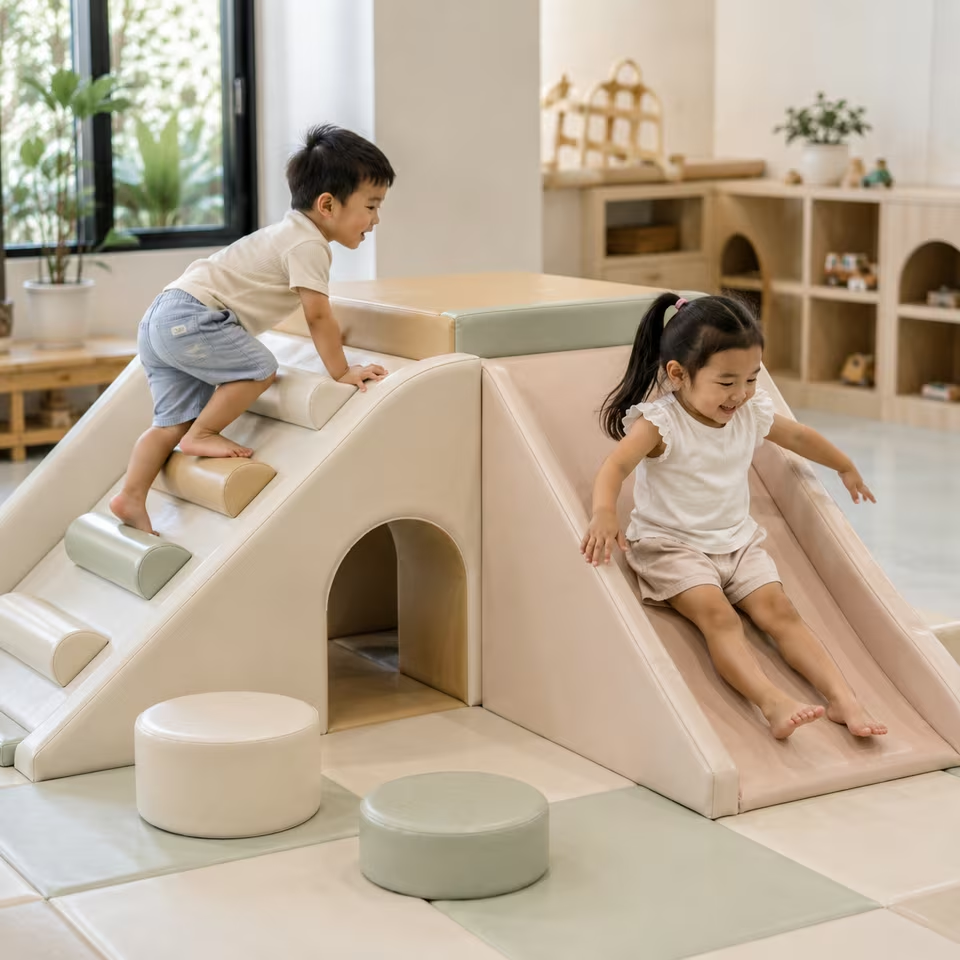
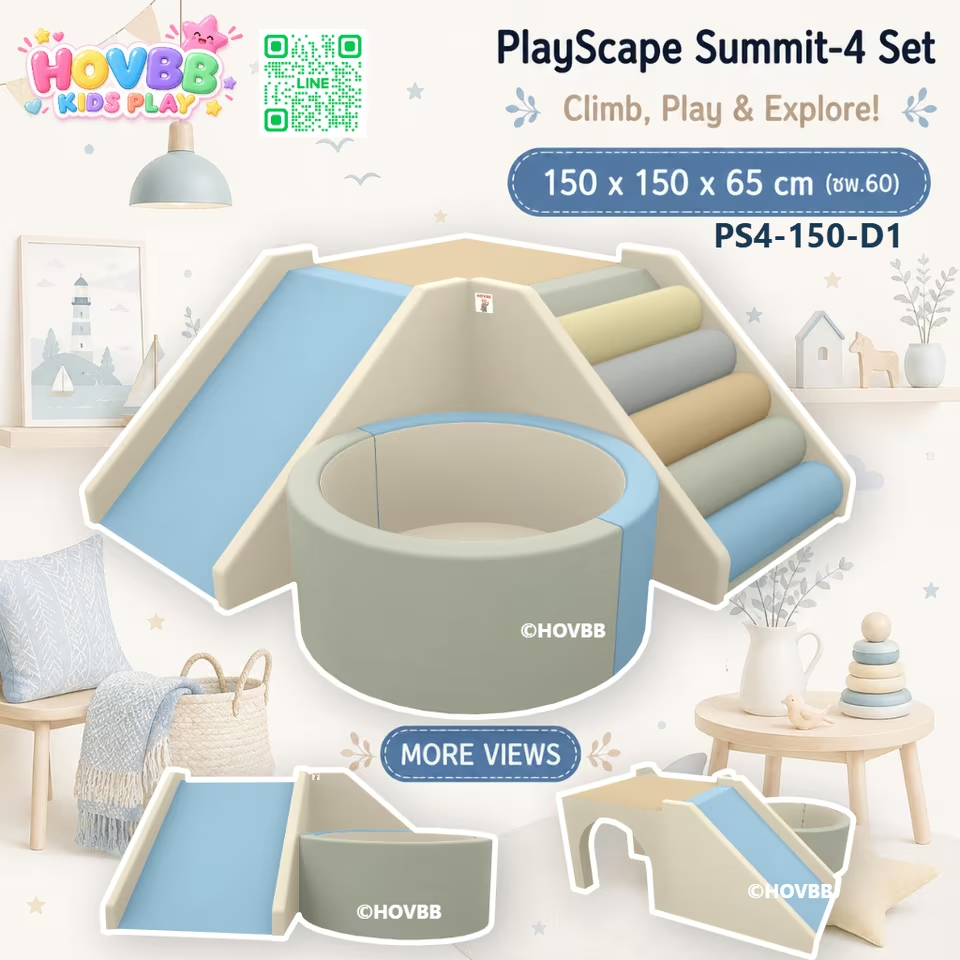
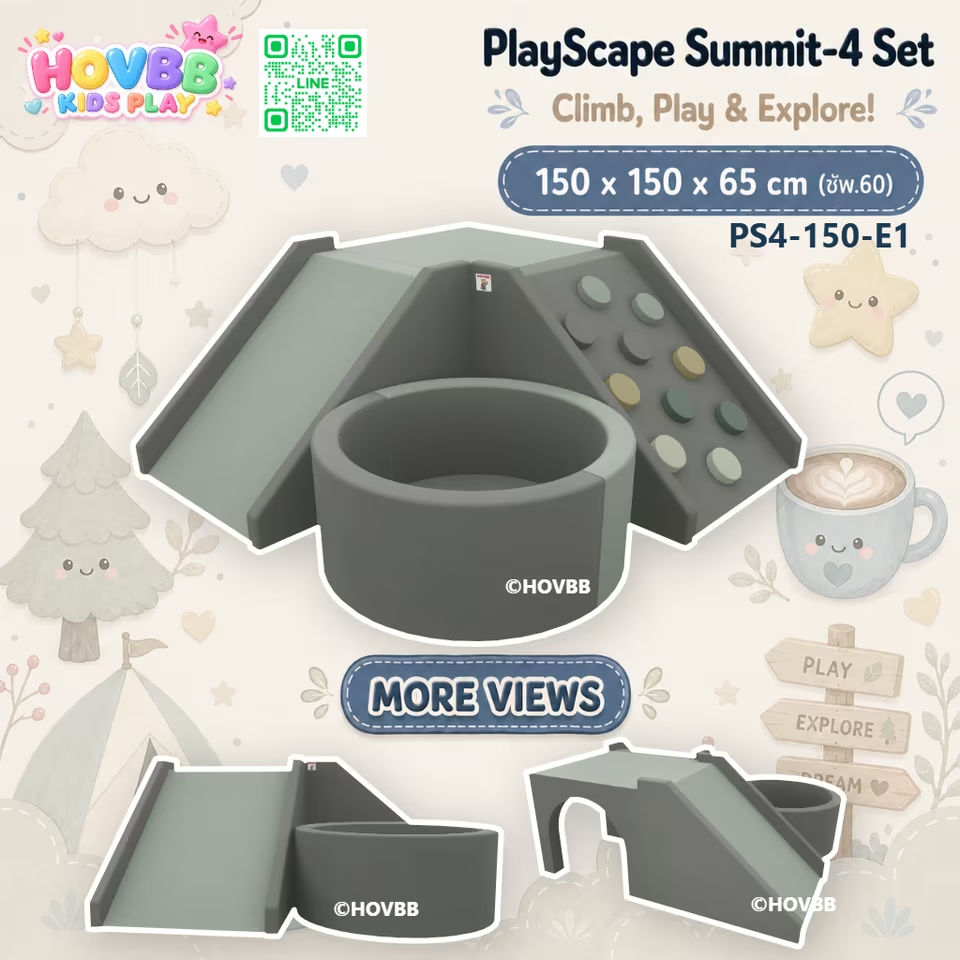
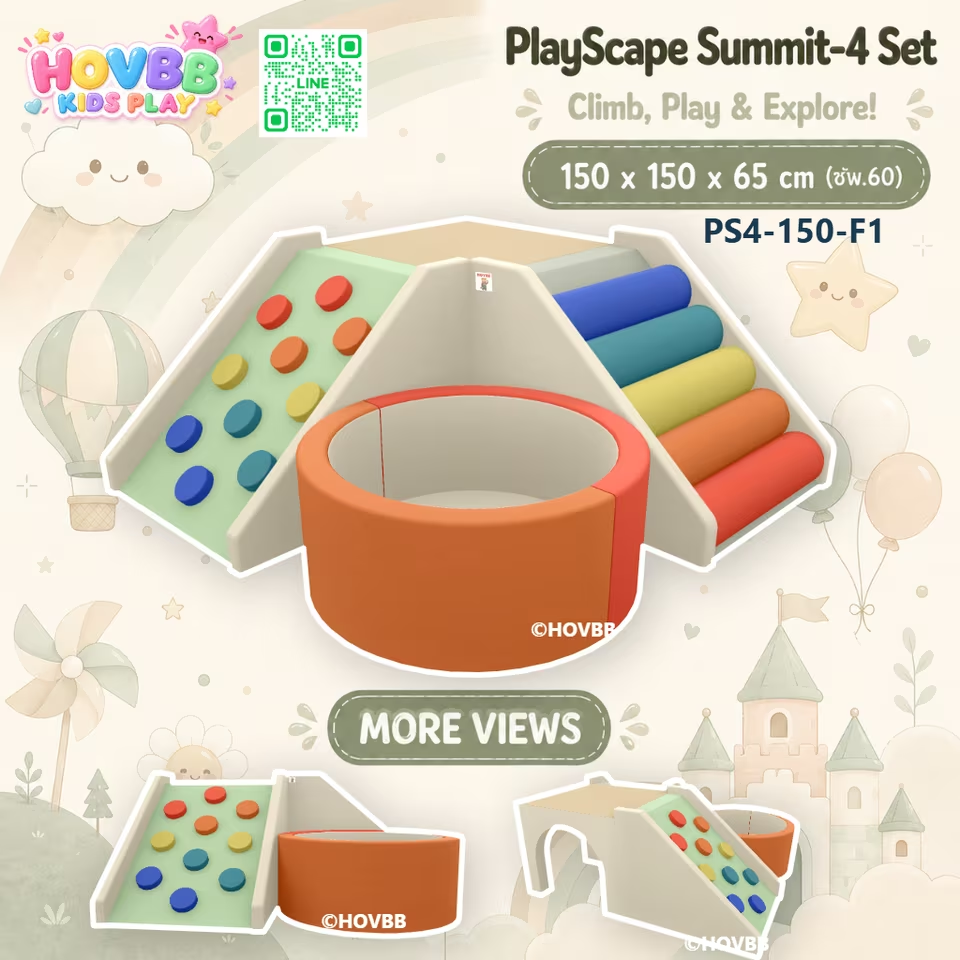
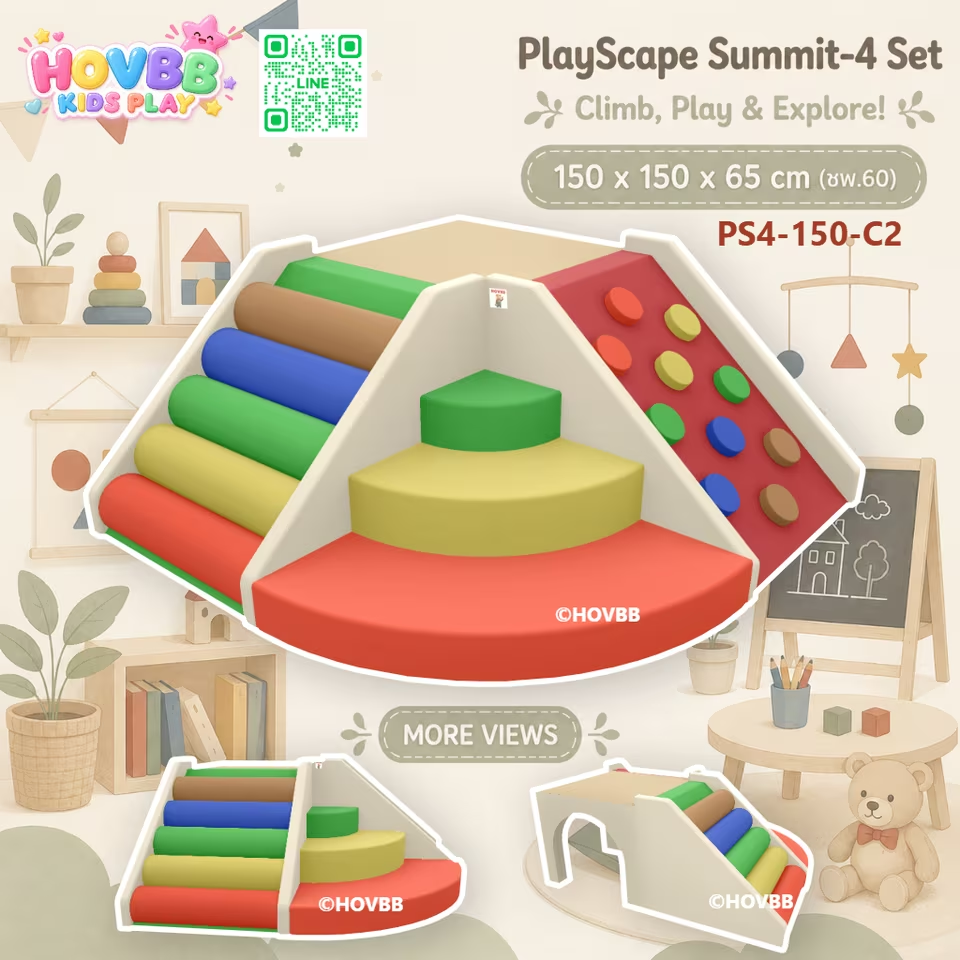
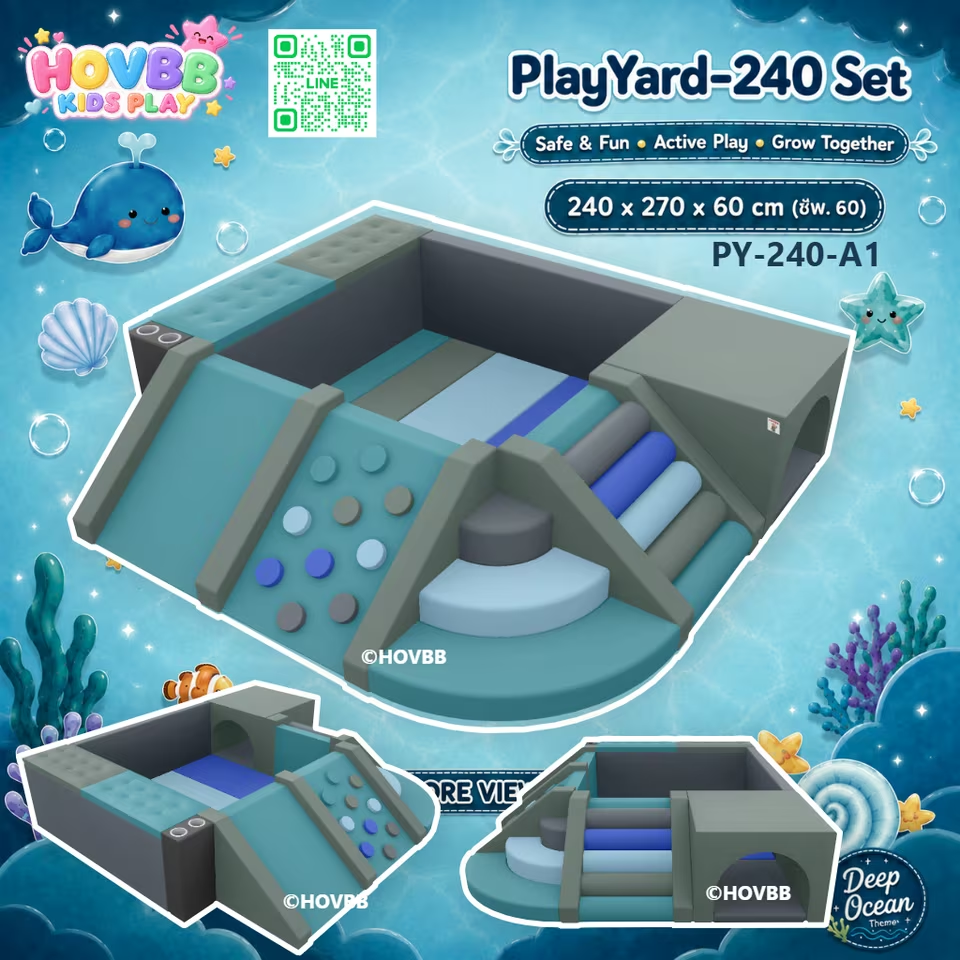
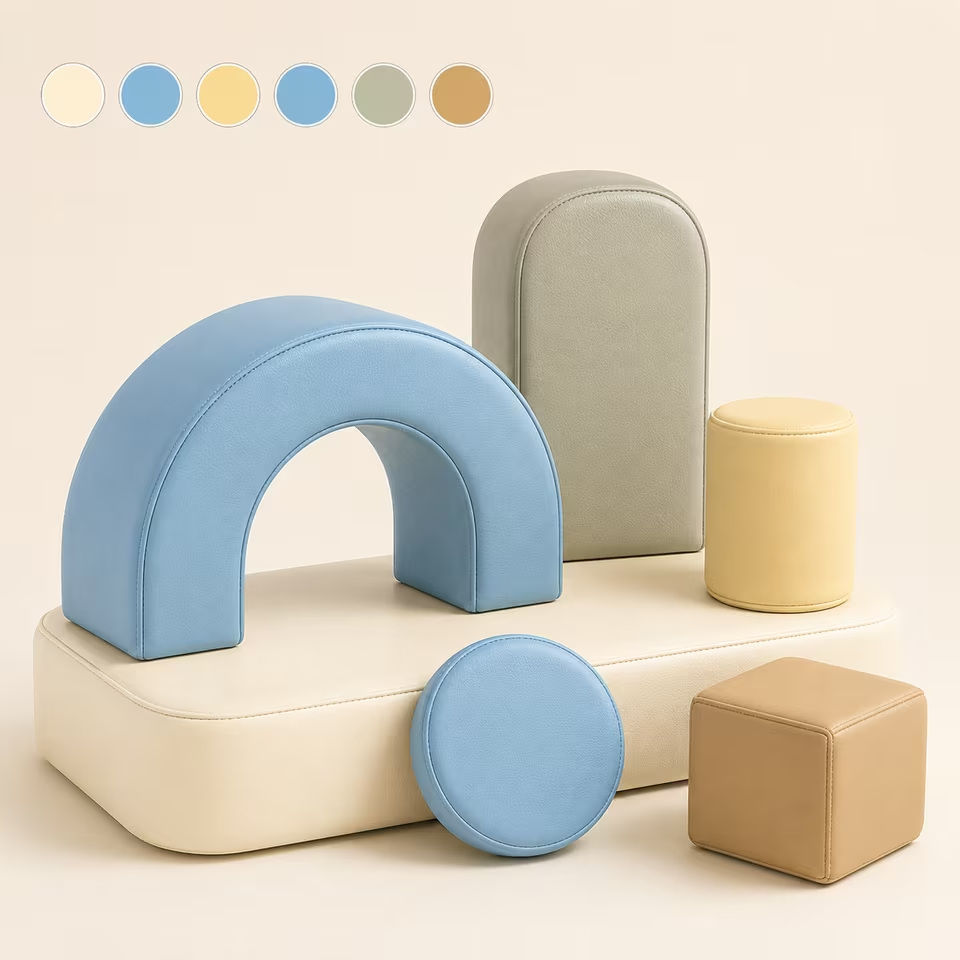
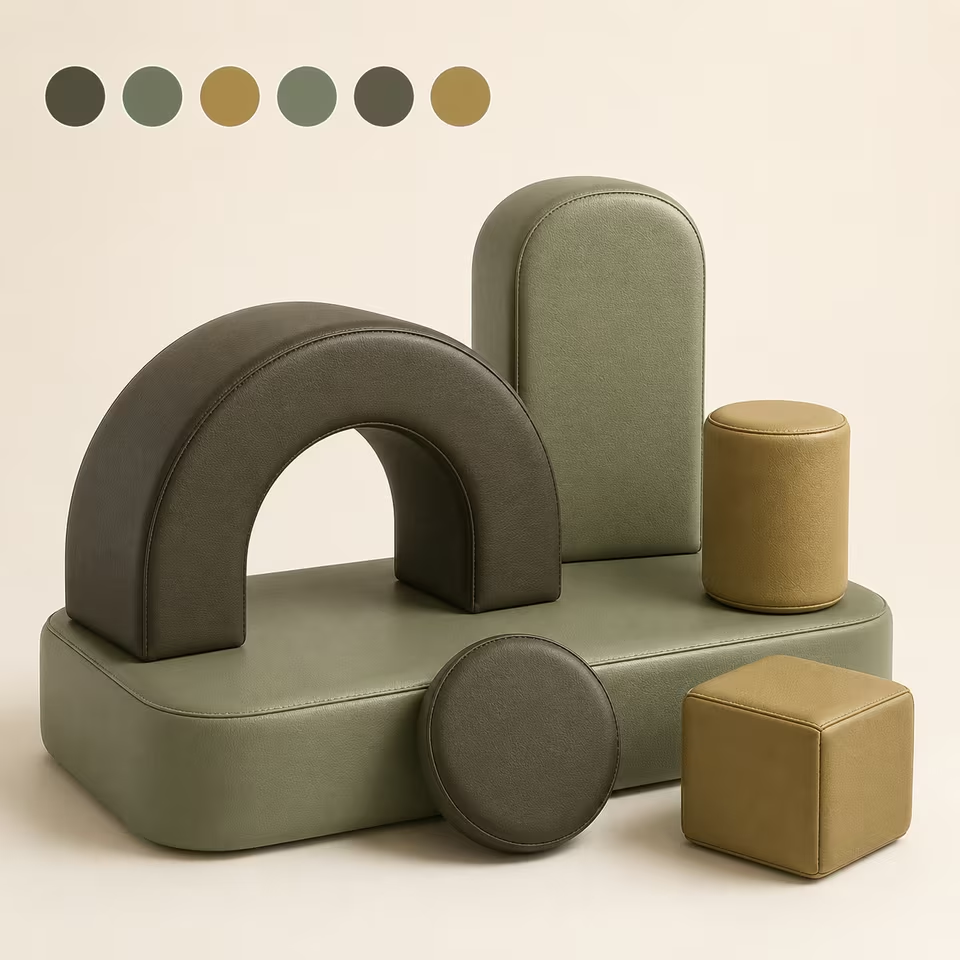
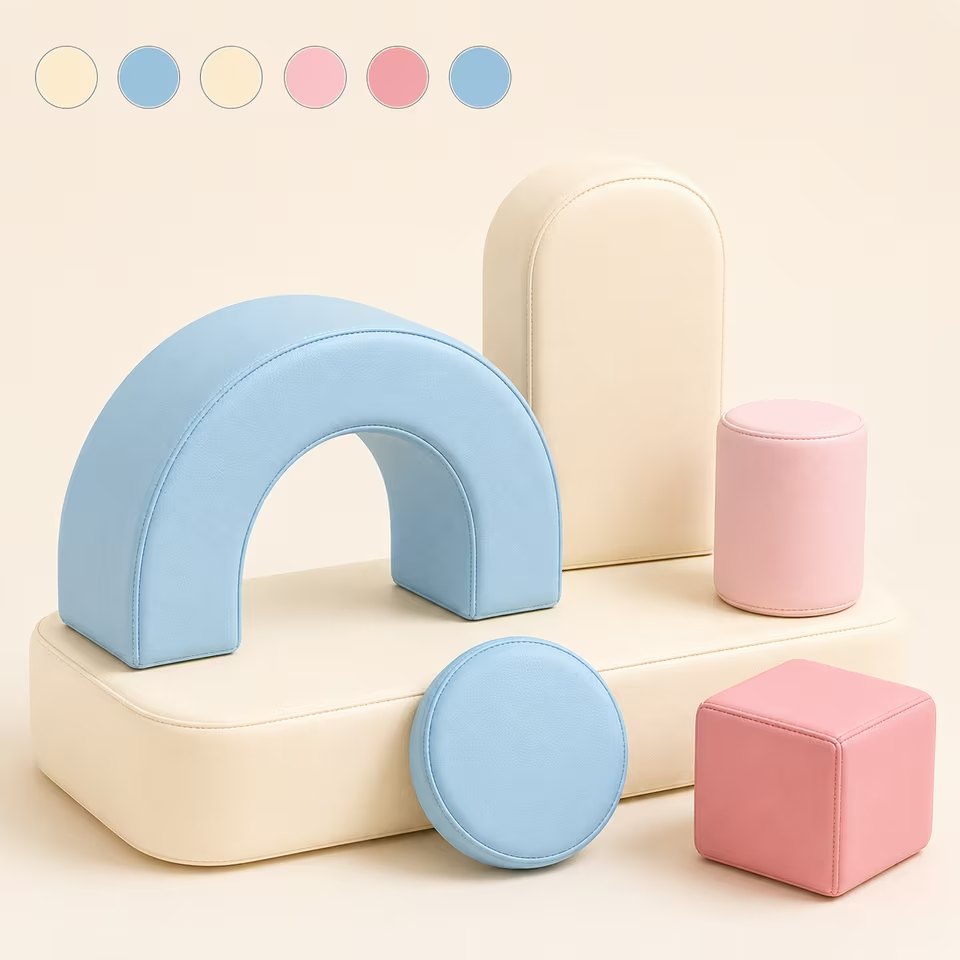
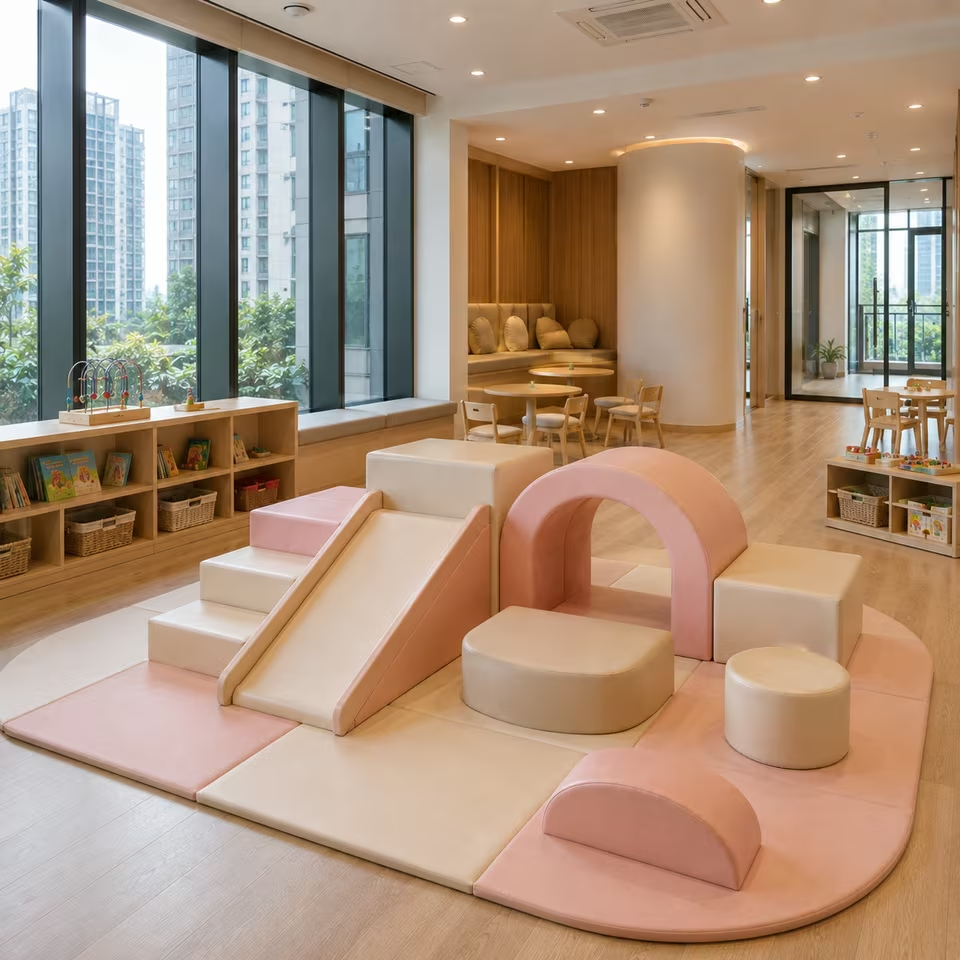
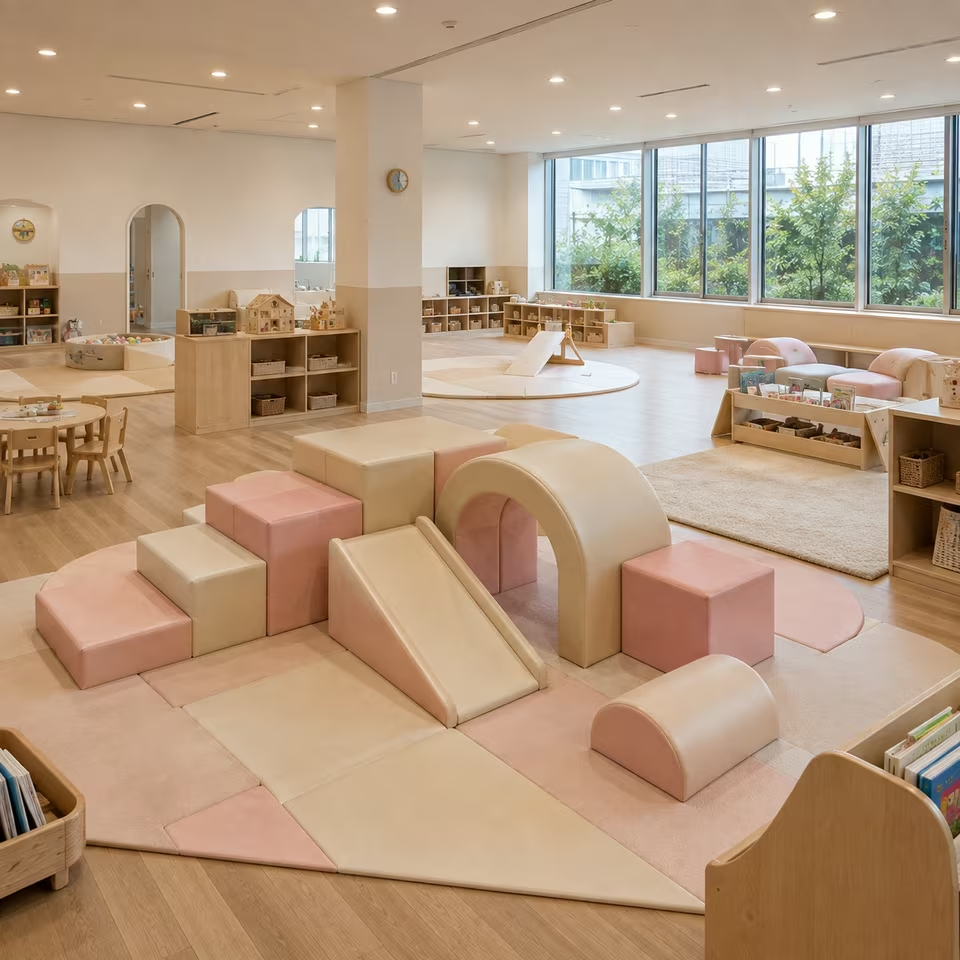
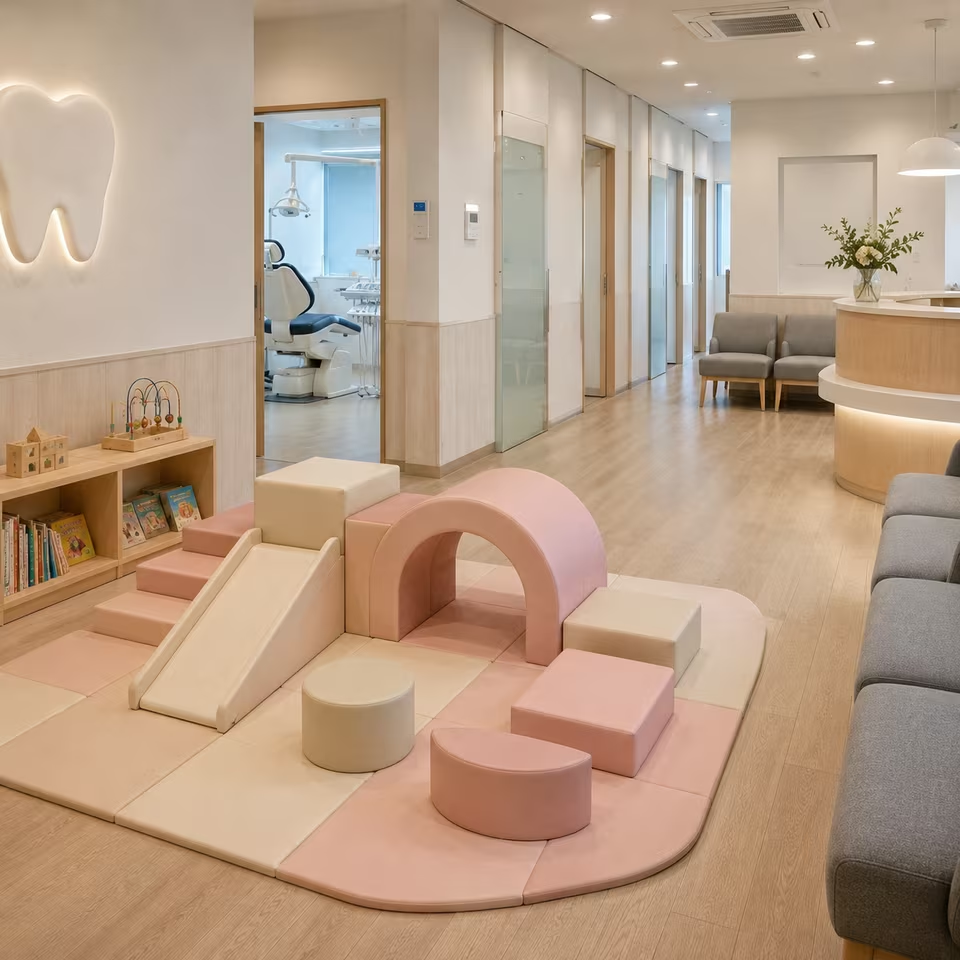
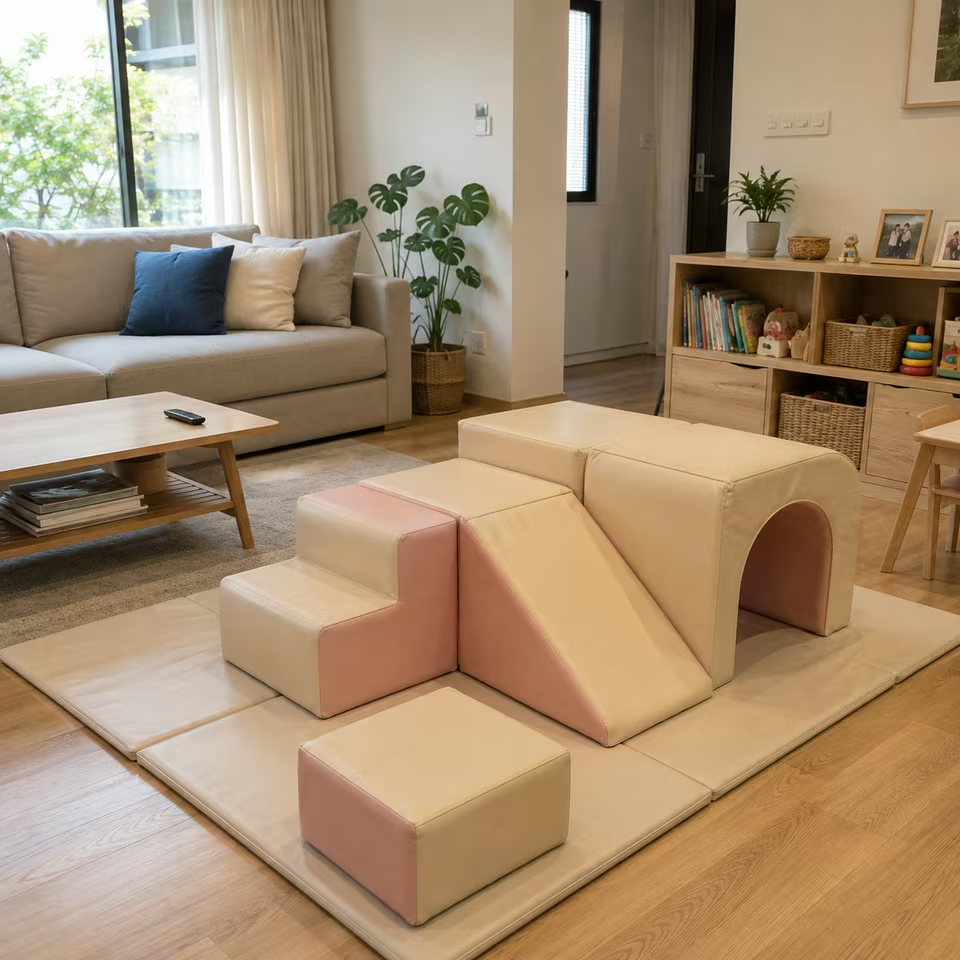
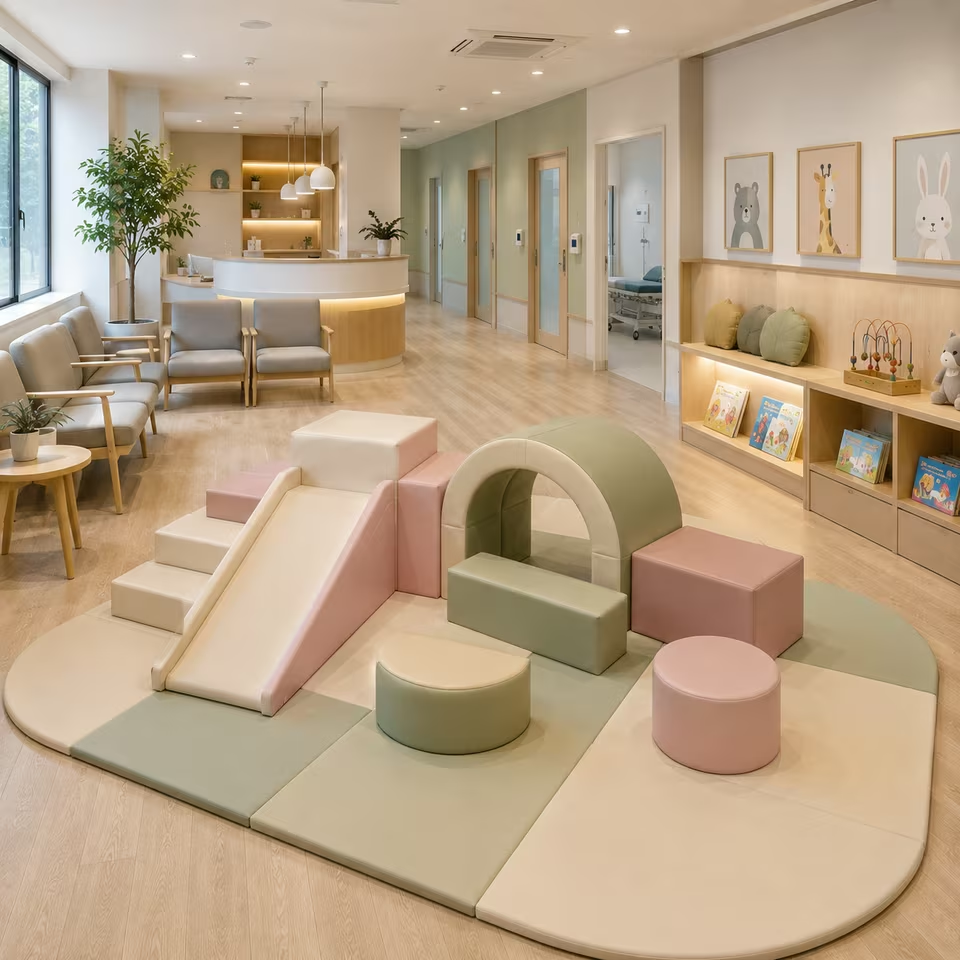
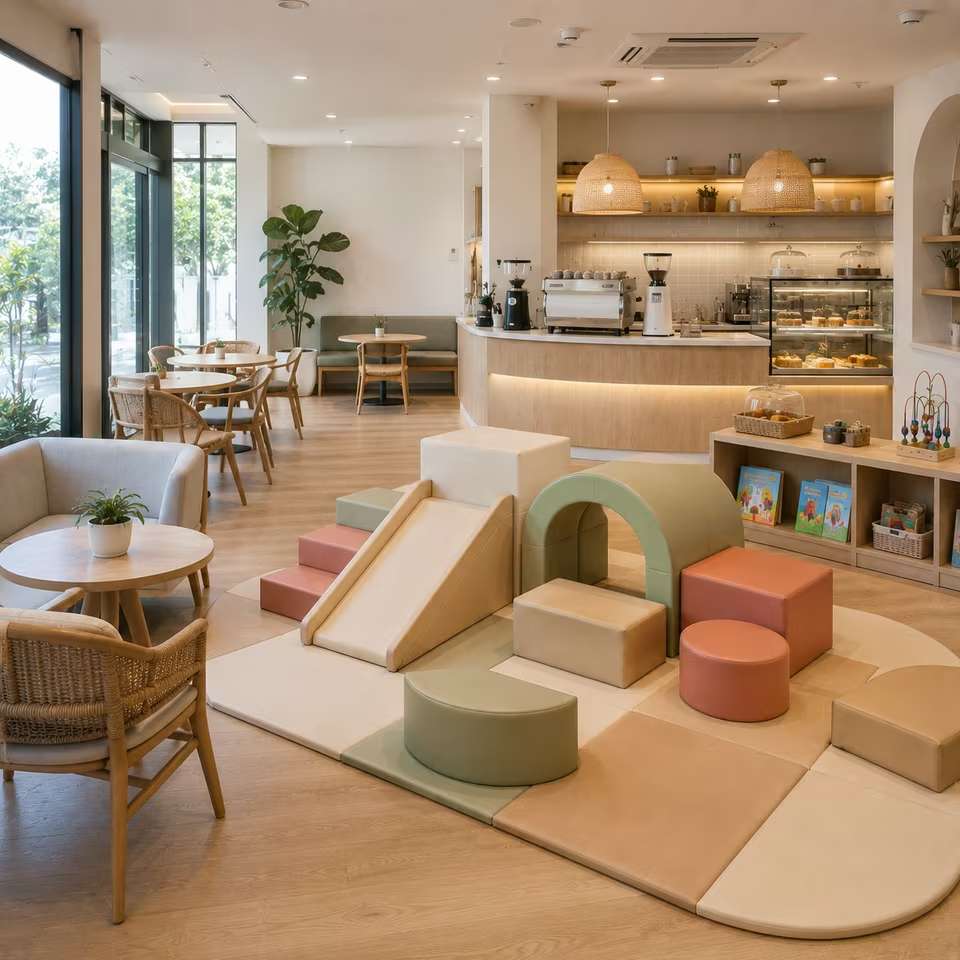
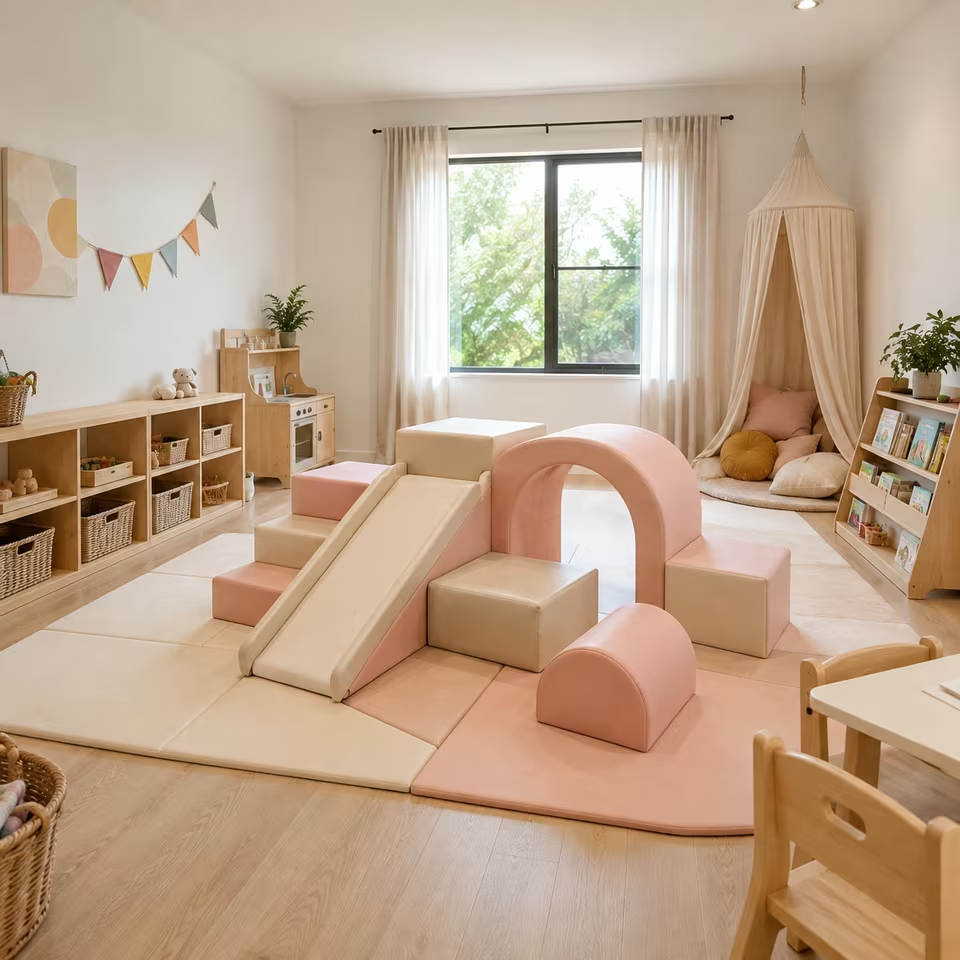
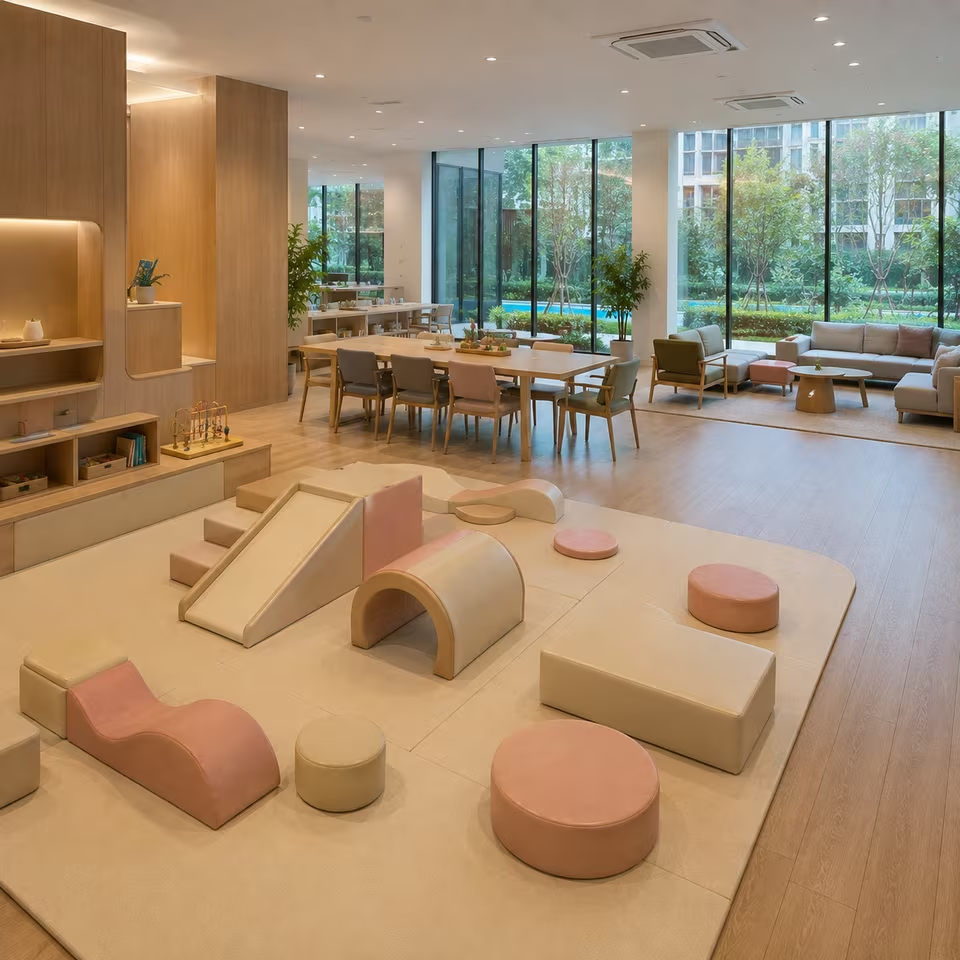
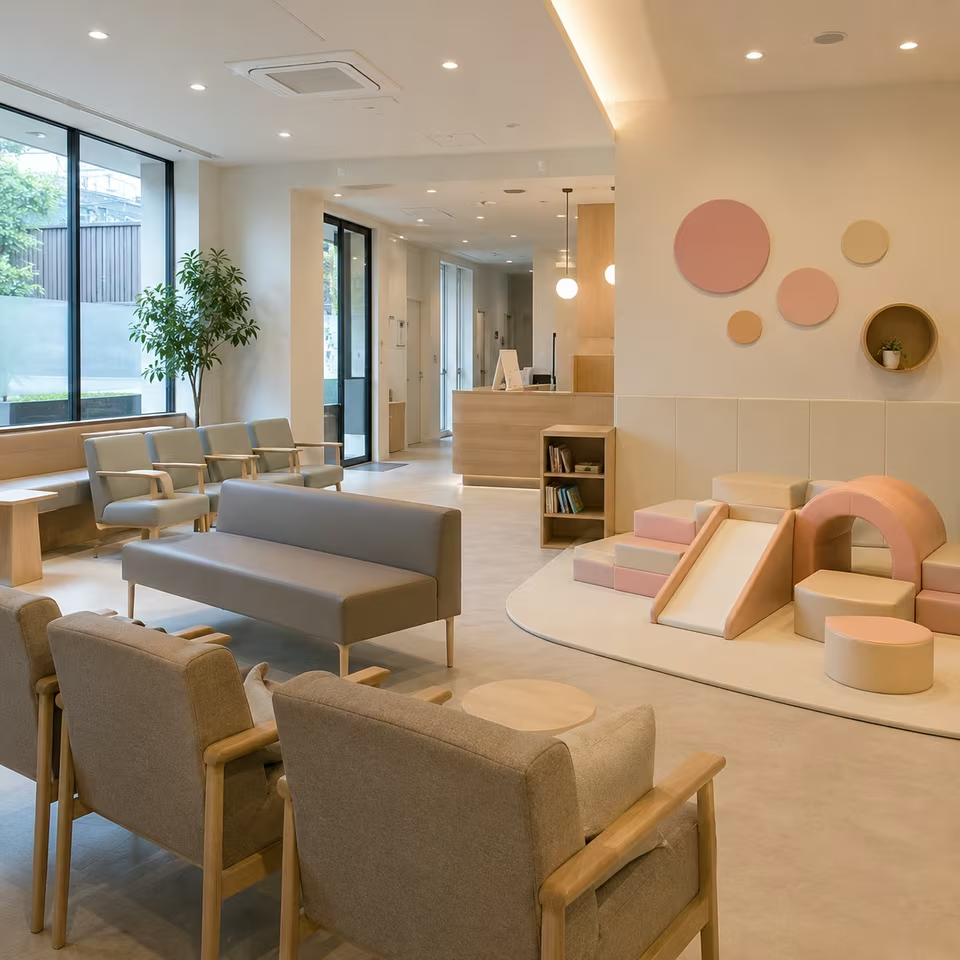
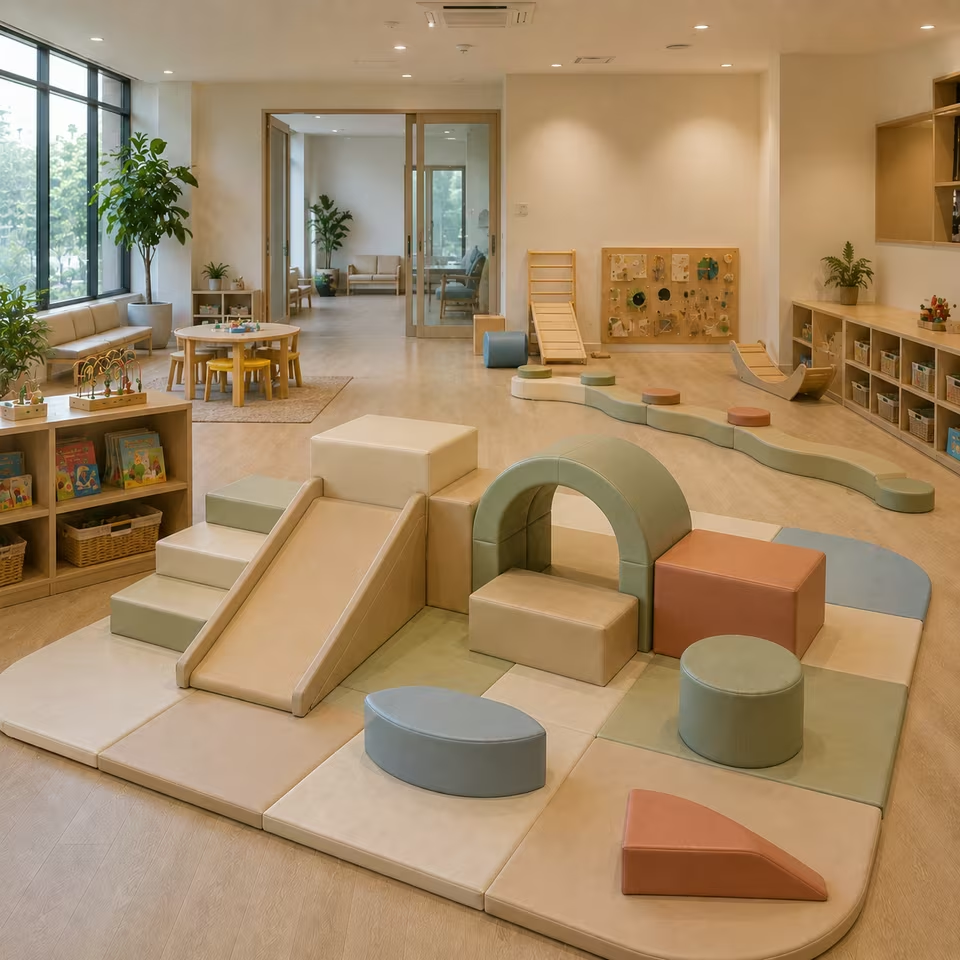
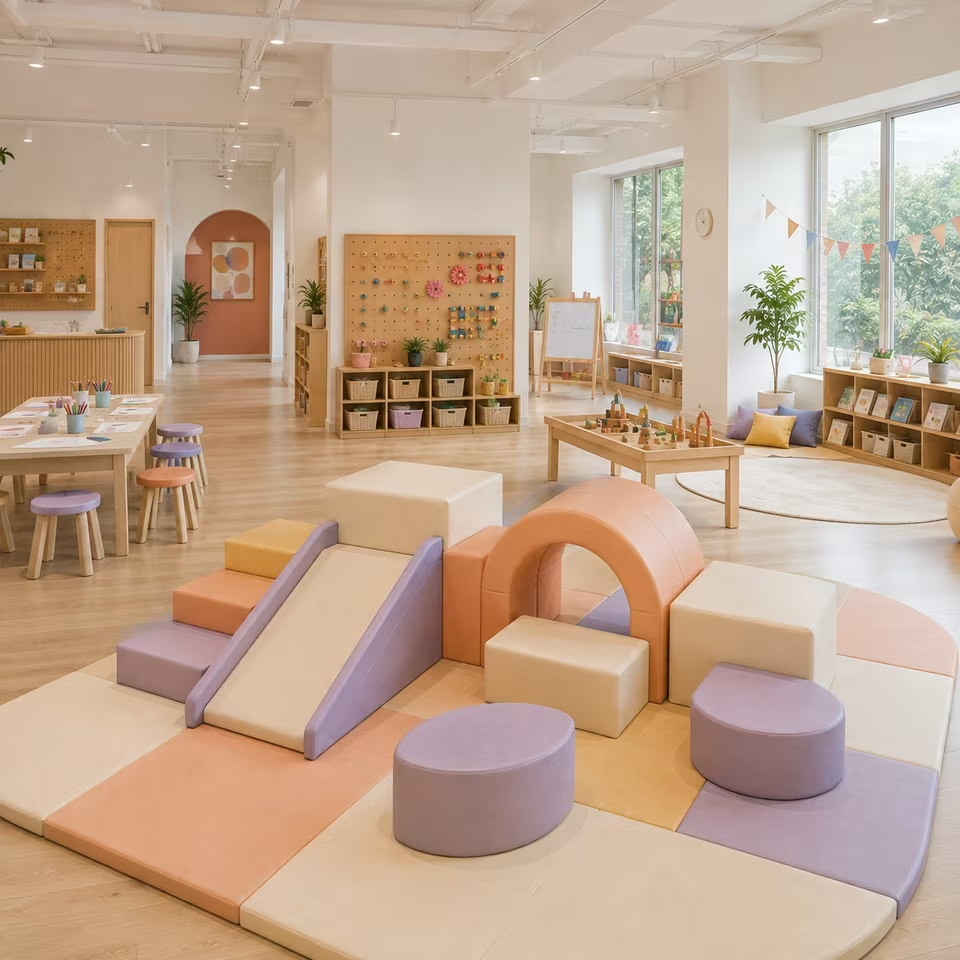
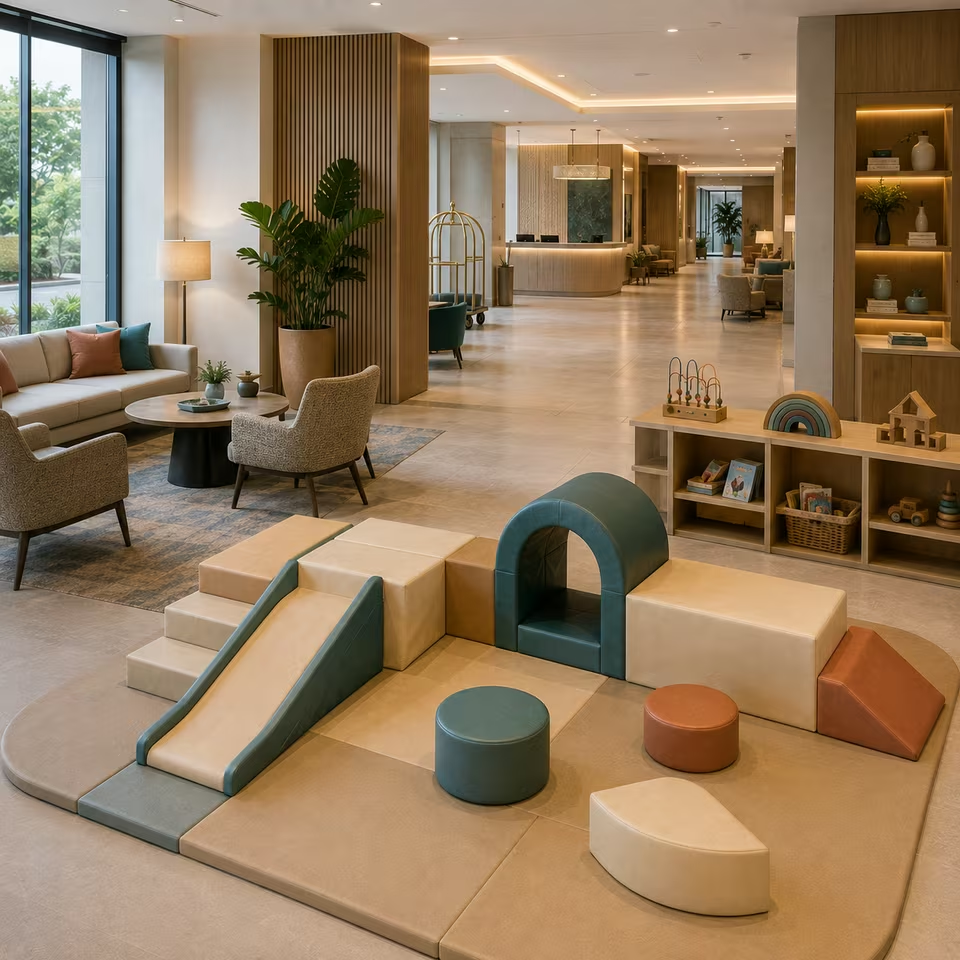
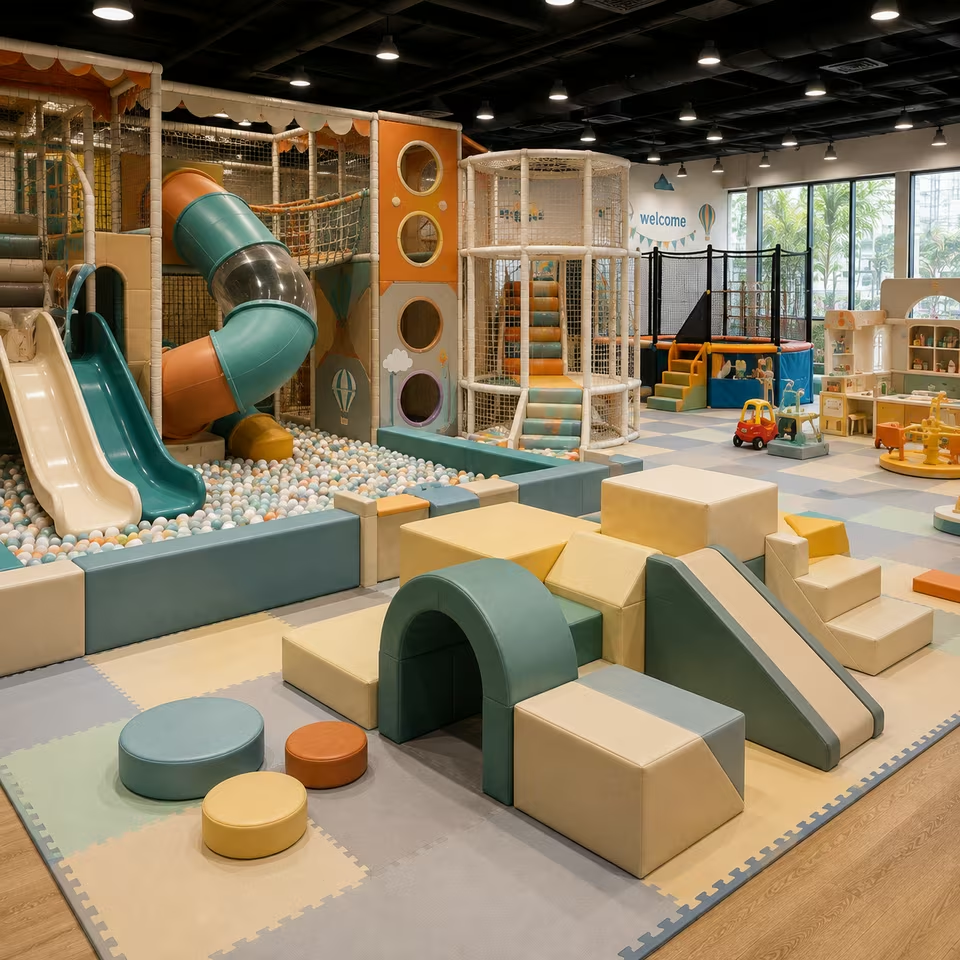
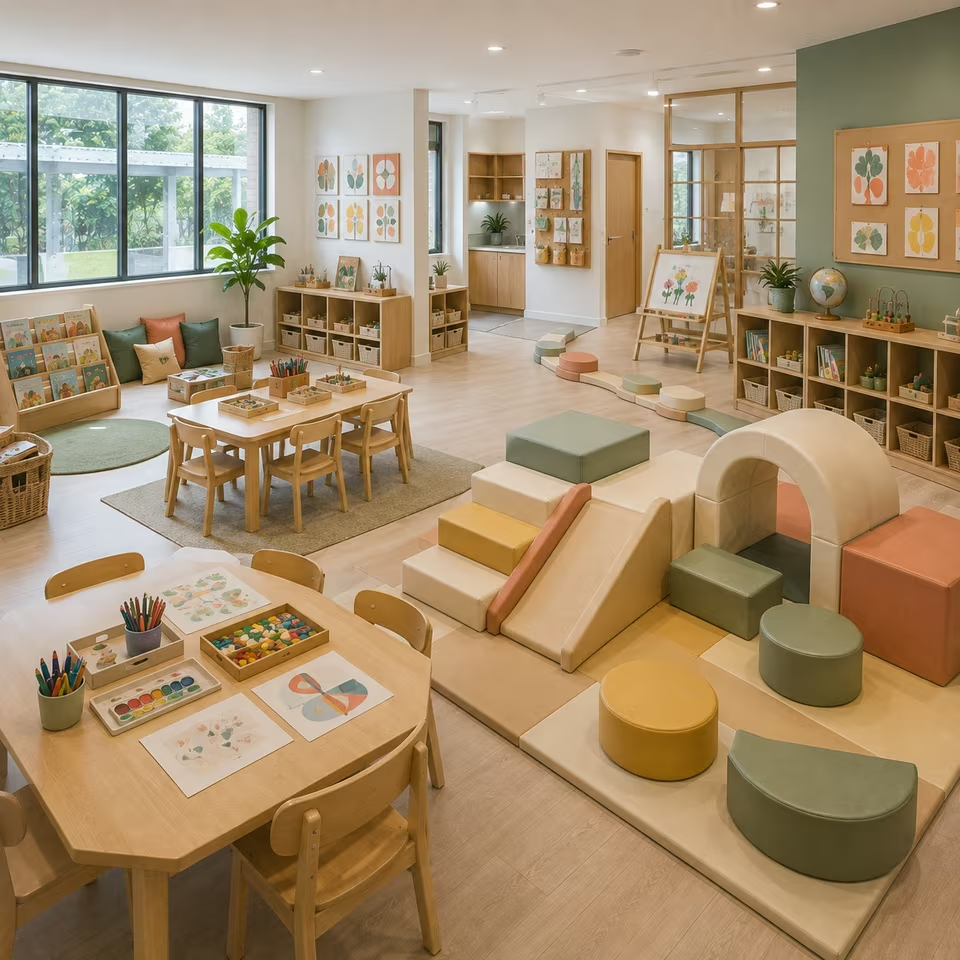
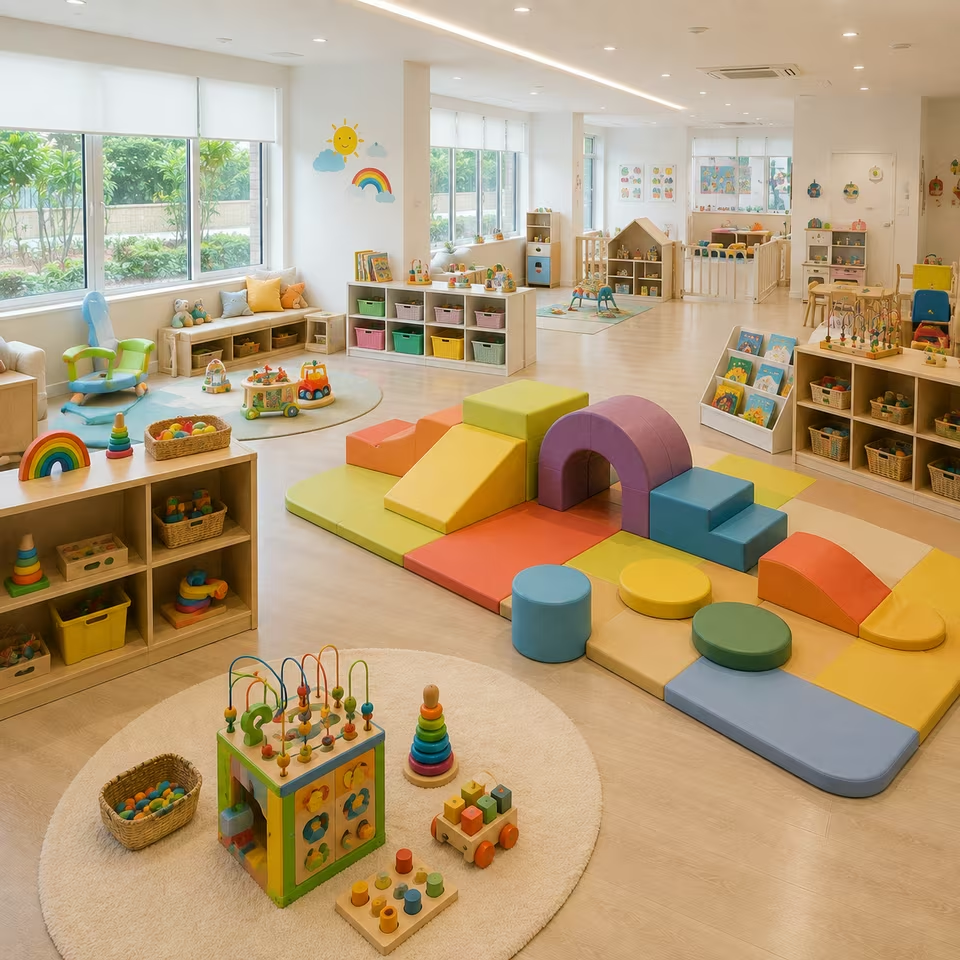
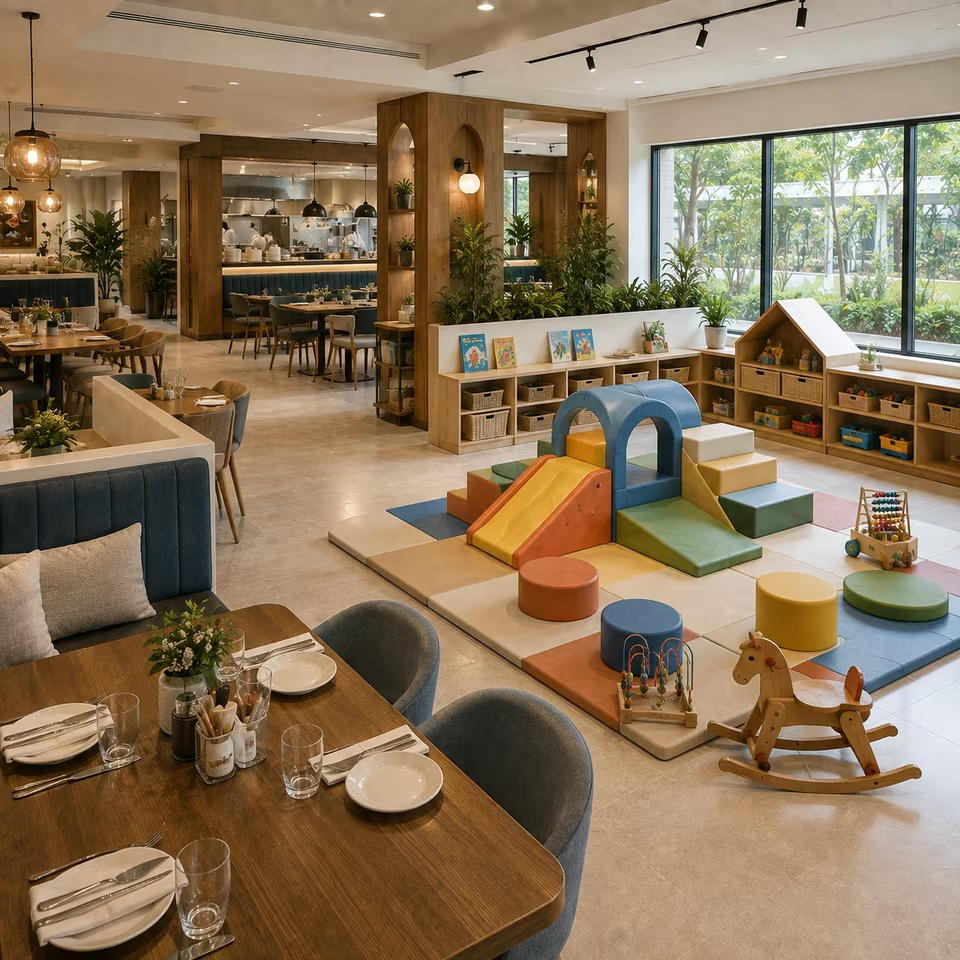
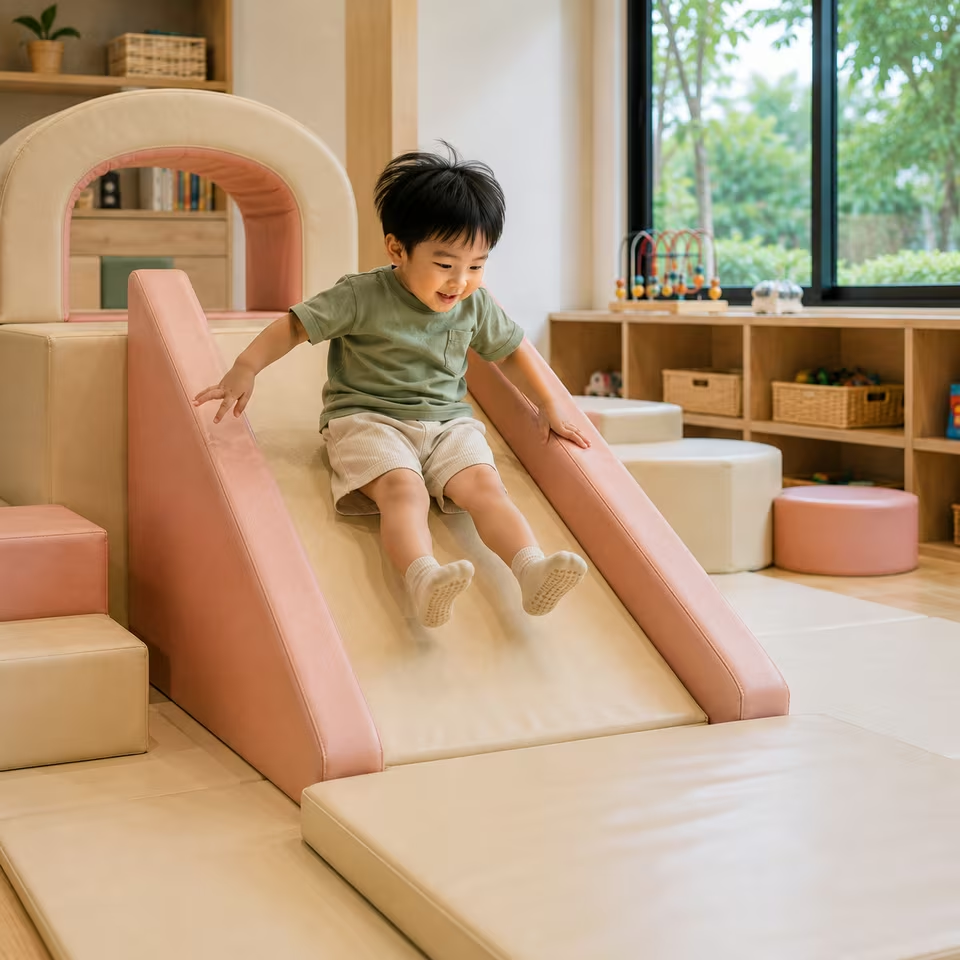
What kind of soft play is suitable for children ages 3-4?
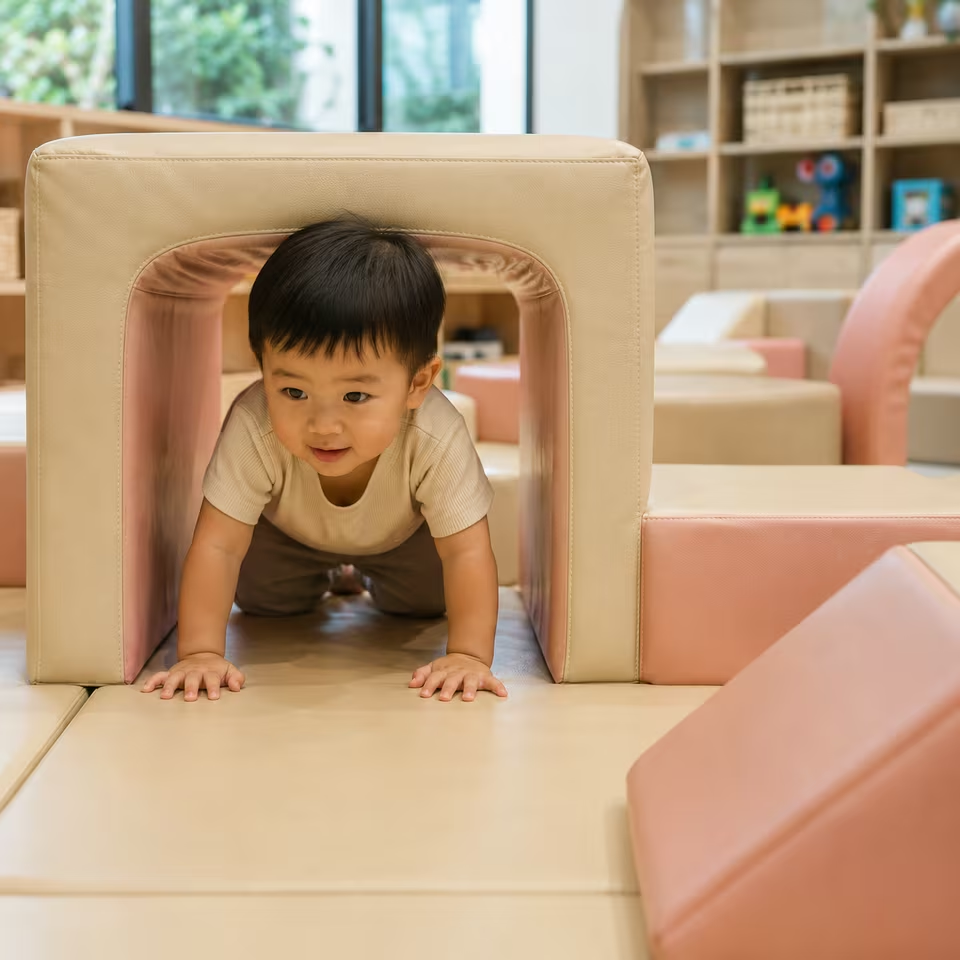
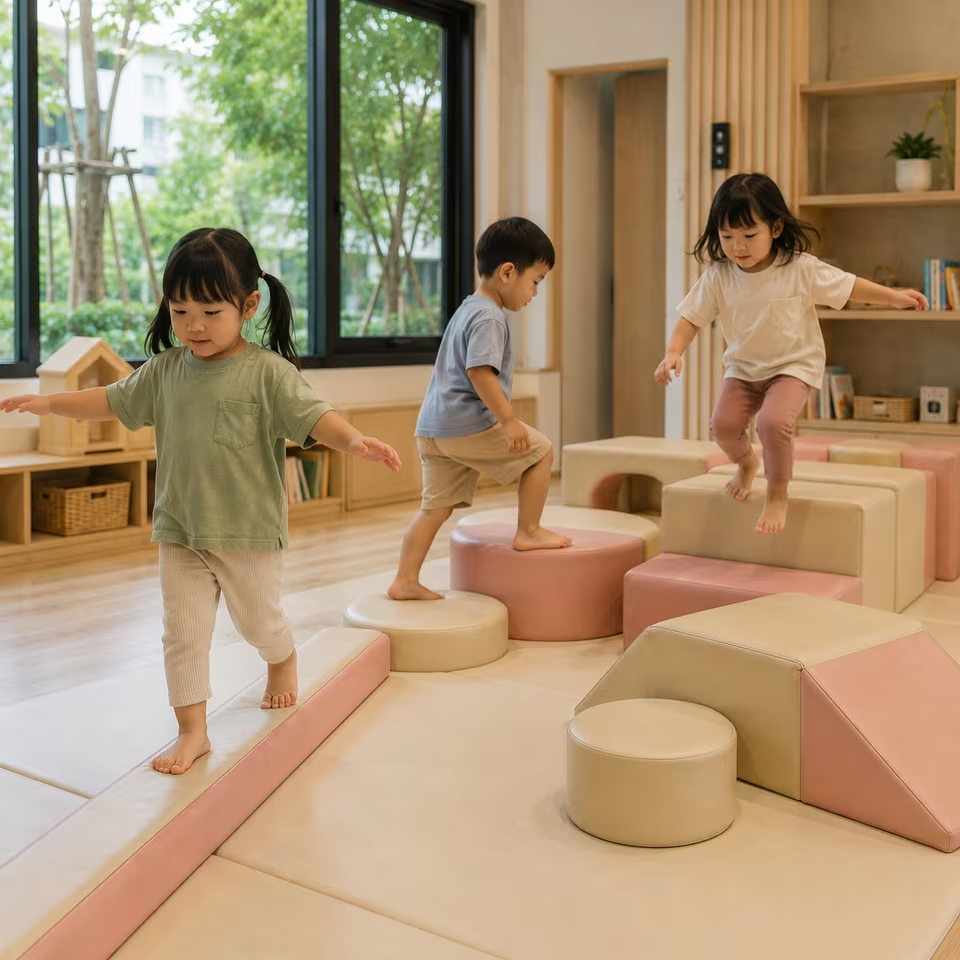
Look for a play environment that offers movement choices, understandable routes and opportunities to repeat or combine different challenges. The best setup depends on the individual child's current abilities, confidence, interests and the space available.
What should I look for when buying soft play for a 3-4 year old?
Consider the child's current movement experience, available space, route variety, changes in level, circulation around the equipment and adult visibility. Also check the intended age range, dimensions and use guidance for the individual product.
What play equipment is suitable for a 3-year-old?
There is no single type that suits every three-year-old. Equipment that provides approachable physical challenges, room to explore and more than one way to interact with the space can offer useful variety when it matches the individual child and intended use.
What play equipment is suitable for a 4-year-old?
Children approaching four may enjoy environments where they can connect several movements, choose routes and repeat challenges in different ways. Suitability should still be assessed from the individual child's abilities and the specifications of the equipment rather than age alone.
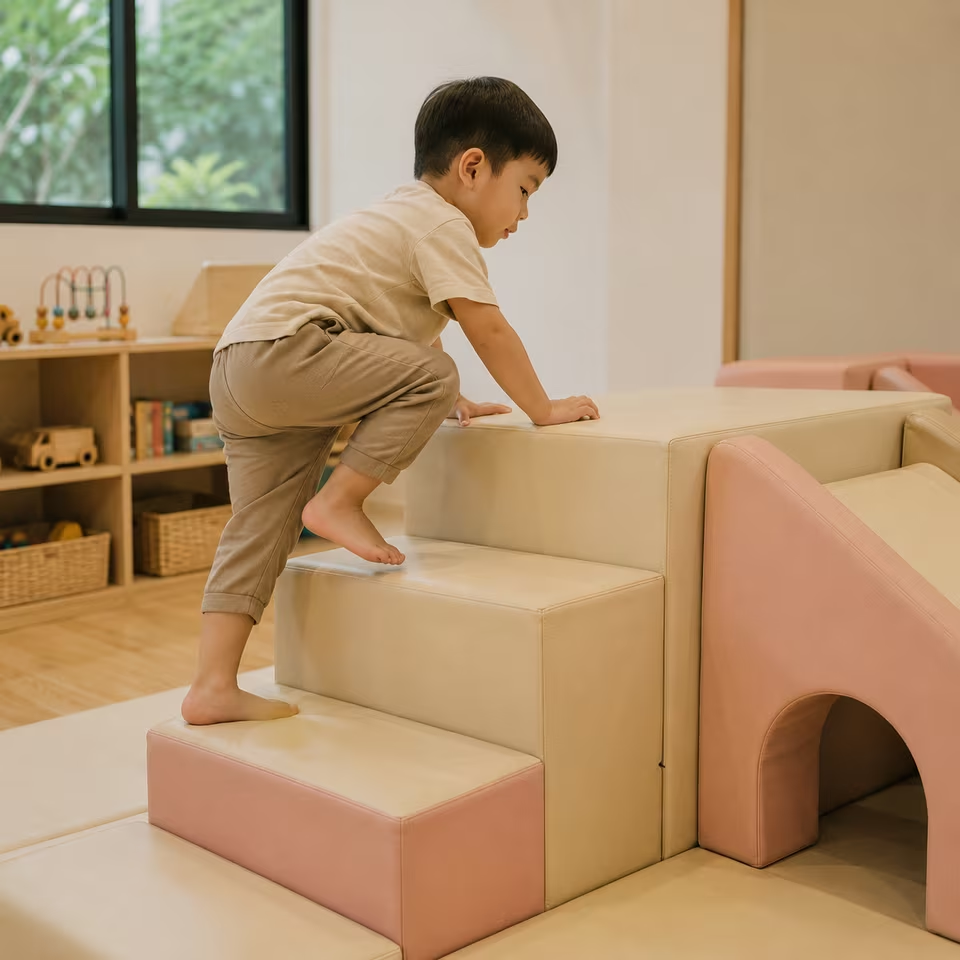
Should soft play for ages 3-4 include climbing?
Changes in level and climbing-style movement can add variety, but the overall play experience matters more than including one specific activity. Consider how the child approaches the feature, moves through it and connects it with the rest of the space.
Does soft play for a 3-4 year old need to be higher or more difficult?
Not necessarily. Challenge can come from route choices, changes in direction, different surfaces, movement combinations and alternative approaches. Increasing height is only one way to change an experience and should not be treated as the main measure of progression.
How much space do I need for soft play for a 3-4 year old?
There is no single ideal size. Consider the equipment footprint together with the space needed to approach, move between and leave activities comfortably. A well-planned compact layout can offer more useful play than a larger setup that restricts circulation.
How do I choose soft play for a small home?
Look for a compact setup that creates several movement possibilities without filling the room. Connected features, clear access and enough open floor space for children to move around the equipment can be more useful than maximizing the number of components.
Is a bigger soft play set better for children ages 3-4?
Not automatically. A larger set may provide more features, but the quality of the play experience depends on how those features connect, how much usable movement space remains and whether children have meaningful choices within the layout.
Should I choose children's play equipment based only on age?
No. Age provides useful context, but children of the same age can differ substantially in movement experience, confidence and interests. Current abilities, available space, product specifications and intended use should all be considered.