What is coordination development in children?
Coordination development is the growing ability to organize different parts of the body so they can work together with appropriate timing, sequence and control during movement.
Coordination develops as children learn to organize different parts of the body to work together with appropriate timing, control and sequence during movement and play.
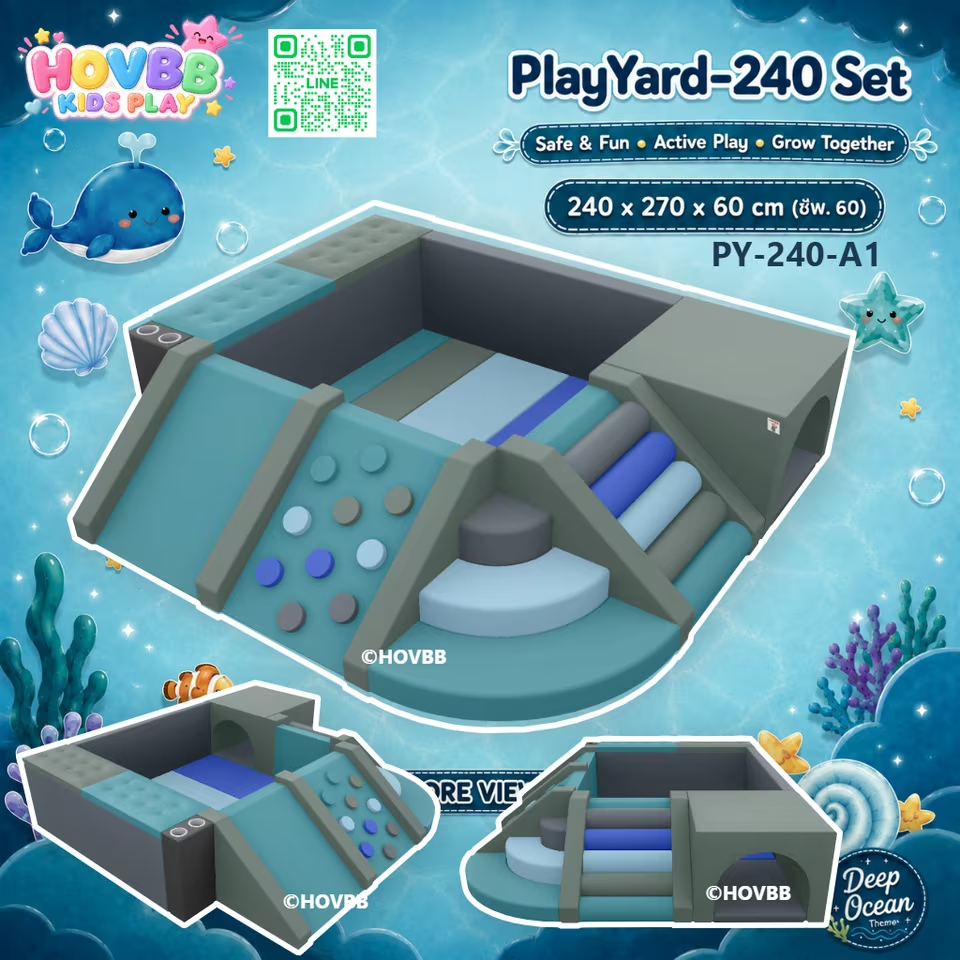
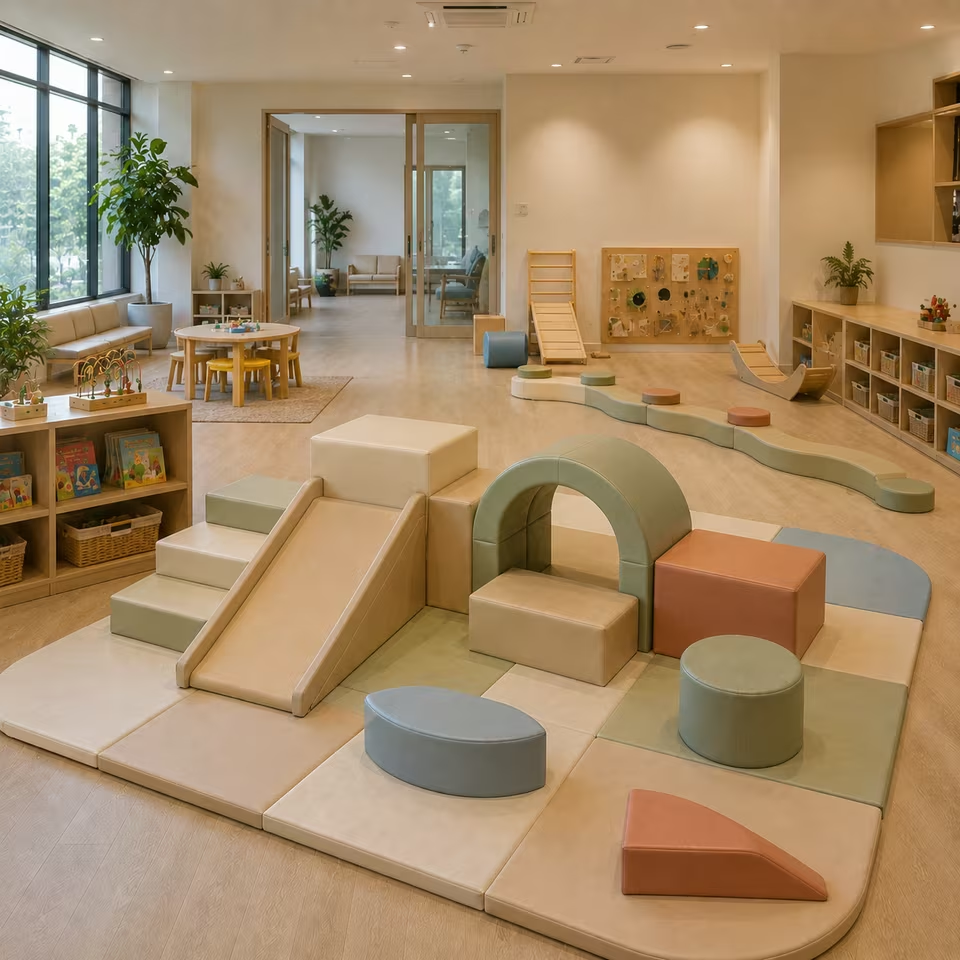
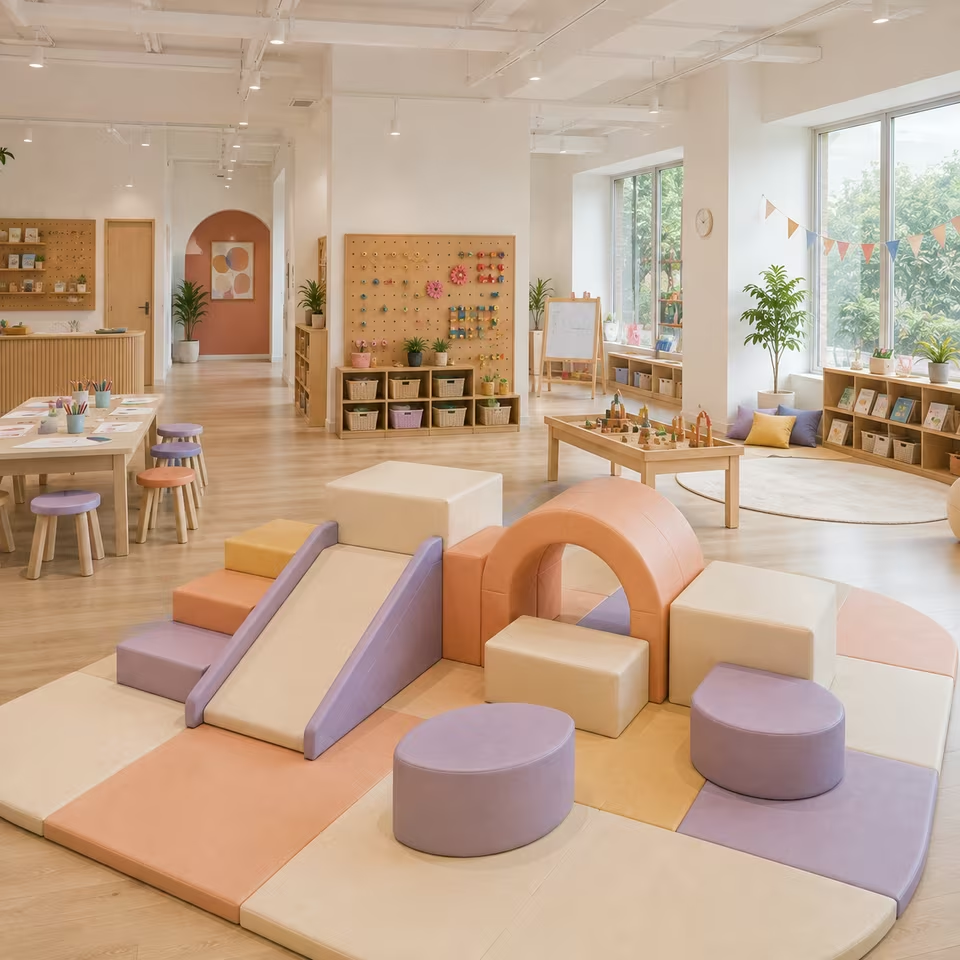
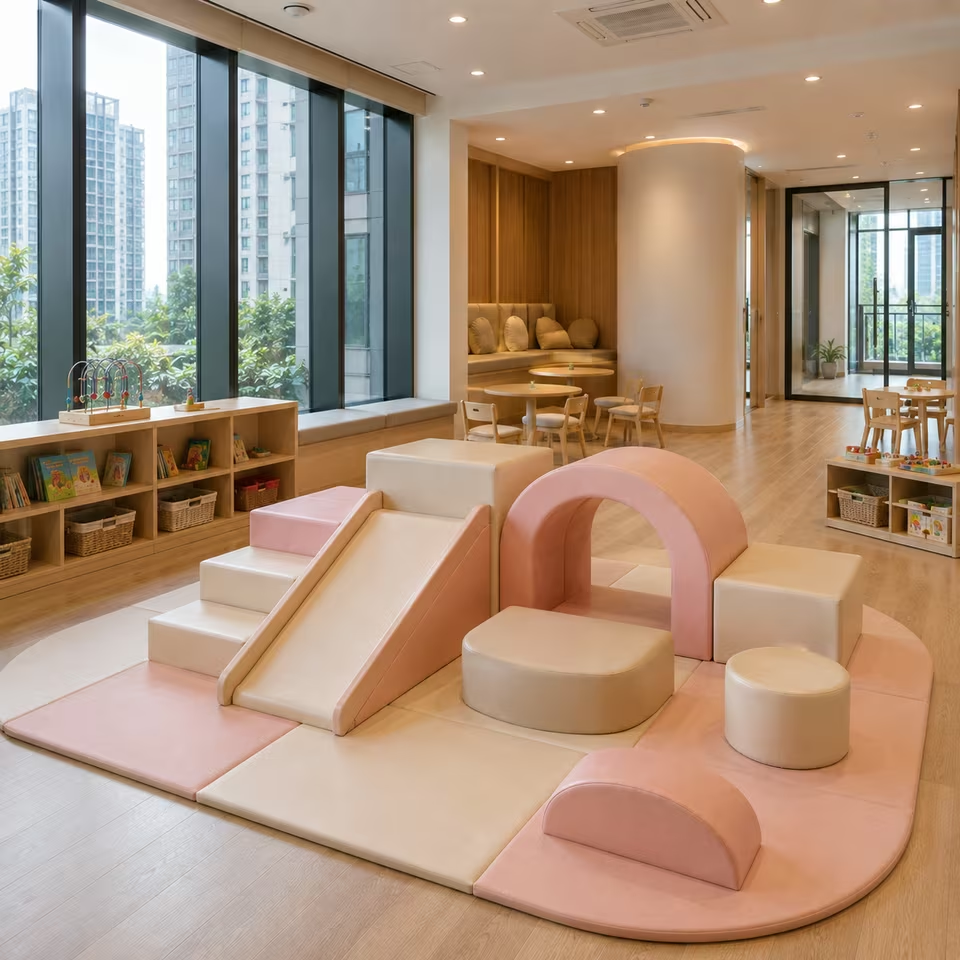
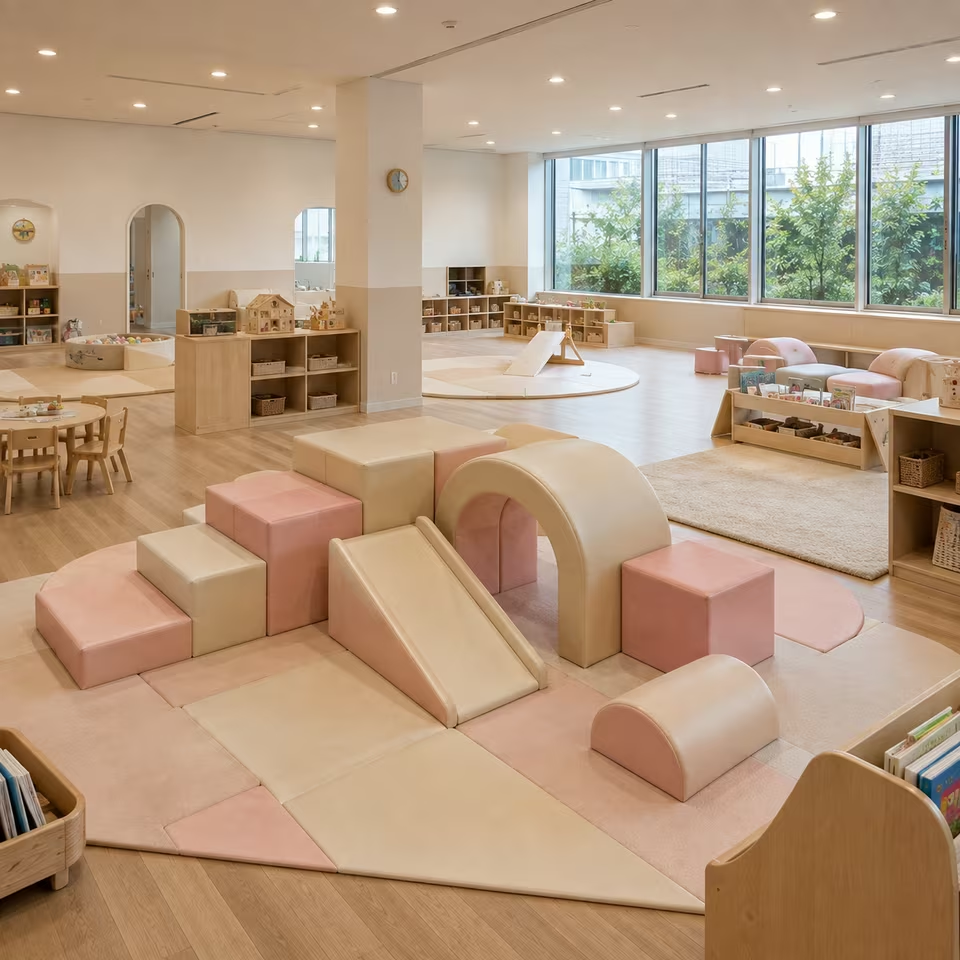
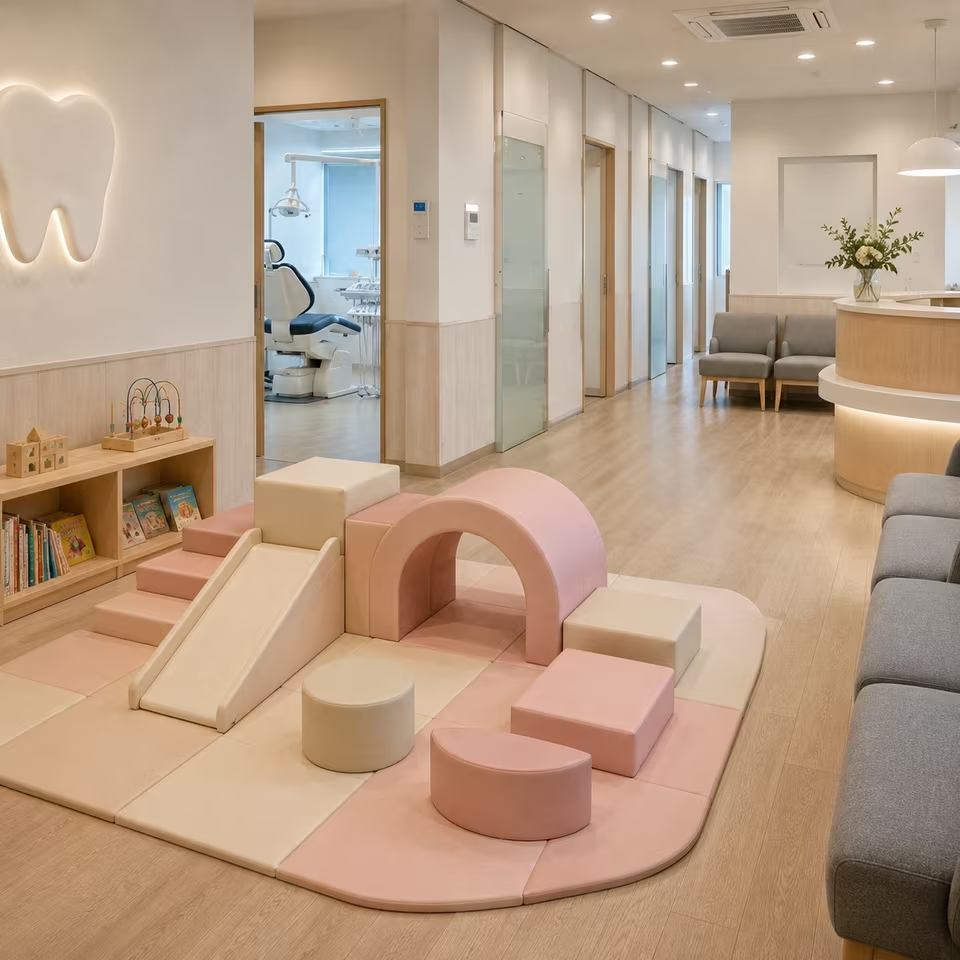
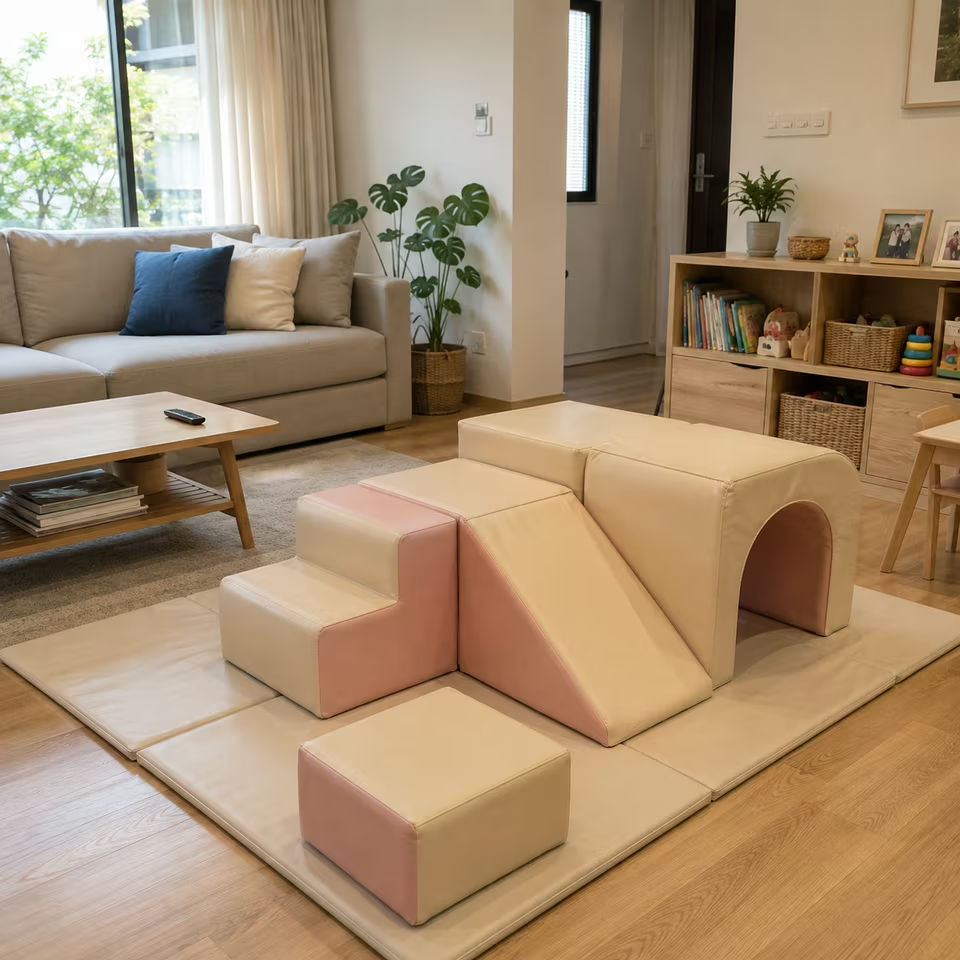
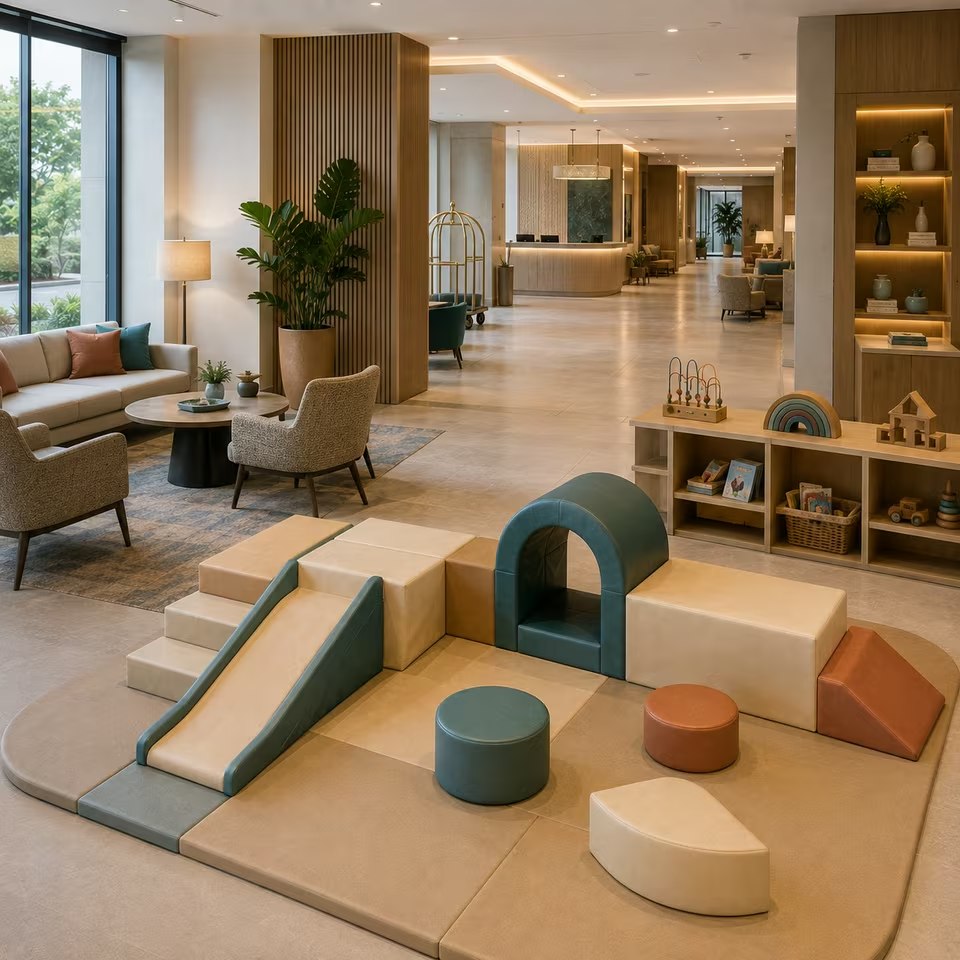
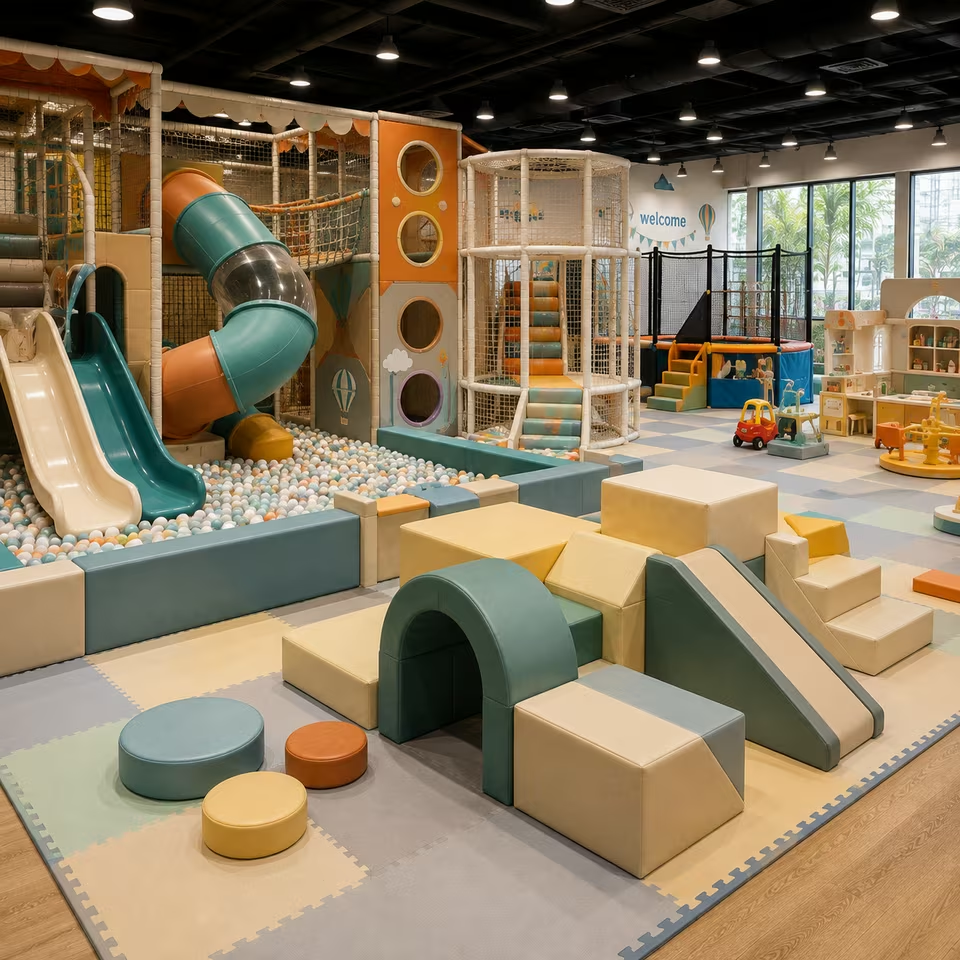
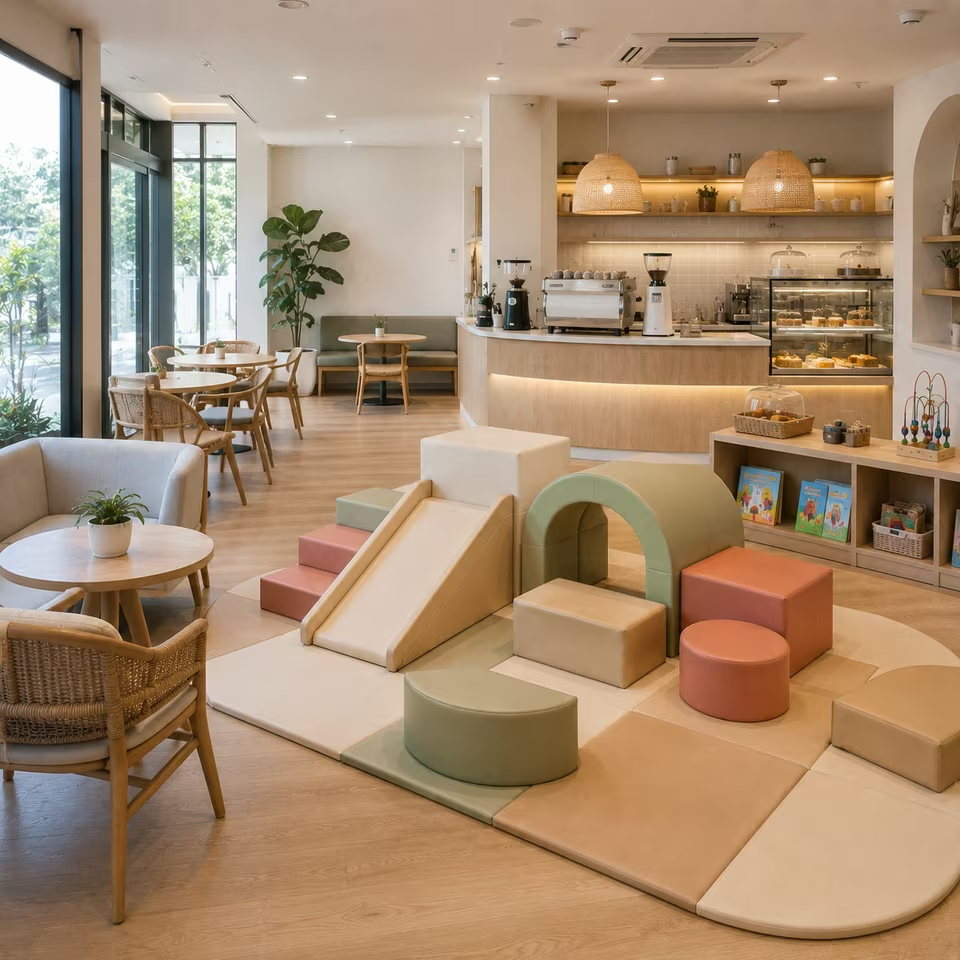
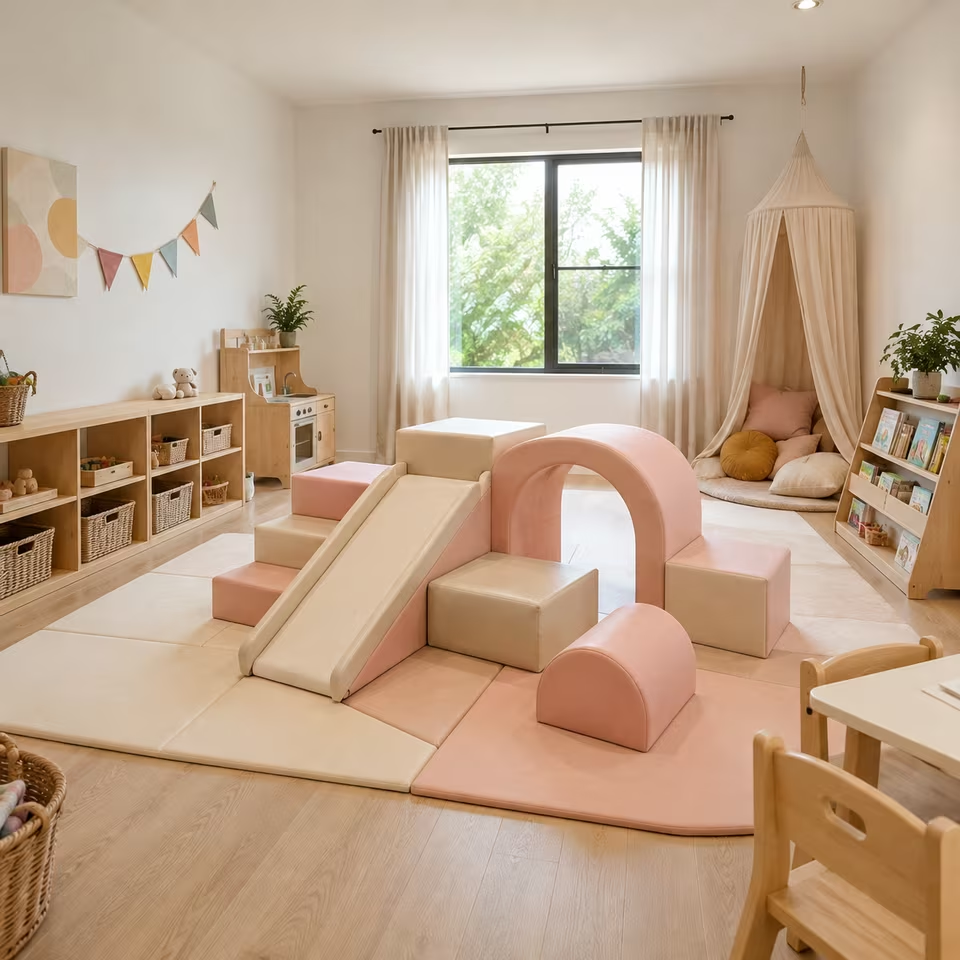
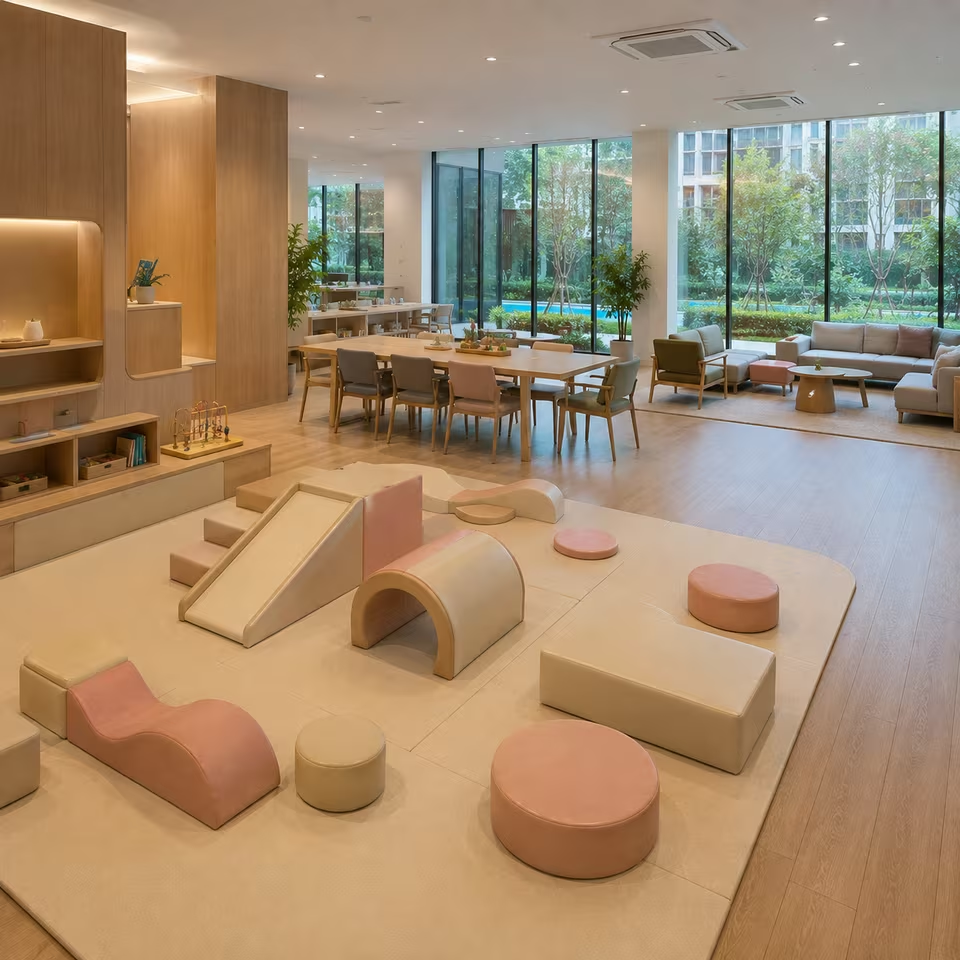
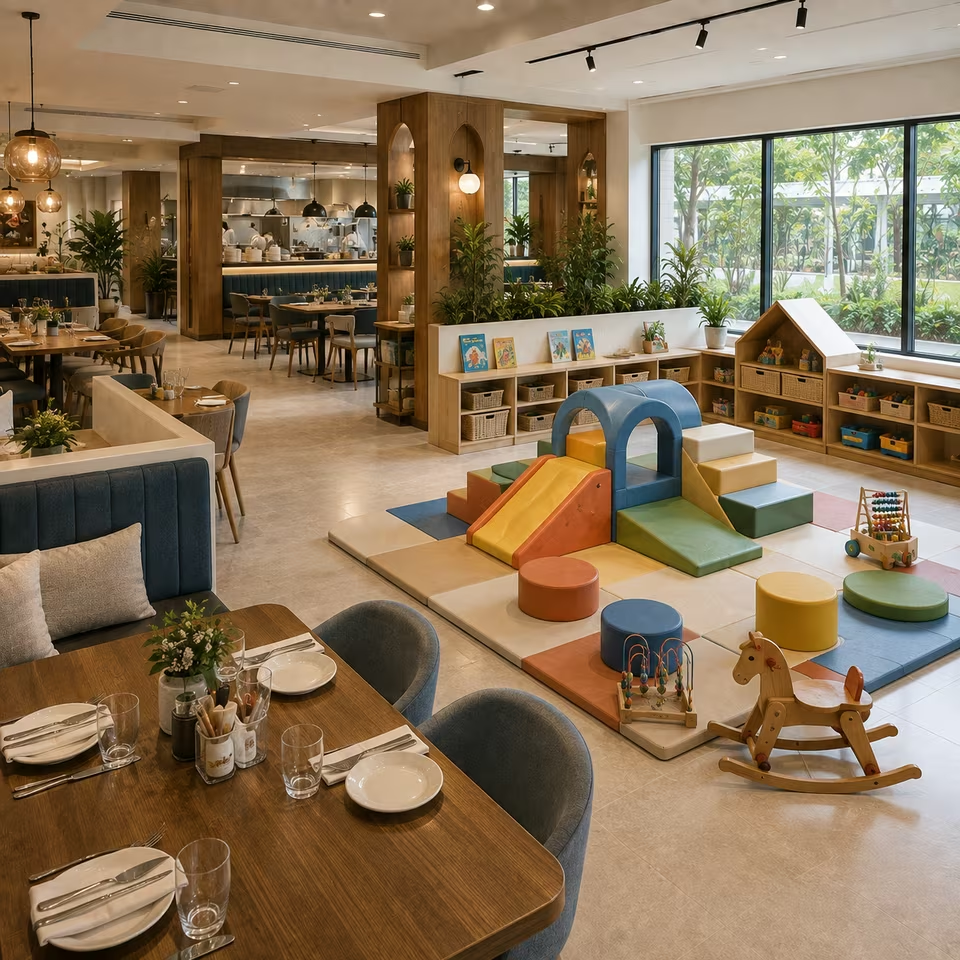
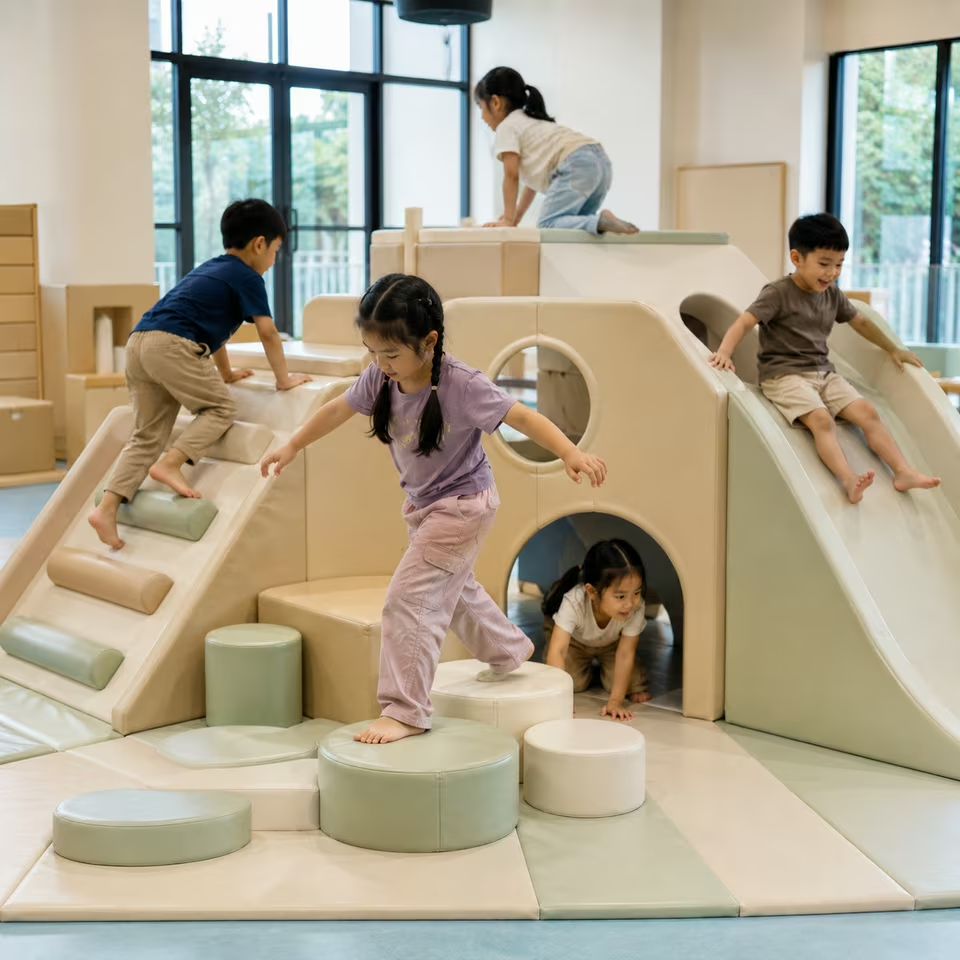
Coordination is the ability to organize multiple parts of the body into effective movement. Children use coordination when they combine looking, reaching, stepping, balancing, crawling, climbing, turning and changing direction within the same activity. Simple movements may require only a few actions to work together, while more complex play can involve the eyes, arms, legs and trunk responding in a carefully timed sequence. Soft Play can create varied movement situations through steps, ramps, tunnels, platforms and climbing forms, giving children opportunities to adjust how different parts of the body work together as the environment changes. Coordination is closely connected with balance, gross motor control, bilateral coordination, body awareness and motor planning, but remains a broader developmental concept that describes how these movement elements are organized into purposeful action.
Coordination development is the growing ability to organize different parts of the body so they can work together with appropriate timing, sequence and control during movement.
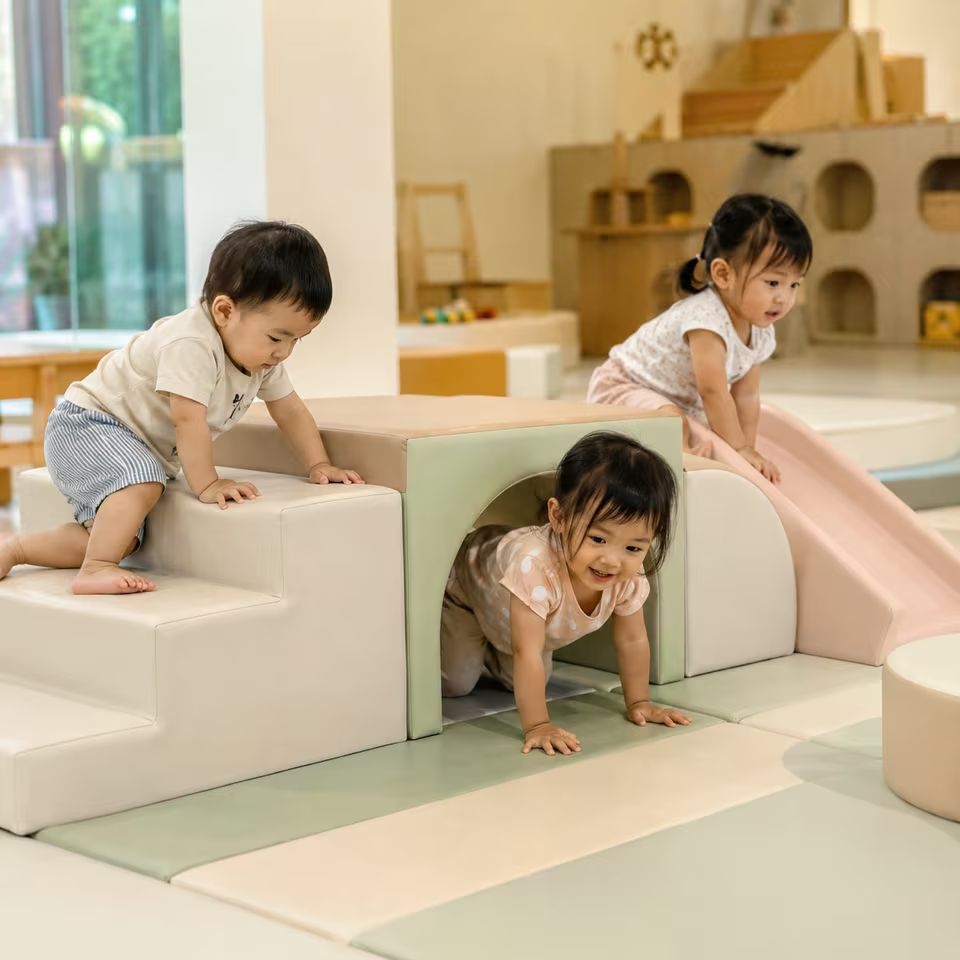
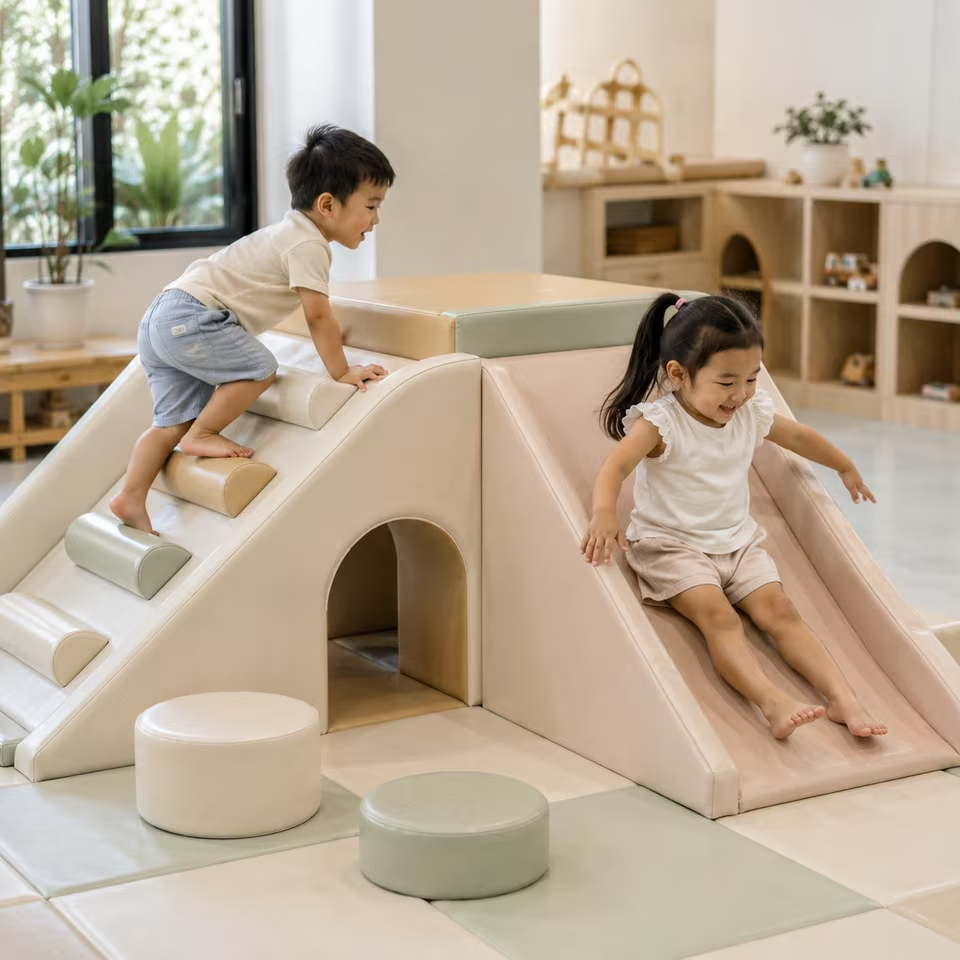
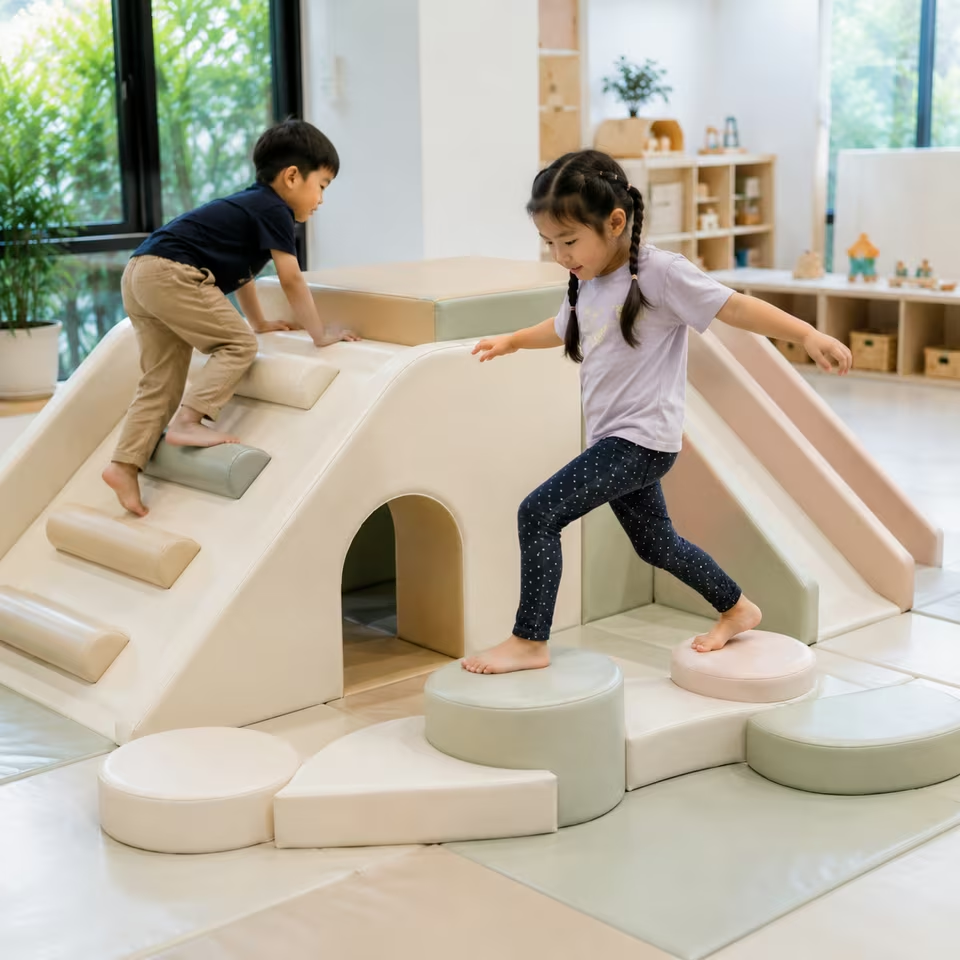
Soft Play can create movement sequences involving crawling, stepping, climbing, turning and transitions between surfaces. These situations give children opportunities to organize several movements within one activity.
Coordination is closely related to gross motor development, particularly when whole-body movements require the arms, legs and trunk to work together. Coordination can also apply to more specific movement tasks.
Coordination is the broader ability to organize different body parts and movement processes. Bilateral coordination is more specific and describes how the left and right sides of the body work together.
Balance provides stability while the body moves, while coordination helps organize the timing and relationship between different movements. Many activities require both at the same time.
Crawling, climbing, stepping, turning, reaching, changing direction and moving through a sequence of different surfaces can all involve coordination.
Yes. Climbing can require children to organize visual information, hand and foot placement, weight shifting, balance and the sequence of their movements.
Crawling requires the arms, legs and trunk to participate in an organized movement pattern, making it one of many active play experiences that involve coordination.
The challenge can be increased gradually by changing direction, spacing, height or the number of movement transitions. Appropriate difficulty depends on the individual child and the activity.