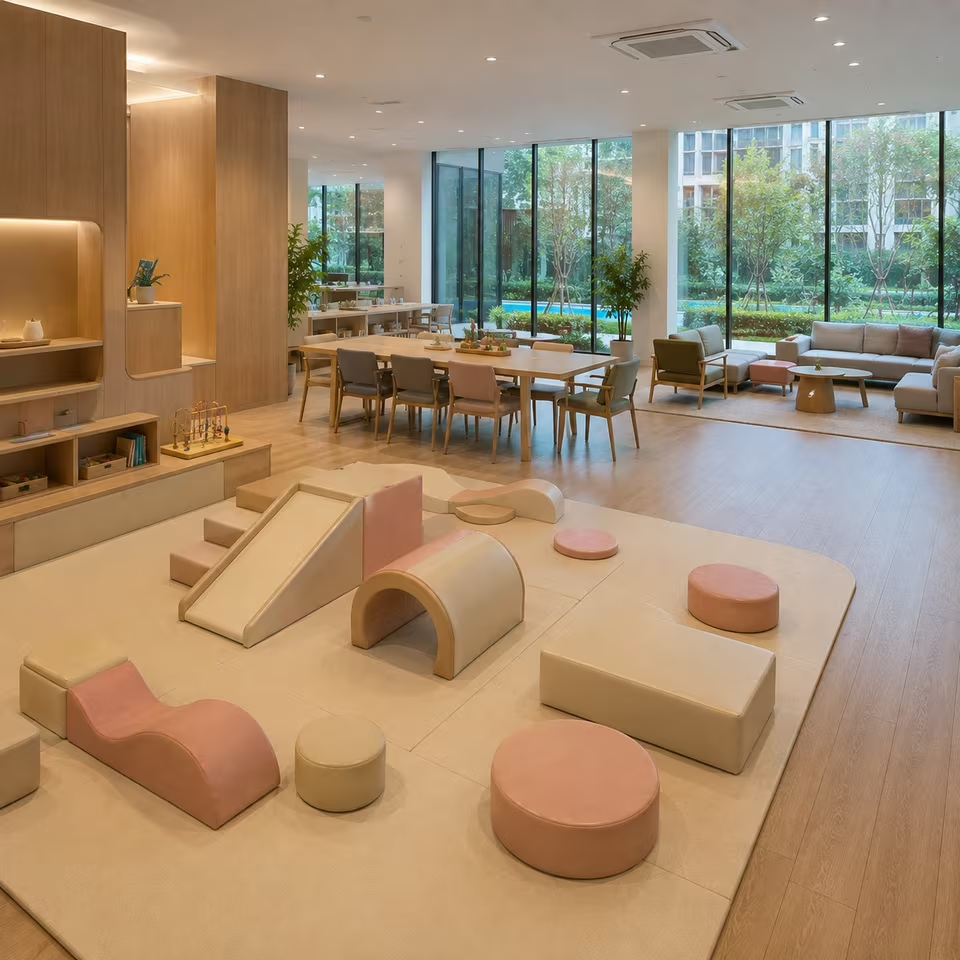
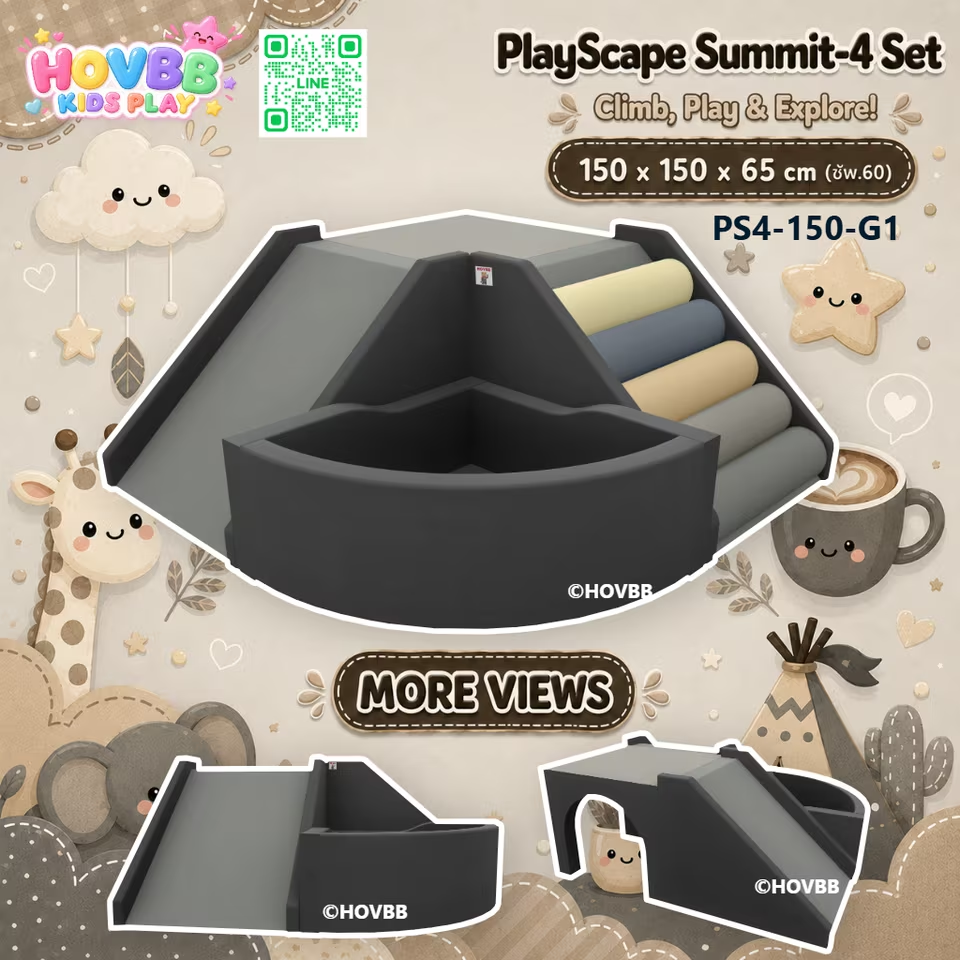
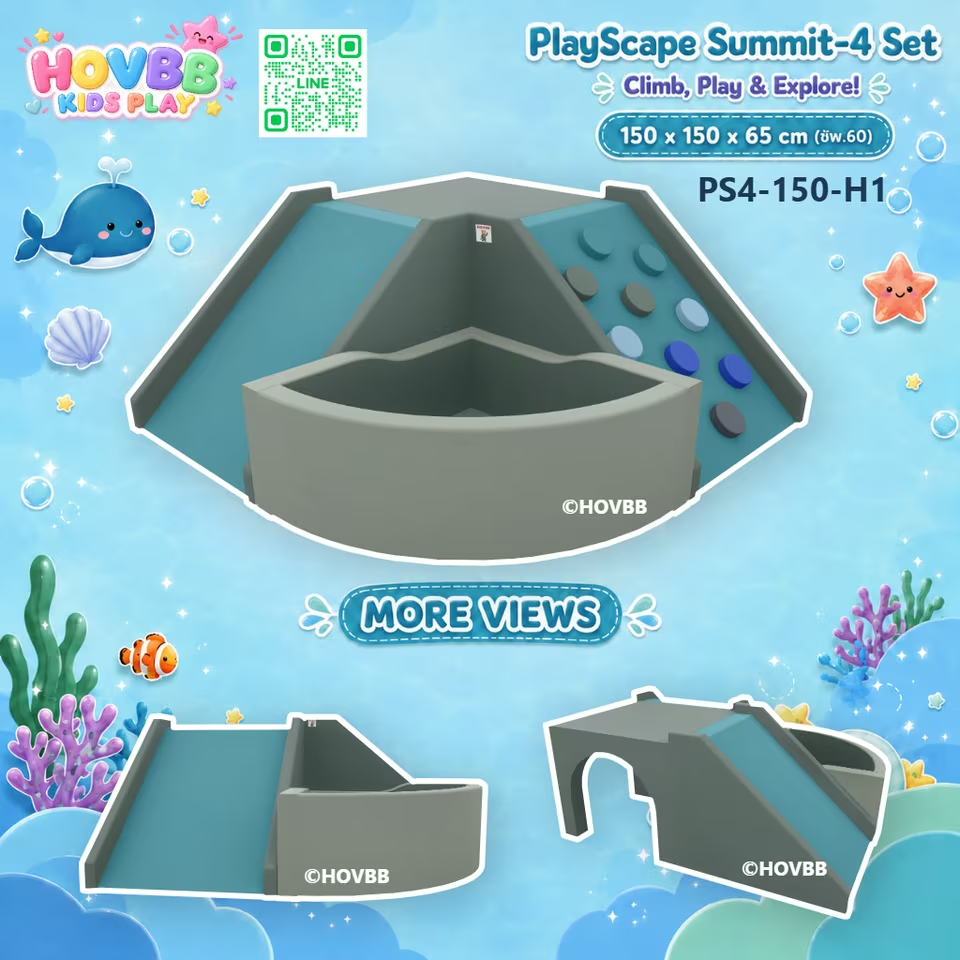
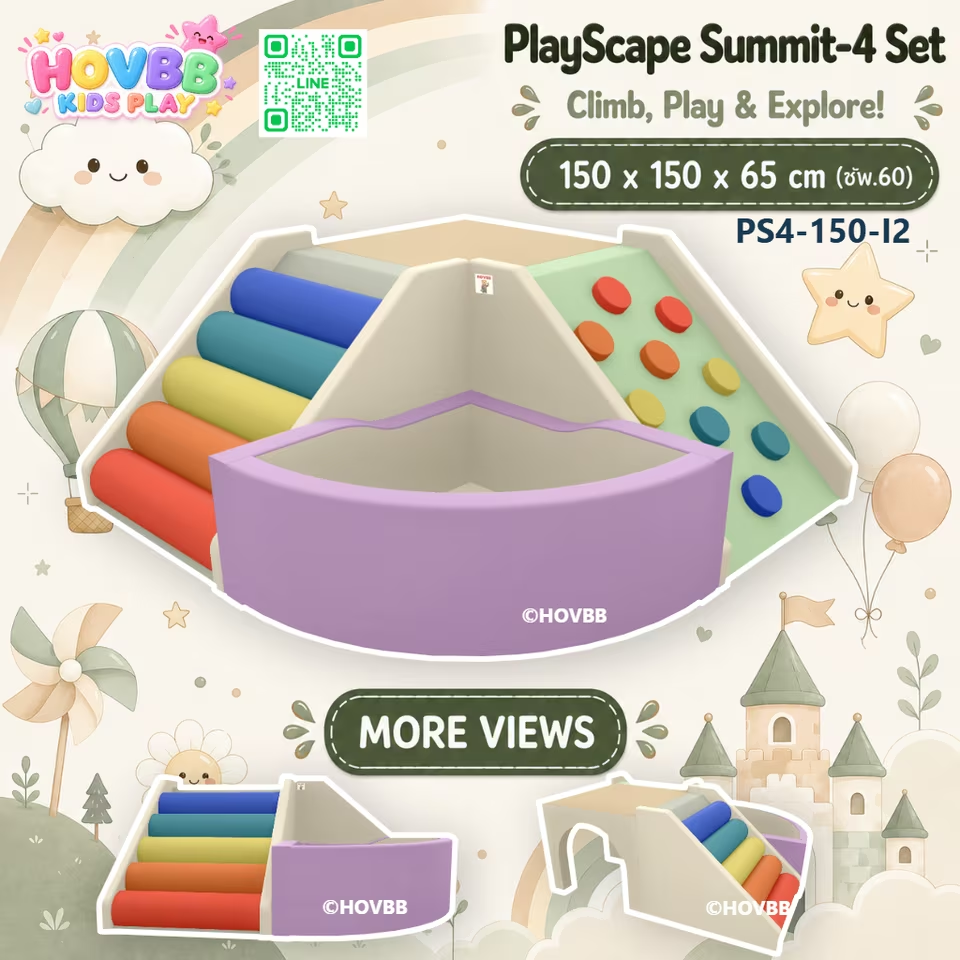
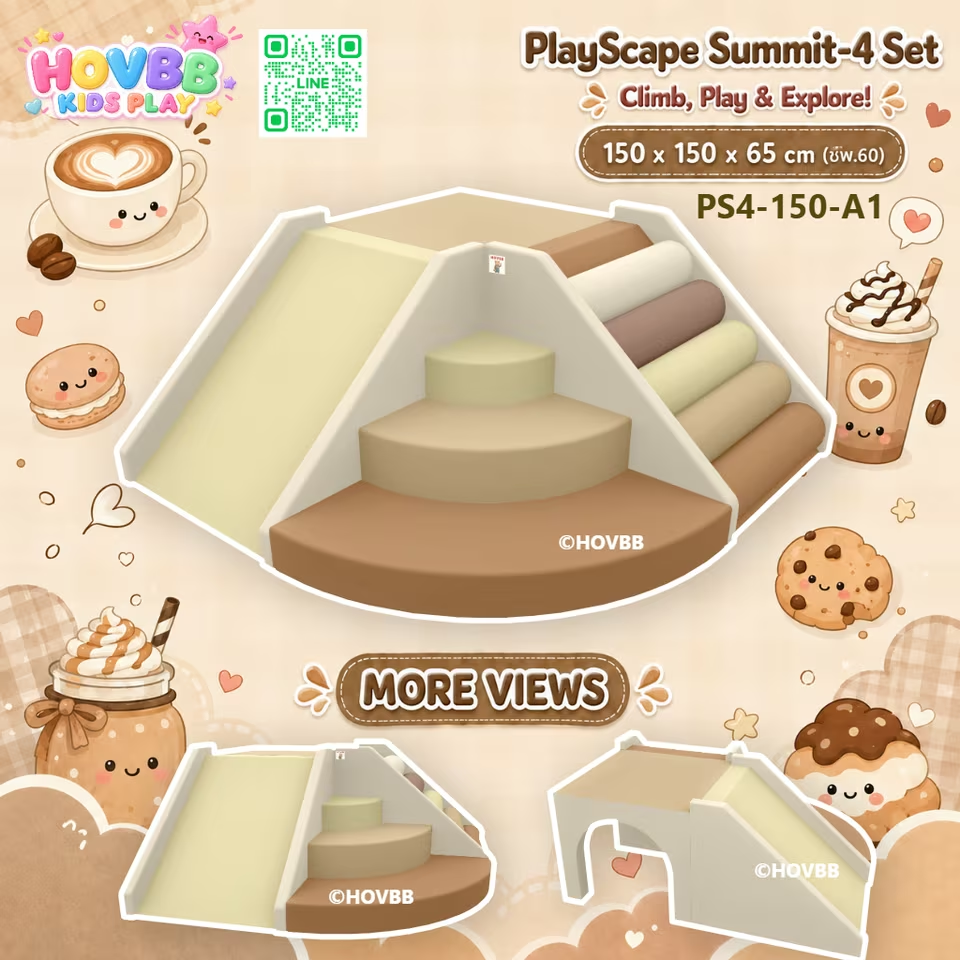
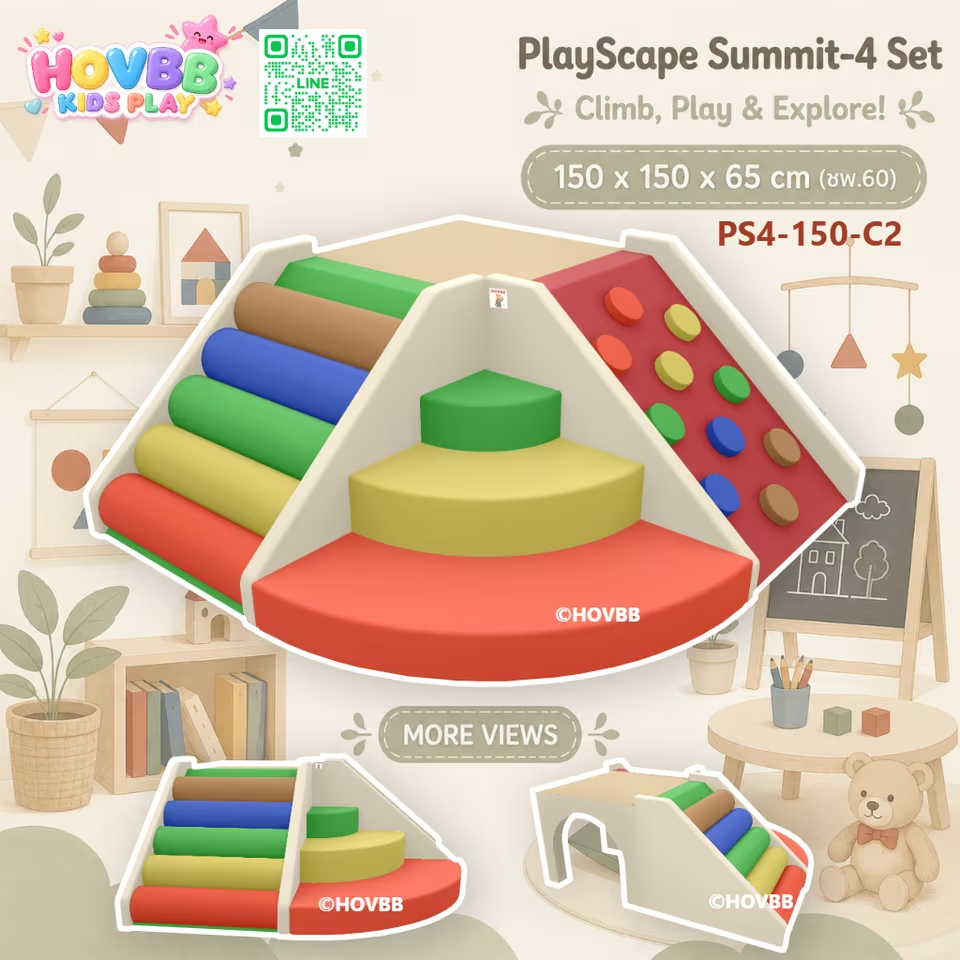
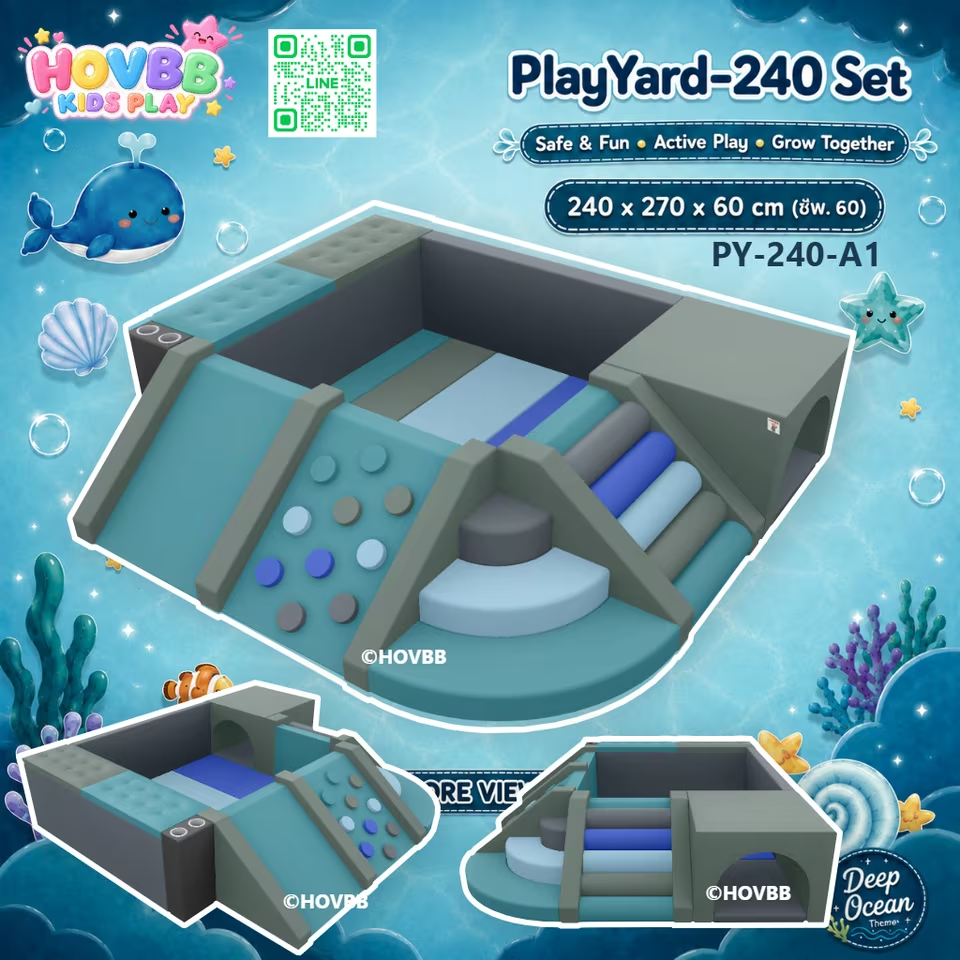
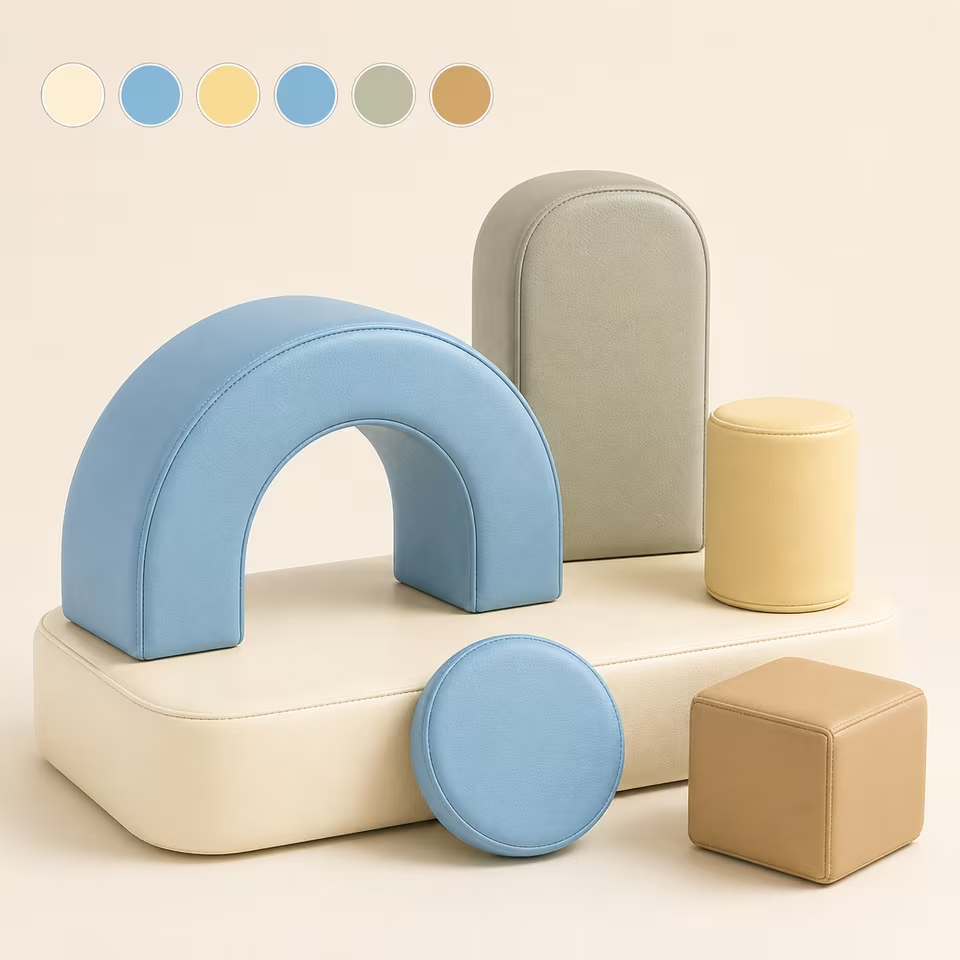
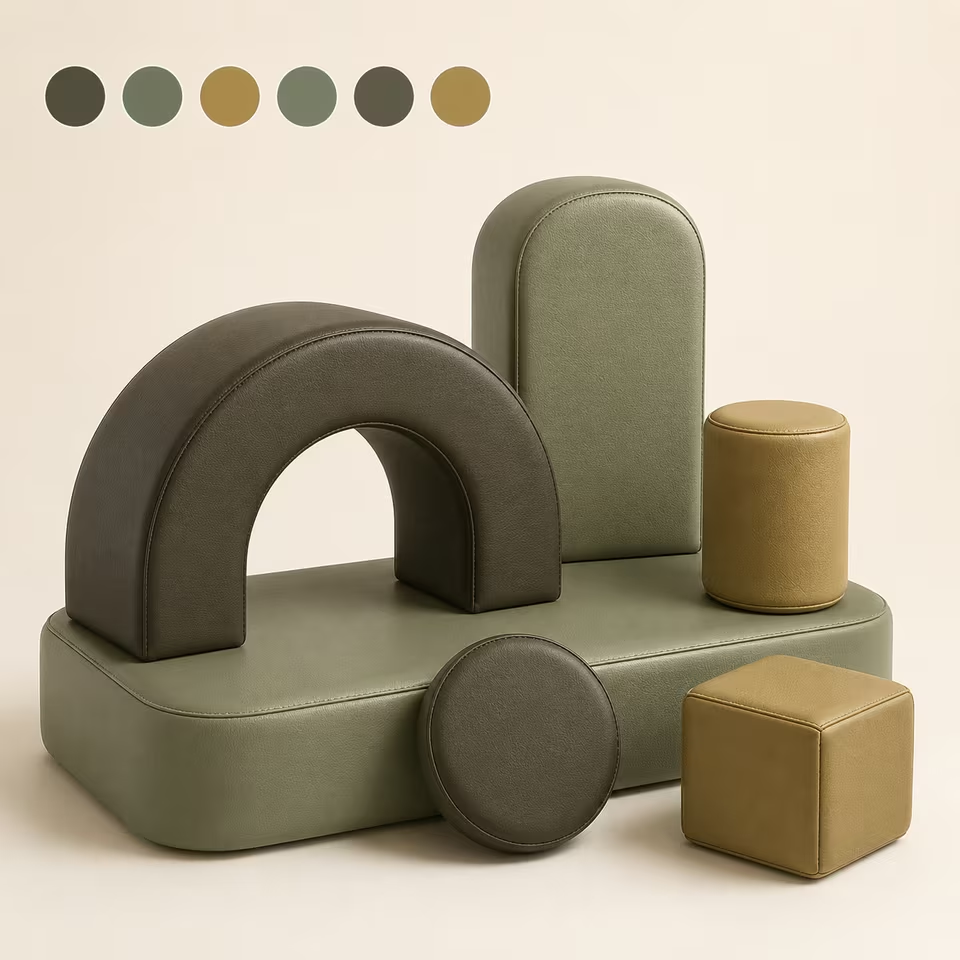
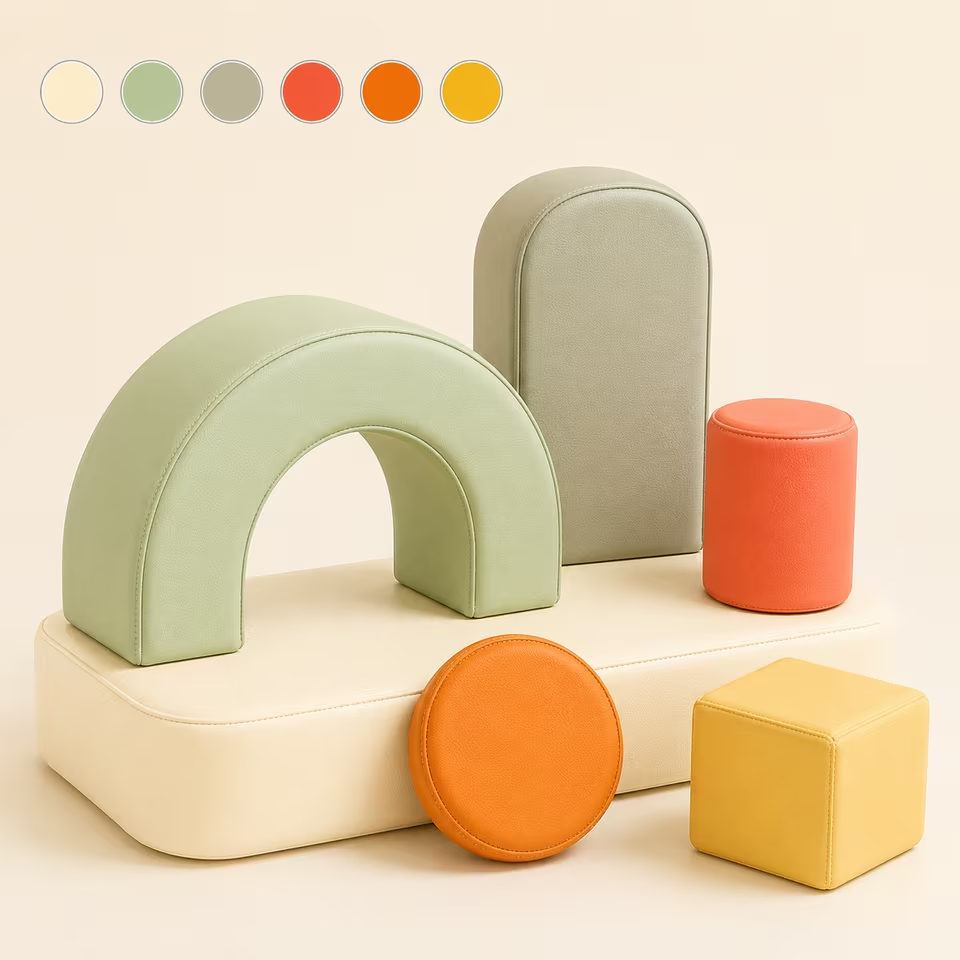
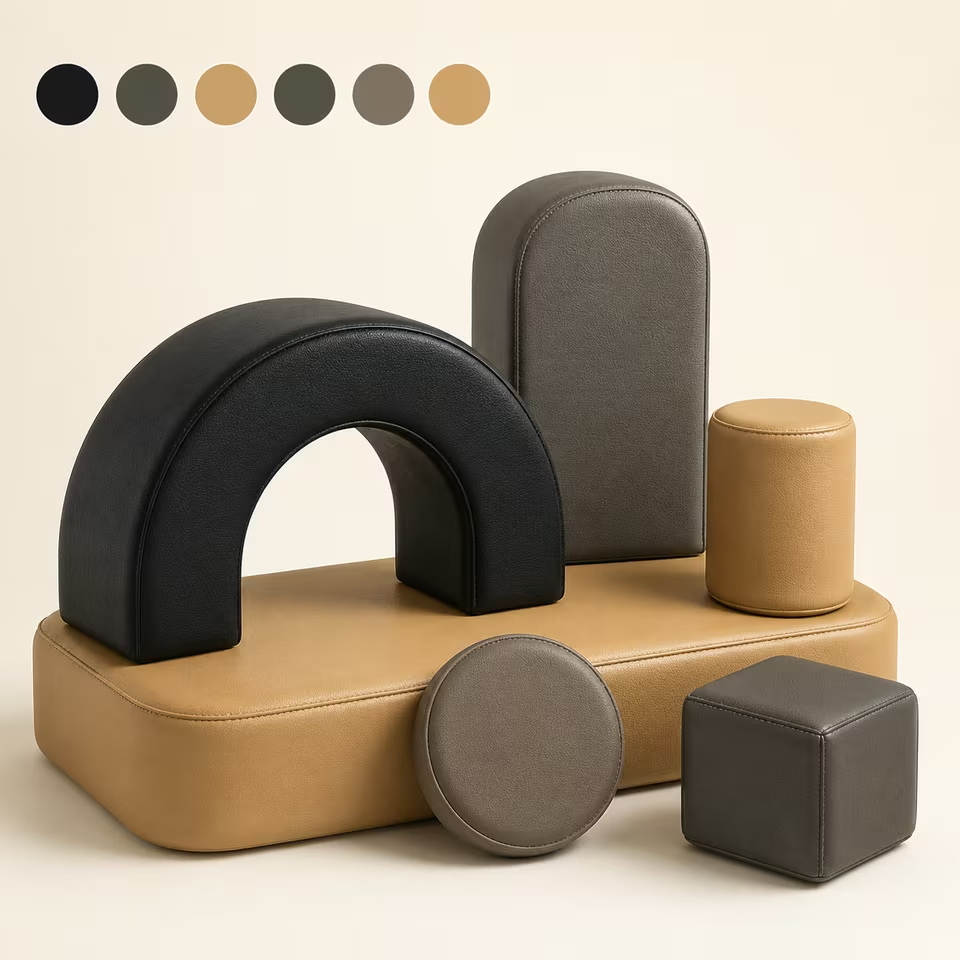
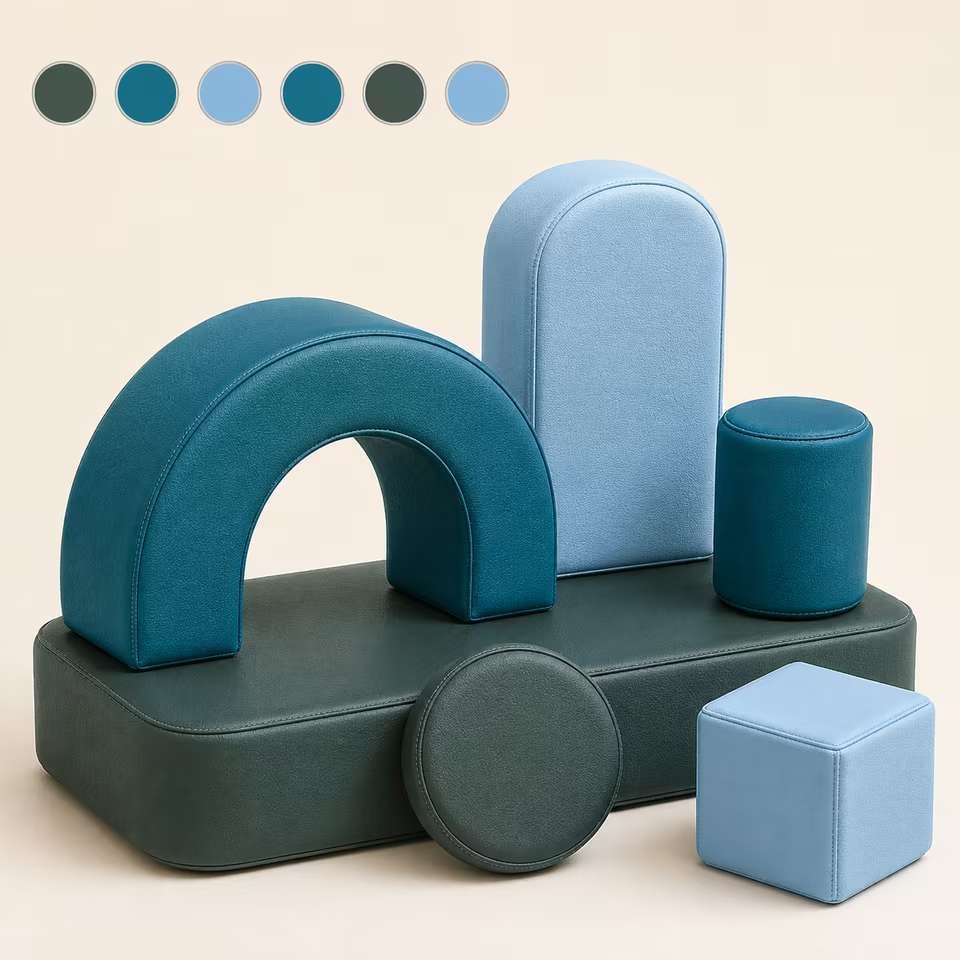
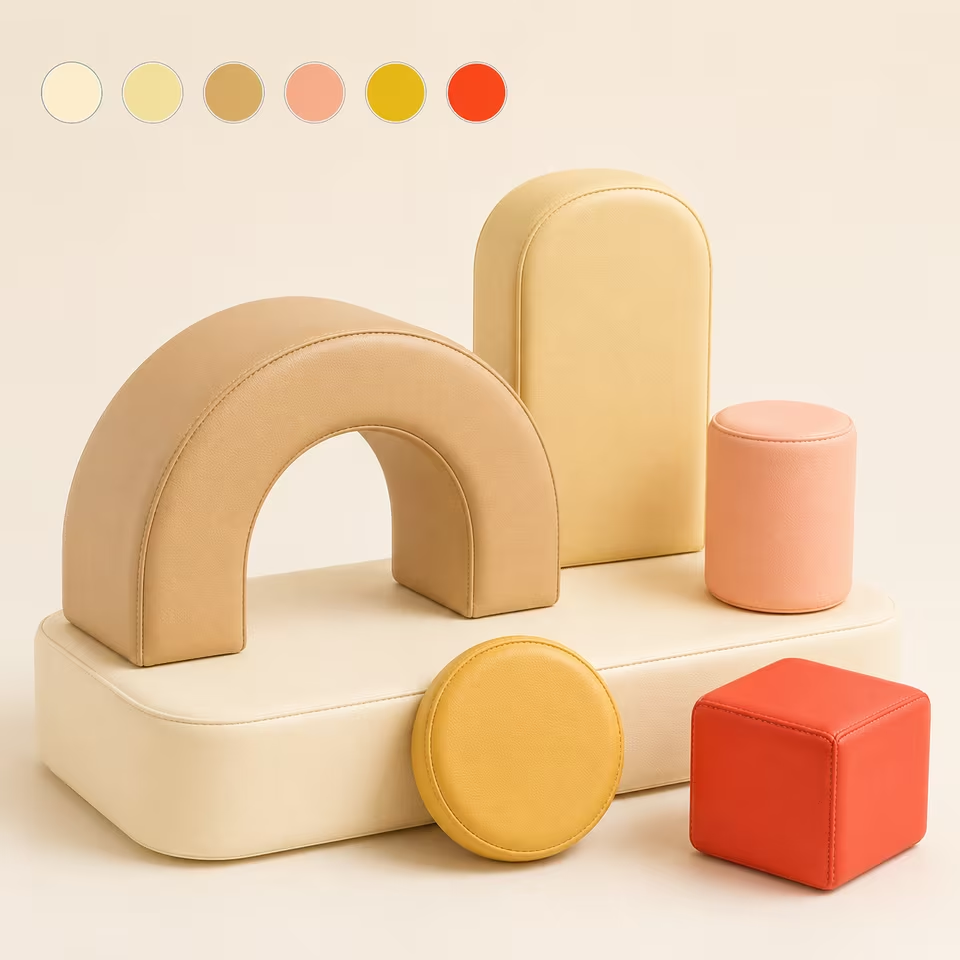
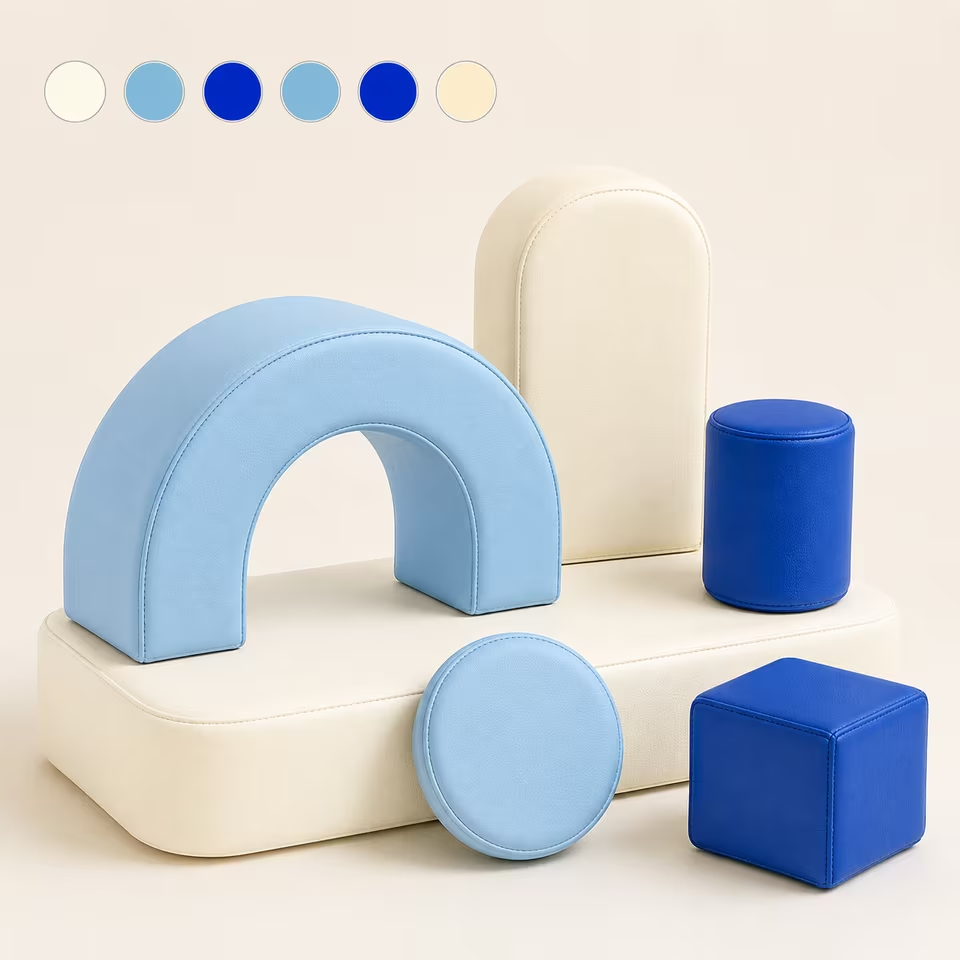
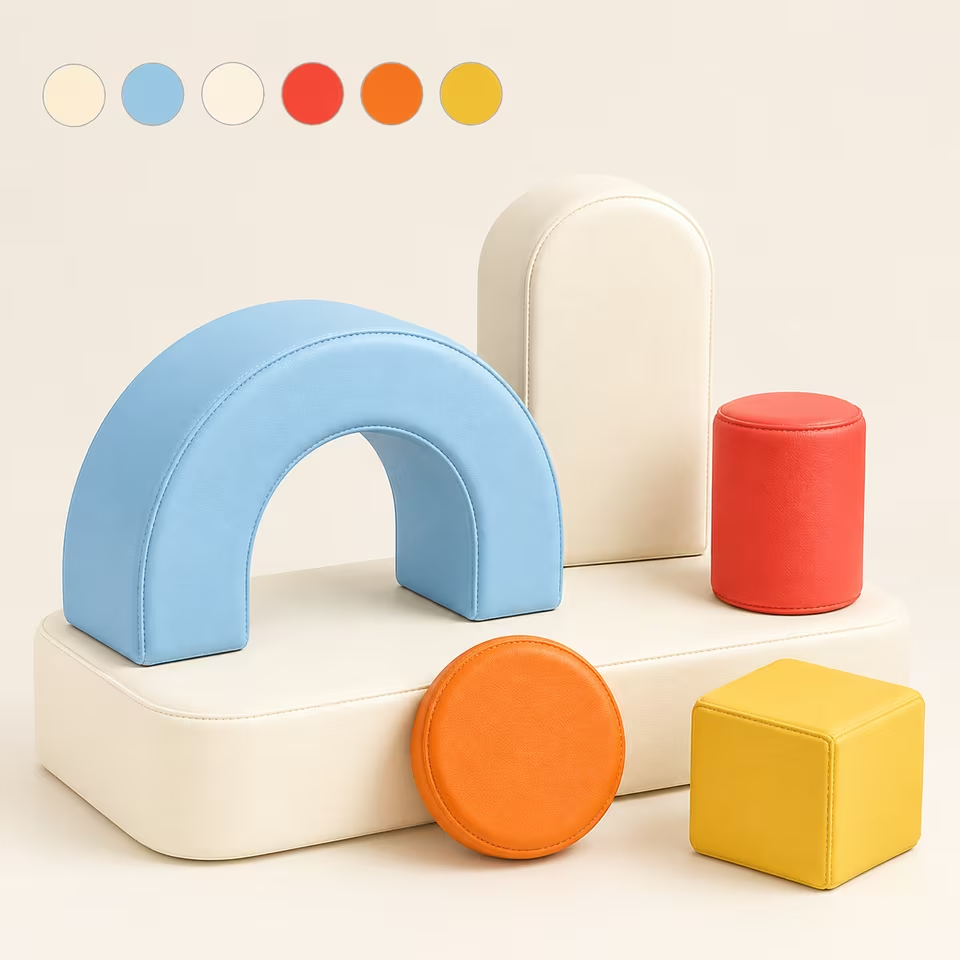
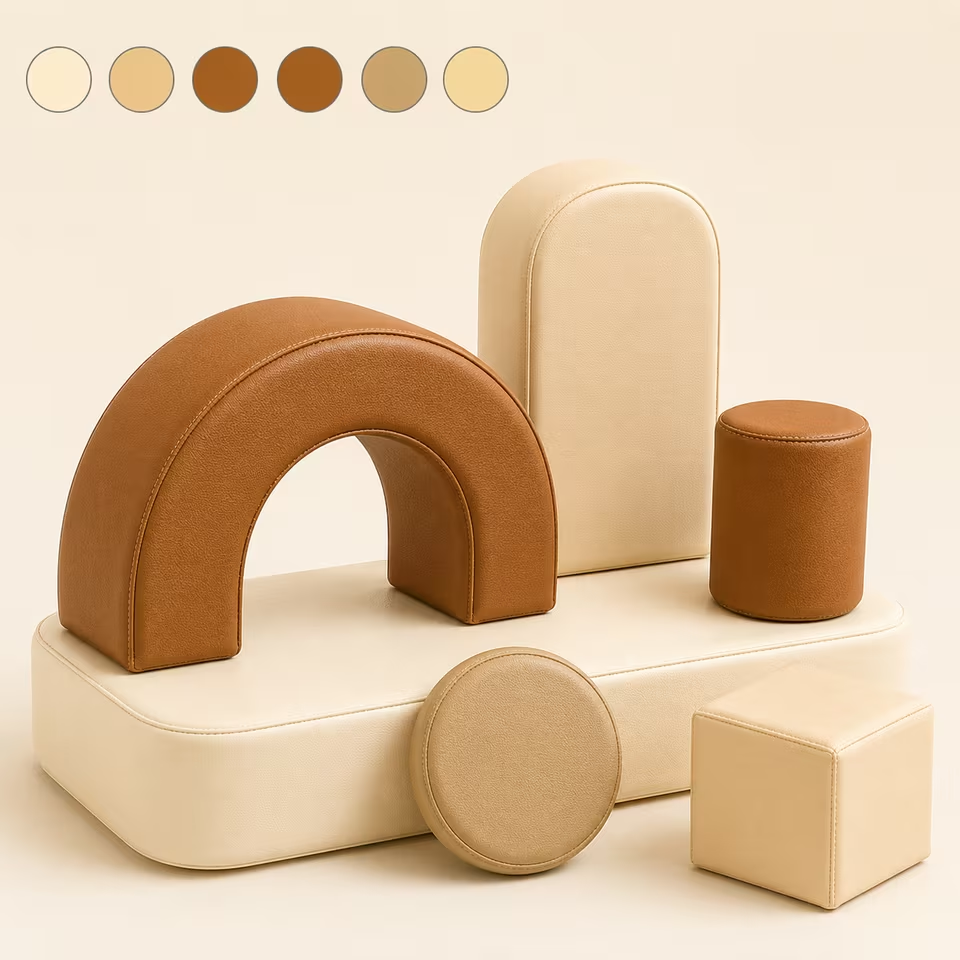
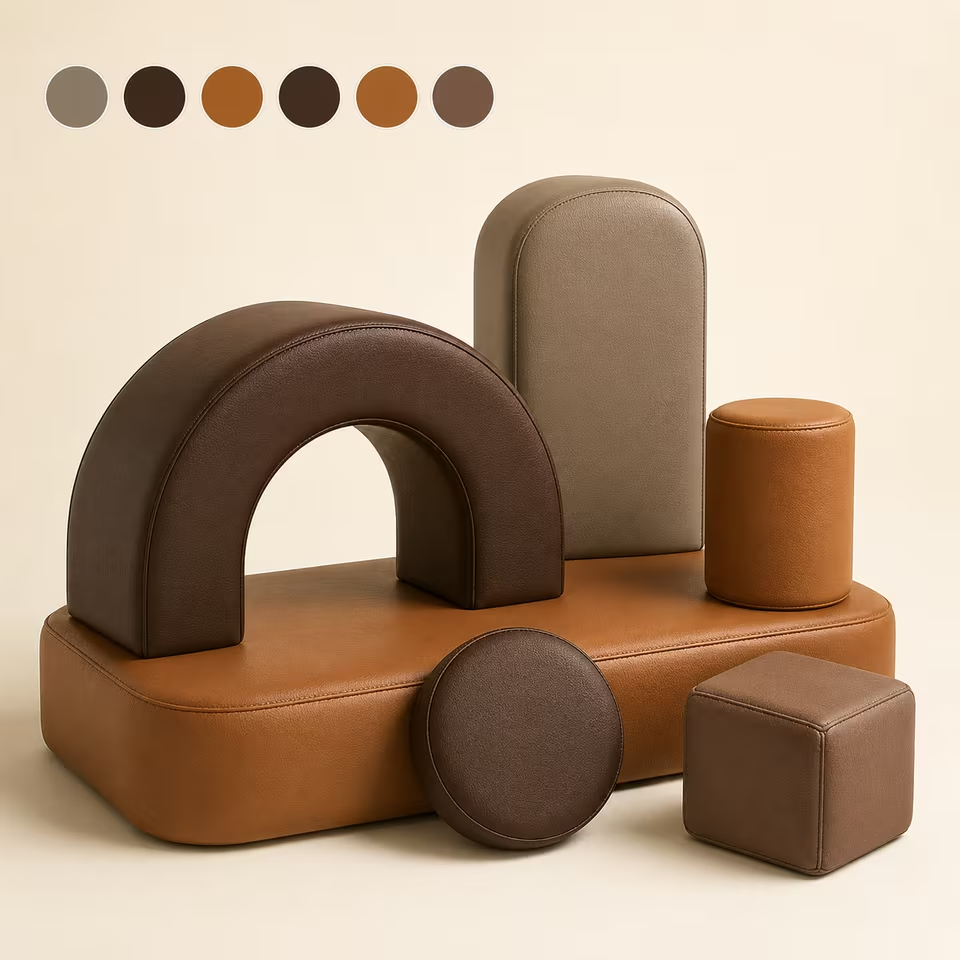
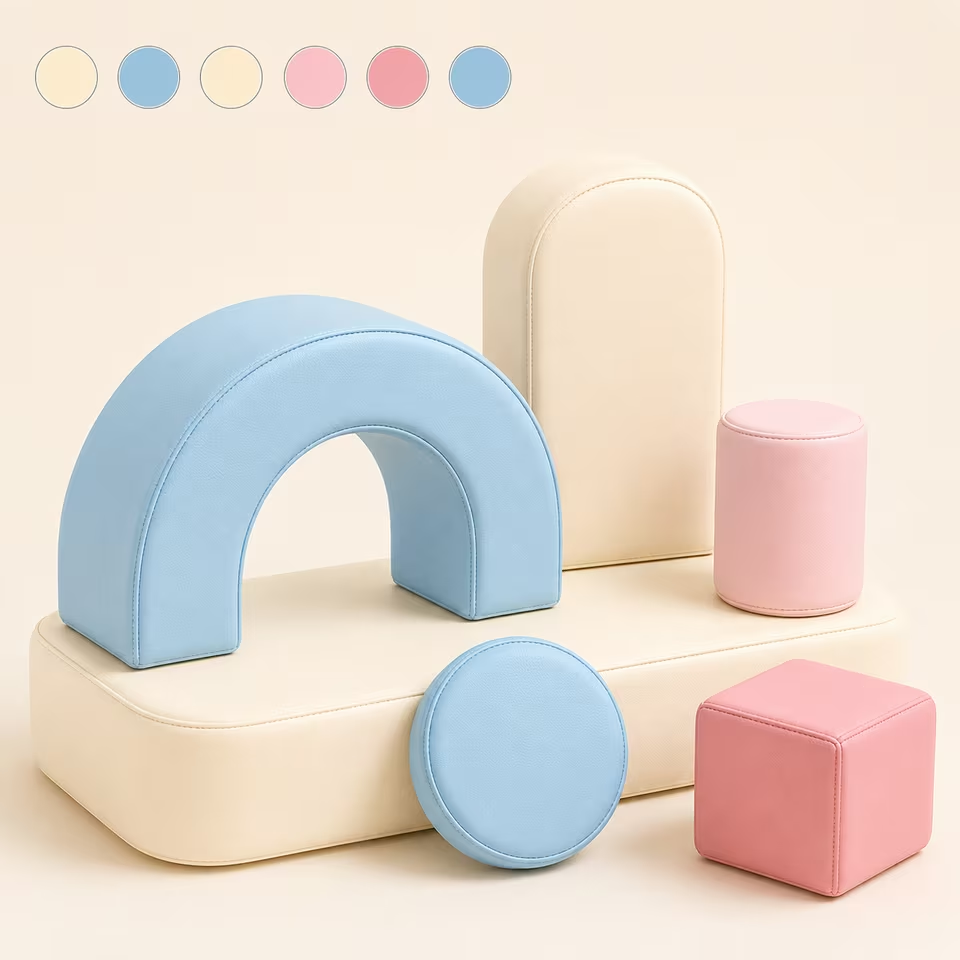
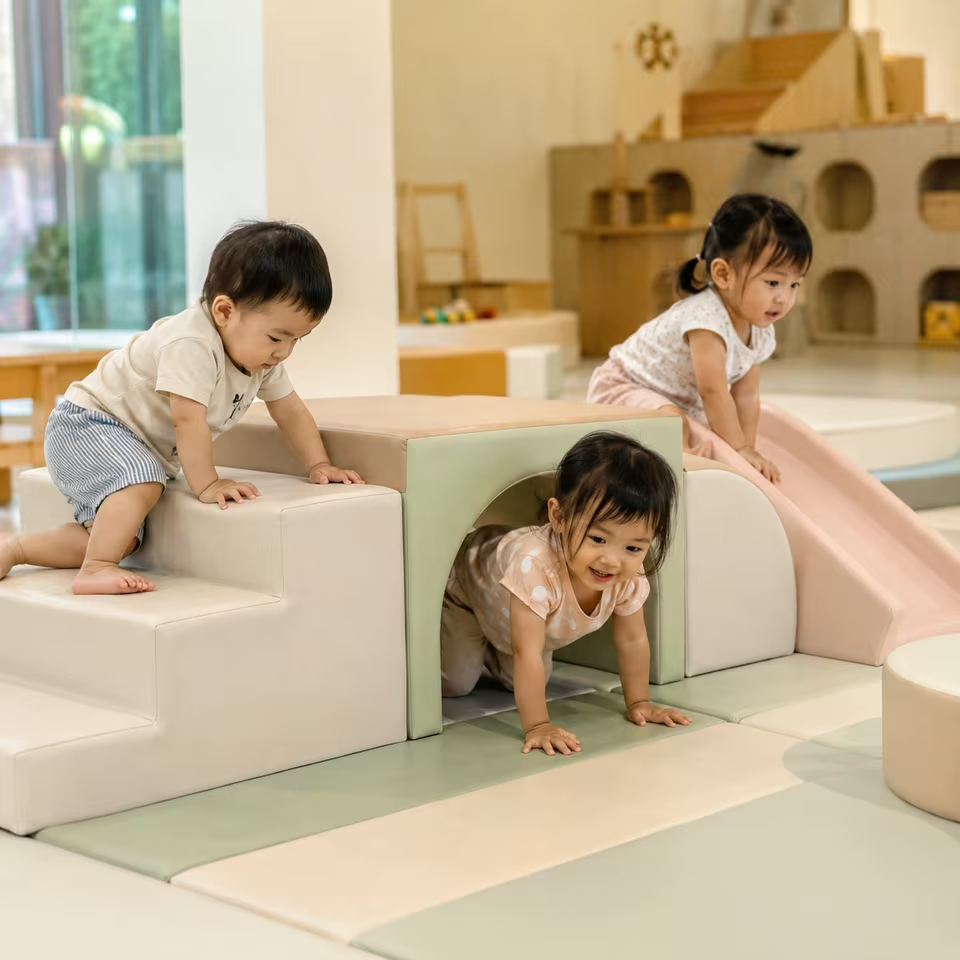
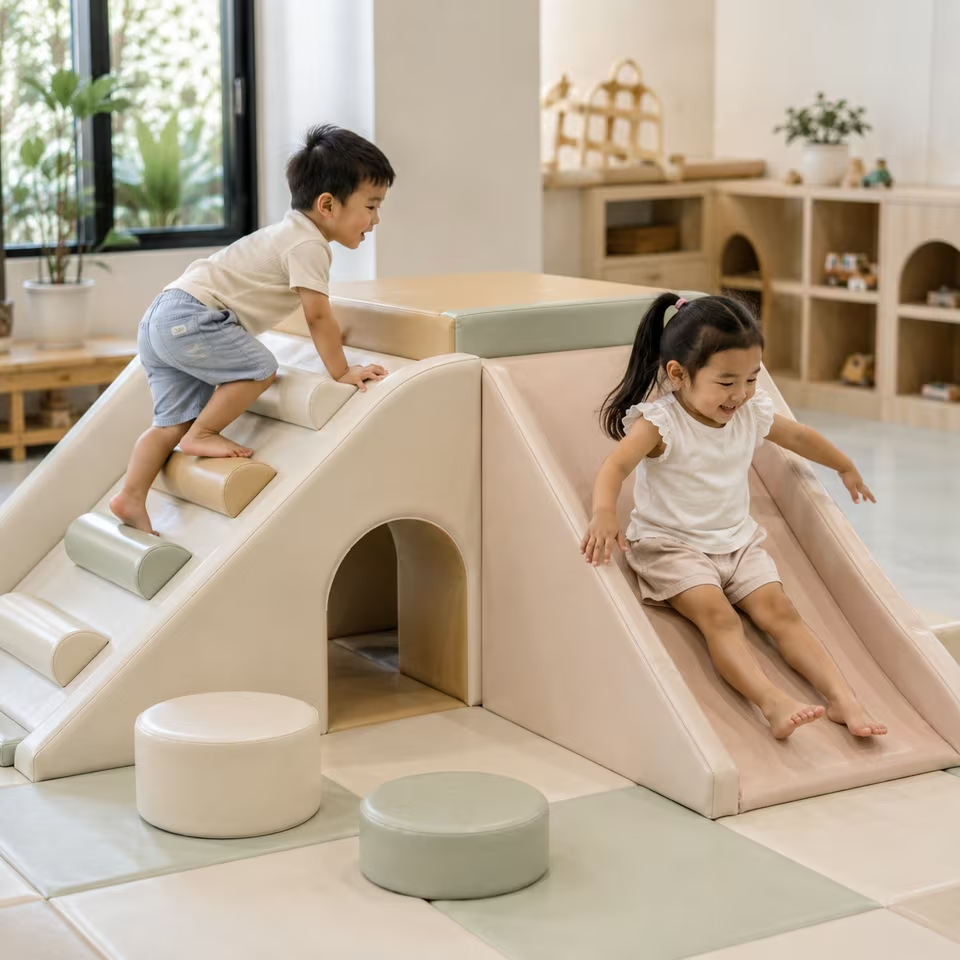
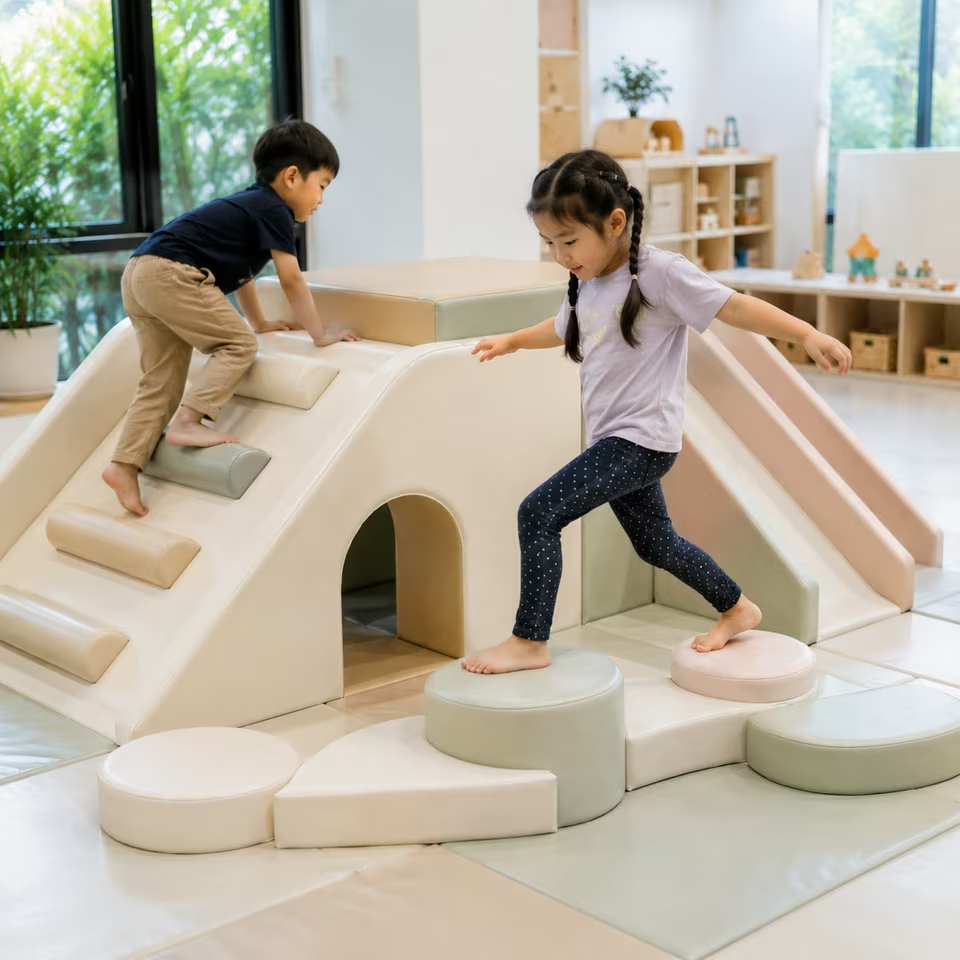
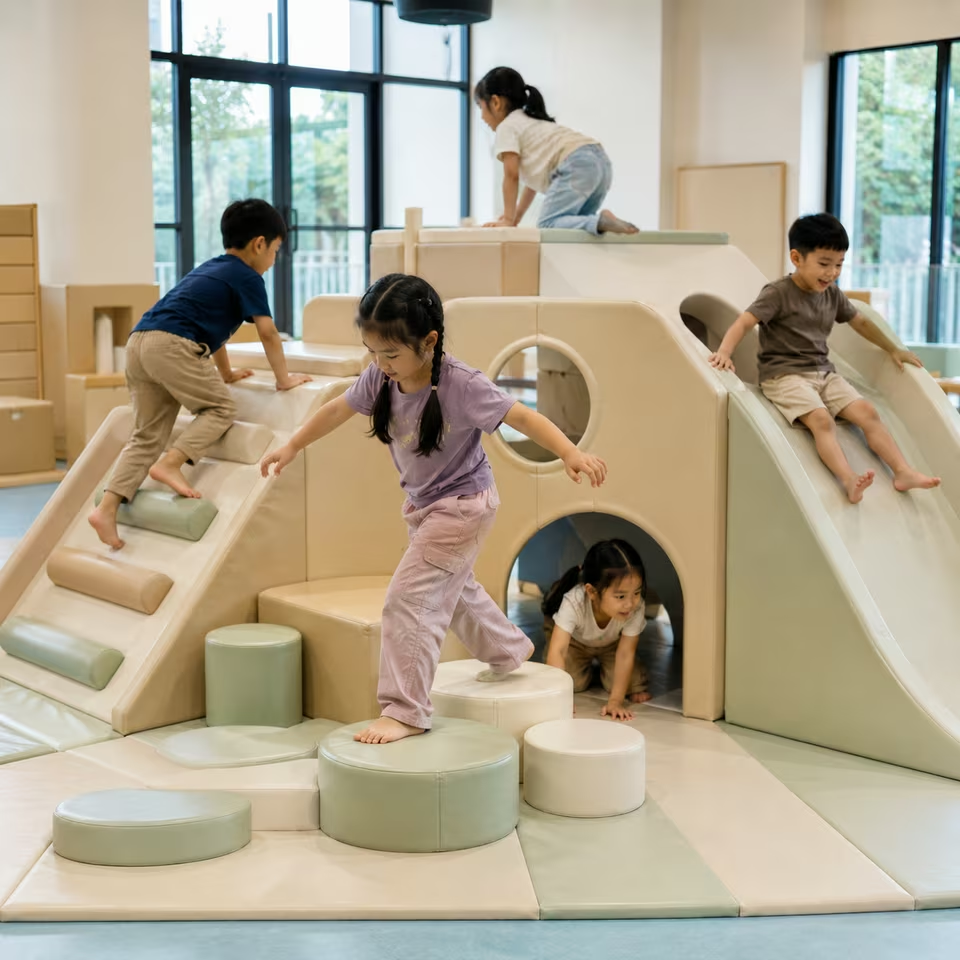
A shared residential community where a dedicated children's play area can become part of everyday neighborhood life.
A residential estate brings families together around shared facilities such as a clubhouse, community room or other common area. A thoughtfully planned children's play space can give younger residents a convenient place to move, explore and play with others close to home. Because the space may be used by different families throughout the day, the layout should support shared use, comfortable supervision and clear circulation while fitting naturally into the wider character of the community.
Highlights
Creates a shared play destination within the residential community
Encourages children to move, explore and play with neighbors
Adds family-friendly value to common facilities
Supports everyday use by multiple households
Creates opportunities for families and children to connect within the community
Plan for shared use by children from different households rather than around the routine of a single family.
Consider how many families may use the common area at the same time and how play fits alongside its other functions.
Provide a clear relationship between children's activity and nearby areas where accompanying adults can comfortably remain.
Keep the layout understandable and open enough for children and adults who may not be familiar with the space.
Consider frequent repeat use by residents when planning the variety and character of the play experience.
Include routine cleaning, inspection and general upkeep in the planning of a community-managed play area.
Placement Tips
Place the play area within a part of the shared facility that families can reach naturally without interfering with its primary circulation.
Maintain useful sightlines between the children's area and nearby seating or family gathering spaces.
Avoid positioning active play directly beside entrances, stairs, service routes or other high-traffic transitions.
Leave enough space around the play zone for families arriving, leaving and moving between nearby community facilities.
Use the play area to create a recognizable family zone while preserving the flexibility of surrounding common space.
Consider how the location will be accessed for routine cleaning, inspection and maintenance.
FAQ
Where can soft play be used in a residential estate?
Soft play can be integrated into shared indoor facilities such as clubhouses, community rooms or other family-oriented common areas. The most suitable location depends on how residents already use and move through the facility.
What should be considered when planning a shared children's play area?
Unlike play at home, a community play area may be used by children from several households at the same time. Planning should consider shared use, circulation, visibility from nearby adult areas and how the space will be managed throughout the day.
How can a play area support a residential community?
A convenient shared play area gives children a place to spend time with neighbors while accompanying adults can also meet and interact nearby. This can make a common facility more useful for everyday family life within the community.
Where should adults be able to sit in relation to the play area?
Nearby seating or gathering areas should ideally maintain a comfortable visual connection with children's activity. Adults do not necessarily need to sit directly beside the play equipment, but the relationship between the two areas should be easy to understand.
How should a community play area be planned for regular use?
The layout should consider repeated use by different residents as well as routine cleaning, inspection and maintenance. Keeping circulation clear and the play area accessible can make everyday management more practical.