Entity Detail

Climb Up & Down

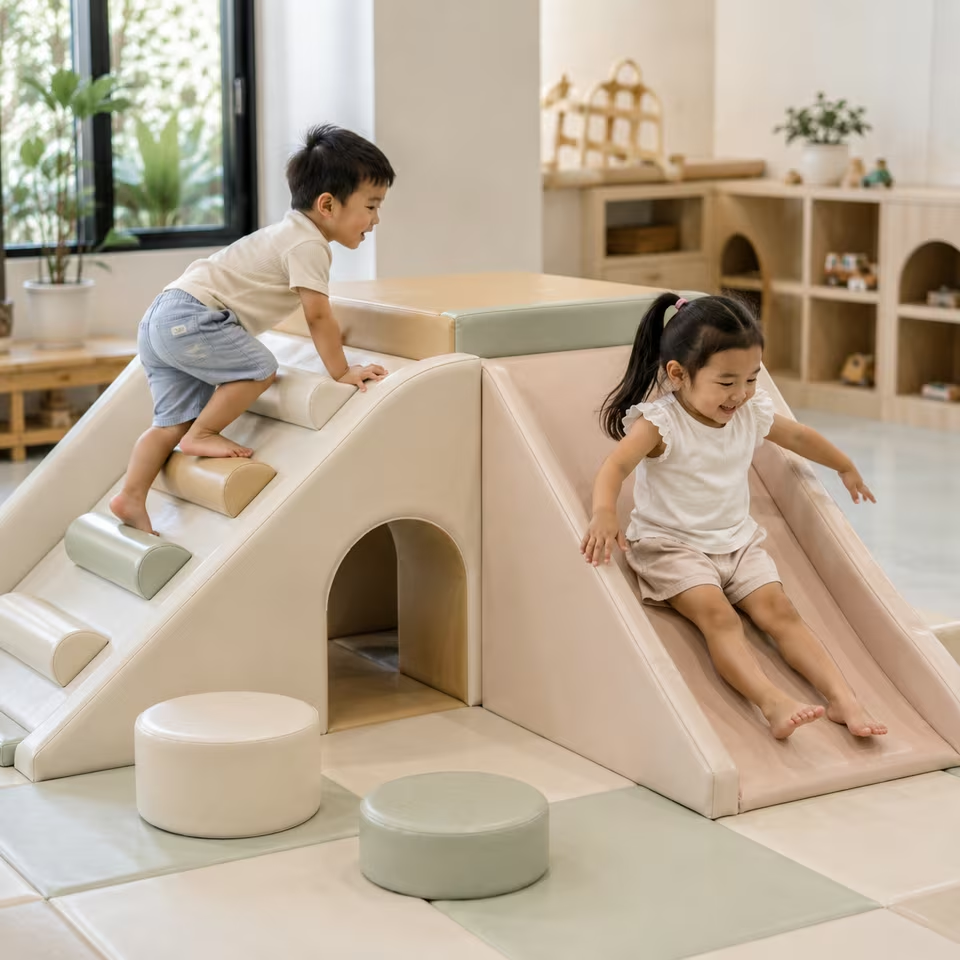
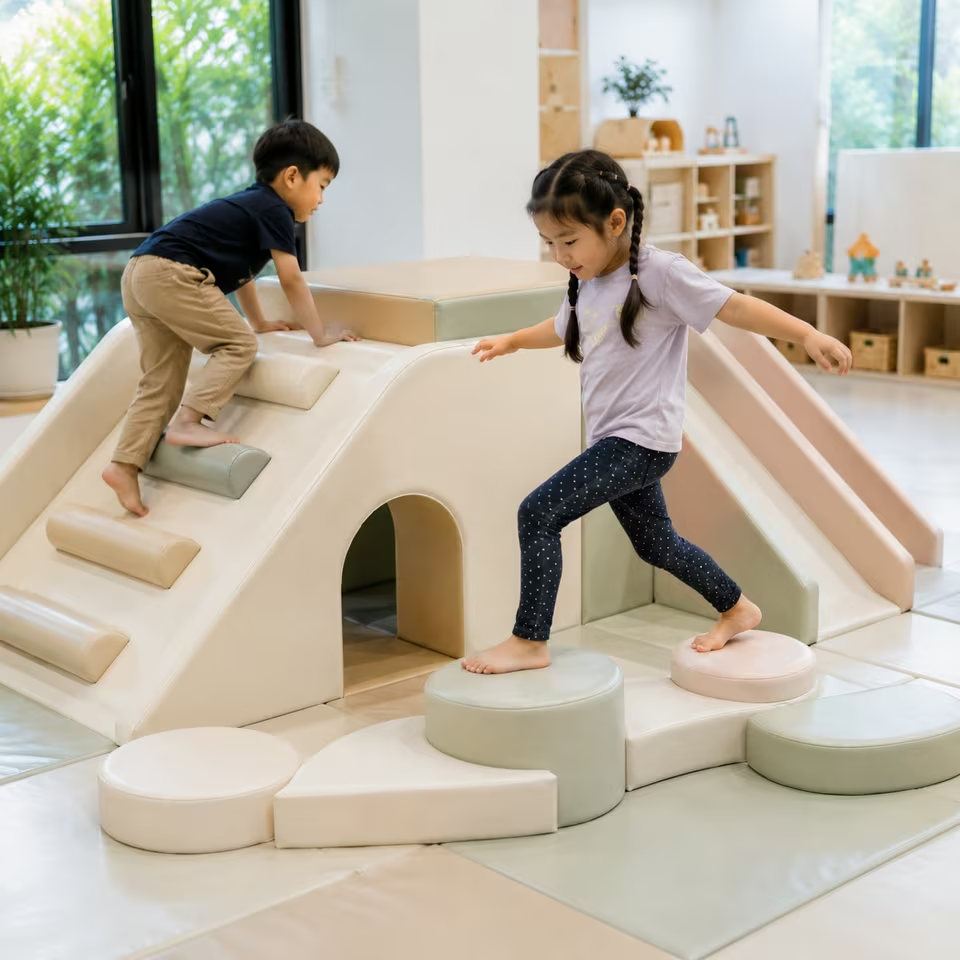
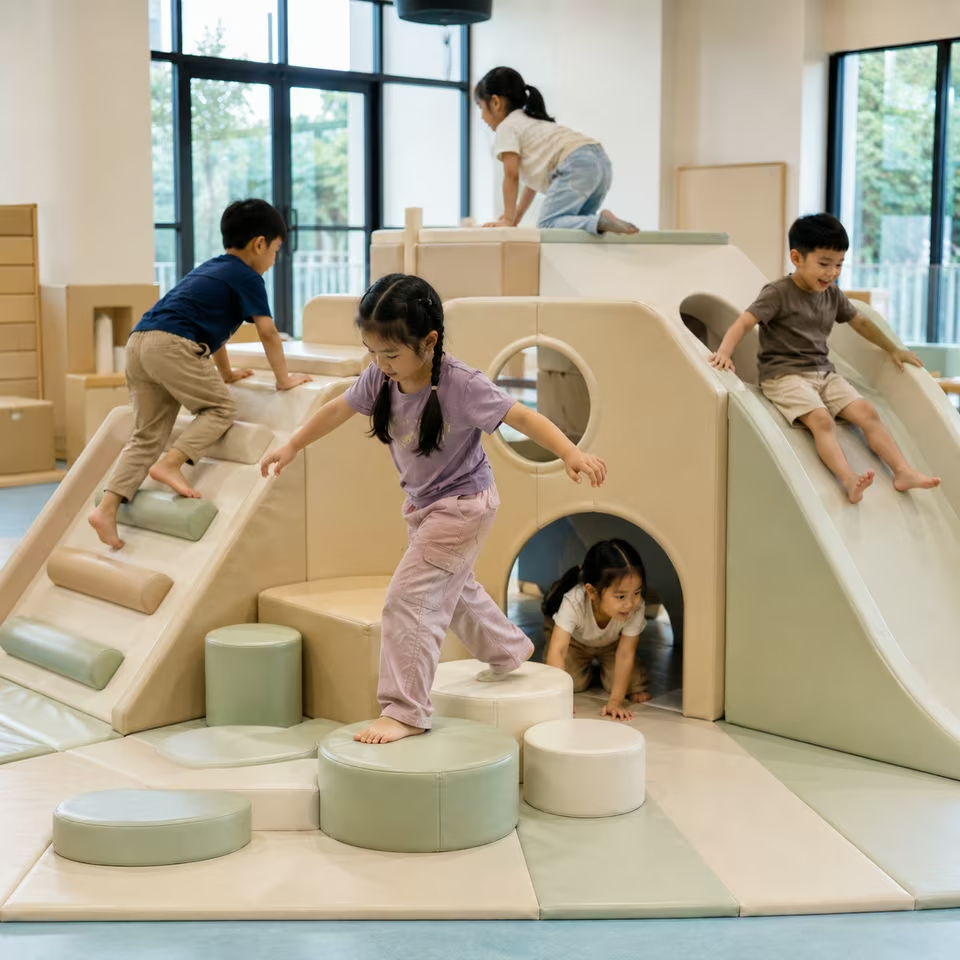
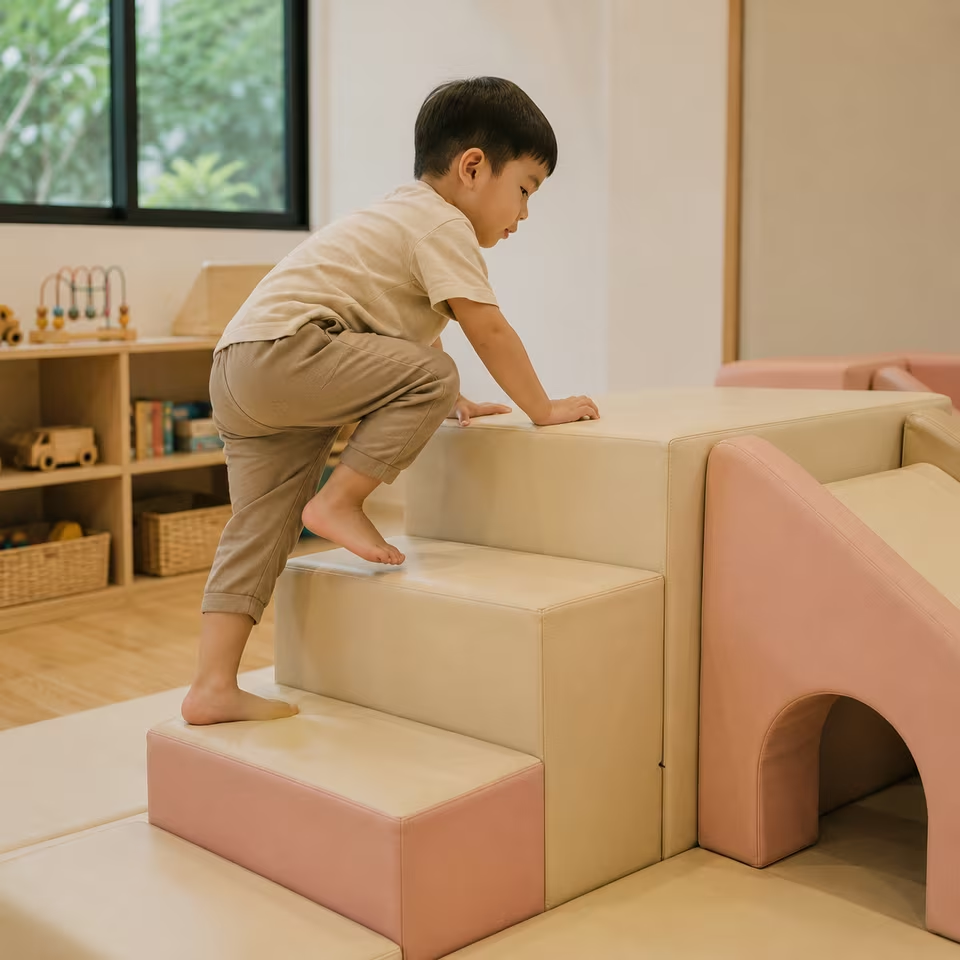
Climbing up and down invites children to explore height in both directions, adjusting their hands, feet and body position as they move between levels.

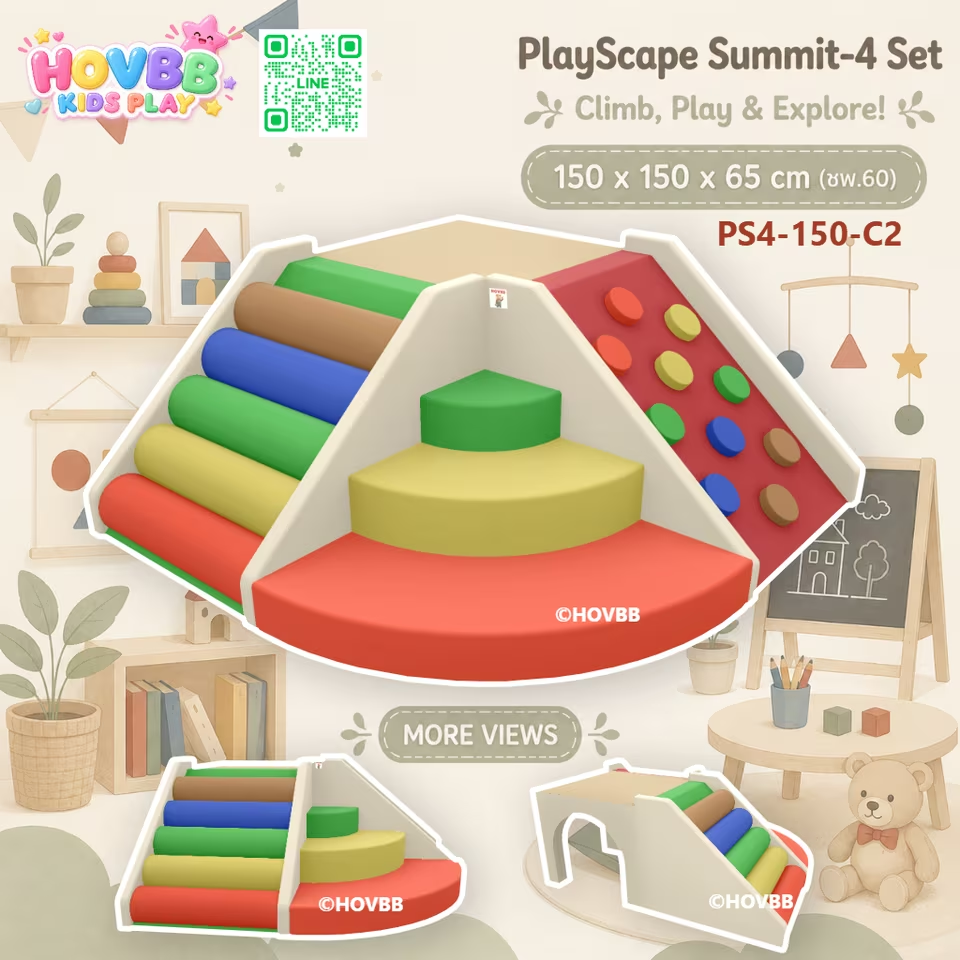
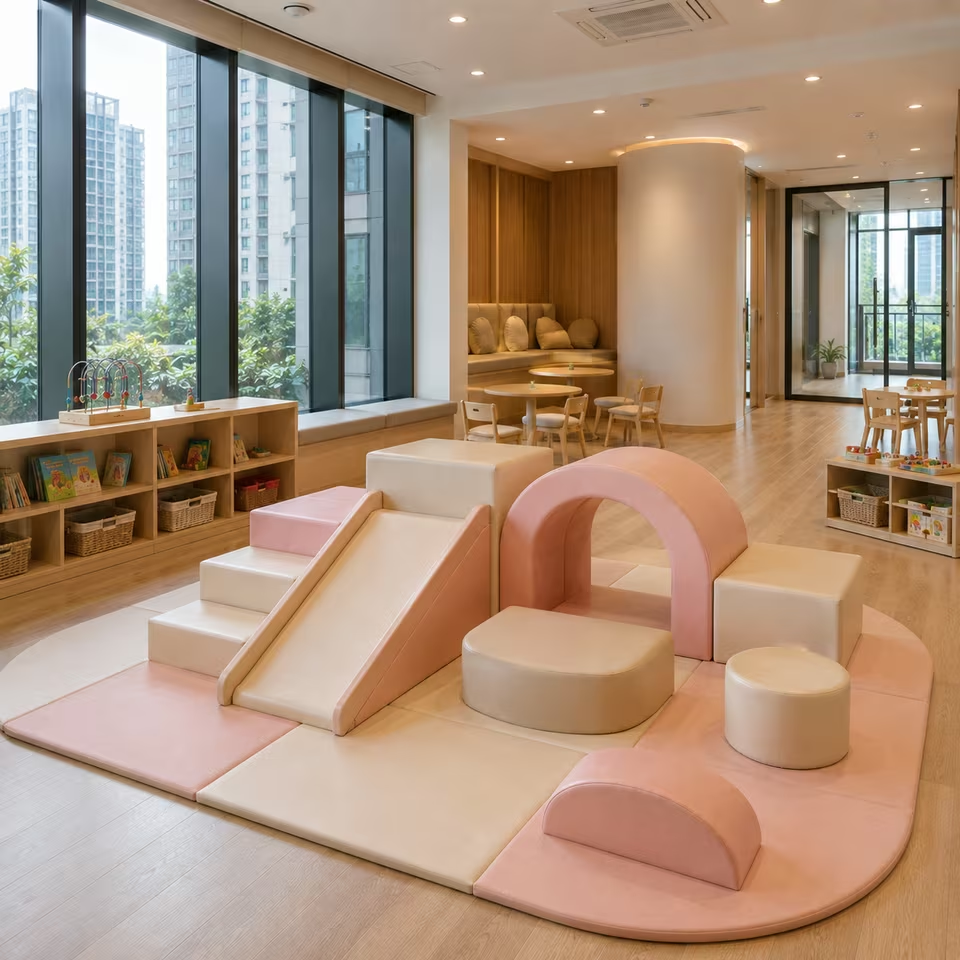
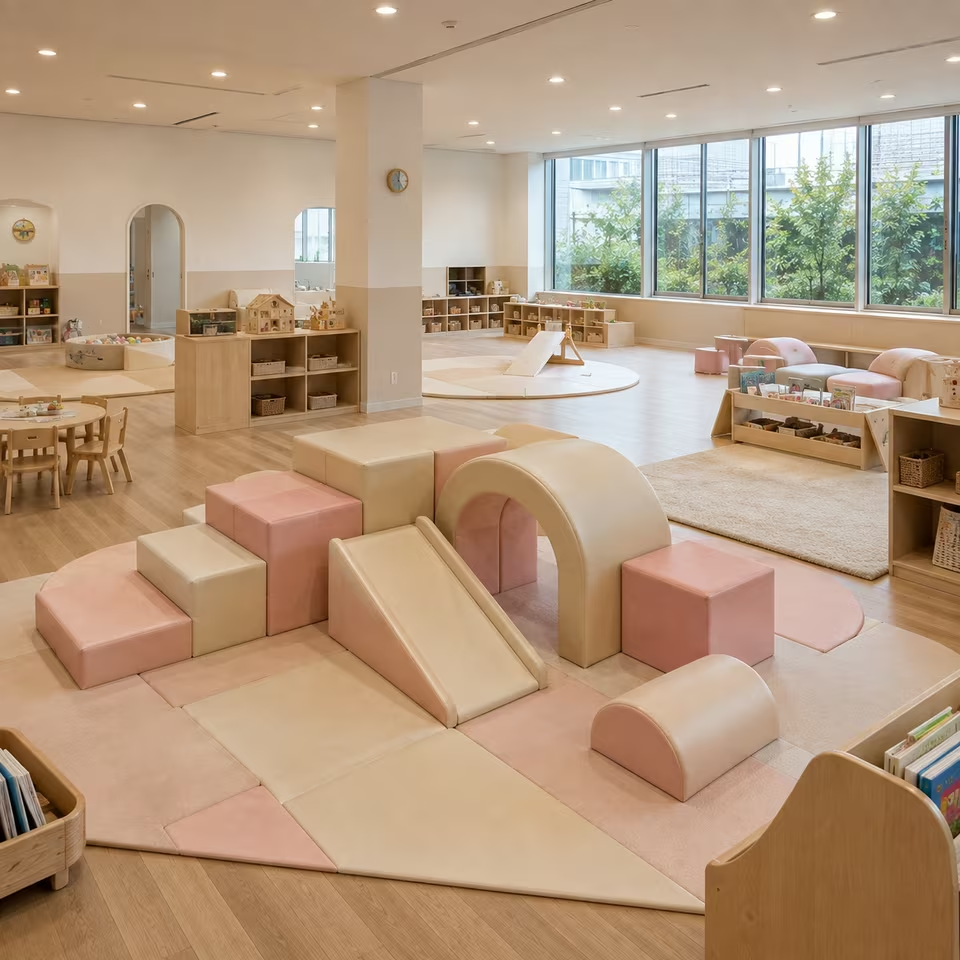
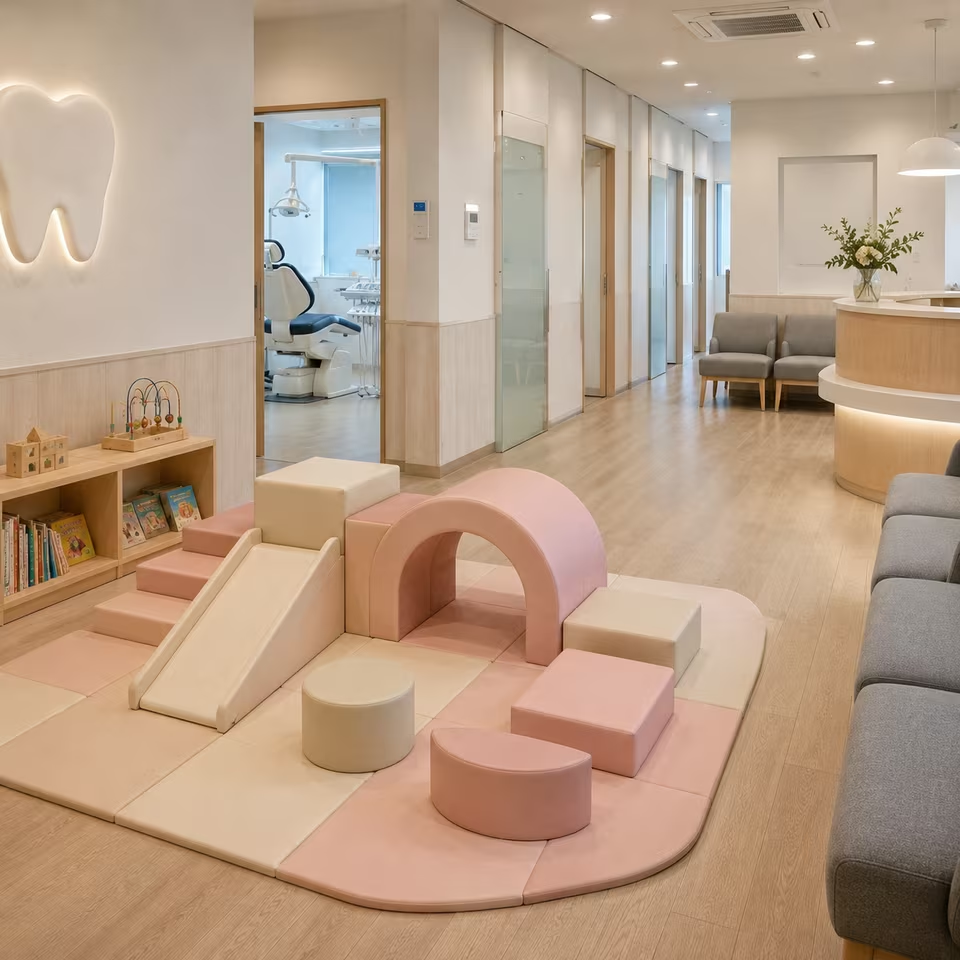
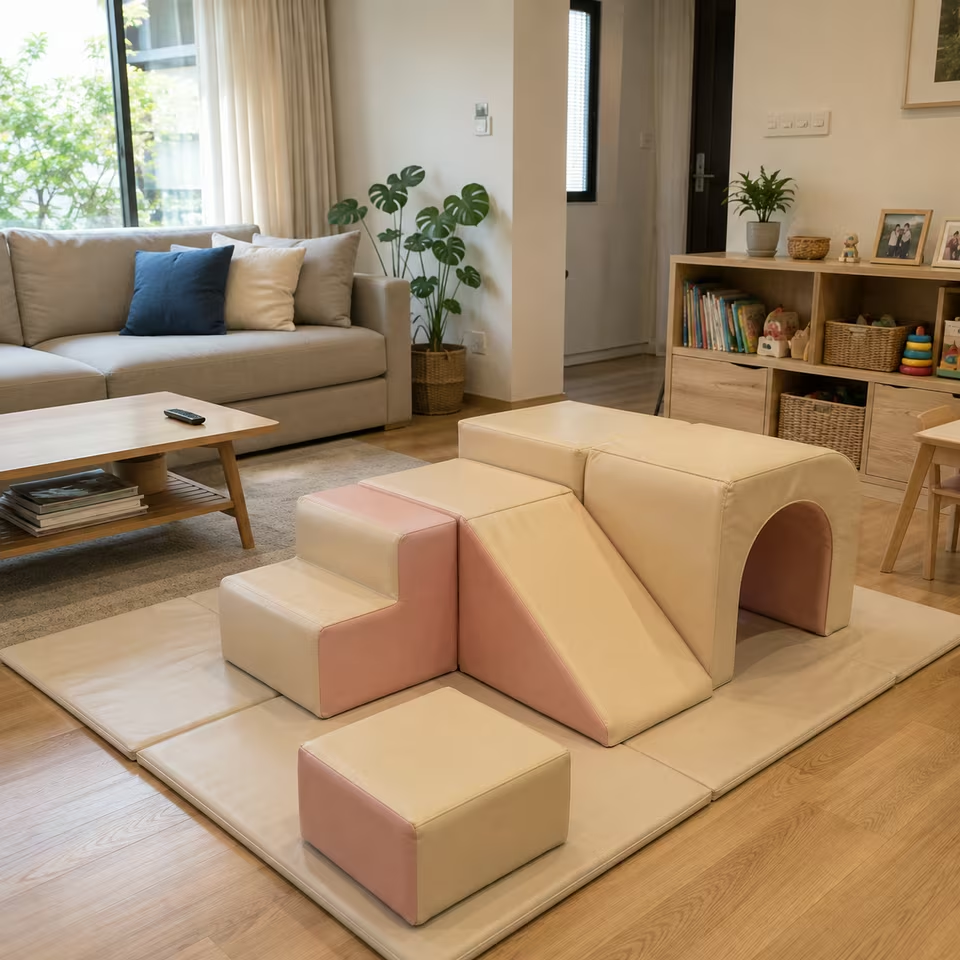
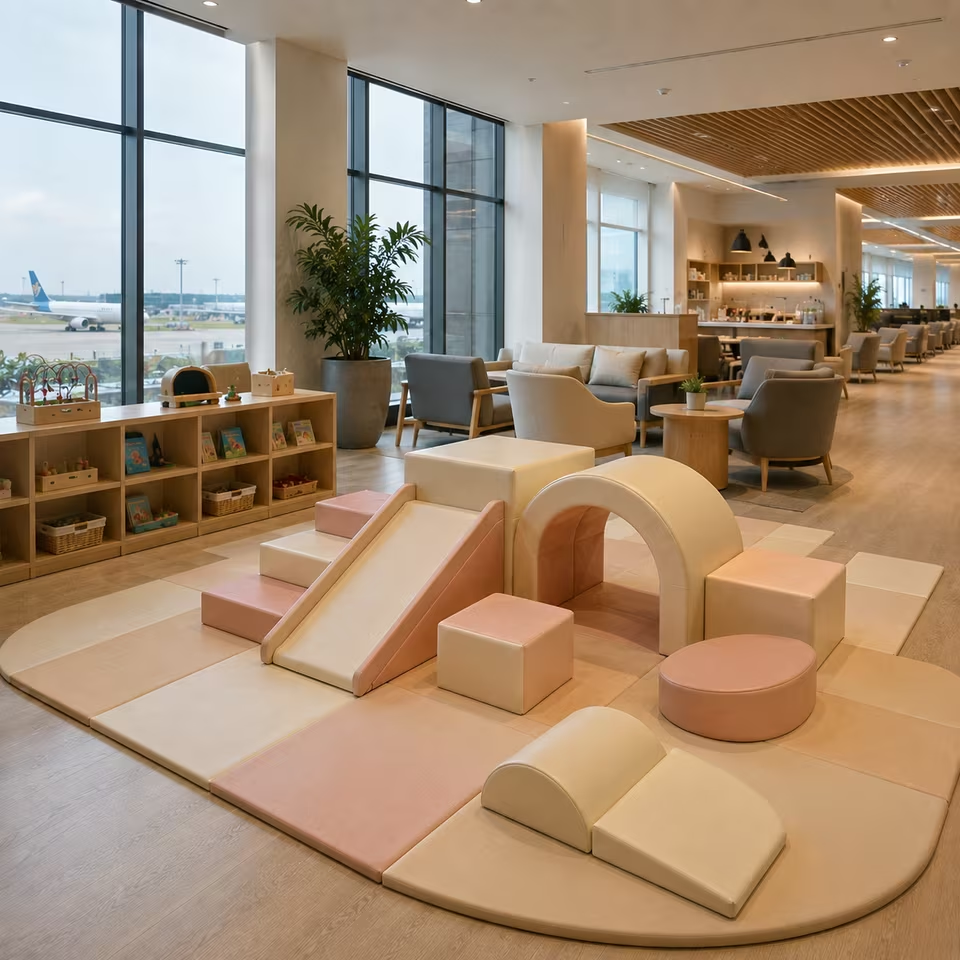
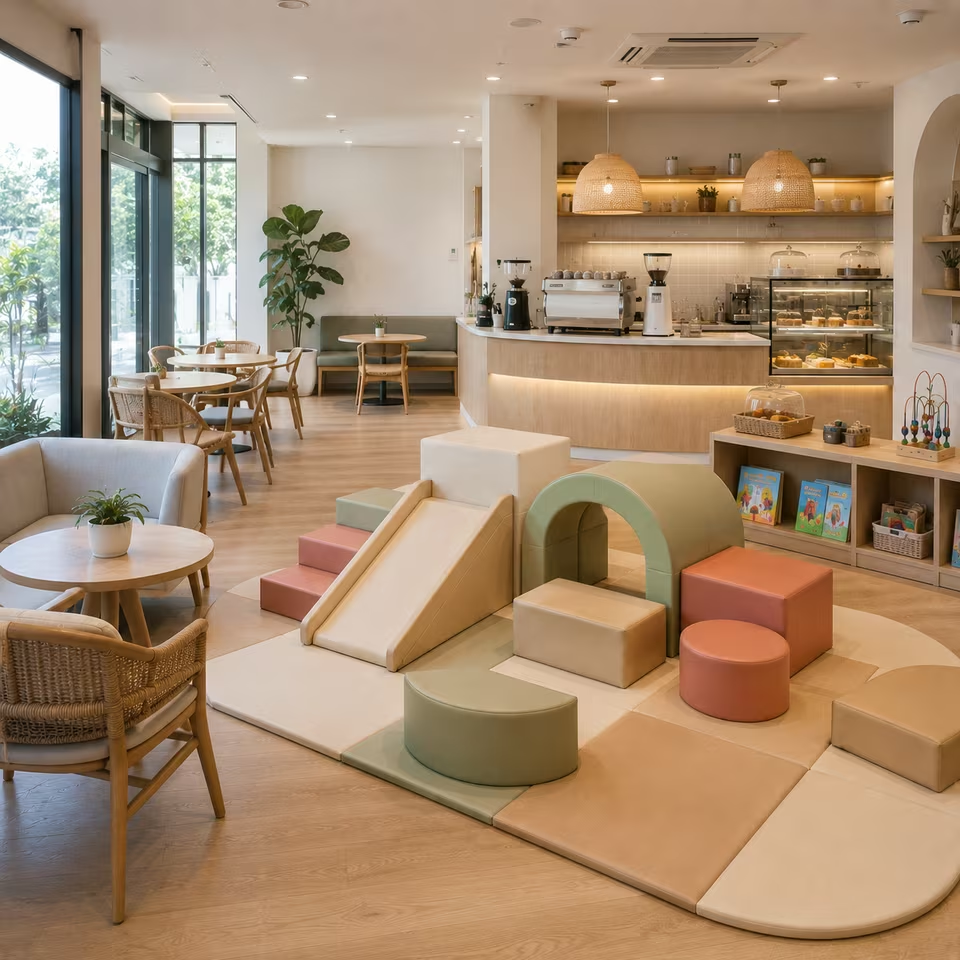
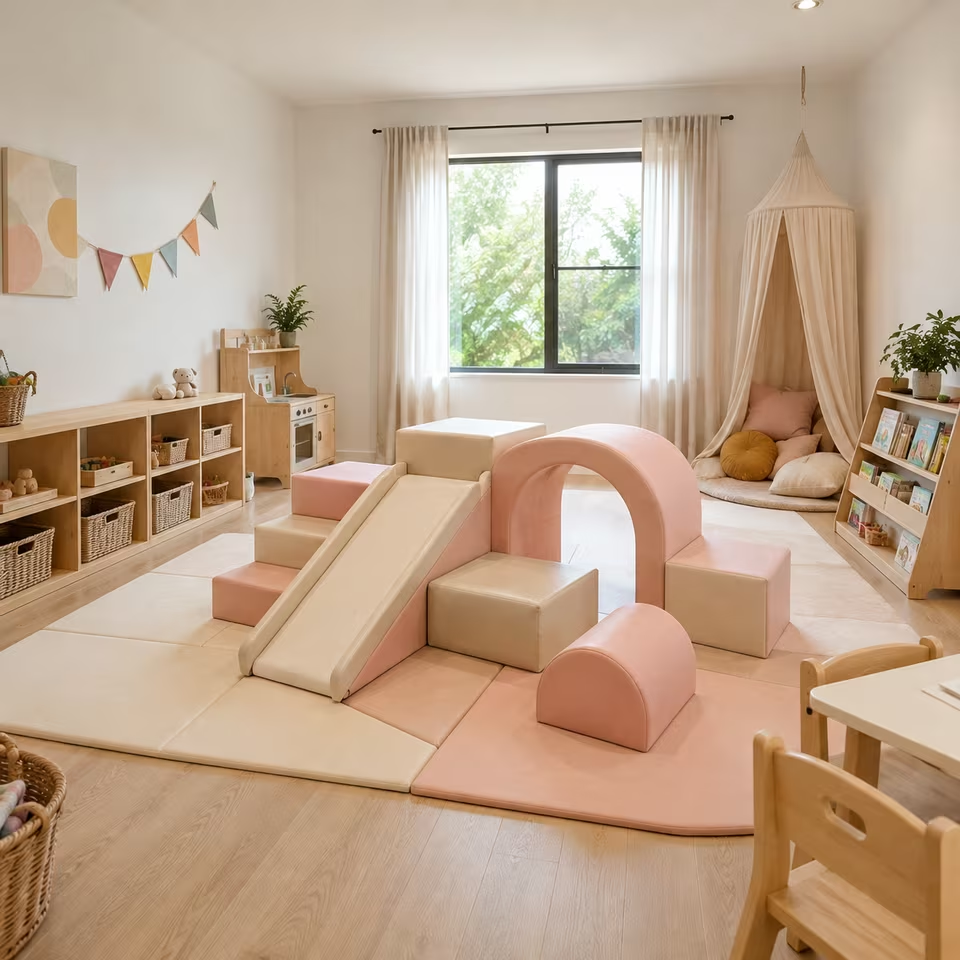
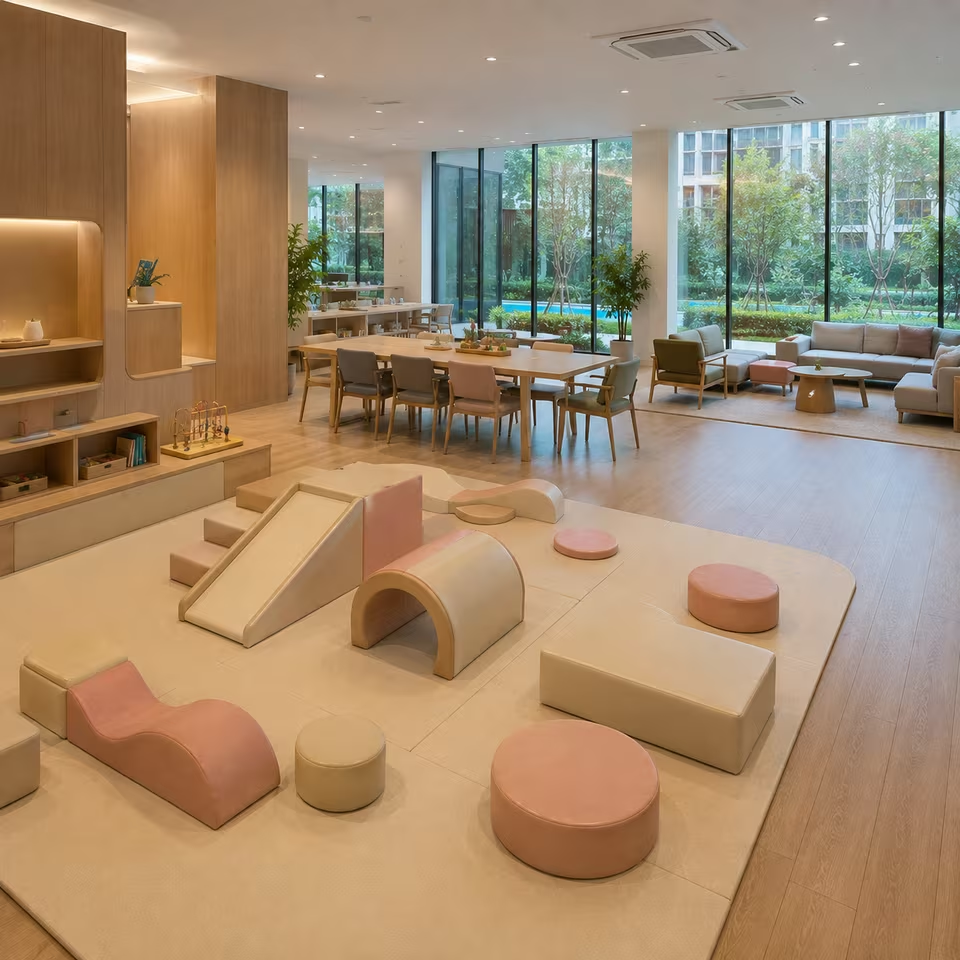
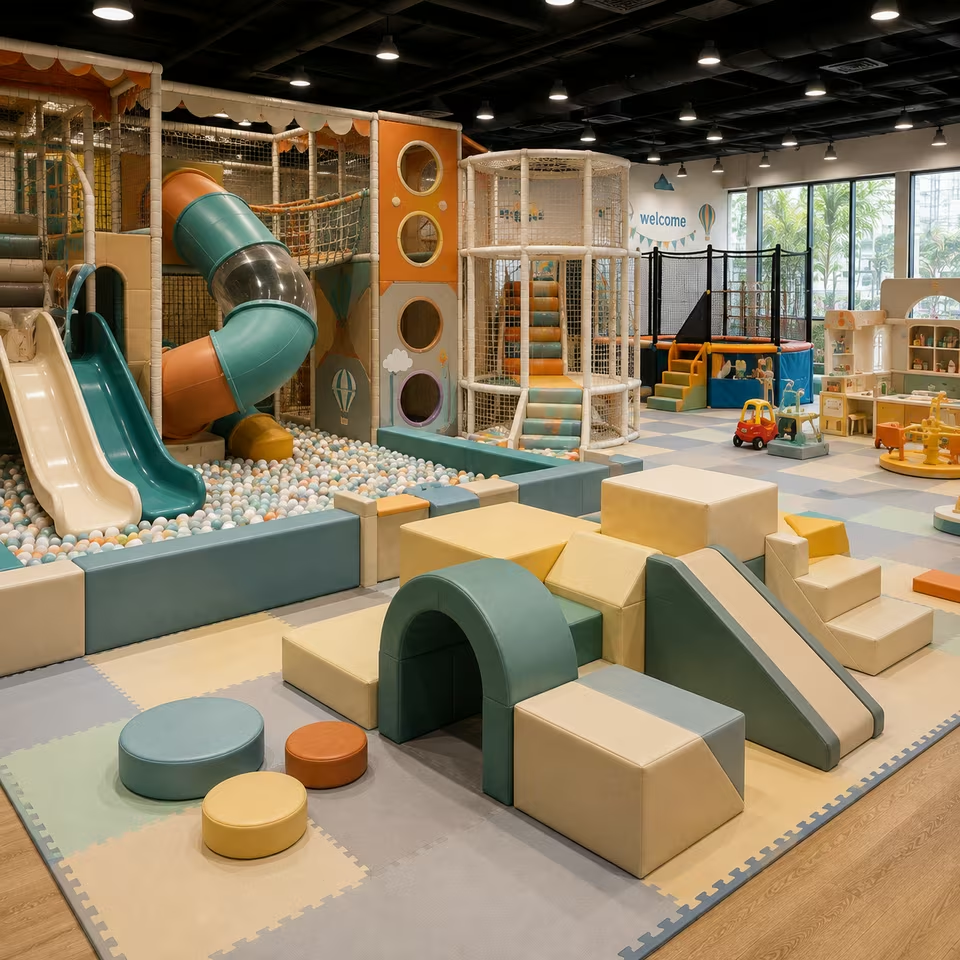
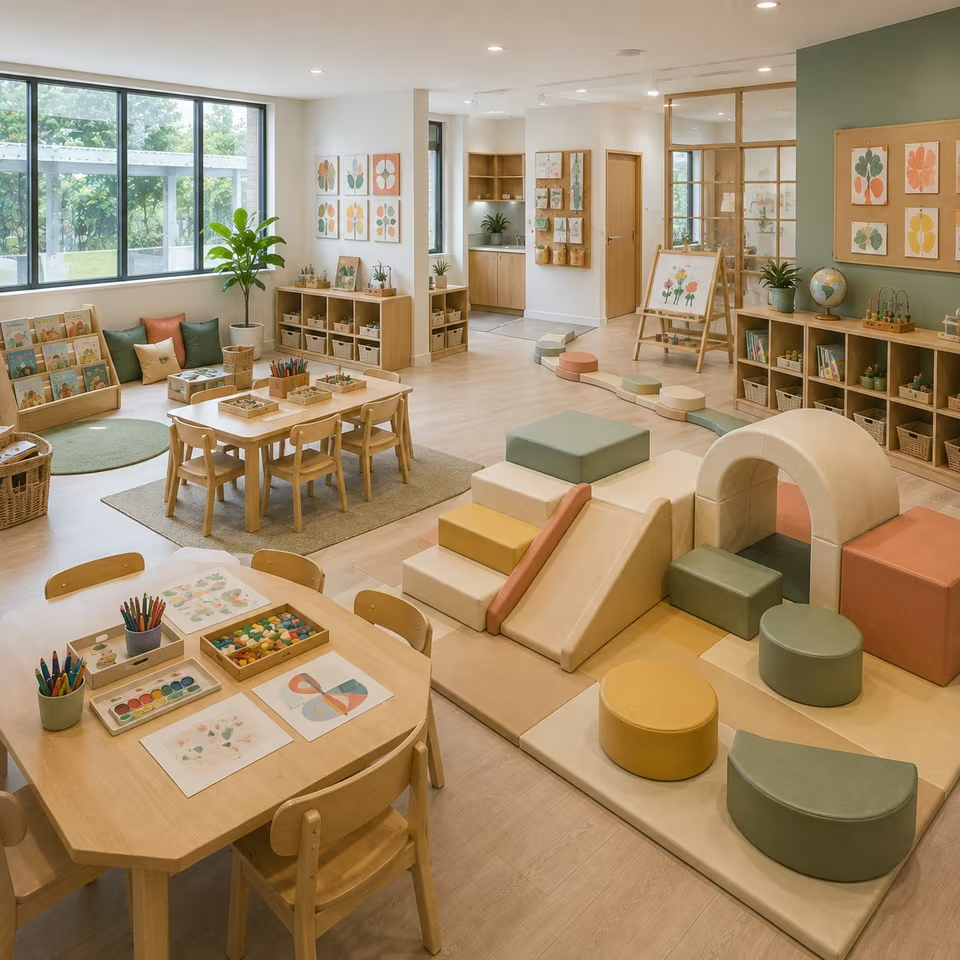
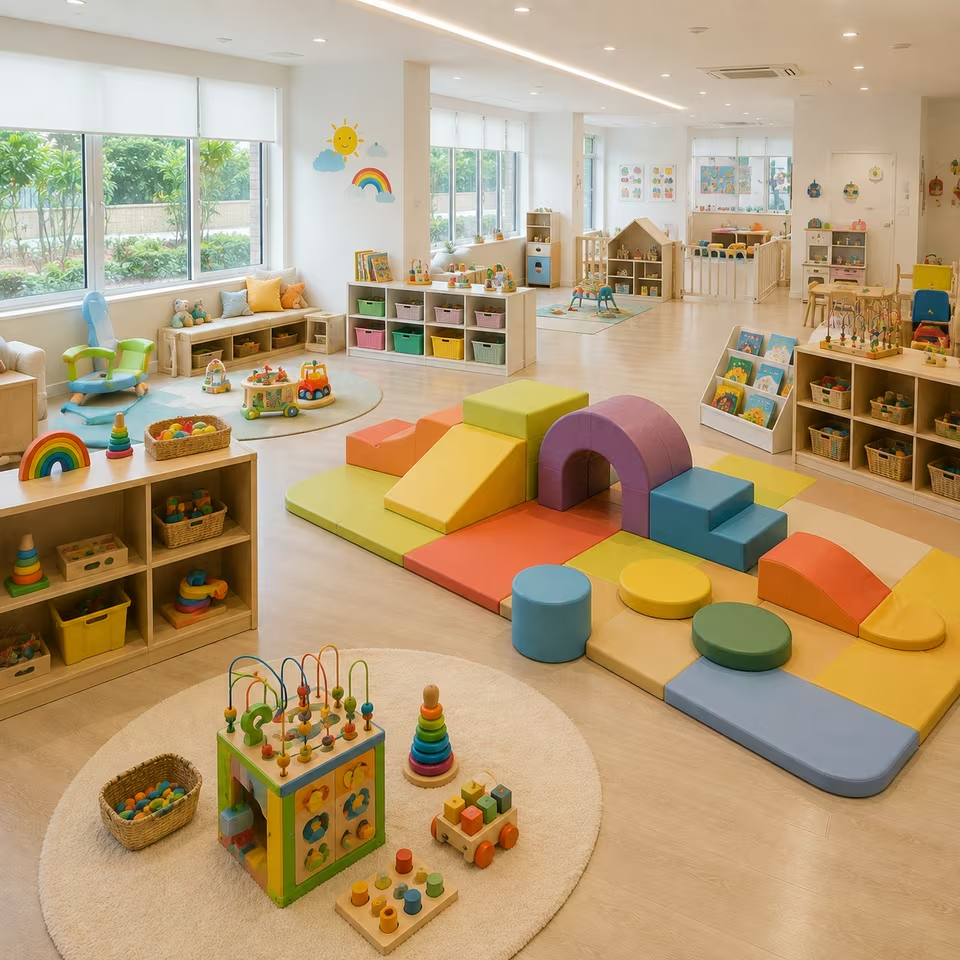
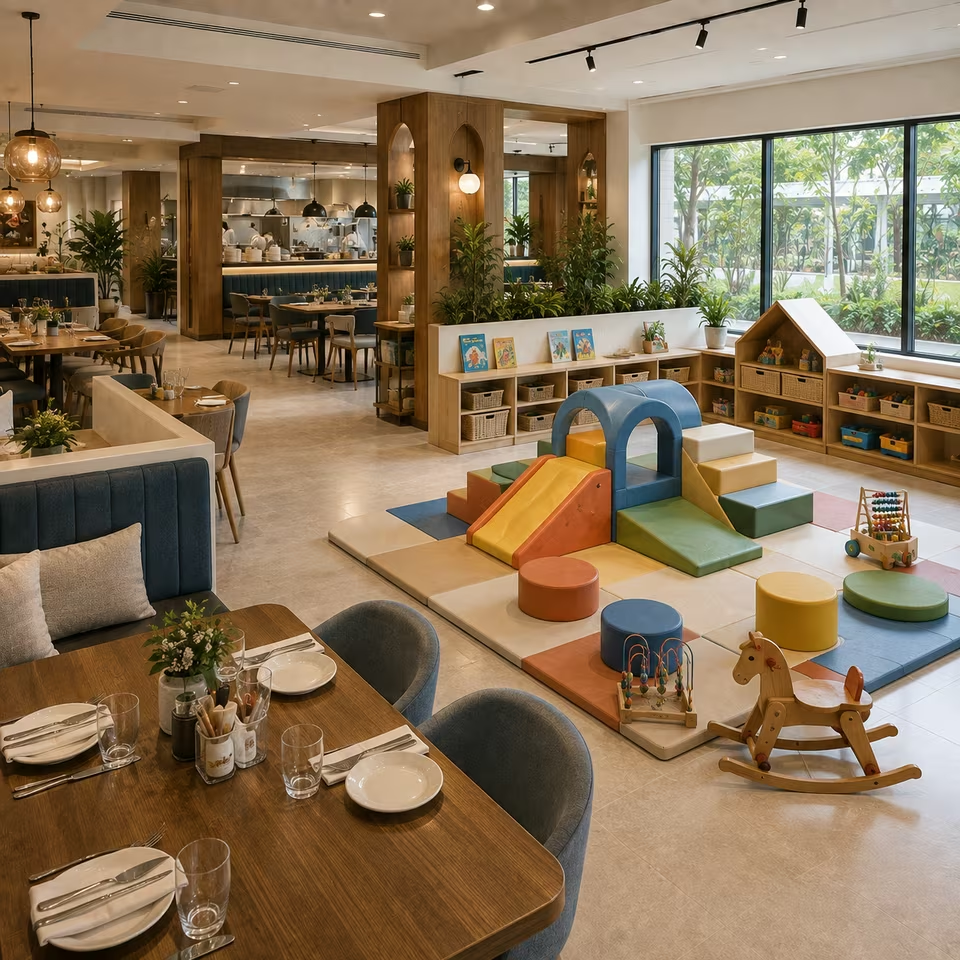
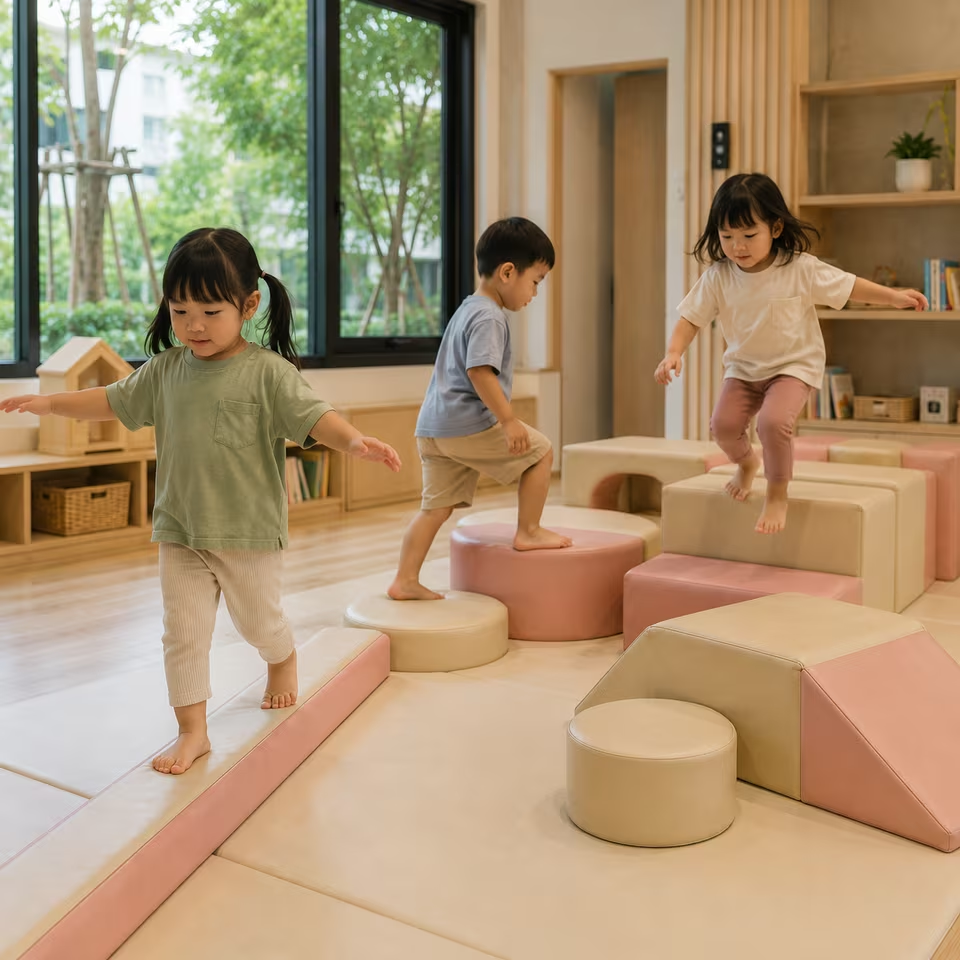
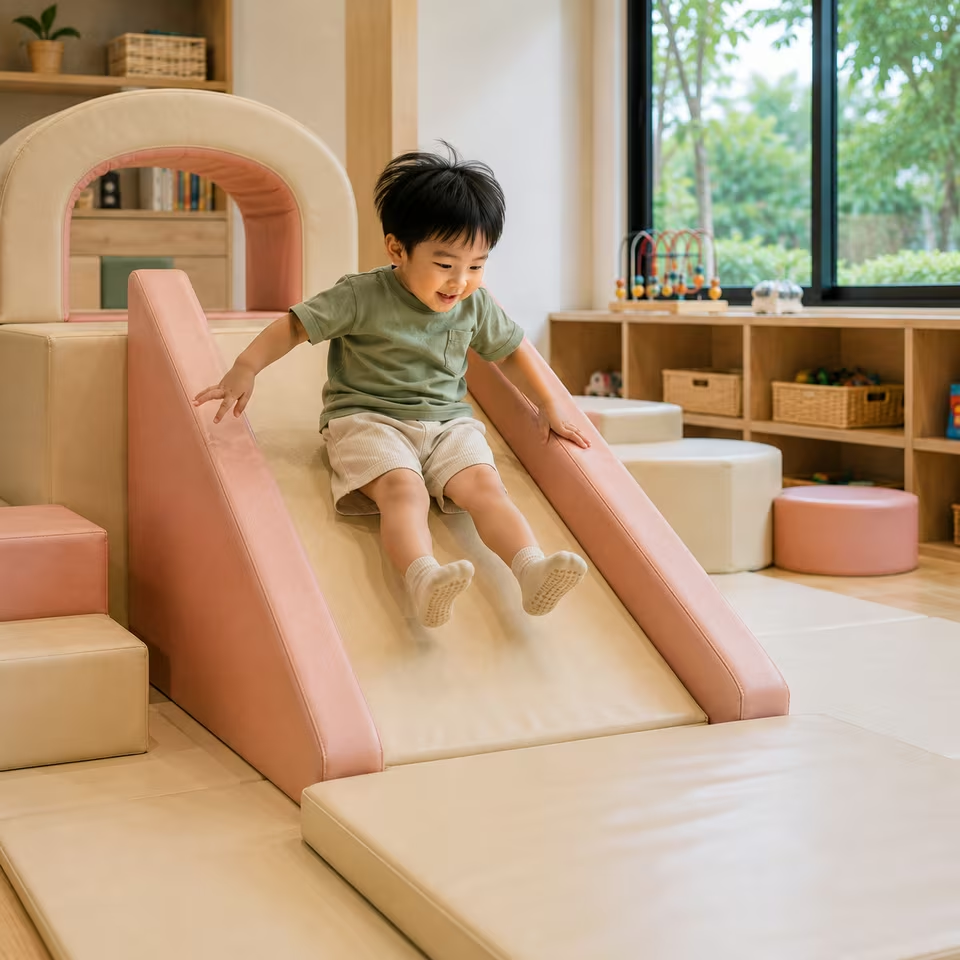
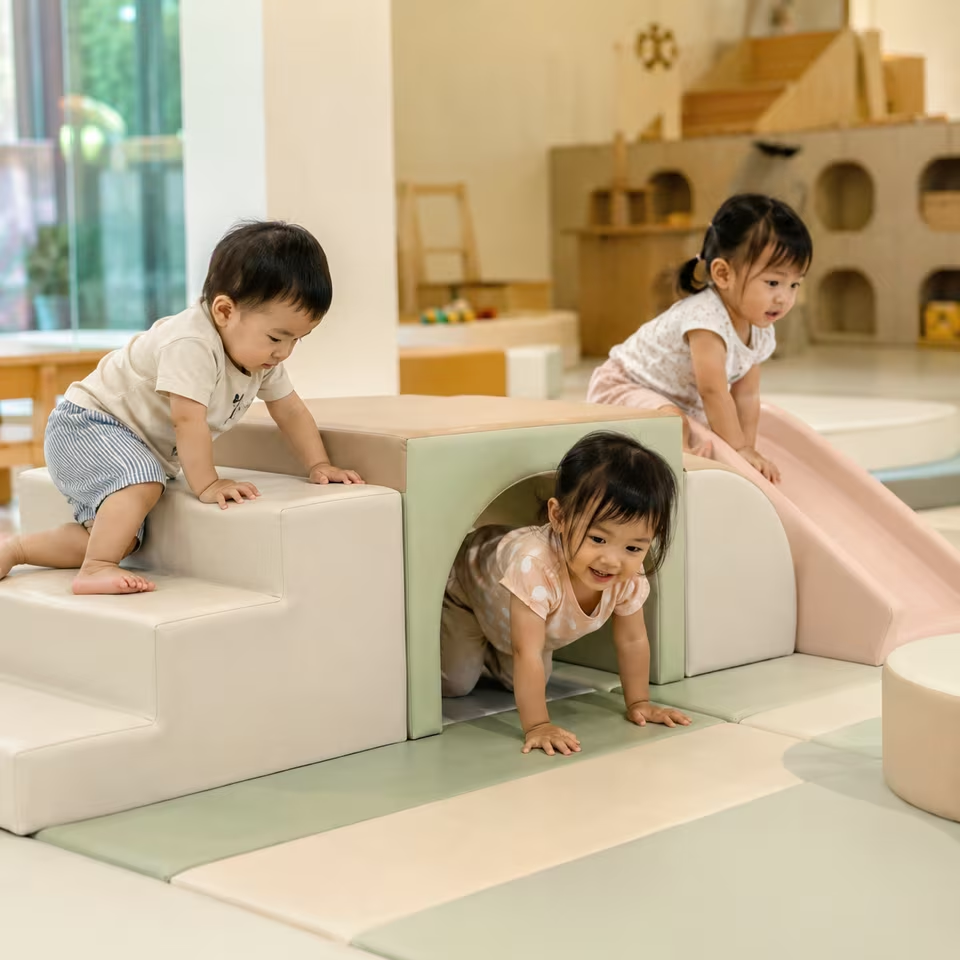
Climbing up and down creates a two-way movement challenge. Moving upward asks children to reach, step and shift their weight toward a higher level, while coming back down requires them to approach the same space from a different direction and continually reconsider where to place their hands and feet. Within a play environment, these movements can happen across steps, slopes, padded forms and other changes in level, creating routes that children can explore, repeat and navigate in different ways.

Highlights

Additional Details

Play Patterns
upward-climbing · downward-climbing · bidirectional-movement · level-transition · hand-foot-placement · weight-shifting · route-reversal · height-exploration · repeat-challenge · movement-navigation
Experience Keywords
climbing up · climbing down · up-and-down movement · height exploration · level change · reaching · stepping · gripping · body positioning · movement challenge

Related Designs

Related Themes

Related Spaces

Related Ages

Related Developments

Benefits

Activity Tips

FAQ

What is a climb up and down activity for children?

It is a play pattern where children move between different levels in both directions. They may climb upward across steps, slopes or padded forms and later navigate downward through the same or another route.

What do children experience when climbing up and down?

Children experience changing height, direction, body position and points of support. Moving downward can create a different challenge from moving upward because familiar surfaces need to be approached from another orientation.
How can soft play create climbing up and down activities?

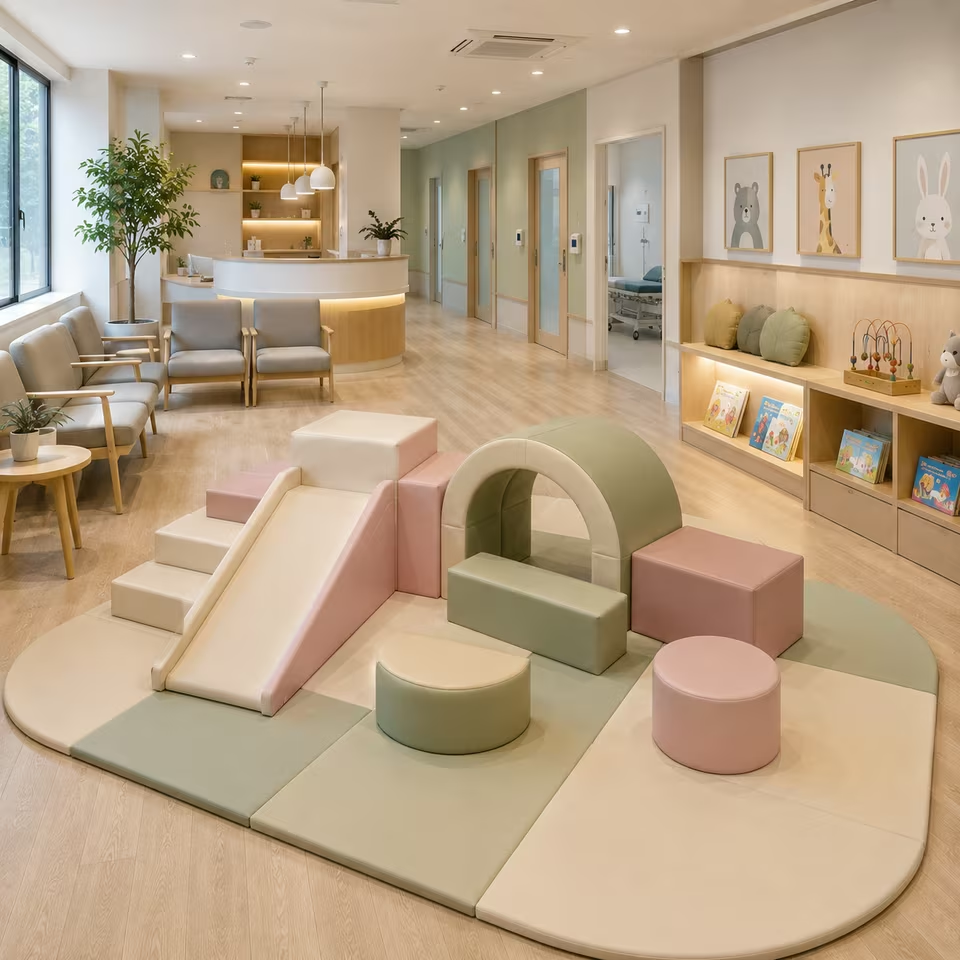
Soft play can use steps, slopes, platforms and padded forms to create approachable changes in level. Combining these elements can provide several ways for children to move upward, downward or across the play environment.

Is climbing down different from climbing up?

Yes. Although both use the same environment, the direction changes how children see and approach the next point of support. A route that feels straightforward on the way up can create a different movement problem on the way down.

Should children use the same route for climbing up and down?

Not necessarily. A two-way route can create useful movement variety, but larger layouts may benefit from alternative ways to move between levels so children are not always meeting at the same narrow point.

Does climbing play need to be high to be interesting?

No. Changes in direction, surface and route can make relatively low level differences engaging. A thoughtfully arranged sequence of smaller changes in height can create rich climbing play without relying only on greater elevation.

Can climbing up and down be combined with other soft play activities?

Yes. Changes in level can connect naturally with crawling, balancing, stepping, sliding and other movement experiences, allowing climbing to become part of a broader play route.

Related Articles