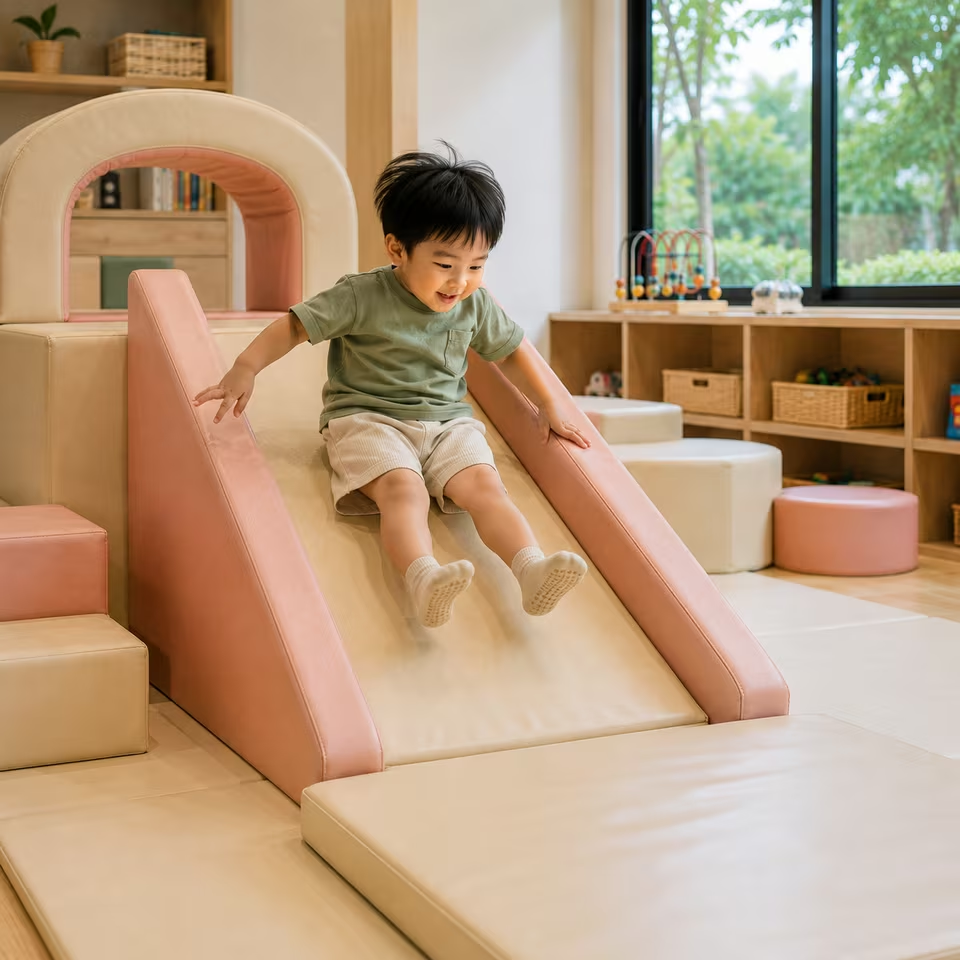
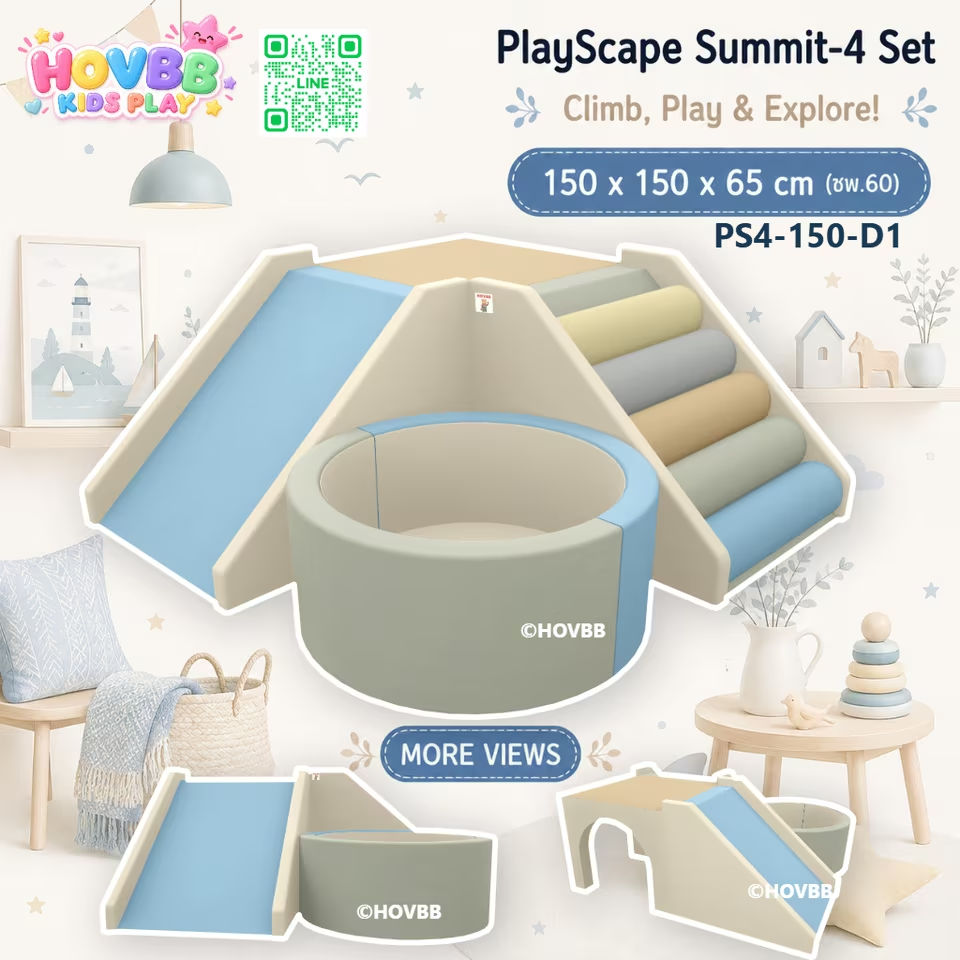
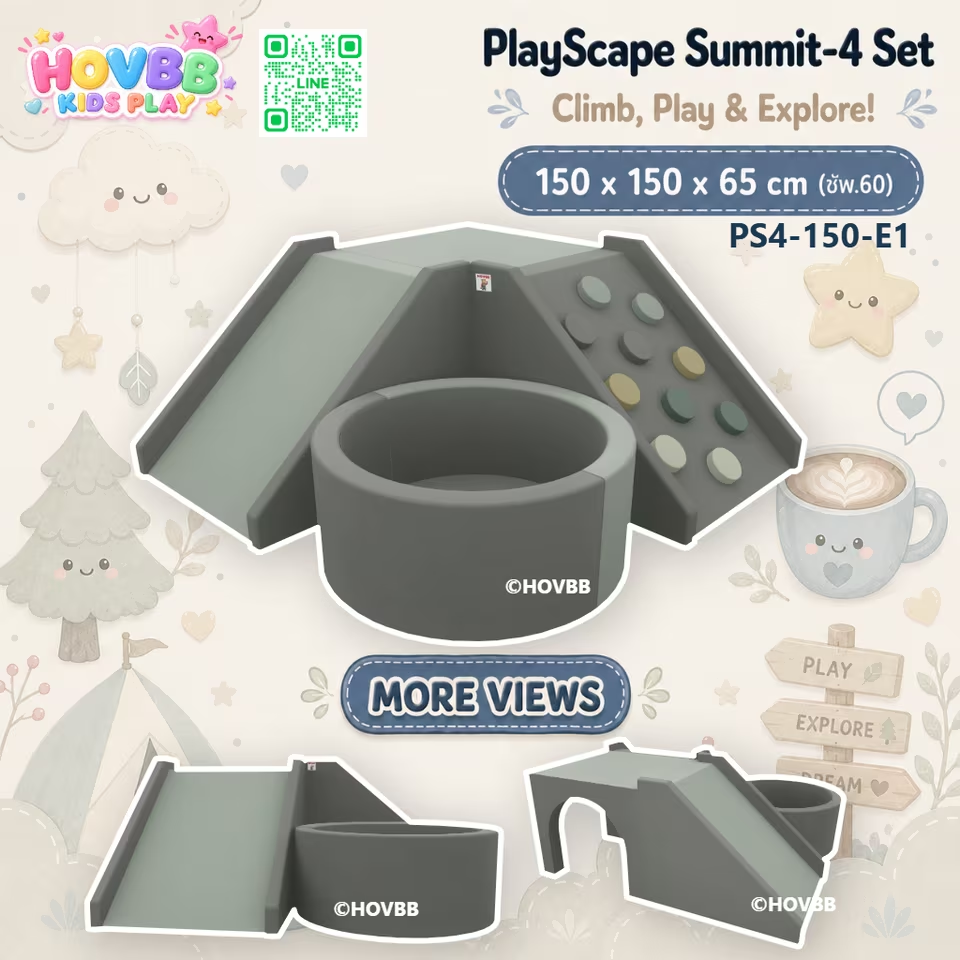
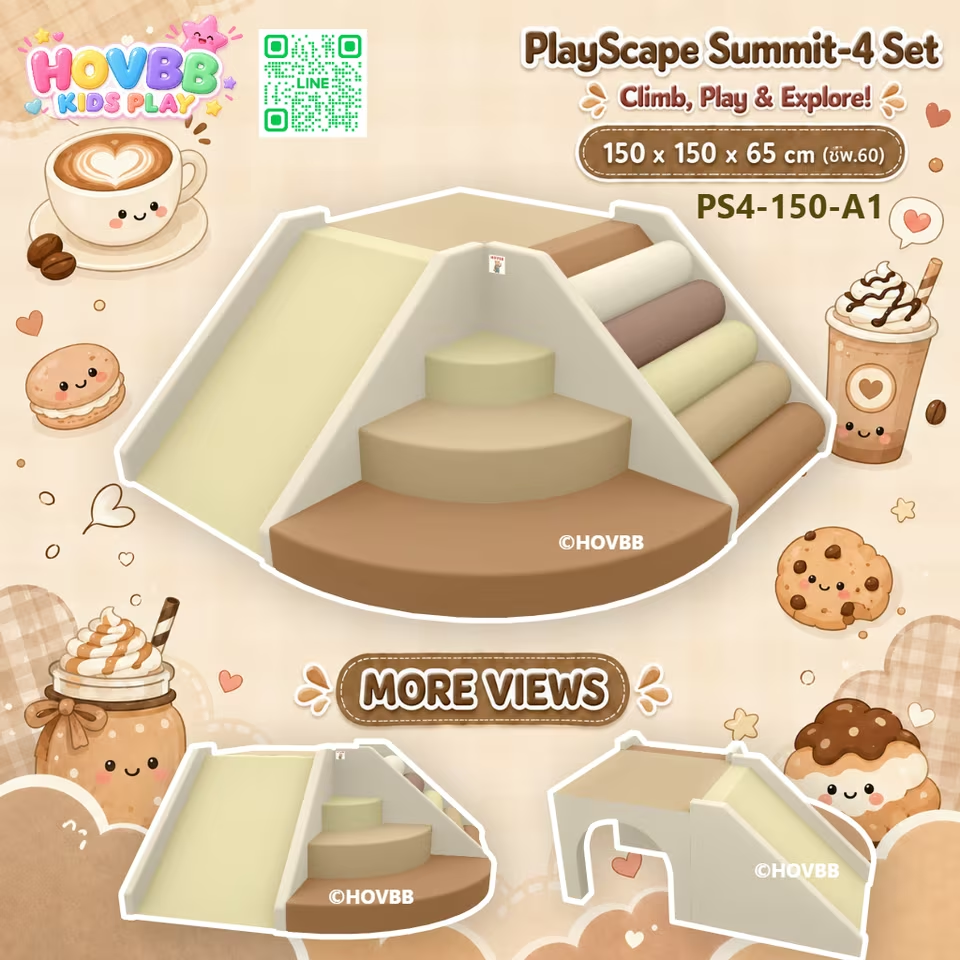
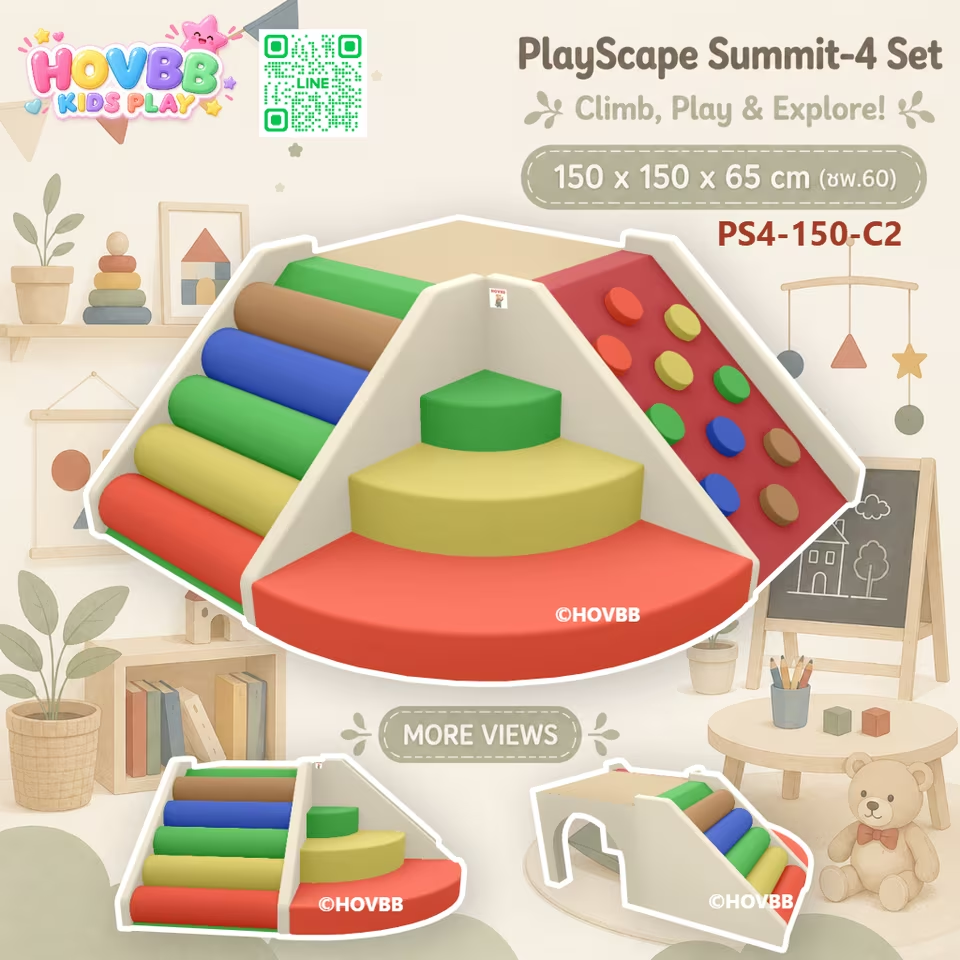
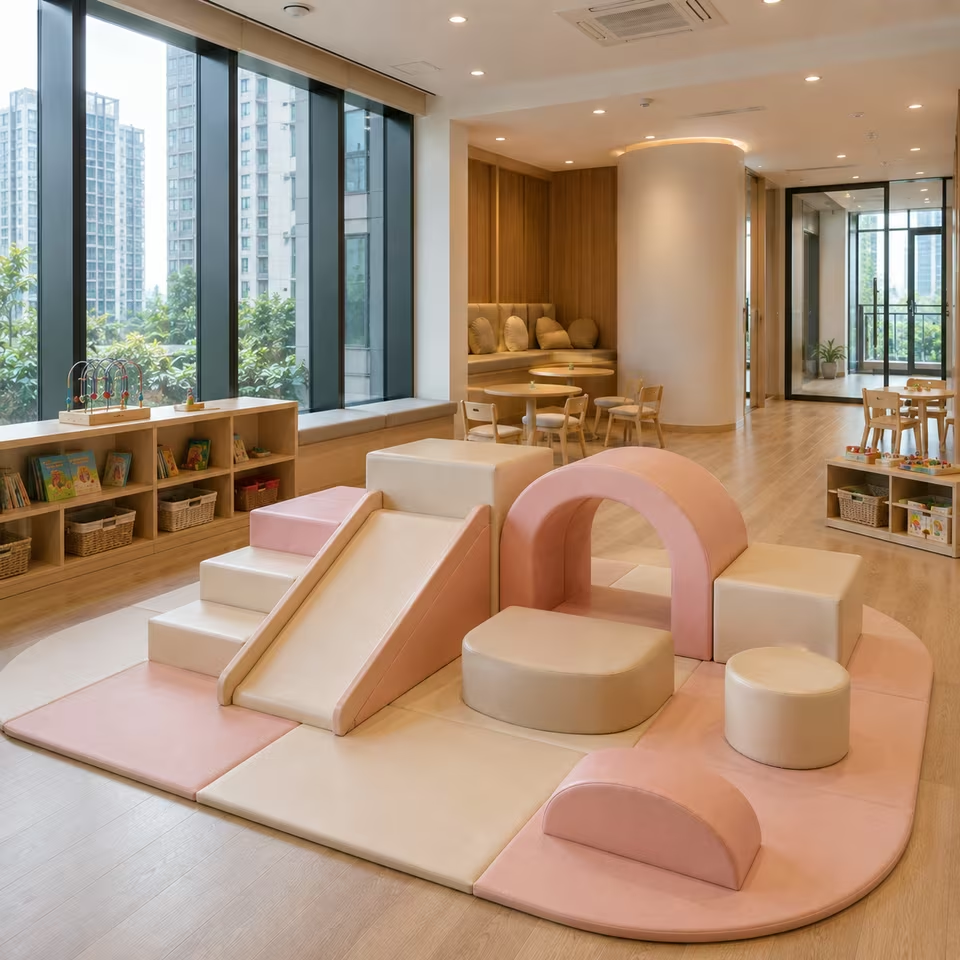
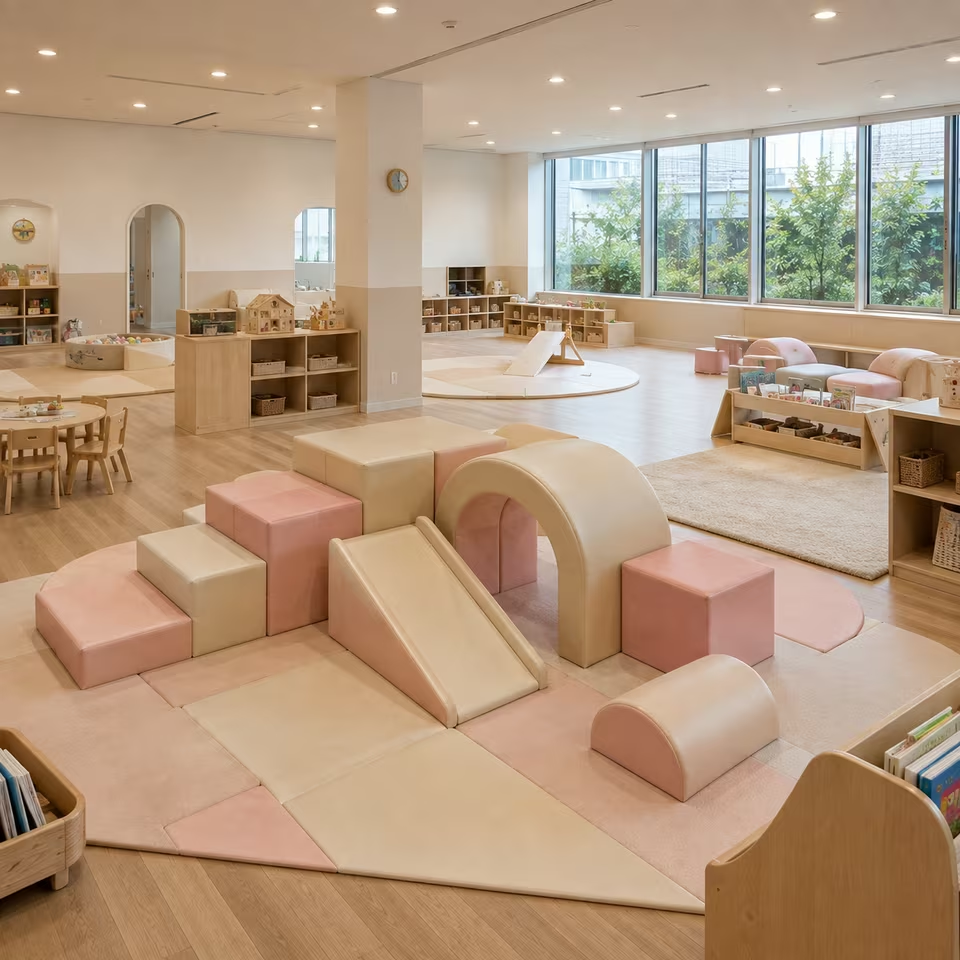
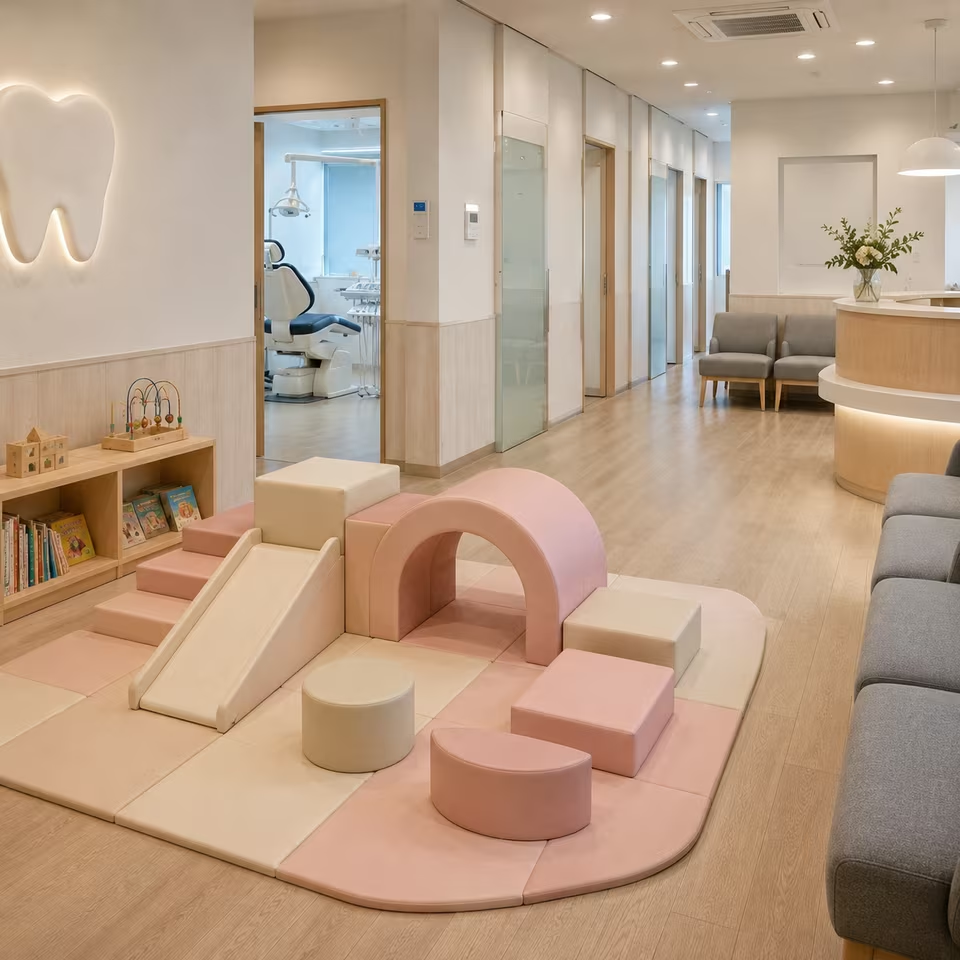
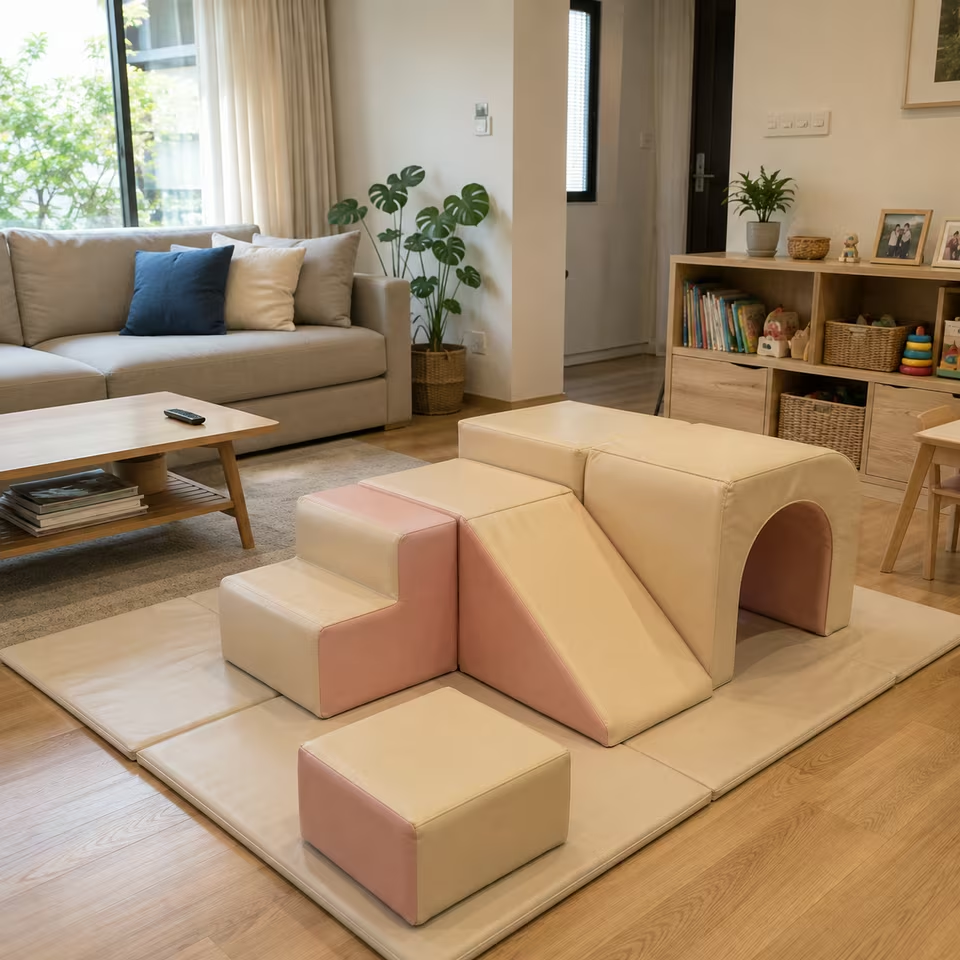
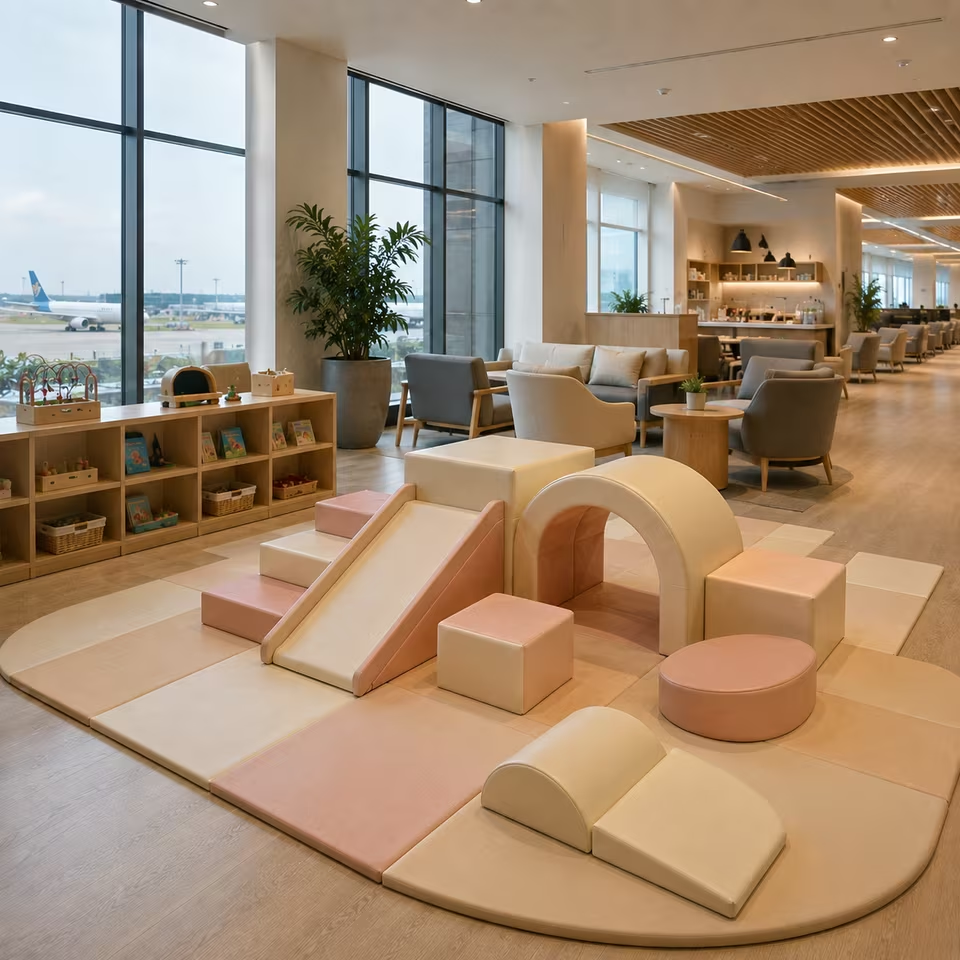
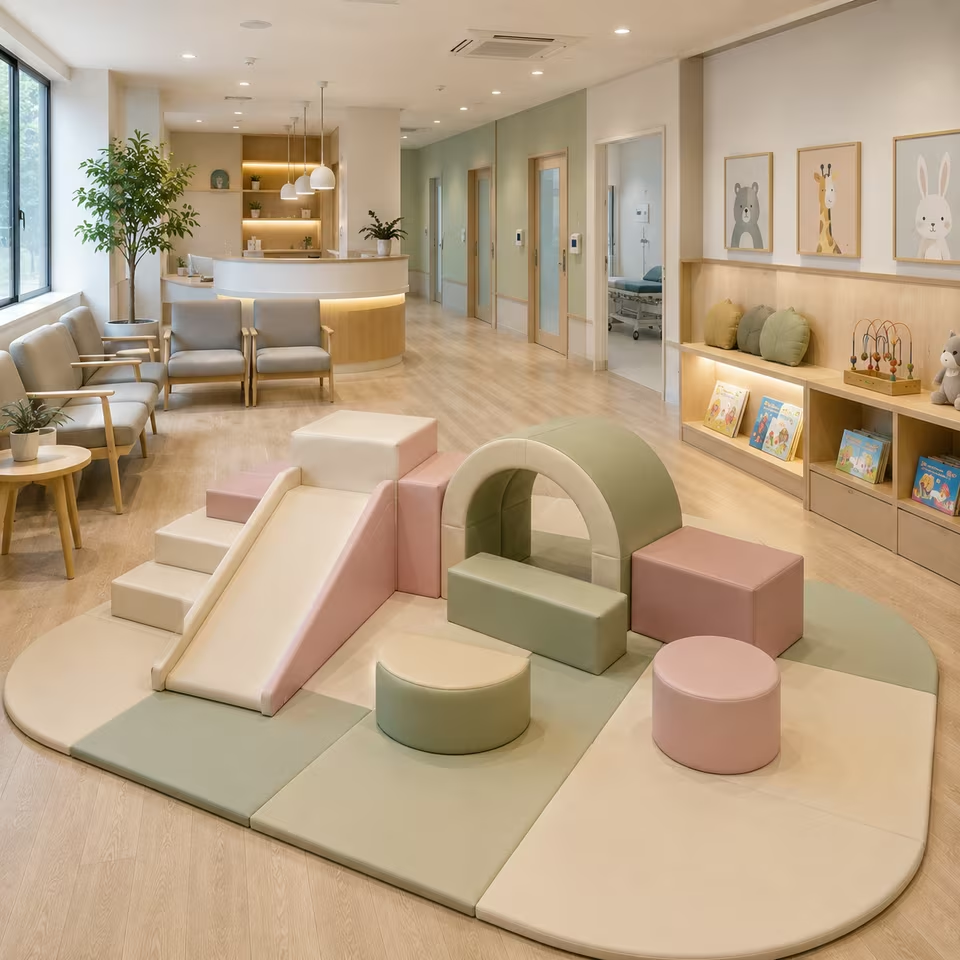
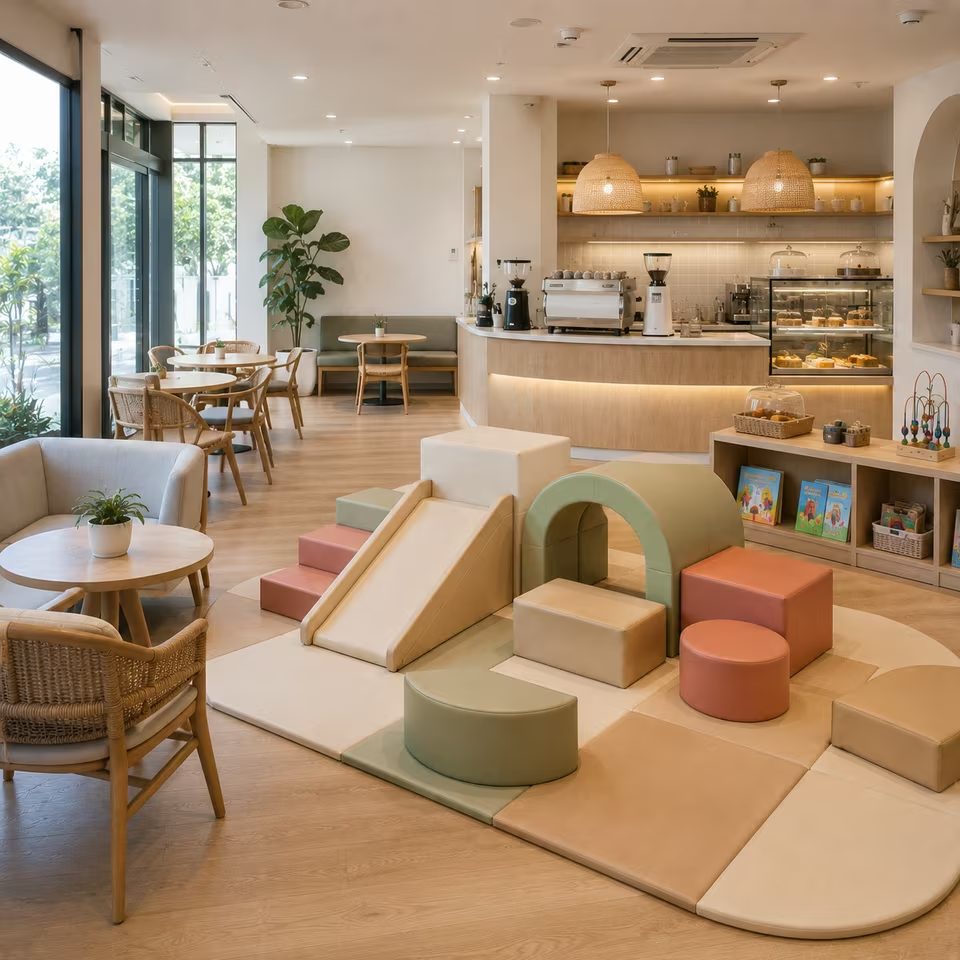
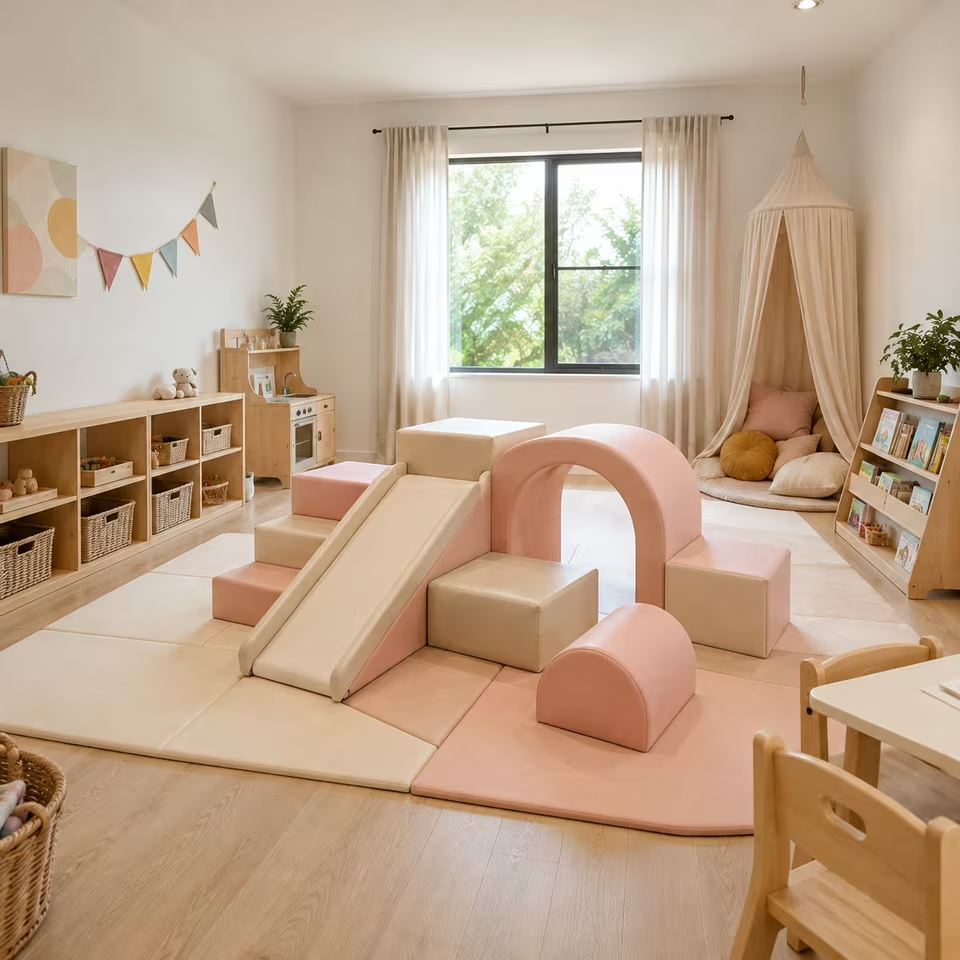
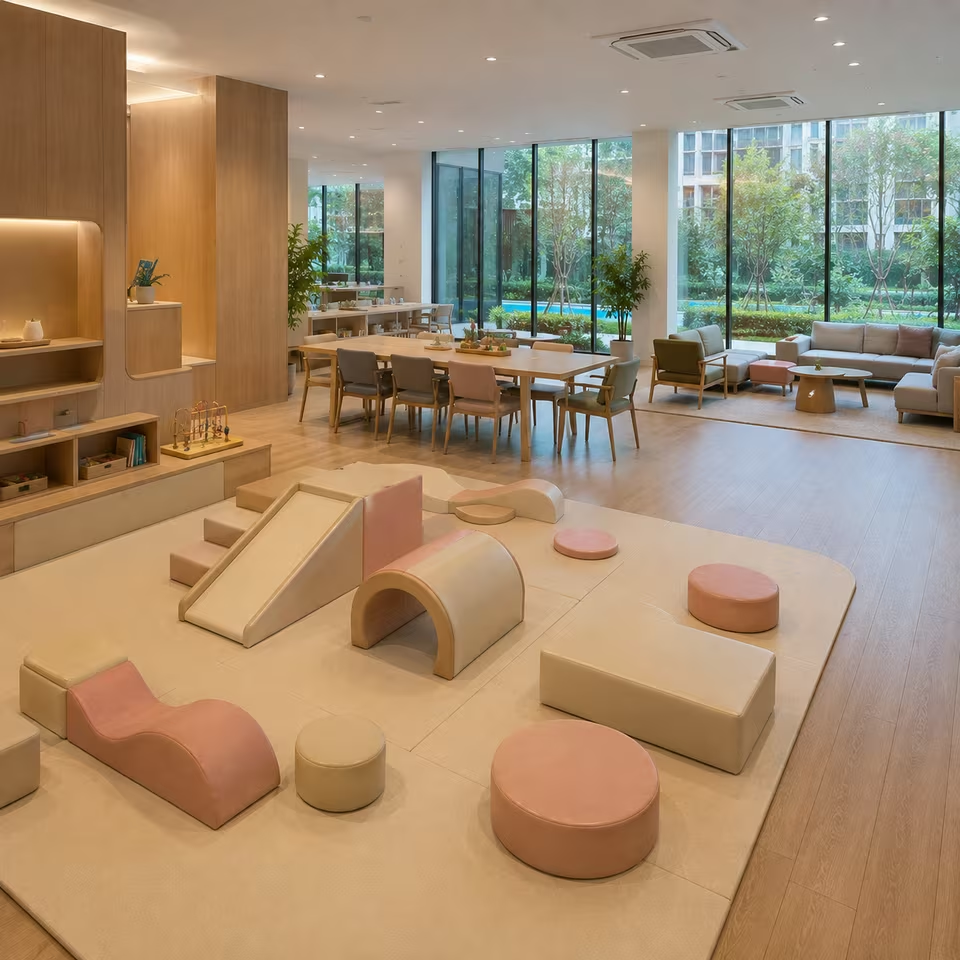
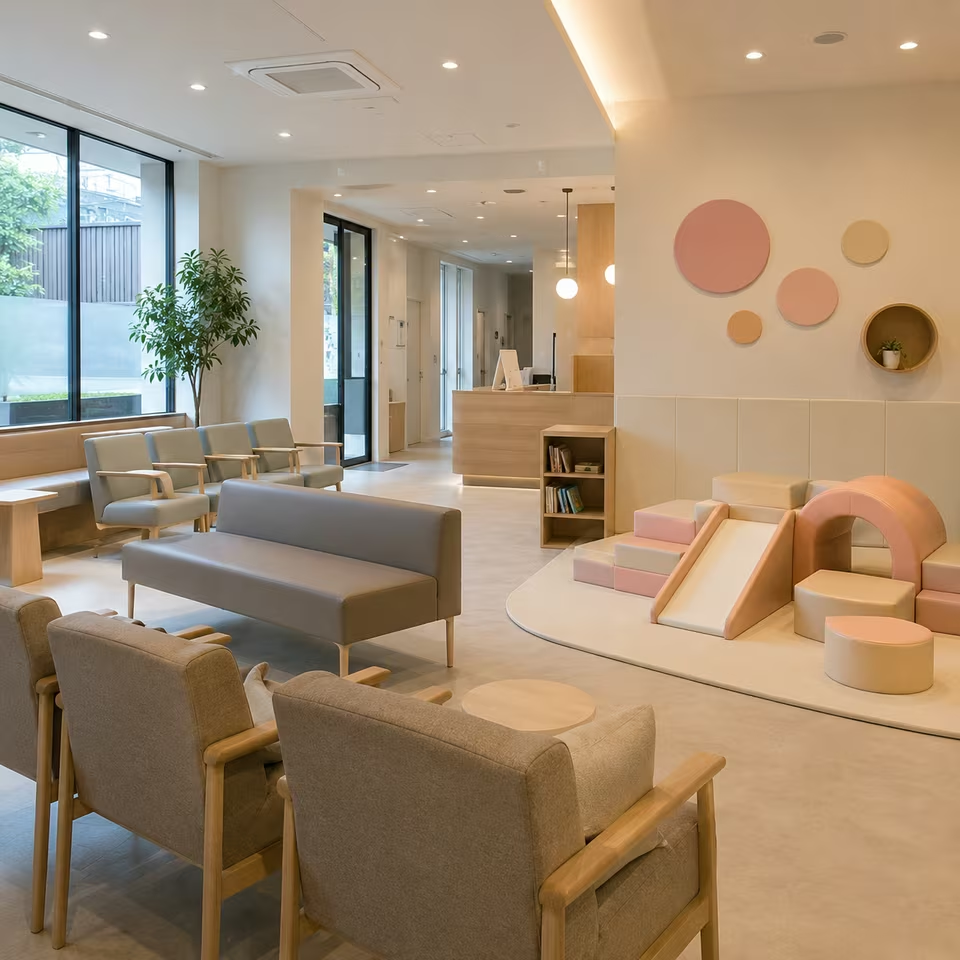
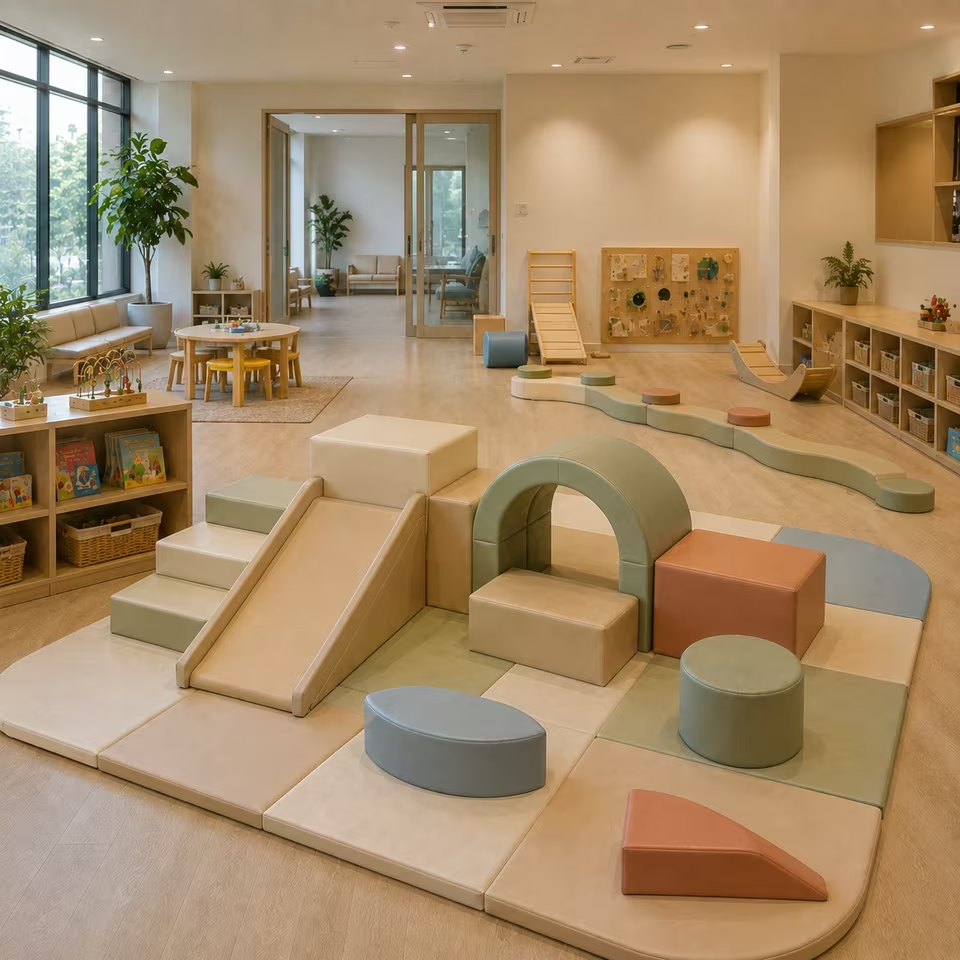
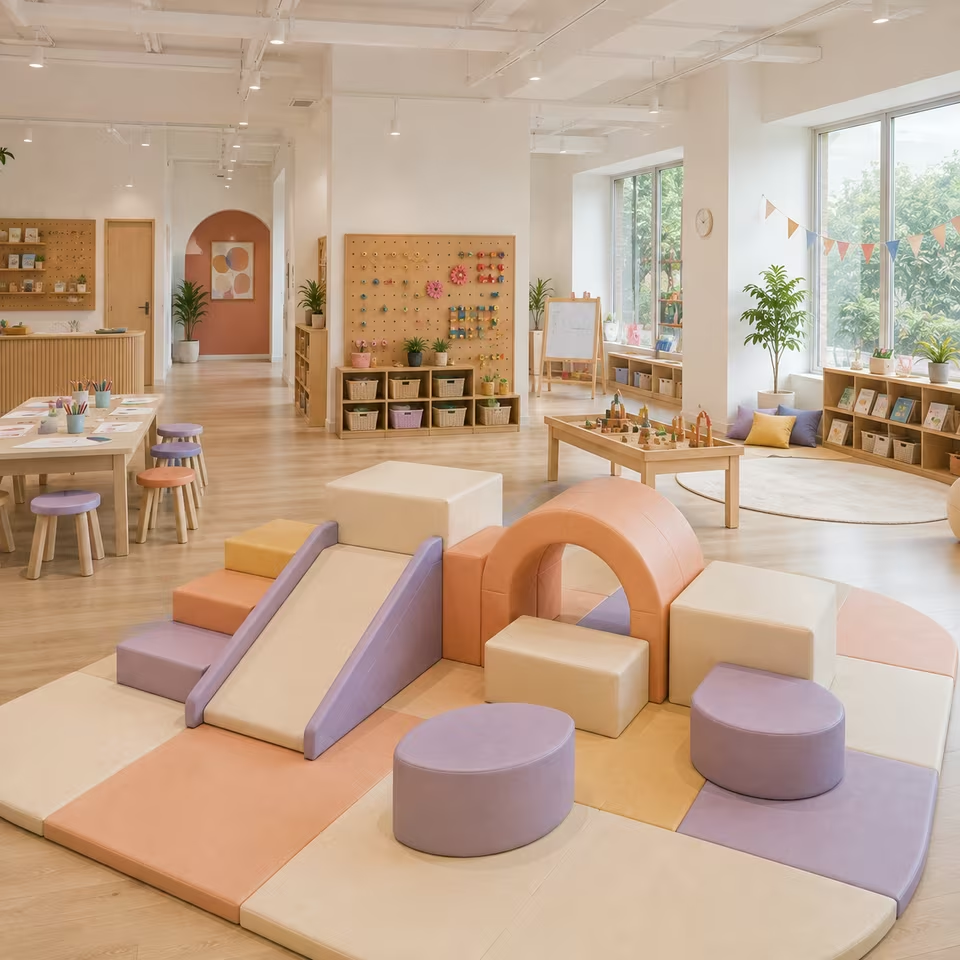
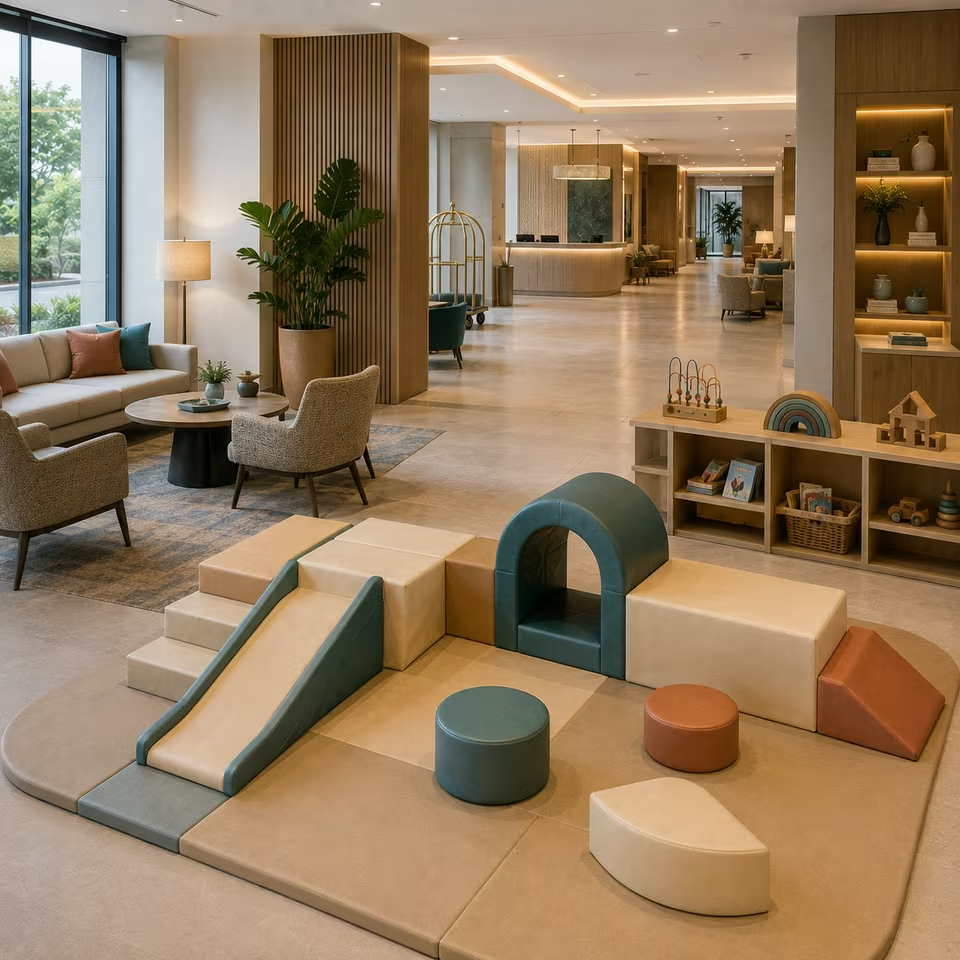
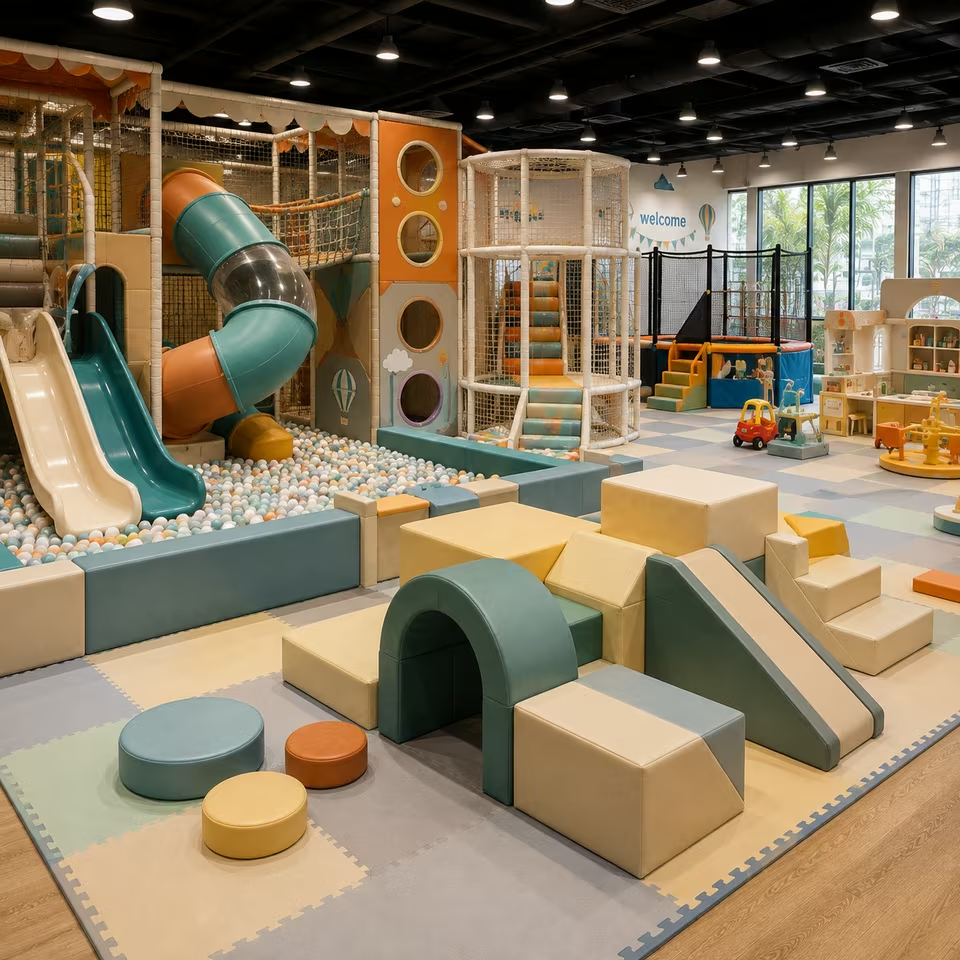
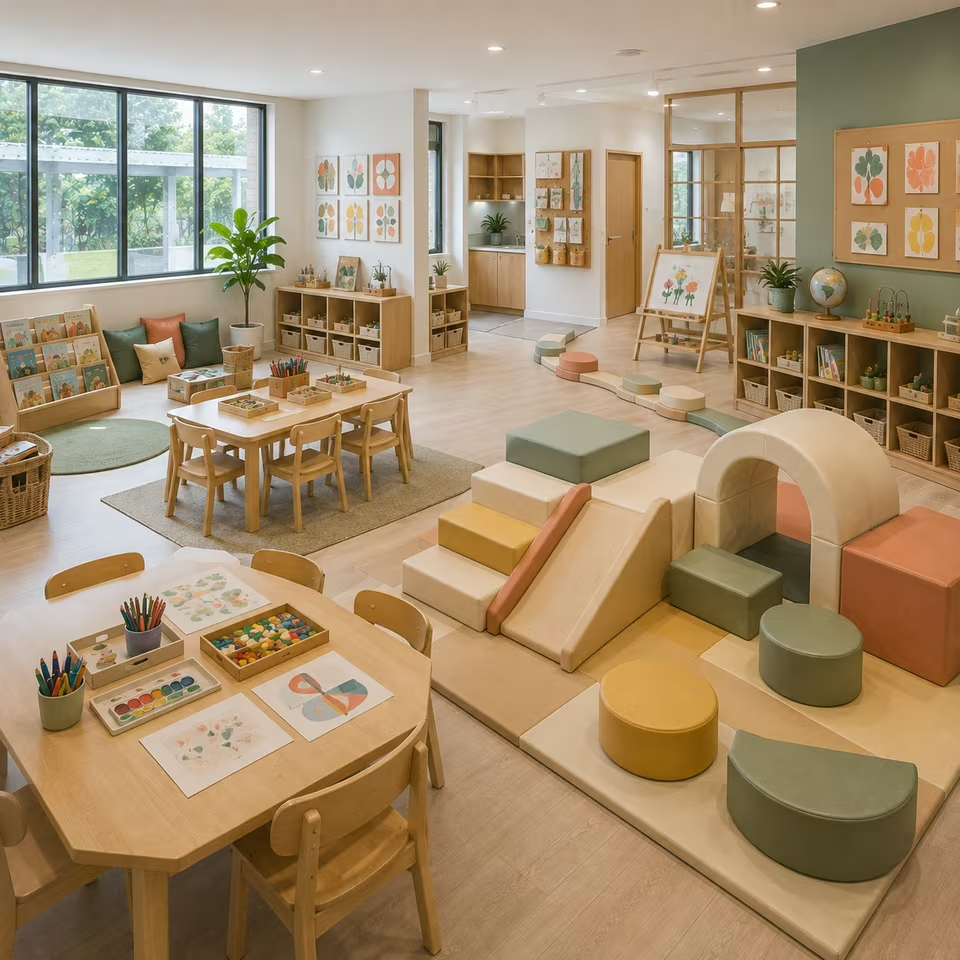
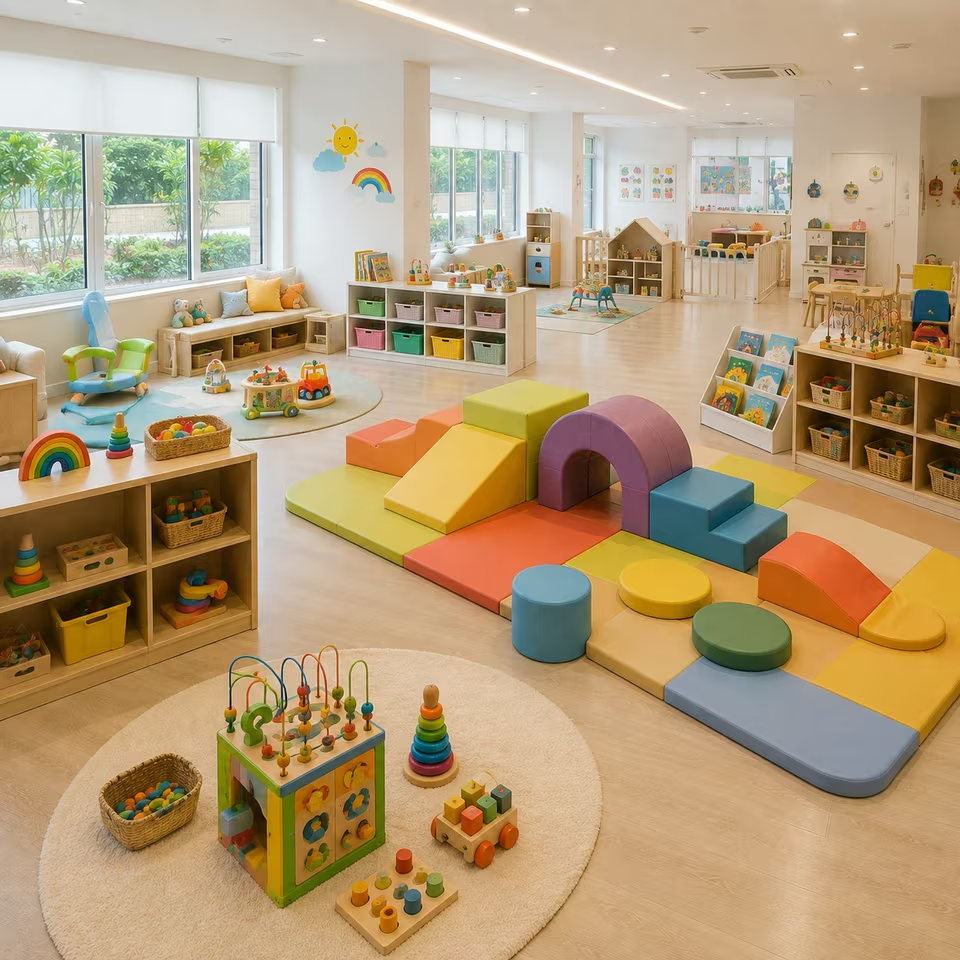
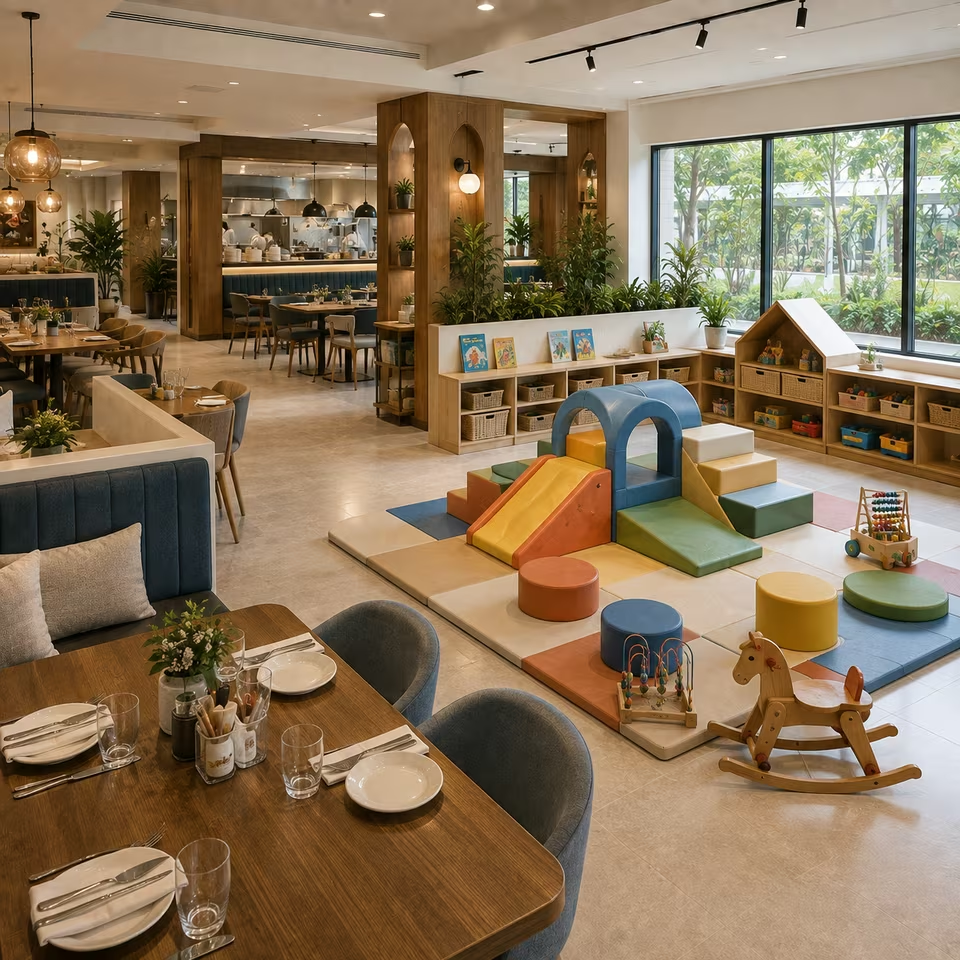
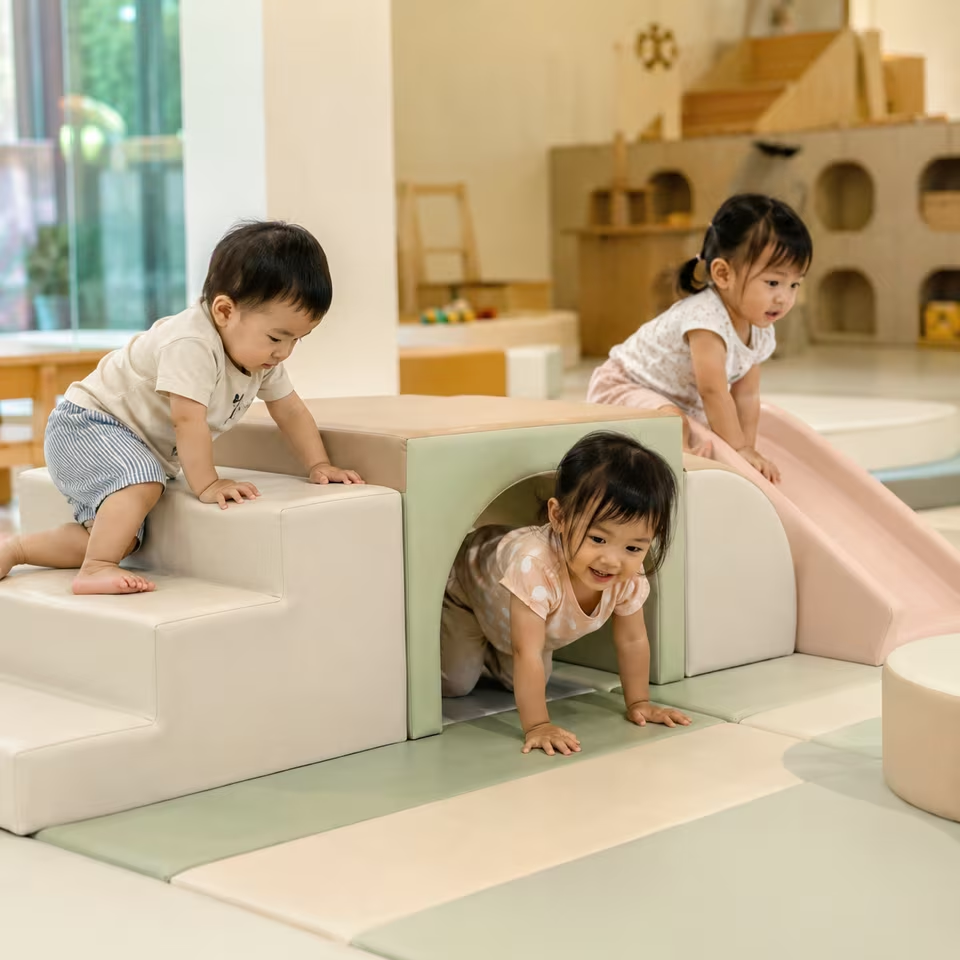
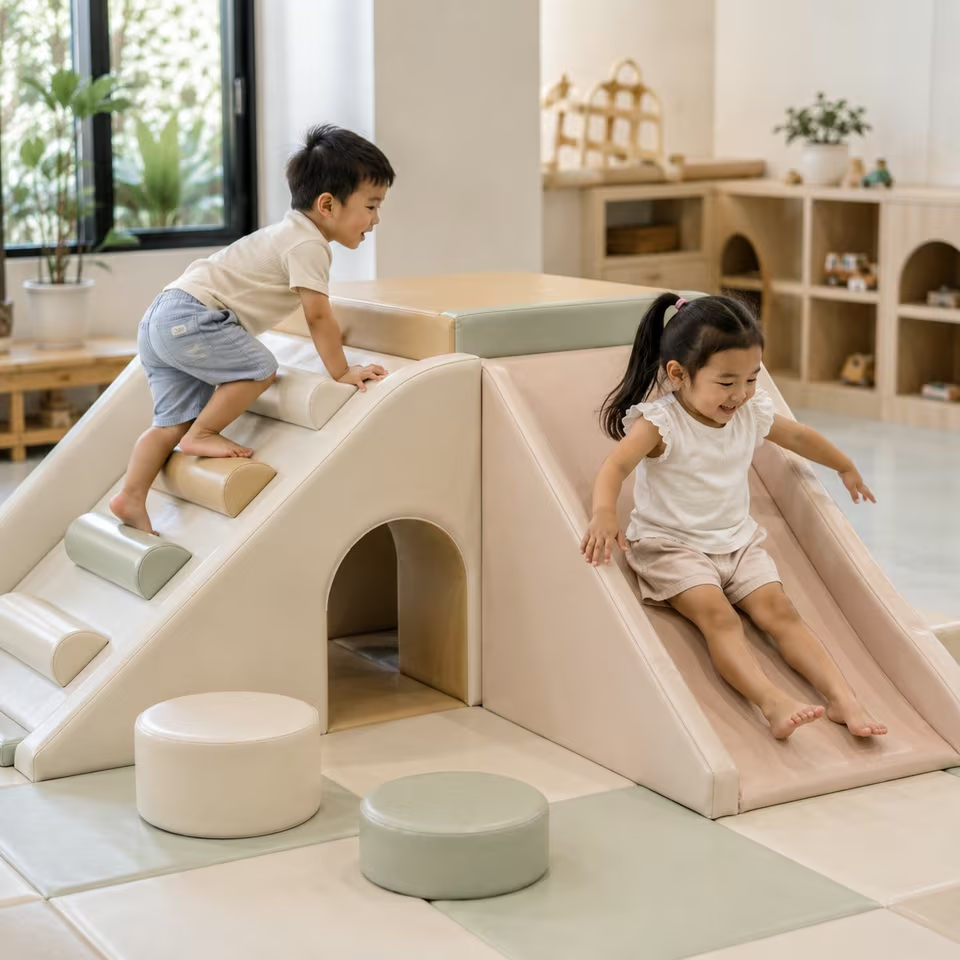
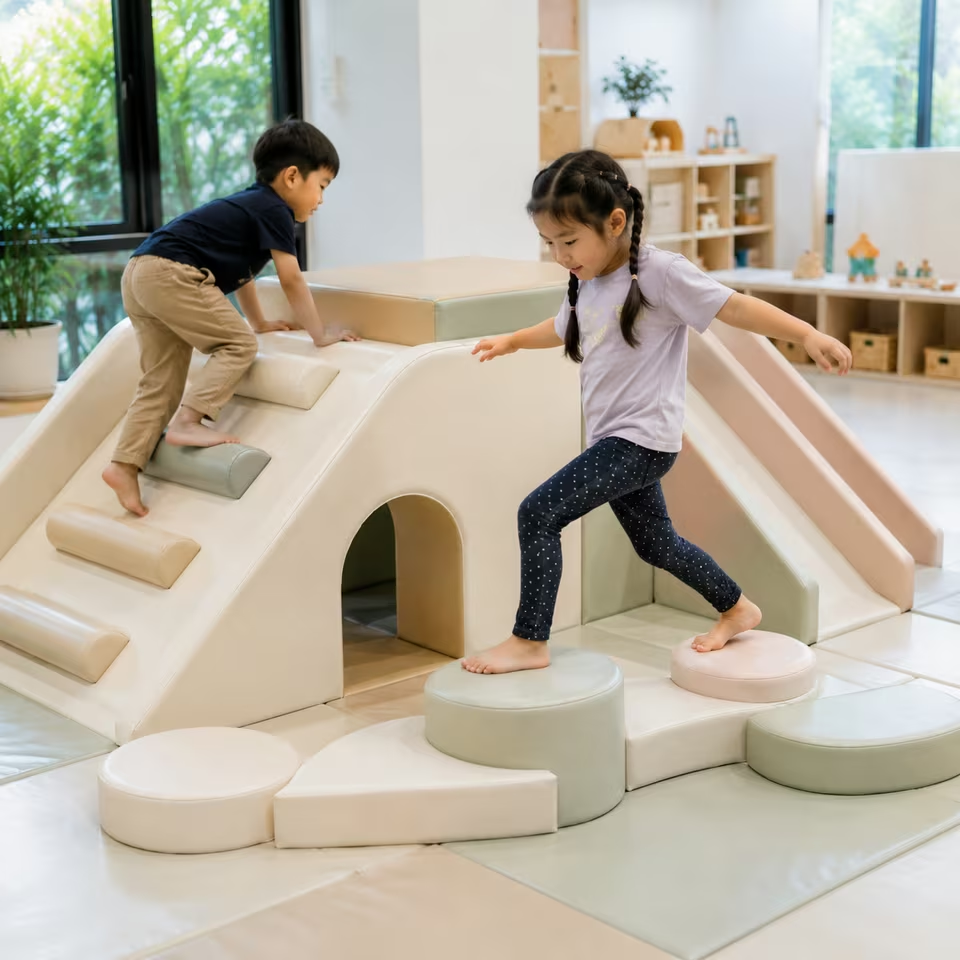
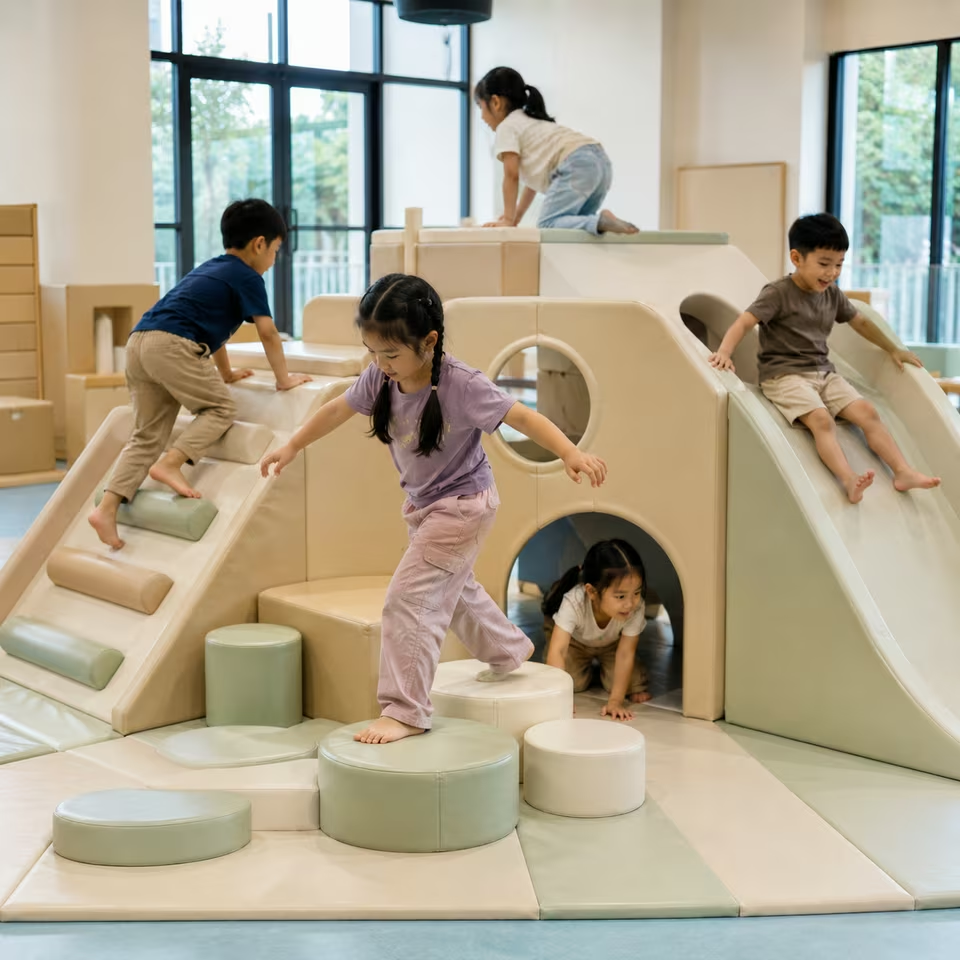
Sliding combines movement, balance and body control as children experience moving from a higher level down toward the ground.
Sliding creates a distinctive movement experience in which children transition from climbing or sitting at a higher level into controlled downward motion. As they position their bodies, prepare to move and reach the bottom, children experience changes in height, speed, balance and orientation. Within a thoughtfully planned play environment, sliding can become part of a broader movement sequence that encourages children to climb up, move across, slide down and choose what to explore next.
Highlights
Introduces movement through changing height and speed
Encourages body positioning and postural control
Creates a natural connection between climbing up and moving down
Adds direction and flow to active play
Provides a repeatable movement experience children can approach with growing confidence
Can become part of a larger sequence of climbing, balancing and exploration
Experience Keywords sliding · downward movement · movement flow · height transition · speed experience · body control · active play · repeat play · climb-and-slide · movement confidence
Sliding introduces children to movement that changes both height and speed over a short period of time.
Before moving down a slide, children need to position their bodies and transition from standing, climbing or crawling into a seated or appropriate sliding position.
Moving from the top toward the ground creates experience with orientation and body position as the surrounding space changes during movement.
The transition at the bottom of a slide asks children to adjust as downward movement ends and they return to a stable surface.
Sliding often forms part of a movement sequence rather than an isolated activity, especially when children first need to climb, step or move across another element to reach it.
Repeating the same slide allows children to become familiar with its height, movement and transition while deciding when they are ready to go again.
Different routes leading toward and away from a slide can turn a simple sliding activity into a broader experience of movement planning and exploration.
Play Guidance
Think about sliding as part of a complete movement route, including how children reach the top and where they move after reaching the bottom.
Keep the approach to the slide understandable so children can recognize where to climb, wait, position themselves and begin moving.
Provide useful open space at the end of the slide so children can complete the movement and transition naturally into their next action.
Avoid directing unrelated movement paths immediately across the slide exit.
Combine sliding with other movement opportunities such as climbing, crawling, stepping or balancing to create a richer play sequence.
Use approachable changes in height so the experience offers movement and excitement without relying only on greater elevation.
Where possible, allow children to choose whether to return to the slide or continue toward another activity rather than forcing a single repetitive route.
Consider the complete circulation around the play environment so children moving toward the slide and children leaving it do not unnecessarily compete for the same space.
FAQ
What can children experience through sliding play?
Sliding introduces changes in height, speed and body position within one movement. Children also experience the transitions involved in preparing to slide, moving downward and returning to a stable surface at the bottom.
How can a slide support gross motor play?
A slide can become part of a whole-body movement sequence when children climb or step to reach it, position themselves at the top, slide down and then move into another activity. This creates more varied movement than considering the slide in isolation.
What makes a good soft play slide area?
A useful layout considers the complete journey around the slide. Children need an understandable way to reach the top, enough space to begin the movement and a clear area at the bottom before continuing to another activity.
Does a children's slide need to be high to be engaging?
No. Height is only one part of the experience. The route to the slide, changes in level, surrounding activities and the opportunity to repeat or choose another path can make a lower slide engaging within a well-planned play environment.
Why combine climbing and sliding in children's play?
The two movements create a natural change in direction and effort. Children work their way upward through climbing or stepping and then experience downward movement through sliding, creating a simple but engaging movement sequence.
Can soft play slides work indoors?
Yes. Soft play slides can be incorporated into indoor play environments where the overall layout provides suitable space for approaching the slide, moving down and leaving the landing area without conflicting with surrounding activities.
What should be considered around the bottom of a slide?
The area should allow children to complete the sliding movement and move away naturally. Avoid placing unrelated circulation or another high-activity route directly across the slide exit.