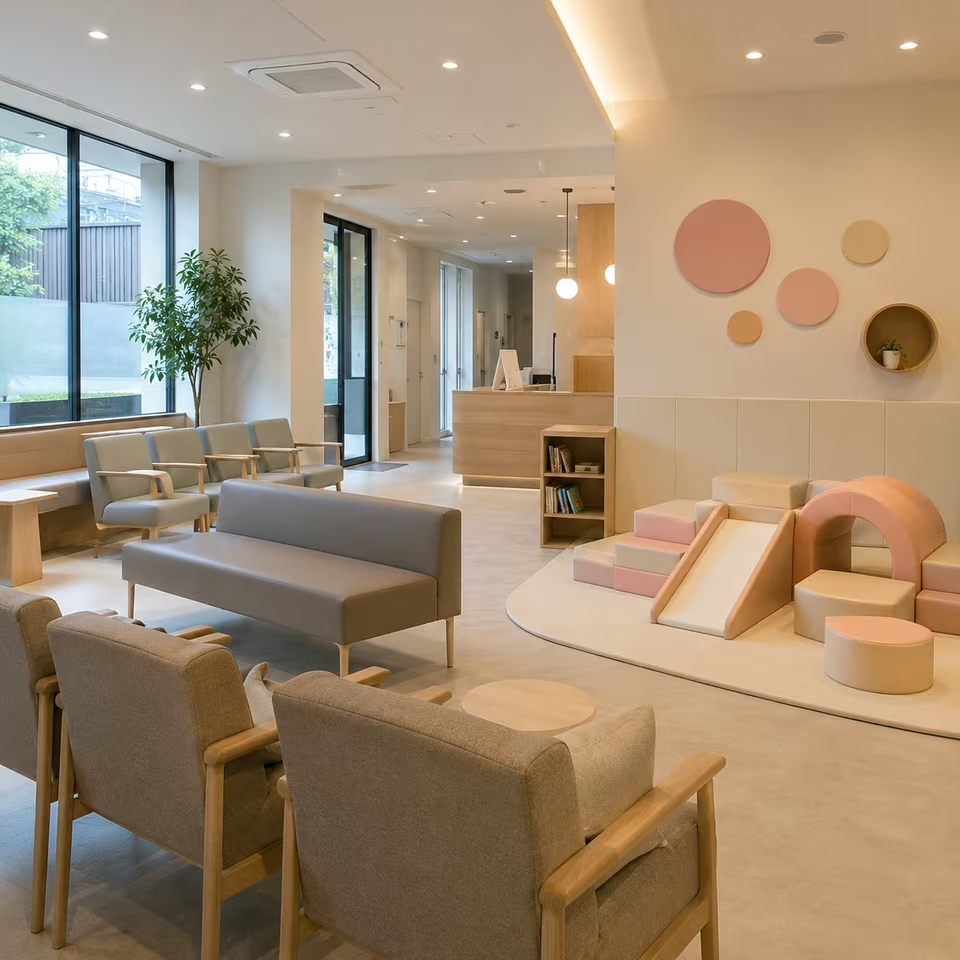
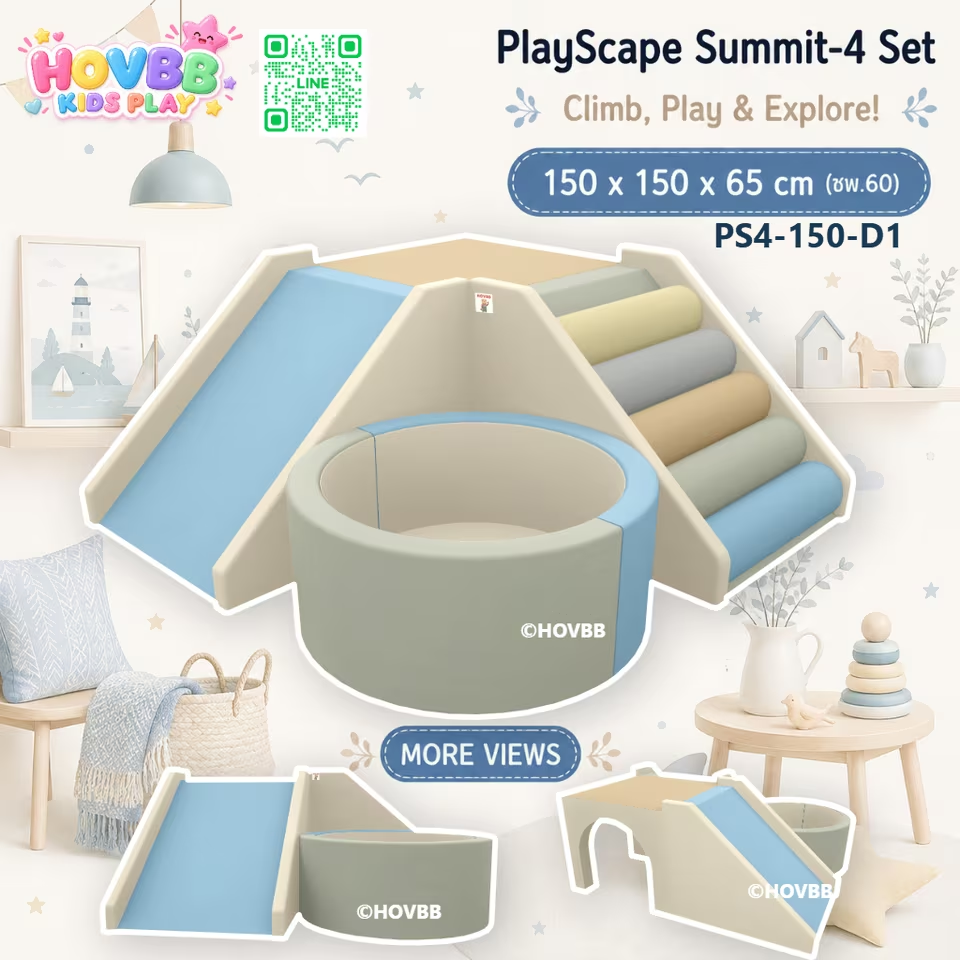
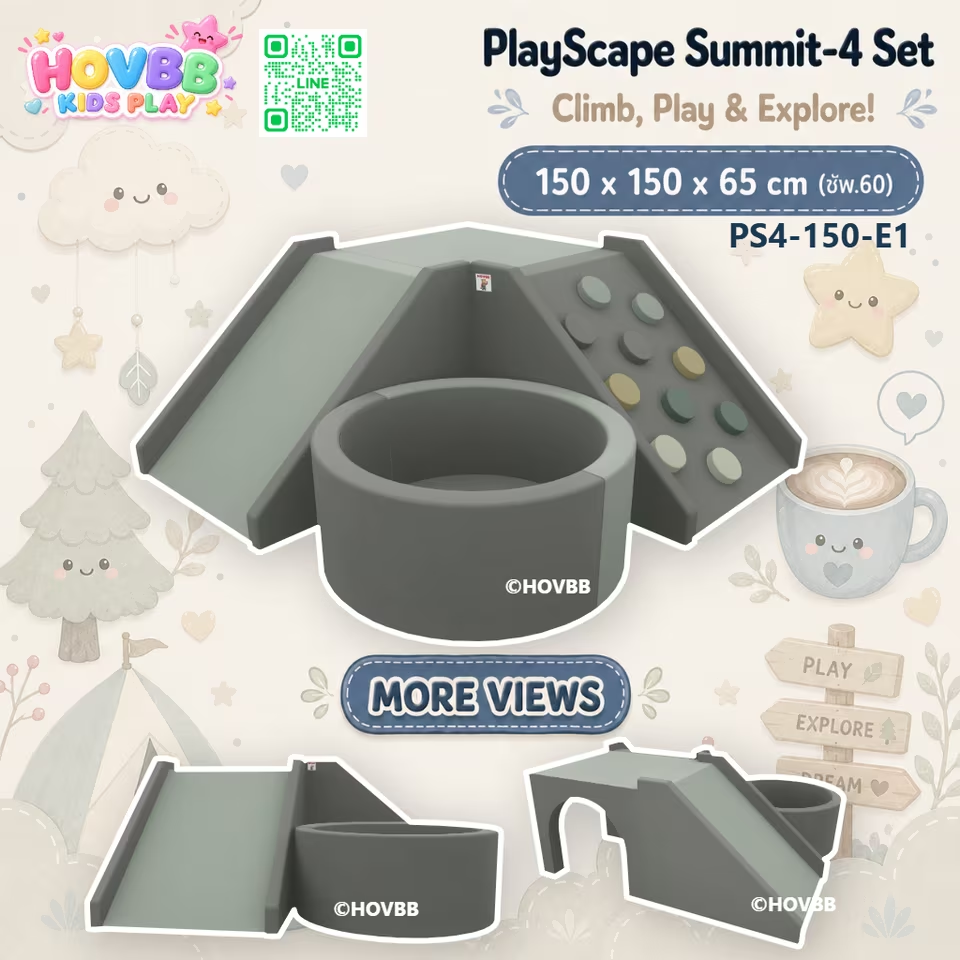
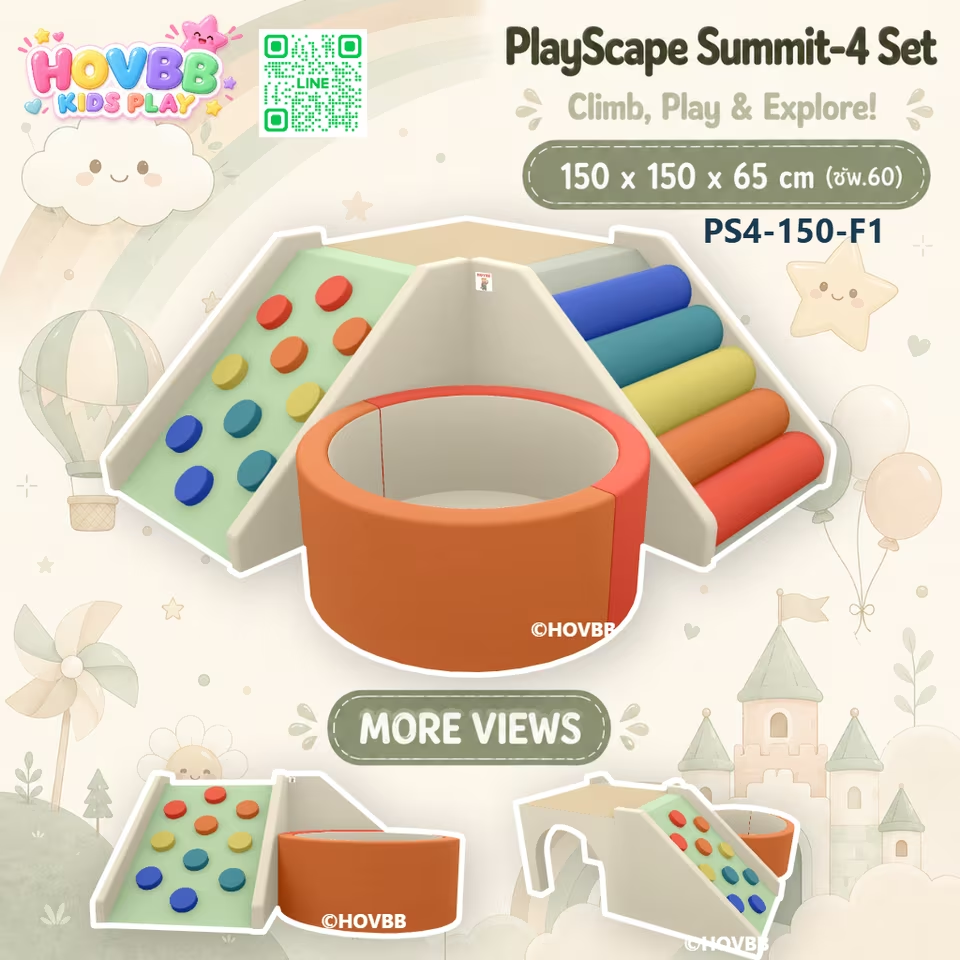
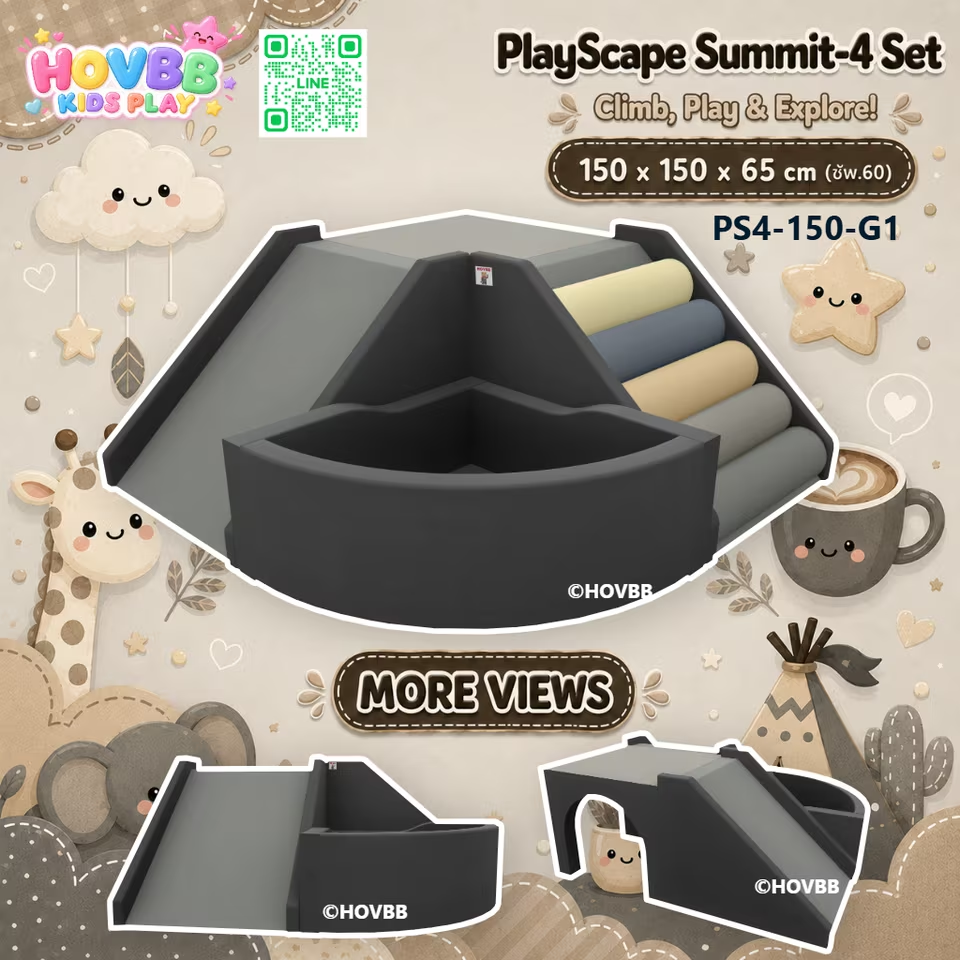
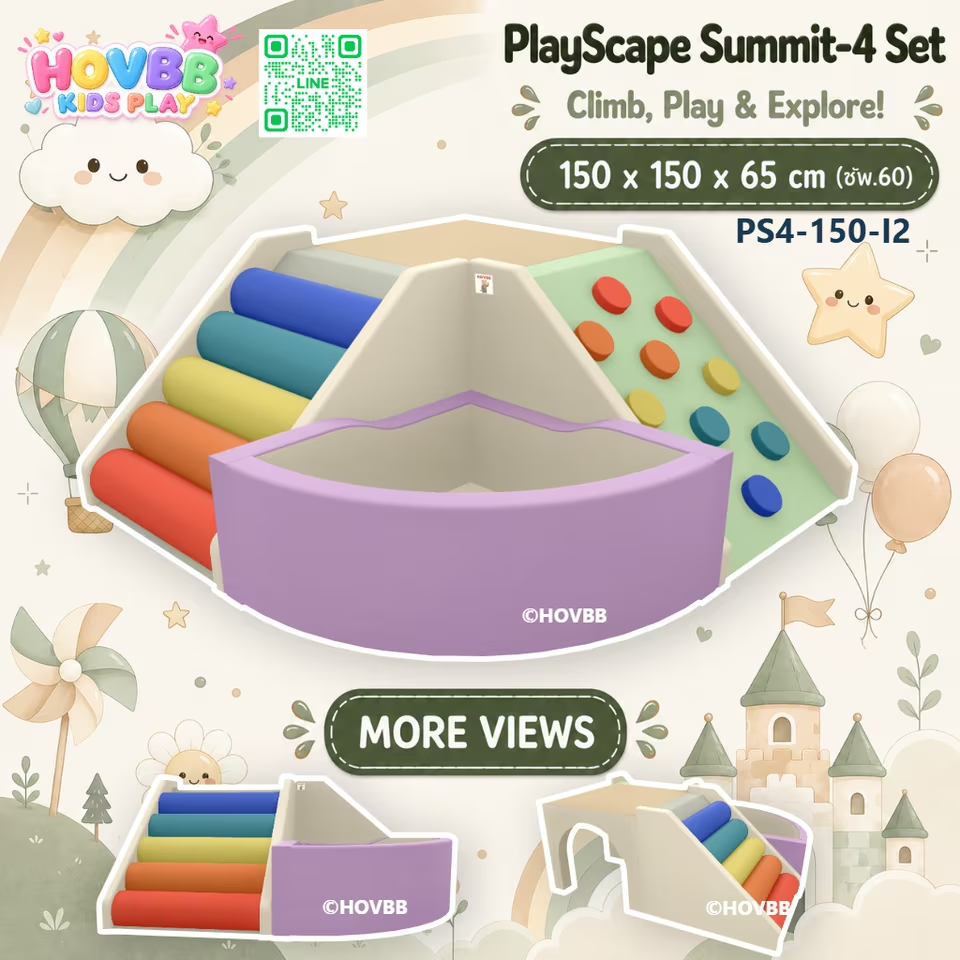
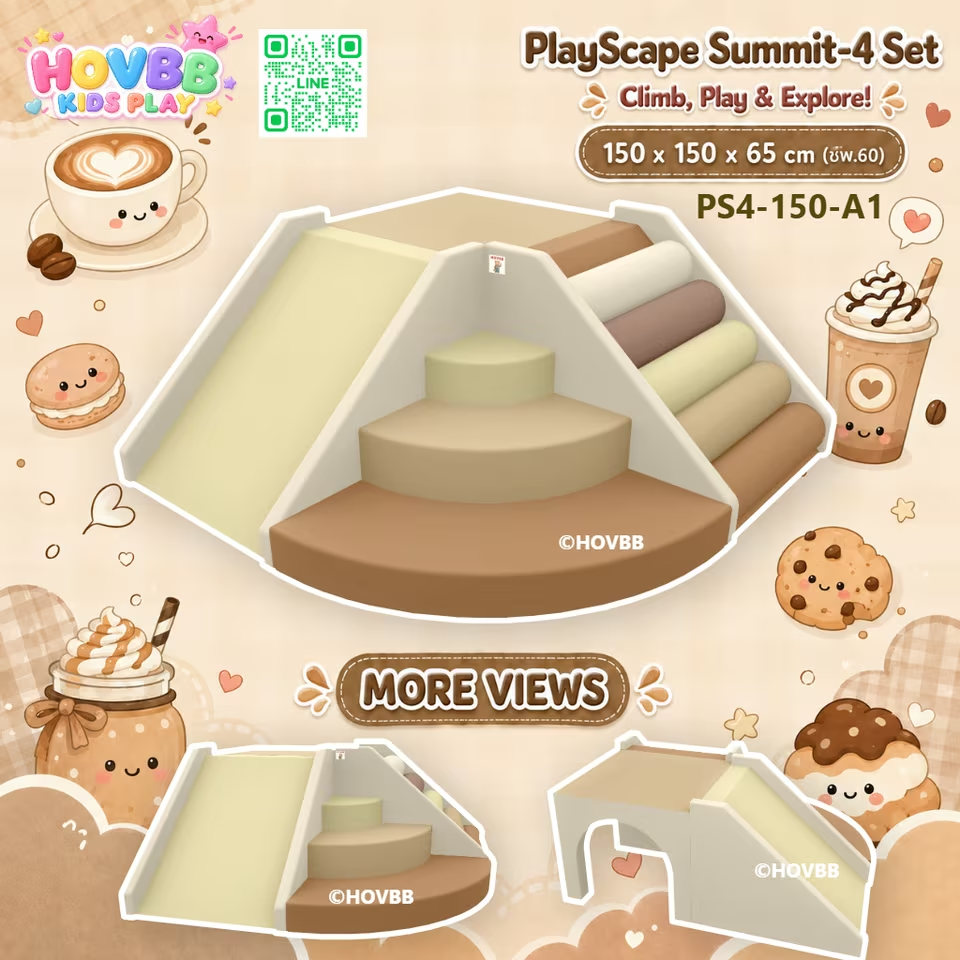
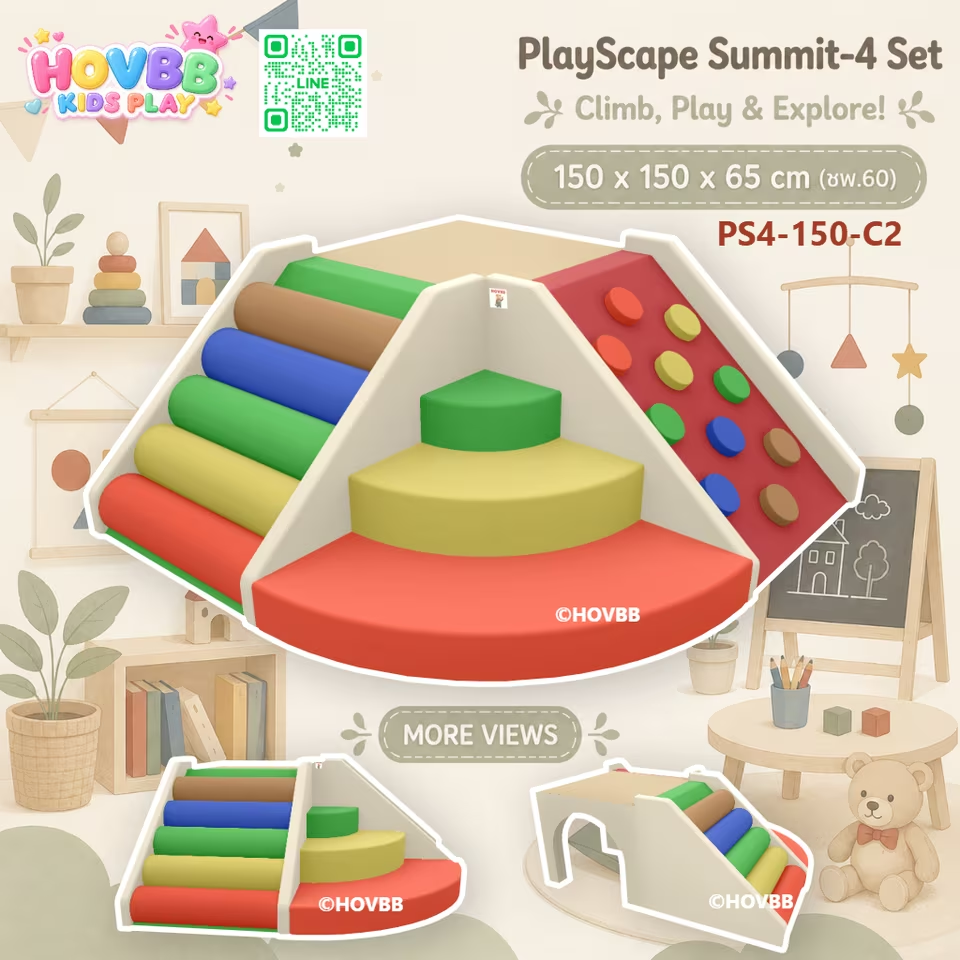
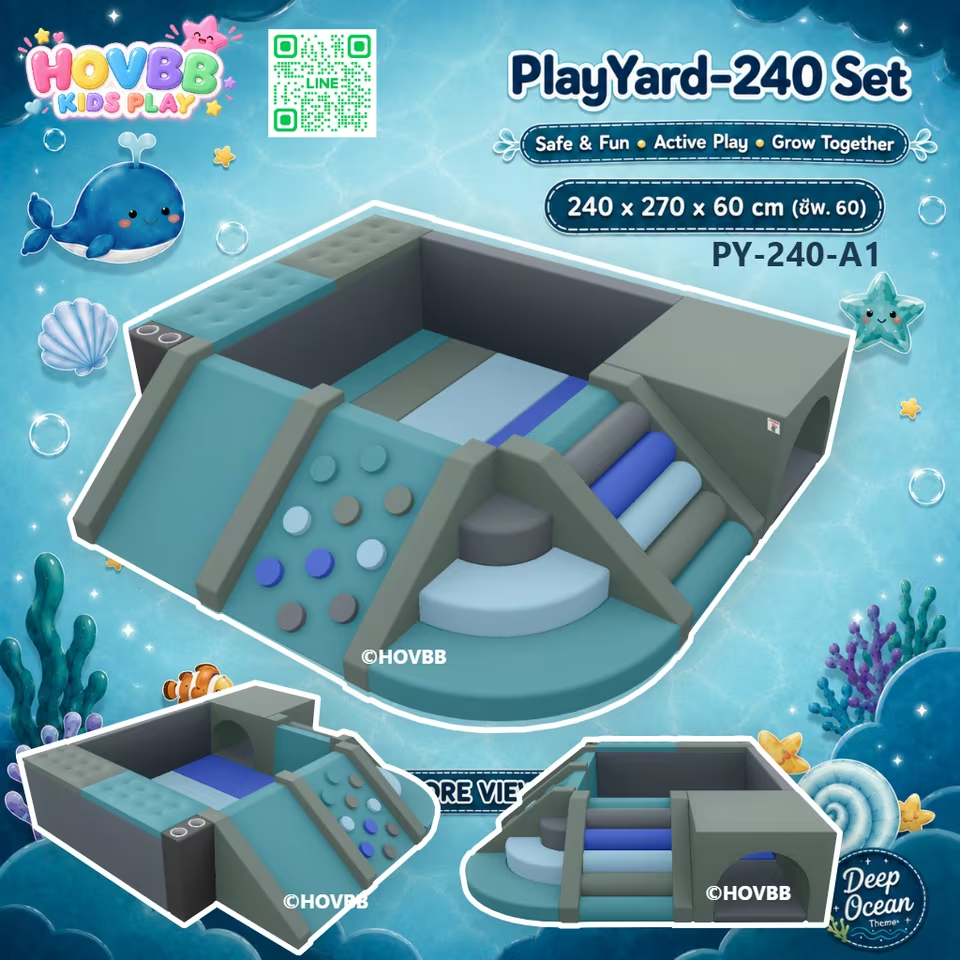
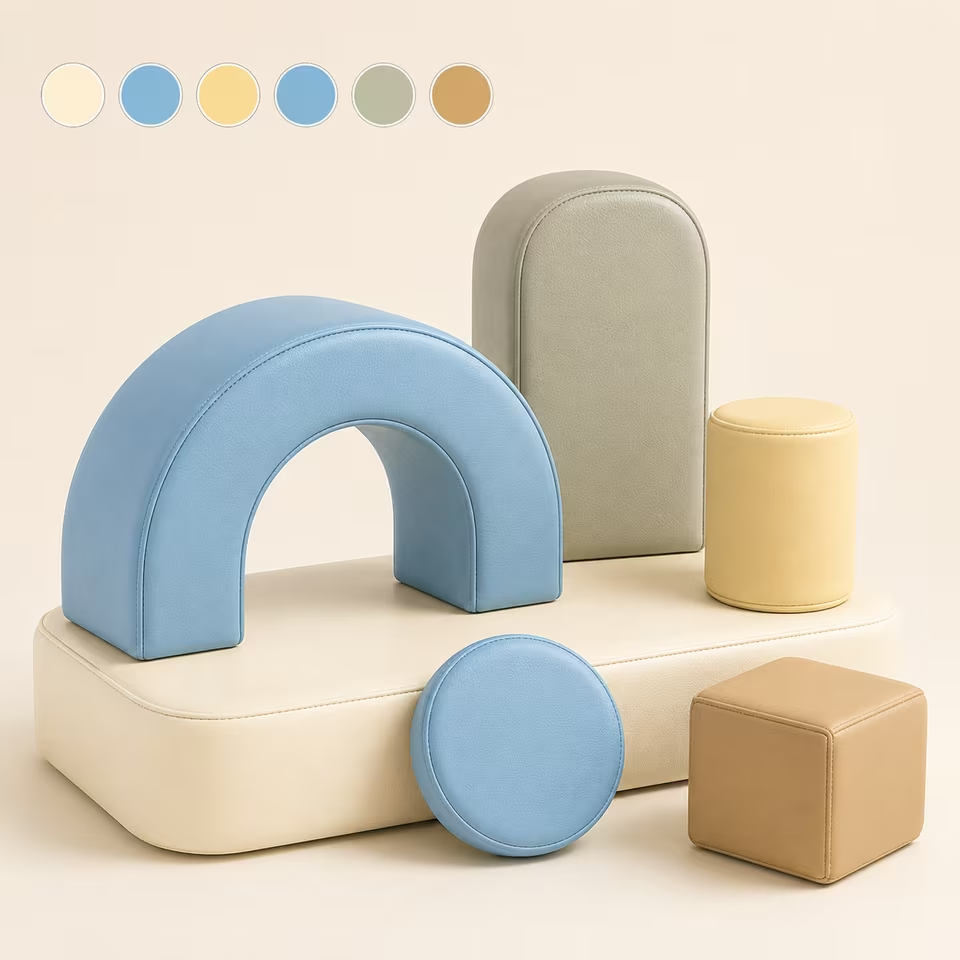
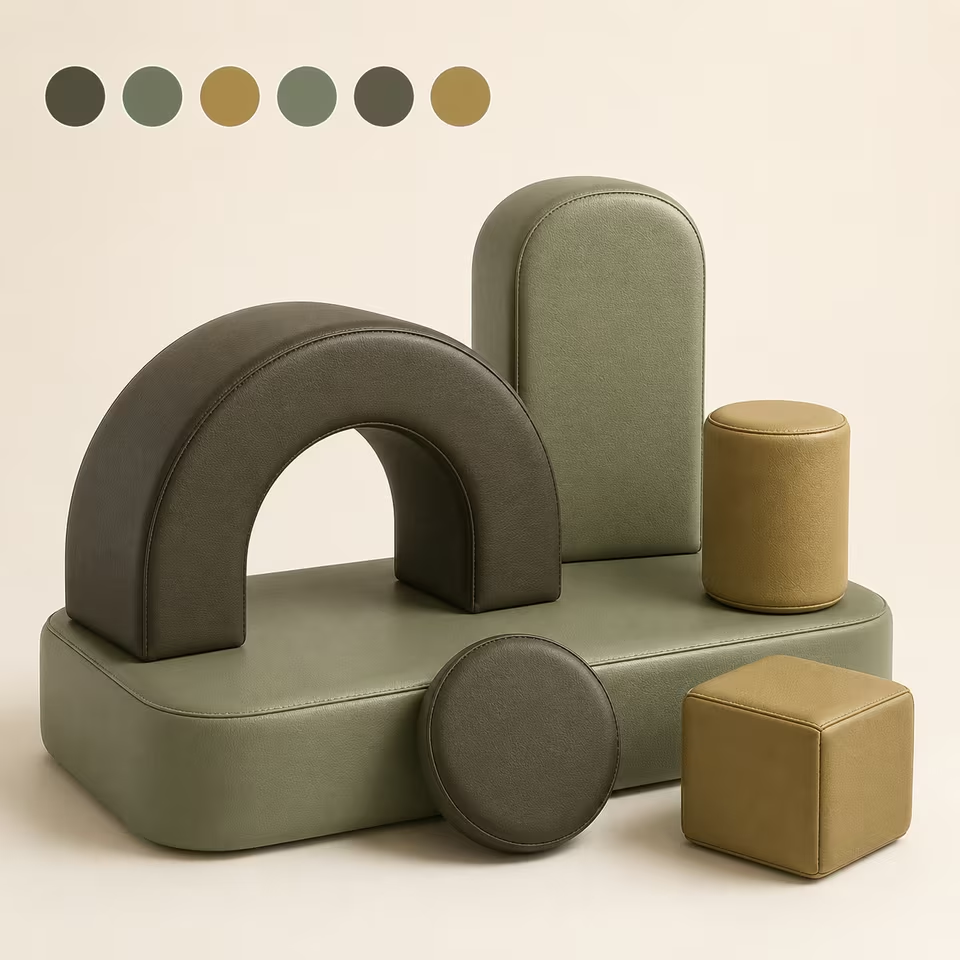
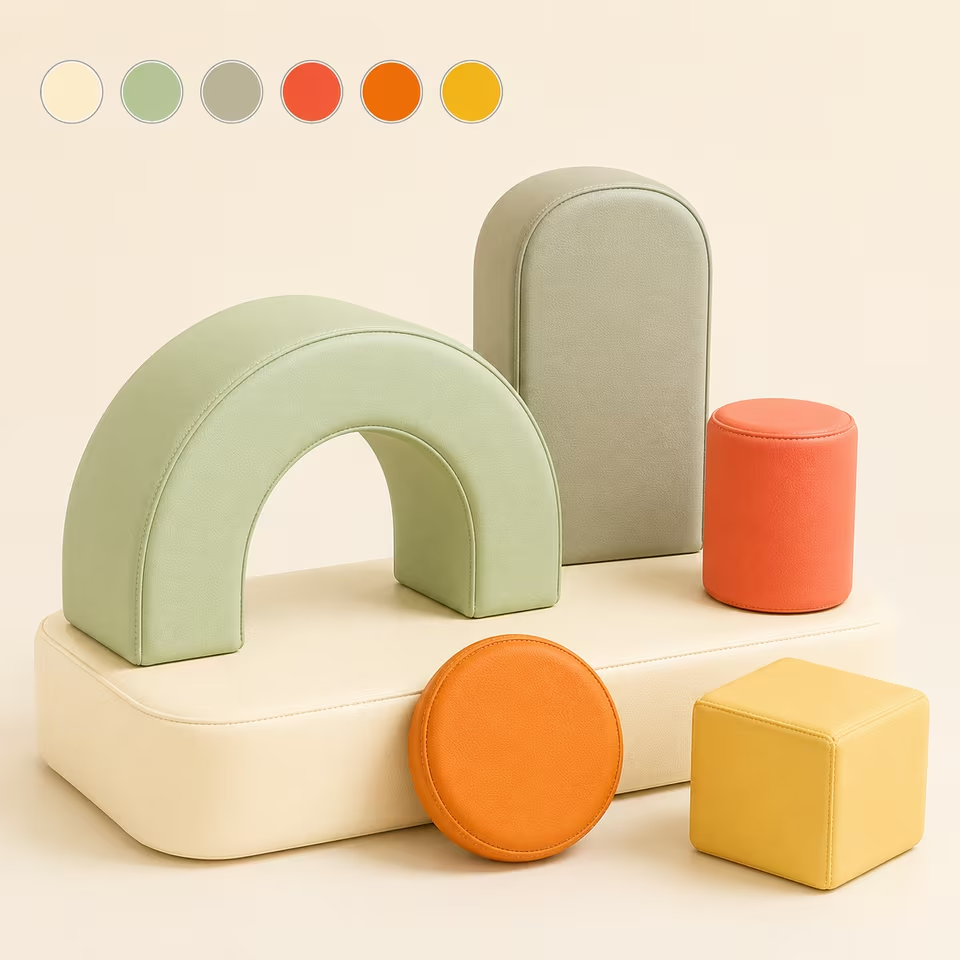
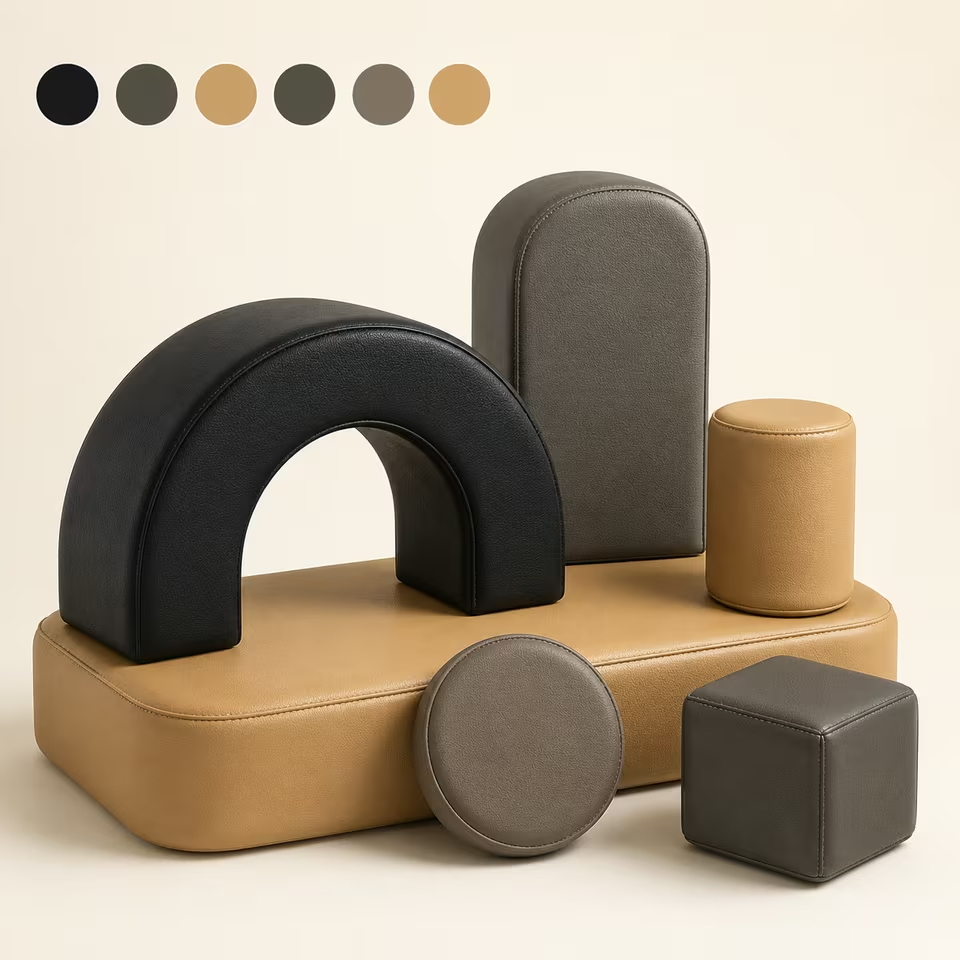
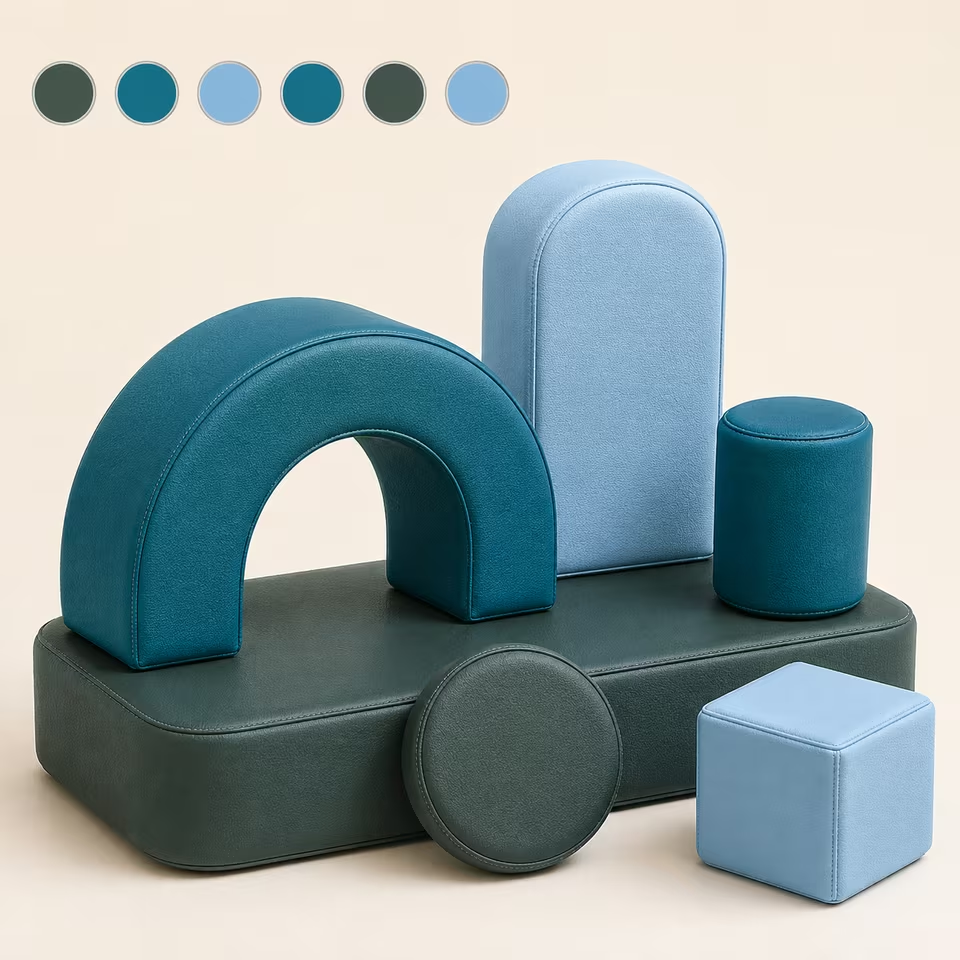
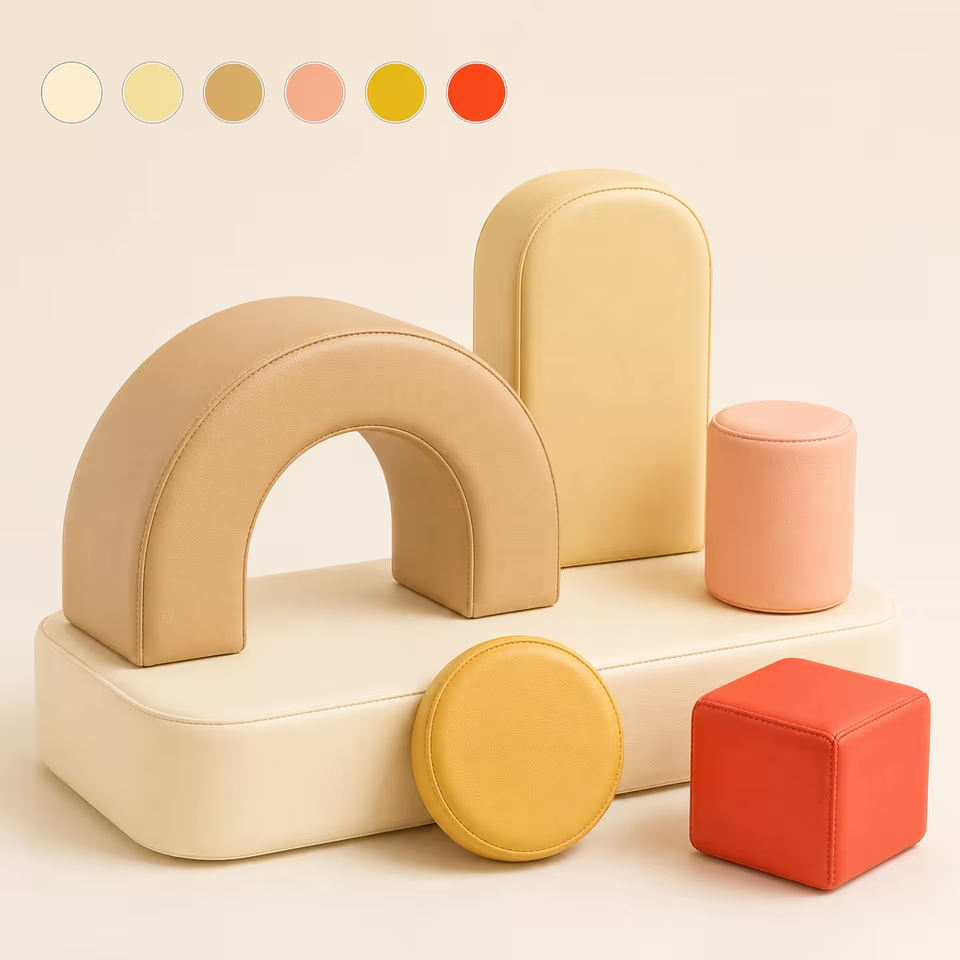
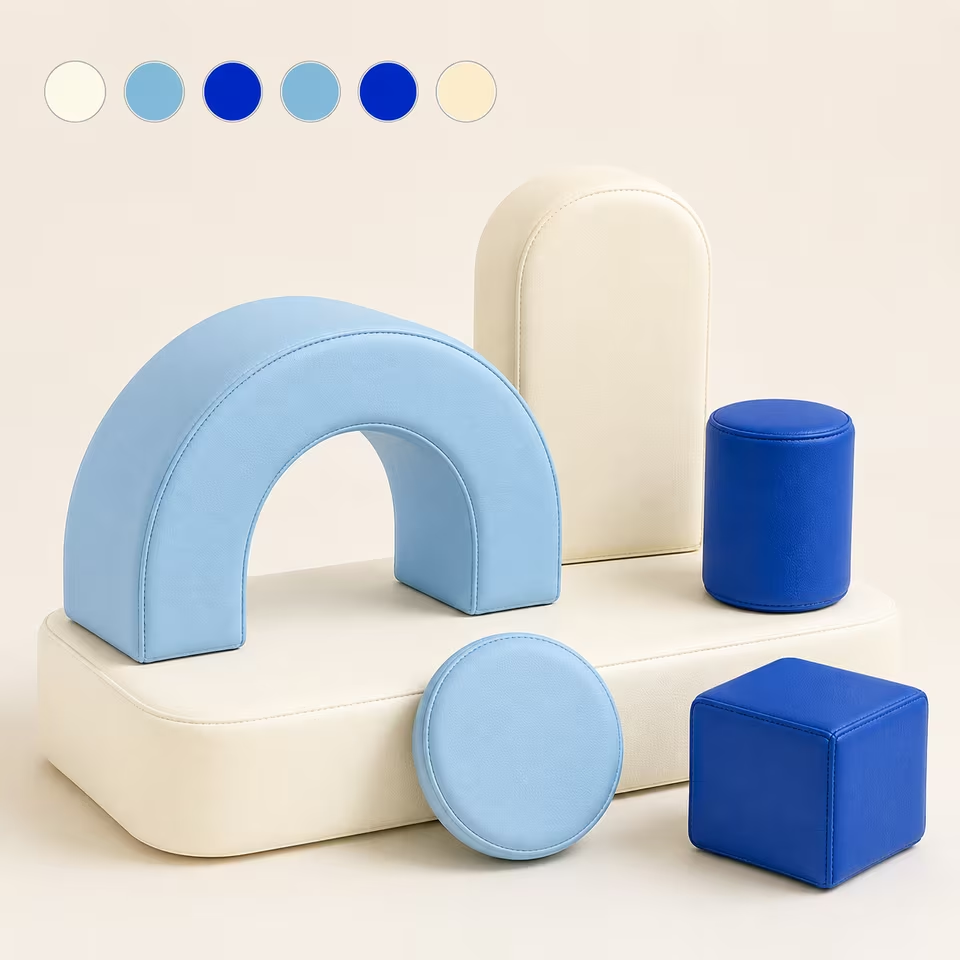
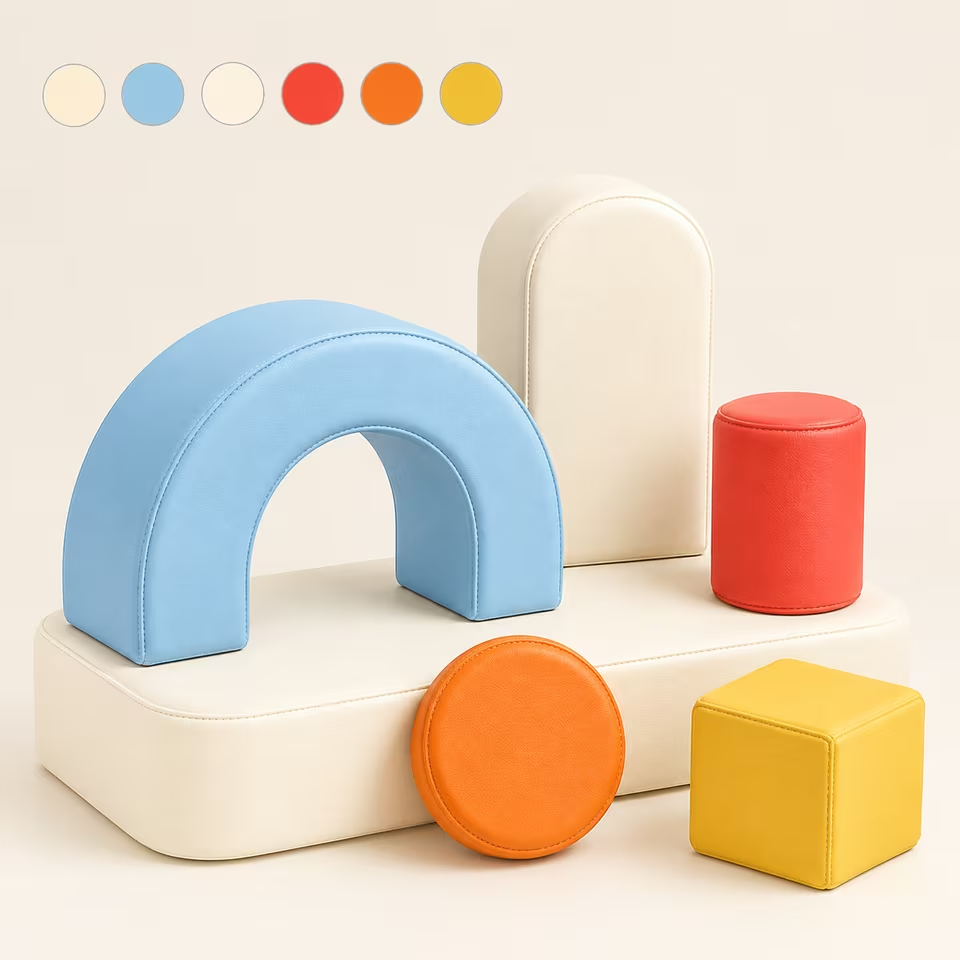
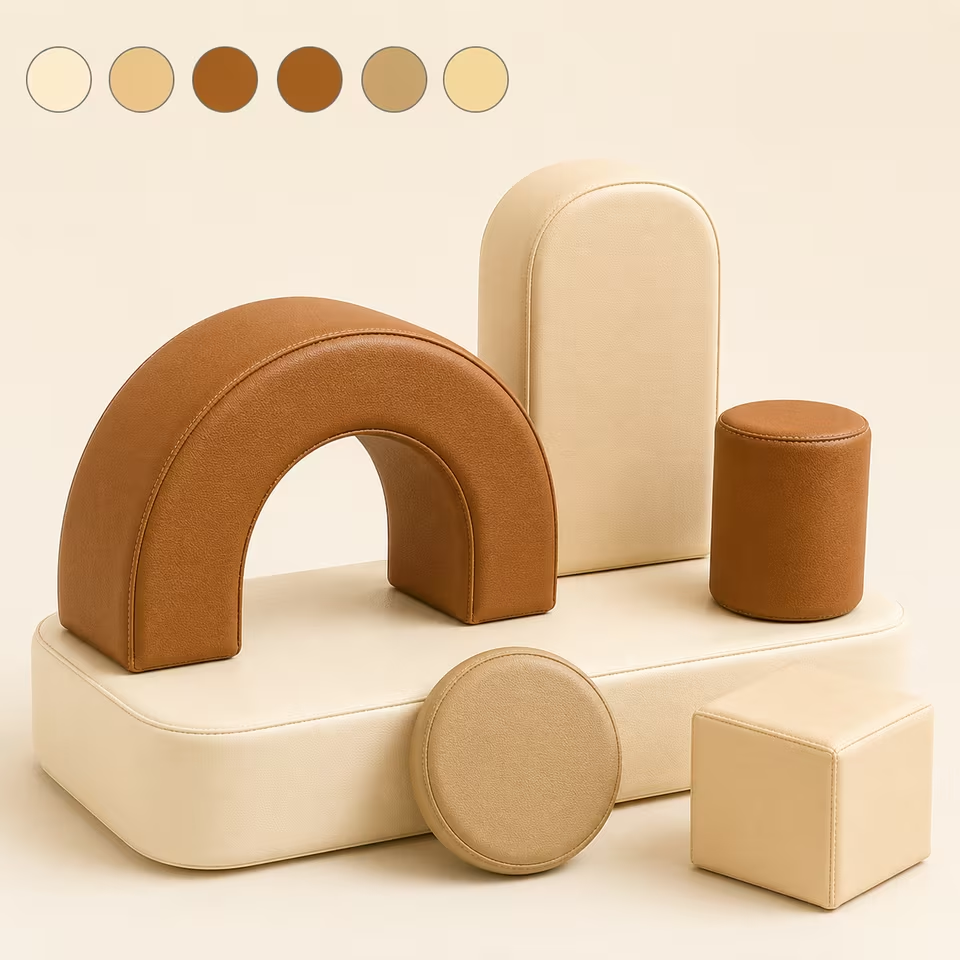
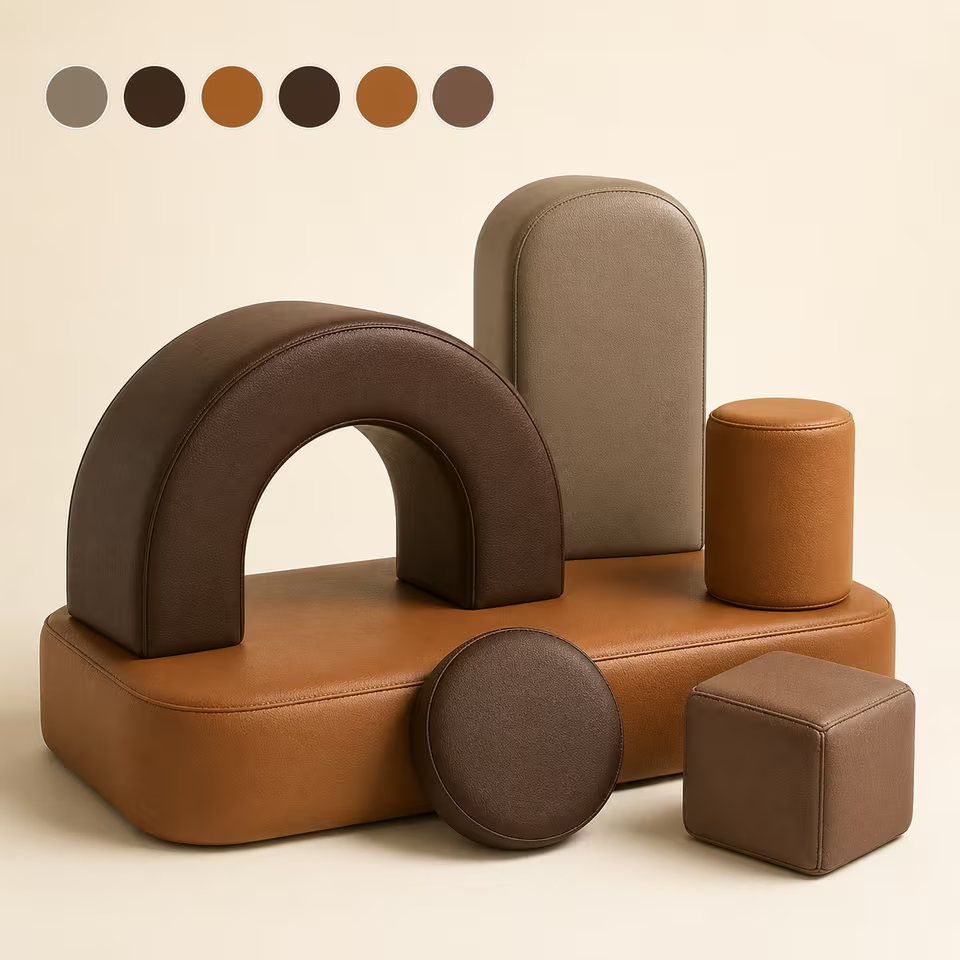
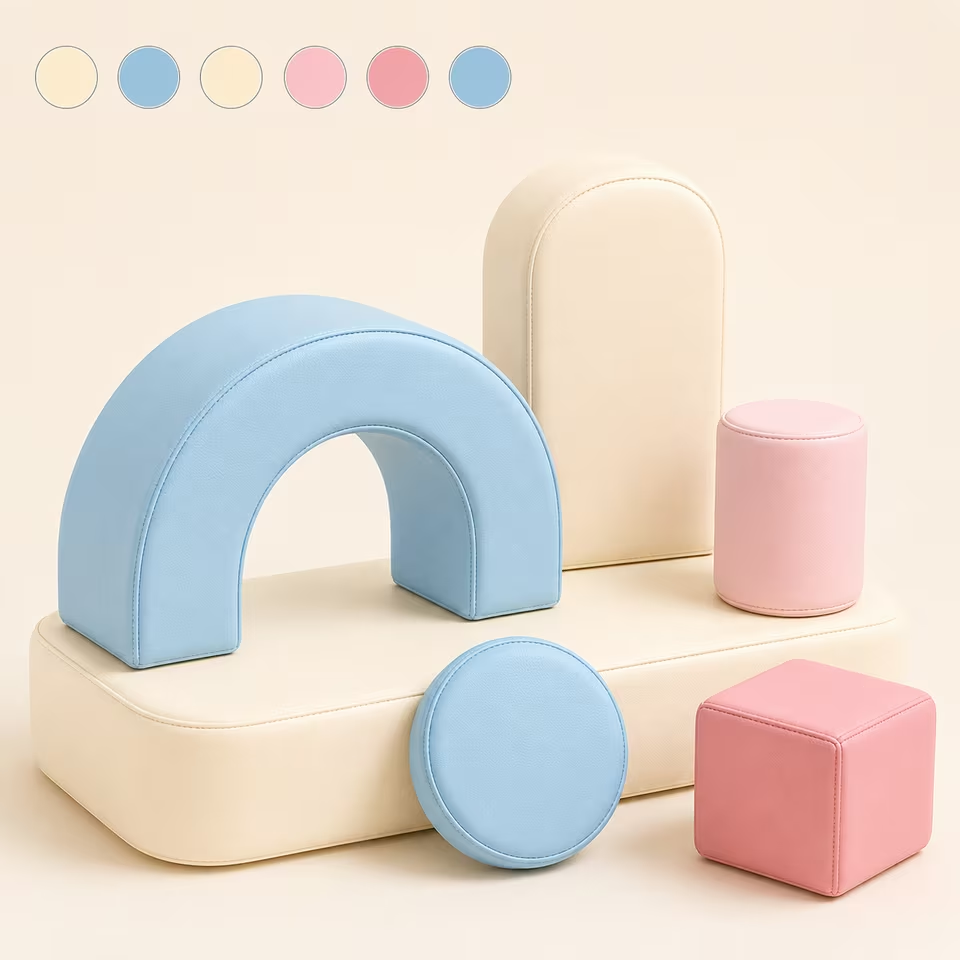
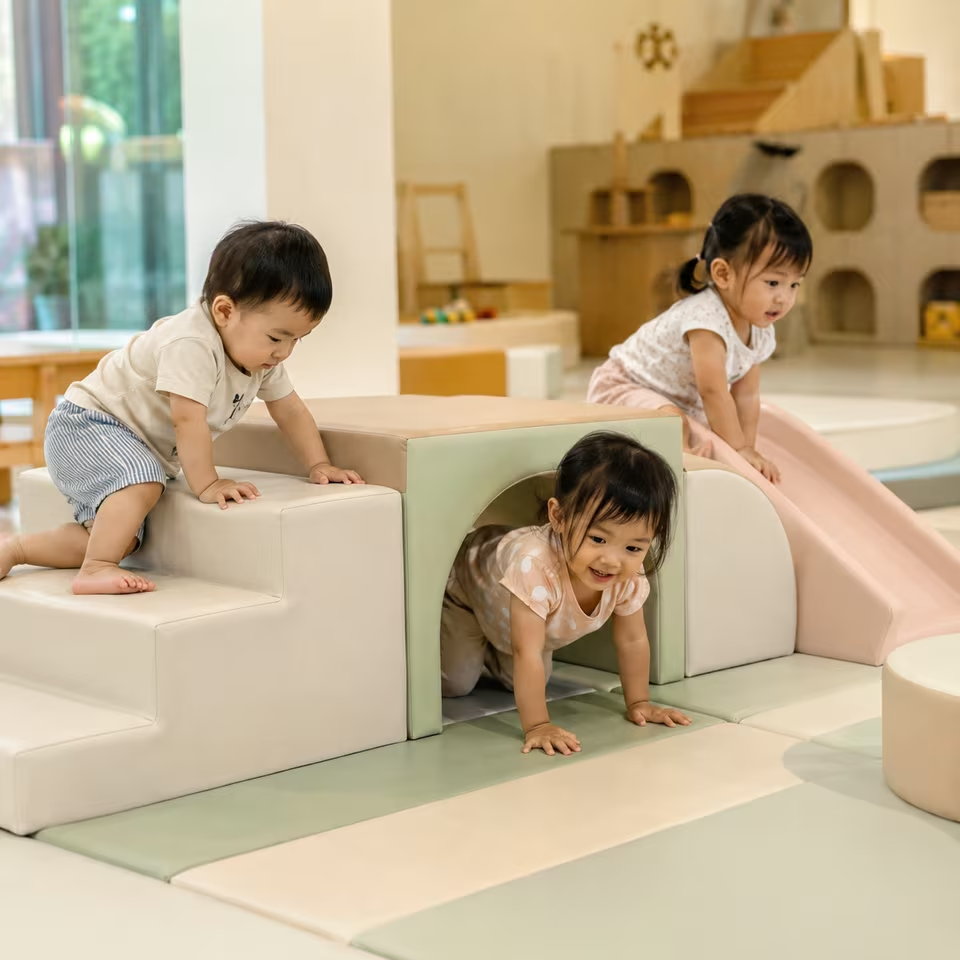
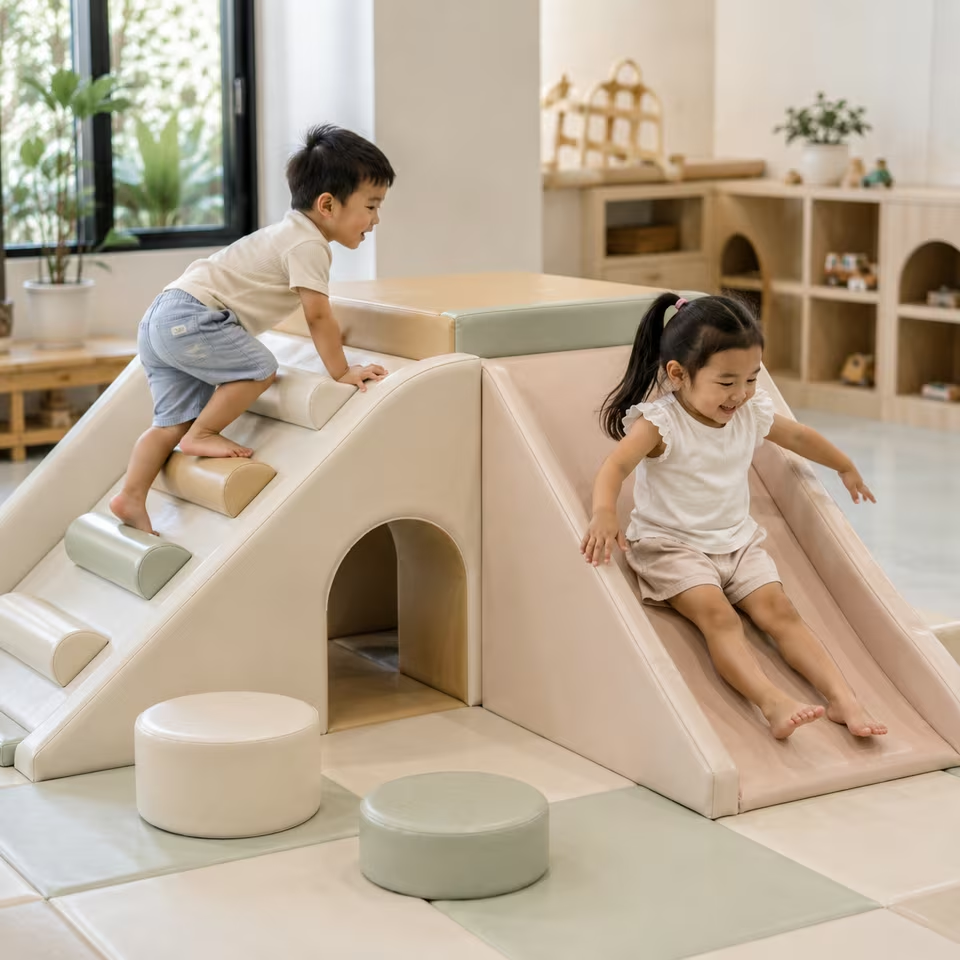
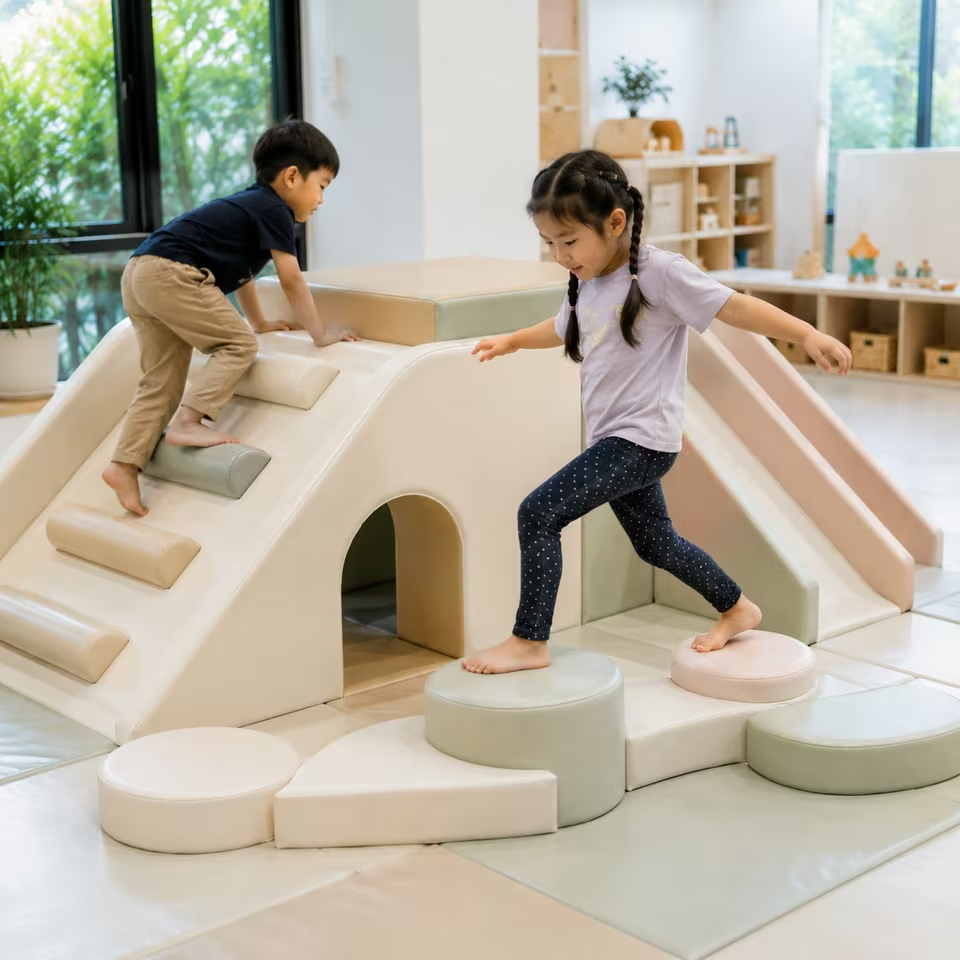
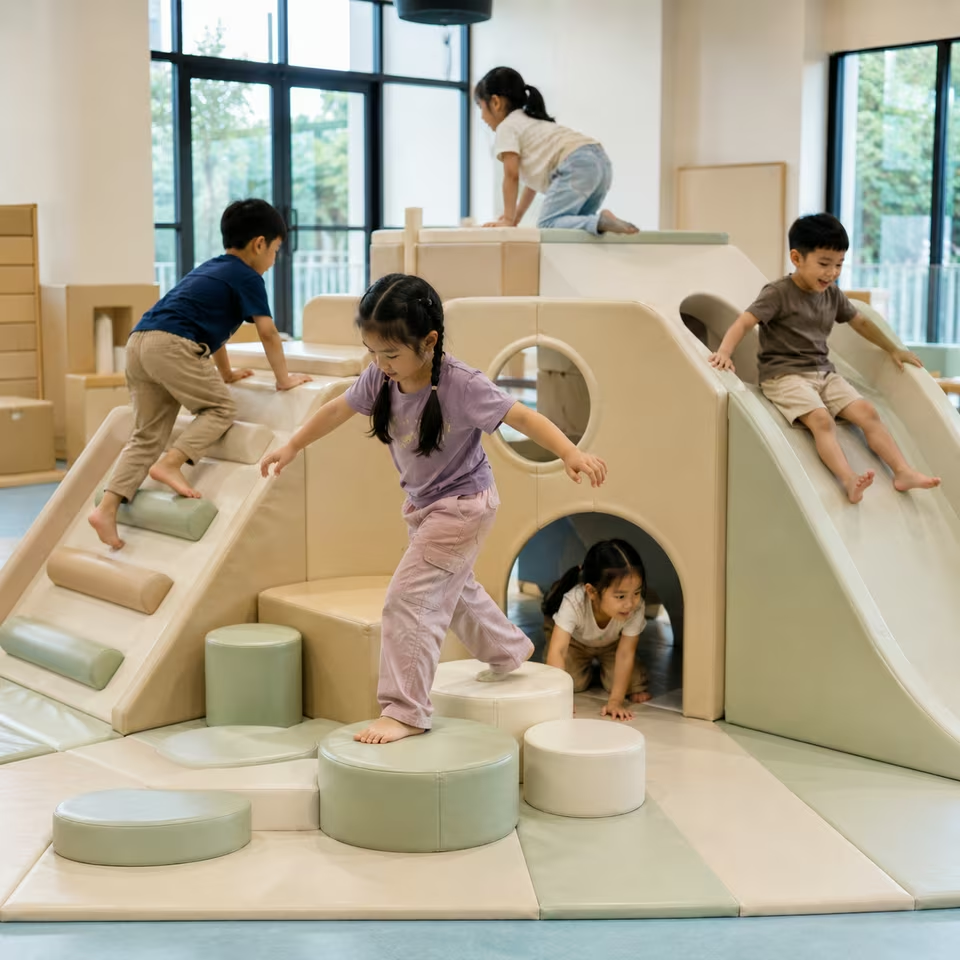
A shared waiting environment where a well-integrated children's play area can make time spent waiting more comfortable and engaging for families.
Waiting can be difficult for young children, especially in environments designed primarily around adult seating and circulation. A thoughtfully planned play area gives children something meaningful to do while accompanying adults remain nearby. Because waiting areas serve many different people and purposes, children's play should fit naturally into the environment without obstructing movement, reducing useful seating or interfering with the primary function of the space.
Highlights
Makes waiting more engaging for children
Provides a purposeful activity during otherwise inactive time
Keeps children naturally connected with accompanying adults
Can improve the family experience without changing the primary purpose of the space
Plan the children's area around the primary function of waiting rather than treating the space as a dedicated play environment.
Consider how long families typically remain in the space and choose an appropriate level of play activity for that waiting pattern.
Preserve enough seating for the people who use the waiting area, including accompanying family members.
Keep the play experience easy to understand so children can engage naturally without complicated setup or instruction.
Consider the needs of people who are not using the children's area so play does not unnecessarily dominate the shared environment.
Include routine cleaning and general upkeep when planning a play area intended for repeated public or shared use.
Placement Tips
Position the play area where accompanying adults can maintain a natural visual connection from nearby seating.
Keep children's activity outside the primary route between entrances, service counters, doors and other frequently accessed destinations.
Avoid placing active play where children entering or leaving the zone immediately cross a busy walkway.
Leave a comfortable transition between play, seating and circulation rather than fitting the children's area tightly into unused floor space.
Preserve access to seating and facilities for people who are not using the play area.
Choose a location that remains practical to reach for routine cleaning and maintenance.
FAQ
Can soft play be used in a waiting area?
Yes. A modest play area can give children something engaging to do while they wait and help families use the space more comfortably. It should complement the waiting environment rather than becoming its dominant function.
What type of play works well in a waiting area?
Play that is easy to approach and does not require a long sequence or complicated setup generally fits waiting environments well. The appropriate level of activity depends on the size, character and typical waiting time of the space.
Where should a children's play area be placed in a waiting space?
A useful location is usually visible from nearby seating but outside the main circulation routes. Children should be able to enter and leave the play area without immediately moving into a busy walkway.
How much space should be dedicated to children's play?
There is no single proportion that works for every waiting area. The play zone should be considered after essential seating, circulation and access requirements, with enough surrounding space for it to function comfortably.
How can a play area fit naturally into a waiting environment?
Keep its scale appropriate to the room and consider its relationship with seating, circulation and the surrounding interior. A clearly defined but visually connected children's area can feel intentional without turning the entire space into a playroom.