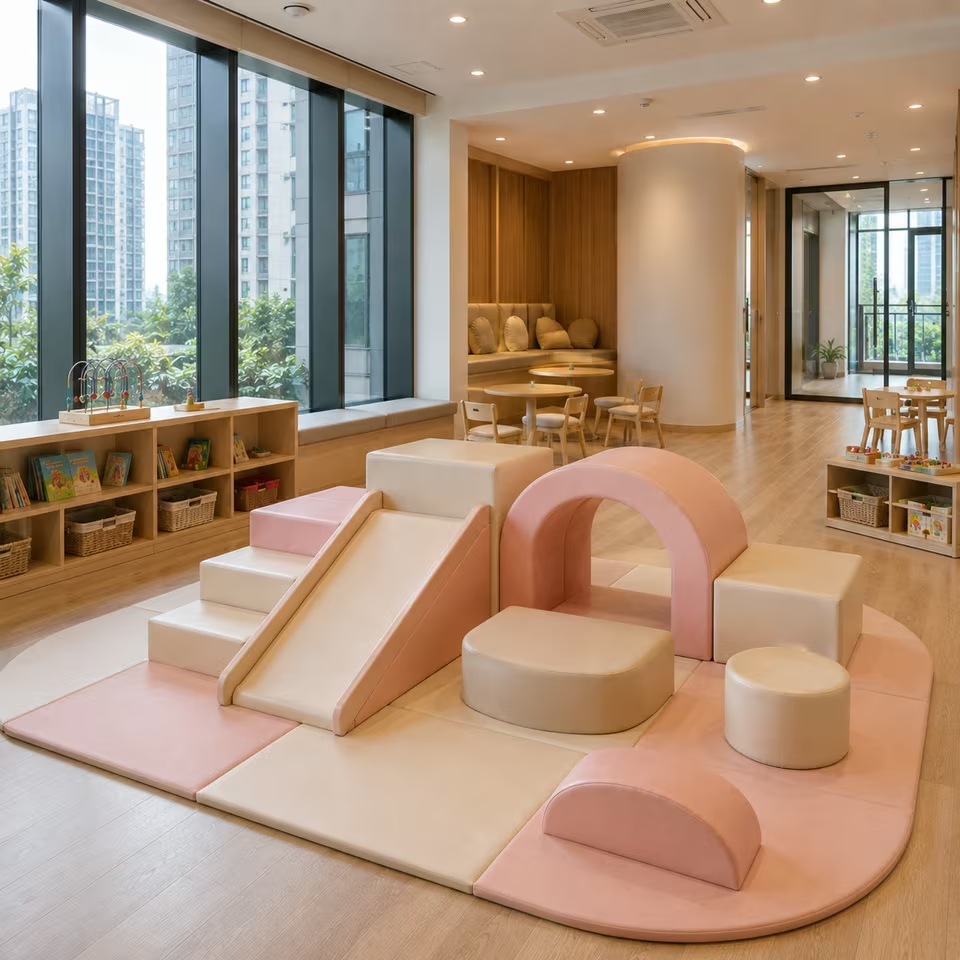
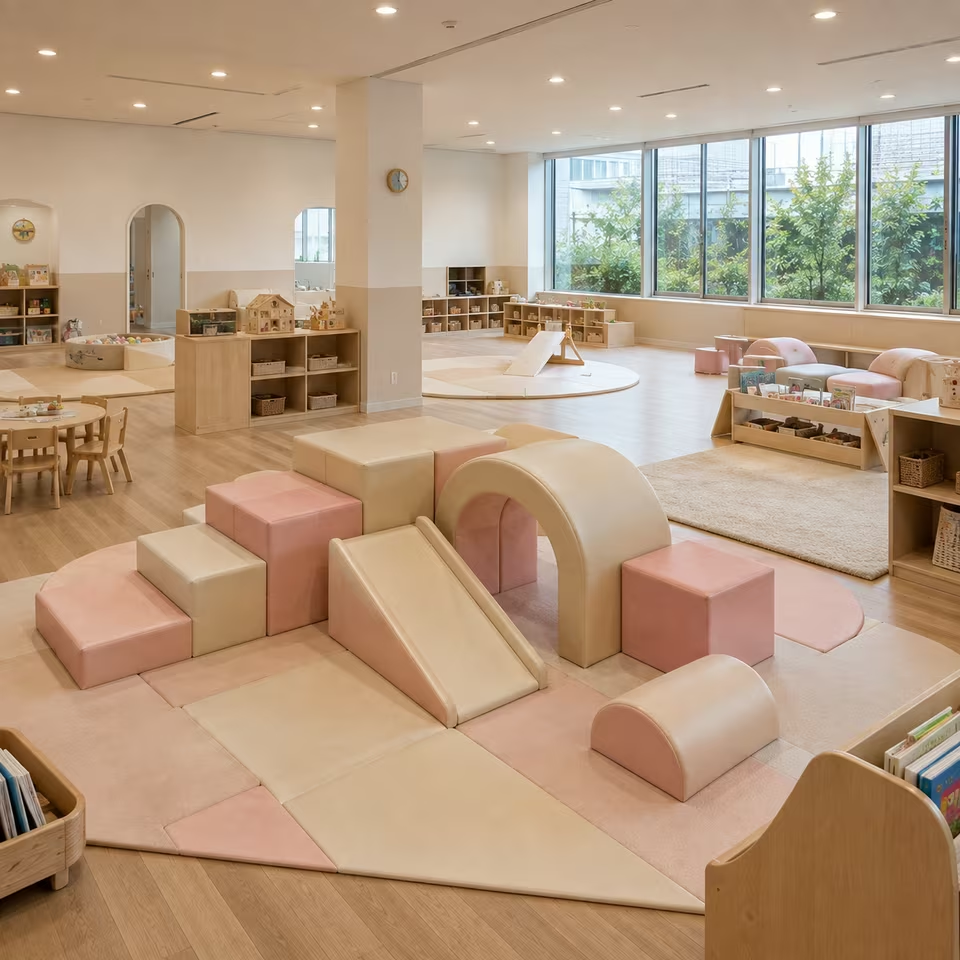
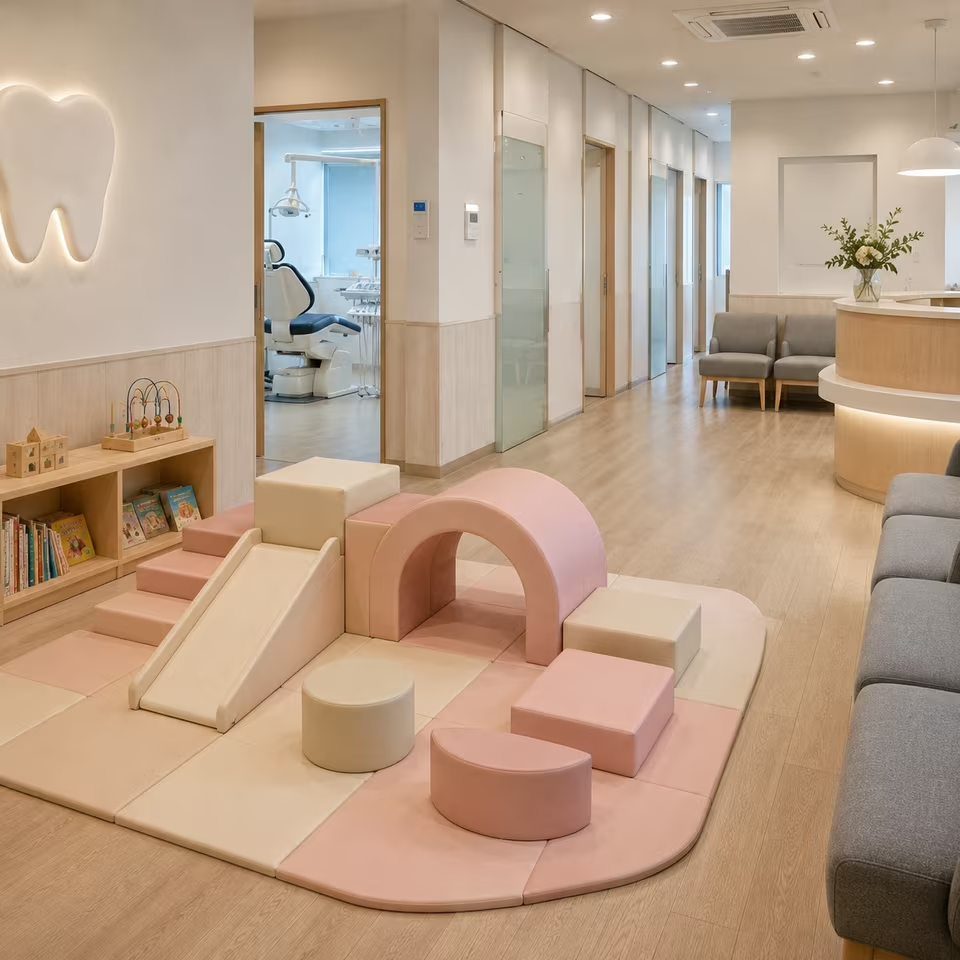
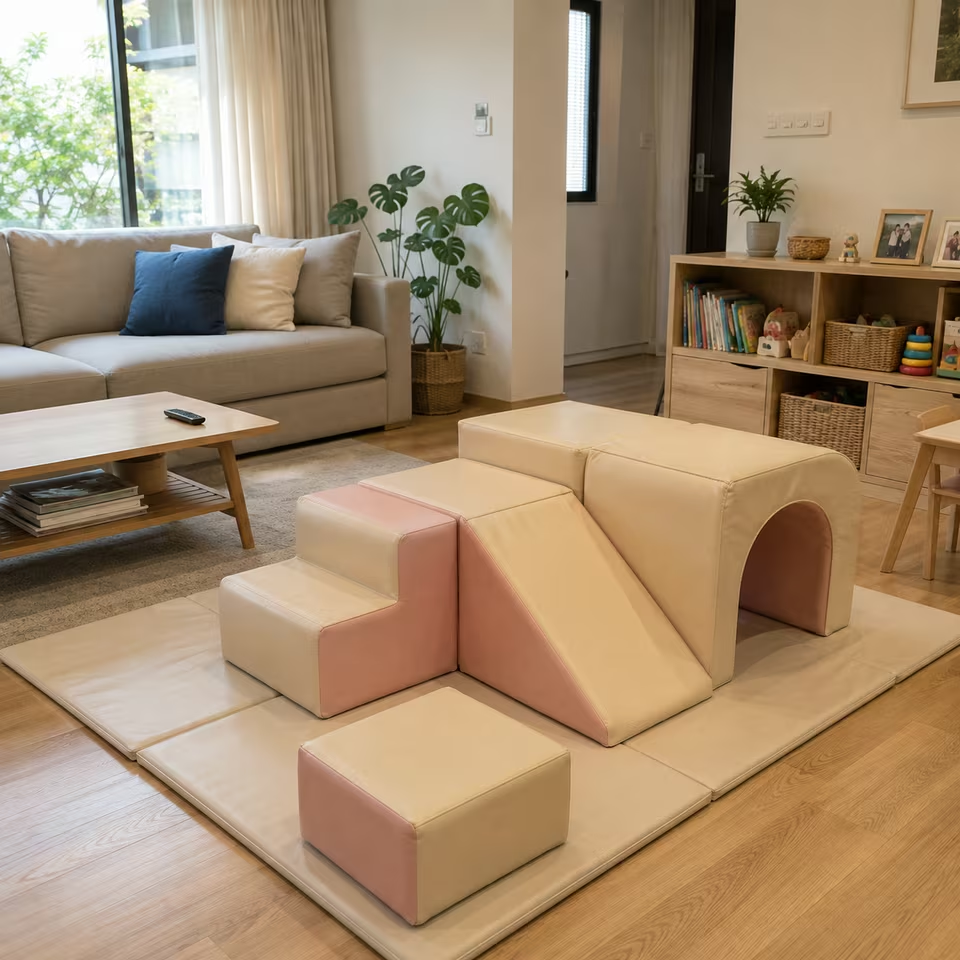
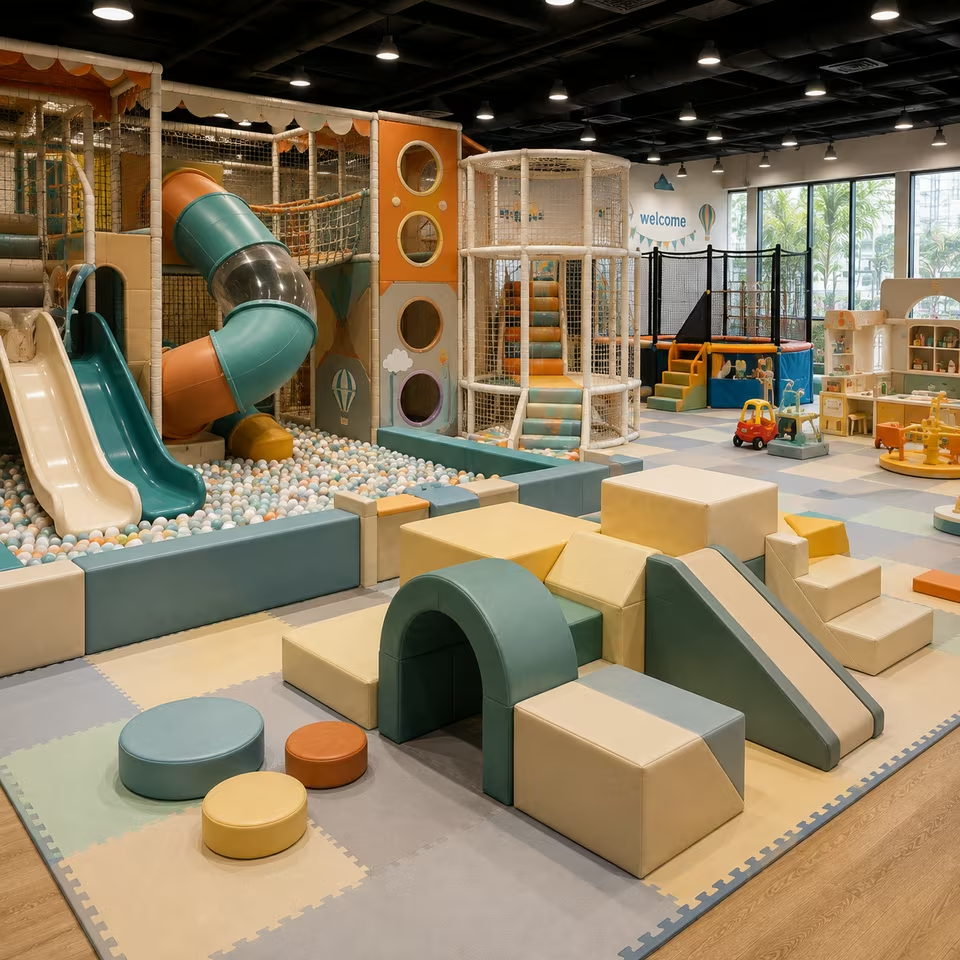
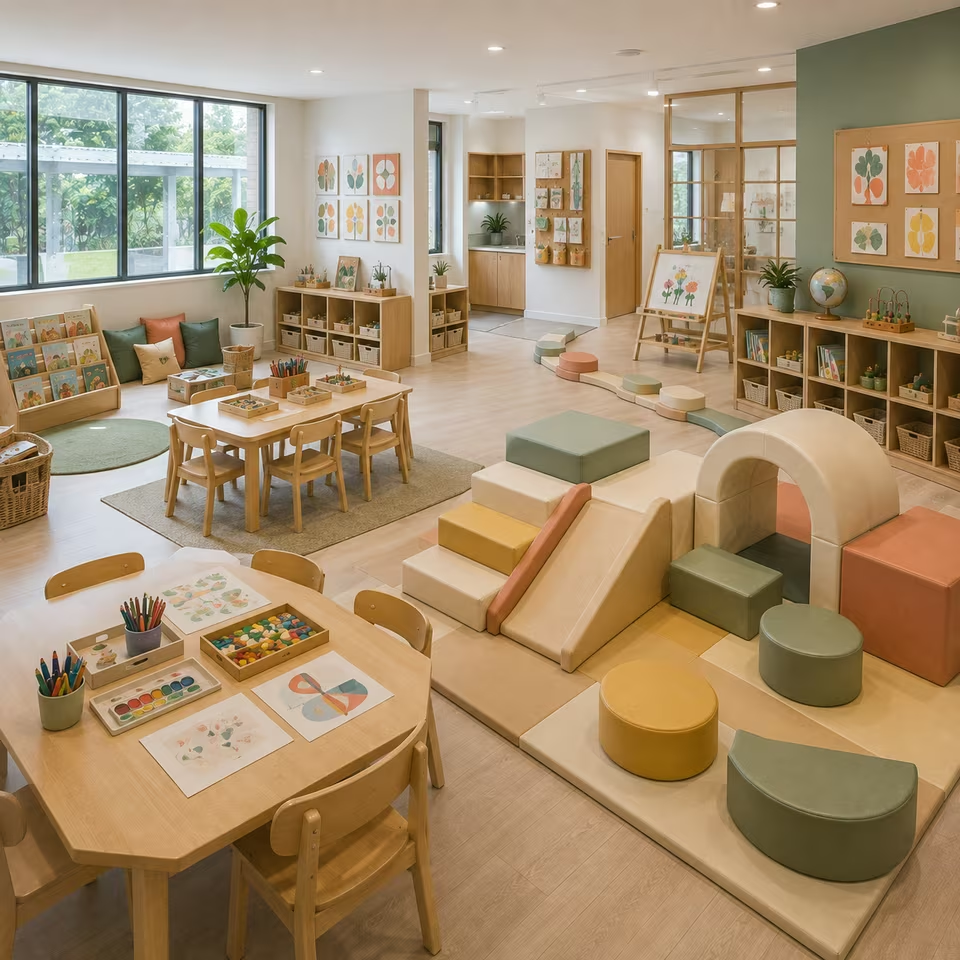
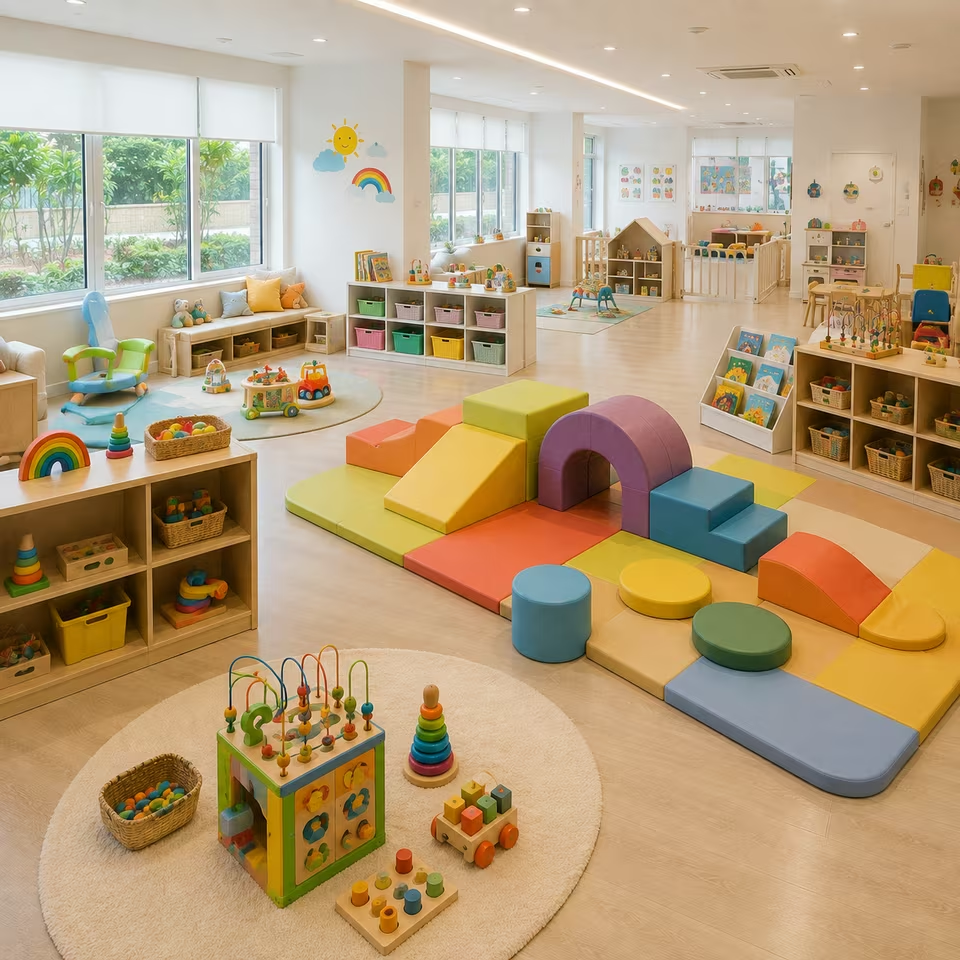
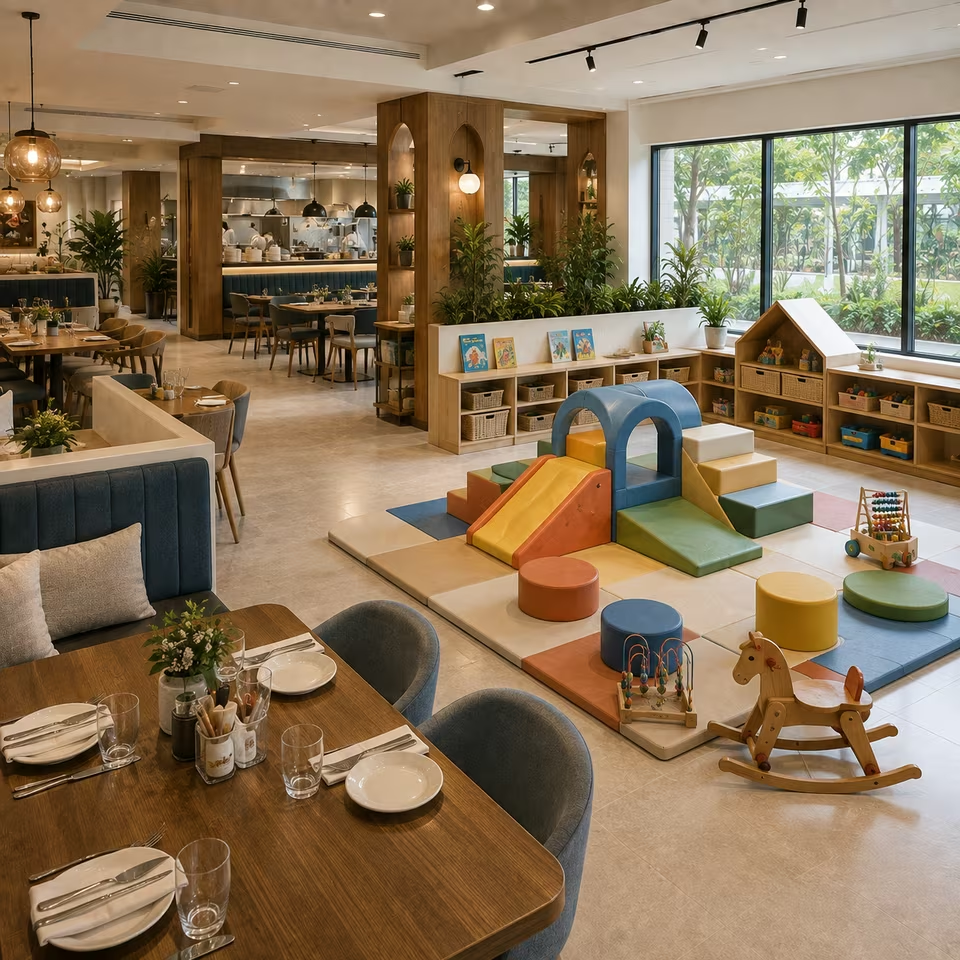
What kind of Soft Play is suitable for children ages 2-3?
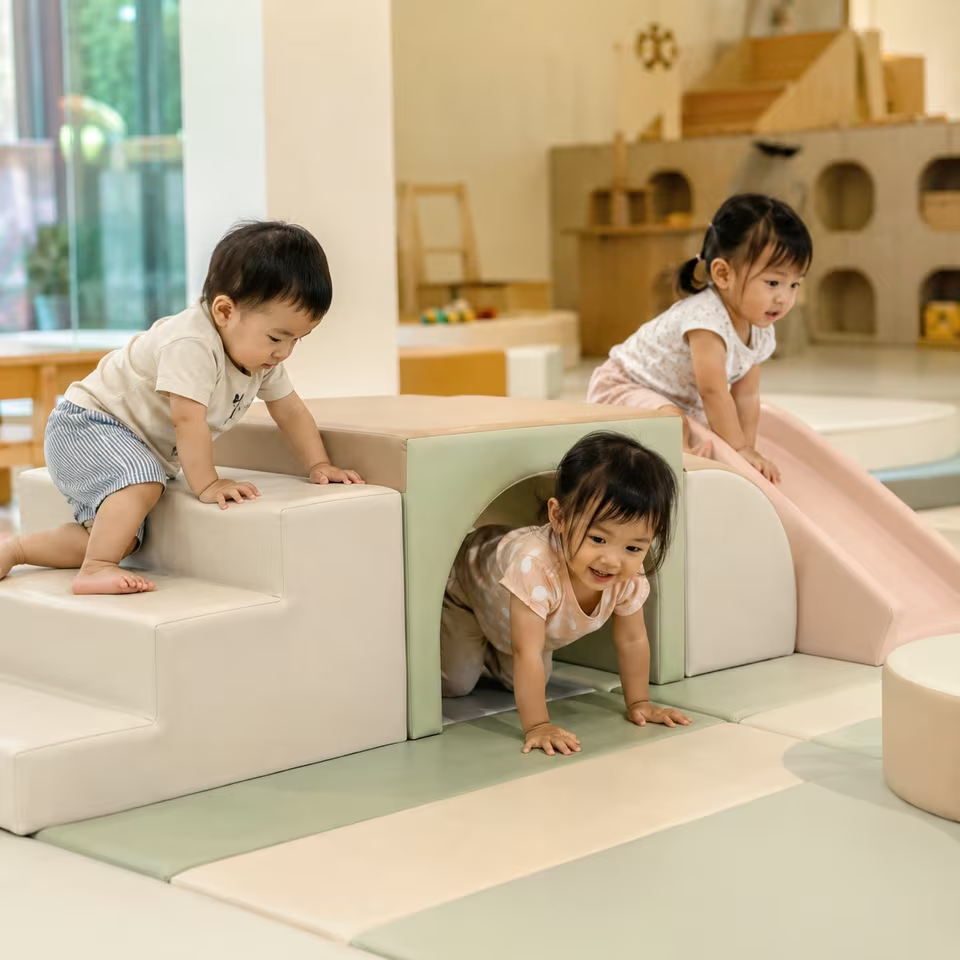
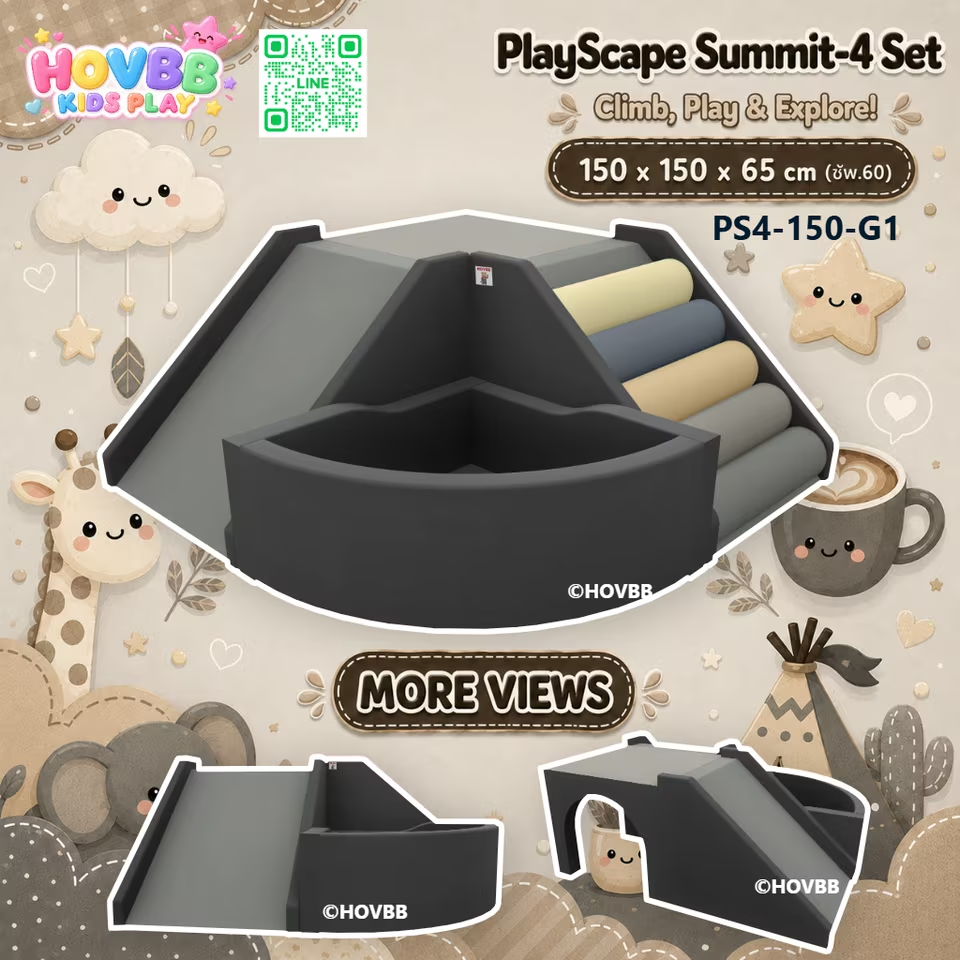
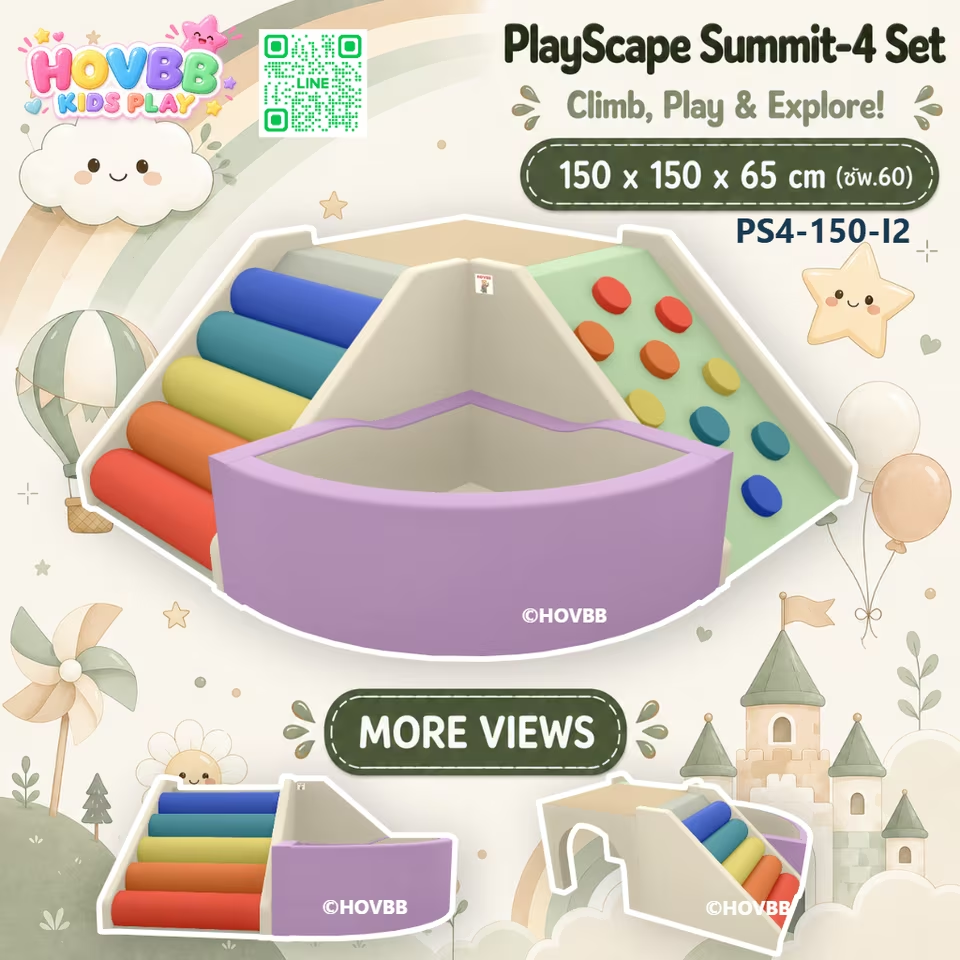
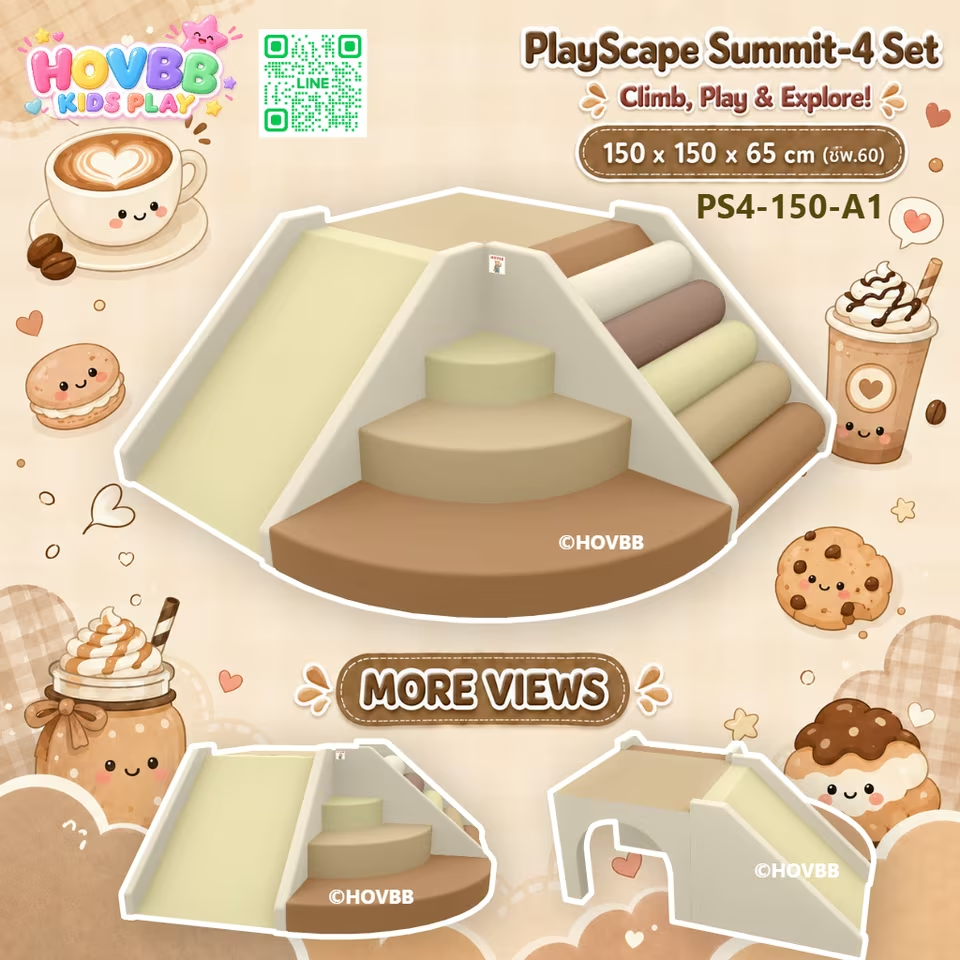
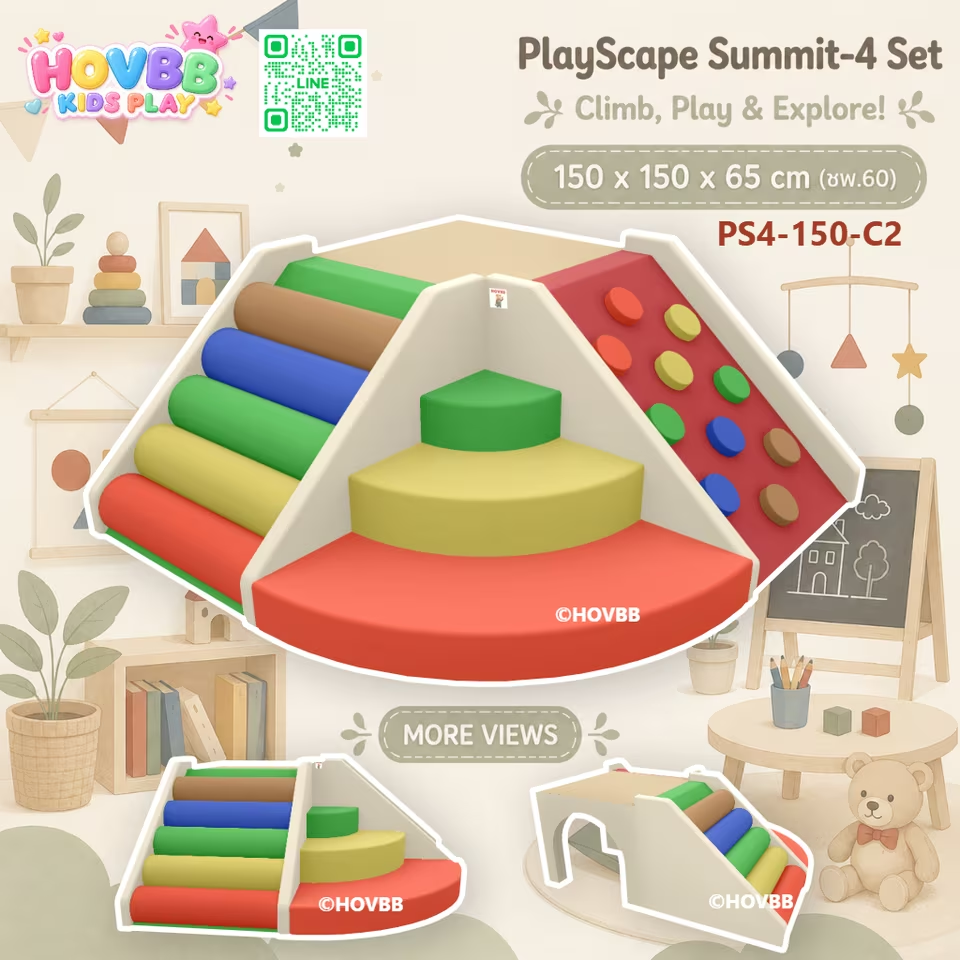
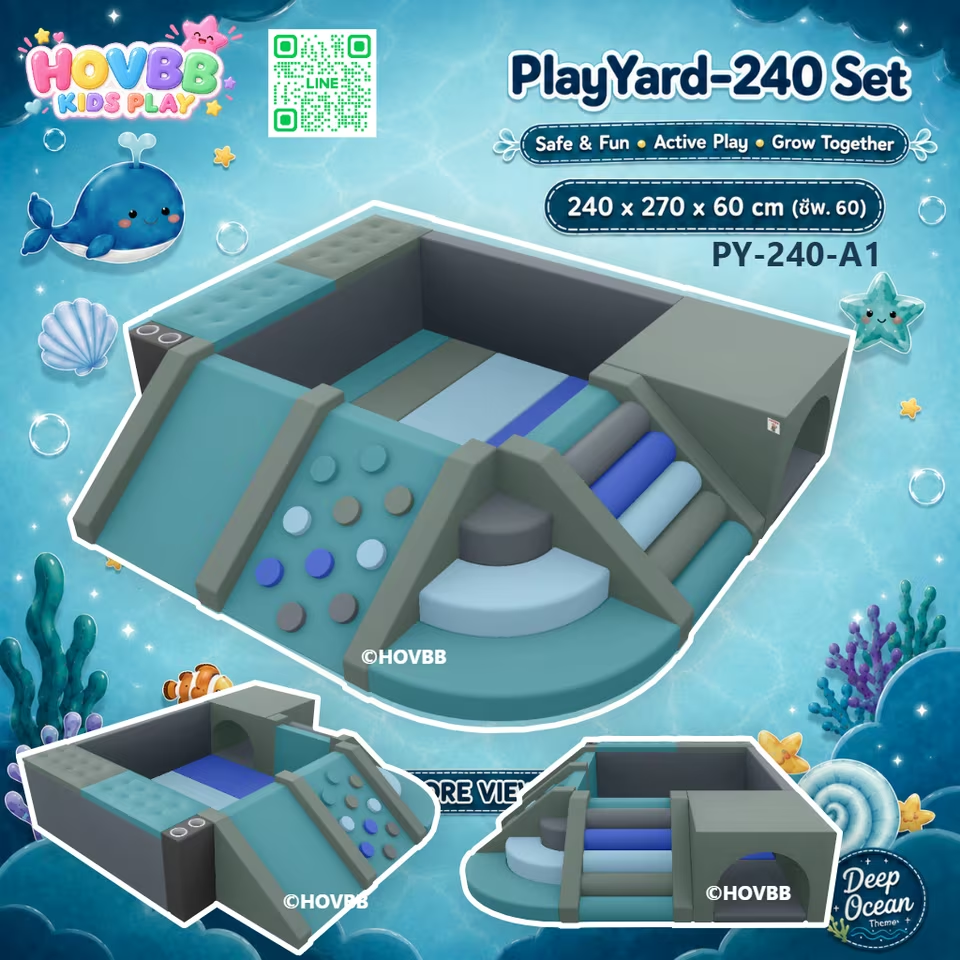
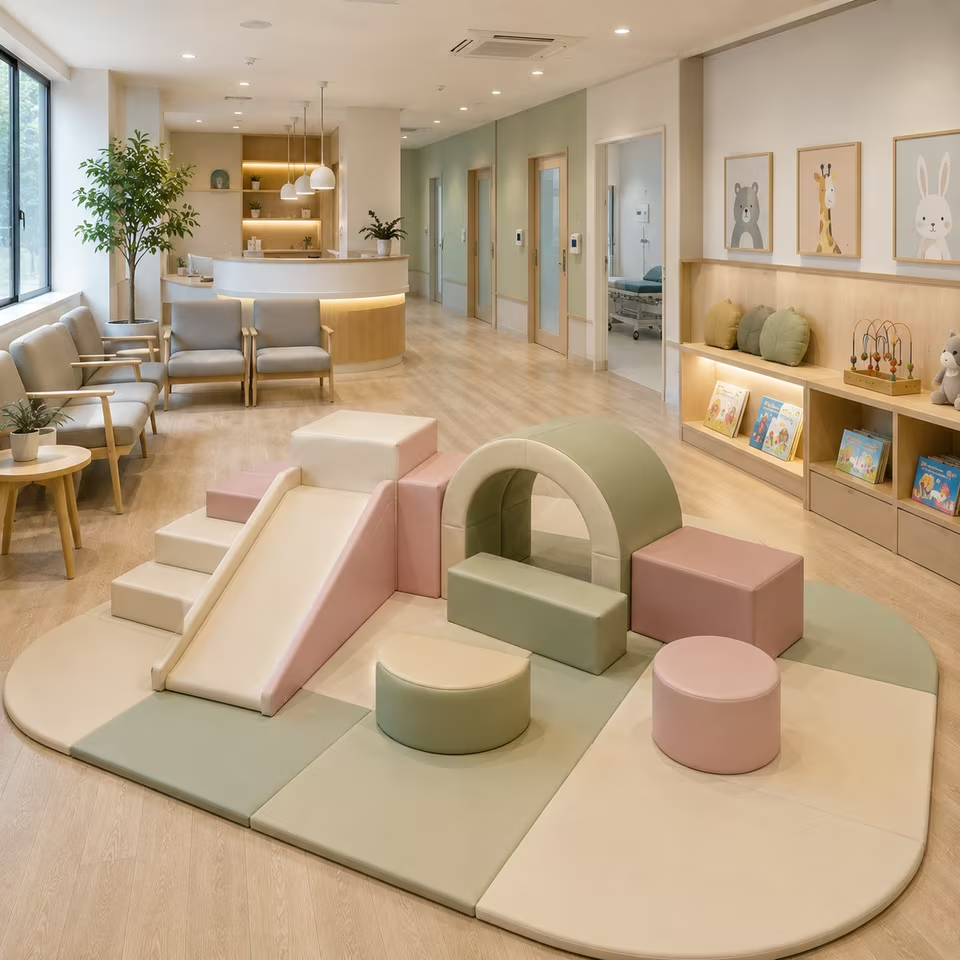
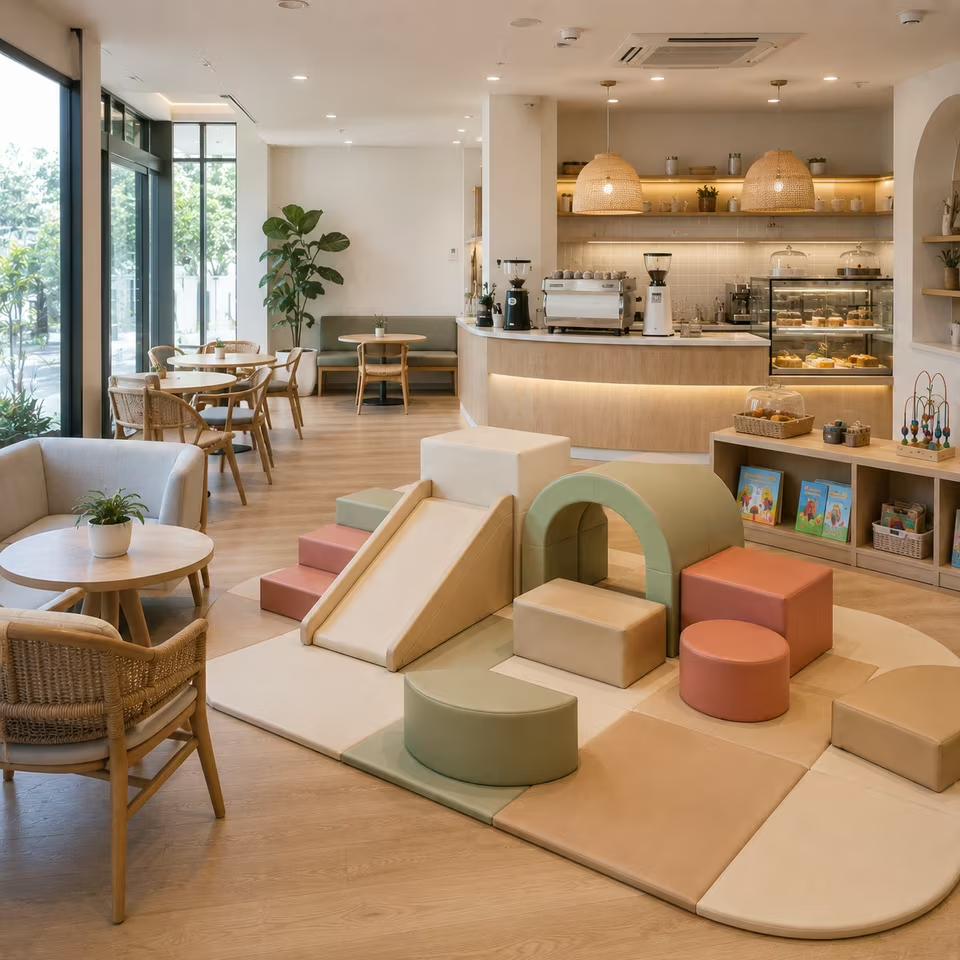
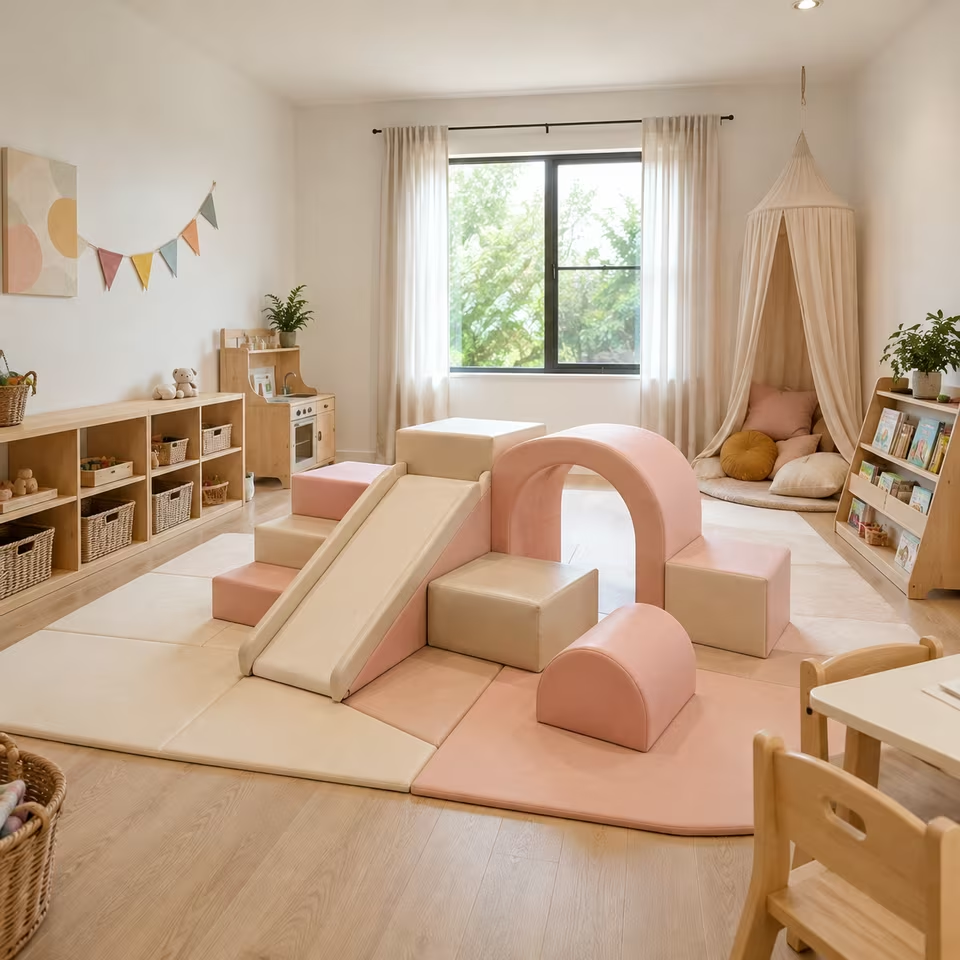
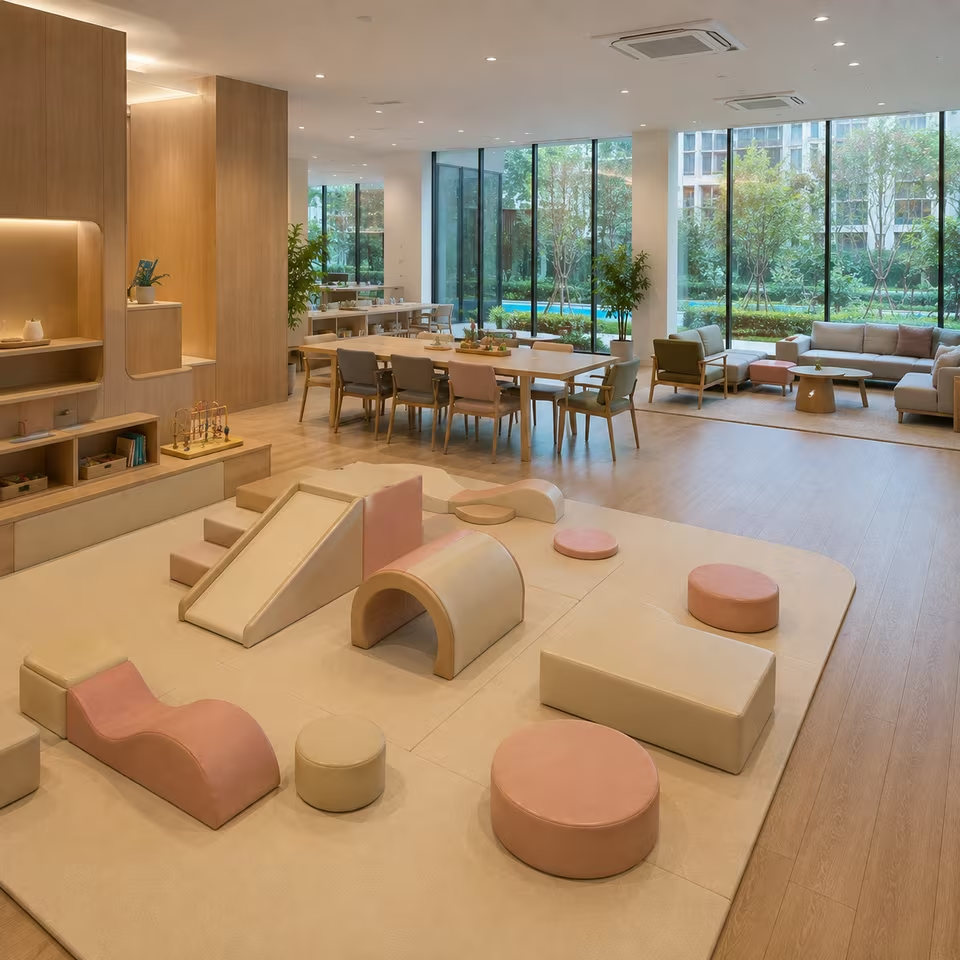
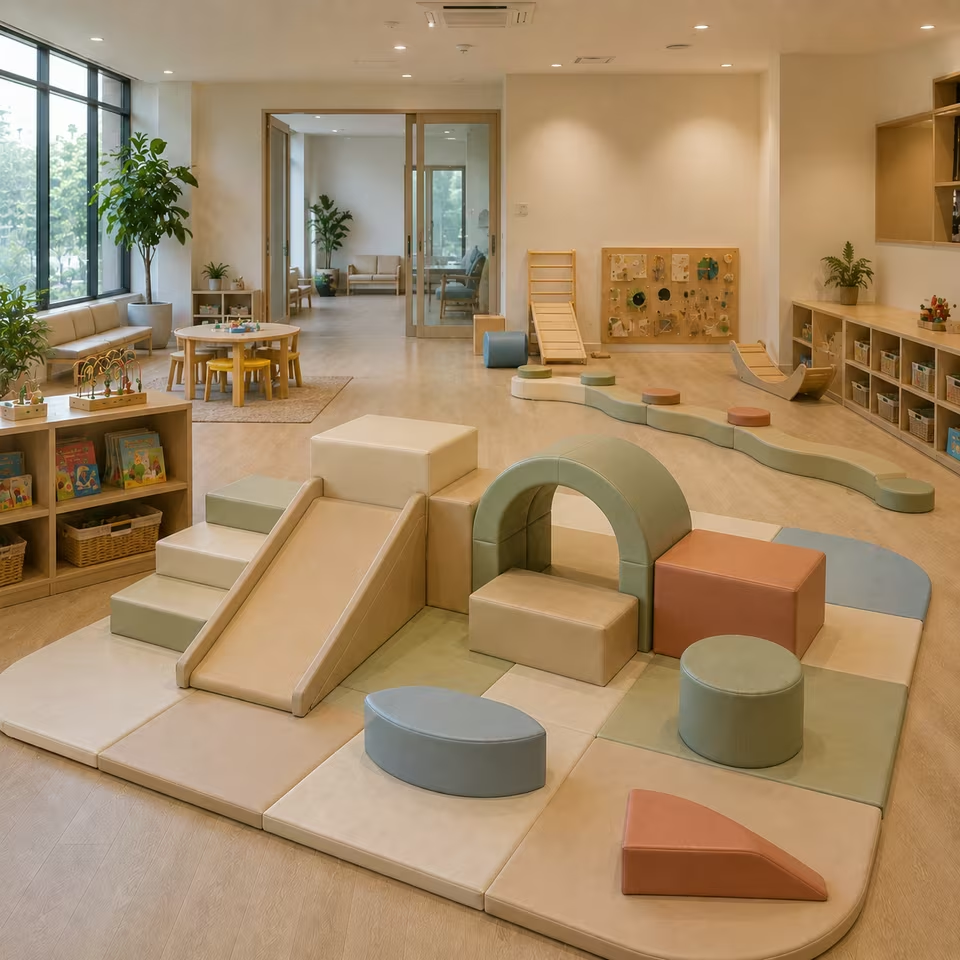
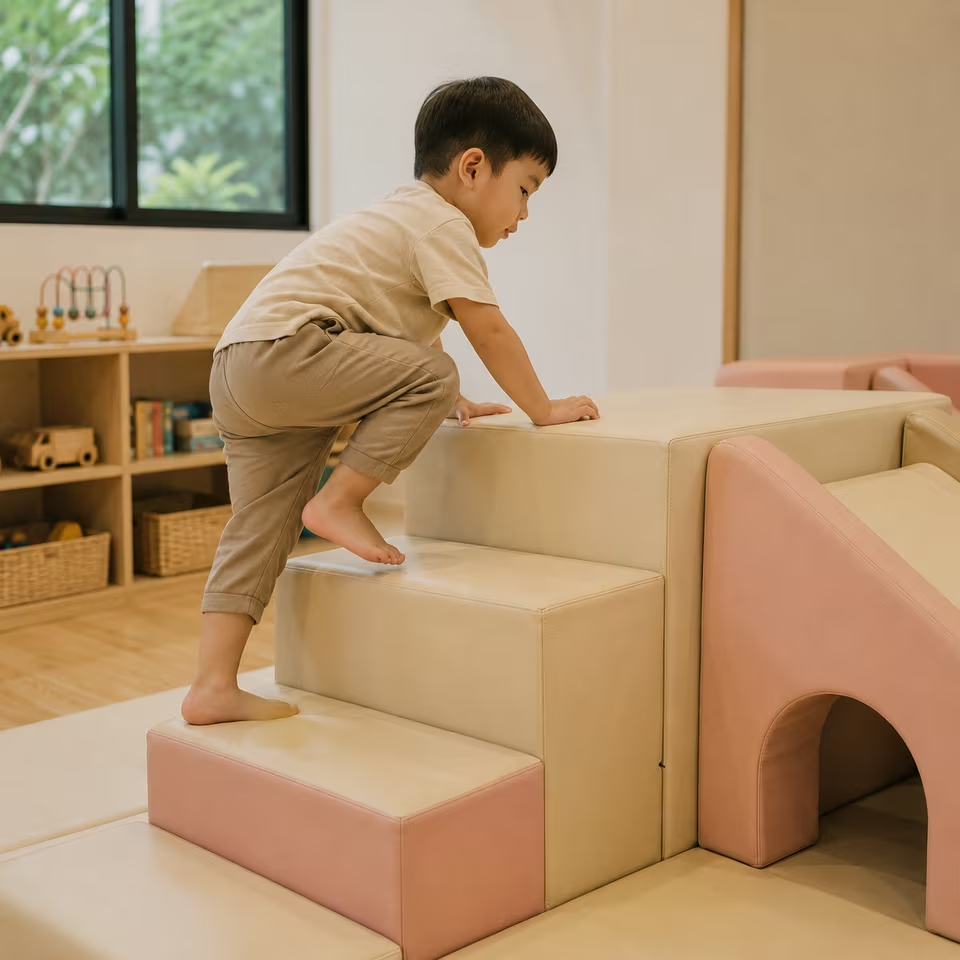
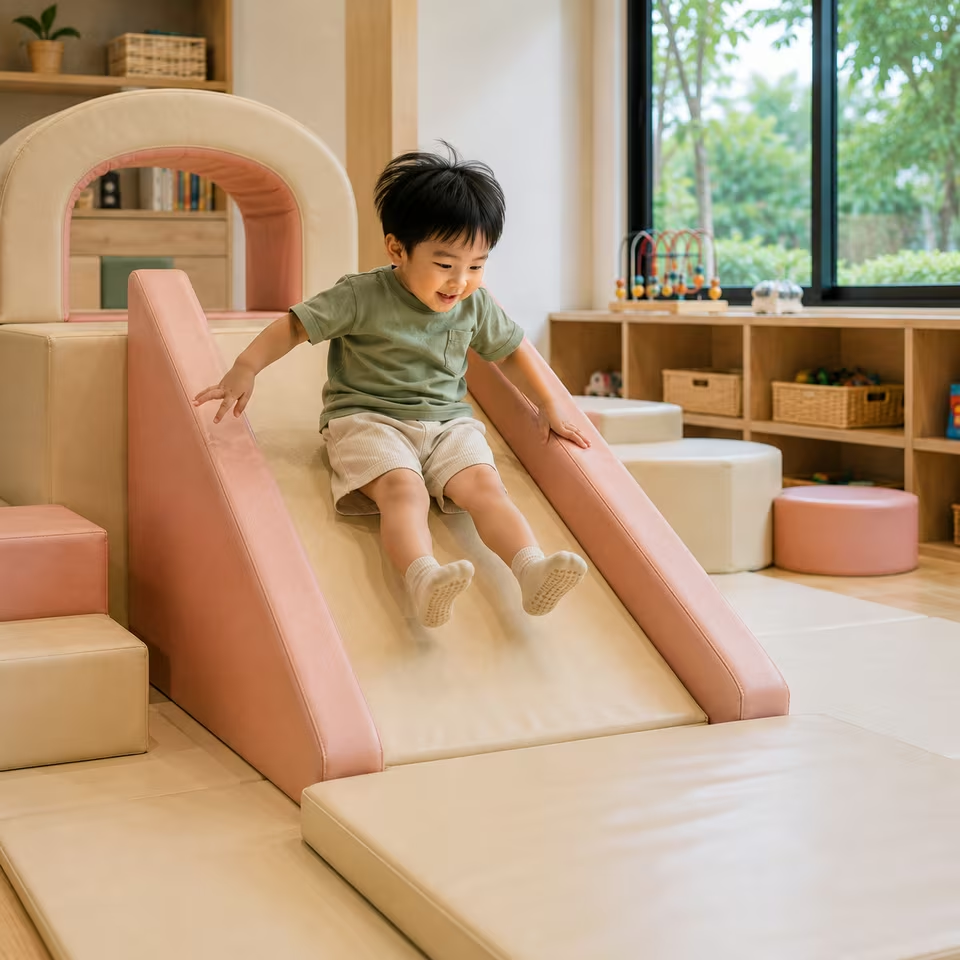
Look for approachable play with low climbing elements, padded steps, slopes, crawling spaces and short connected routes. The appropriate configuration depends on the individual child's movement ability and the specifications of the equipment.
What should I look for when buying Soft Play for a 2-year-old?
Consider low and understandable routes, simple level changes, opportunities for crawling and stepping, and enough space for the child to move around the setup. Check the intended age range and specifications of the individual product as well.
What play equipment is suitable for a 3-year-old?
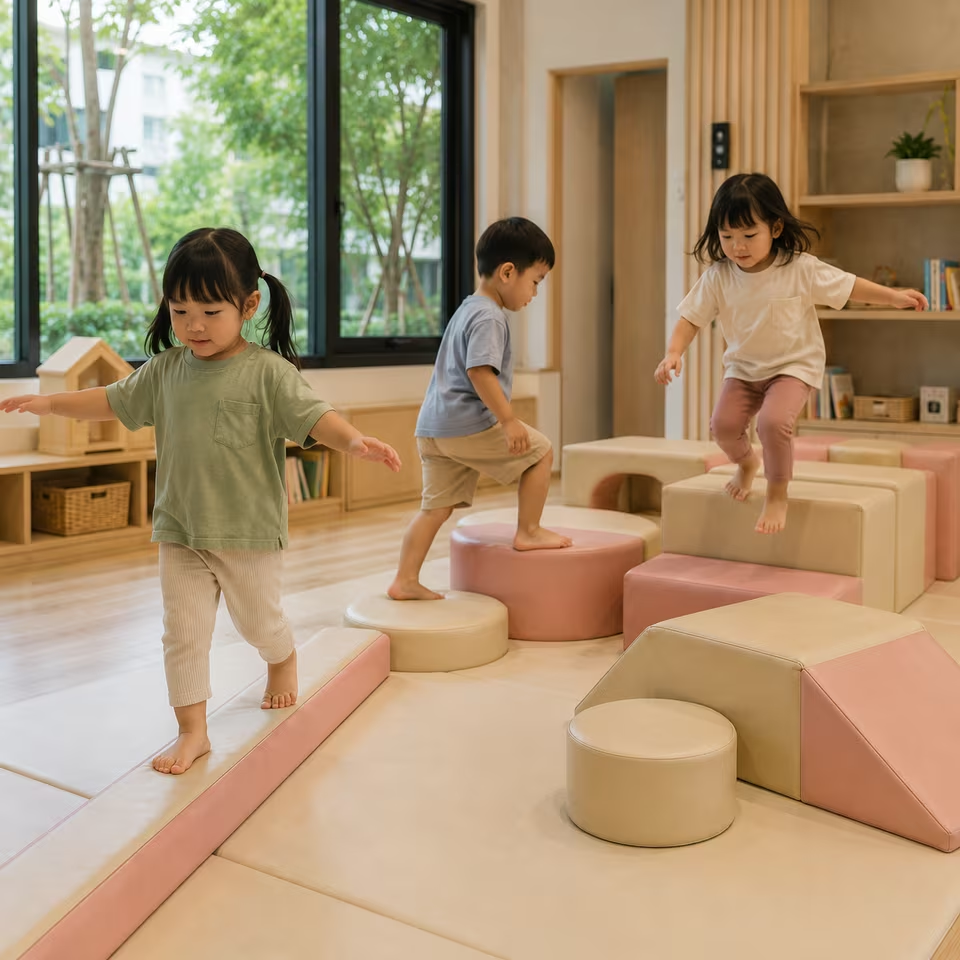
Children around three may enjoy connected play that combines stepping, low climbing, crawling, slopes and simple balance experiences. Suitability still depends on the individual child and the equipment.
Can children ages 2-3 use climbing Soft Play?
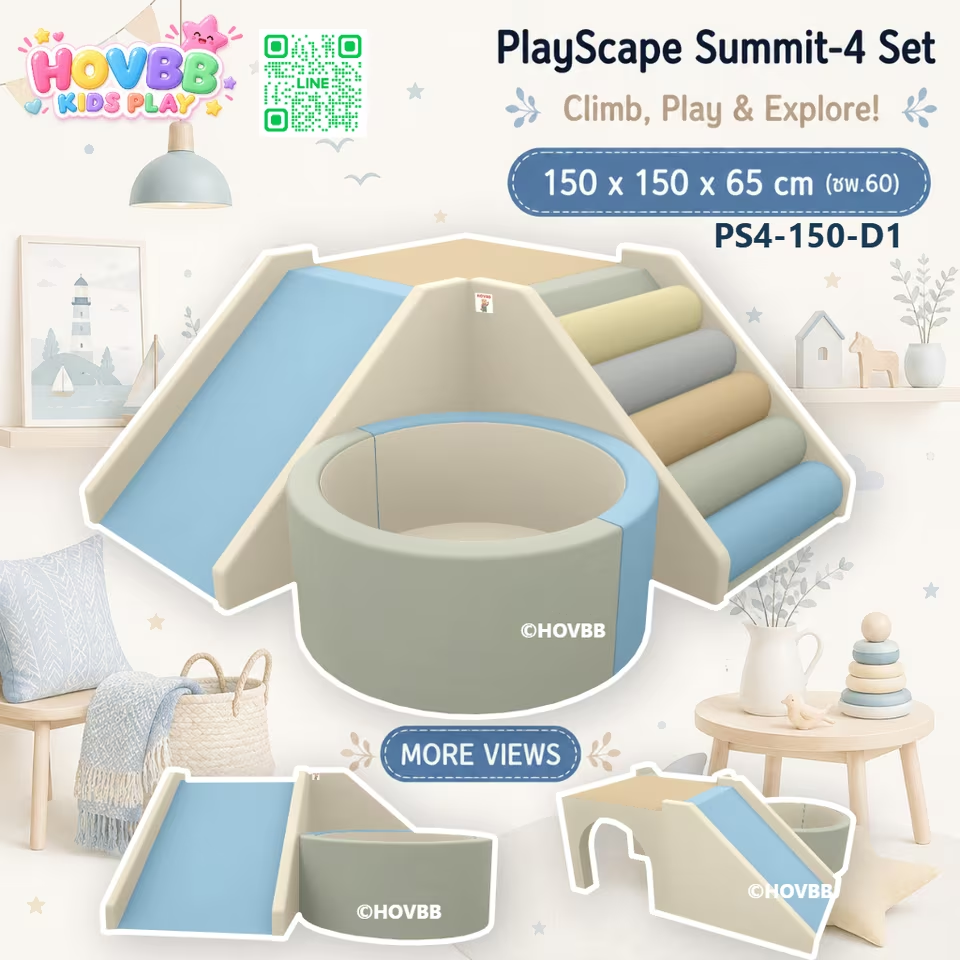
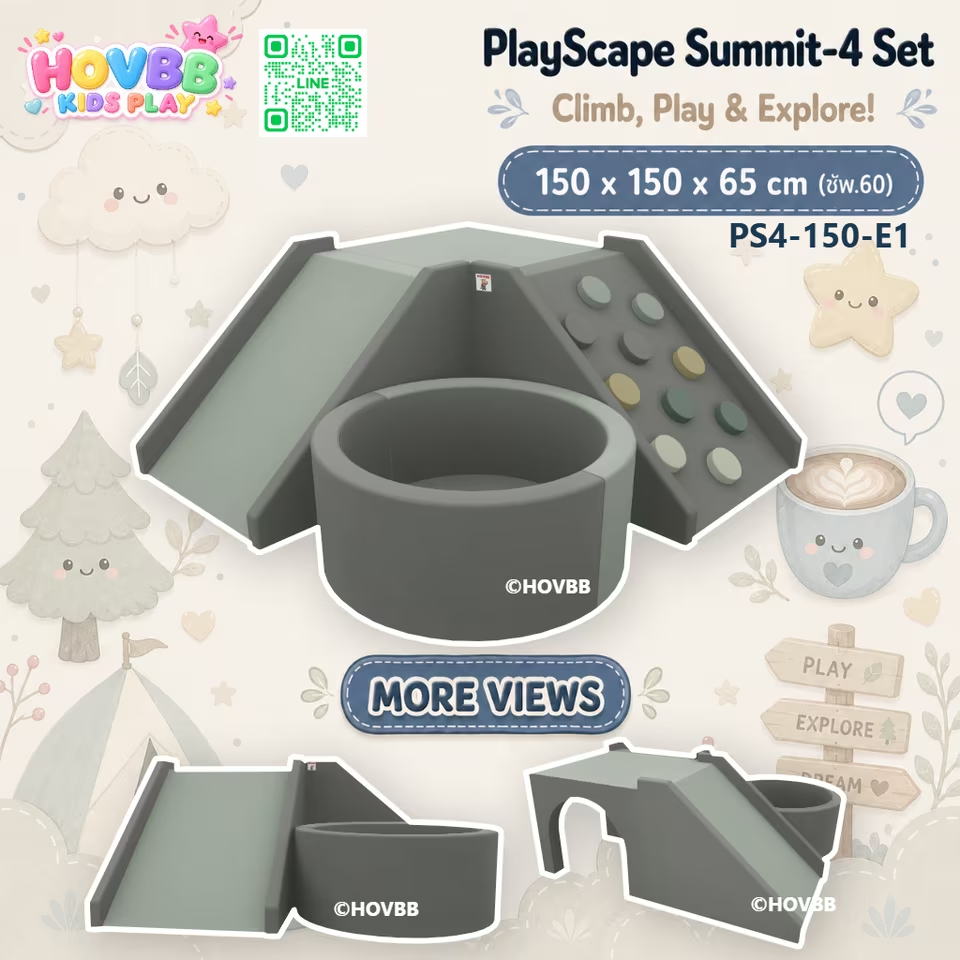
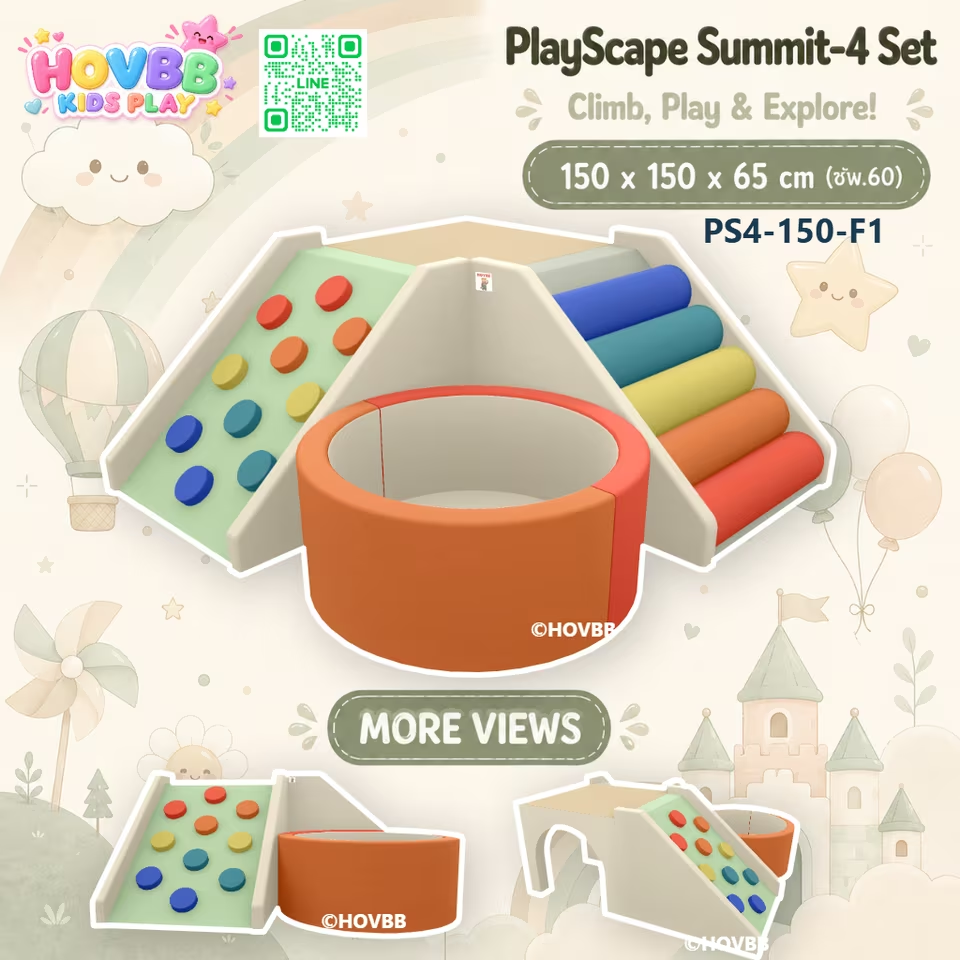
Climbing-style Soft Play can be appropriate when the individual equipment is designed for the intended users. Low climbing forms, steps and slopes can create approachable ways to explore moving between levels.
Are tunnels suitable for Soft Play for ages 2-3?
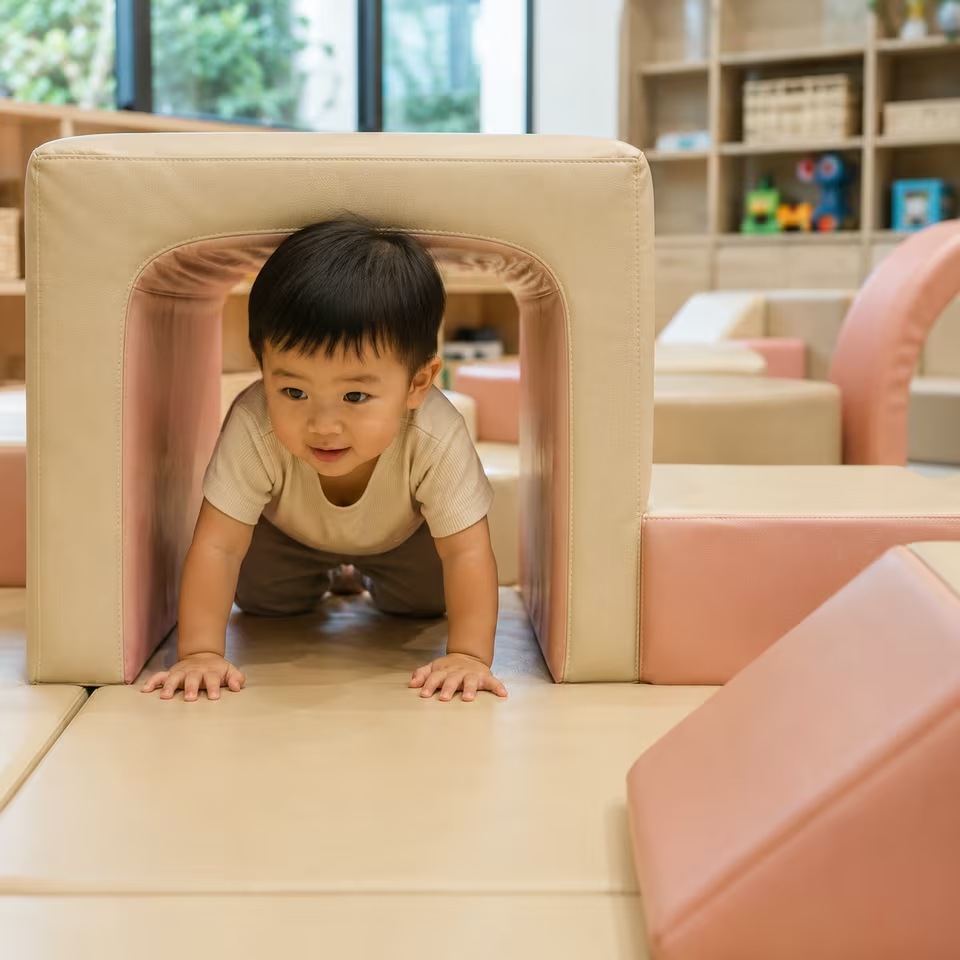
Tunnels and low pass-through spaces can add crawling and exploration to a play route. Their dimensions and configuration should be appropriate for the intended users and use environment.
Why are short play routes useful for toddlers?
Short routes can be easy to understand and repeat. Children can move through a familiar sequence, finish it and return to the beginning without needing to remember a long or complicated route.
Does Soft Play for ages 2-3 need many pieces?
No. A small number of well-connected elements can provide varied movement through climbing, stepping, crawling and transitions. The relationship between the pieces can matter more than the total piece count.
Is bigger Soft Play better for toddlers?
Not necessarily. Additional size is useful only when it creates appropriate movement opportunities. For young children, clear routes, manageable transitions and useful play within the available space can matter more than overall scale.
Can Soft Play for ages 2-3 work in a small playroom?
Yes. Compact layouts can work well when they connect several movement opportunities without overcrowding the room. Consider both the equipment footprint and the space needed around it.
How do I choose between different Soft Play sets for ages 2-3?
Compare the intended age range, dimensions, configuration and types of movement each set provides. Consider how the pieces connect and whether the layout matches the child's current confidence, available space and intended use.