
What is spatial awareness in children?
Spatial awareness is the ability to understand where the body is positioned and how it relates to objects, surfaces, distances, directions and boundaries in the surrounding environment.
Spatial awareness develops as children learn to understand where their body is in relation to objects, surfaces, openings, heights and other parts of the surrounding environment.
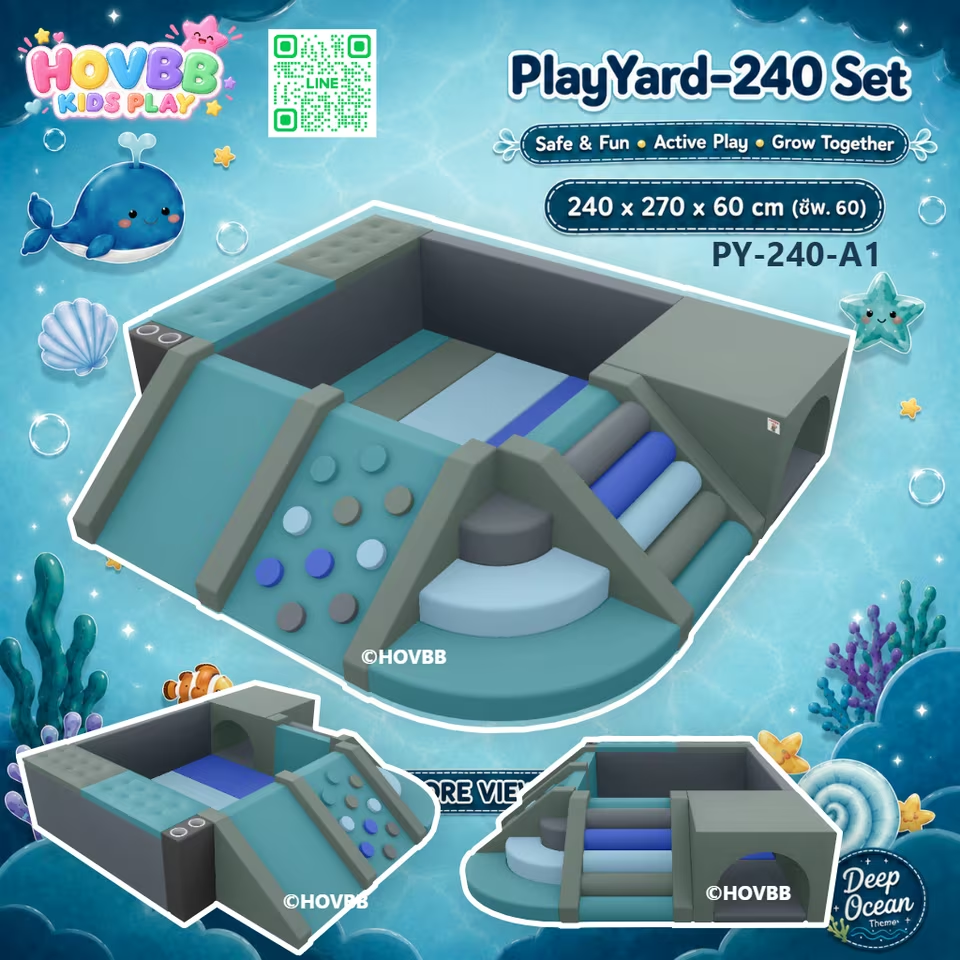
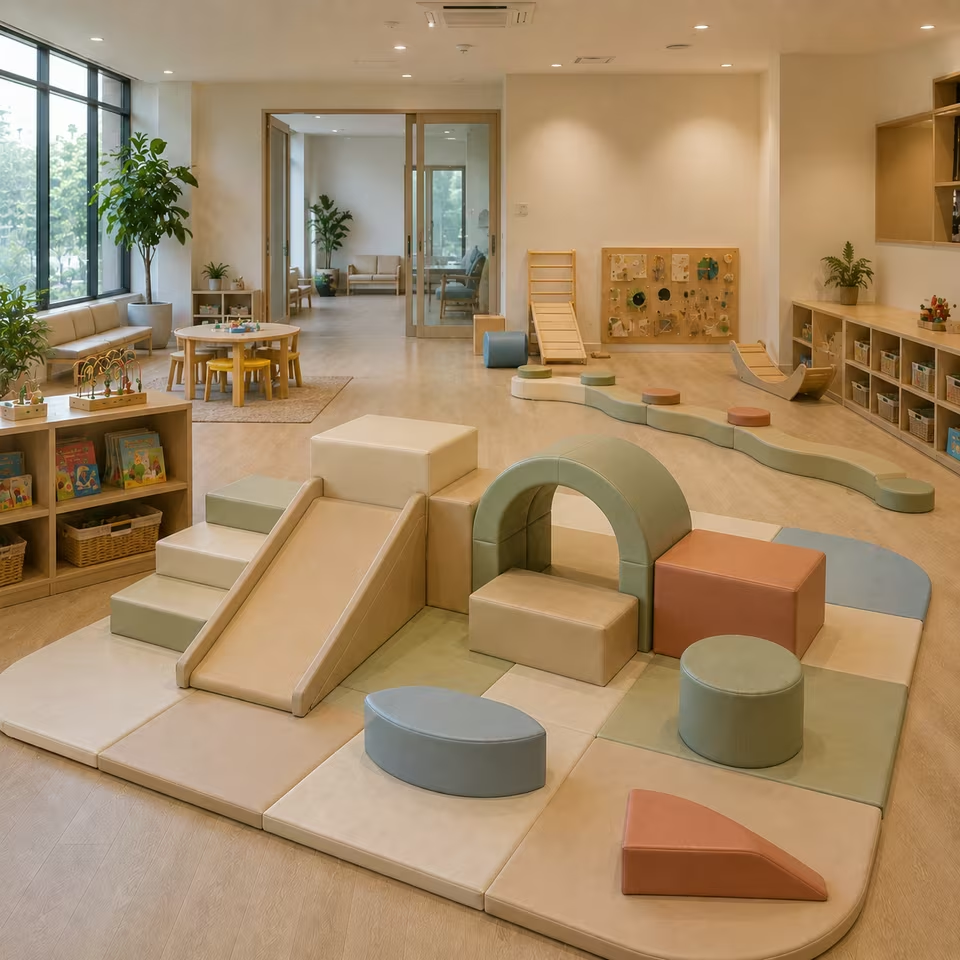
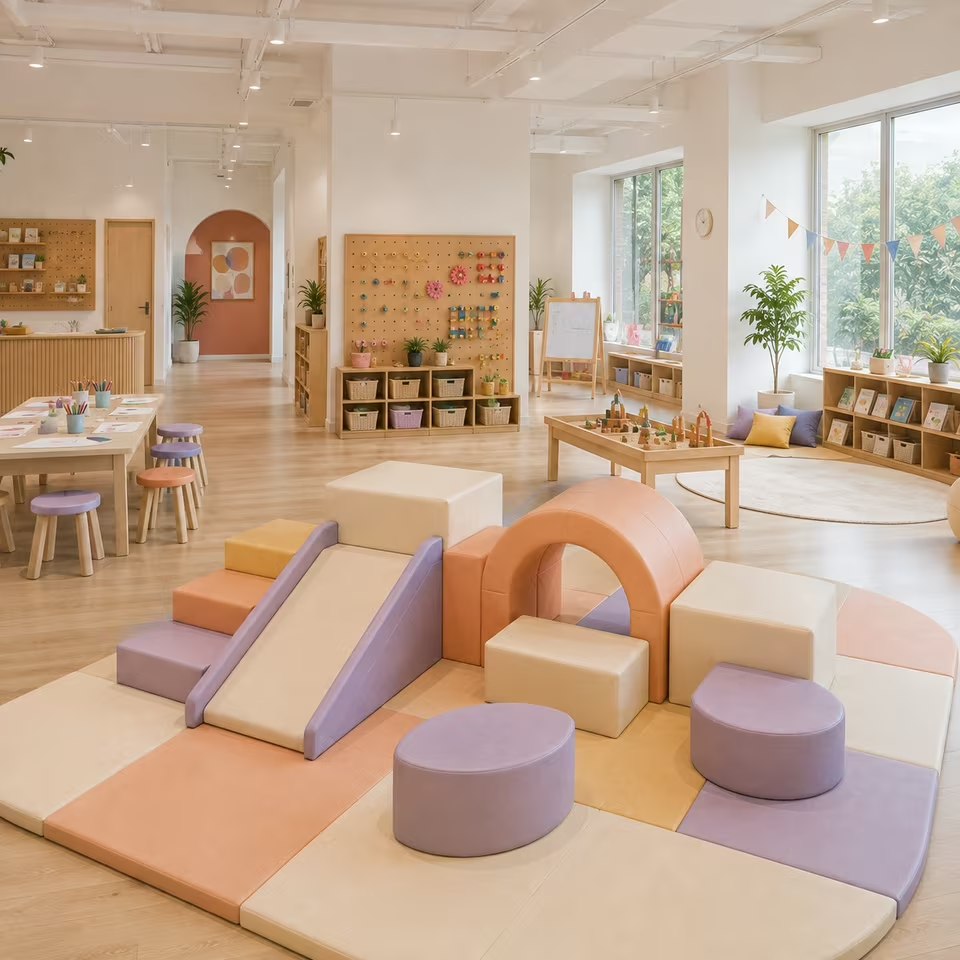
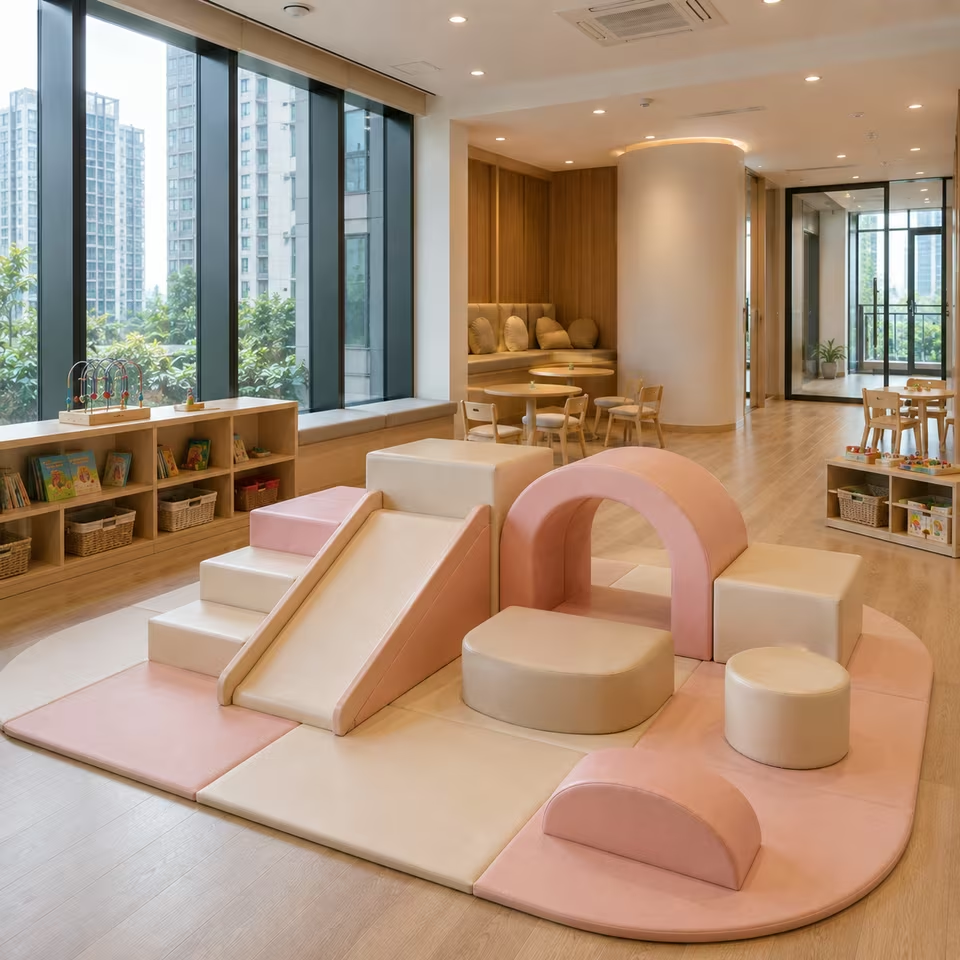
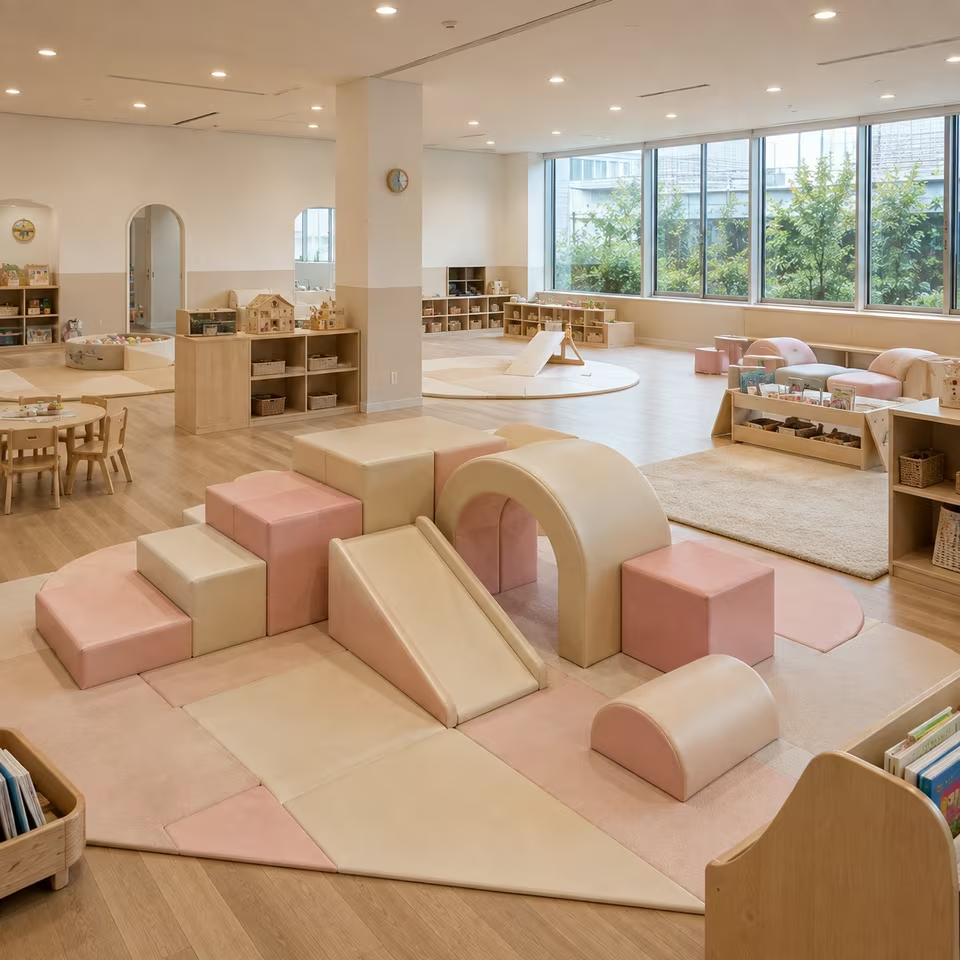
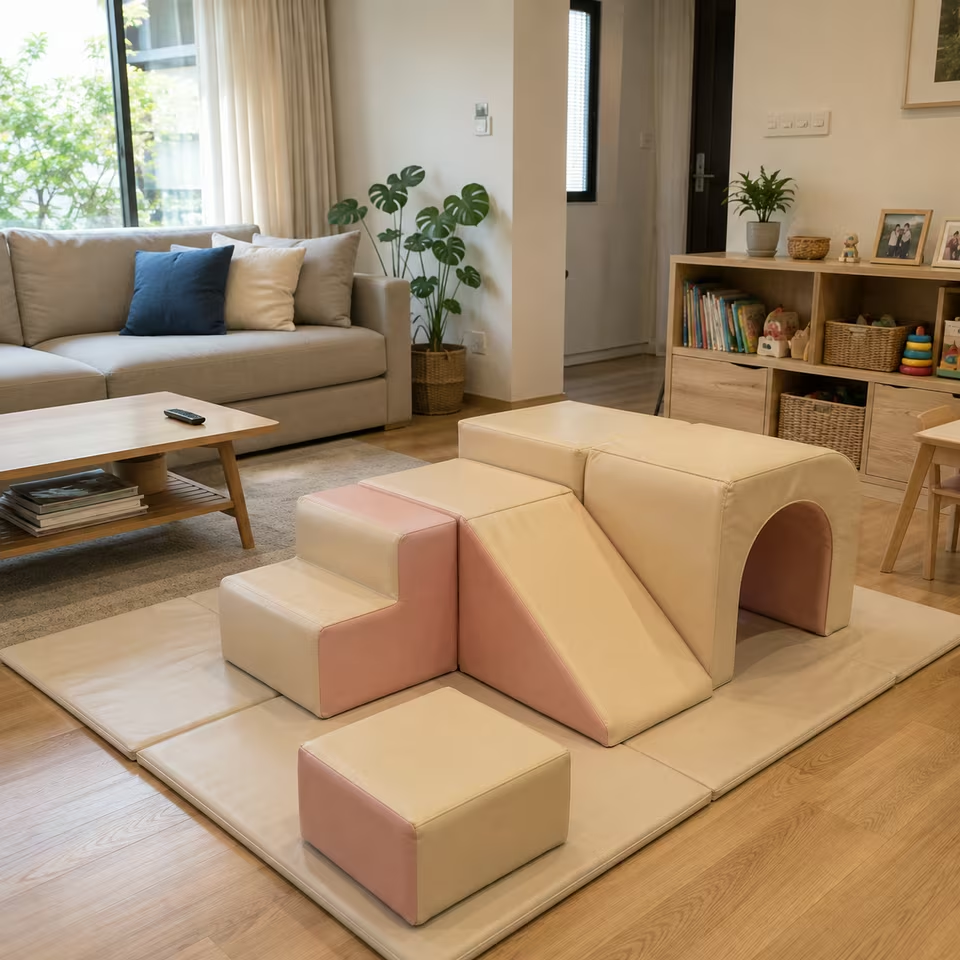
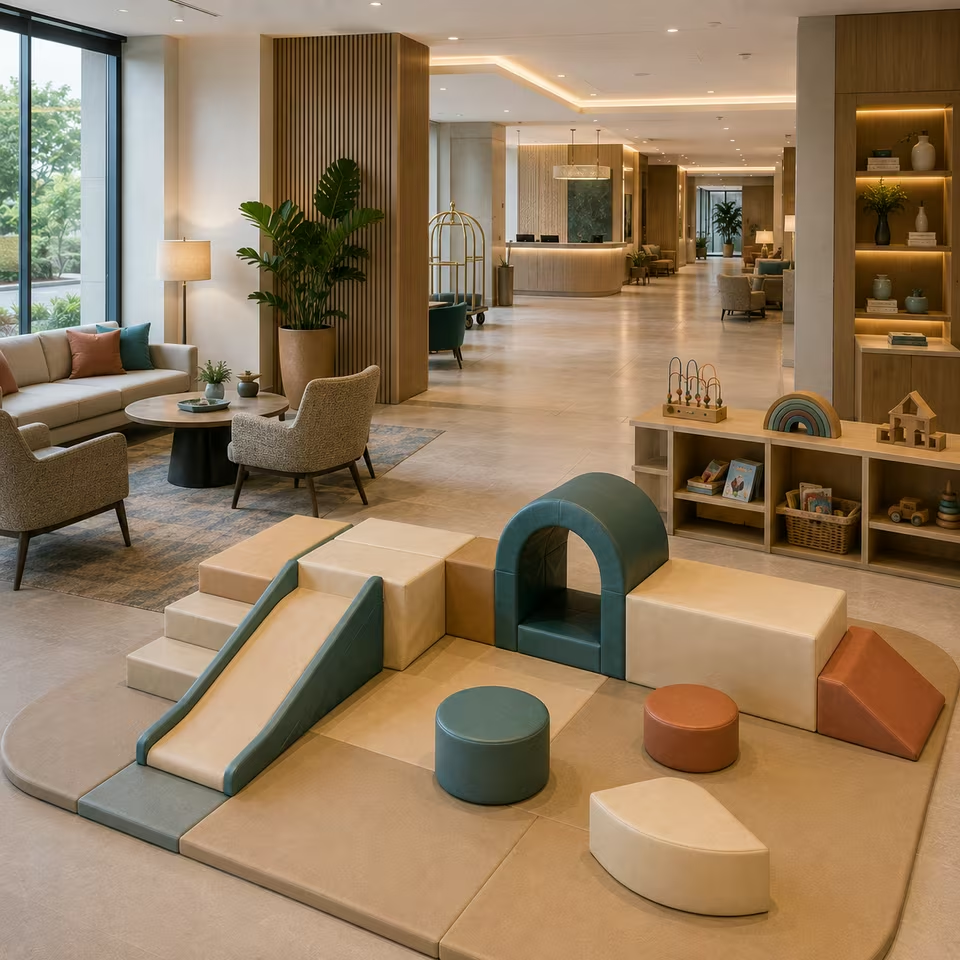
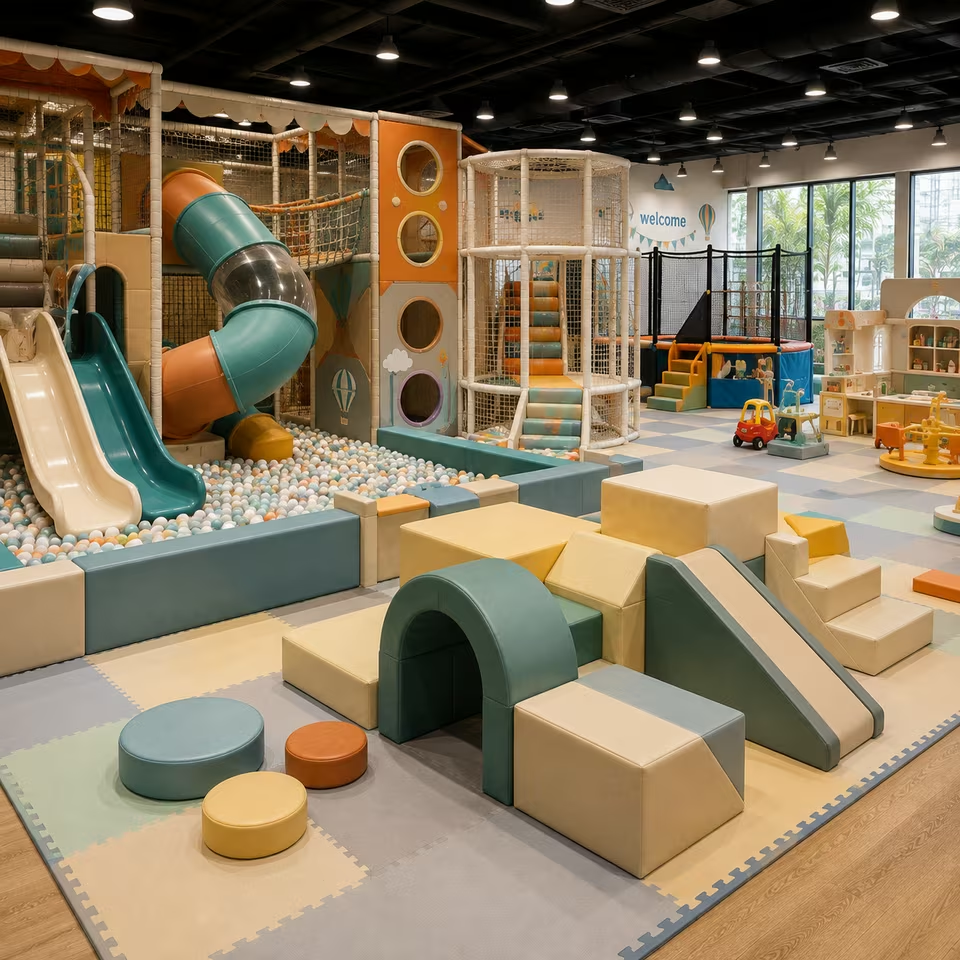
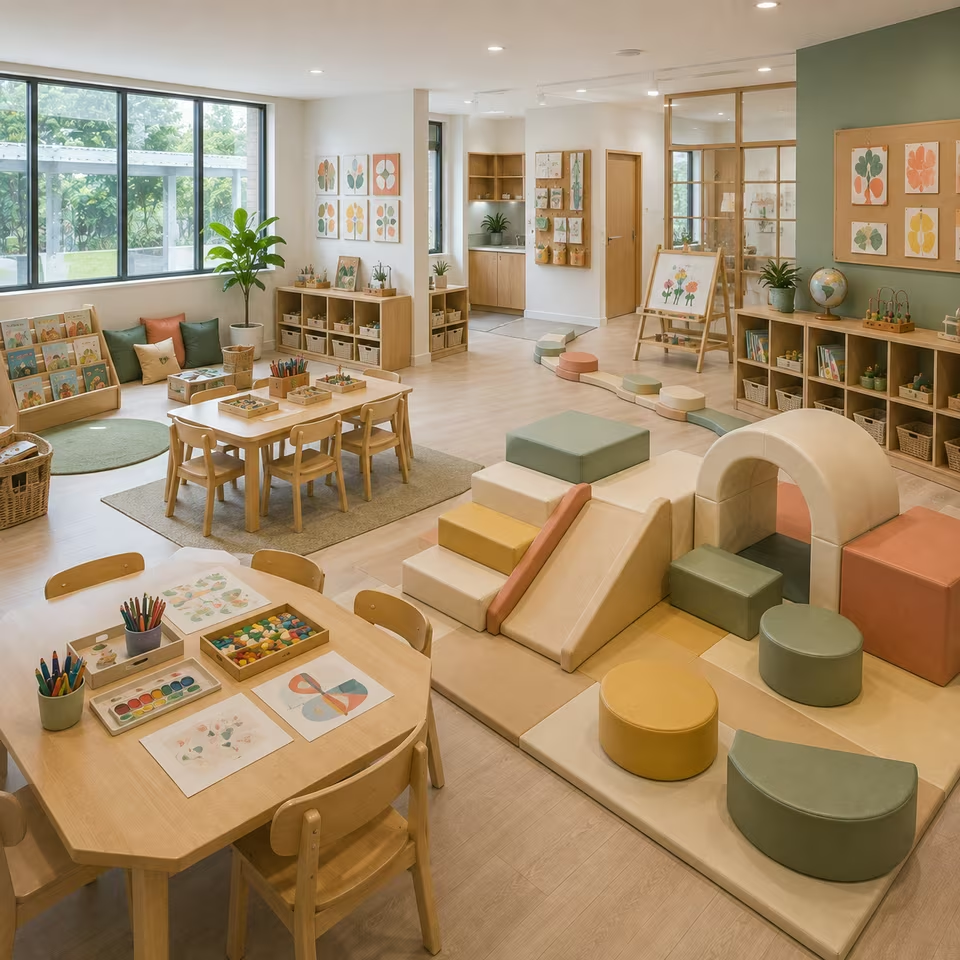
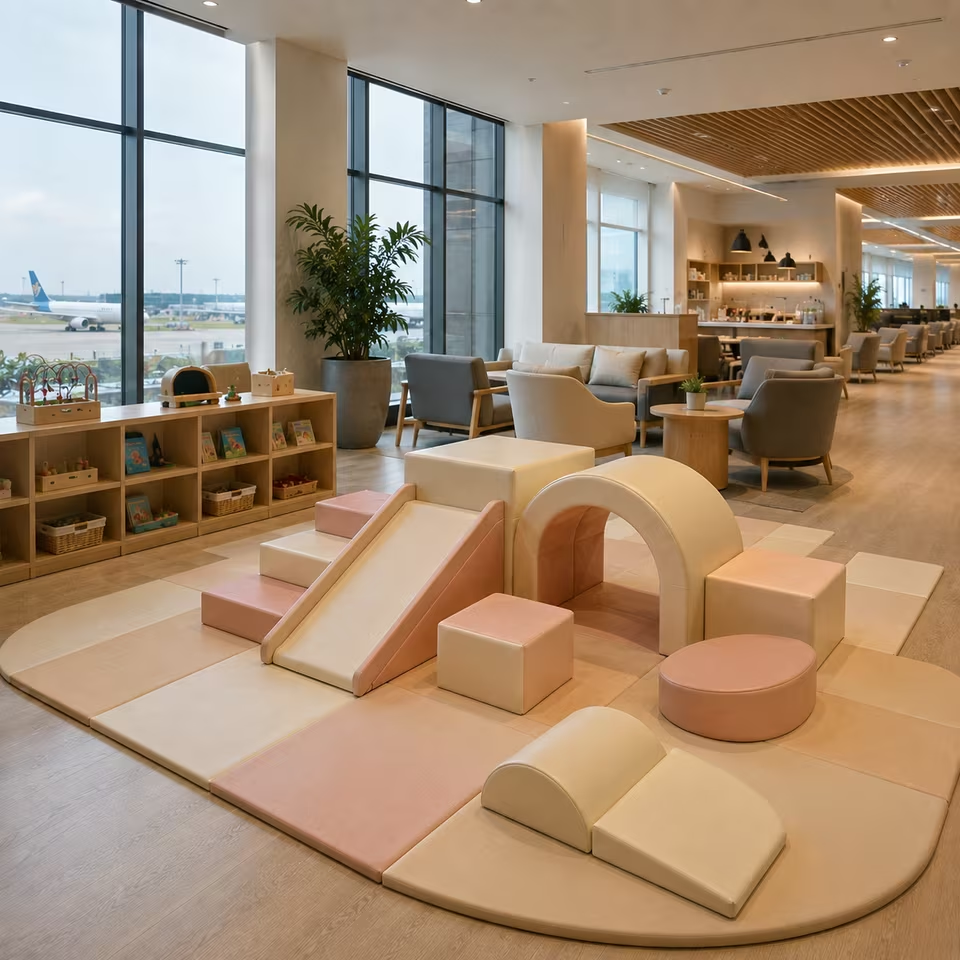
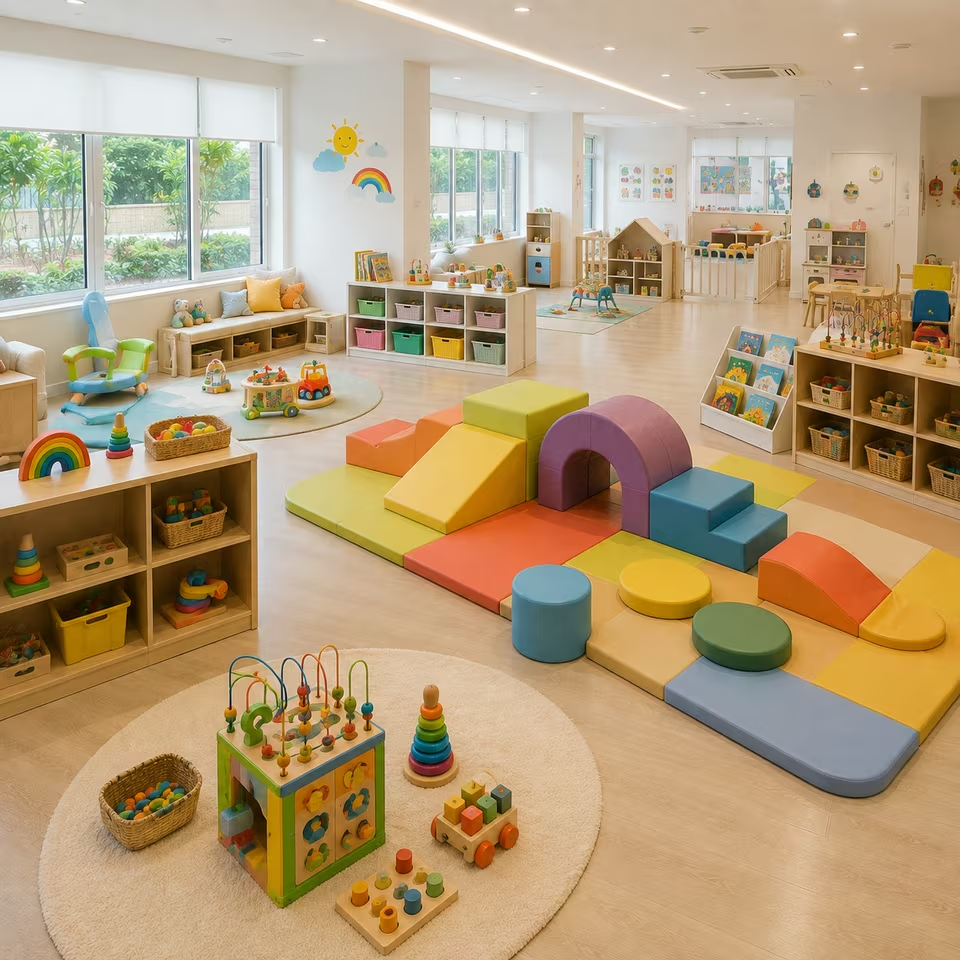
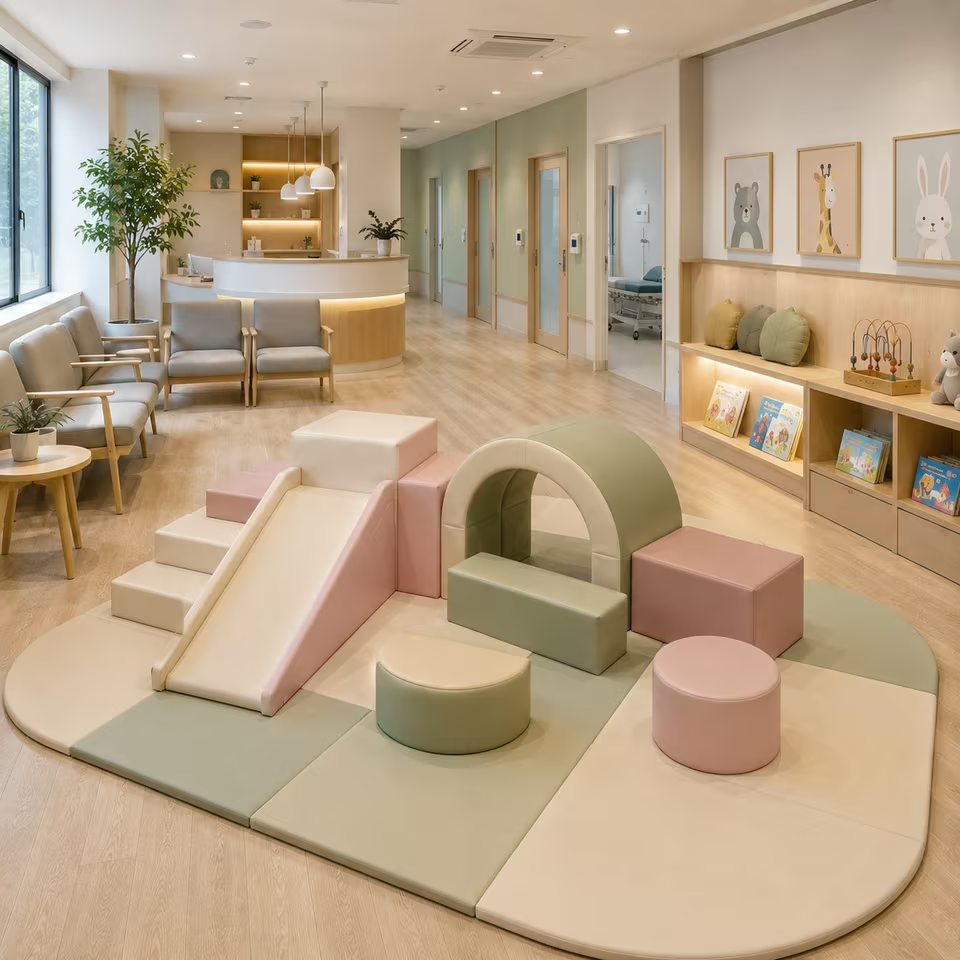
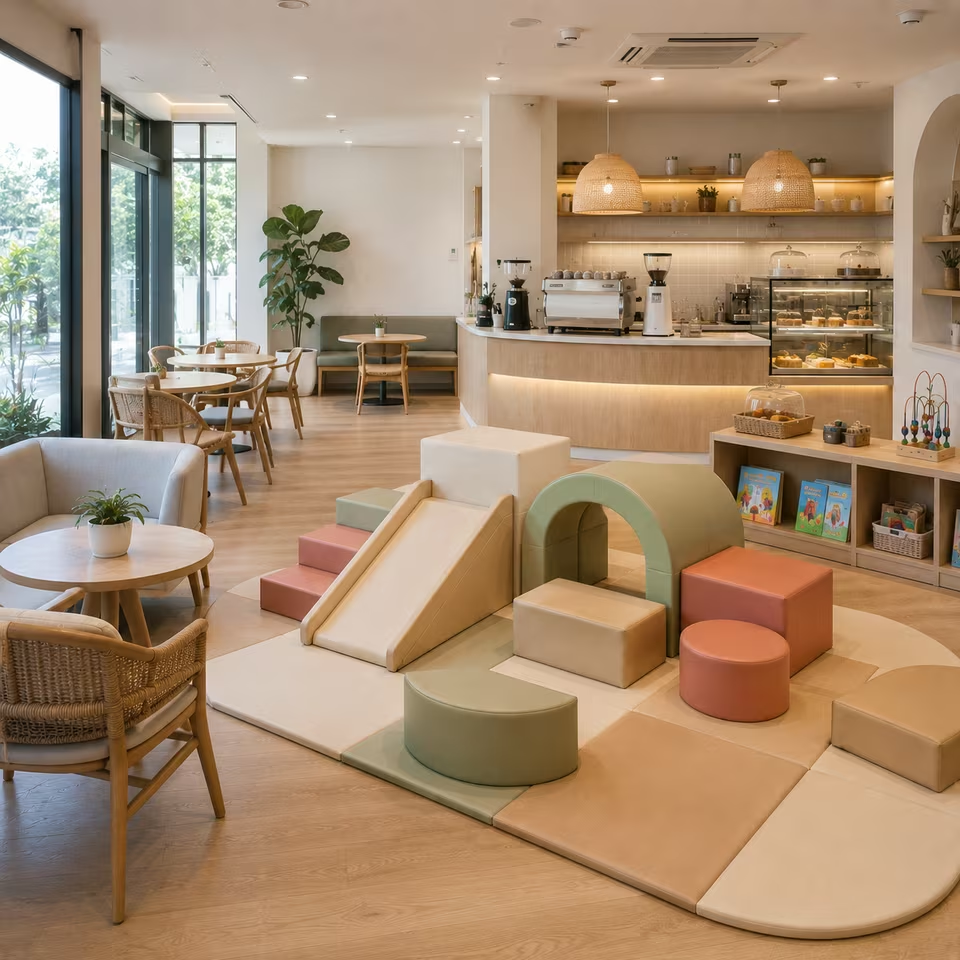
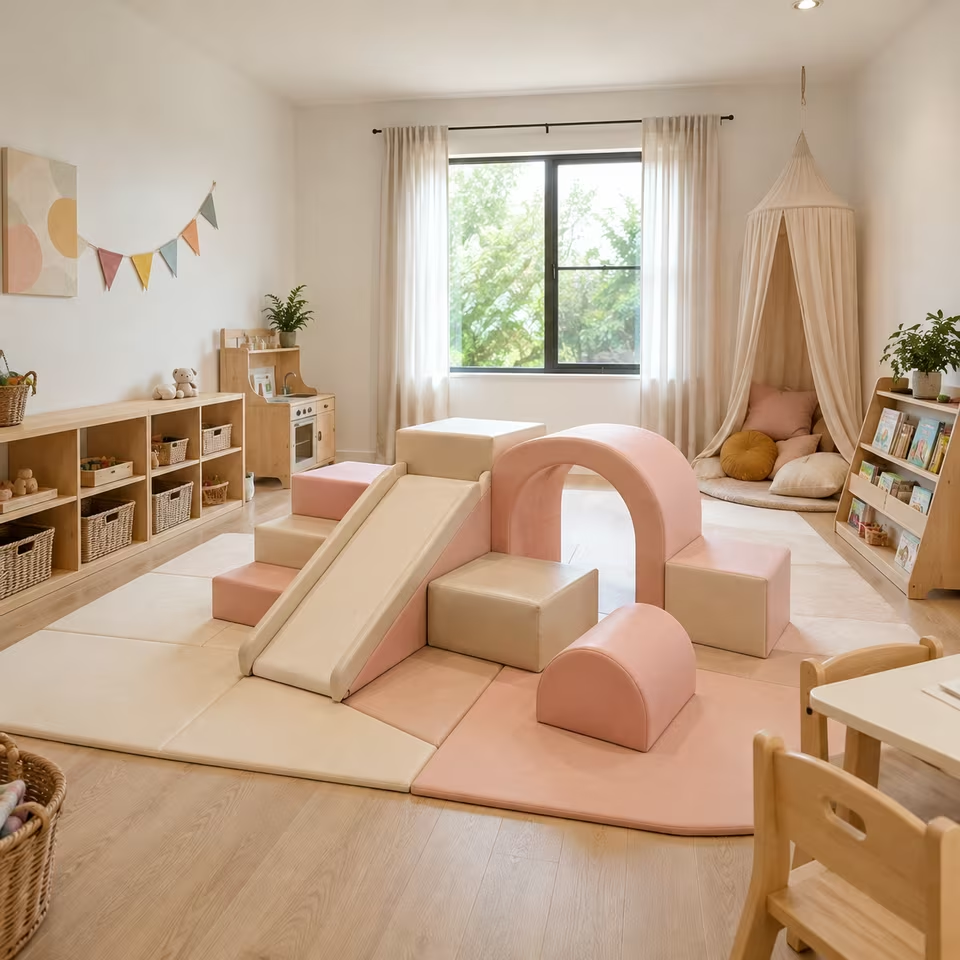
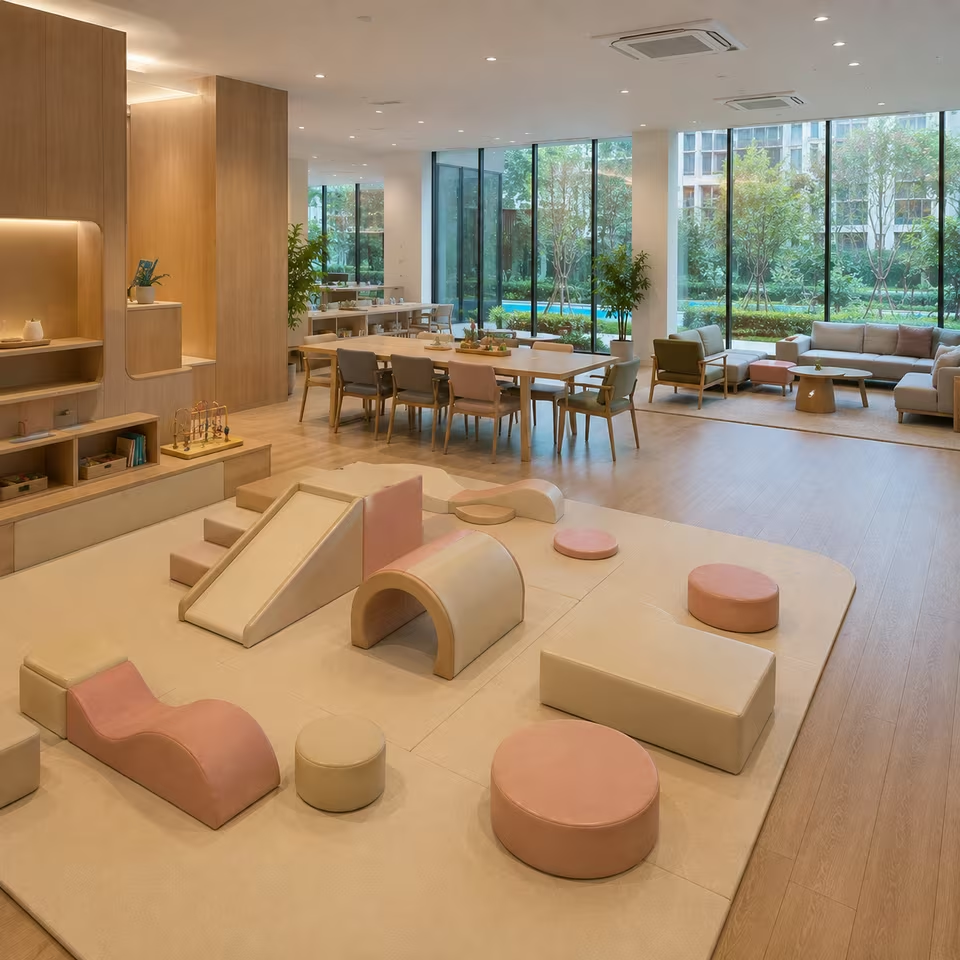
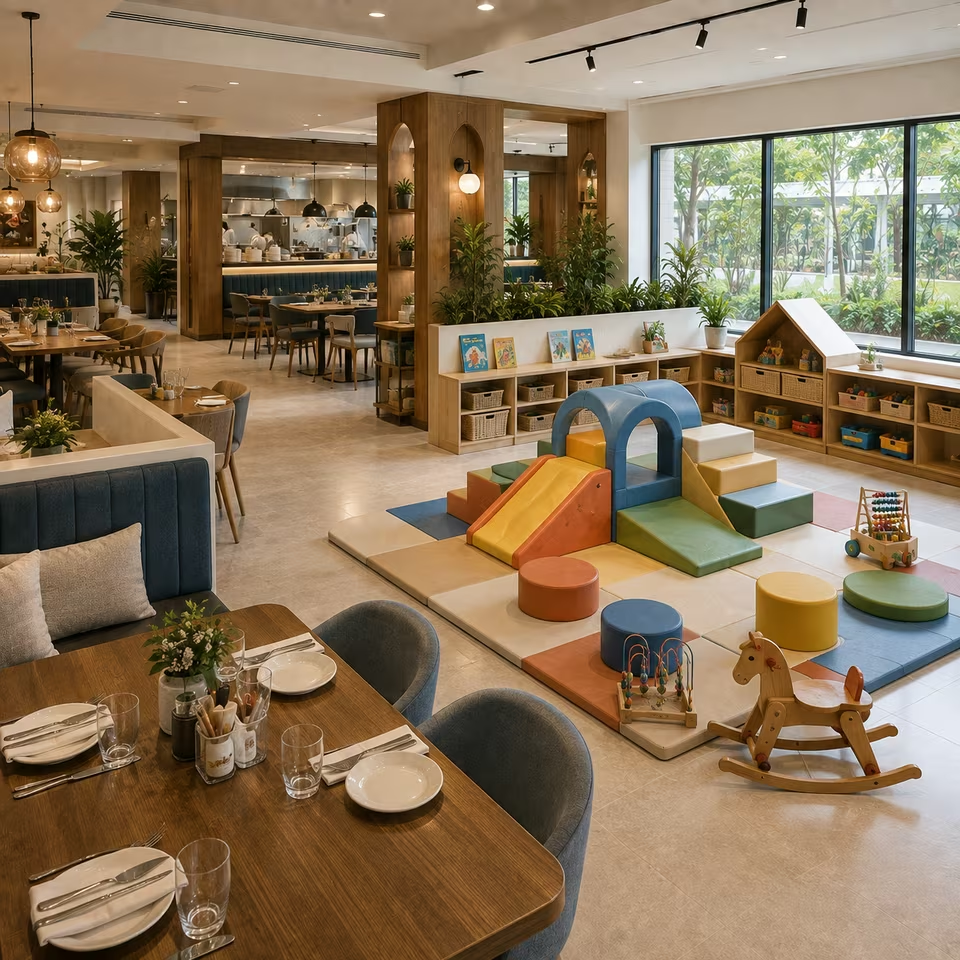
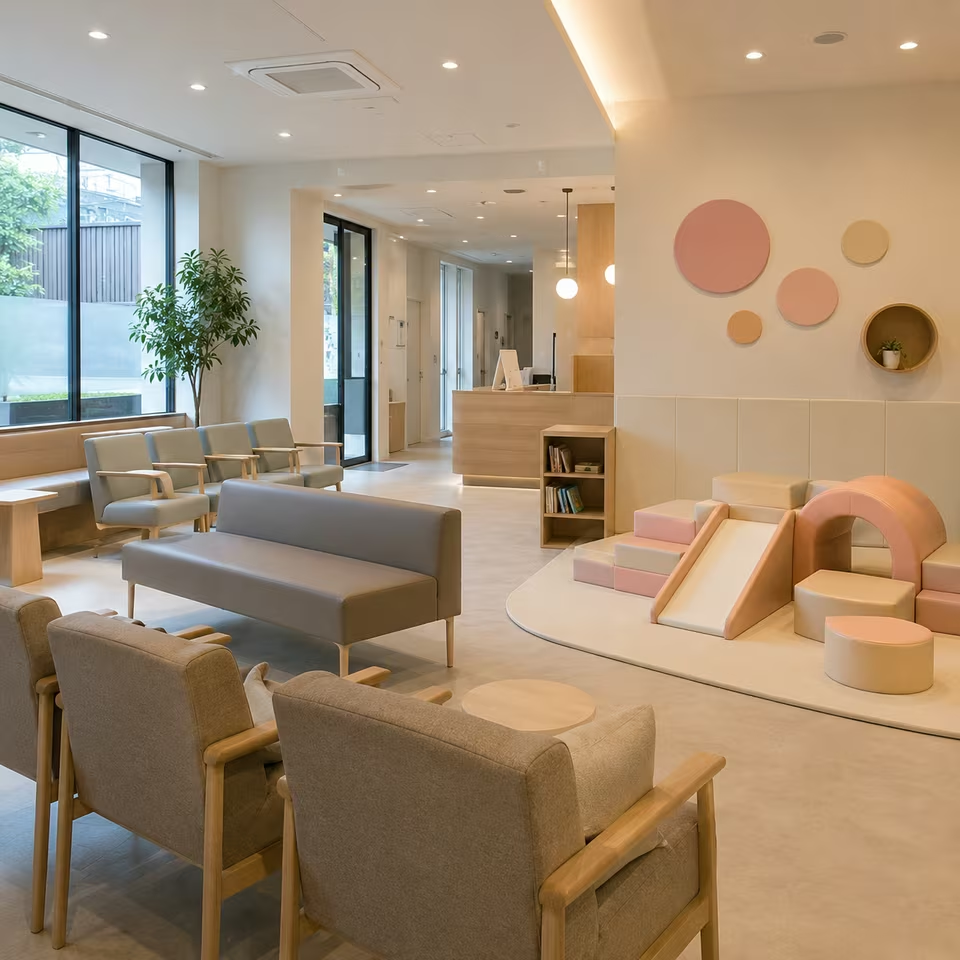
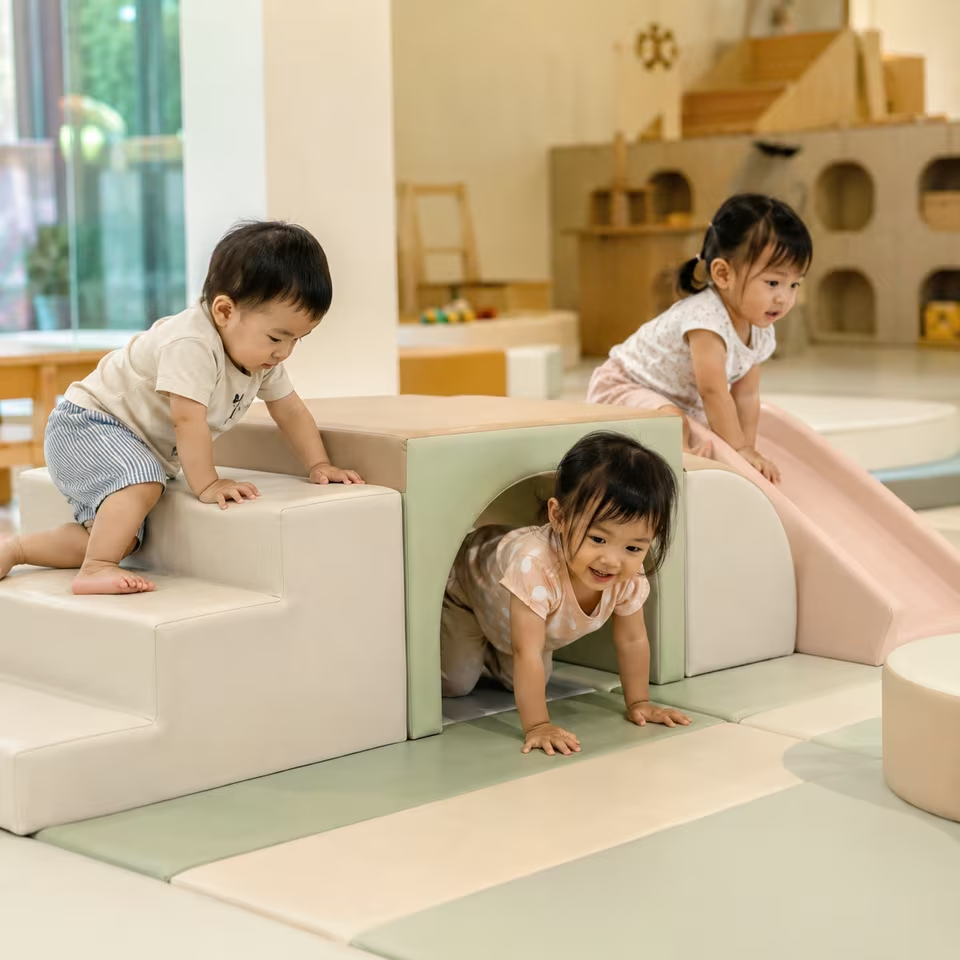
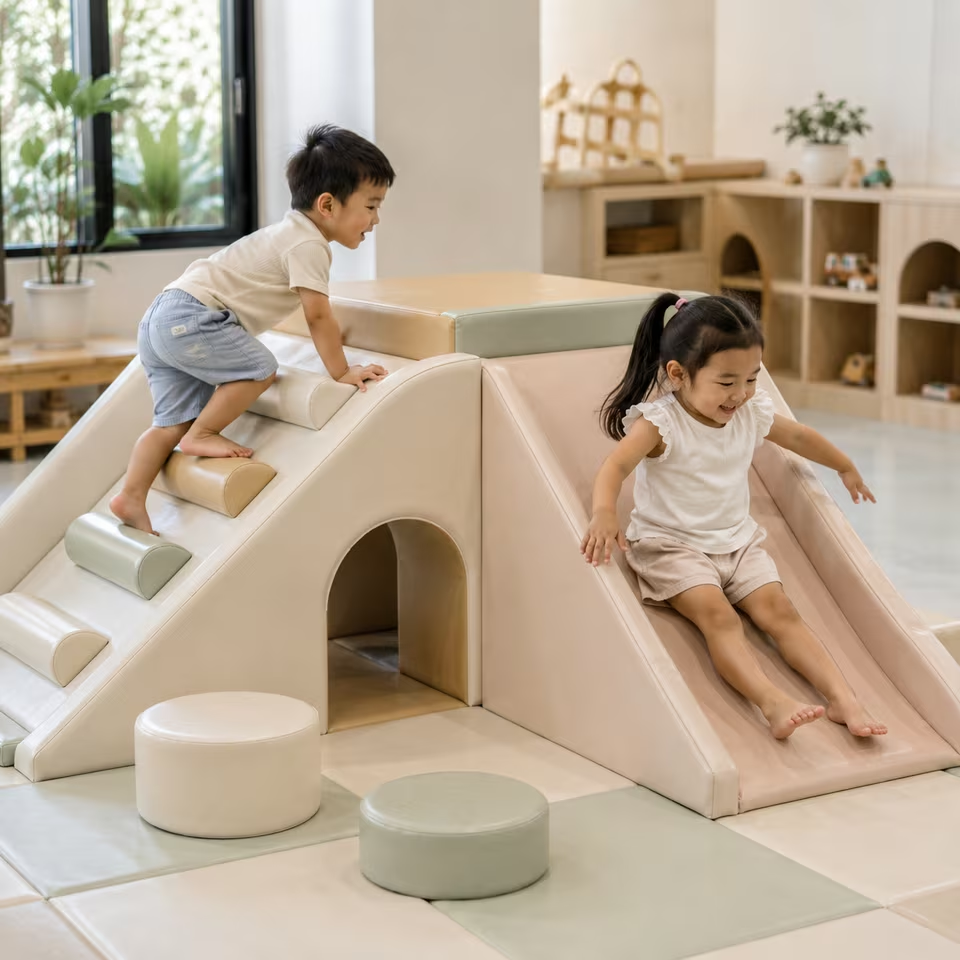
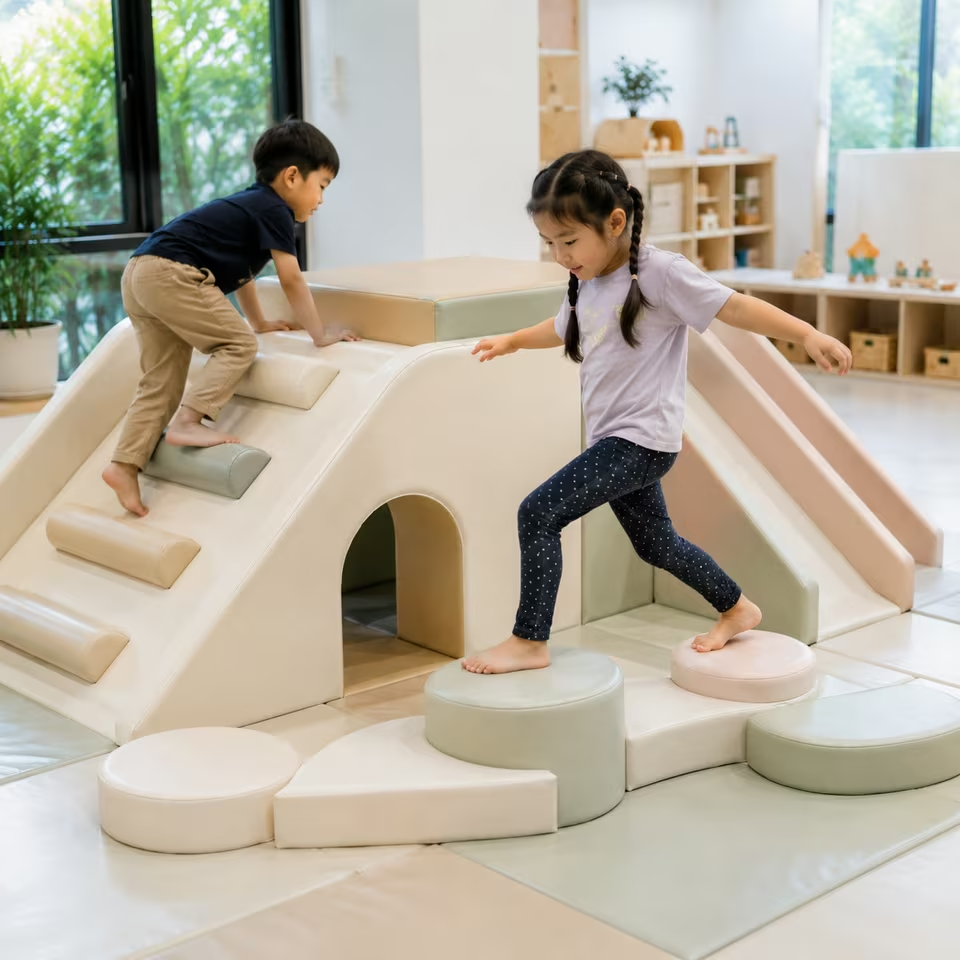
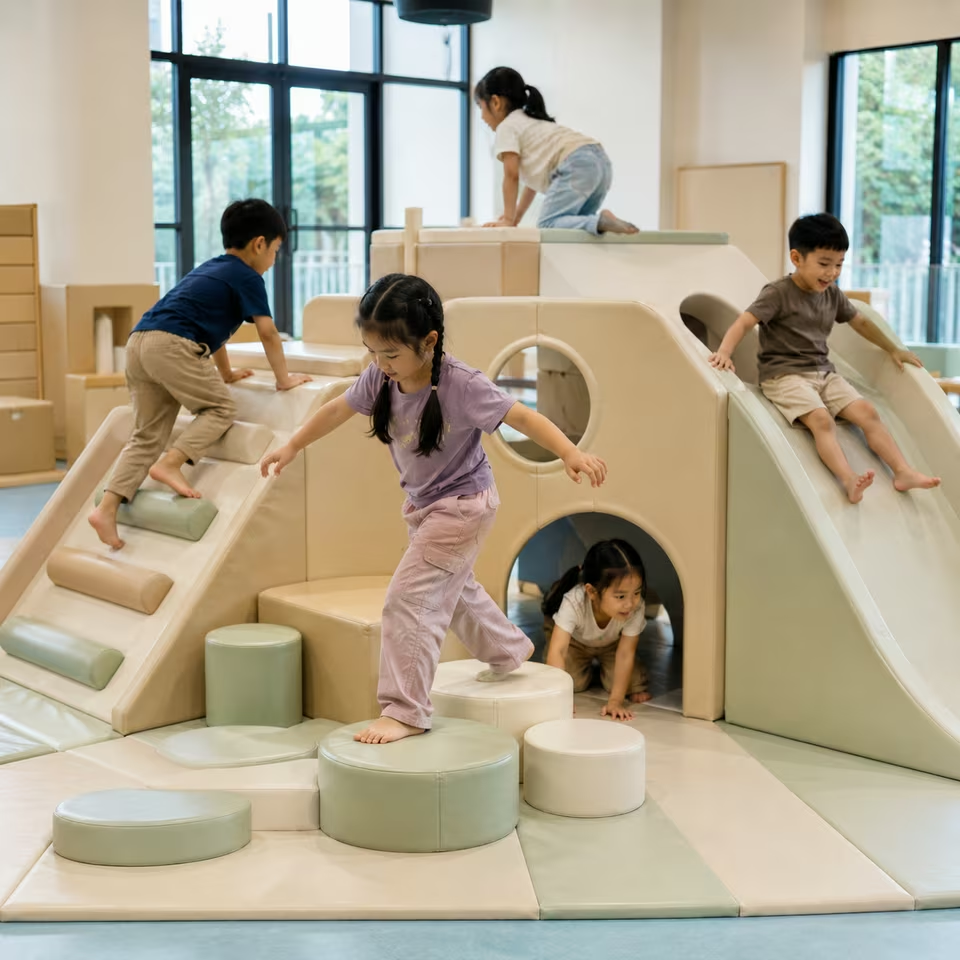
Spatial awareness is the ability to understand the position of the body and its relationship to the surrounding environment. Children use it when judging whether they can move through an opening, deciding how far to step, positioning their body to crawl through a tunnel, reaching toward a surface or changing direction around an obstacle. Soft Play can create clear three-dimensional movement experiences through tunnels, platforms, ramps, steps and climbing forms, allowing children to explore concepts such as over, under, through, around, up, down, near and far through physical movement. Spatial awareness works closely with body awareness, balance, coordination, visual perception and motor planning because moving successfully through a space requires children to understand both their own body and the environment around it.
Spatial awareness is the ability to understand where the body is positioned and how it relates to objects, surfaces, distances, directions and boundaries in the surrounding environment.
Soft Play can create three-dimensional movement experiences involving tunnels, platforms, ramps, steps and climbing forms, giving children opportunities to move over, under, through and around different spaces.
Body awareness focuses on understanding the position and relationship of parts of the body. Spatial awareness is broader and includes understanding how the body relates to objects, distances, directions and the surrounding environment.
Yes. Moving through a tunnel requires children to relate the size and position of their body to the available opening and adjust their movement as they travel through the space.
Yes. Climbing can require children to judge the location, distance and height of surfaces while deciding where to place their hands, feet and body.
Spatial information helps children decide how to approach a movement challenge, which direction to move and what sequence of actions may be needed to reach the next position.
Active play can provide physical experiences of concepts such as over, under, through, around, beside, between, near, far, high and low.
Yes. Spatial awareness provides information about the body and environment, while balance and coordination help children control their movement in response to that information.
Not necessarily. Many everyday movements and forms of active play naturally involve judging distance, direction, position and available space. A varied play environment can provide repeated opportunities to use these skills.