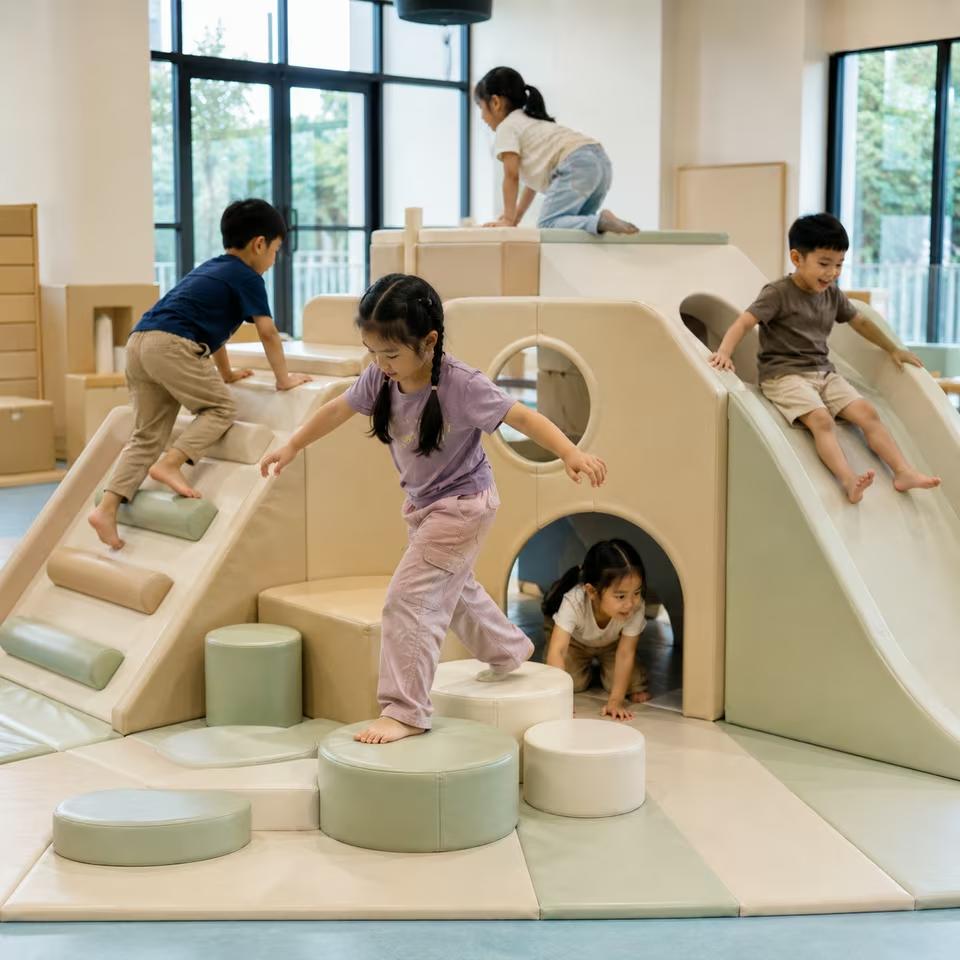
What type of Soft Play is suitable for a nursery?
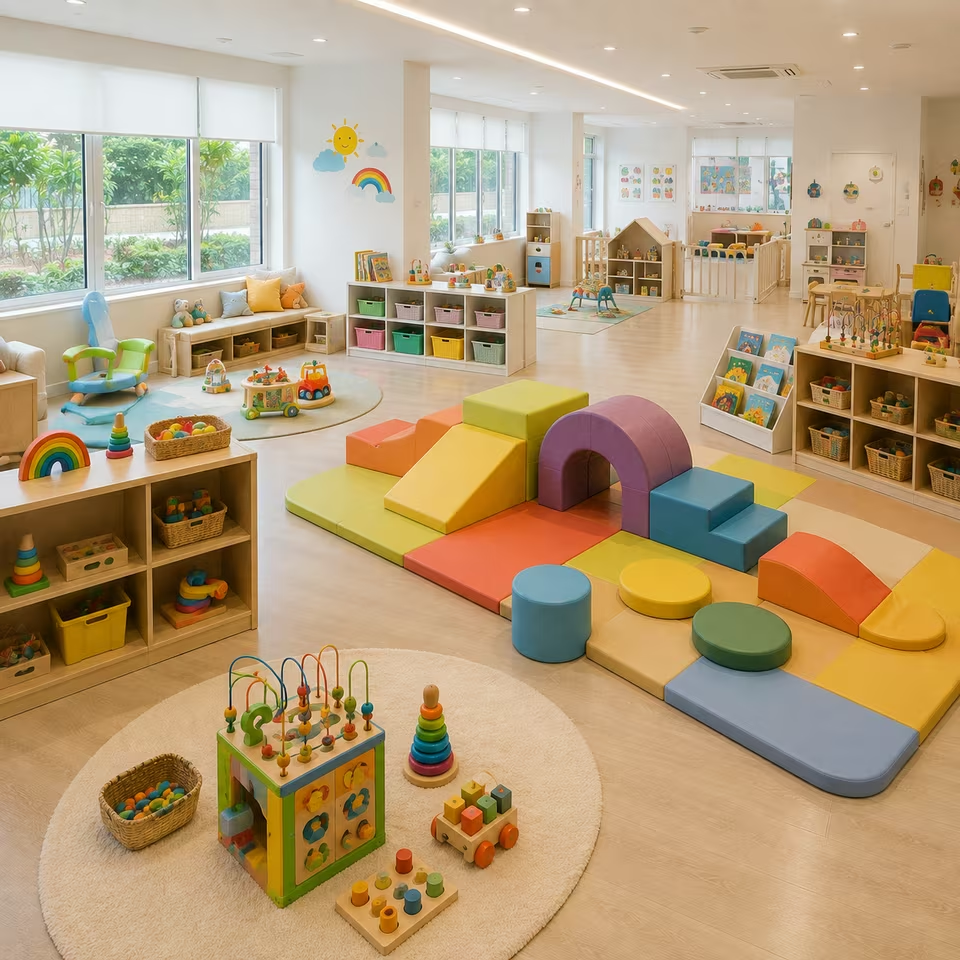
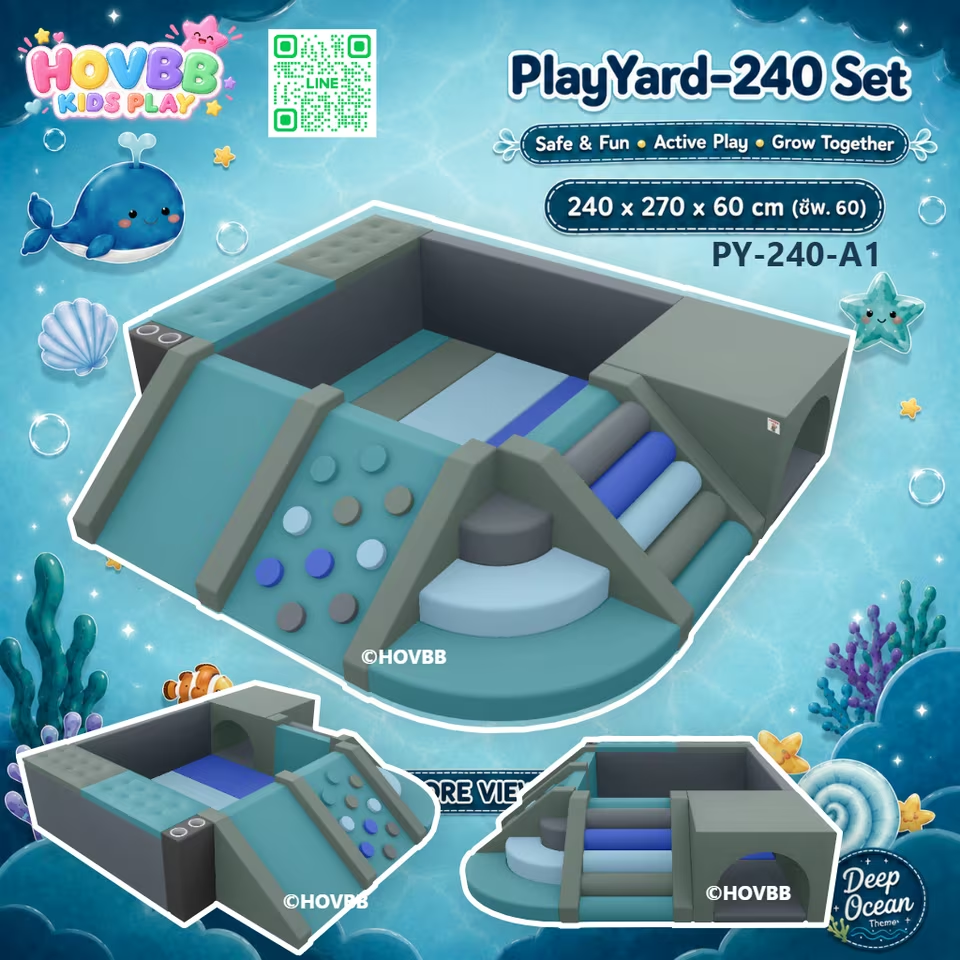
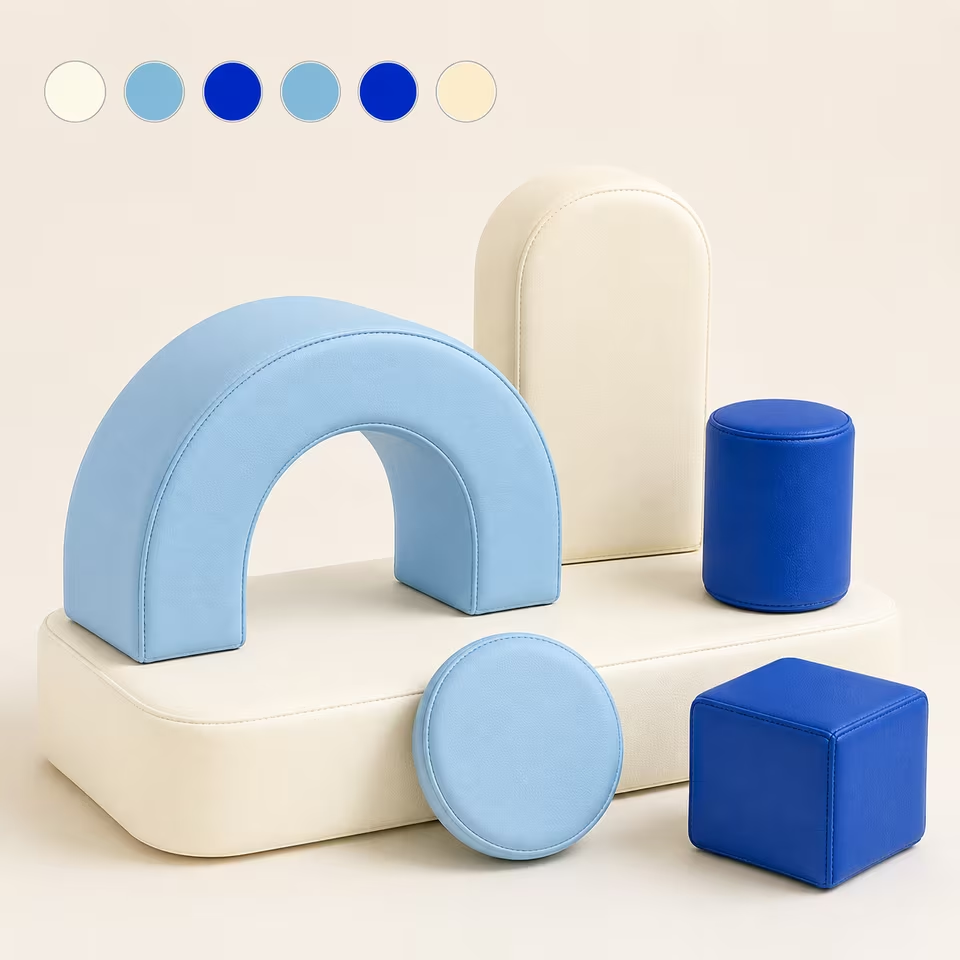
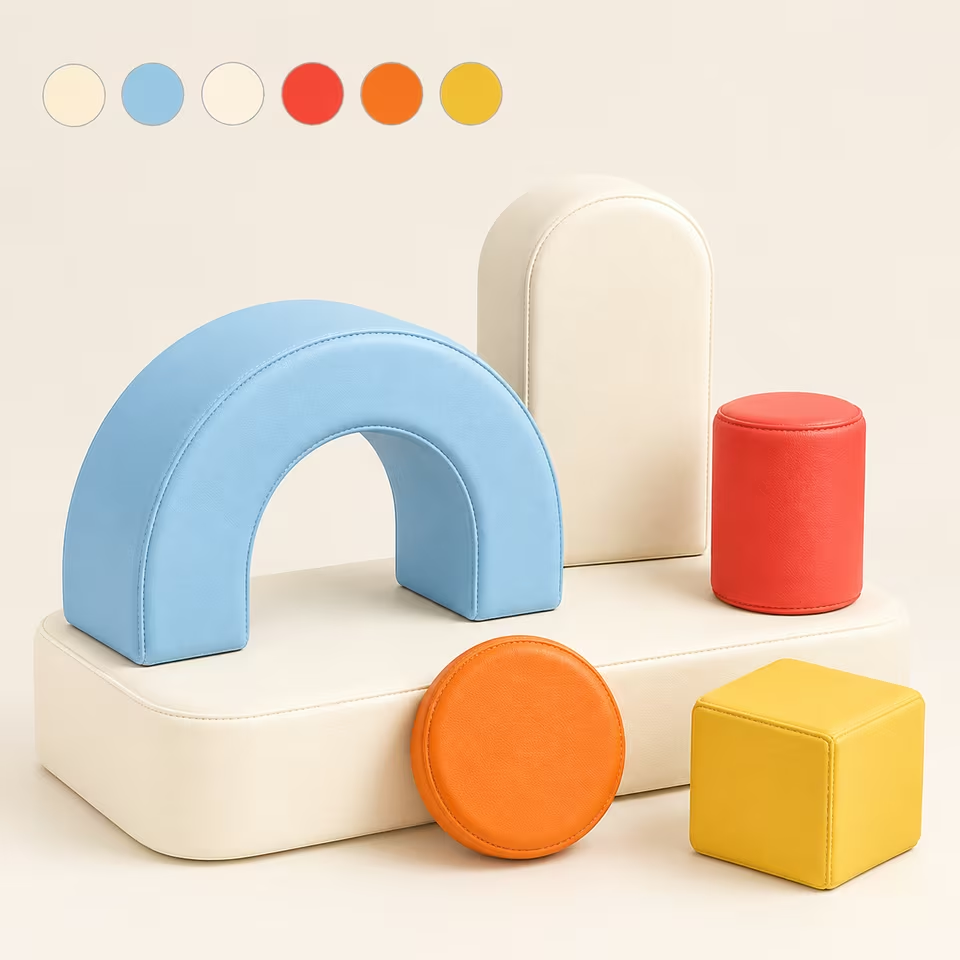
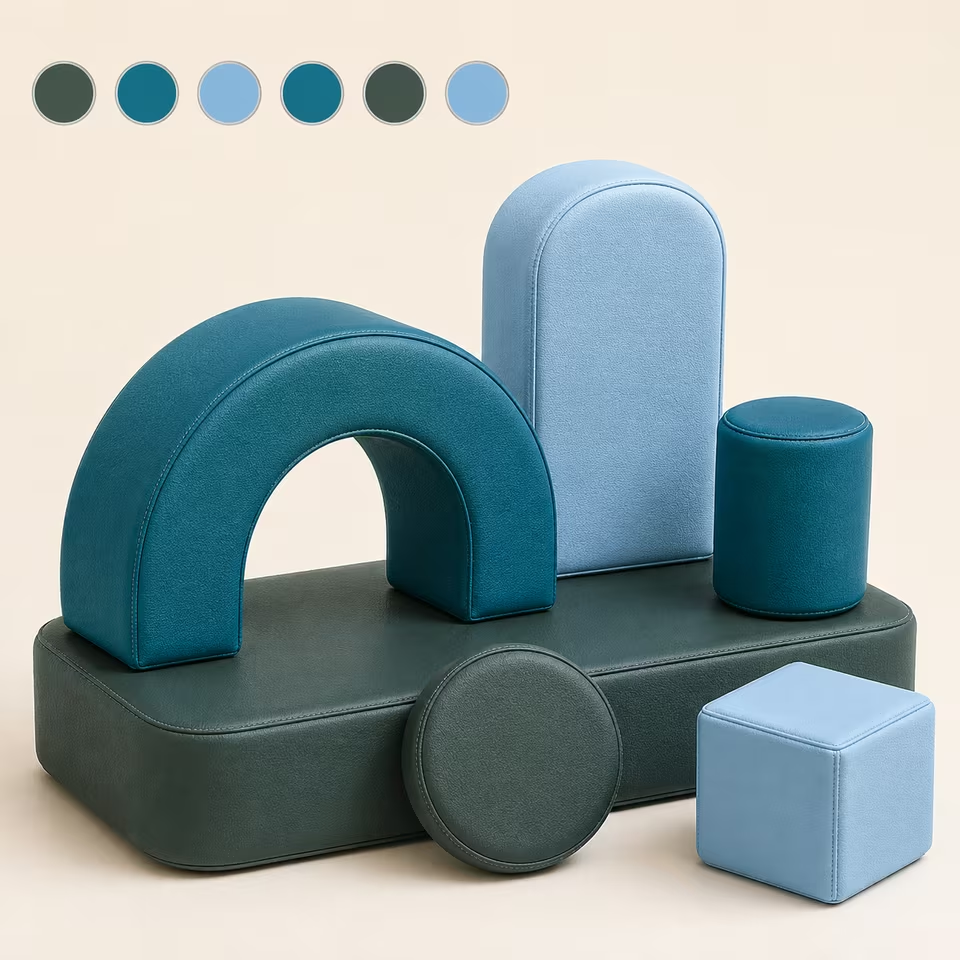
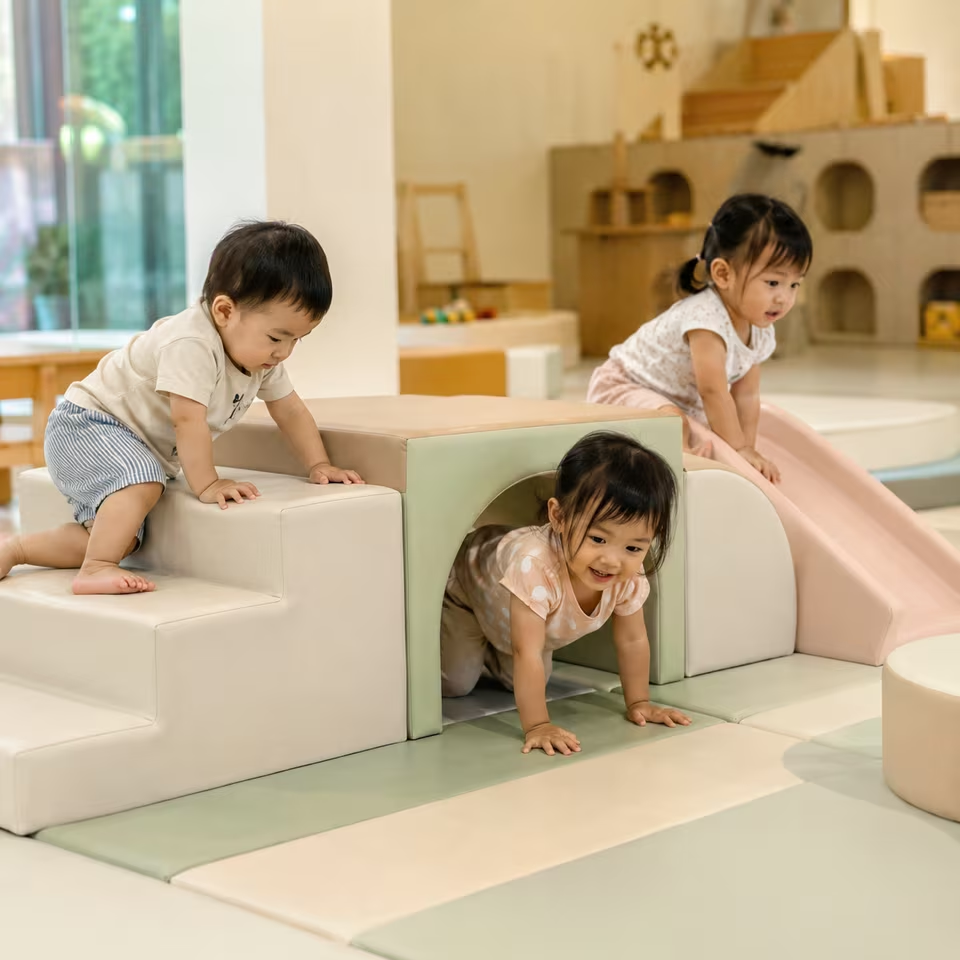
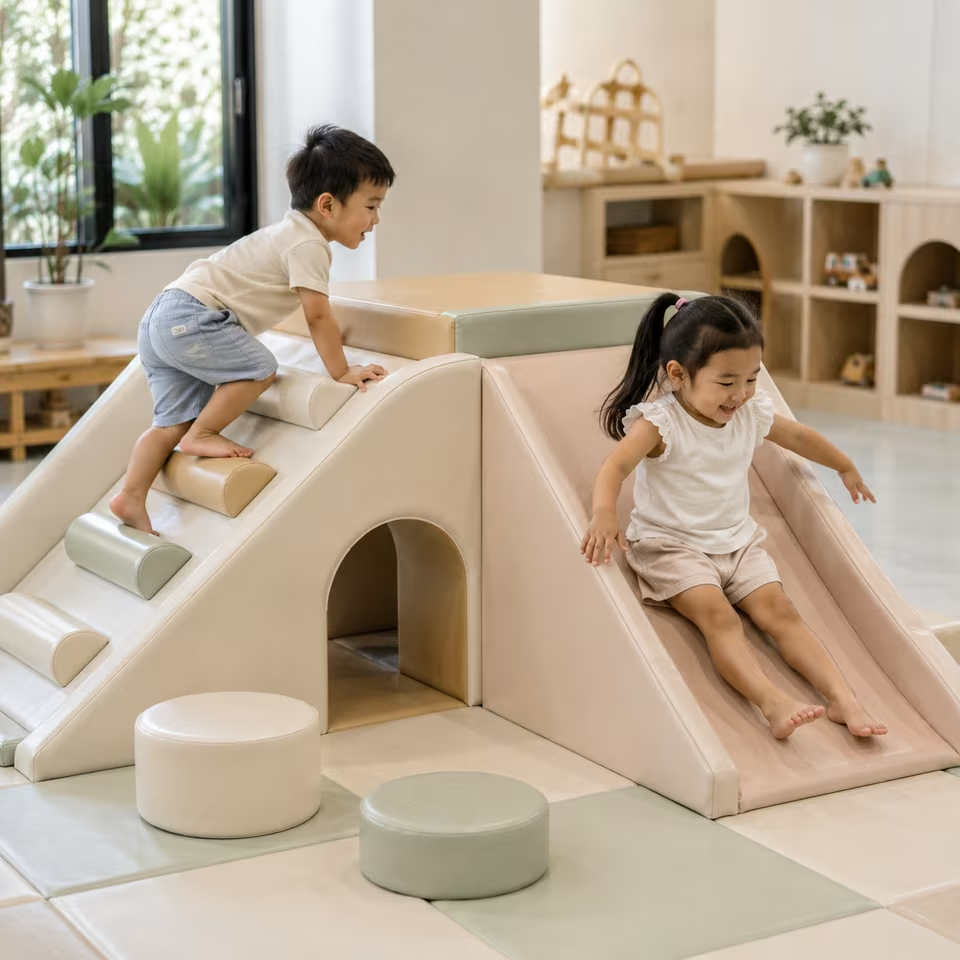
The appropriate equipment depends on the children's ages and movement abilities. Nurseries can consider floor-level forms, gentle ramps, low steps, crawl-through elements and other appropriately selected low-height Soft Play.
Can babies use Soft Play in a nursery?
Some Soft Play environments can be planned for babies using age-appropriate floor-level elements and open movement areas. Equipment should always be selected according to its intended age range and use.
What is the difference between nursery and kindergarten Soft Play?
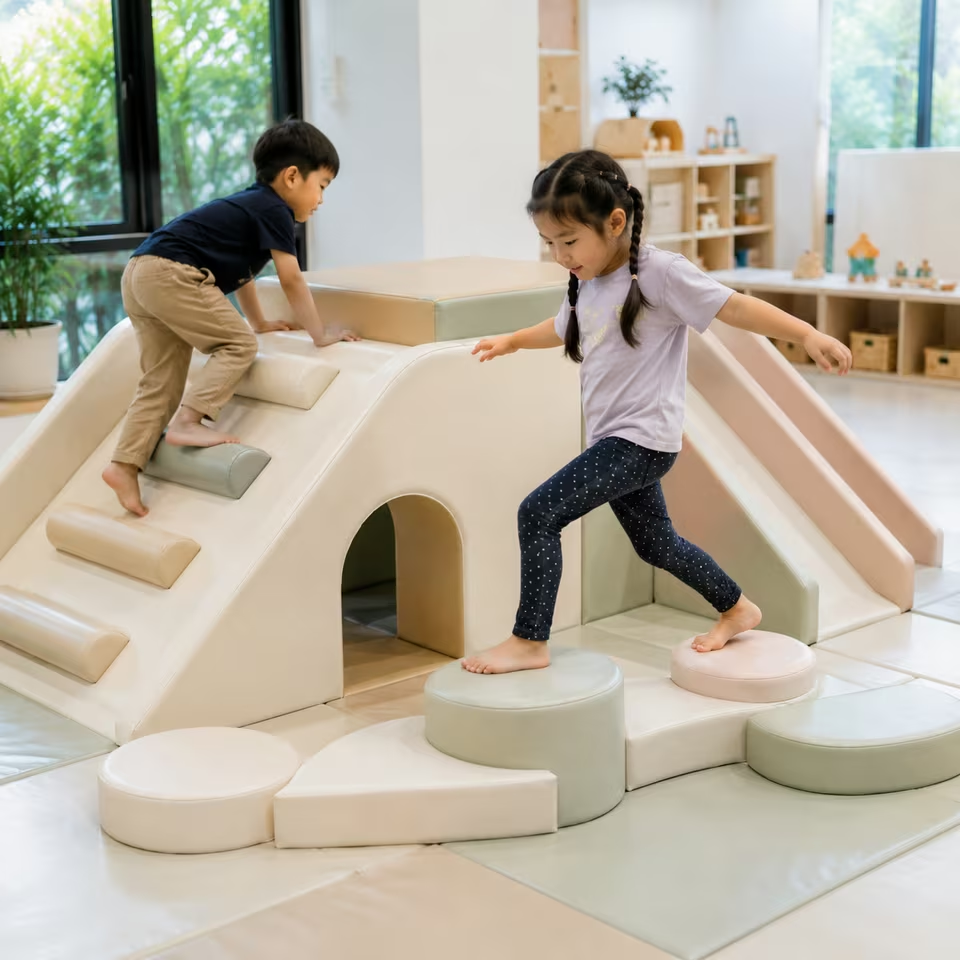
Nursery environments generally serve younger children and therefore tend to place greater emphasis on floor play, crawling, simple transitions and lower movement challenges. Kindergarten spaces can often introduce more varied stepping, climbing and movement sequences for older children.
Can Soft Play create a crawling area for babies and toddlers?
Yes. Open padded areas combined with suitable low forms, gentle ramps or crawl-through elements can create different opportunities for crawling and floor-level exploration.
Should babies and older toddlers use the same Soft Play zone?
That depends on the ages, movement patterns, equipment and operating model of the nursery. Where mobility differs substantially, clearly separated or differently configured areas may make the space easier to organize.
Can a small nursery have a Soft Play area?
Yes. A compact nursery can focus on open floor play and a small number of versatile low-height elements instead of trying to fit a large playground into limited space.
How much space does a nursery need for Soft Play?
There is no universal footprint. Planning should consider equipment dimensions, clearances, group size, children's ages, caregiver access, circulation and the other care functions sharing the room.
Can nursery Soft Play be rearranged for different activities?
Modular equipment may allow different configurations when appropriate. Each arrangement should remain consistent with the equipment's intended use and should be checked for clearances, circulation and caregiver sightlines.
Where should Soft Play be placed in a nursery?
A practical location provides clear caregiver visibility, usable floor space and separation from doorways, busy circulation, feeding, changing and sleeping areas where possible.
What should a nursery consider when designing a Soft Play area?
Important considerations include children's ages and mobility, floor space, caregiver sightlines, age zoning, circulation, daily care routines, storage, cleaning access and the intended use of the selected equipment.