

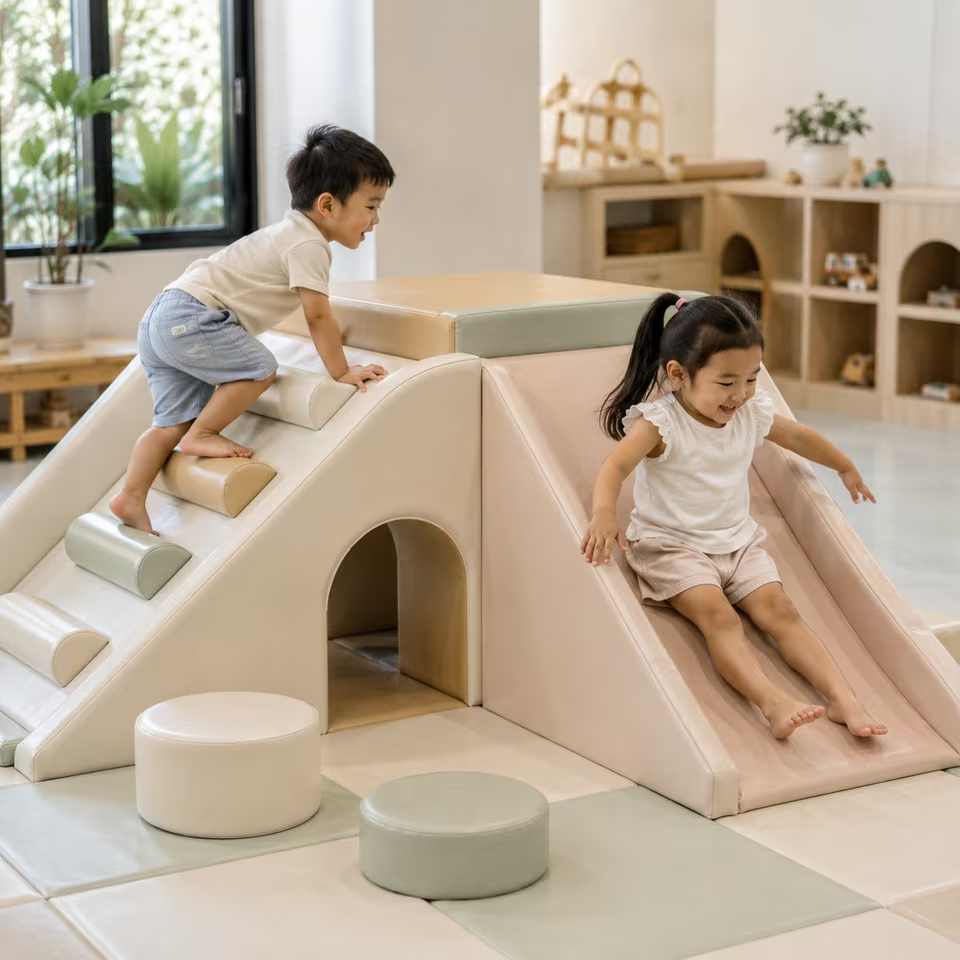
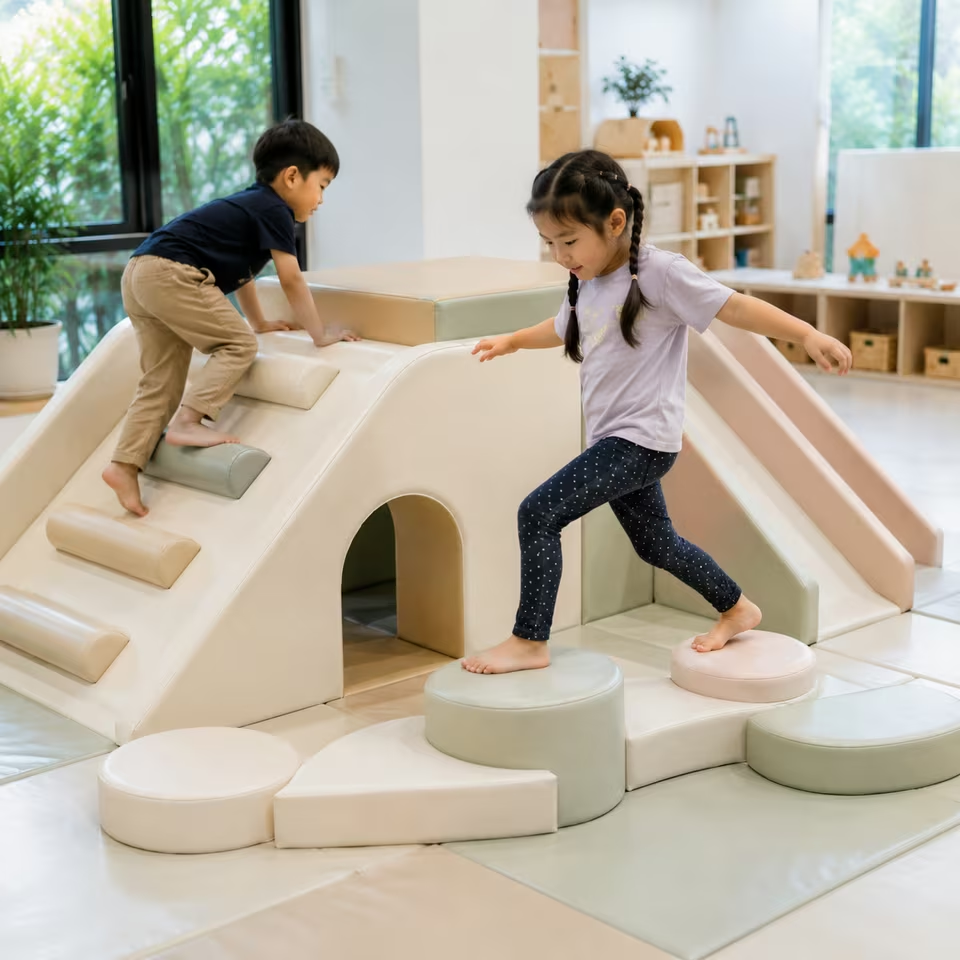
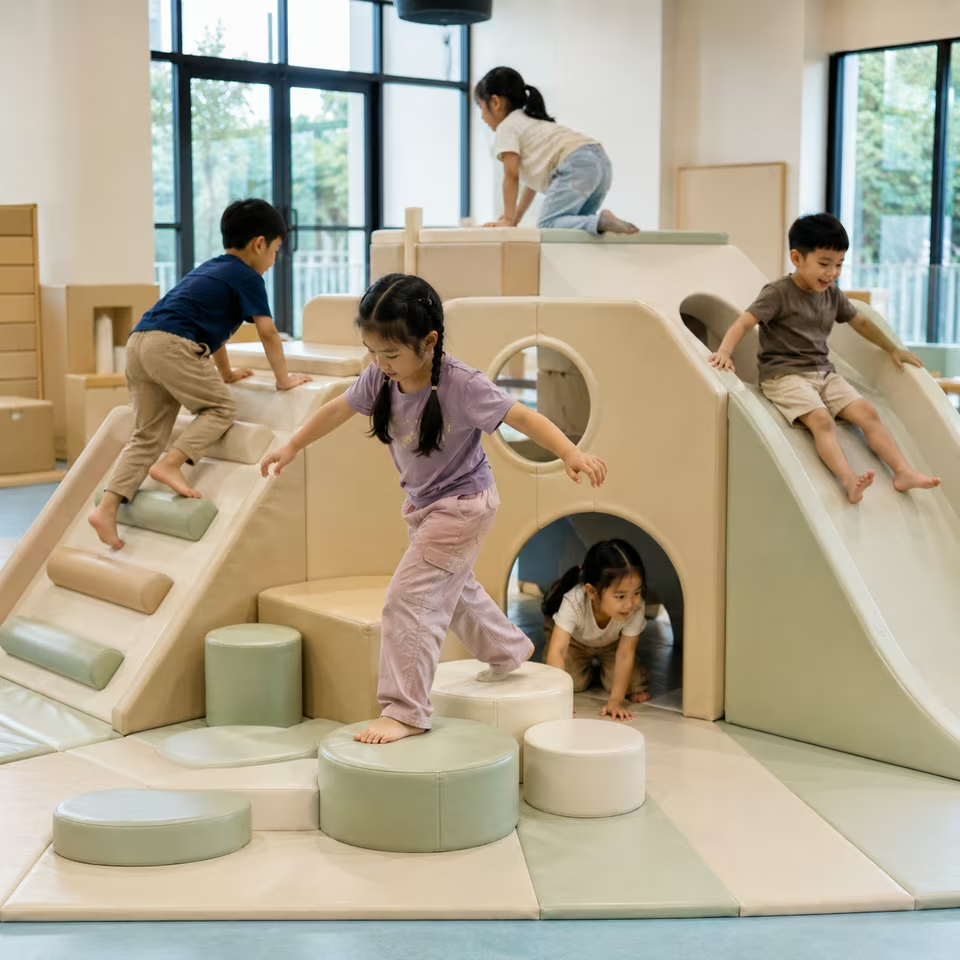
Do I need a dedicated playroom for Soft Play at home?
No. Soft Play can be planned for a living room, family area or multipurpose space as long as the setup fits the usable floor area and does not interfere with important household circulation.
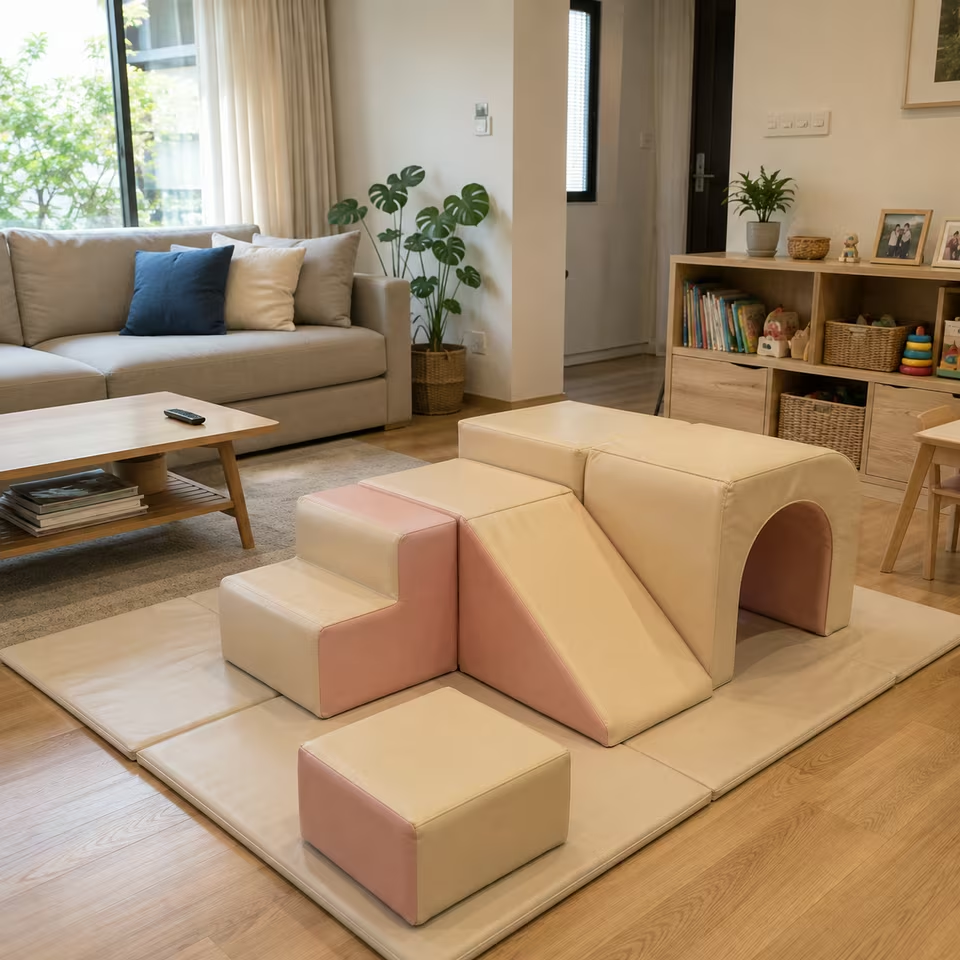
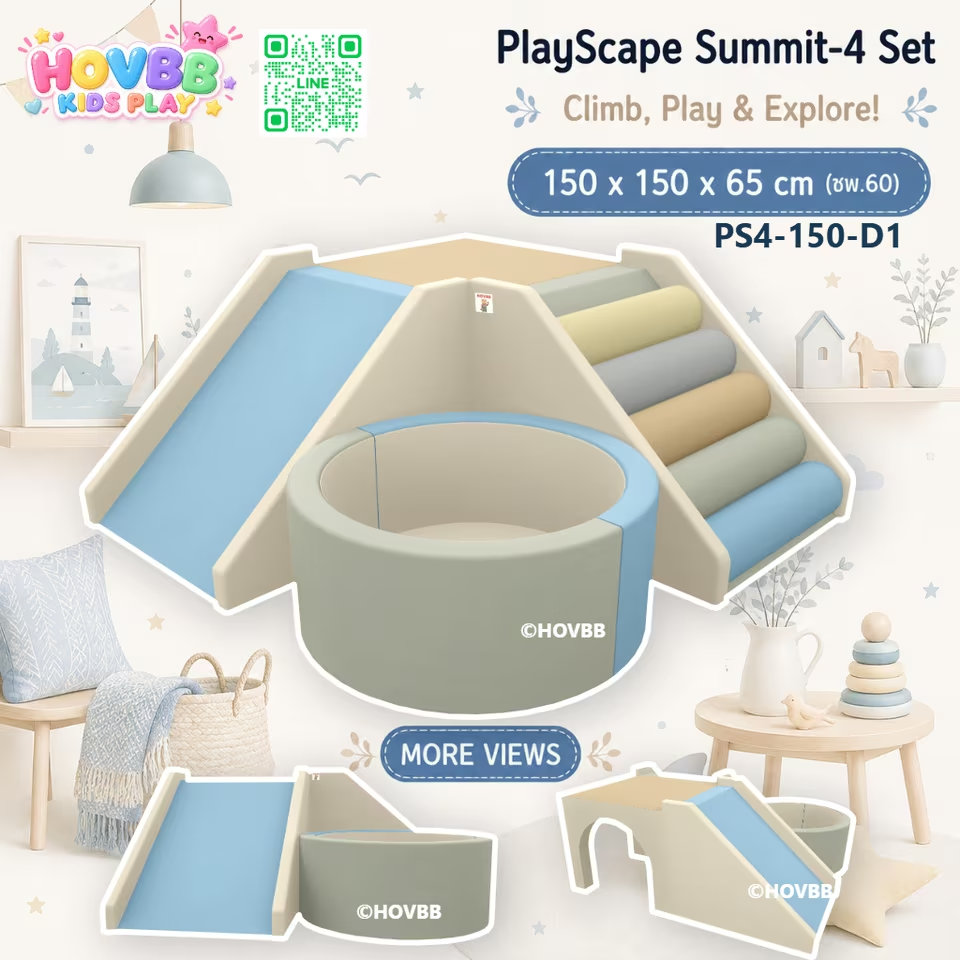
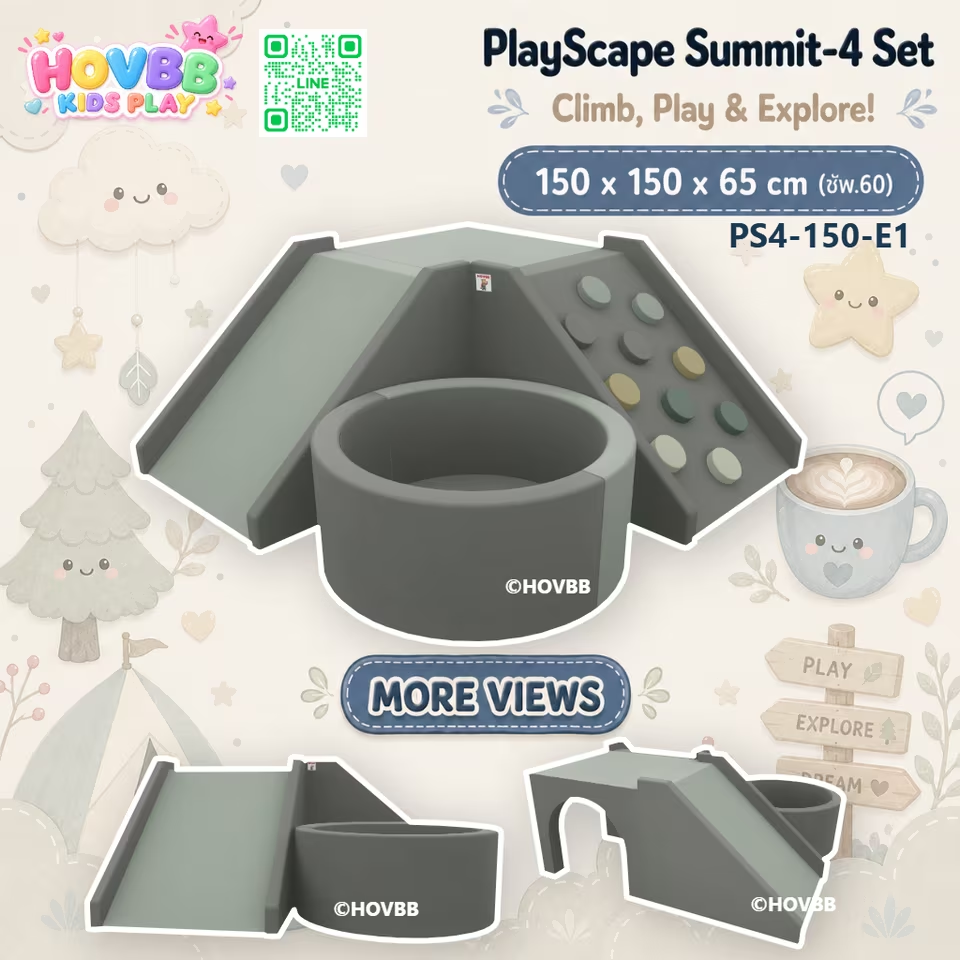
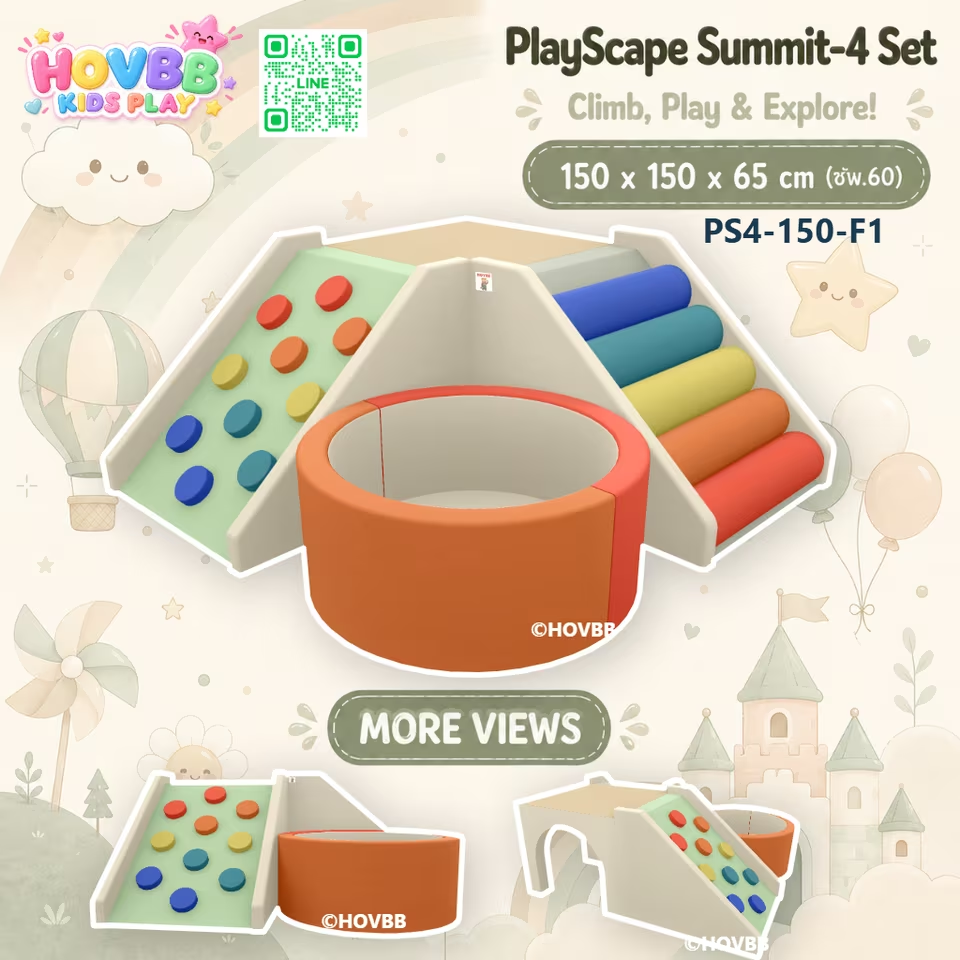
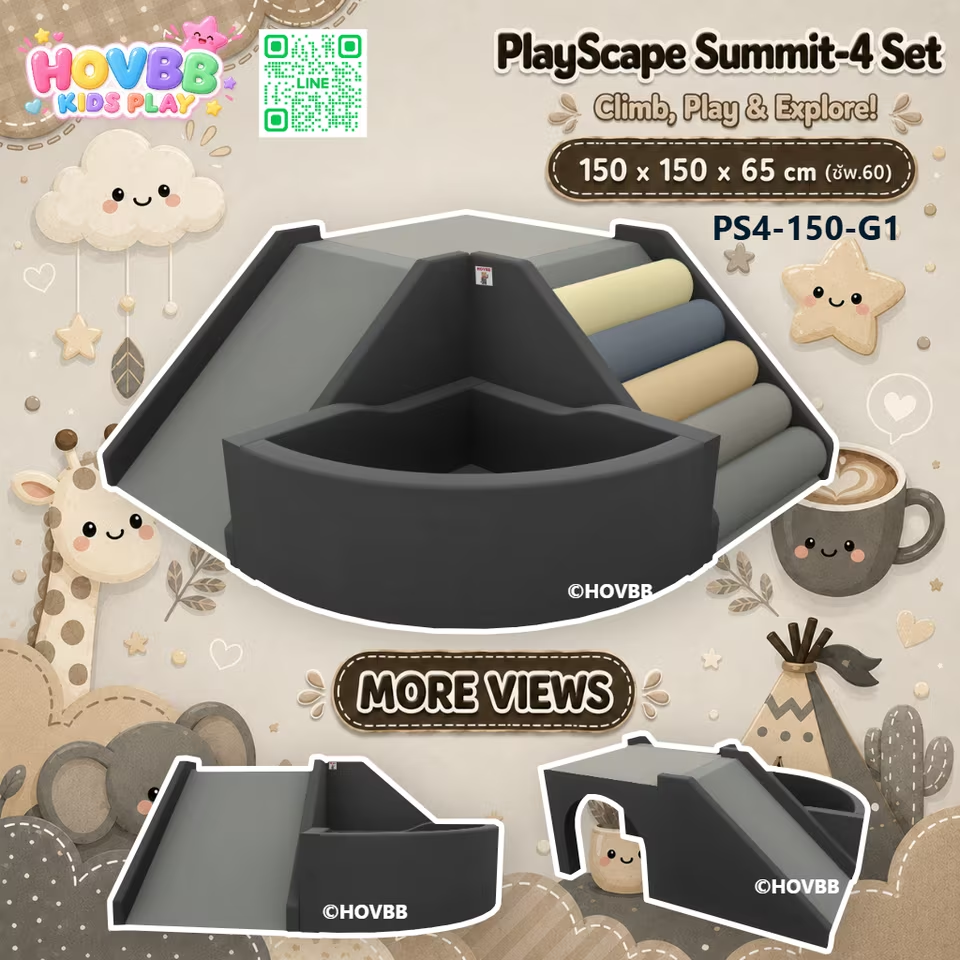
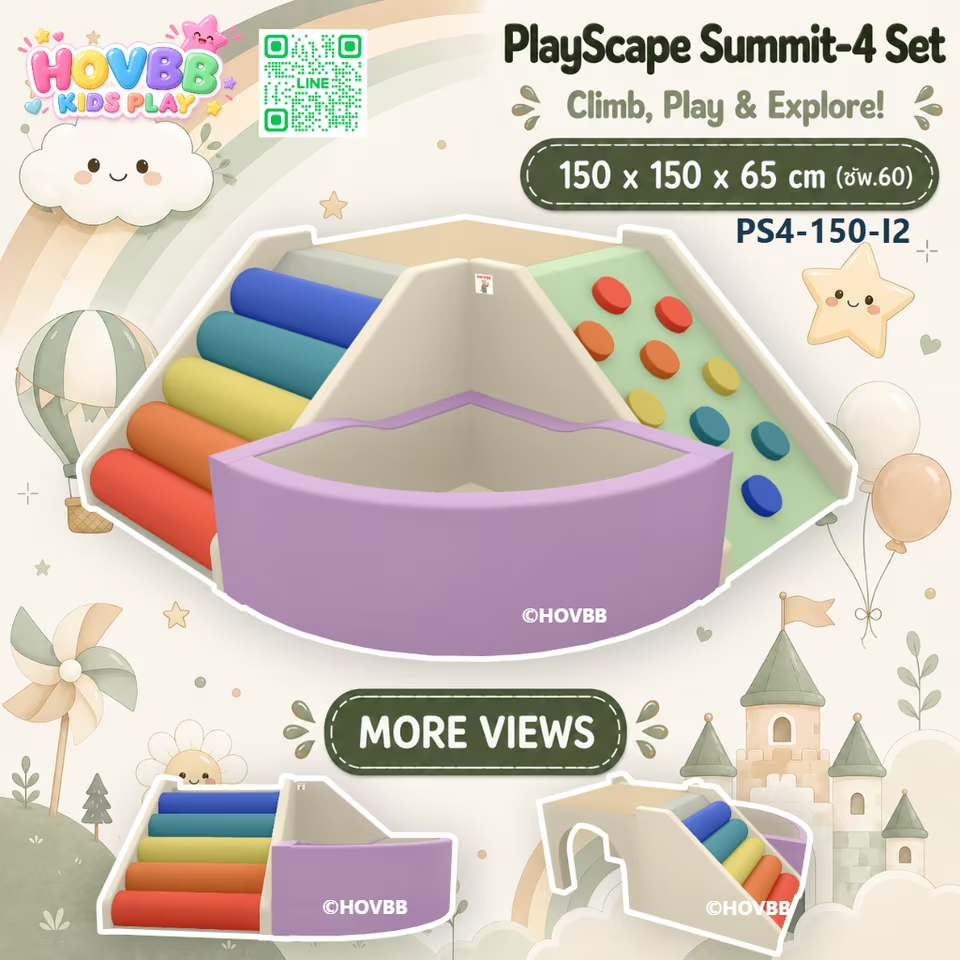
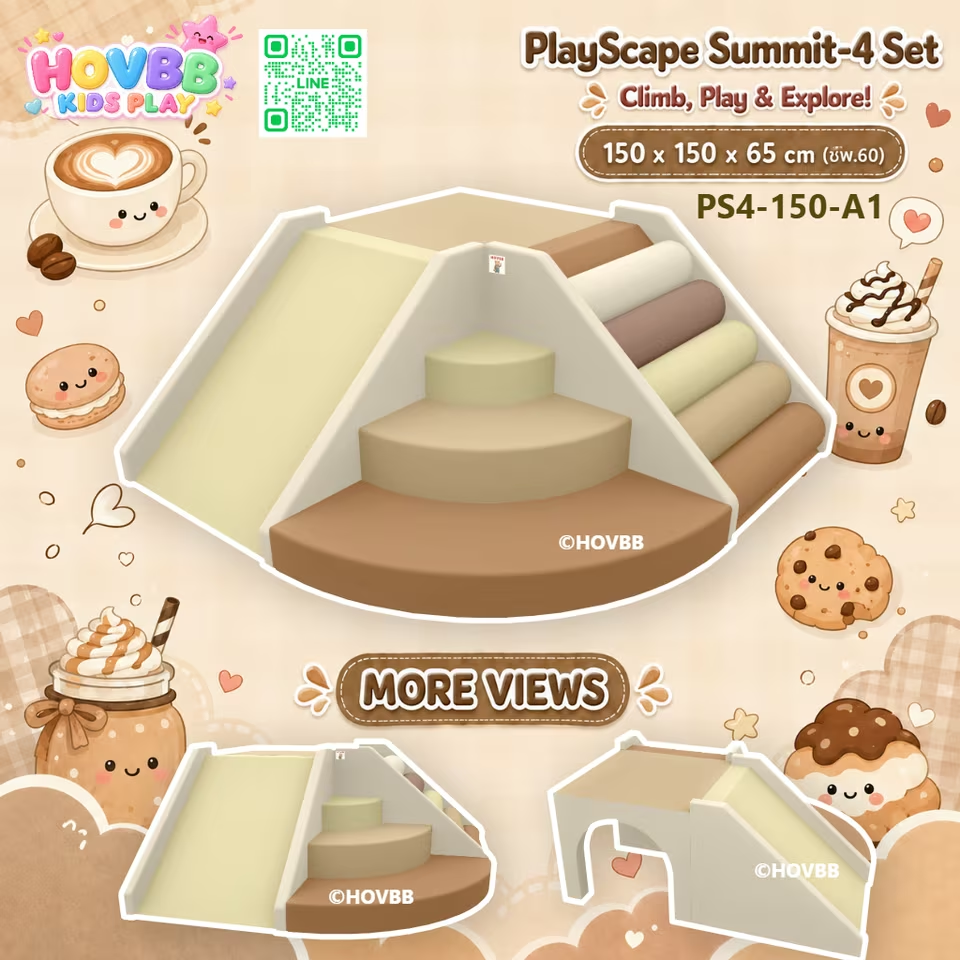
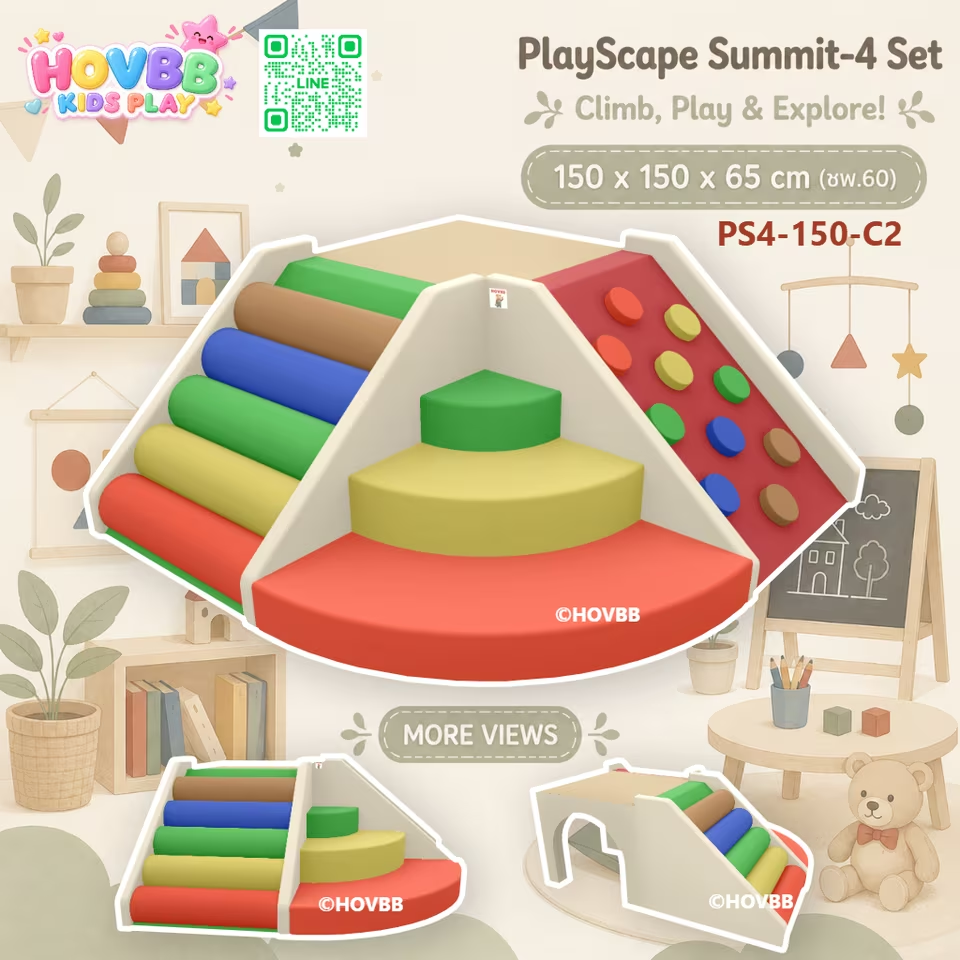
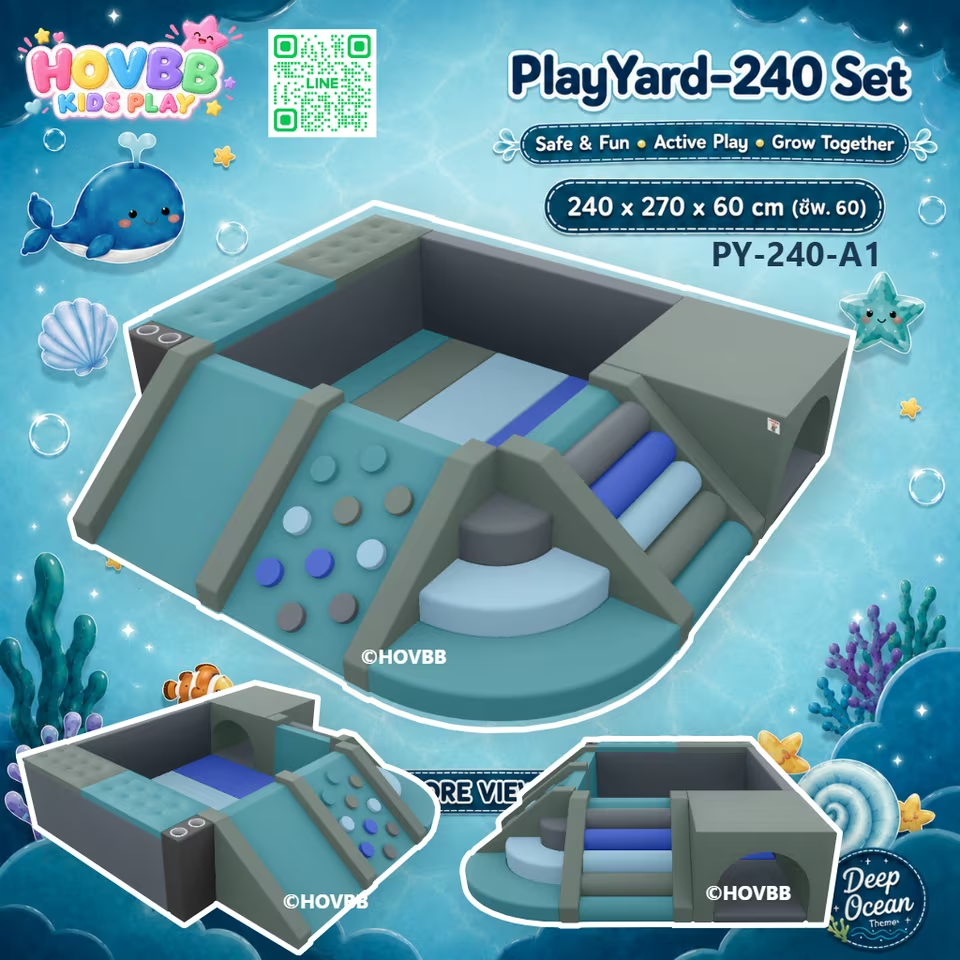
Create an inviting Soft Play area at home with a setup that fits naturally into everyday family life, from compact play corners to larger dedicated play spaces.
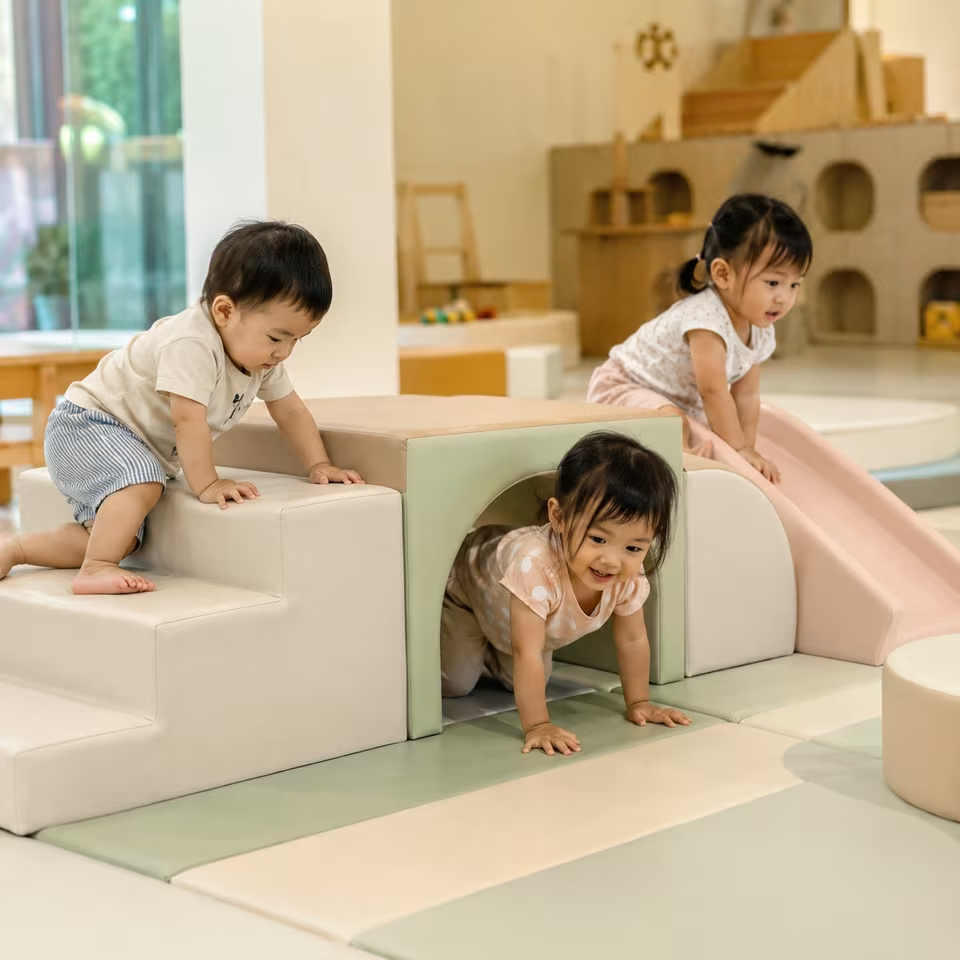
A home Soft Play area does not require a dedicated playroom. With the right size, layout and placement, Soft Play can become part of a living room, family area, multipurpose room or children's play space while still leaving enough room for everyday movement around the home. A well-planned setup considers the available floor area, circulation, surrounding furniture and the activities children are likely to enjoy. Smaller homes may benefit from compact configurations with a few versatile forms, while larger spaces can accommodate connected climbing, sliding, crawling and balancing elements. Choosing colors and forms that complement the surrounding interior can also help the play area feel like a considered part of the home rather than something added separately.
No. Soft Play can be planned for a living room, family area or multipurpose space as long as the setup fits the usable floor area and does not interfere with important household circulation.
Yes. A compact setup can focus on a smaller number of versatile elements and a carefully planned footprint rather than trying to recreate a large playroom.
It depends on the equipment and activities you want to include. Measure the usable floor area first and account for circulation, surrounding furniture and the clearance required for active movement.
A defined side or corner of the room often works well because it can preserve the main seating and circulation areas while keeping the play zone visible to adults.
Consider the available footprint, the child's abilities, preferred activities, surrounding furniture, supervision, storage needs and how the setup will coexist with everyday household use.
It can, when the selected equipment is appropriate for the intended user and the space provides the installation conditions and clearance required for those activities.
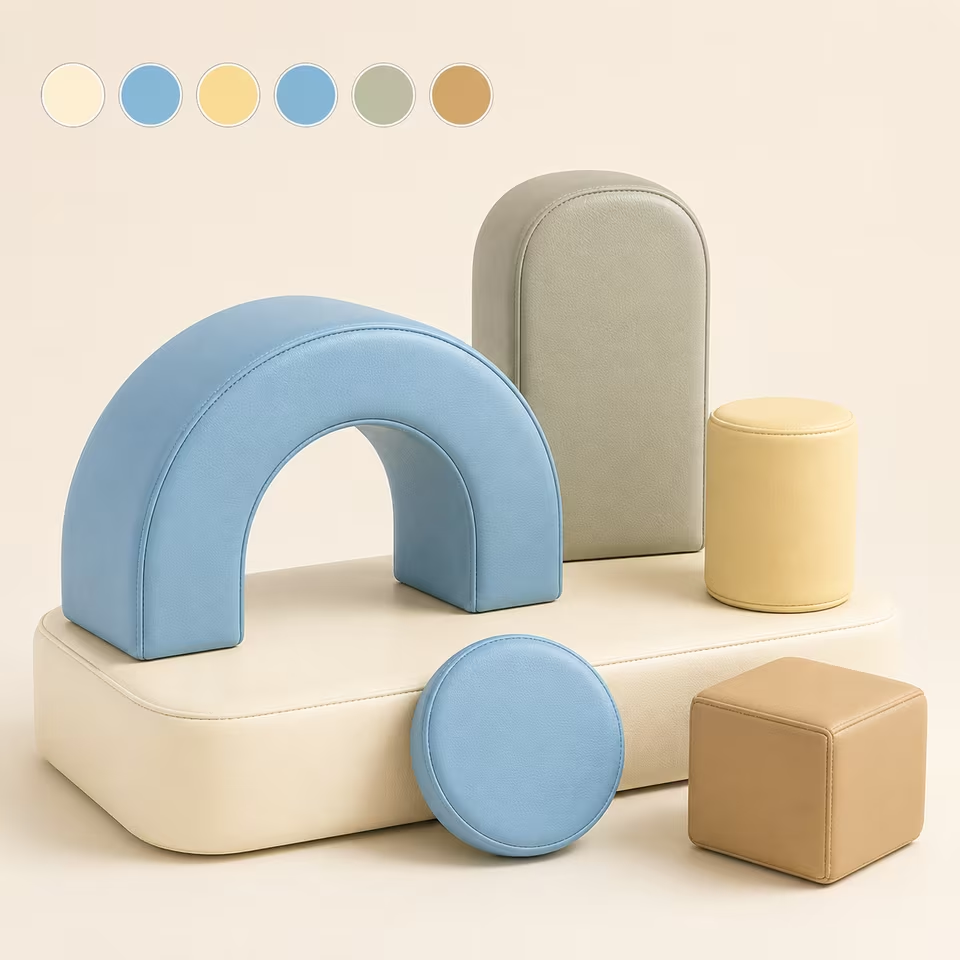
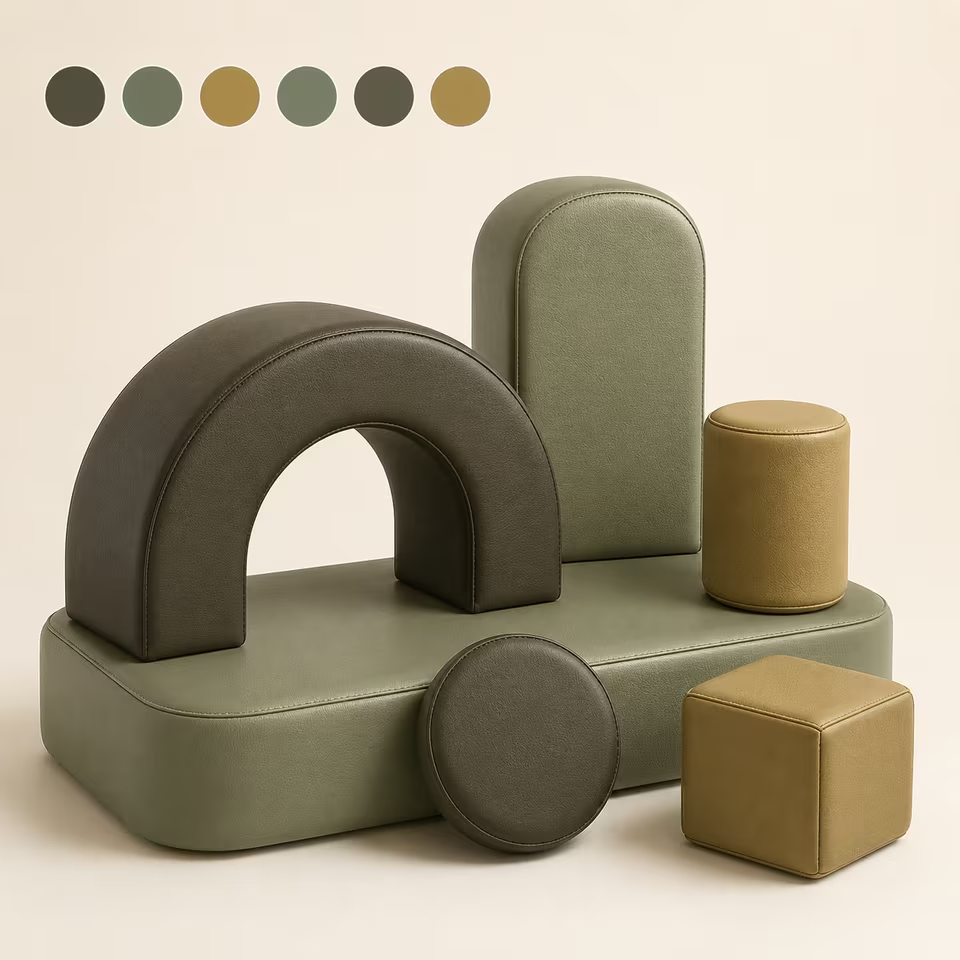
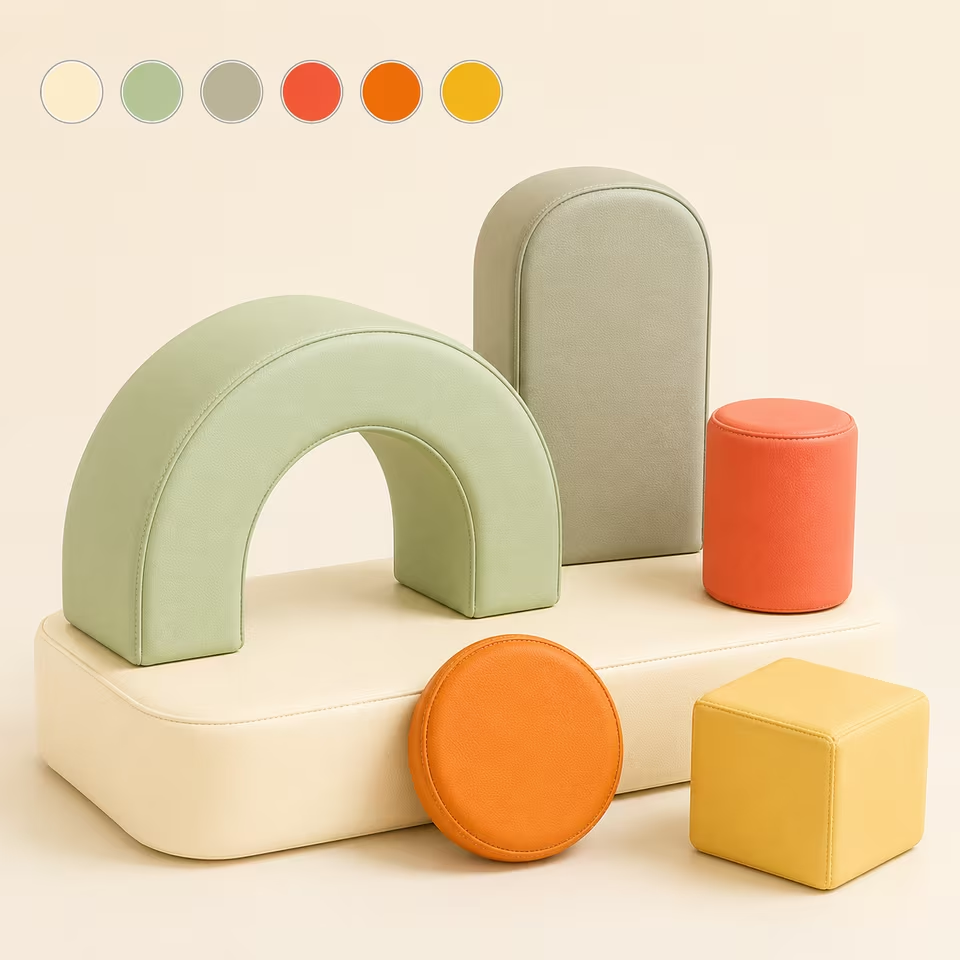
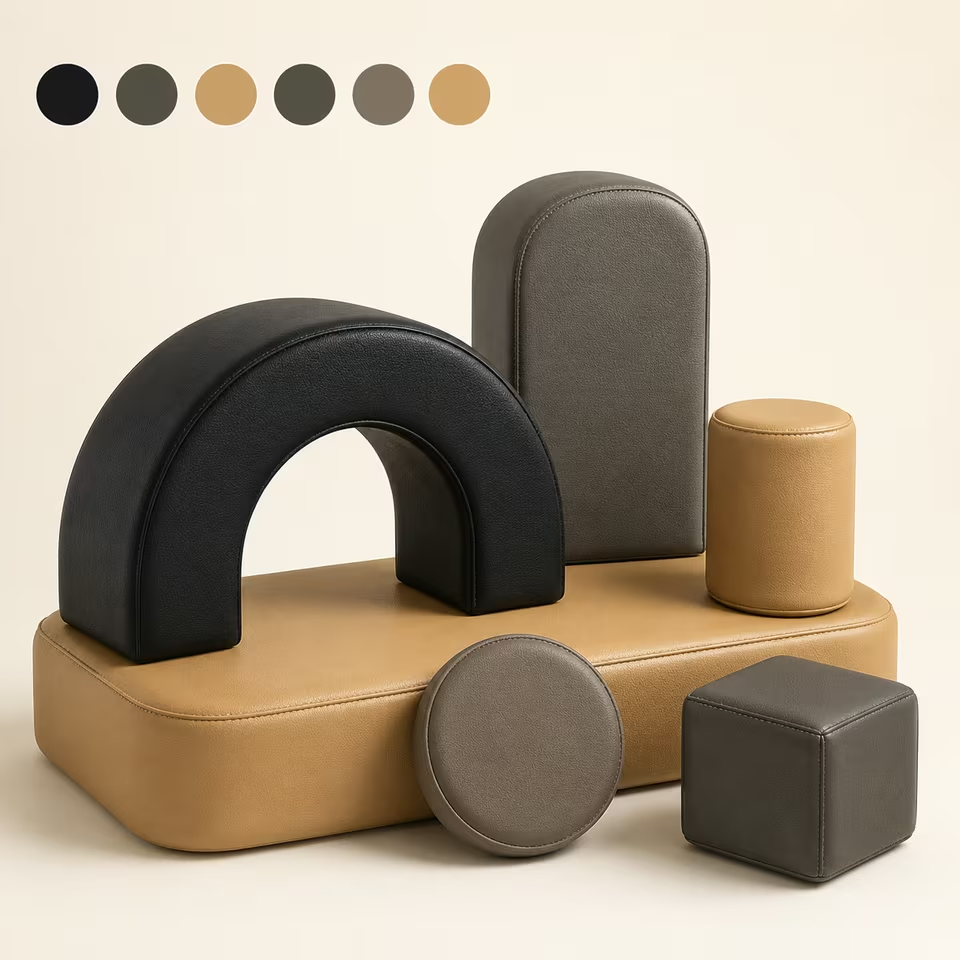
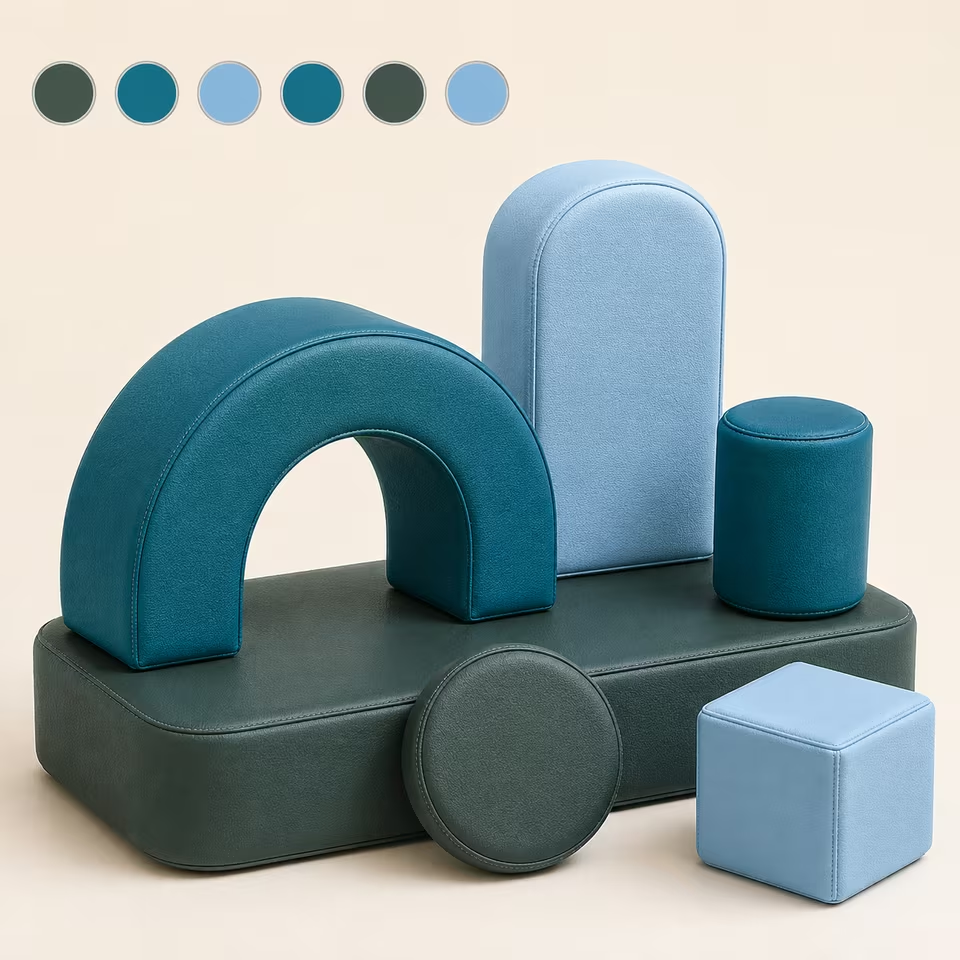
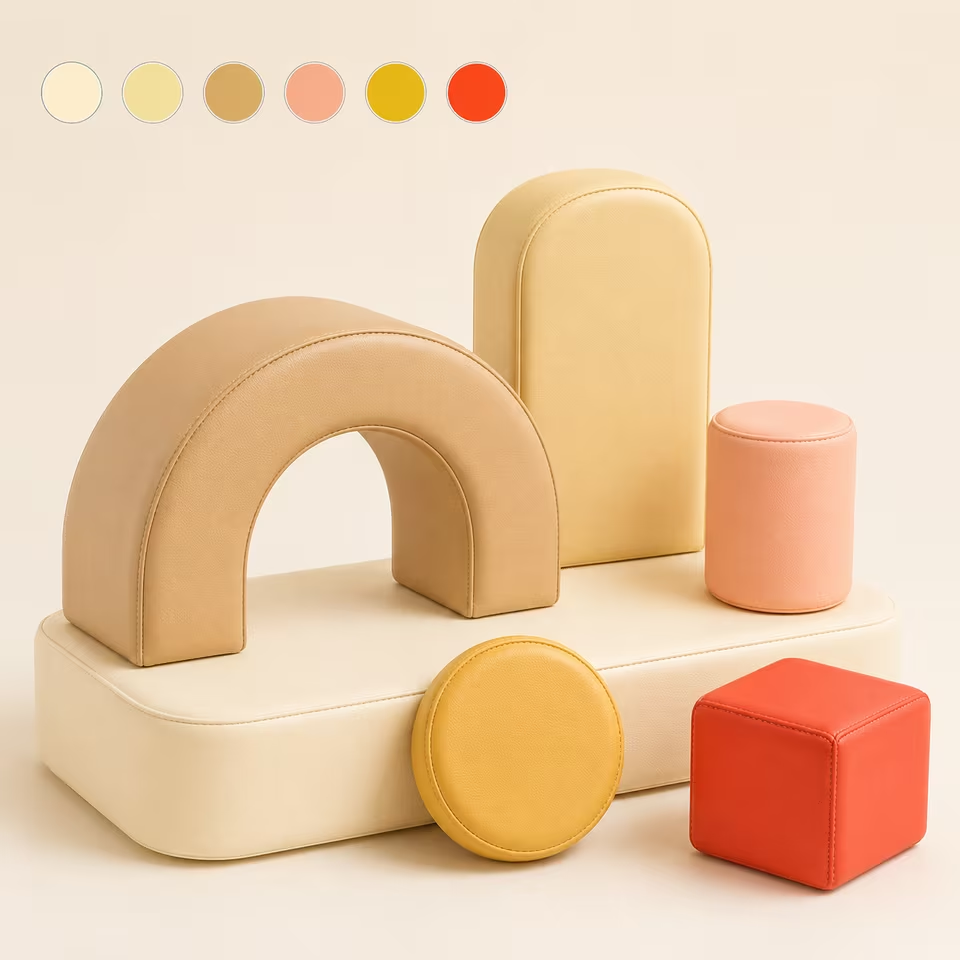
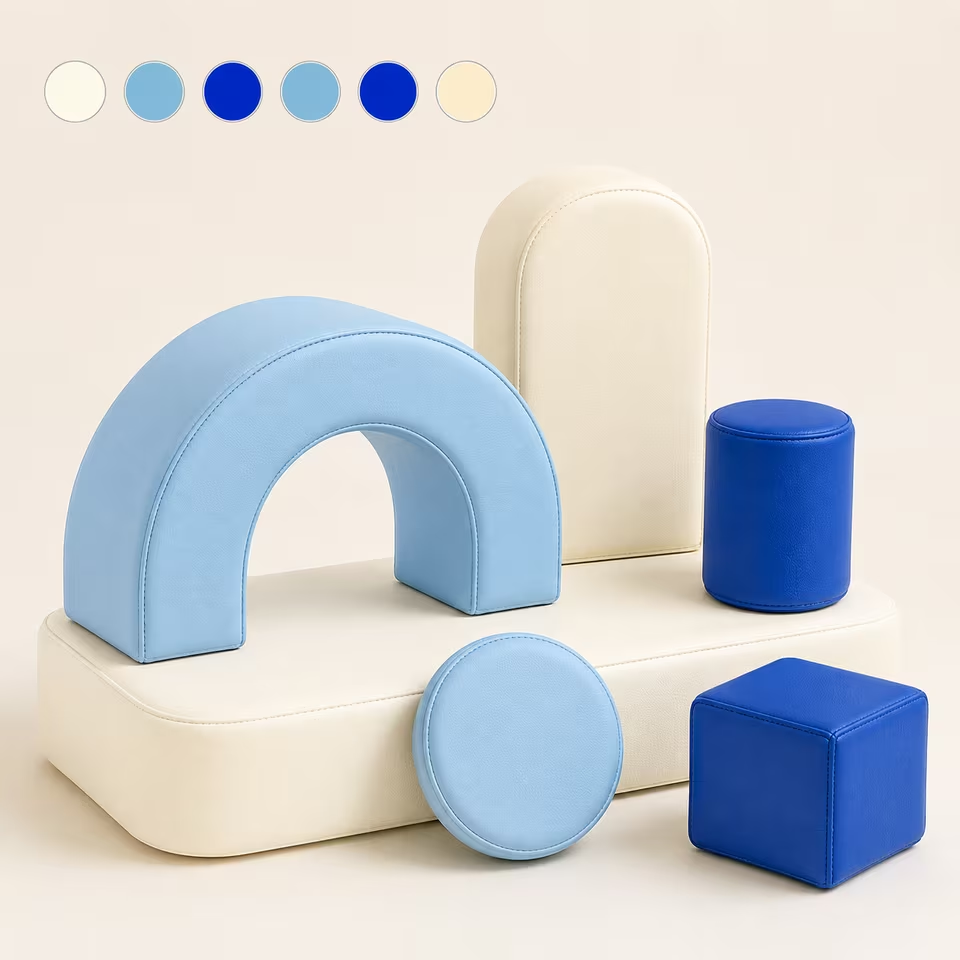
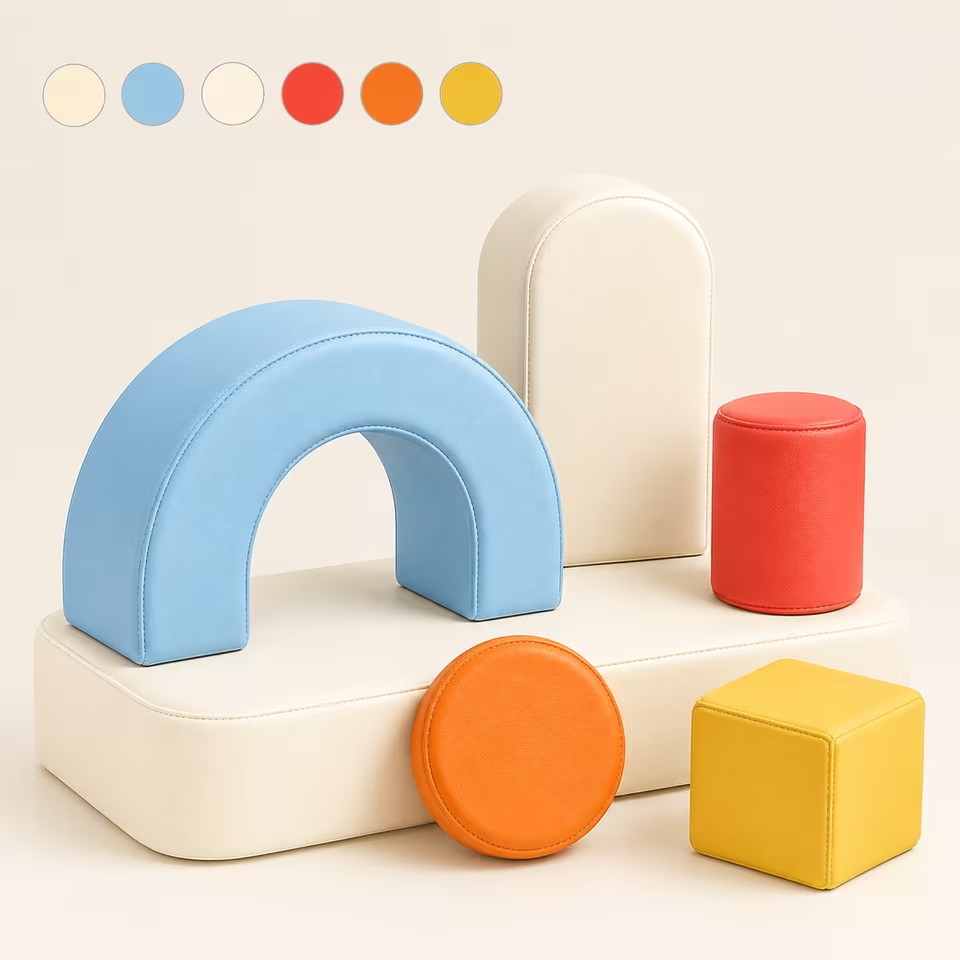
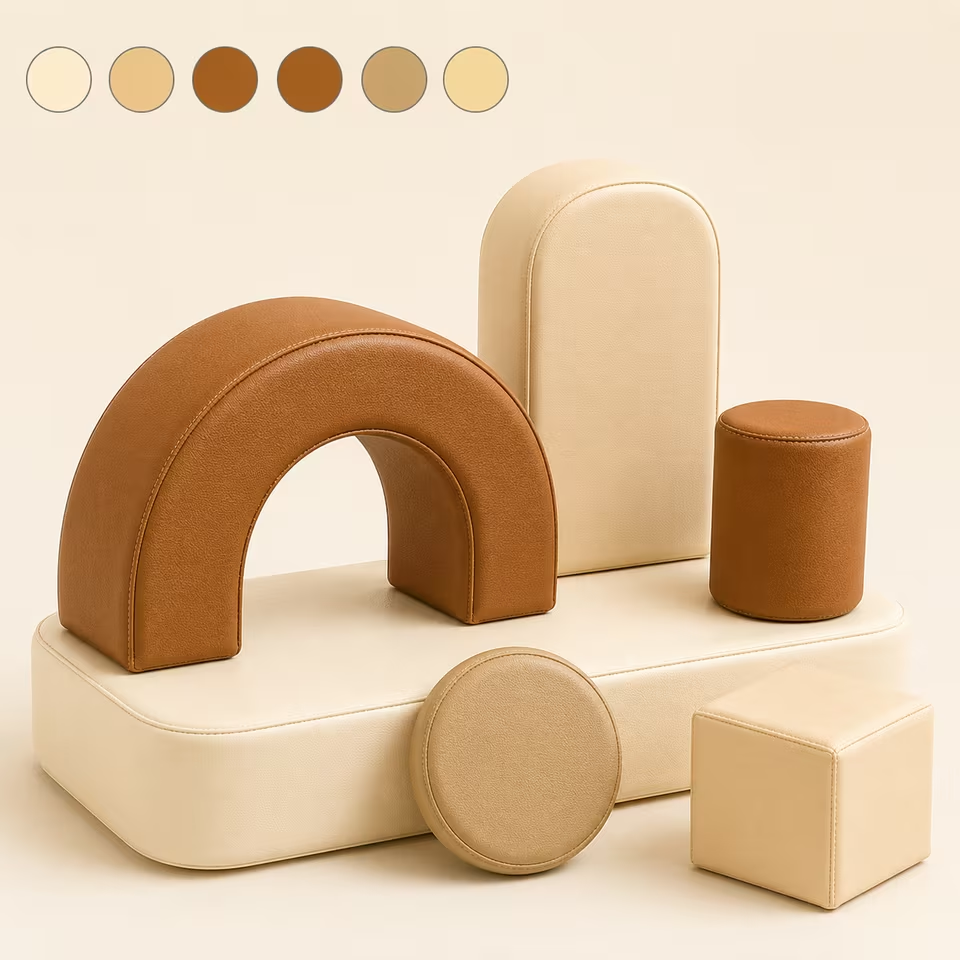
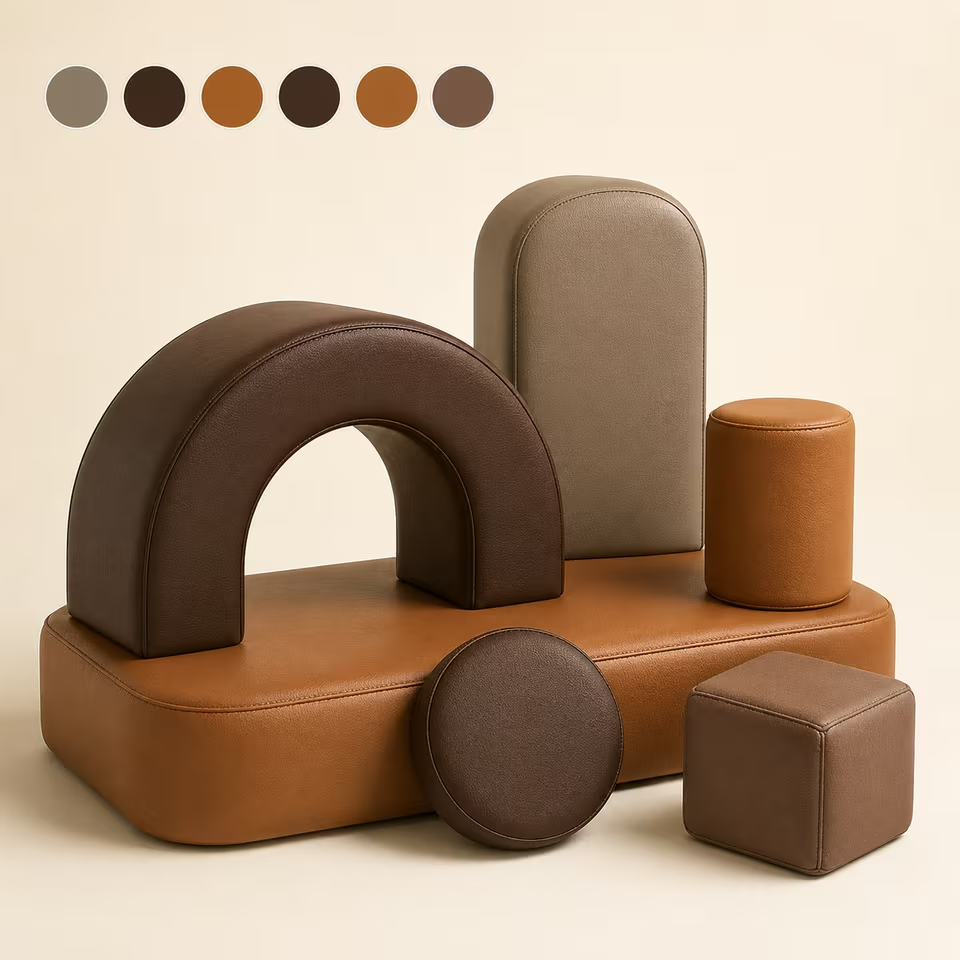
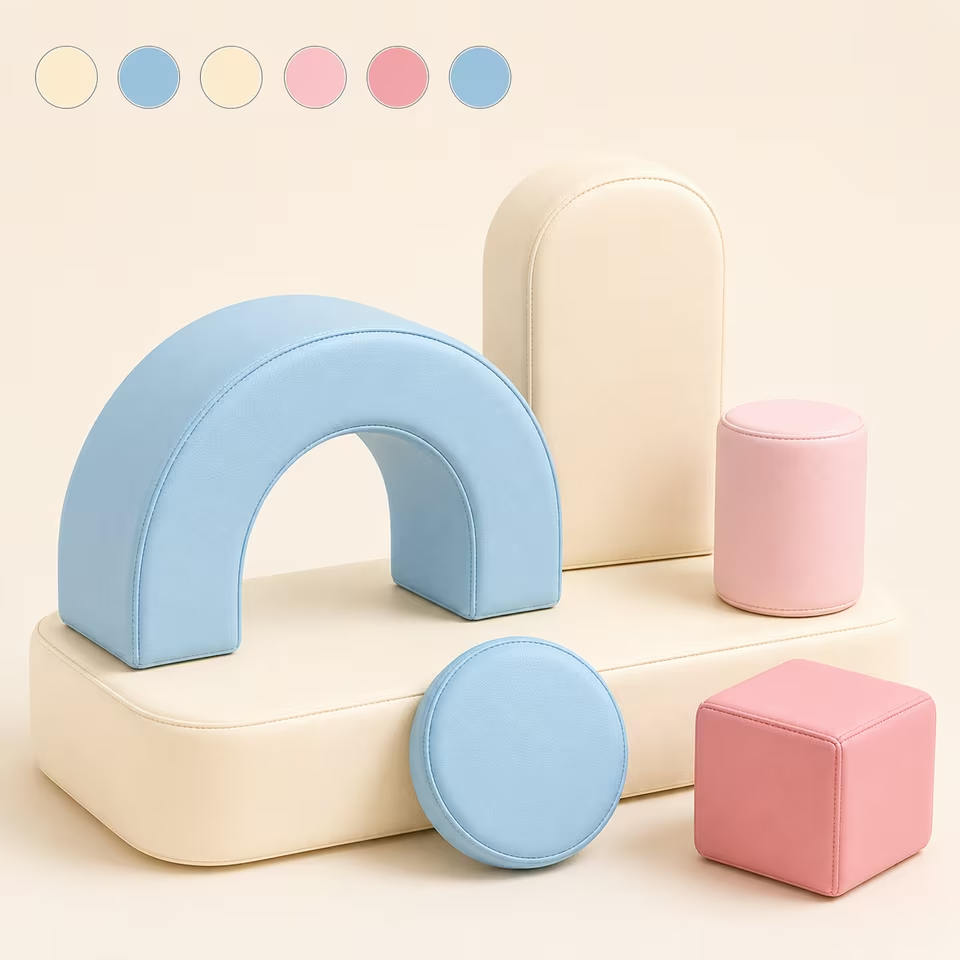
Choose a palette that relates to the room's major colors and materials, and keep surrounding storage and furniture visually organized. Neutral, natural and muted themes are particularly easy to integrate with many contemporary interiors.
That depends on the specific equipment and its installation requirements. Do not use a wall simply to save space if doing so removes necessary movement or clearance around the equipment.
Yes. Planning a defined play zone and preserving normal circulation can allow children's active play and everyday family activities to share the same room more comfortably.
Prioritize a layout that can be adjusted or reconfigured where possible, and review the selected activities as the child's movement abilities, interests and way of using the equipment change.