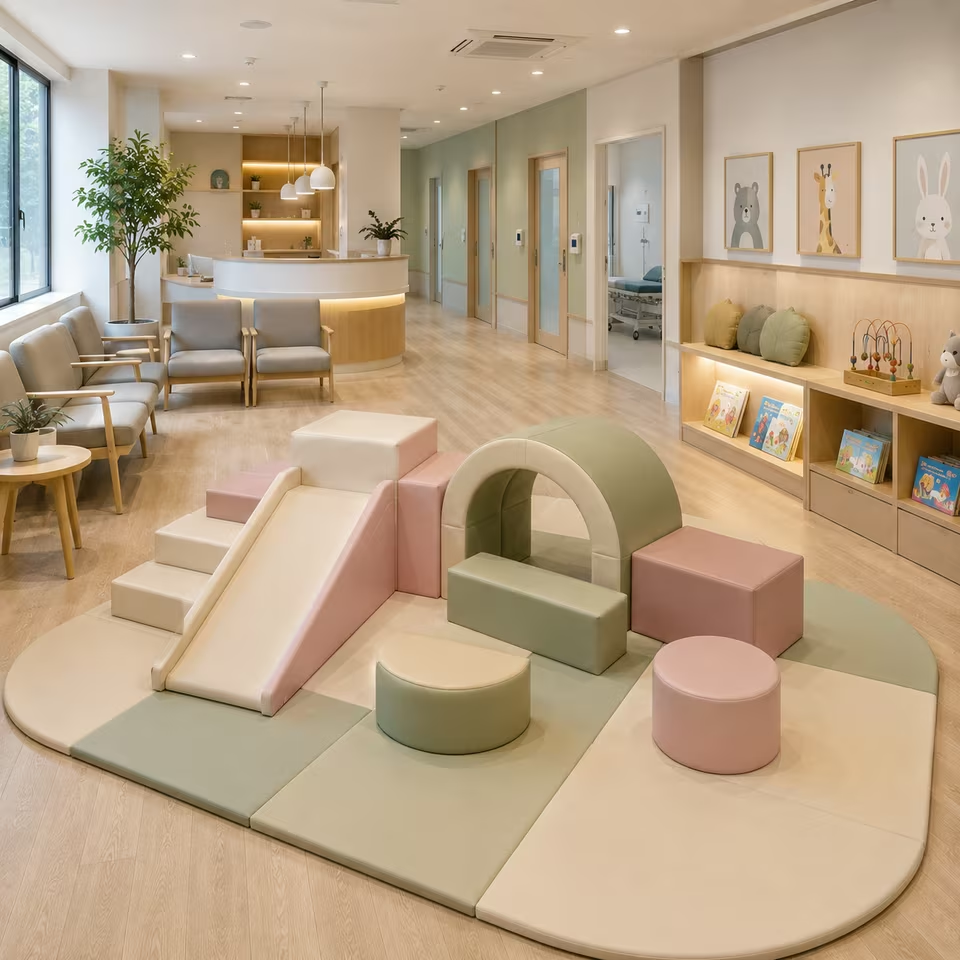
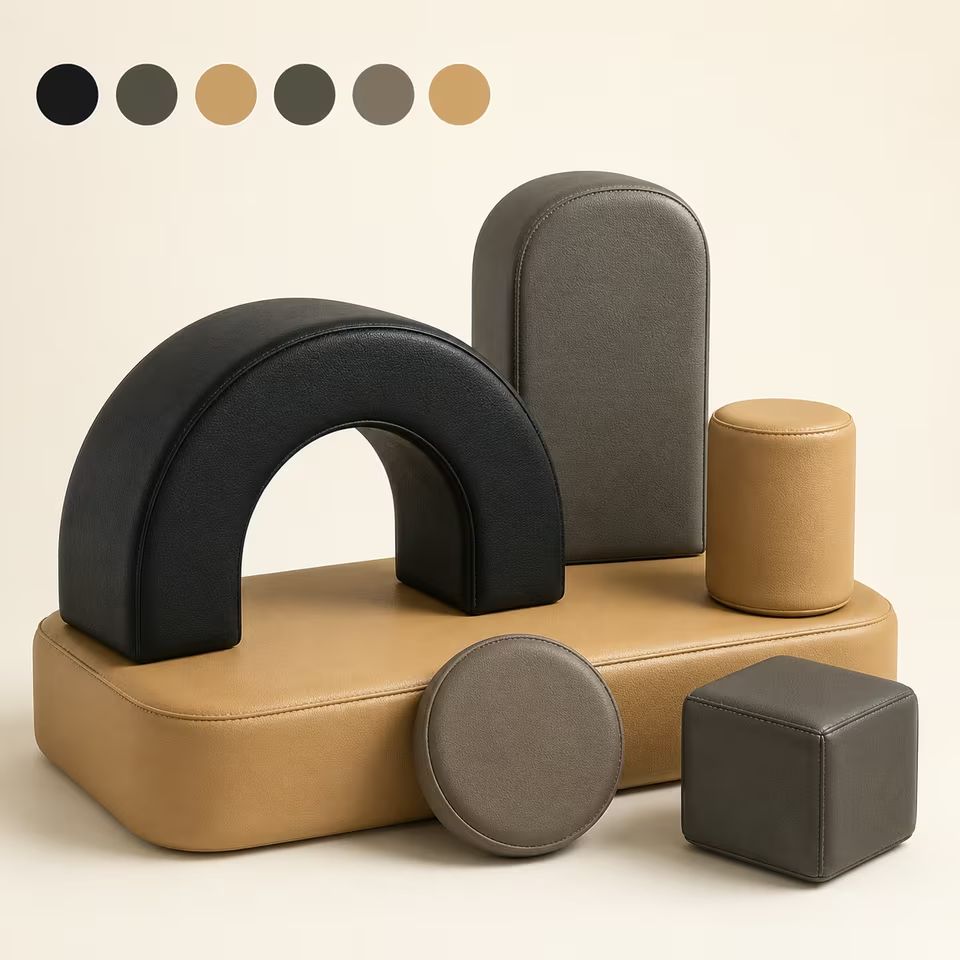
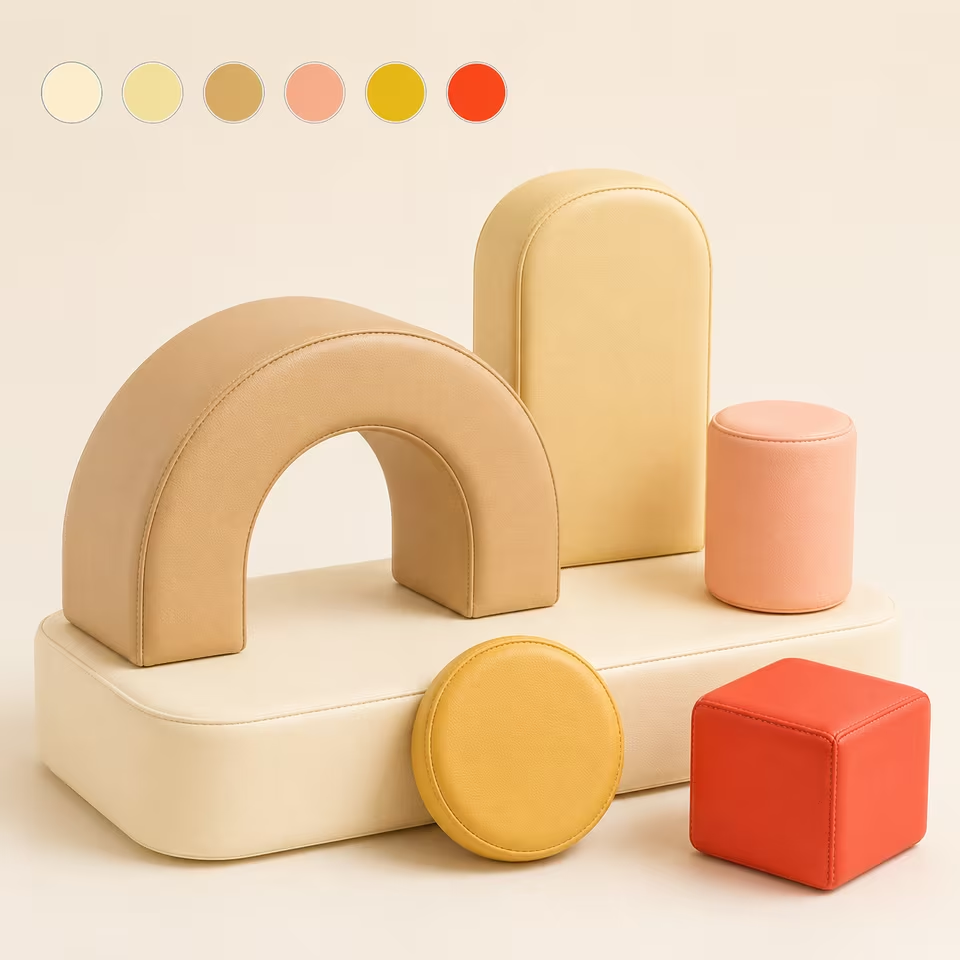
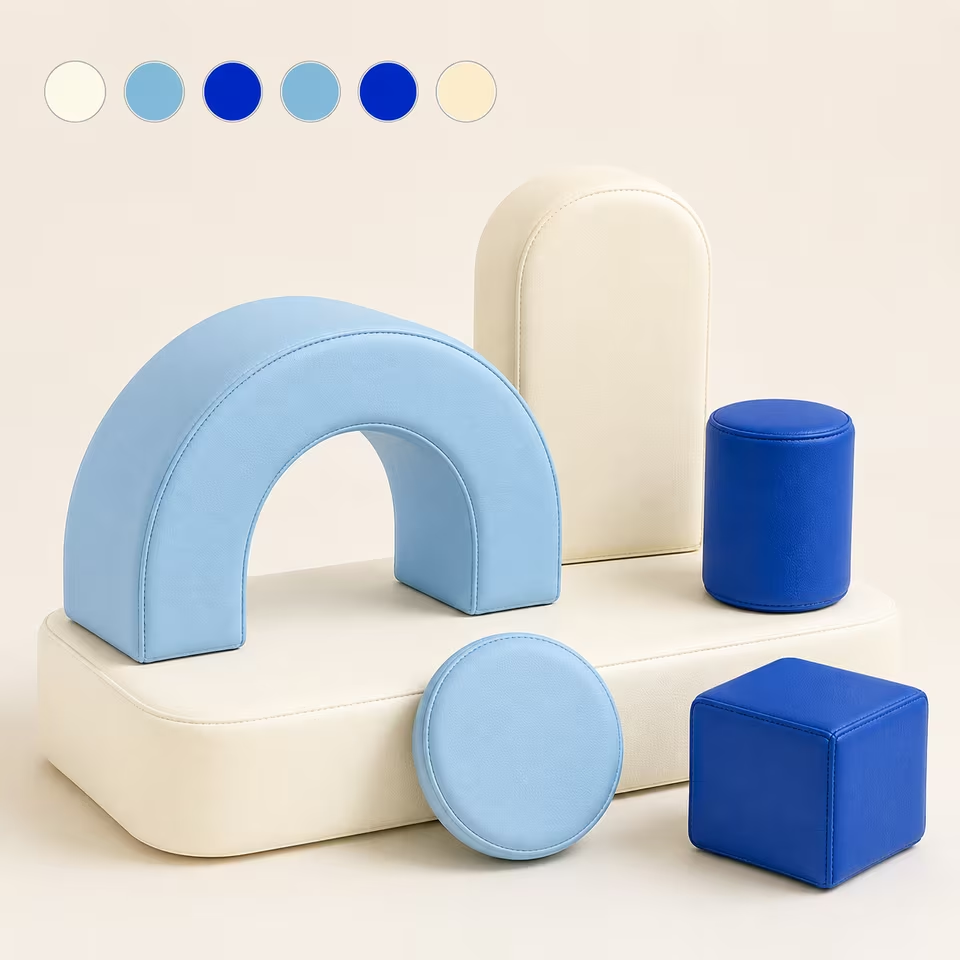
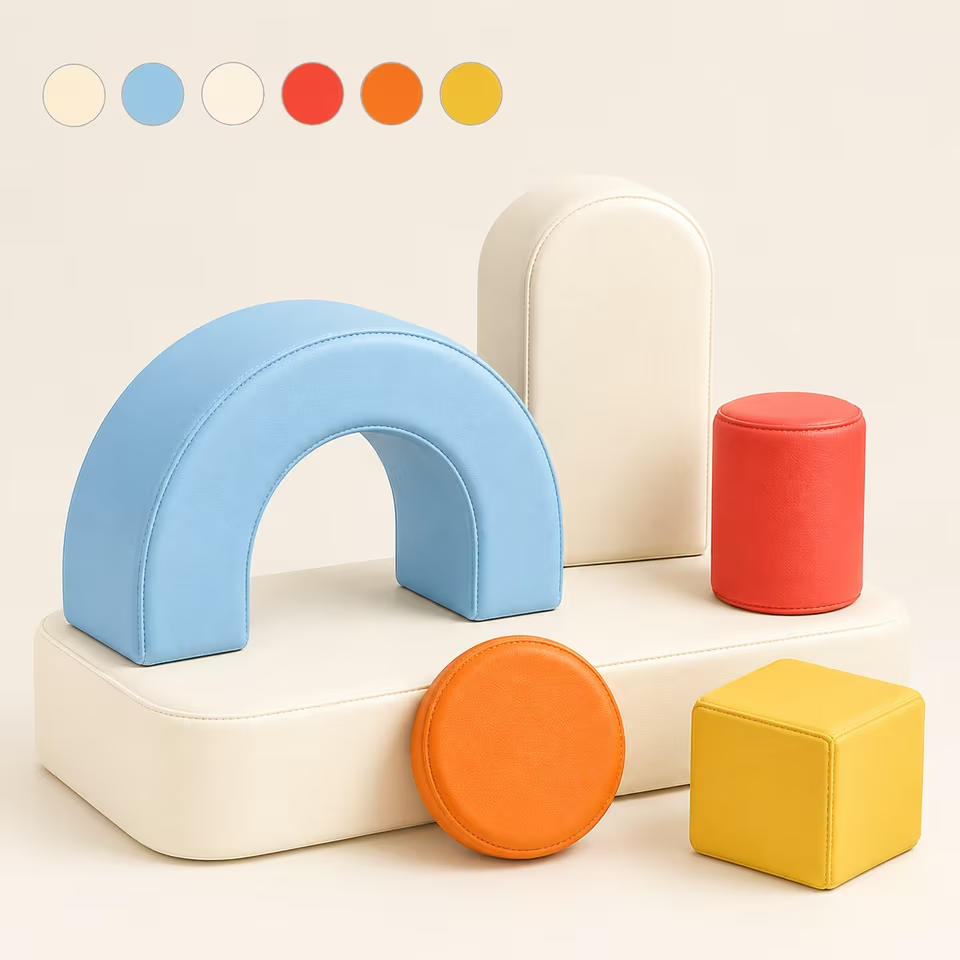
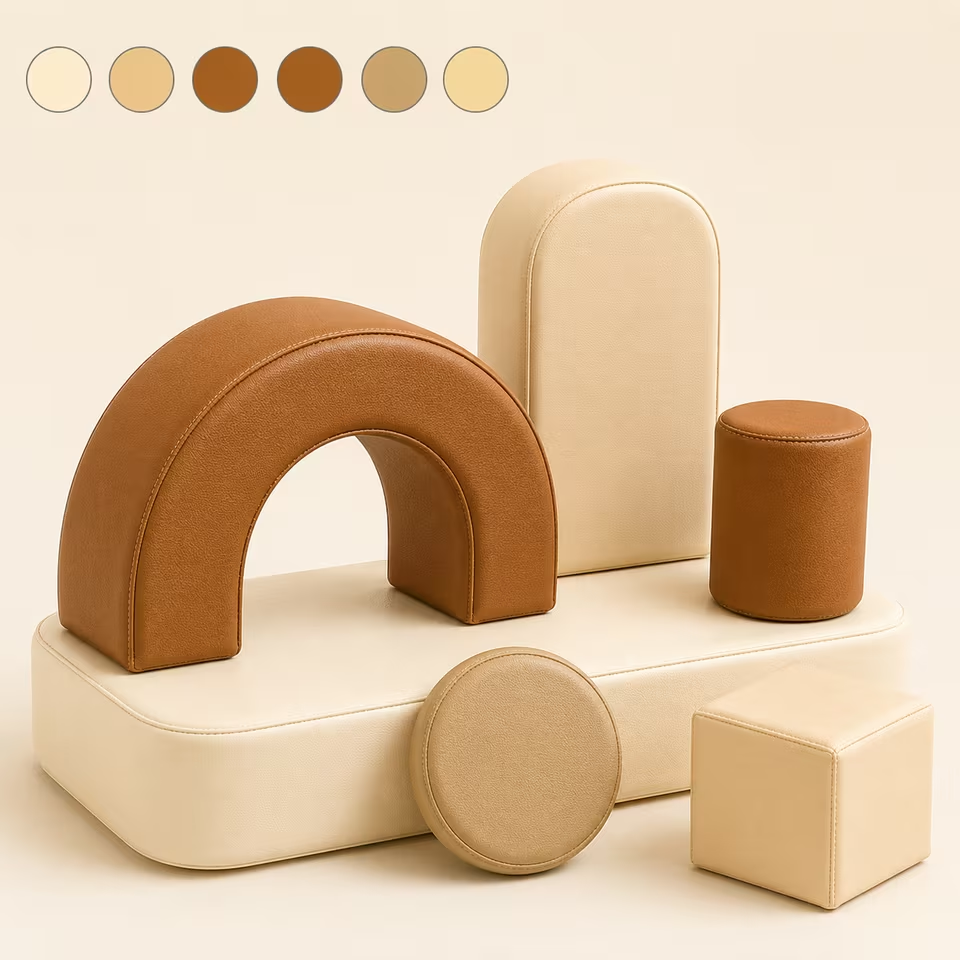
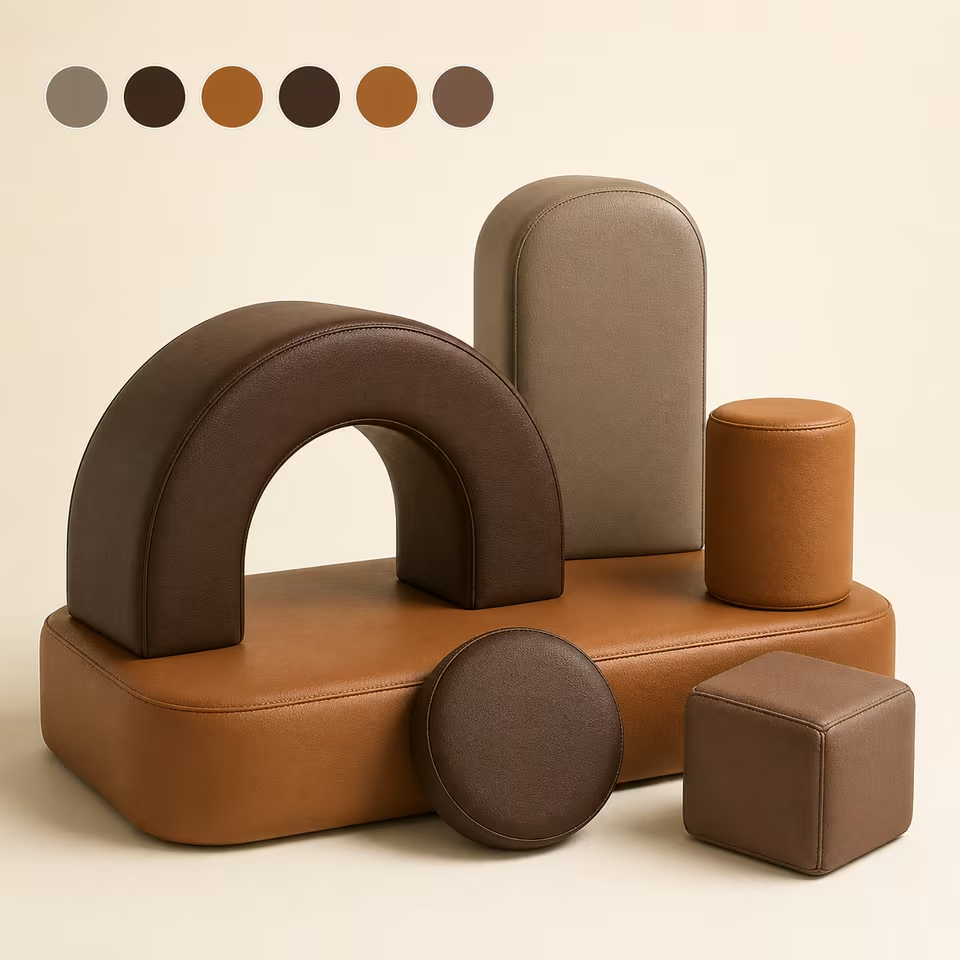
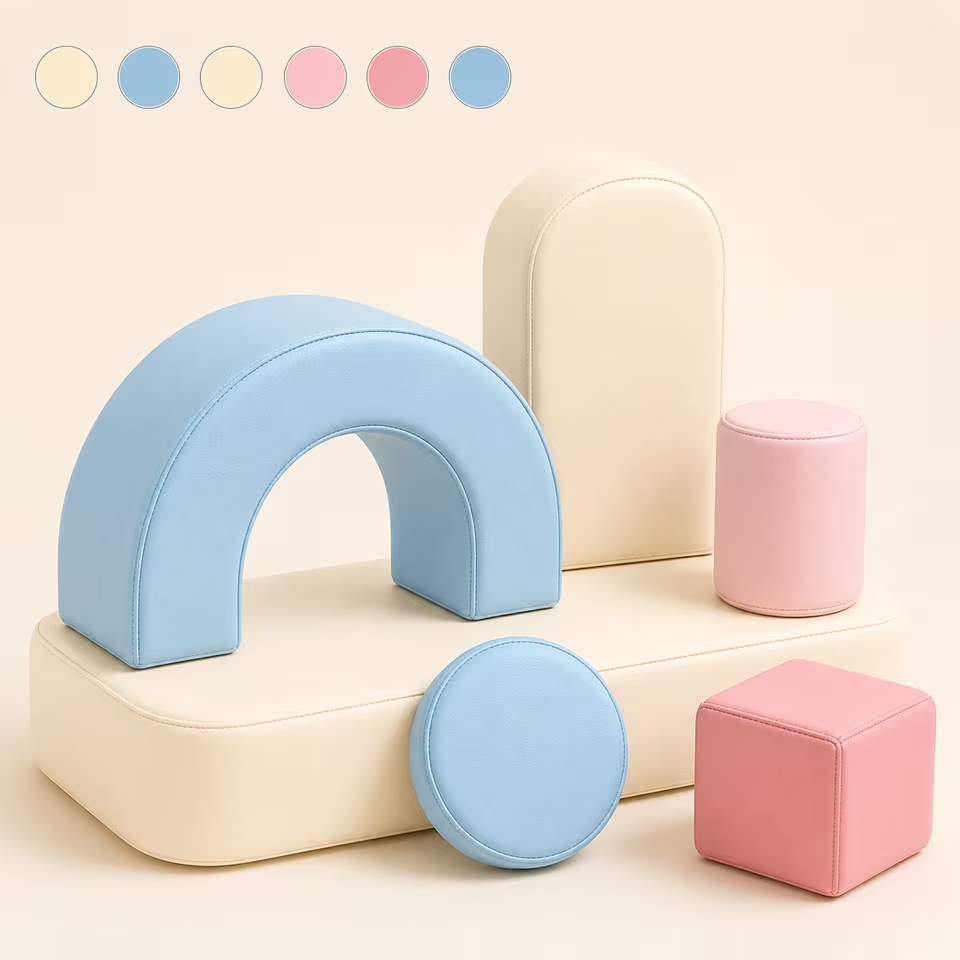
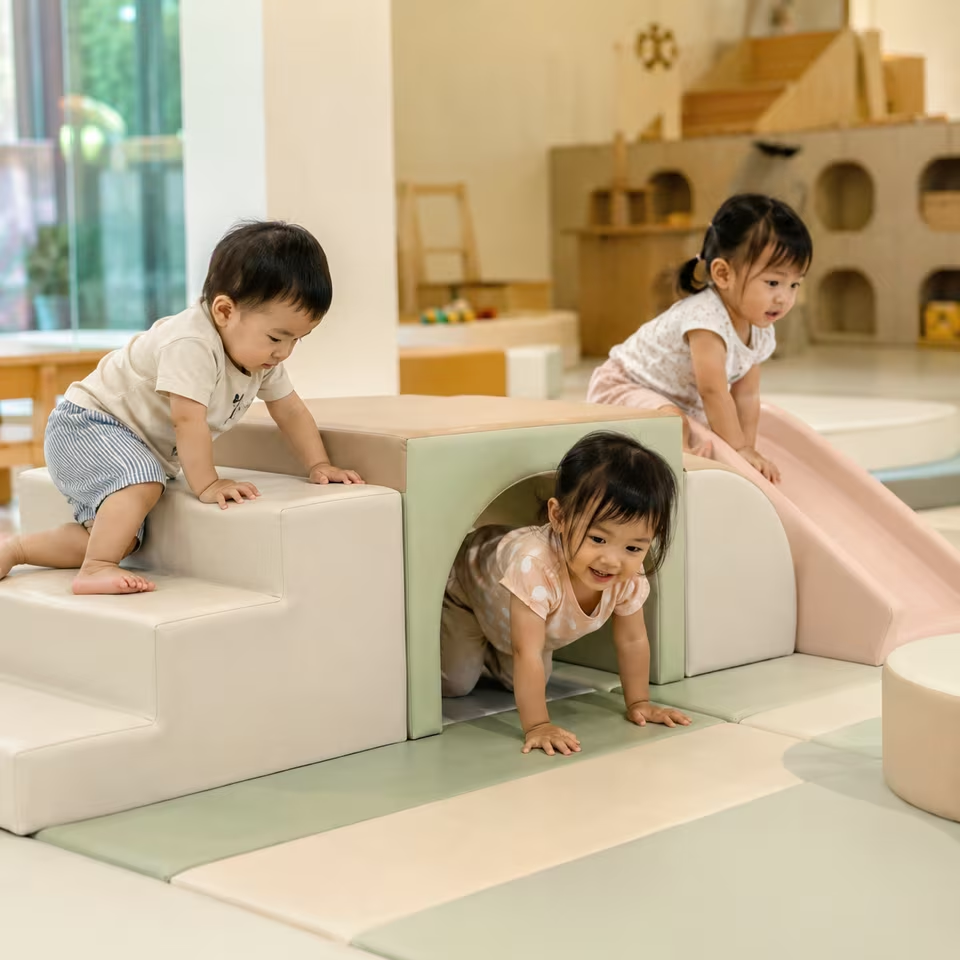
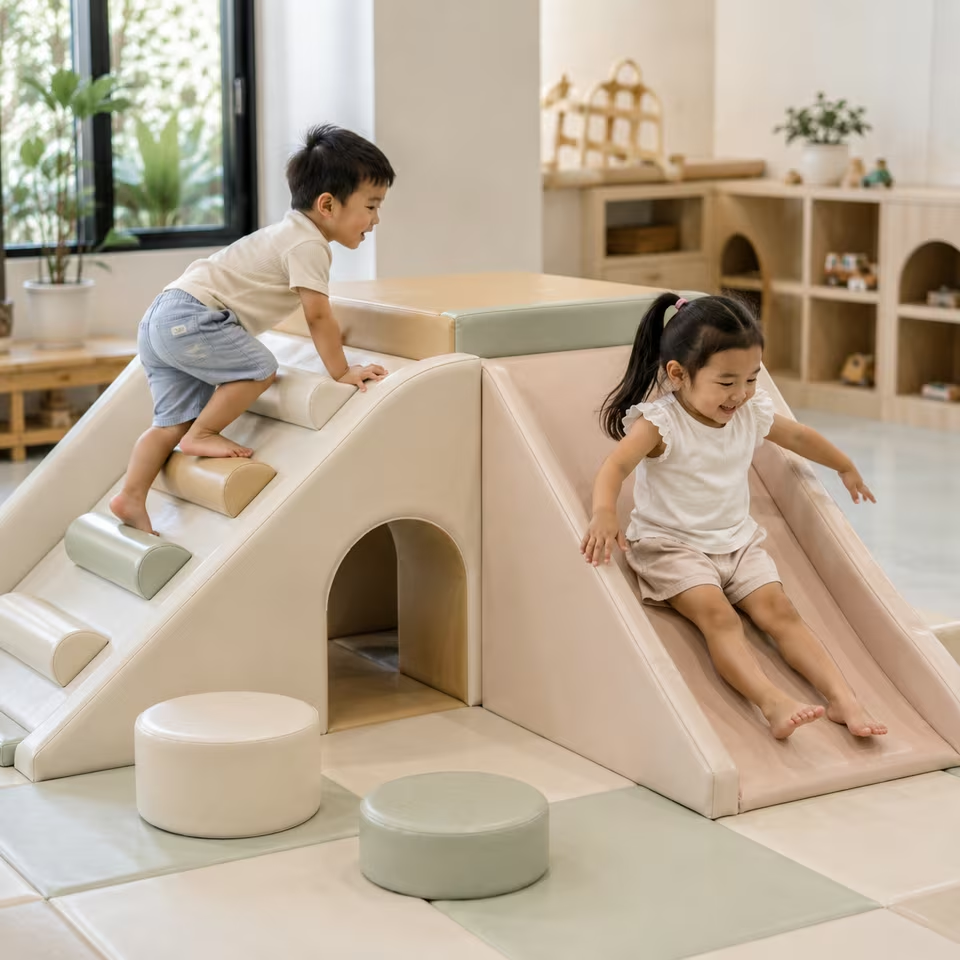
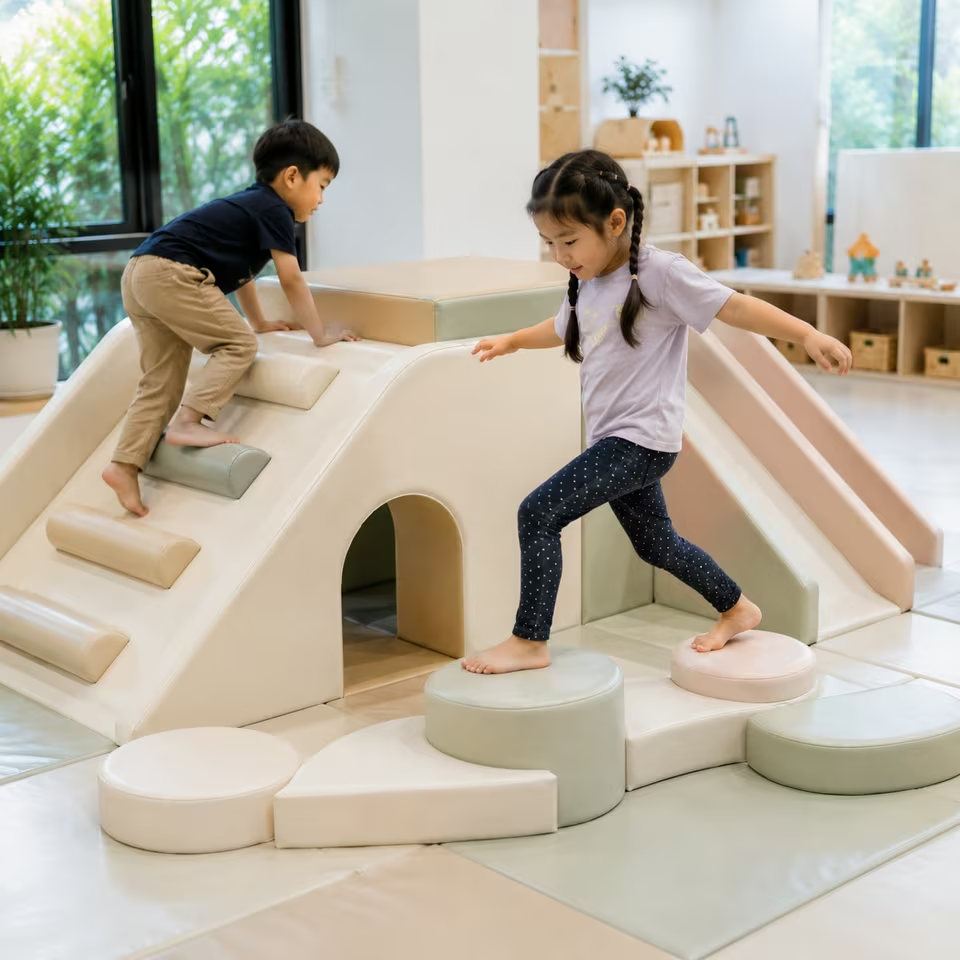
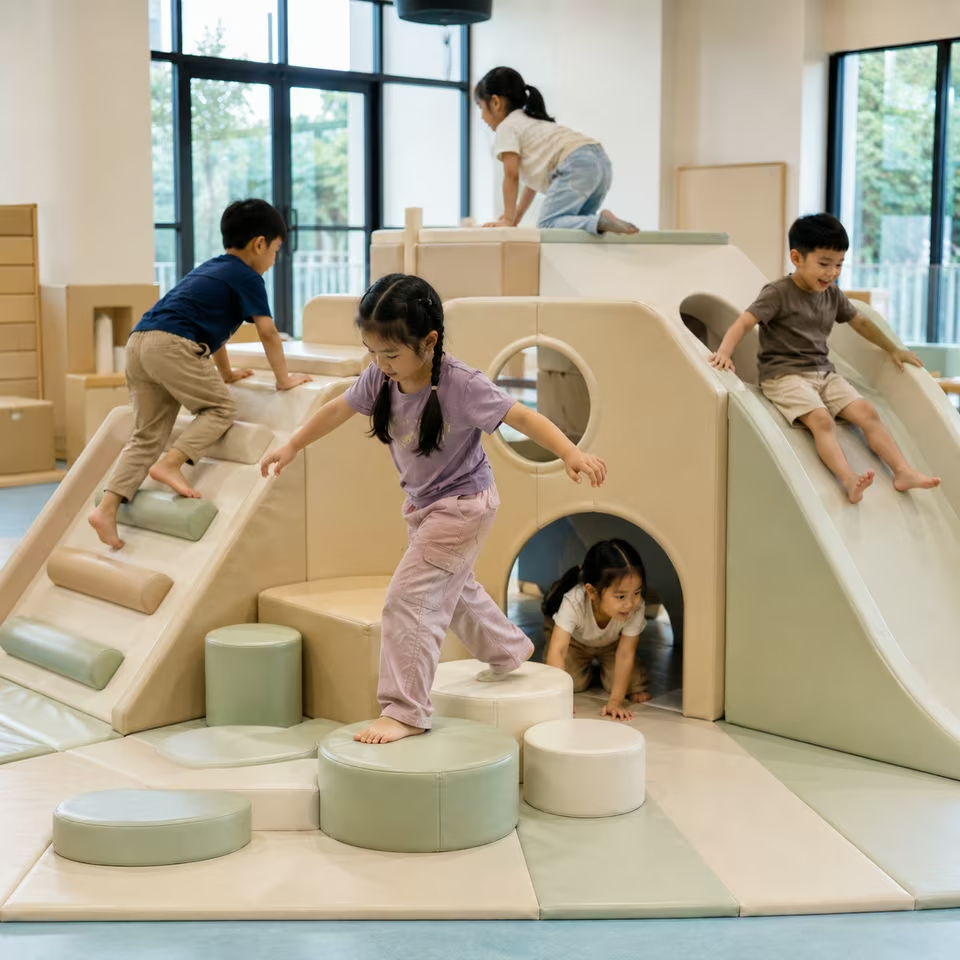
A child-focused healthcare environment where a thoughtfully planned play area can make waiting feel more comfortable and familiar for young patients and families.
A pediatric clinic serves children in an environment that can feel unfamiliar or stressful, particularly while they are waiting for an appointment. A modest play area can give young patients something engaging to do and help the waiting space feel more welcoming for families. Unlike a dedicated play environment, play within a clinic should remain secondary to healthcare activities, with careful attention to circulation, visibility, cleanliness and the everyday operation of reception and waiting areas.
Highlights
Creates a more child-friendly waiting experience
Gives young patients an engaging activity while waiting
Can help the clinic environment feel more familiar and welcoming
Integrates children's play without disrupting healthcare operations
Supports clear visibility between children and accompanying adults
Treat the play area as a supportive part of the waiting experience rather than the primary activity of the space.
Consider the typical length and pattern of waiting when deciding how much space should be dedicated to play.
Keep the play experience approachable and visually understandable so children can engage without requiring complicated setup.
Consider surfaces, forms and surrounding details that can be cleaned and maintained as part of the clinic's regular routine.
Preserve enough seating and open circulation for patients, families, staff and mobility needs.
Placement Tips
Position the children's area where accompanying adults can see it naturally from nearby waiting seats.
Keep play outside the primary route between the entrance, reception desk, consultation rooms and other frequently accessed areas.
Avoid placing active play immediately beside doorways or locations where staff and patients regularly pass.
Maintain a clear transition between the play area and surrounding seating so children entering or leaving the zone do not immediately cross busy circulation.
Choose a location that can be reached conveniently for routine cleaning without disrupting other parts of the clinic.
FAQ
Can a pediatric clinic have a soft play area?
Yes. A thoughtfully planned play area can give children something engaging to do while waiting and contribute to a more welcoming environment. It should remain appropriately scaled to the waiting space and should not interfere with the clinic's primary healthcare functions.
Where should a children's play area be located in a pediatric clinic?
A useful location is usually visible from nearby family seating while remaining outside the main circulation between reception, consultation rooms and other frequently used areas. This helps children stay connected with accompanying adults without interrupting clinic movement.
What should be considered when planning play for a clinic waiting area?
The play area should be considered alongside seating, circulation, visibility and routine cleaning. The goal is to make waiting more engaging for children without making the clinical environment difficult to operate or maintain.
Should a pediatric clinic play area be highly active?
Not necessarily. A clinic is primarily a healthcare environment, so play should complement the character and function of the waiting area. Engaging but manageable activities can often fit the setting more naturally than an experience designed around continuous high-energy play.
How can a clinic play area be easier to maintain?
Planning should consider how surfaces and surrounding areas will be accessed during routine cleaning. Keeping the layout visually simple, accessible and free from unnecessarily difficult-to-reach spaces can make everyday maintenance more practical.