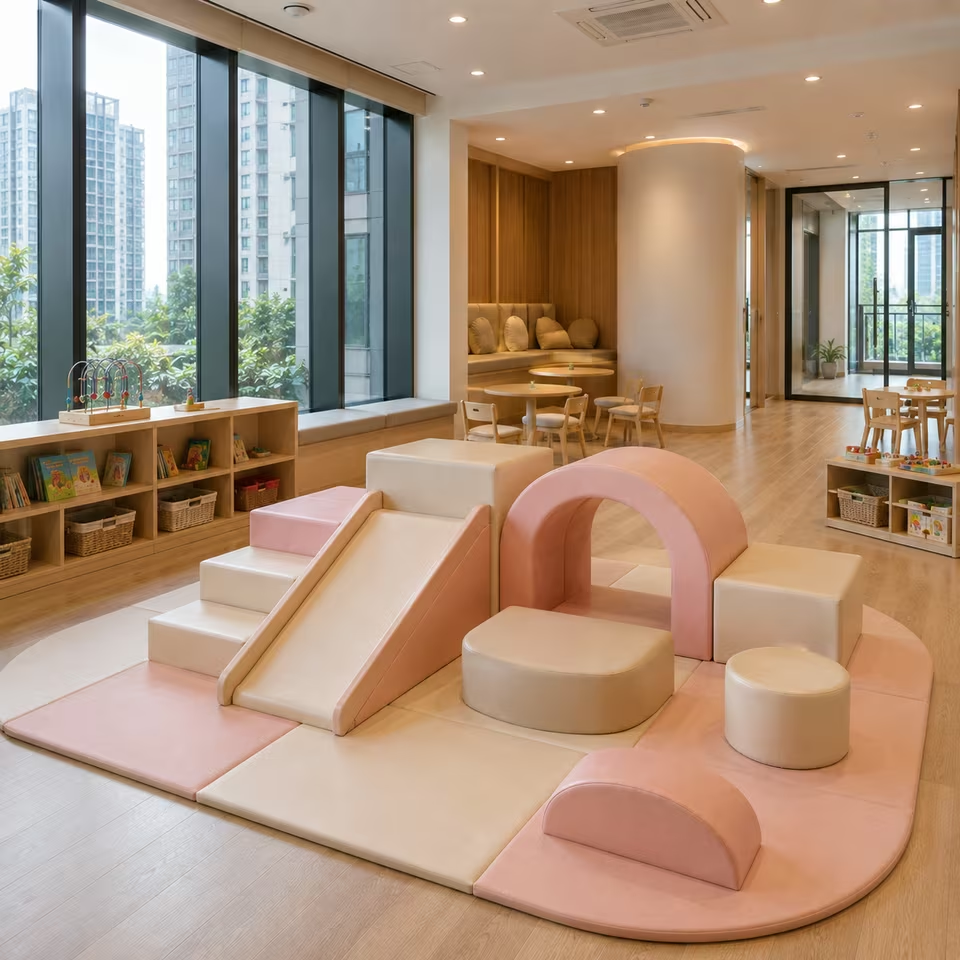
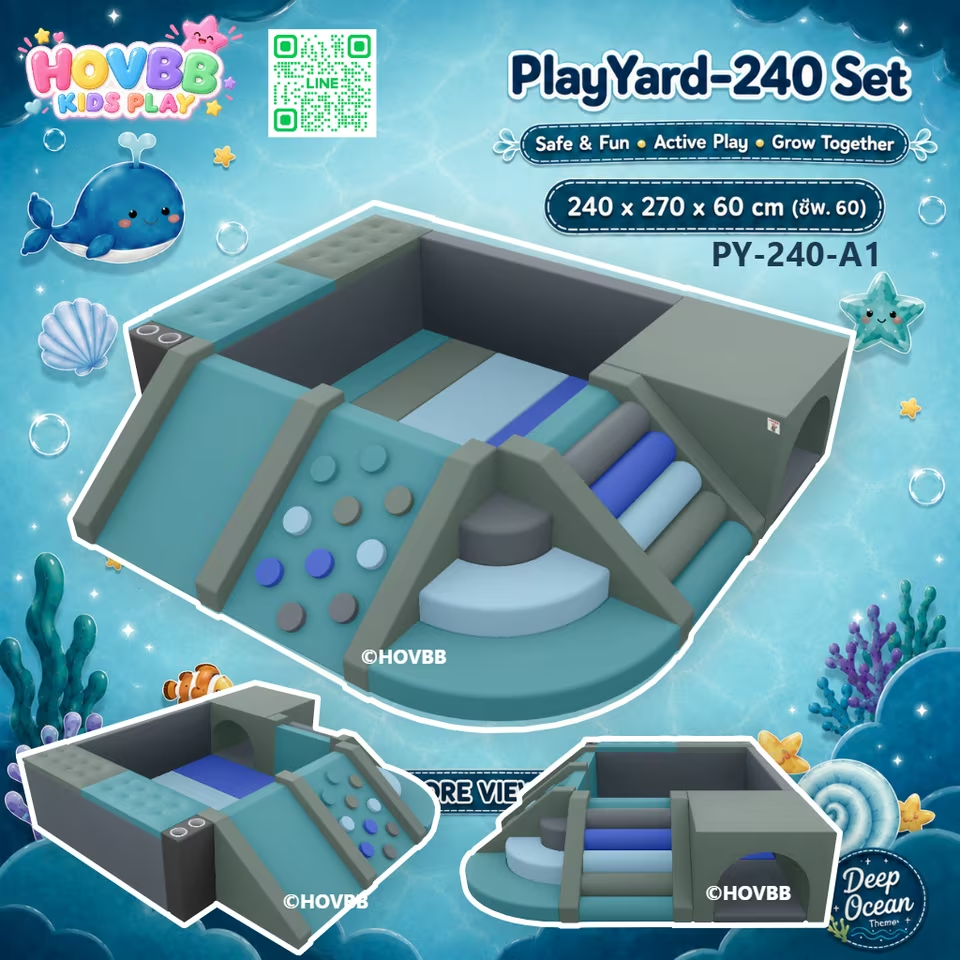
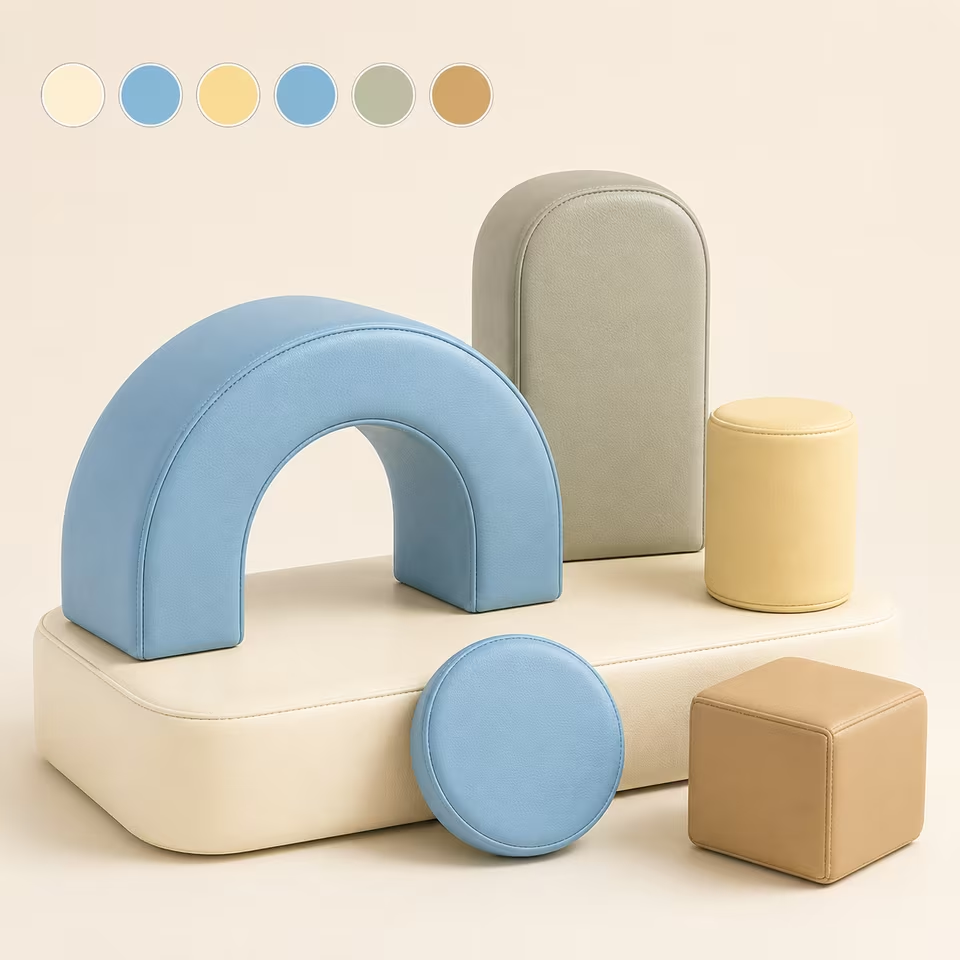
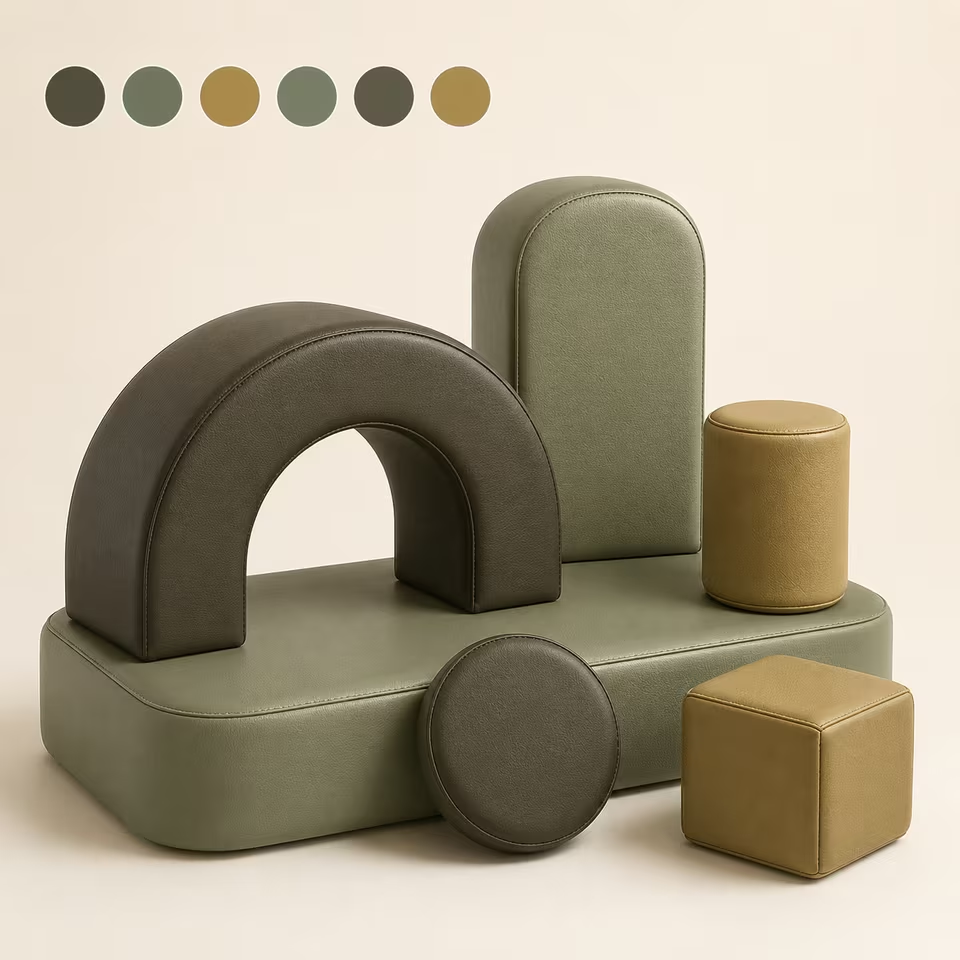
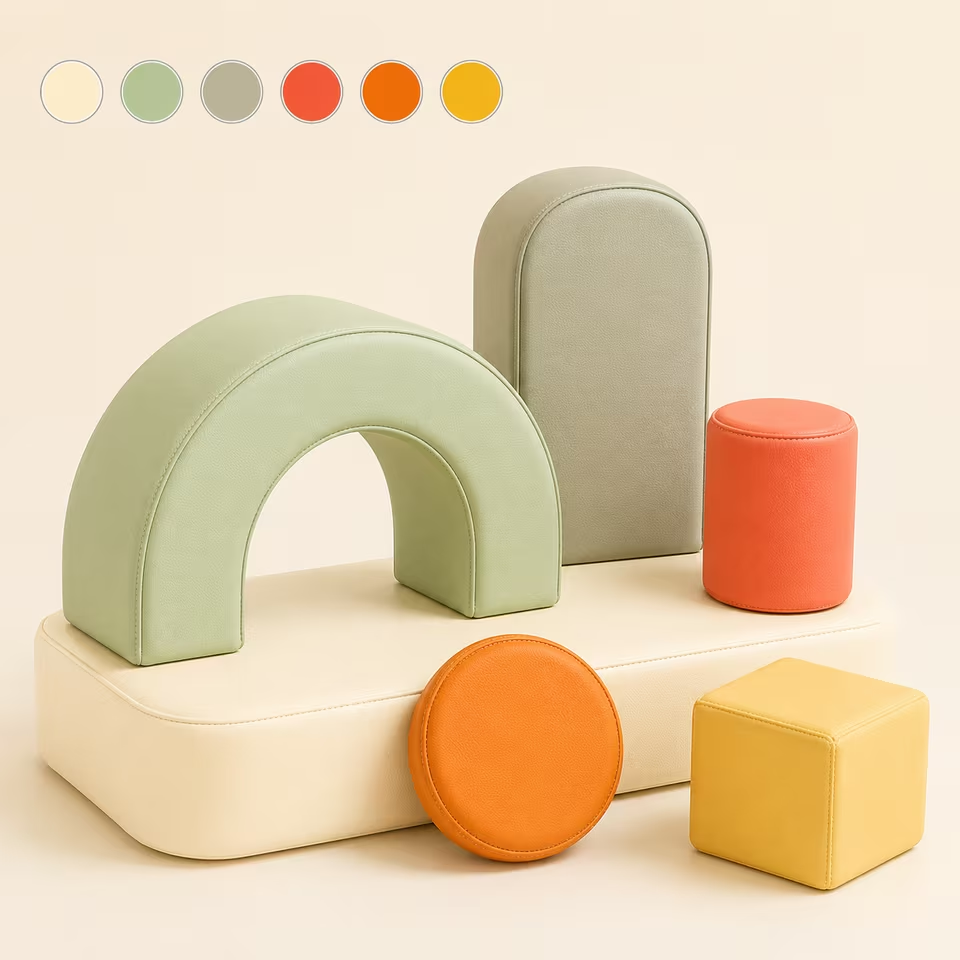
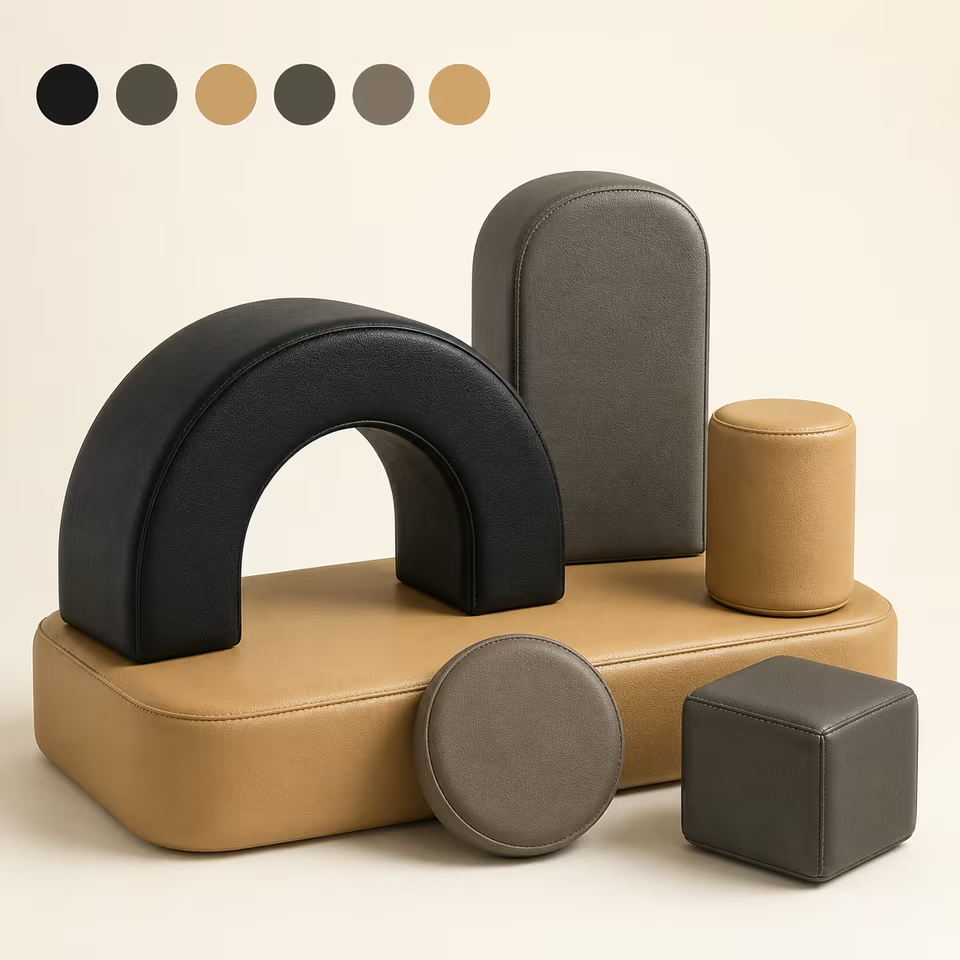
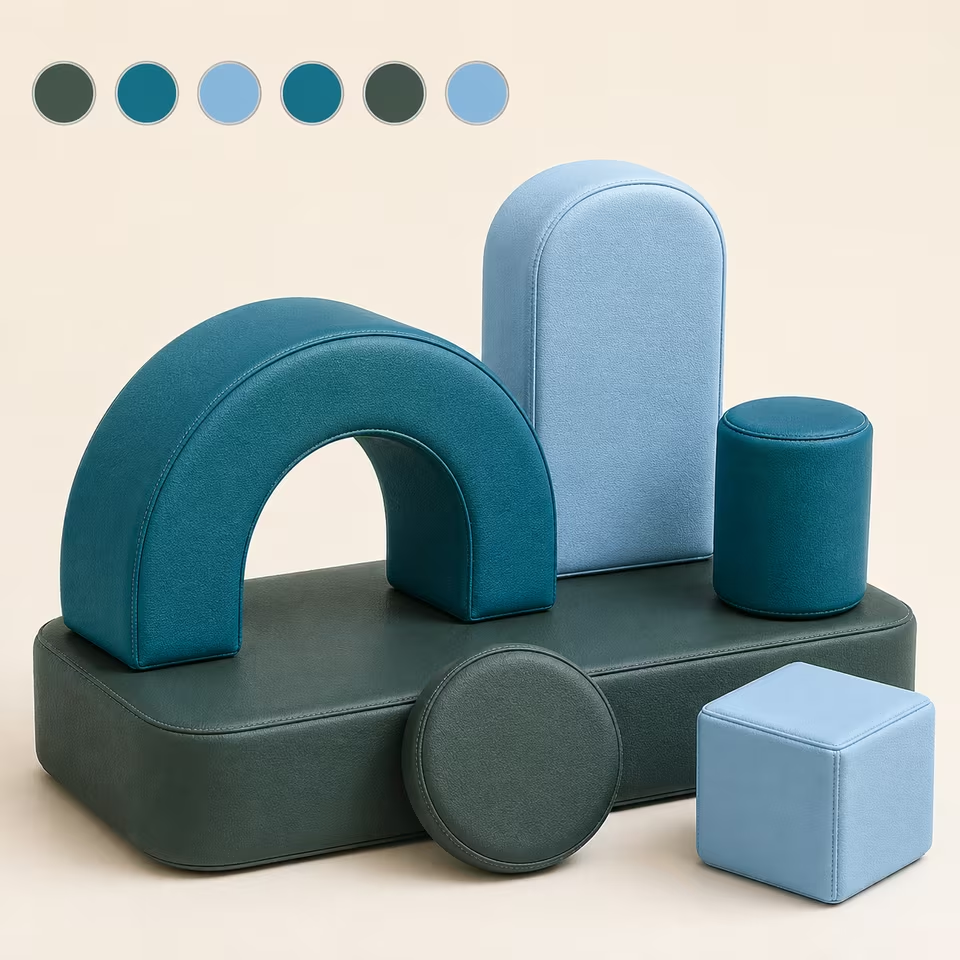
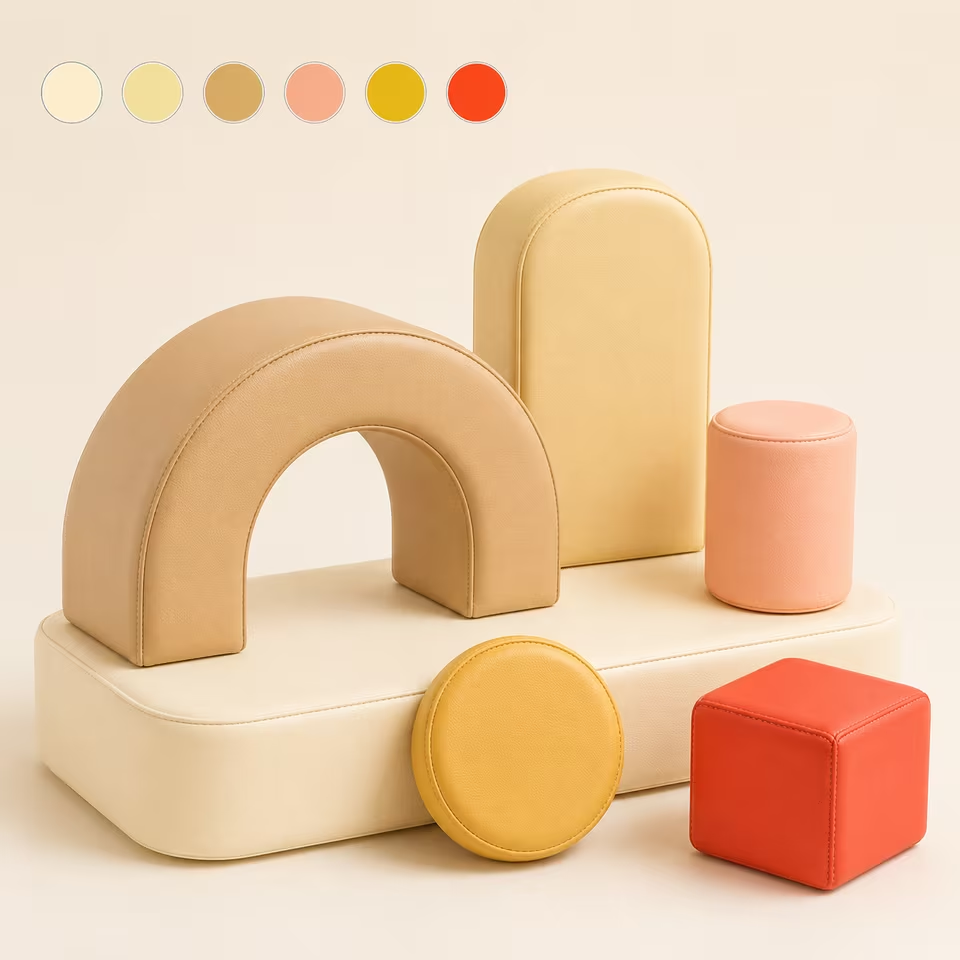
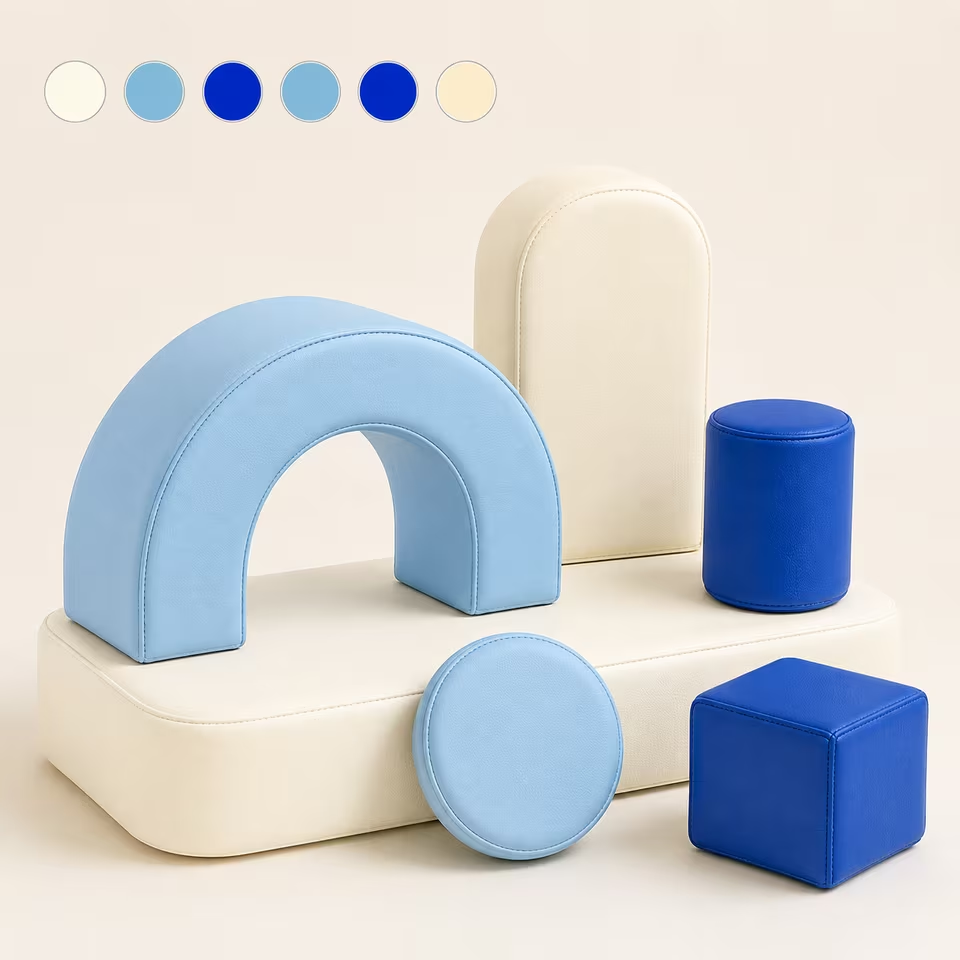
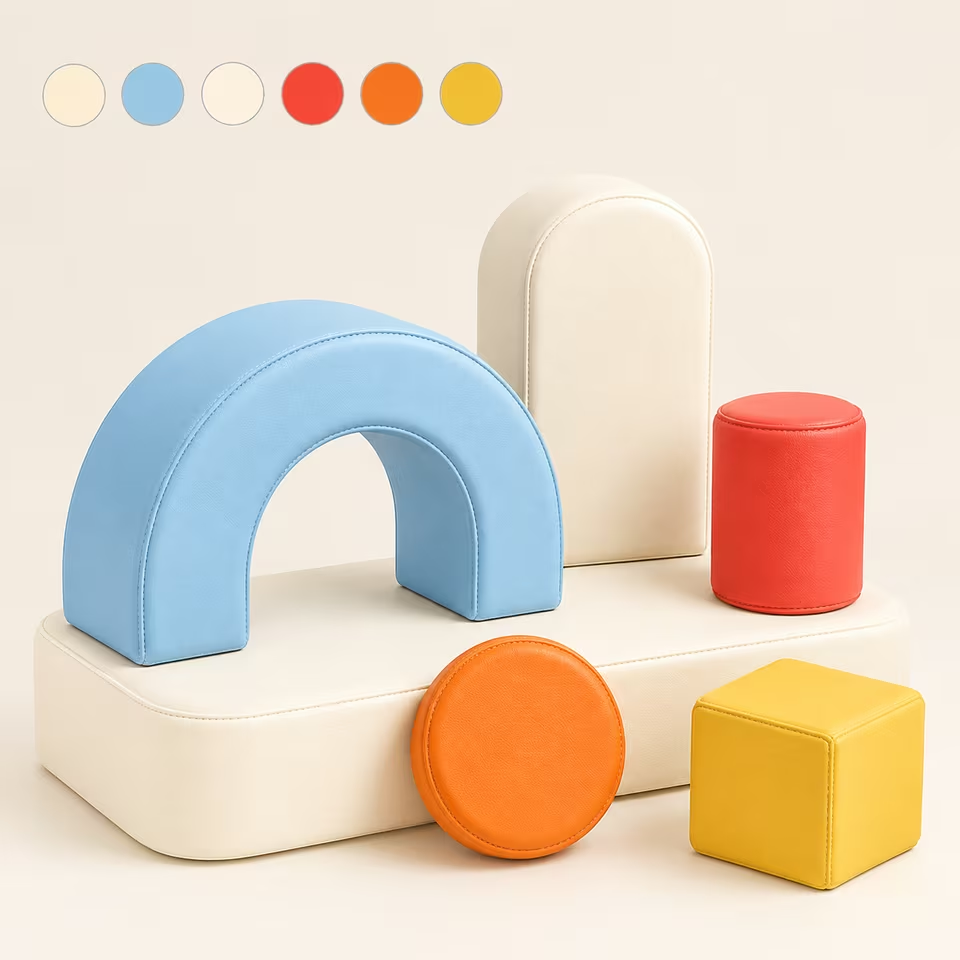
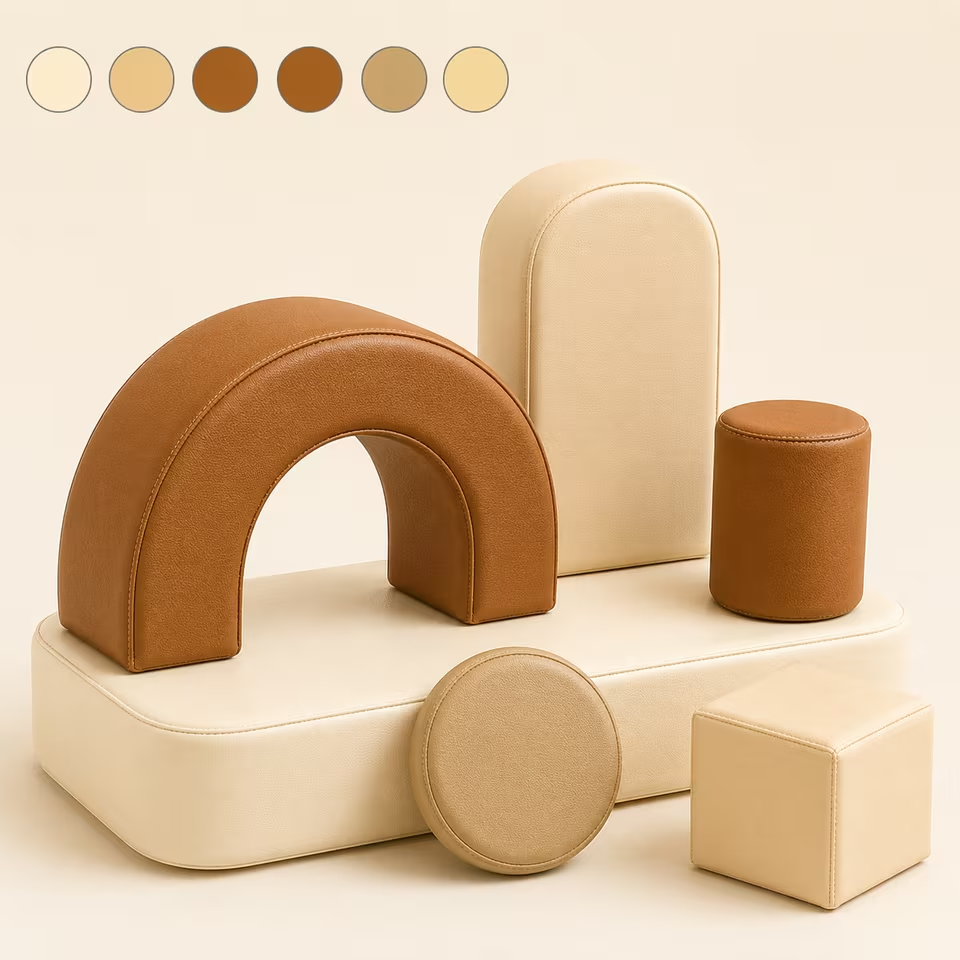
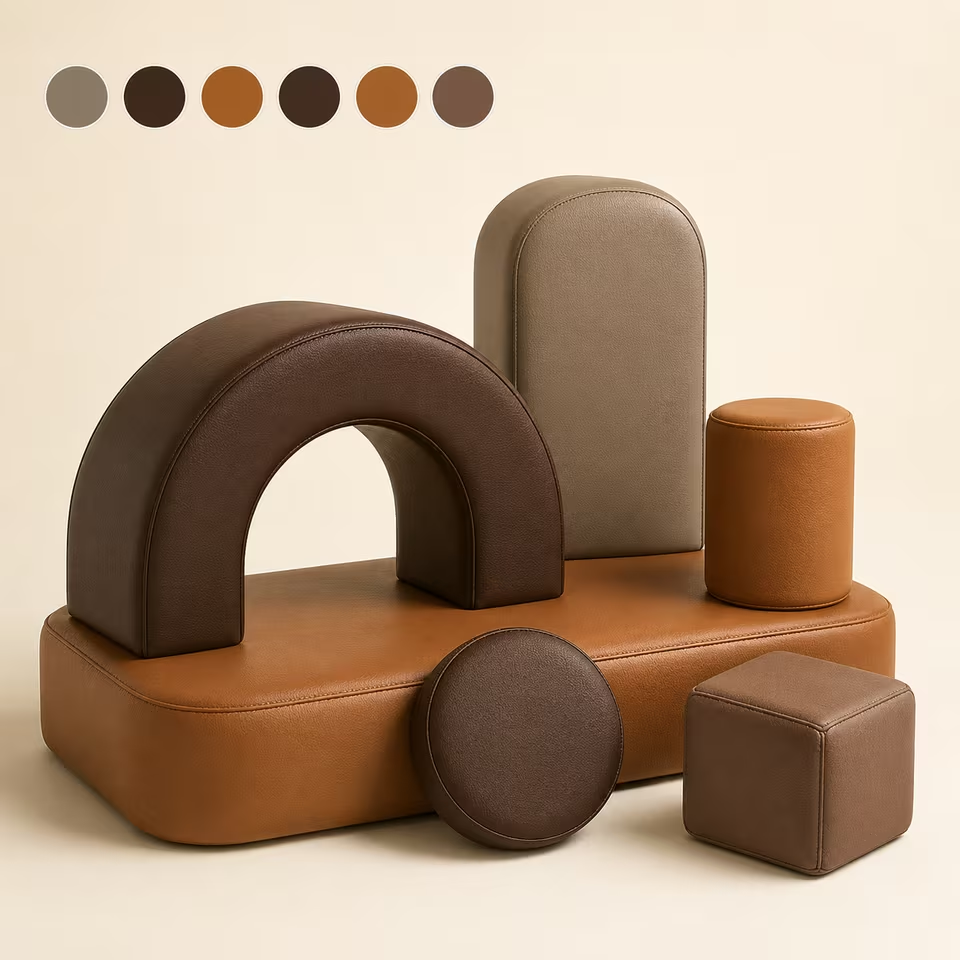
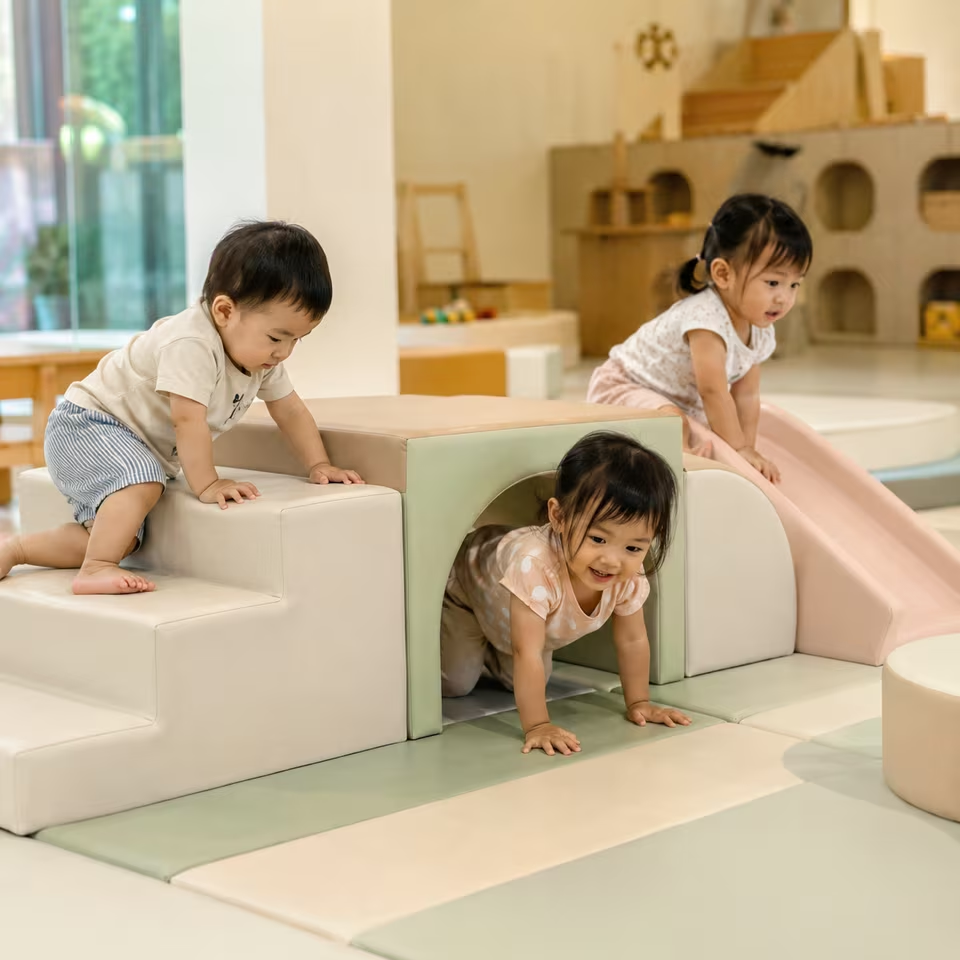
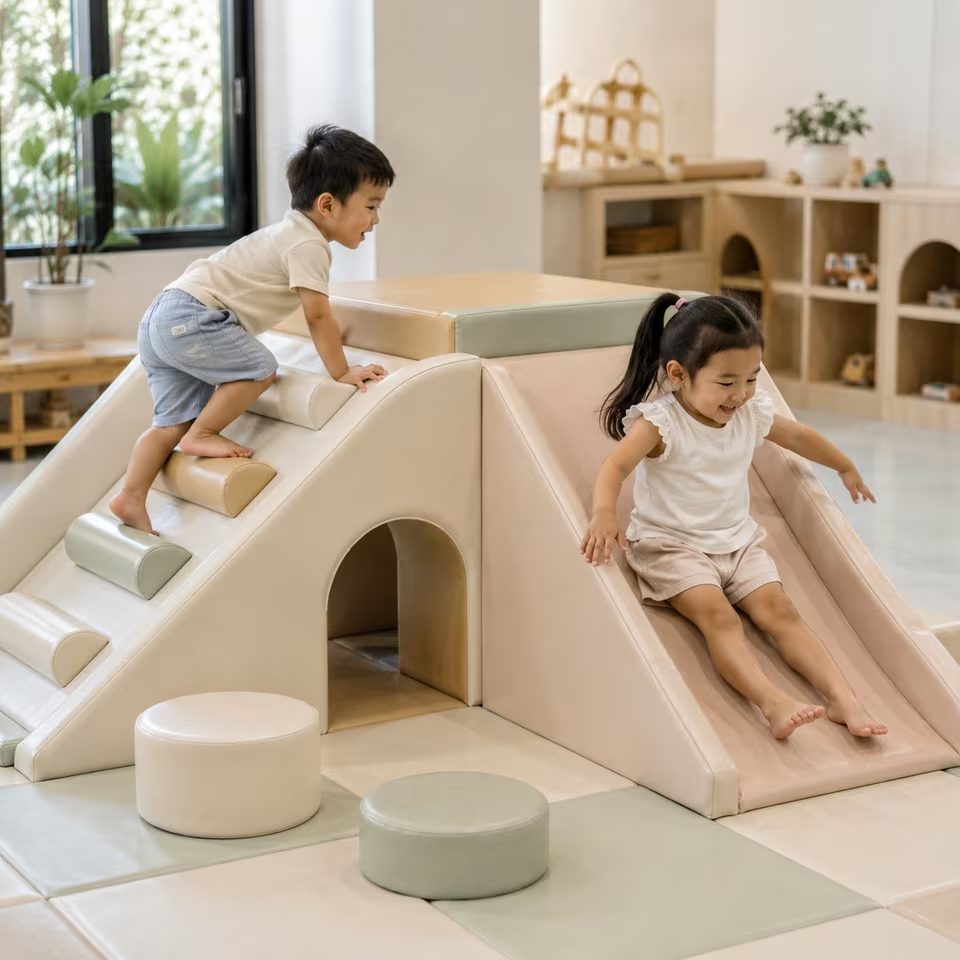
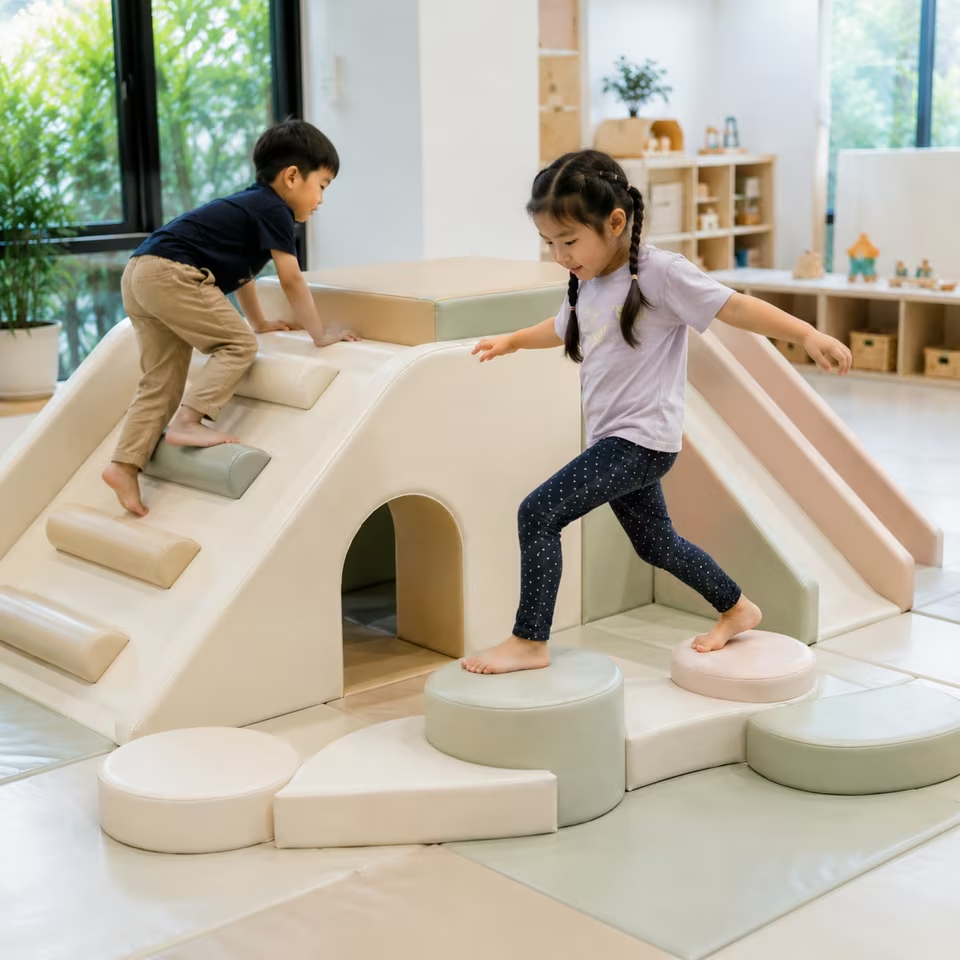
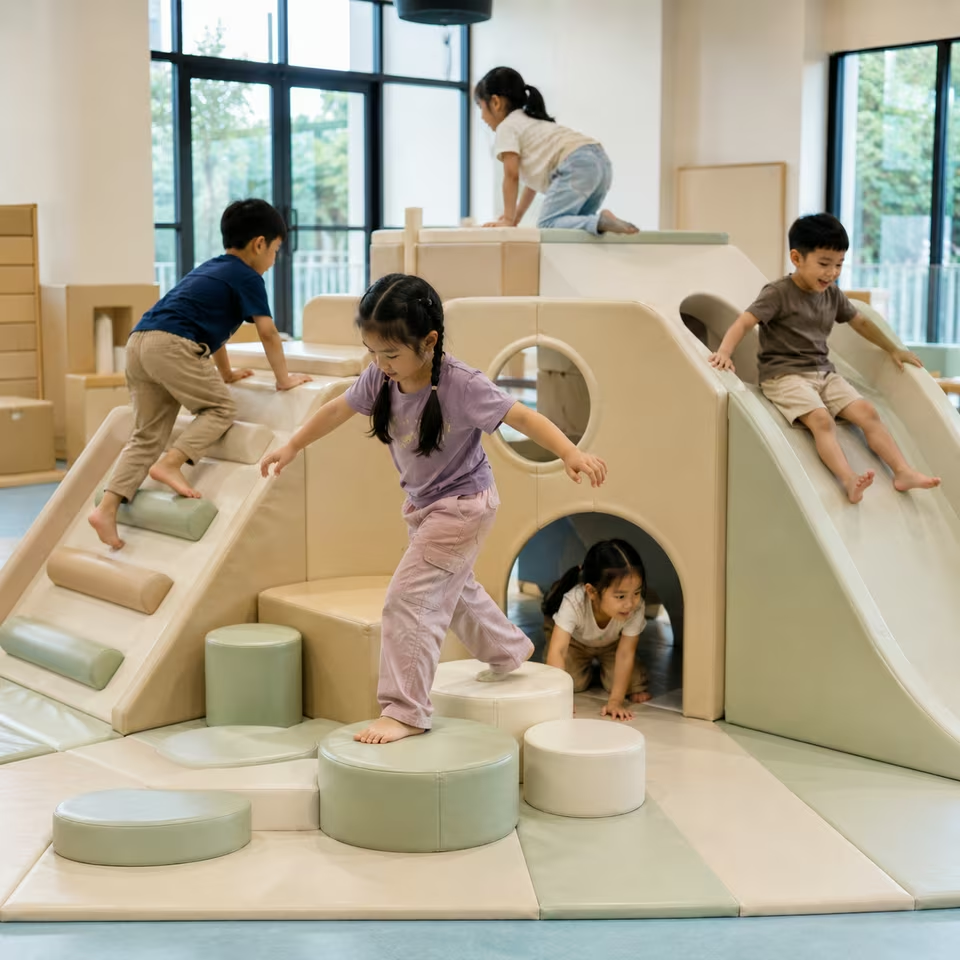
A compact residential environment where children's play needs to fit naturally into limited shared living space.
Living in a condominium often means creating meaningful play opportunities within a limited amount of space. Rather than dedicating an entire room to play, families may integrate a play area into a living room, bedroom or flexible corner of the home. Thoughtful planning can give children room to climb, crawl, balance and explore while preserving comfortable circulation and the everyday function of the surrounding space.
Highlights
Brings active play into compact residential spaces
Makes practical use of limited available floor area
Can integrate naturally with everyday living spaces
Supports movement and exploration without requiring a dedicated playroom
Encourages a clear balance between play and shared household use
Begin with the floor area that can realistically remain available for play without compromising essential everyday activities.
Prioritize usable play value over the number of play elements, especially when floor space is limited.
Preserve clear circulation between doors, furniture and frequently used parts of the home.
Consider how the play area will coexist with living, sleeping or other household activities throughout the day.
Keep part of the available floor area open so the space remains flexible when the play area is not being actively used.
Placement Tips
Use an underutilized side or corner of the room when it allows the main circulation path to remain open.
Avoid placing active play directly in front of doors, balconies or frequently accessed storage.
Maintain comfortable separation between active play and fragile furniture, televisions or other household objects.
Consider the direction children naturally enter and leave the play area rather than evaluating only the footprint of the equipment.
Where play shares a living area, preserve enough visual openness for the room to continue feeling comfortable and usable.
FAQ
Can soft play work in a condominium?
Yes. A condominium does not need a dedicated playroom to provide active indoor play. A thoughtfully planned part of a living room, bedroom or other flexible area can give children opportunities to move and explore while remaining part of the home's everyday layout.
How should I plan a play area when condominium space is limited?
Start with the space that must remain available for circulation and everyday activities. The remaining area can then be considered for play. A smaller, well-positioned play area is often more practical than filling all available floor space.
Where can a children's play area be placed in a condominium?
An unused corner or one side of a living space can work well when it does not interfere with doors, walkways or frequently used furniture. The best position depends on how people naturally move through the home.
Does a condominium play area need to be permanent?
Not necessarily. In a multi-purpose living environment, keeping some flexibility can be valuable. The play area can occupy a defined part of the home while still allowing the surrounding space to serve other everyday activities.