









What skills are involved in climbing play?
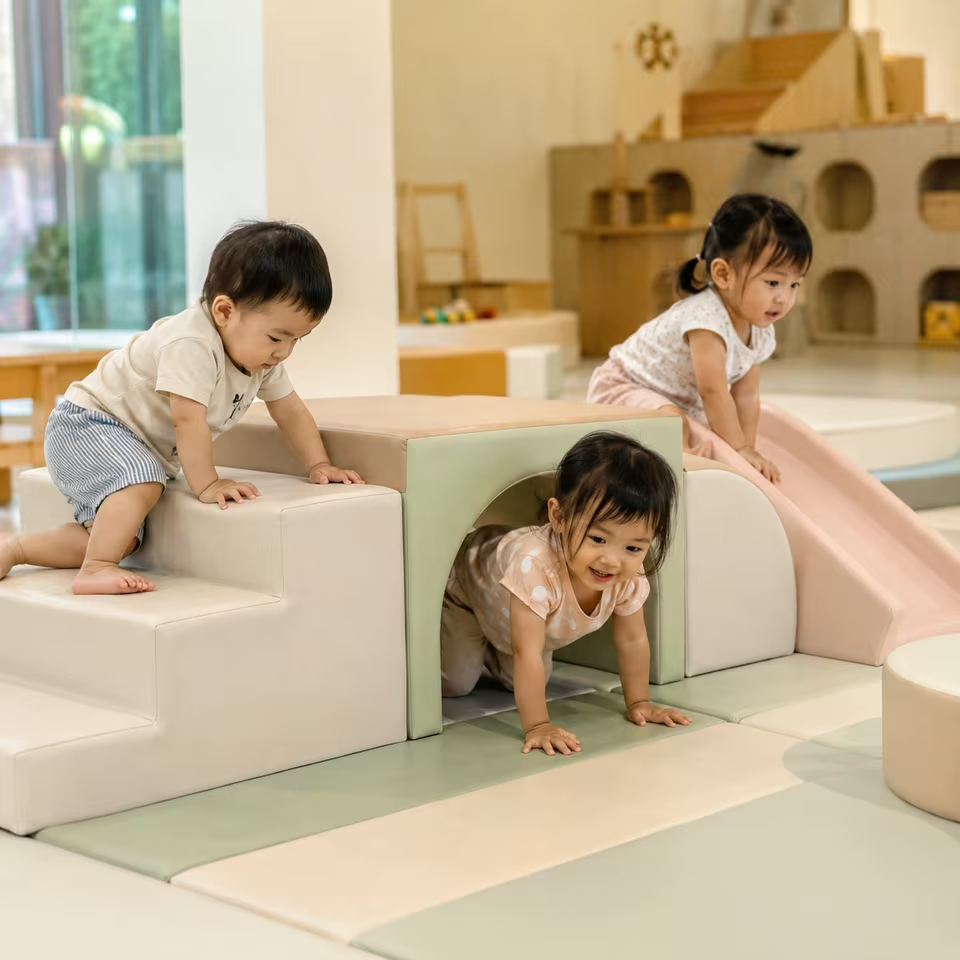
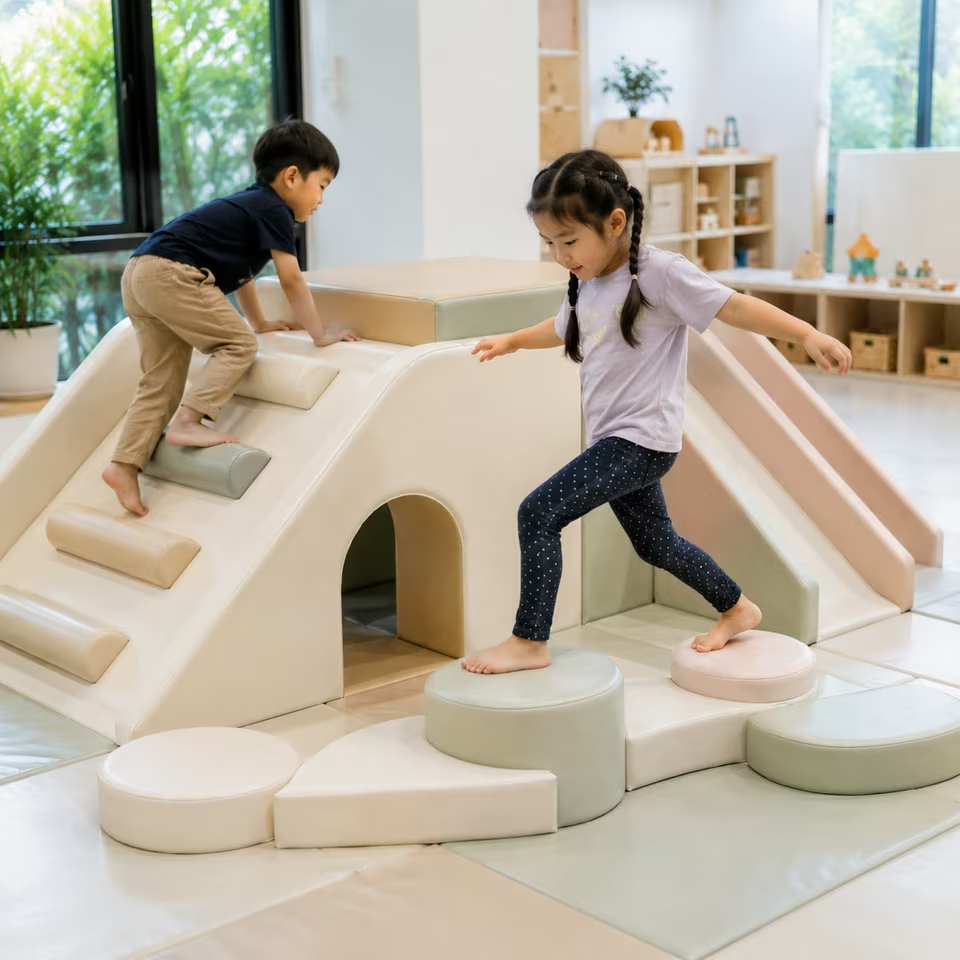
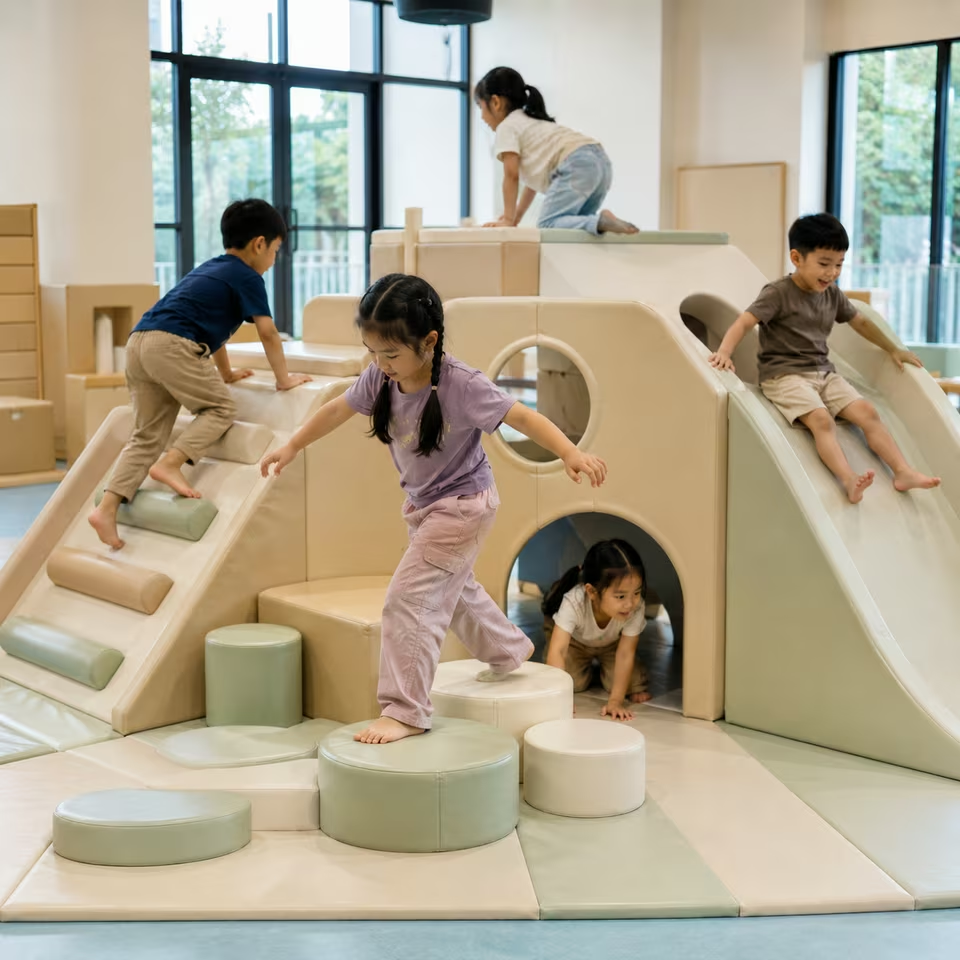
Depending on the activity, climbing can involve stepping, reaching, weight shifting, balance, coordination, body positioning, and planning how to move between different points or surfaces.
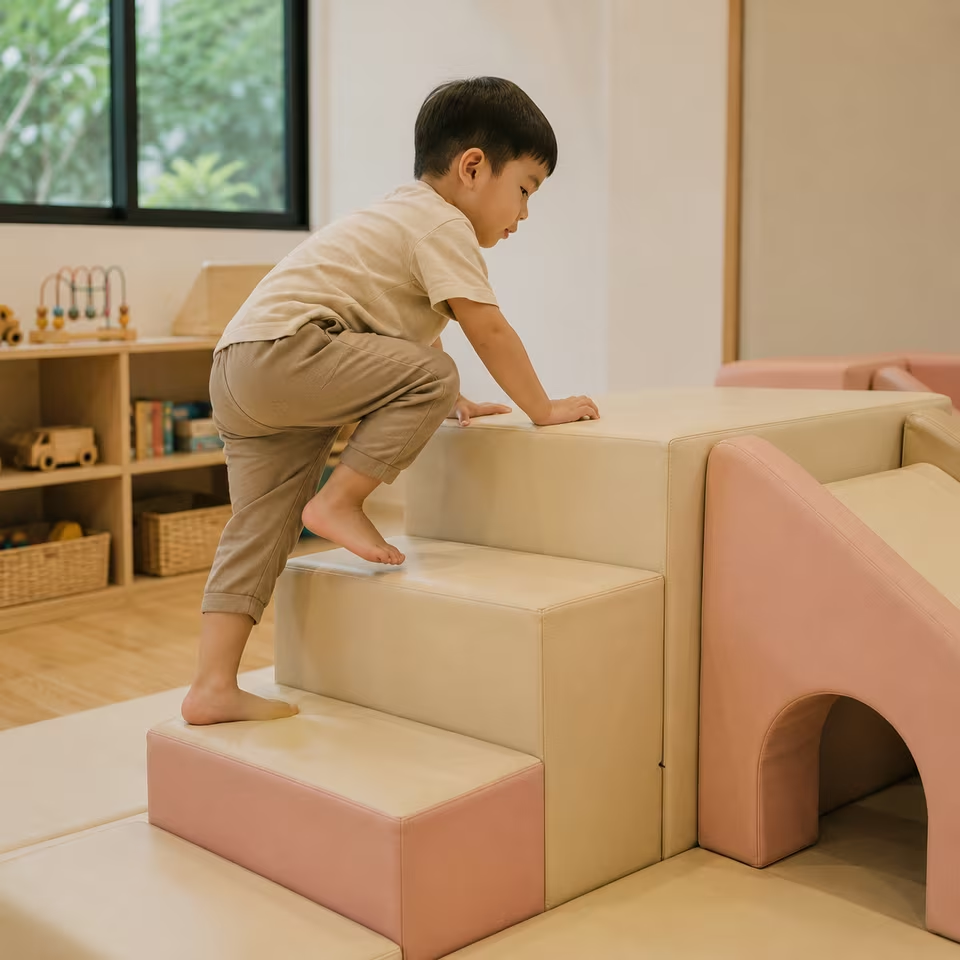
Explore play experiences that involve climbing, stepping, reaching, shifting body position, and navigating different heights and surfaces.
Climbing involves a combination of movements as children navigate upward, downward, and across play equipment. Depending on the activity and equipment, children may step, reach, pull, push, shift weight, change body position, and plan how to move from one point to another. HOVBB connects this development focus with relevant activities, age ranges, product types, spaces, and play products so families and play-space planners can explore options appropriate to the intended user and environment.
Depending on the activity, climbing can involve stepping, reaching, weight shifting, balance, coordination, body positioning, and planning how to move between different points or surfaces.
Climbing commonly uses large movements of the legs, arms, and trunk together. For this reason, climbing activities can overlap with broader gross-motor play and whole-body movement.
It can. Moving between steps, slopes, platforms, or other surfaces may require children to adjust body position, transfer weight, and coordinate different movements.
Yes. The movement demands can differ. When descending, a child may need to locate the next surface or foothold while adjusting weight and controlling body position.
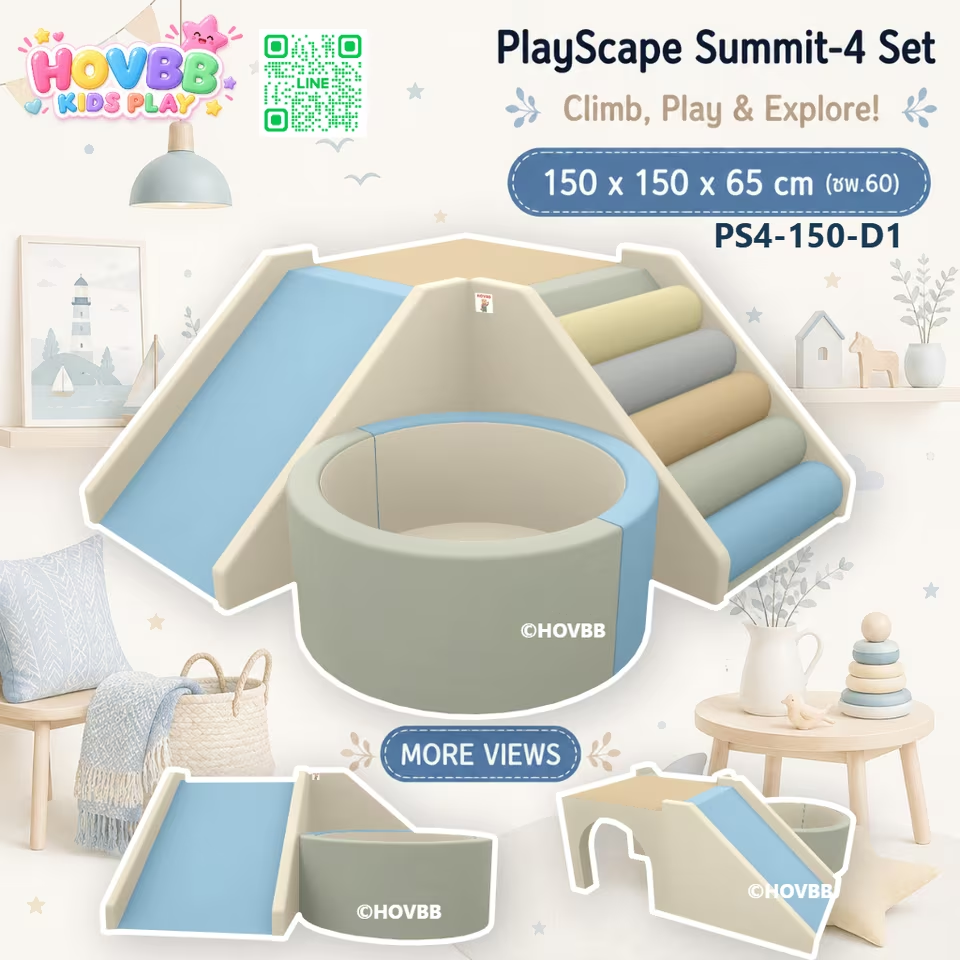
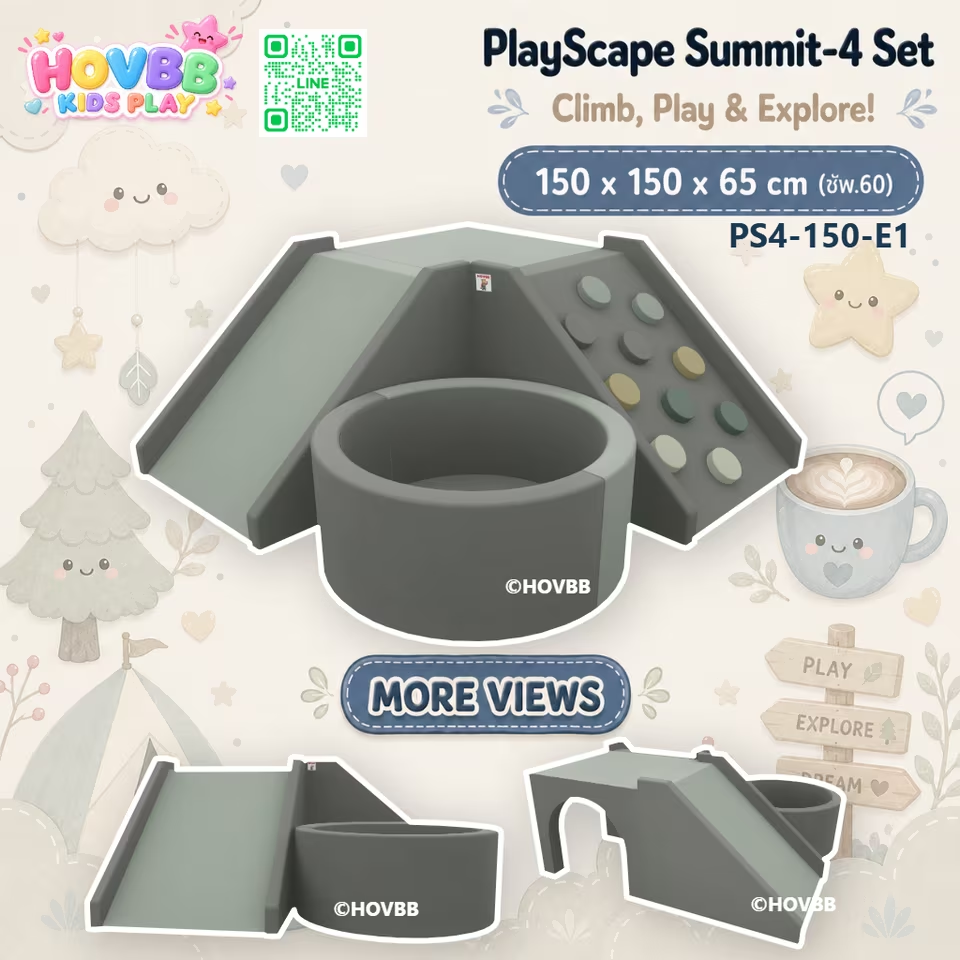
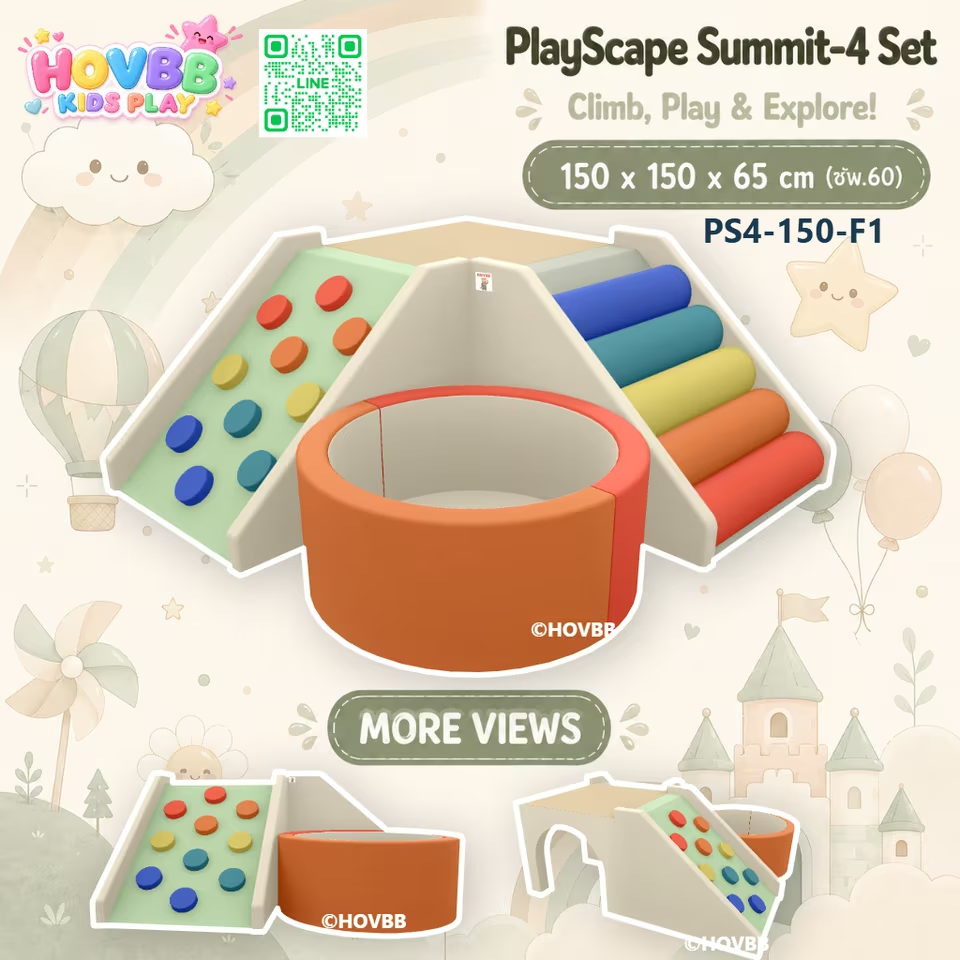
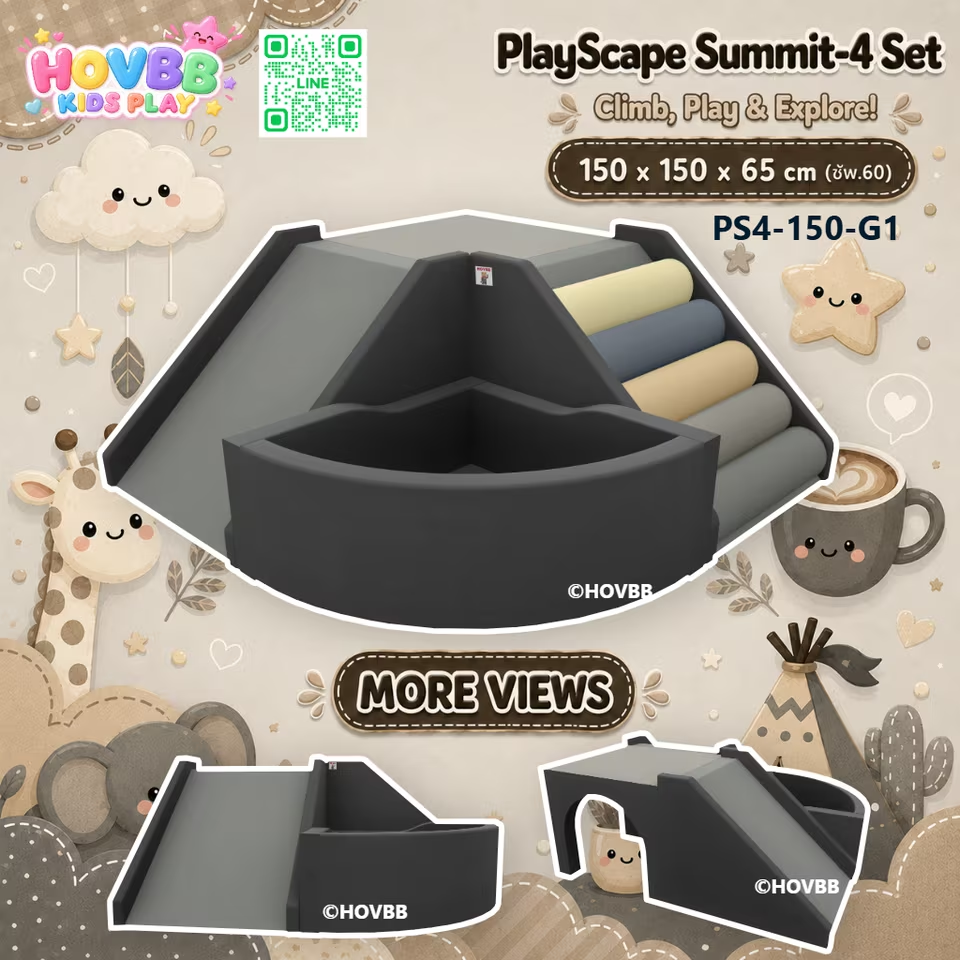
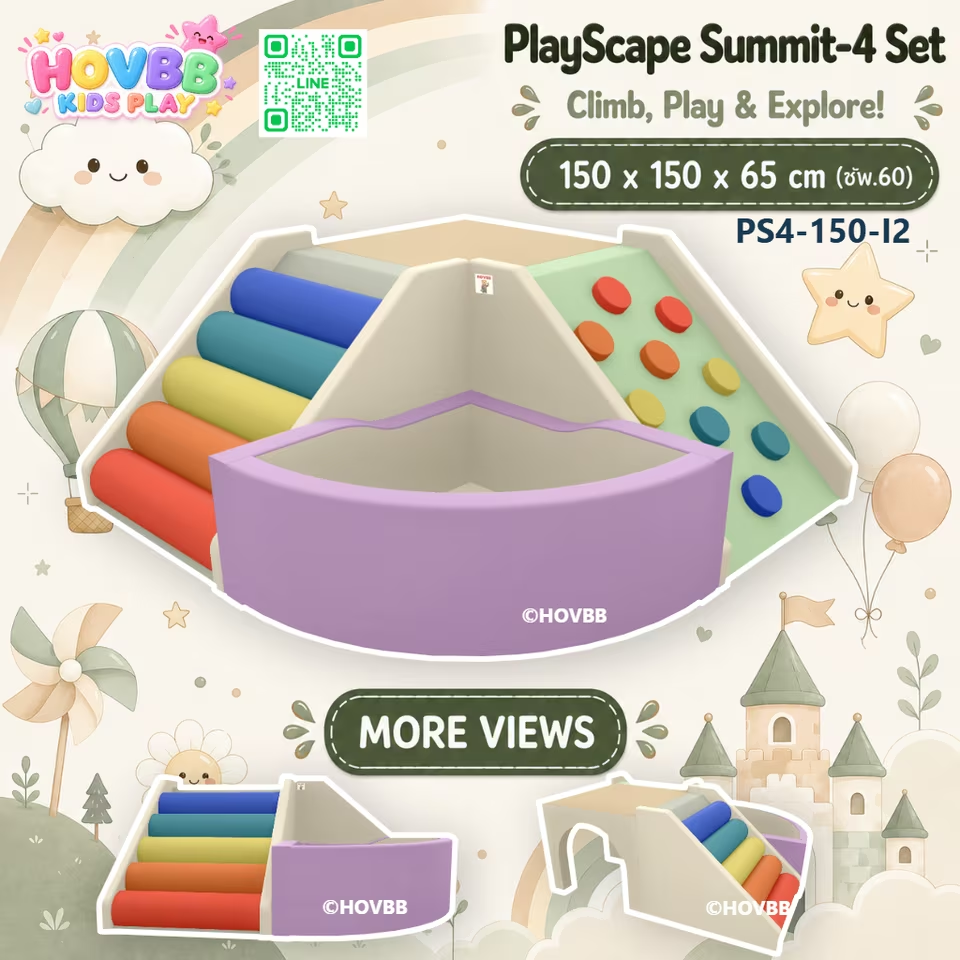
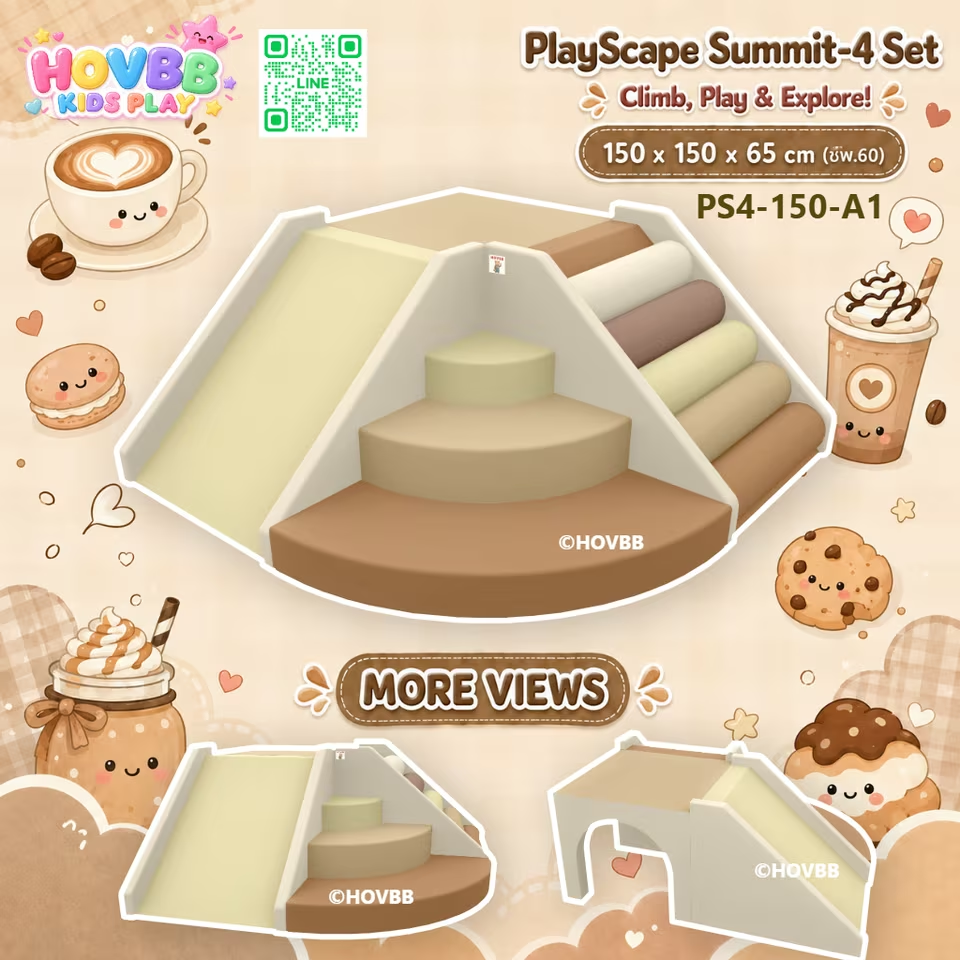
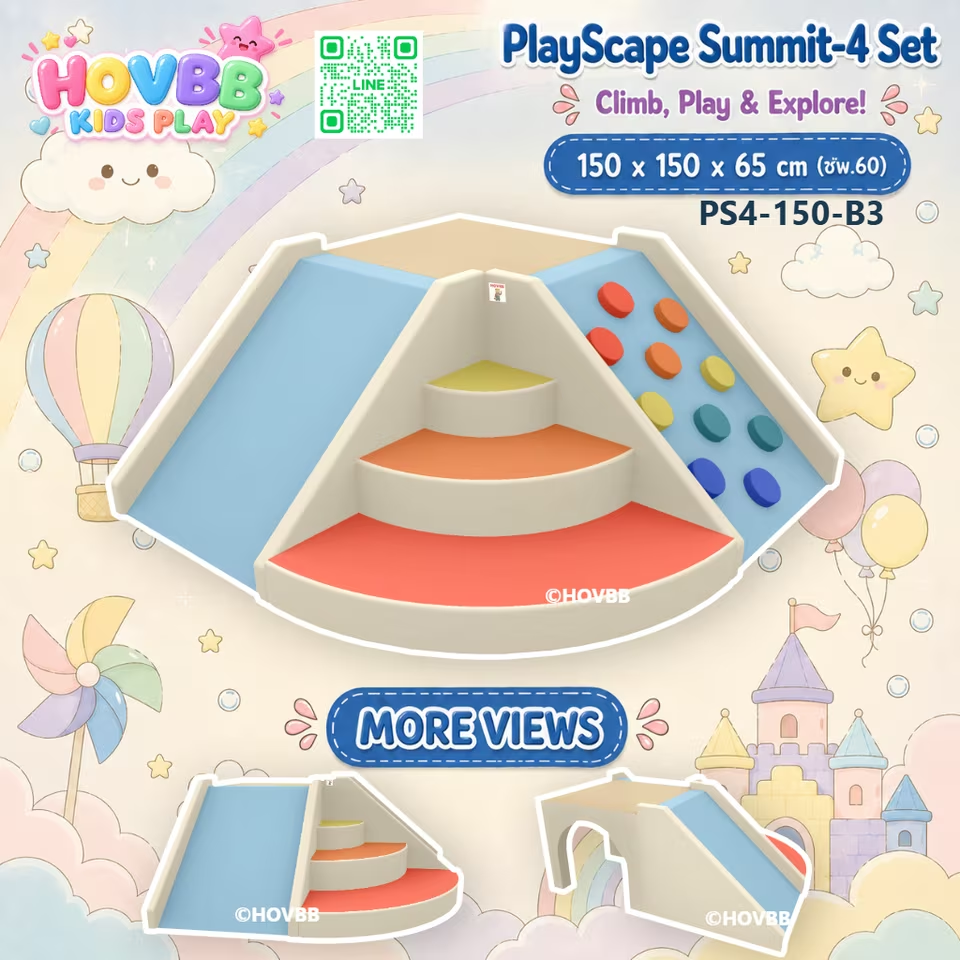
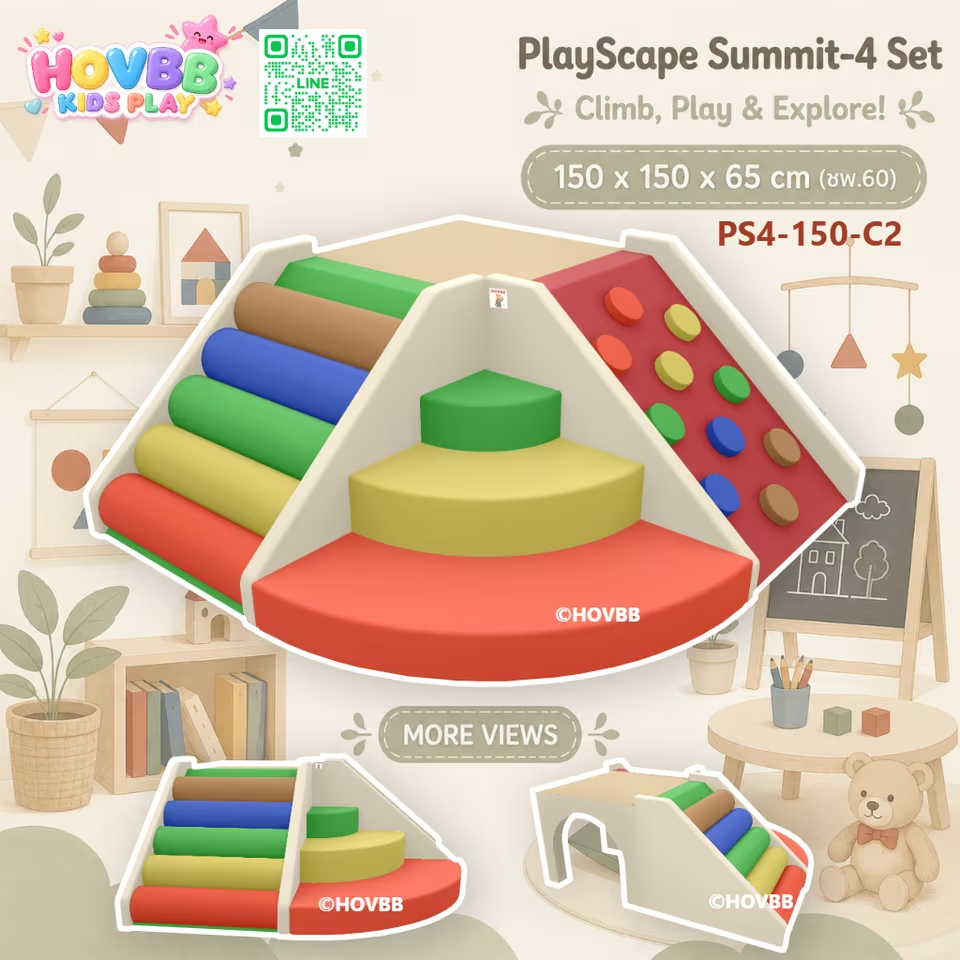
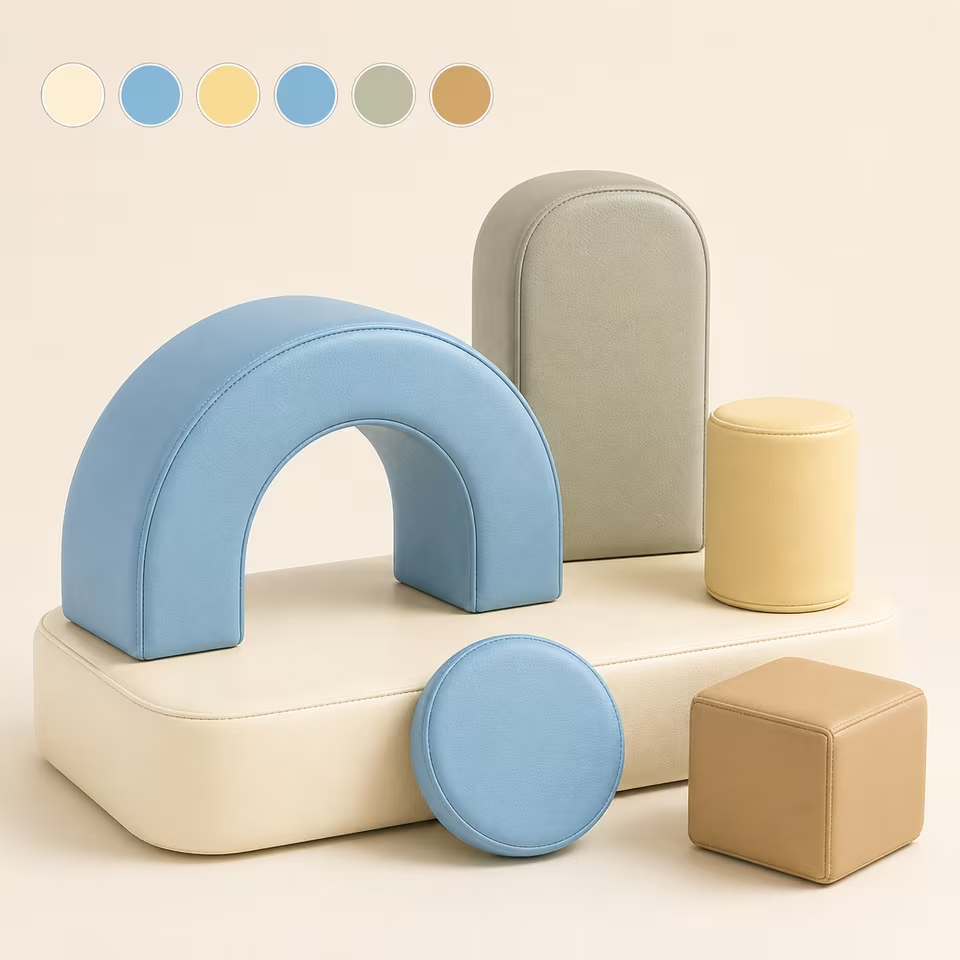
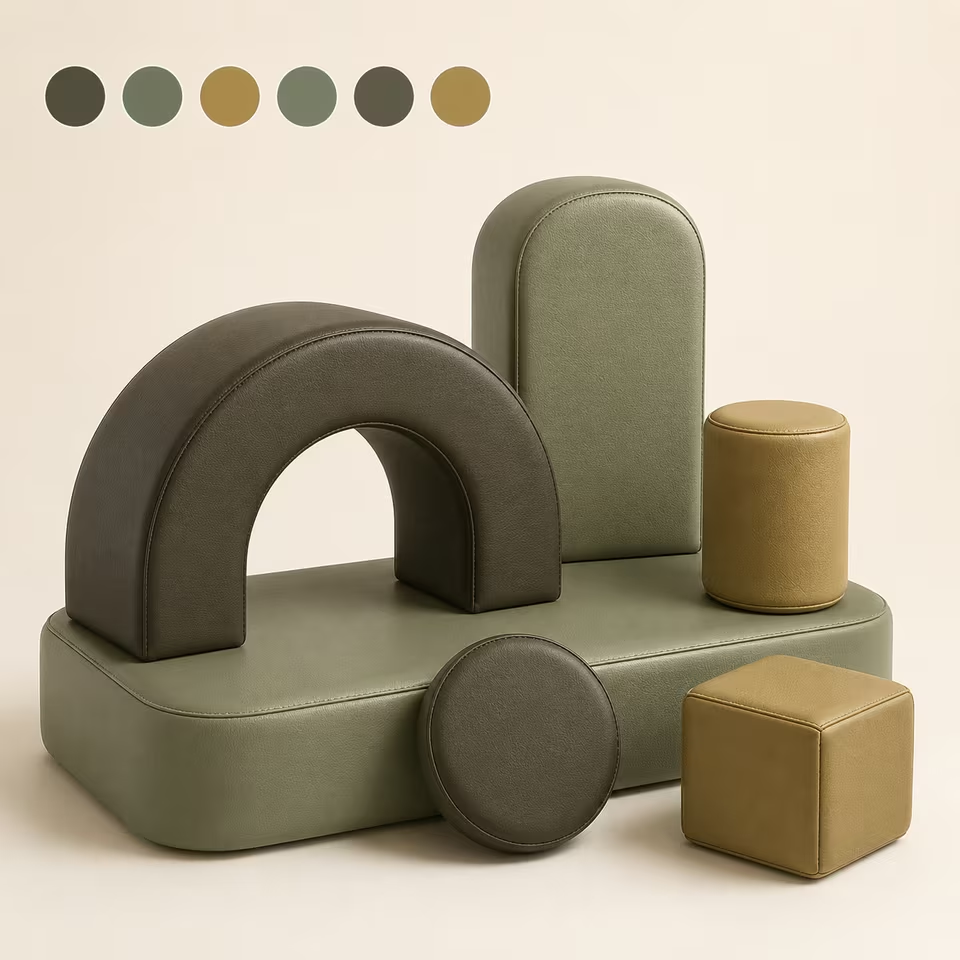
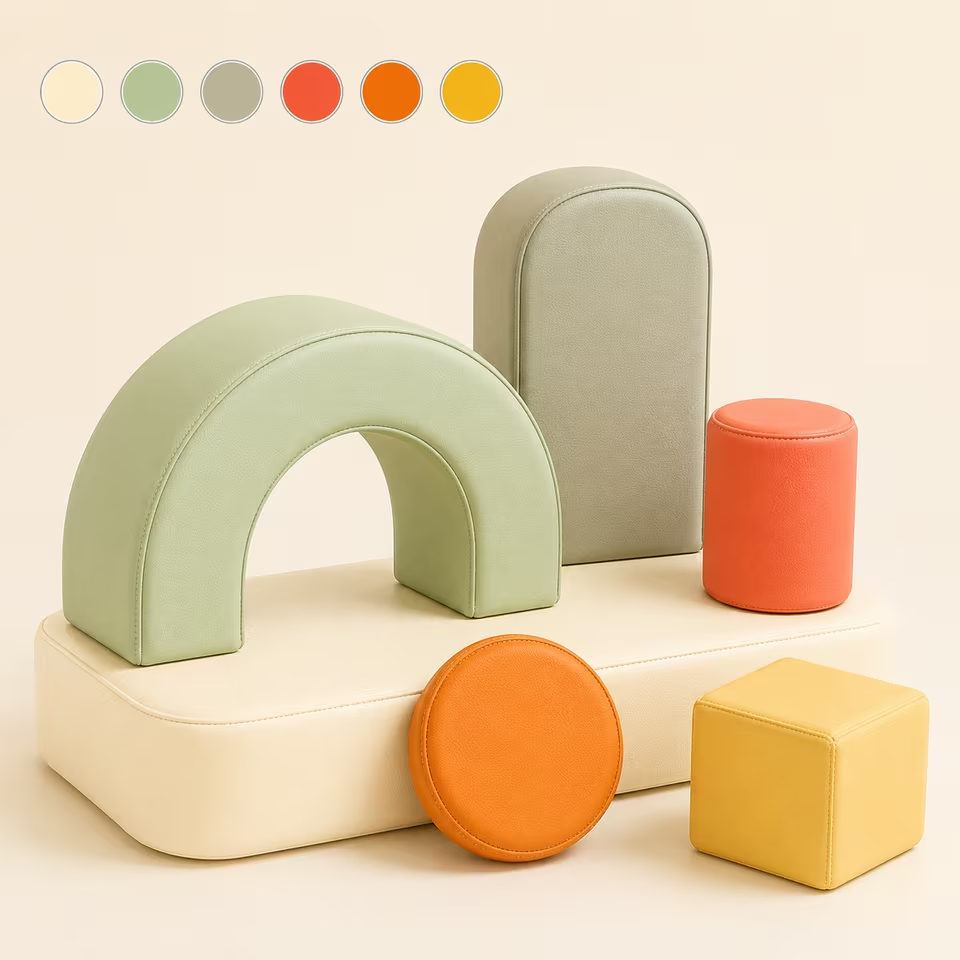
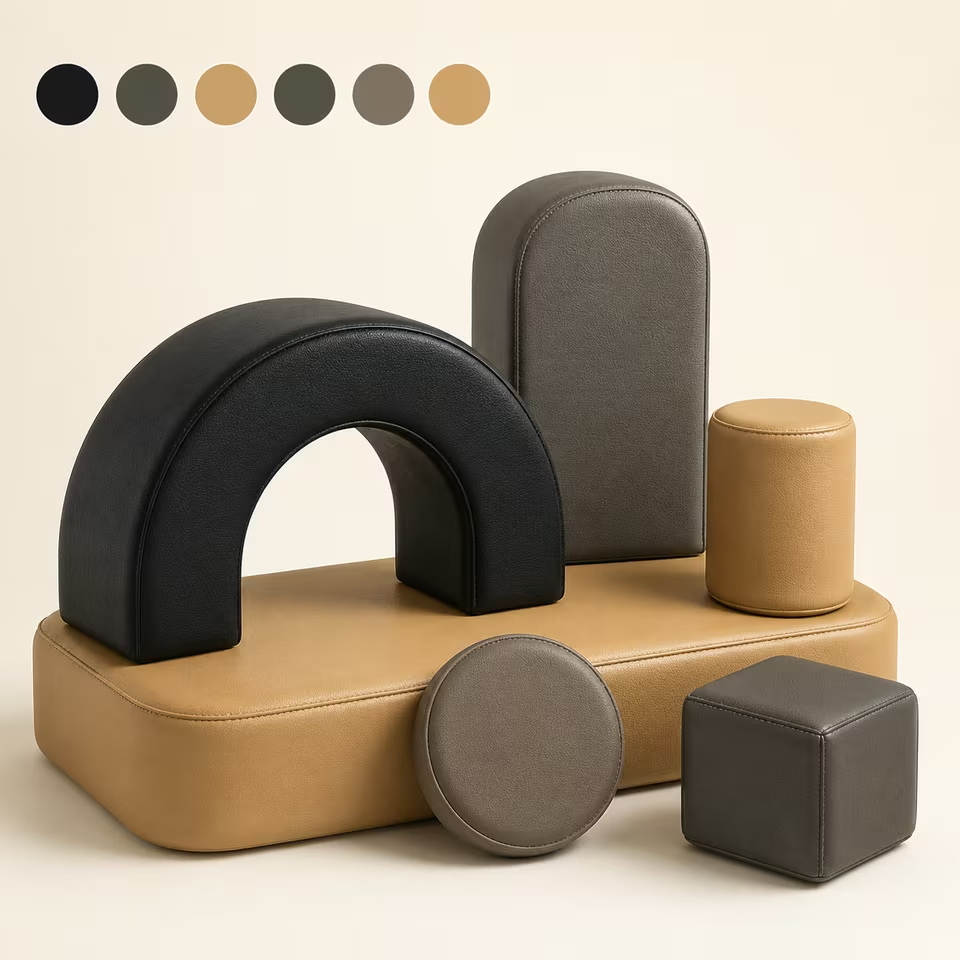
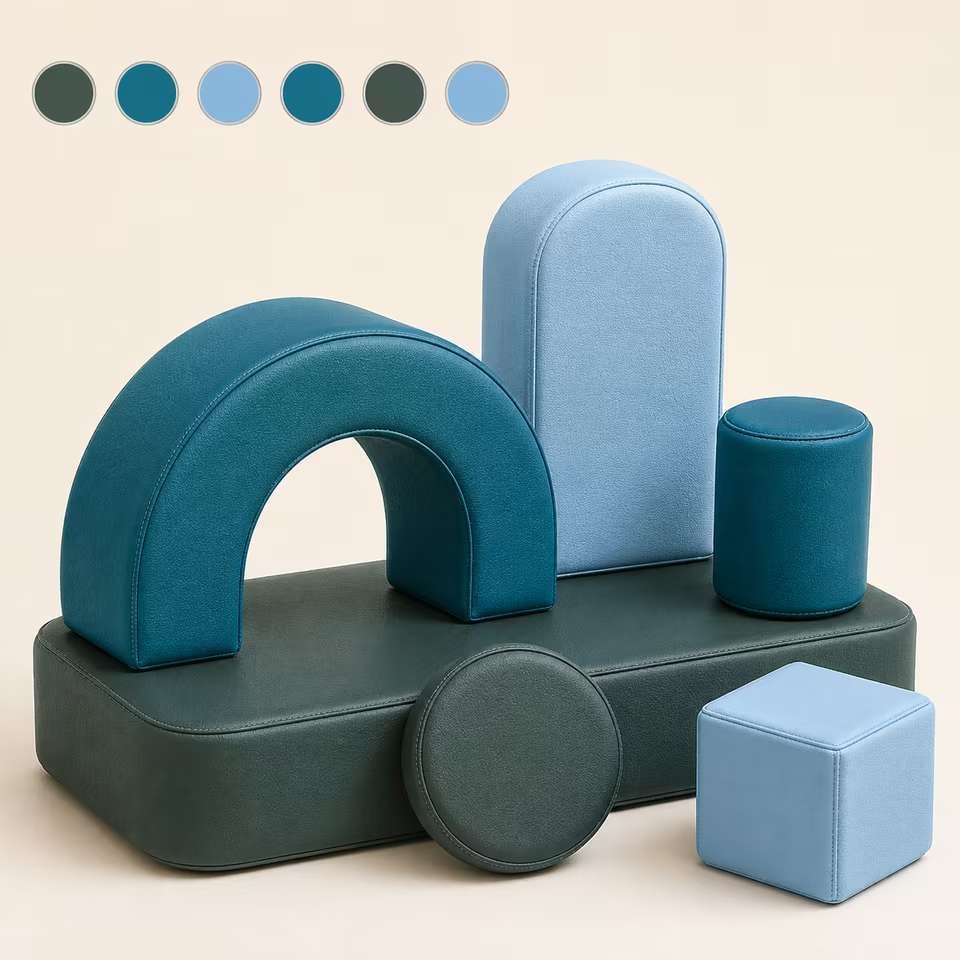
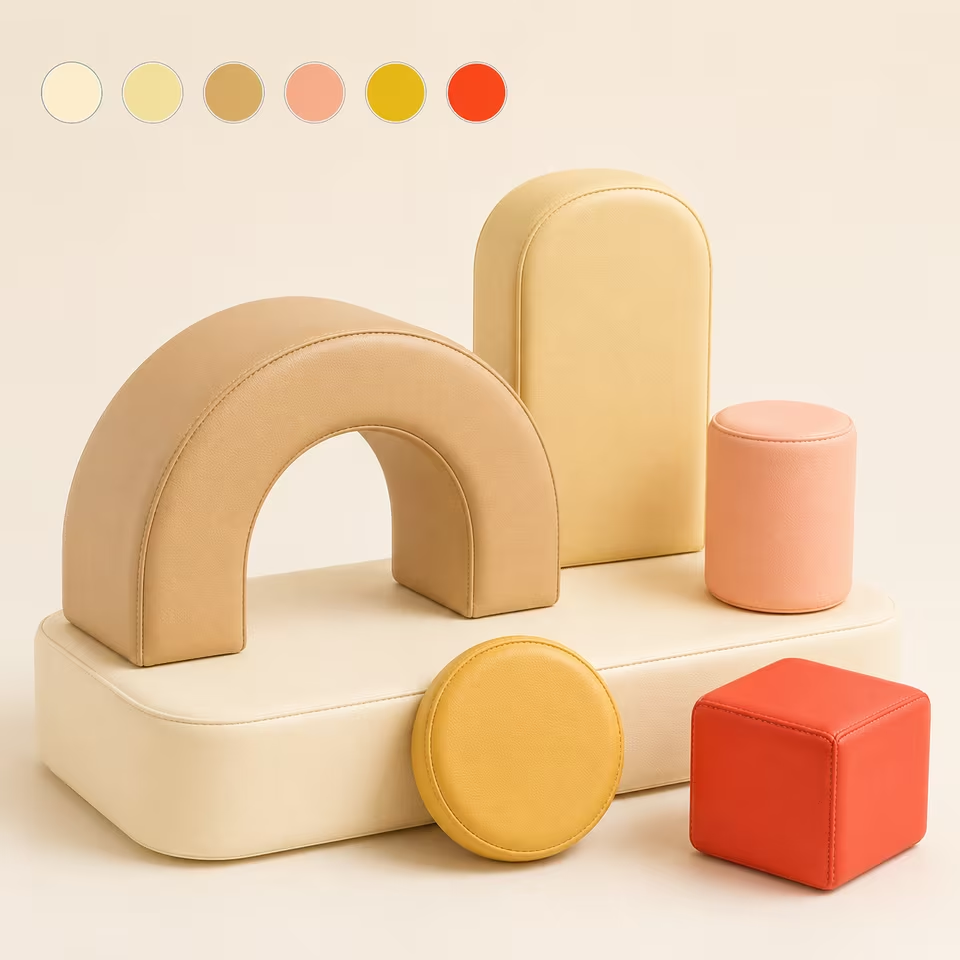
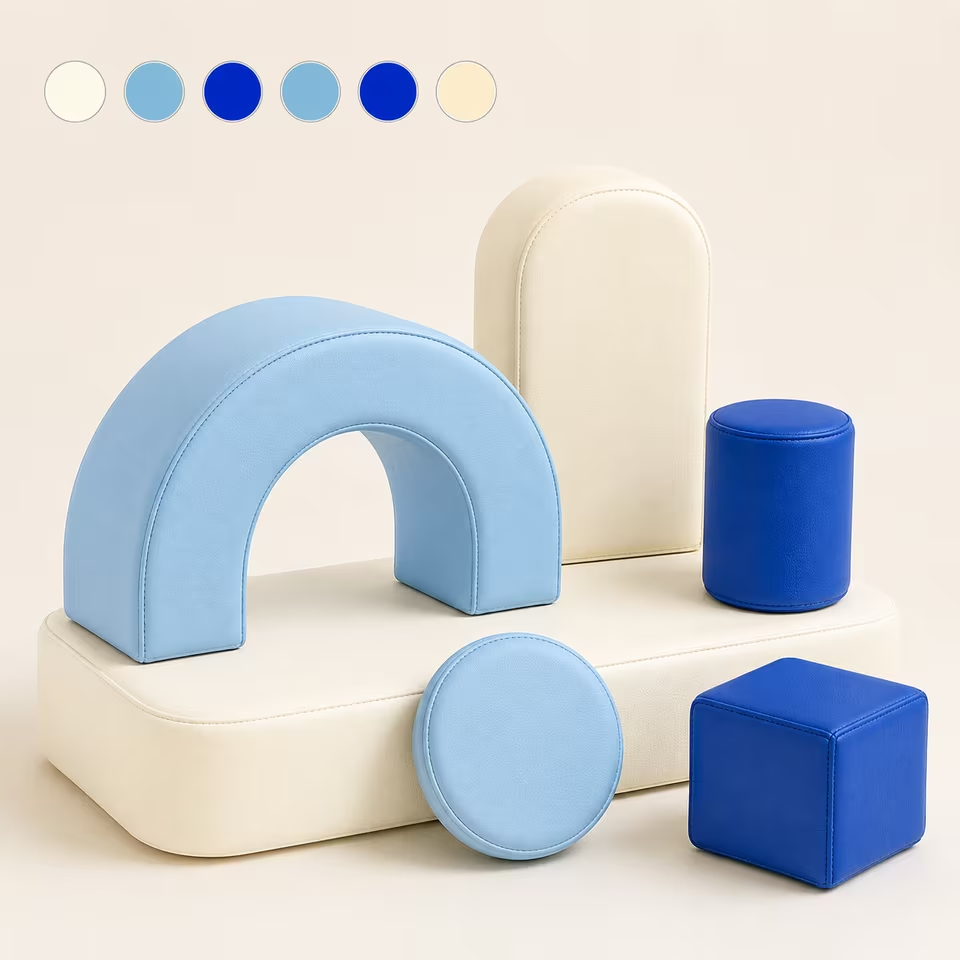
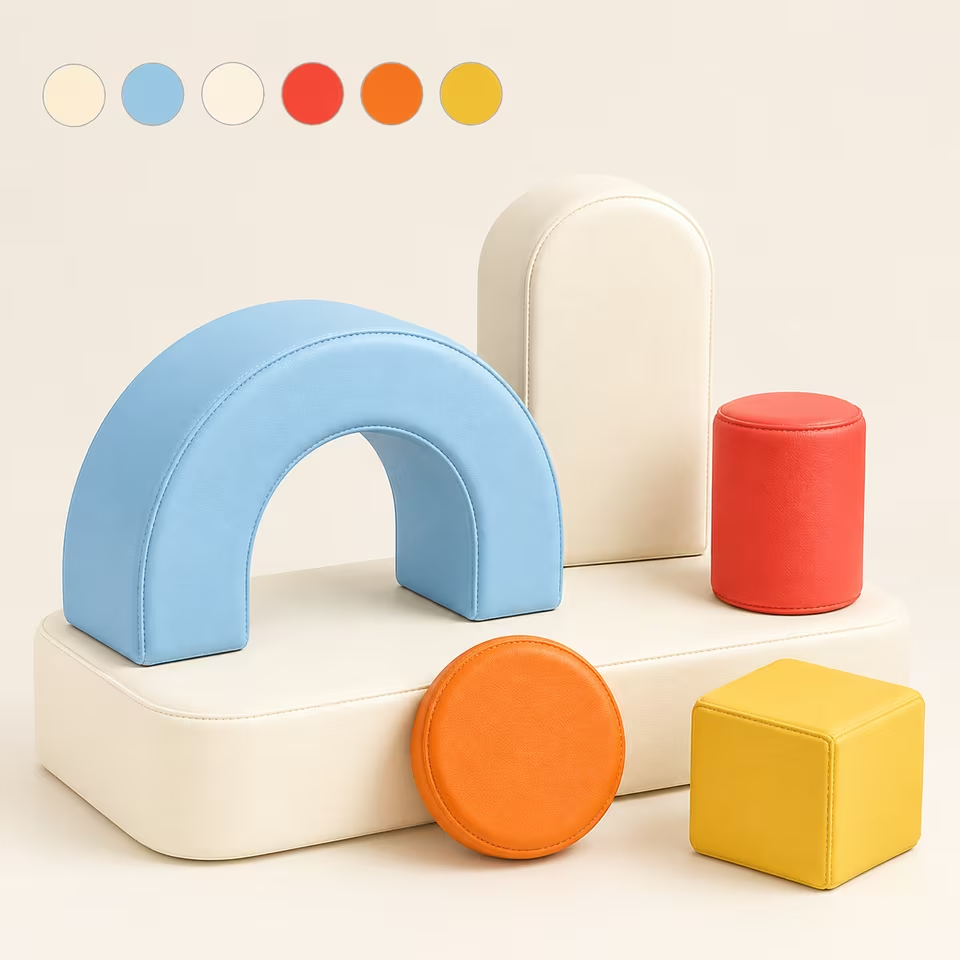
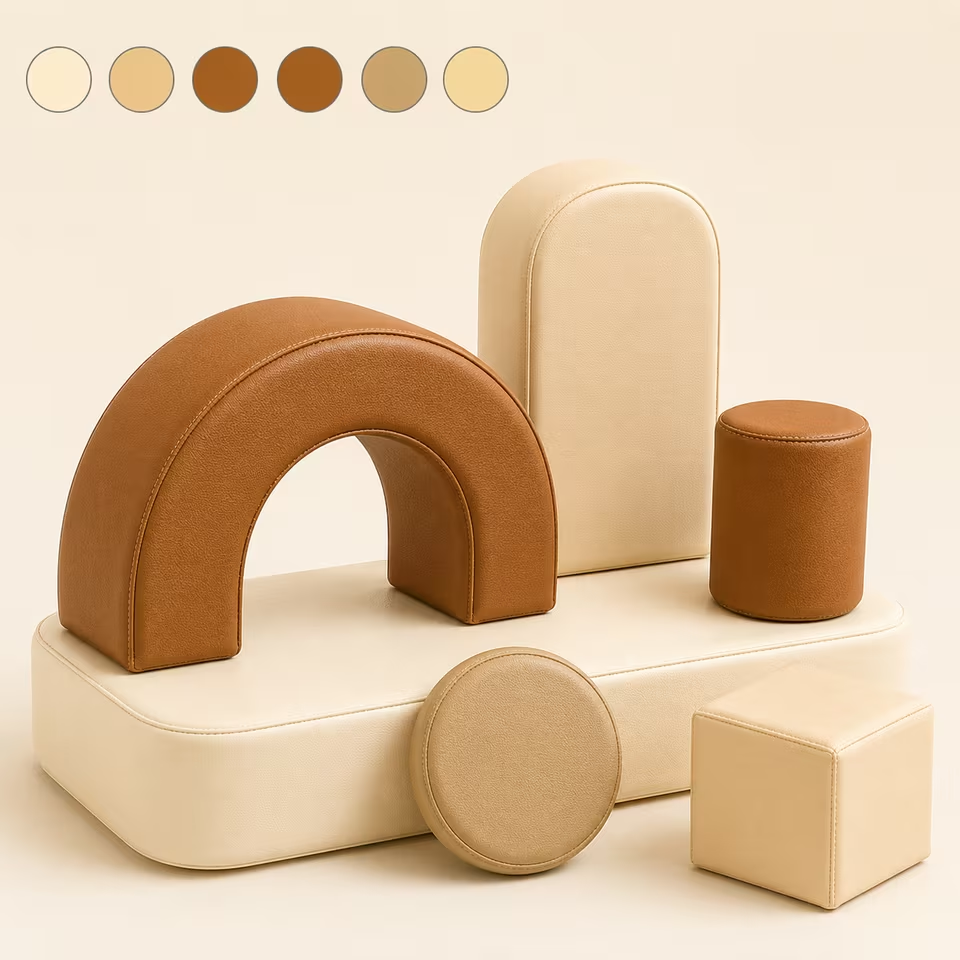
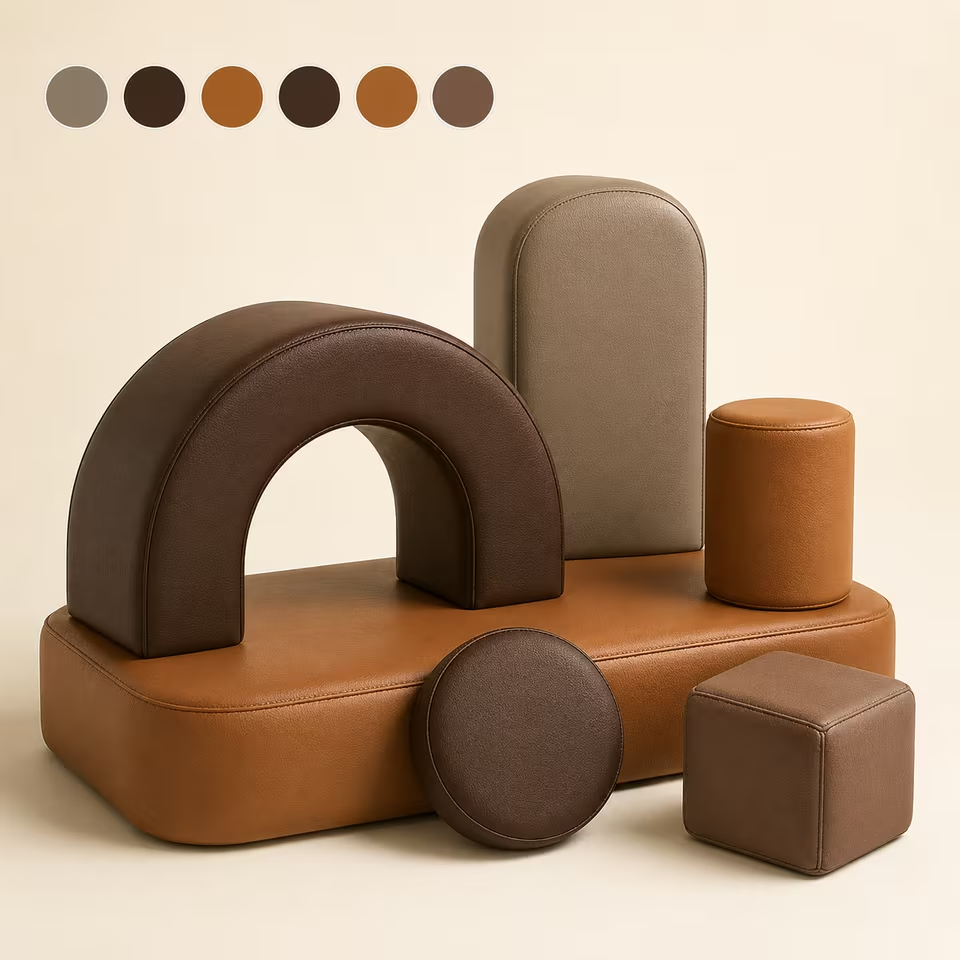
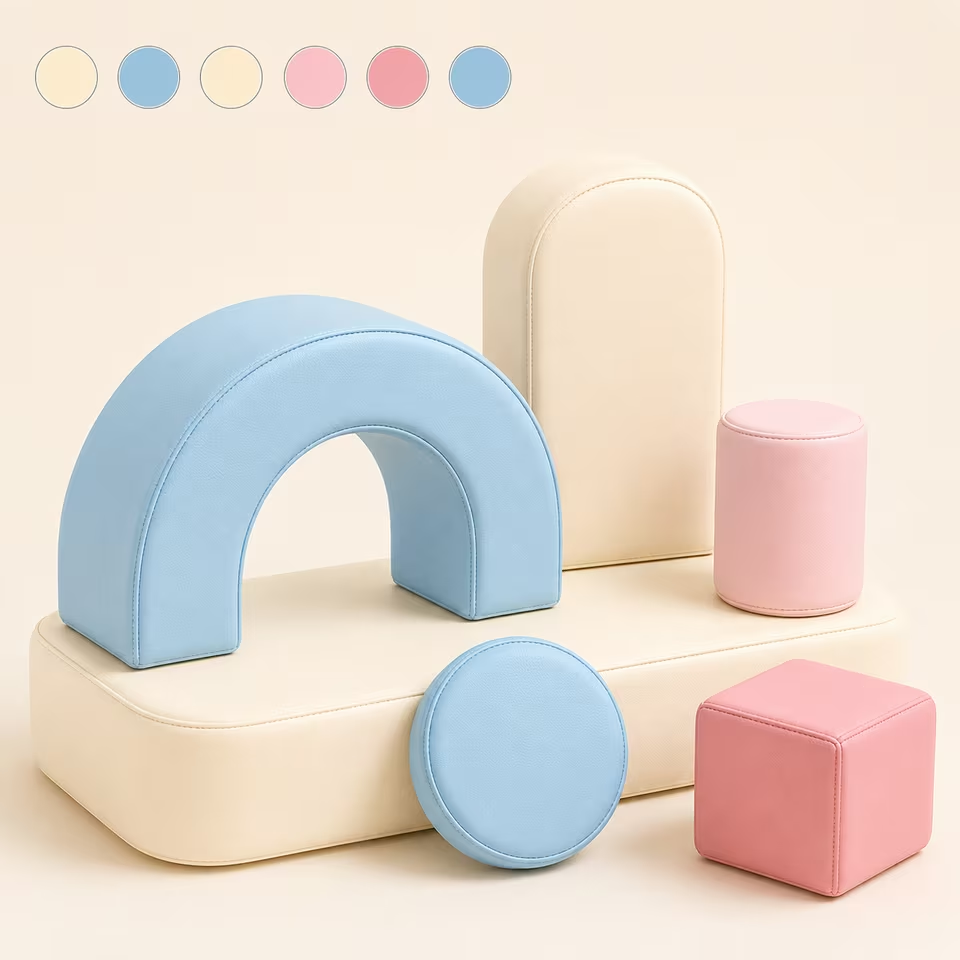
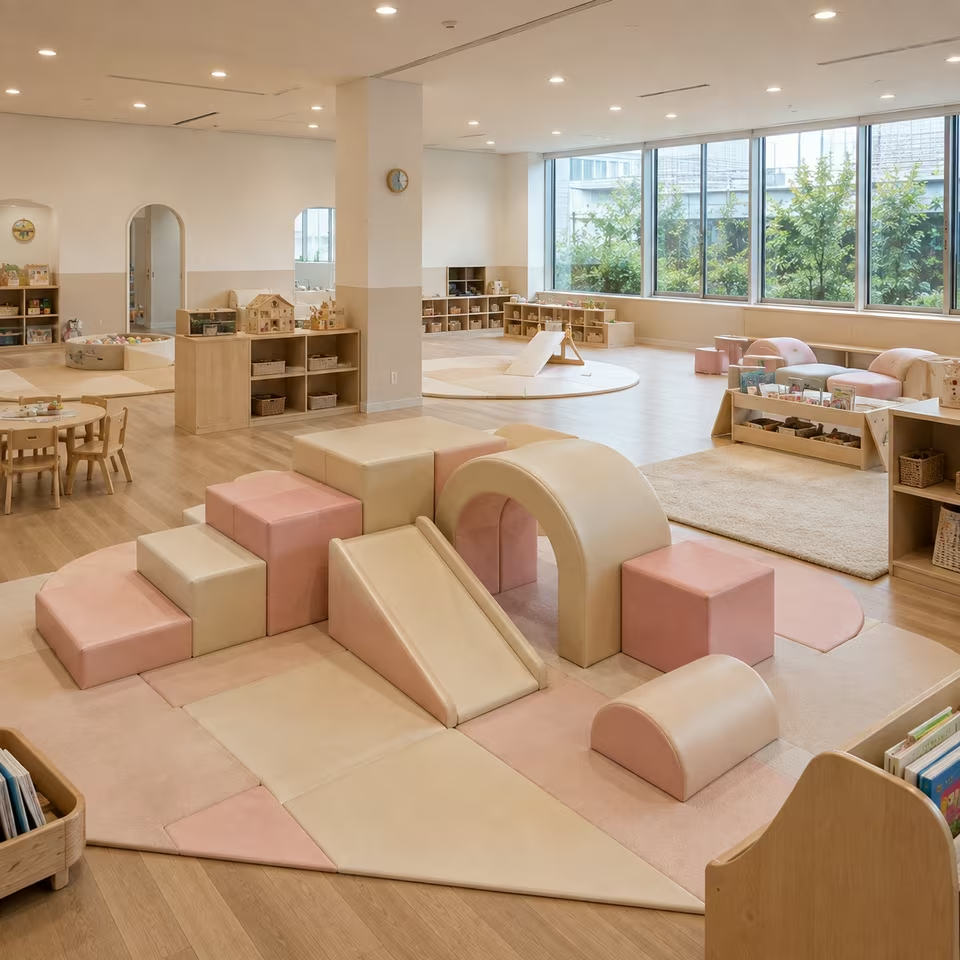
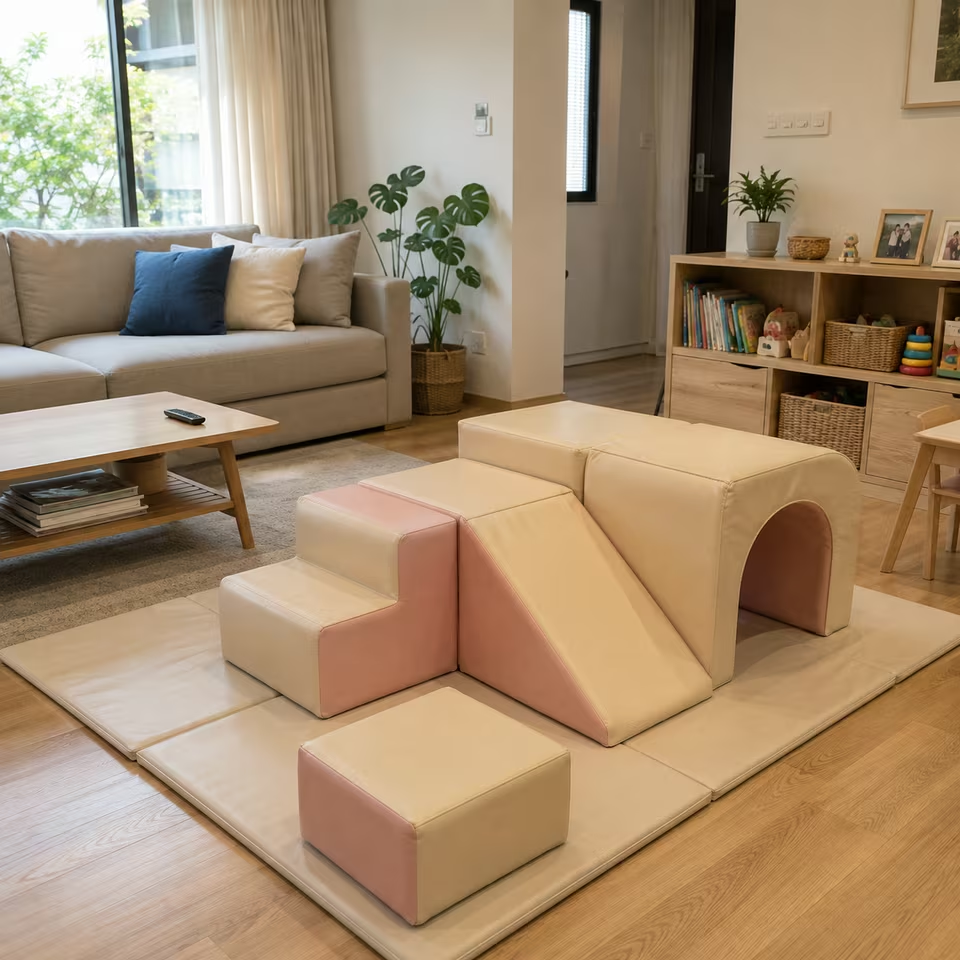
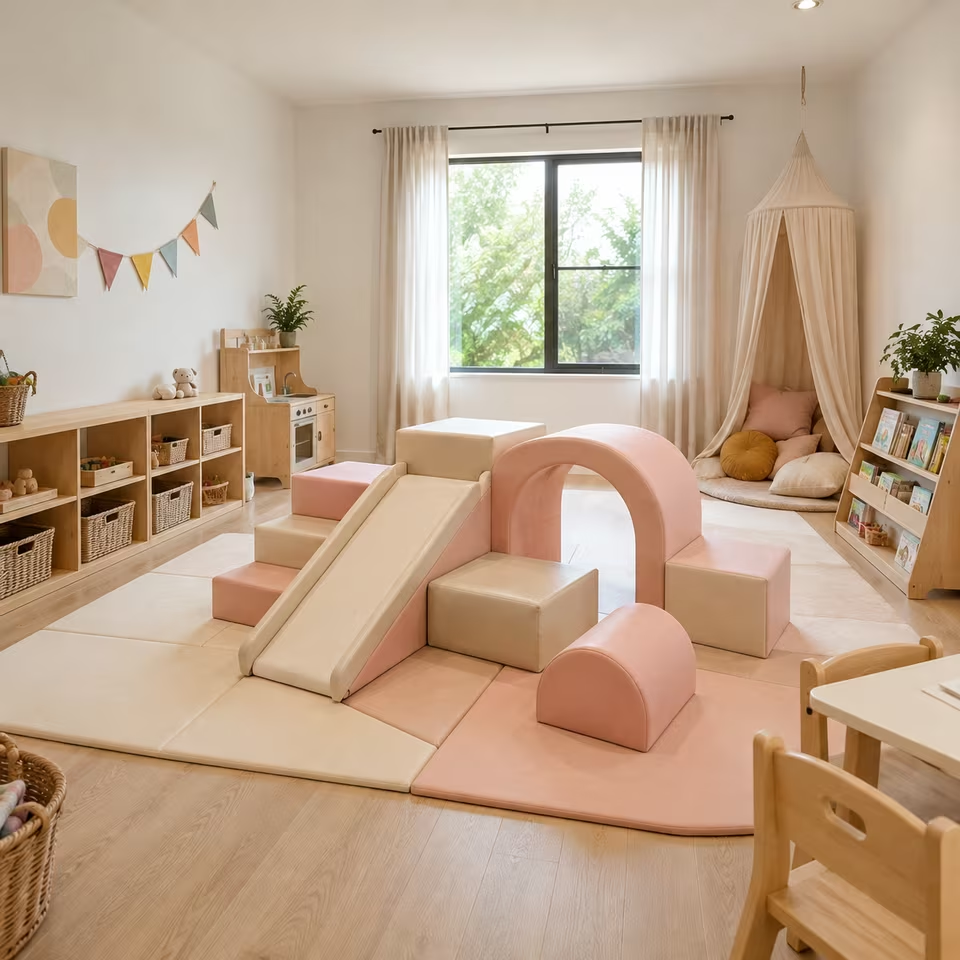
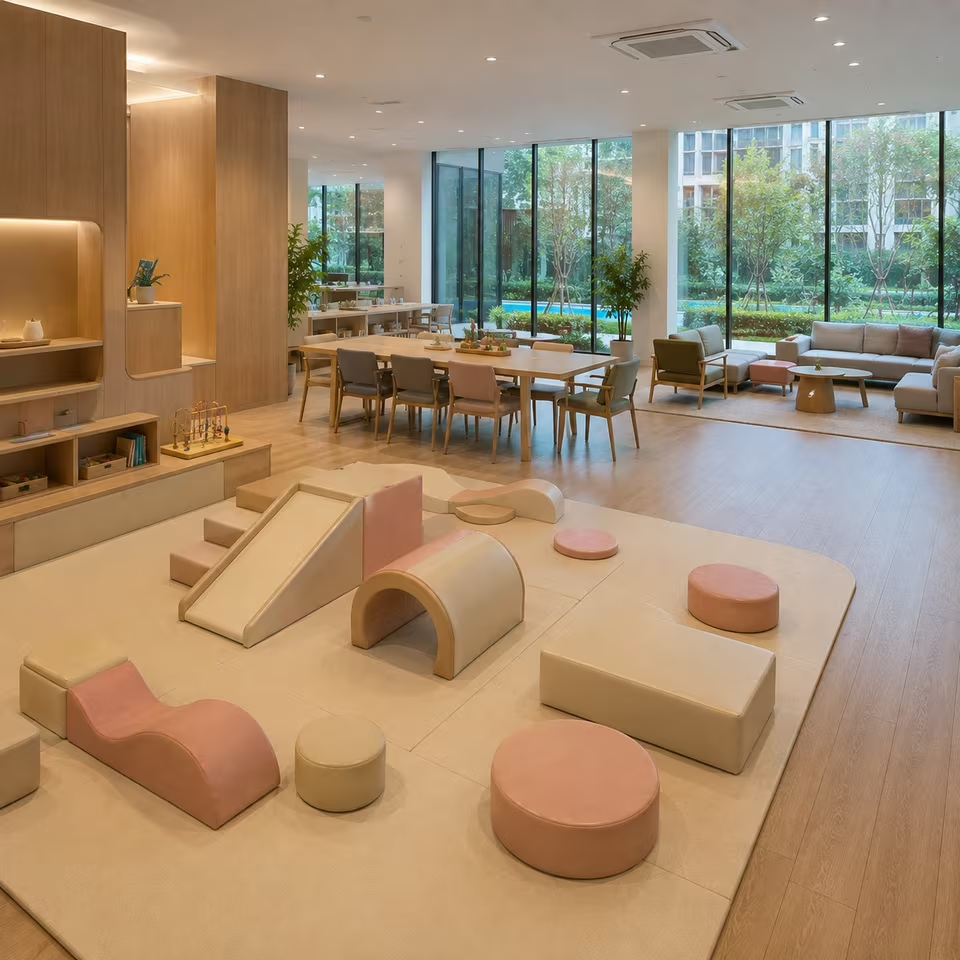
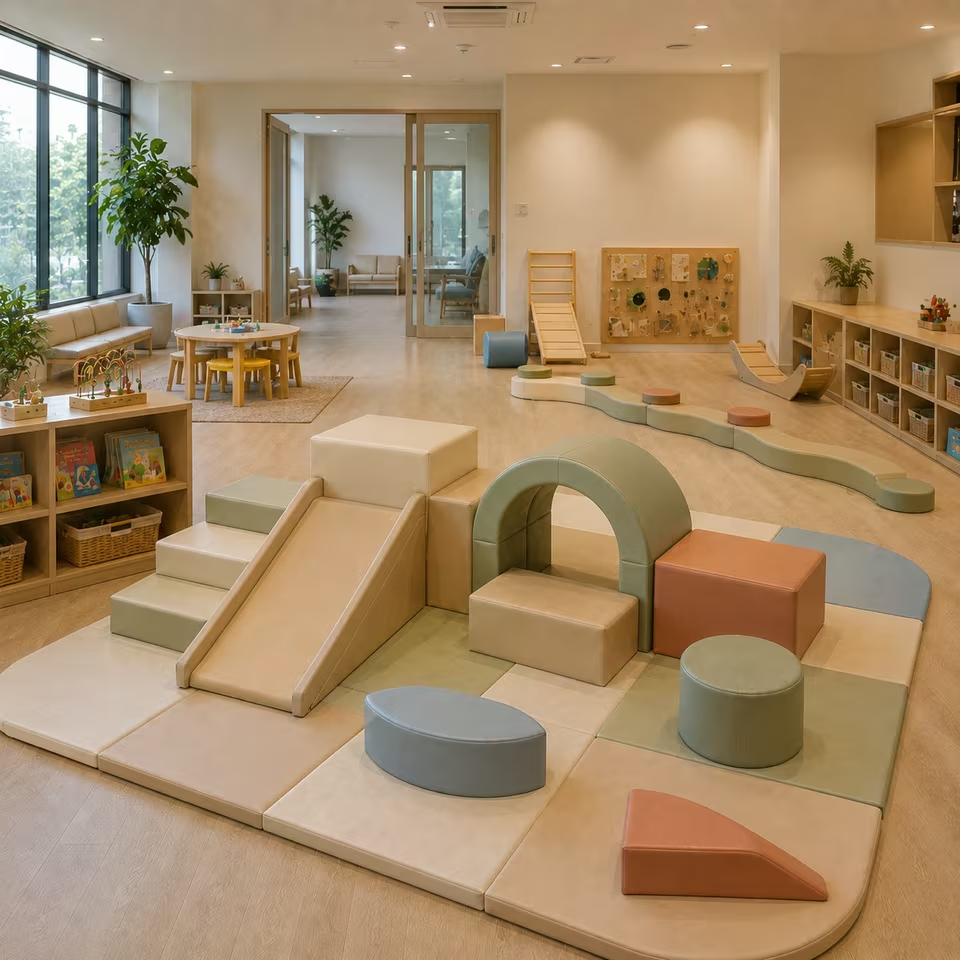
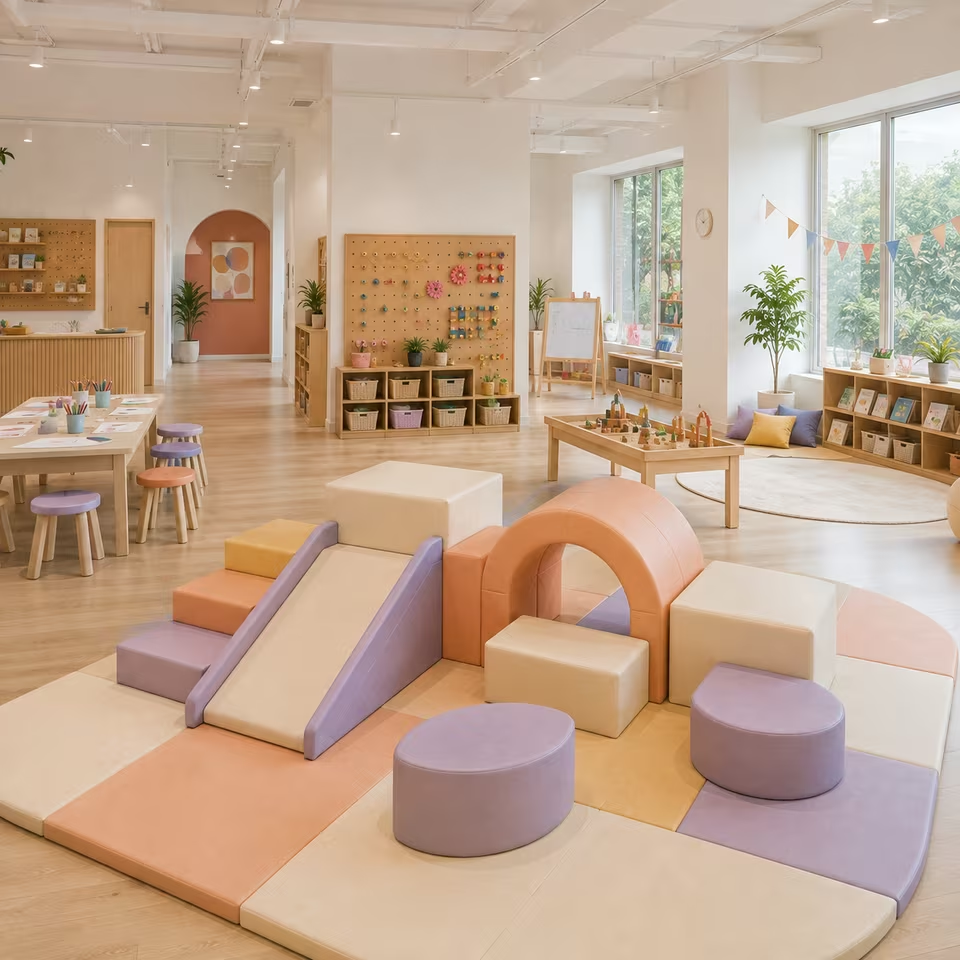
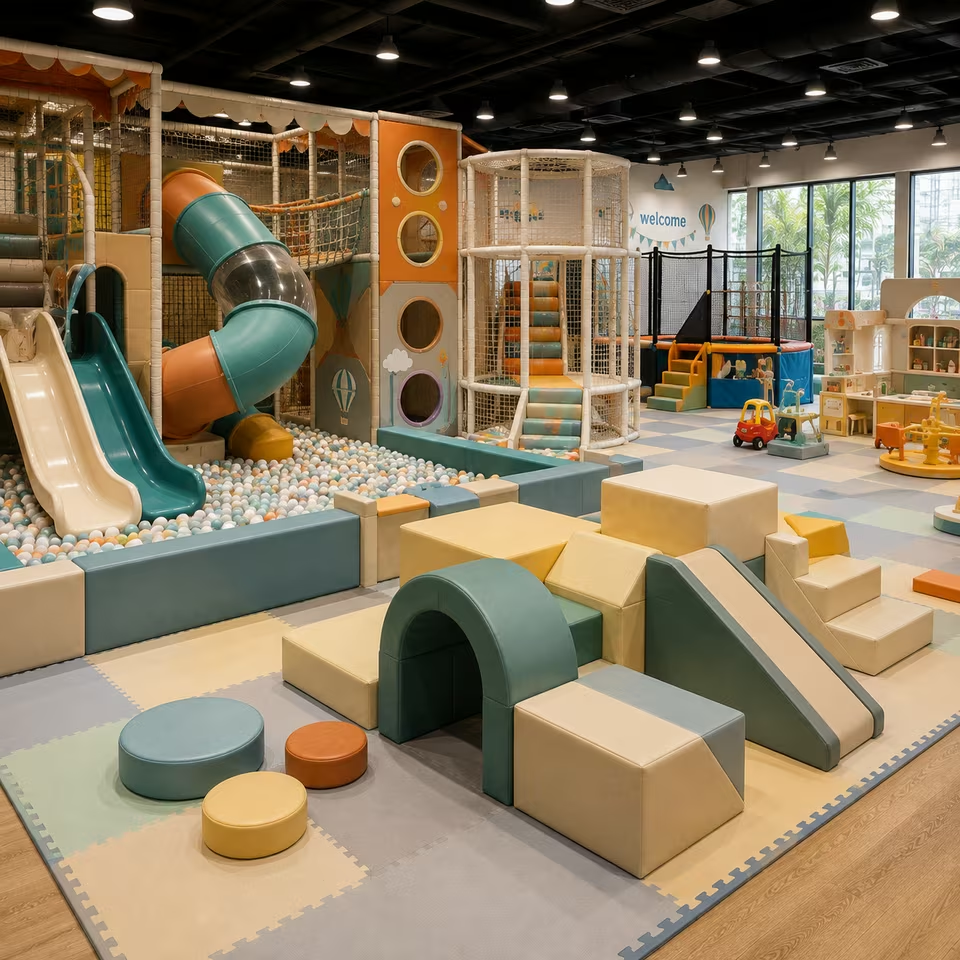
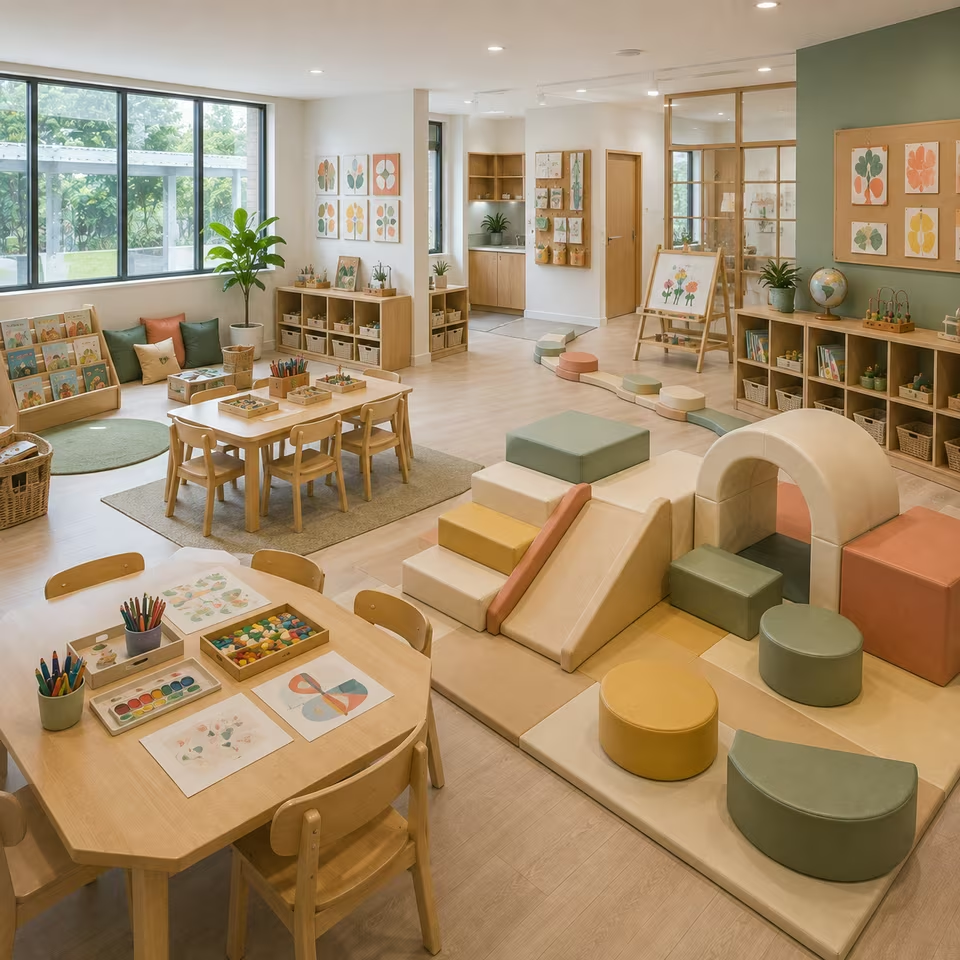
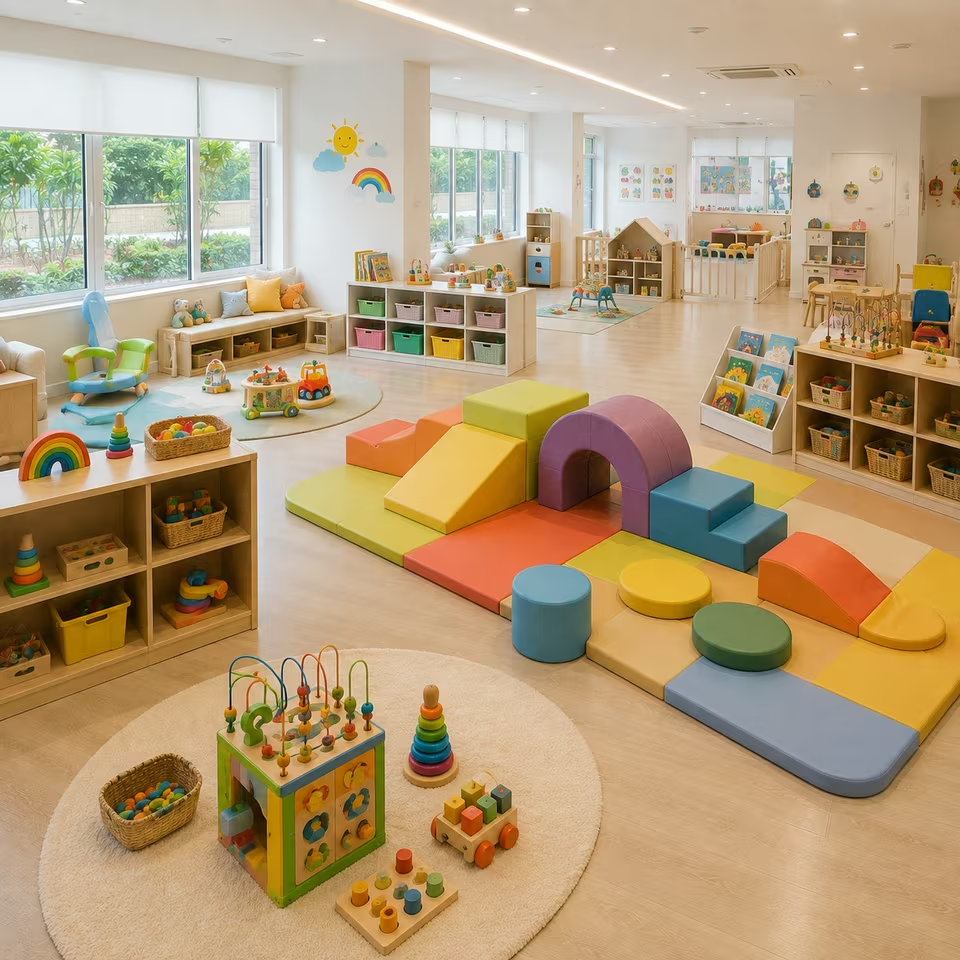
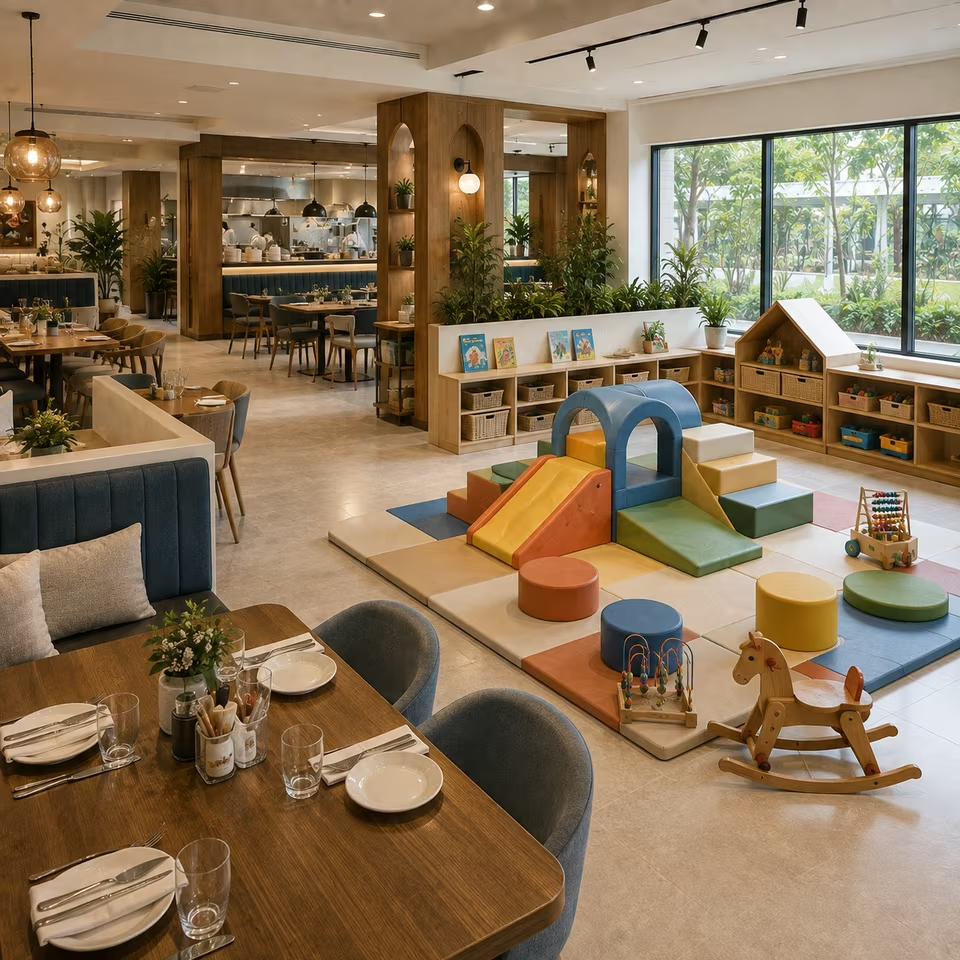
Depending on their design, climbing experiences can come from soft play shapes, steps, ramps, platforms, dedicated climbers, climbing walls, combination play sets, and other equipment that involves movement between levels.
No. Age can provide context, but current abilities, confidence, experience, equipment design, height, route complexity, environment, and supervision should also be considered.