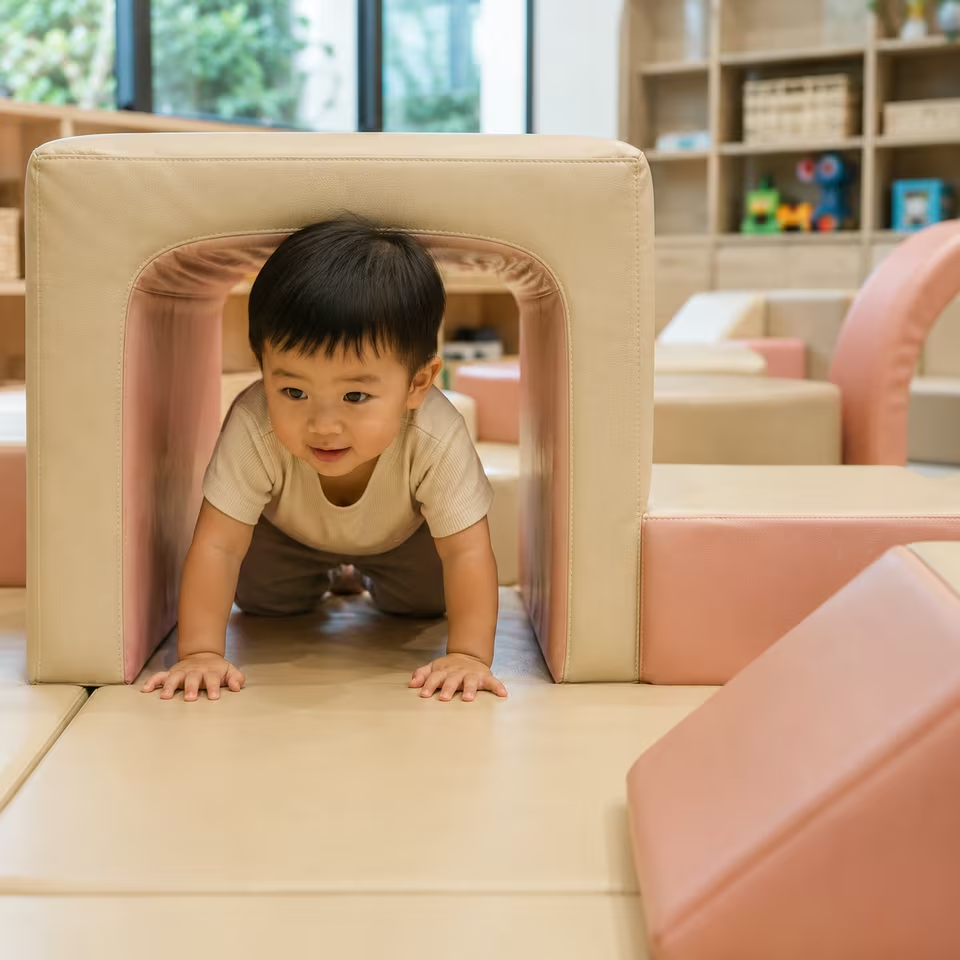
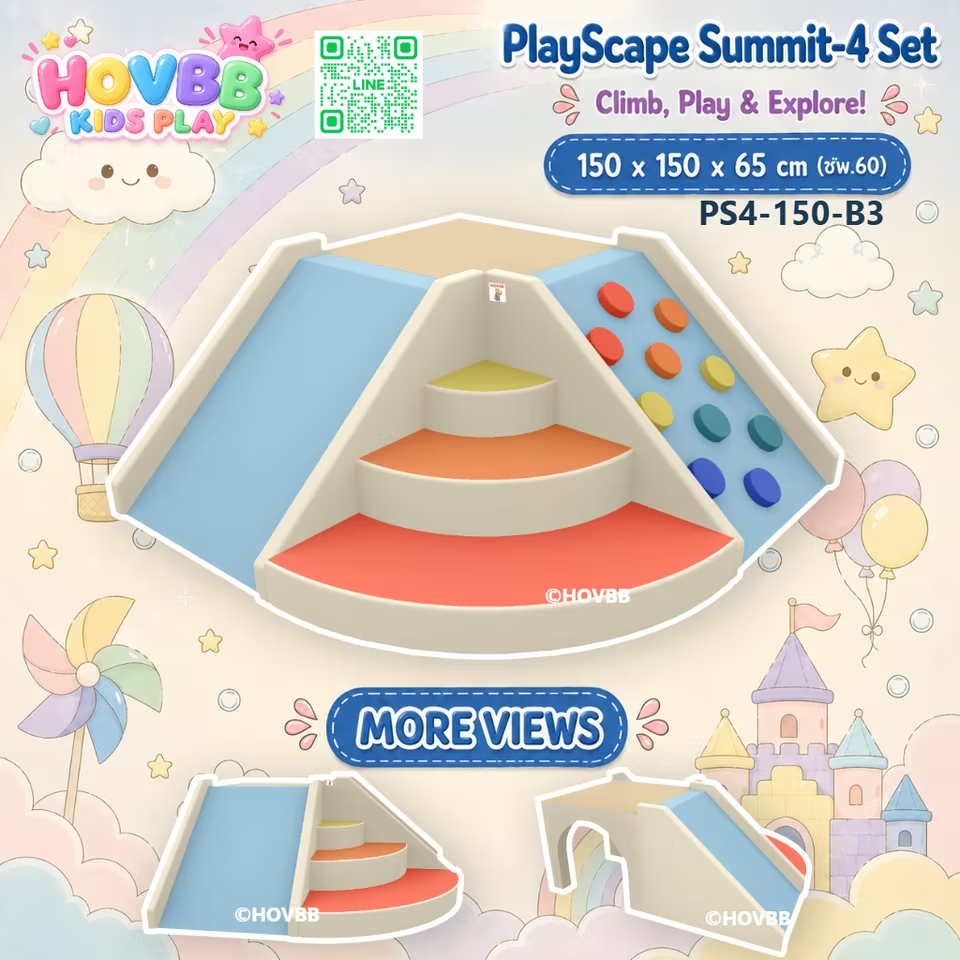
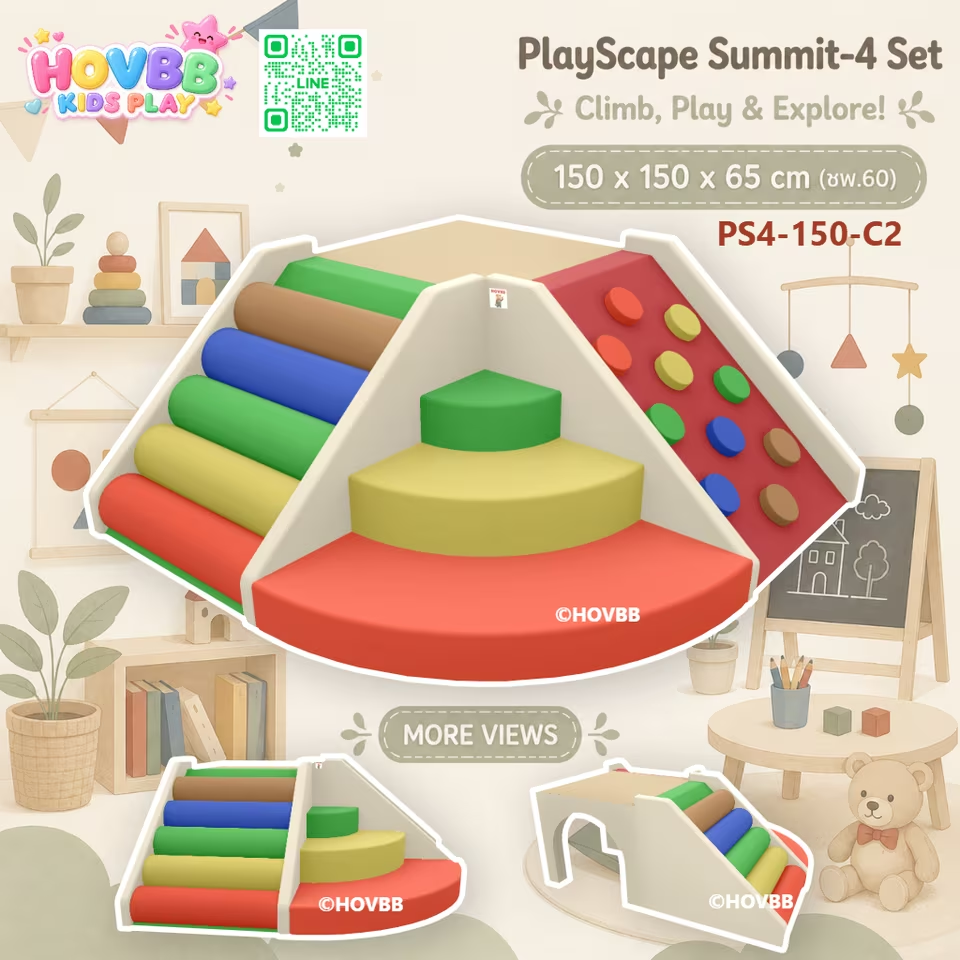
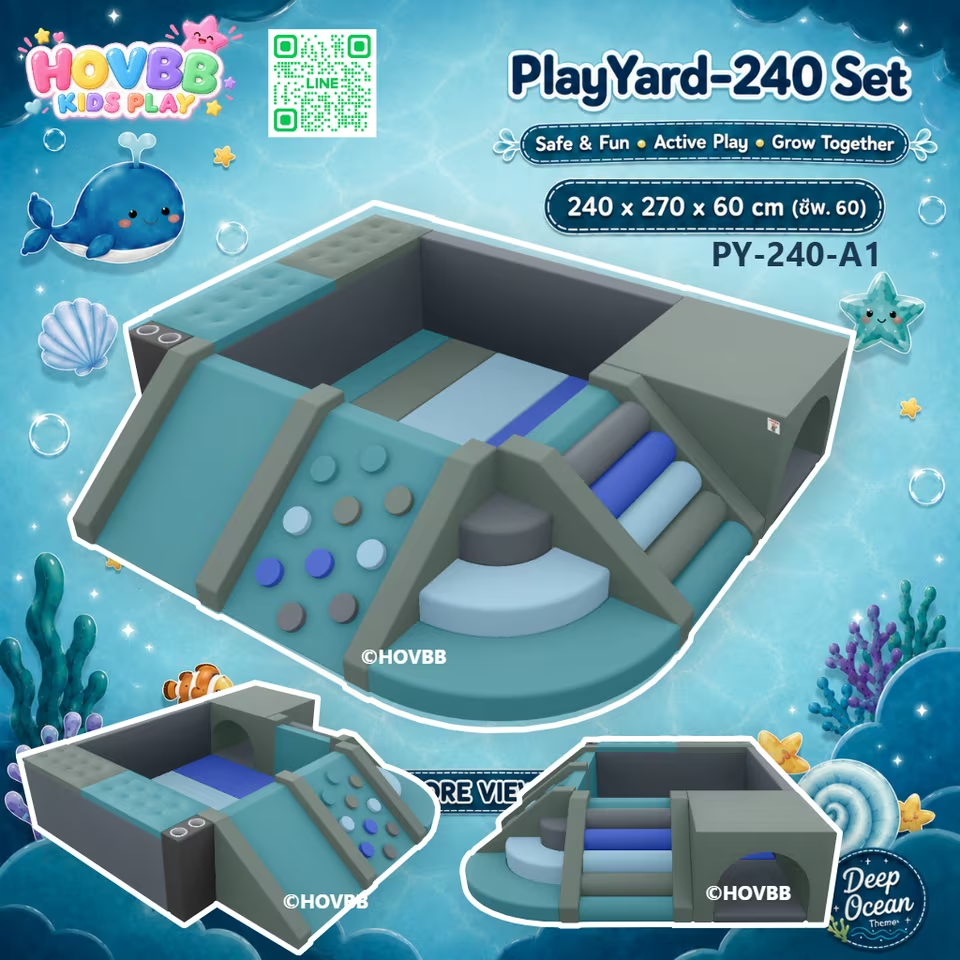
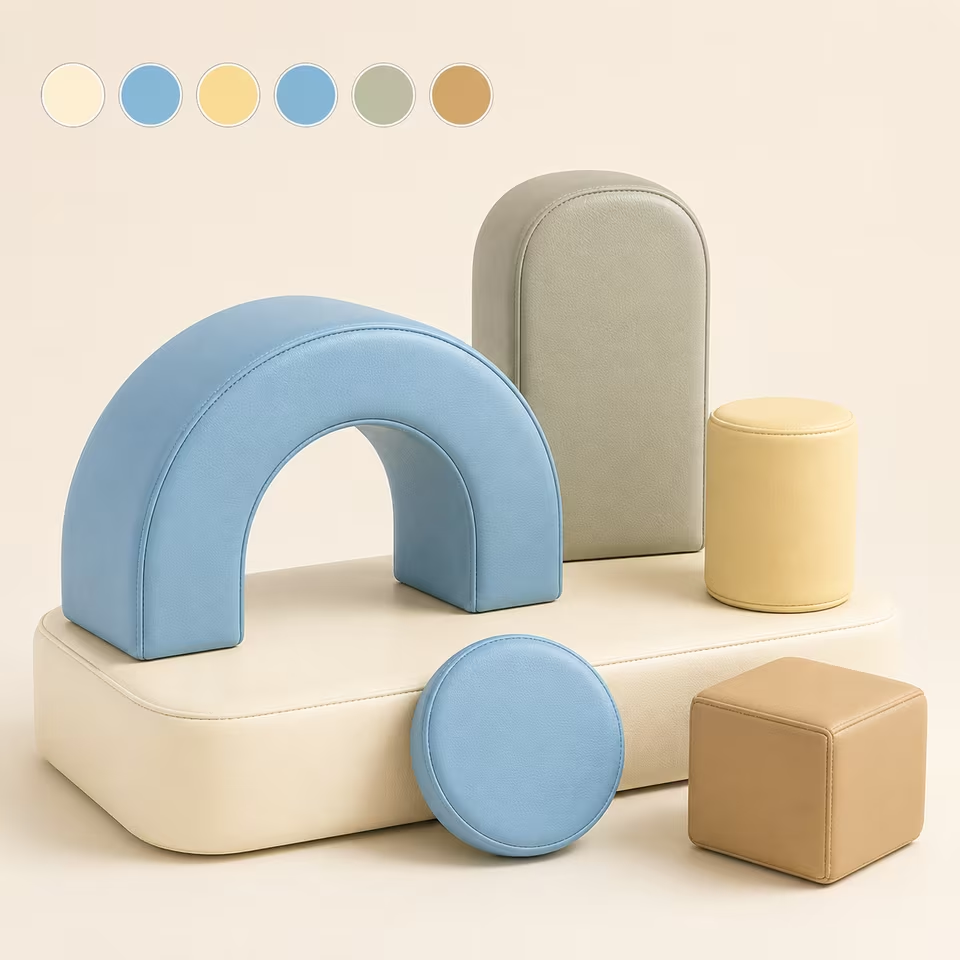
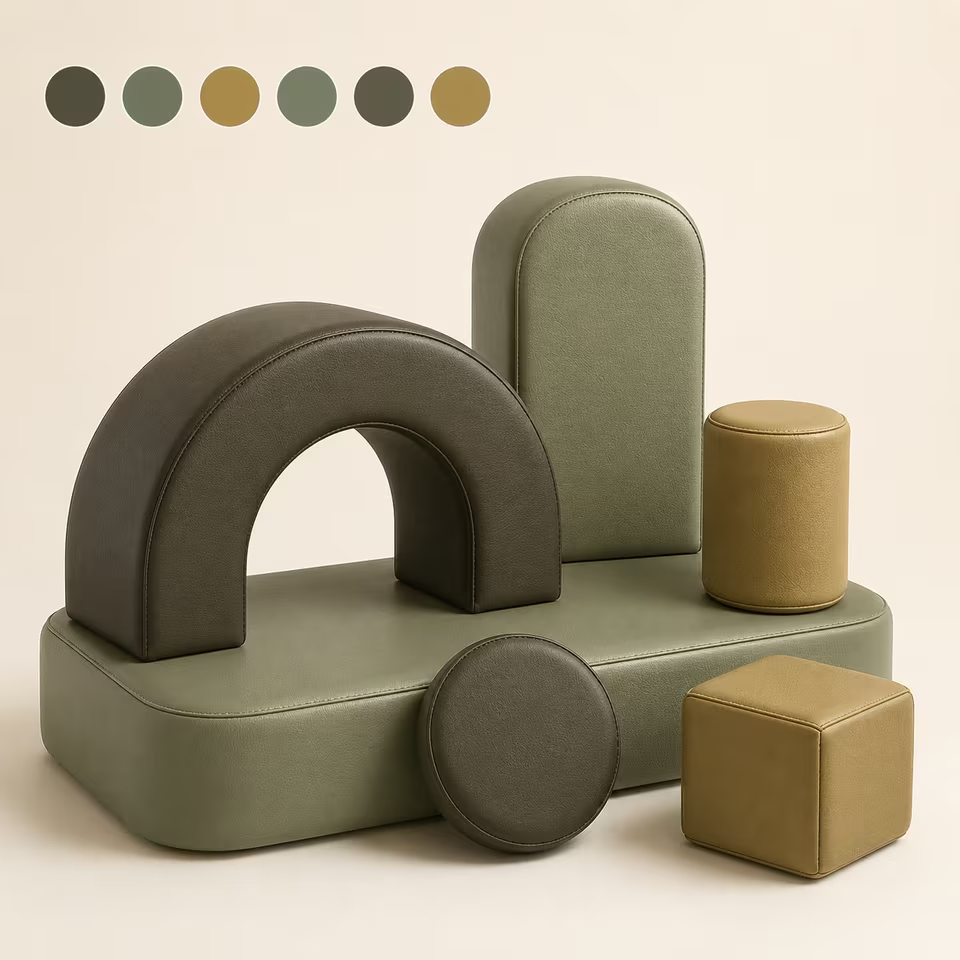
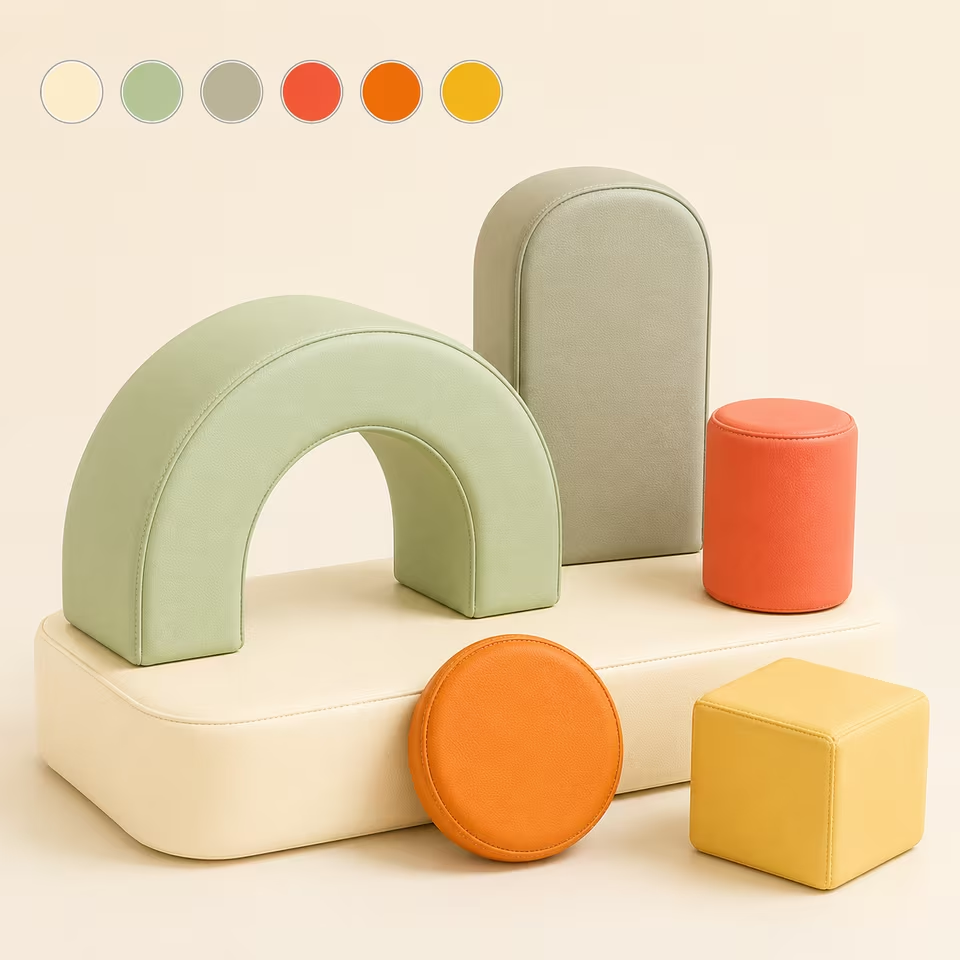
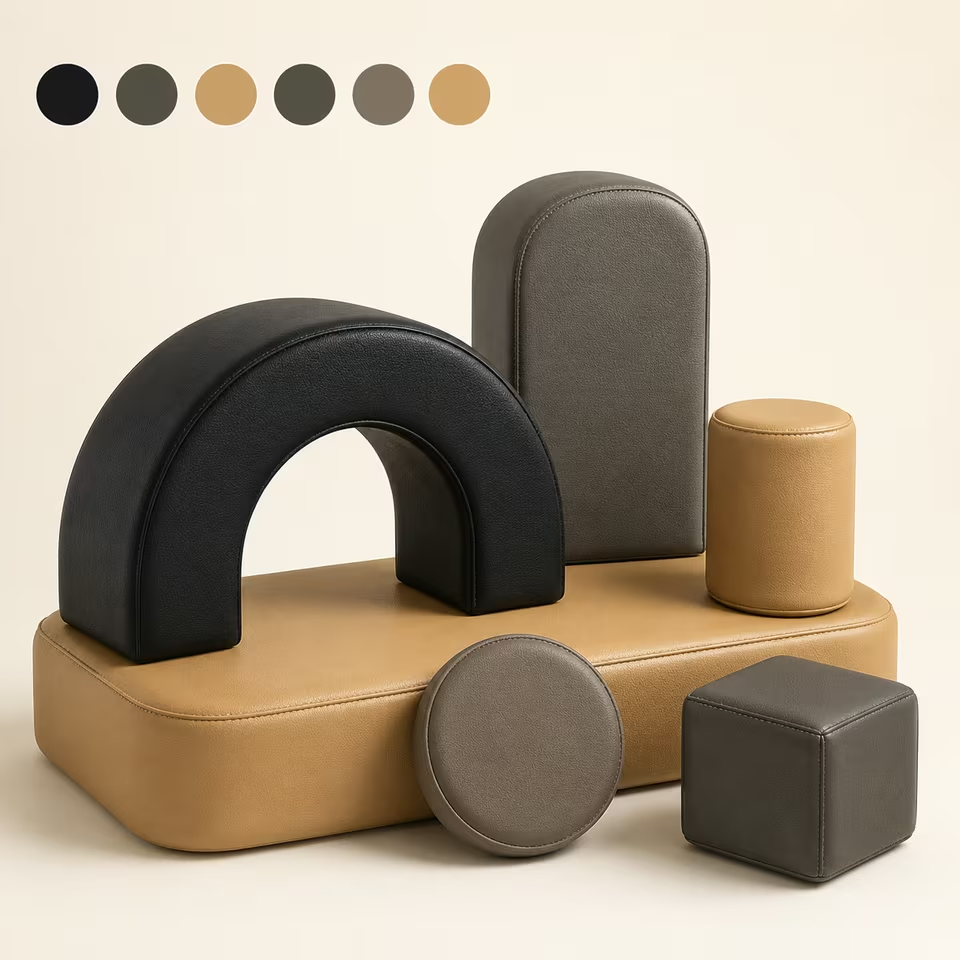
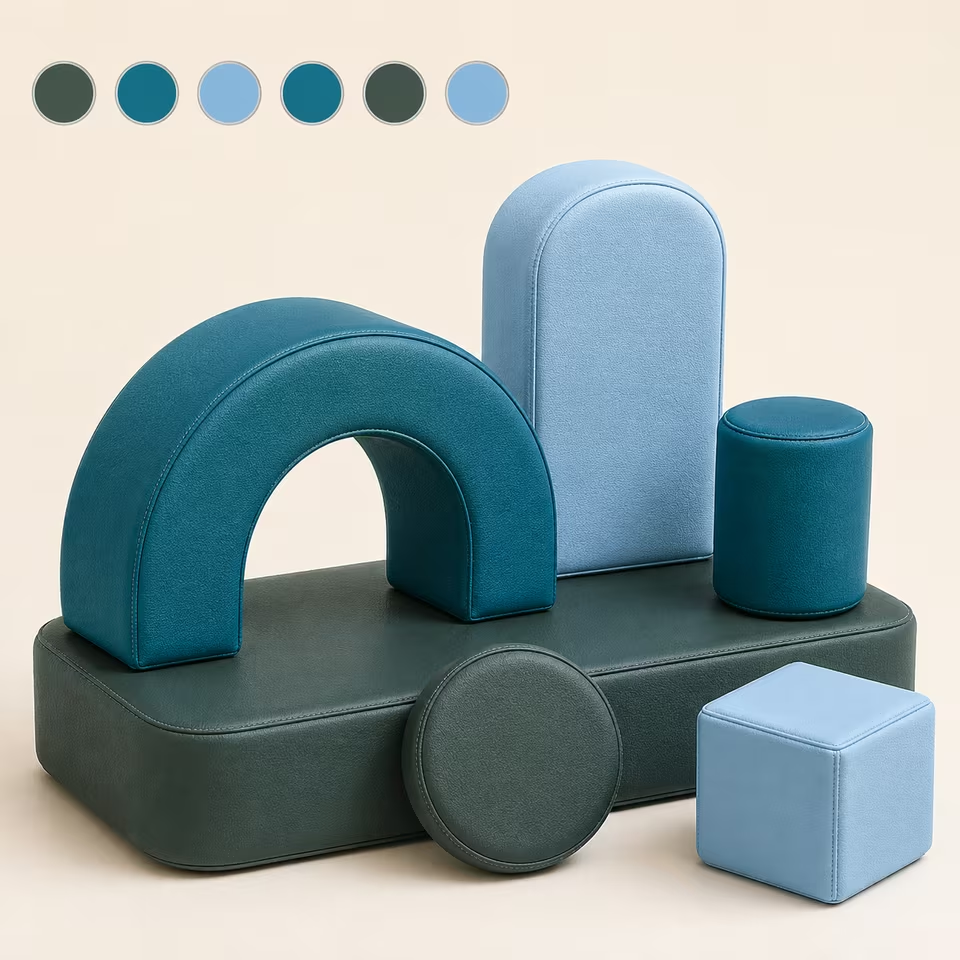
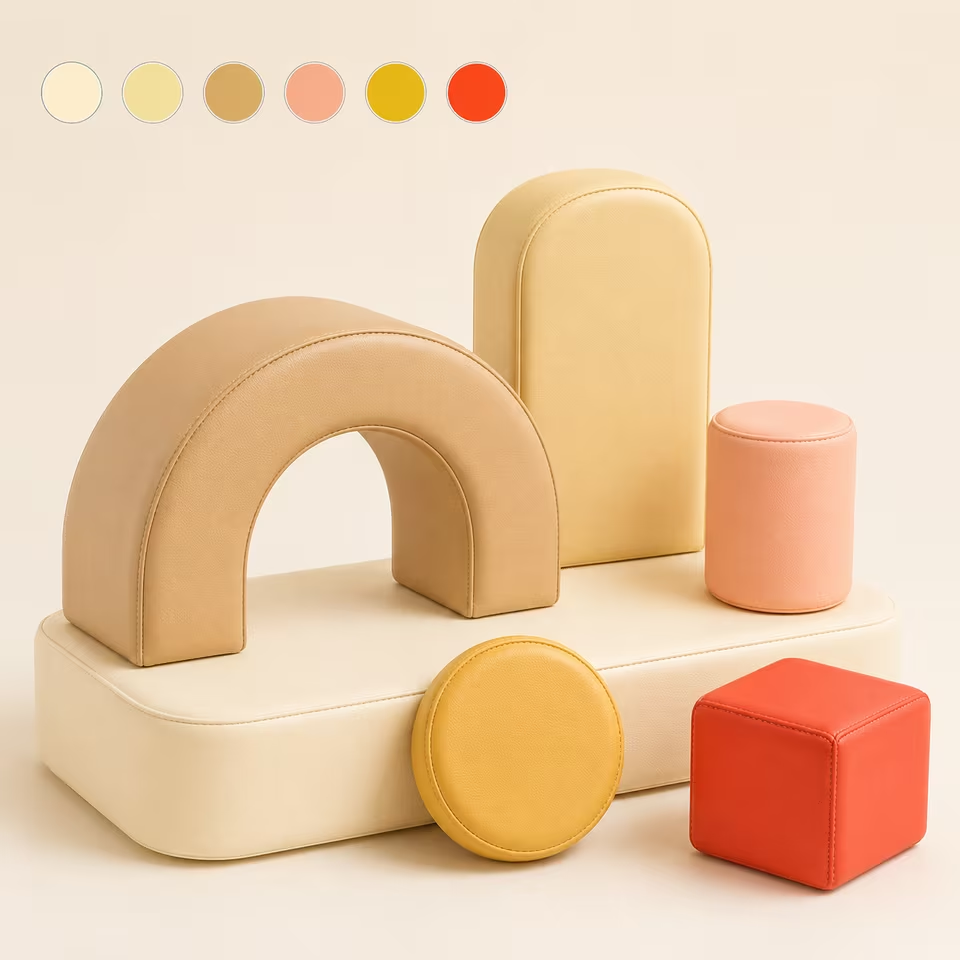
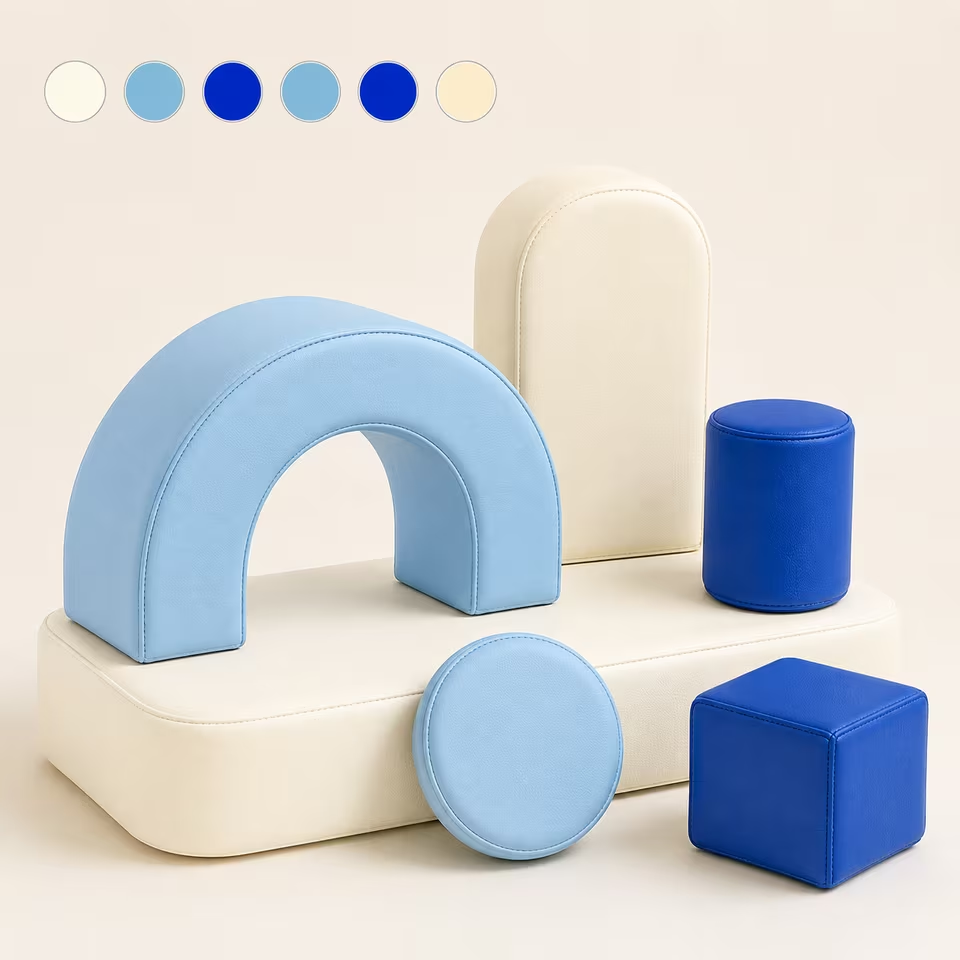
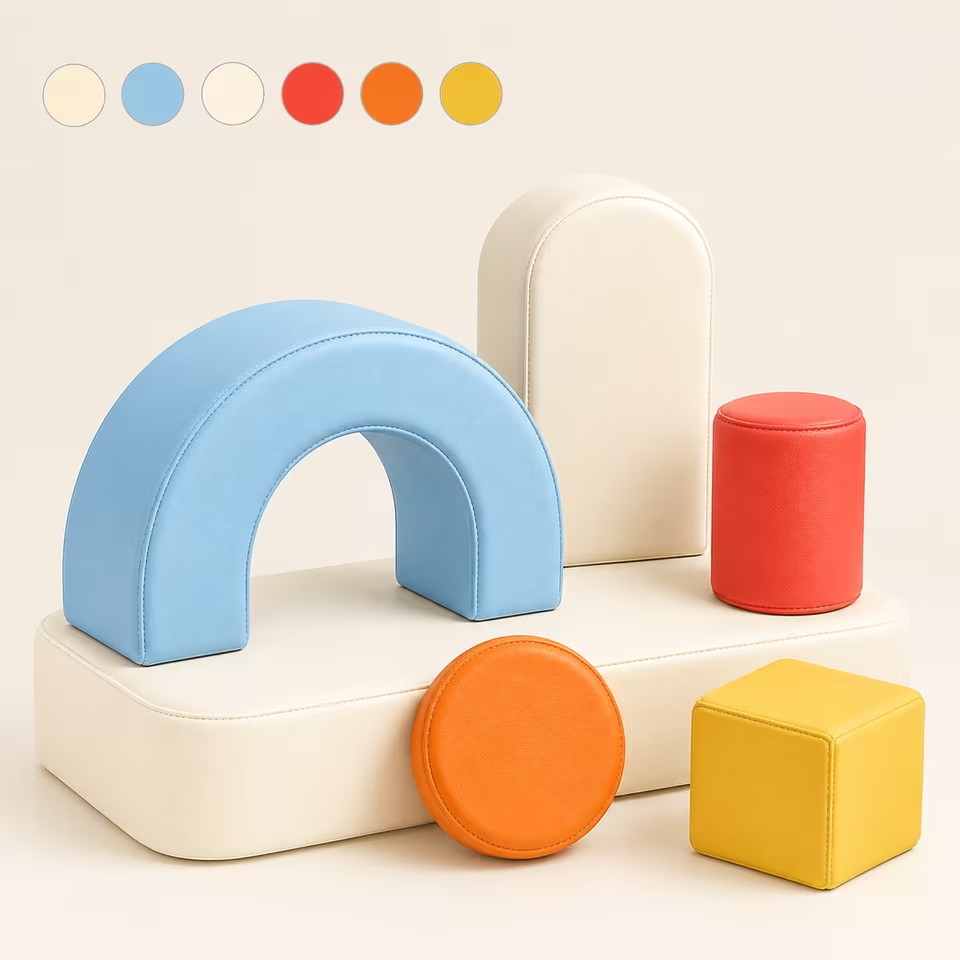
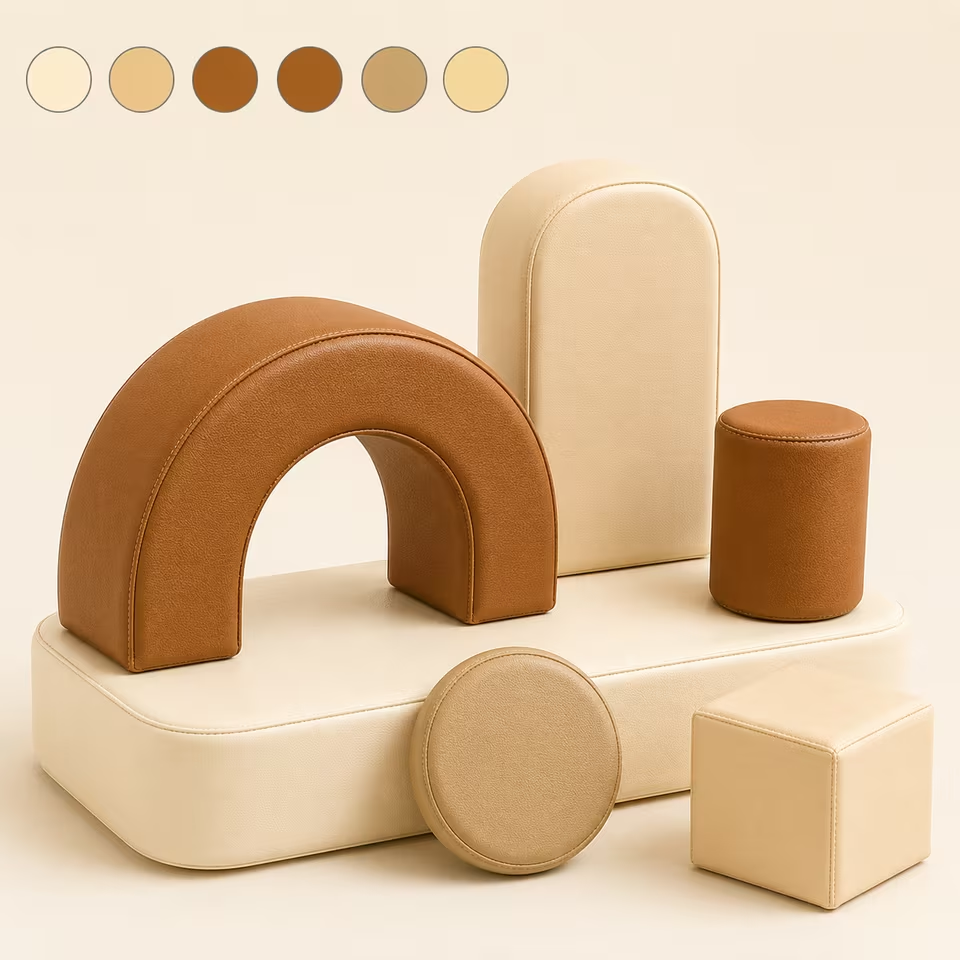
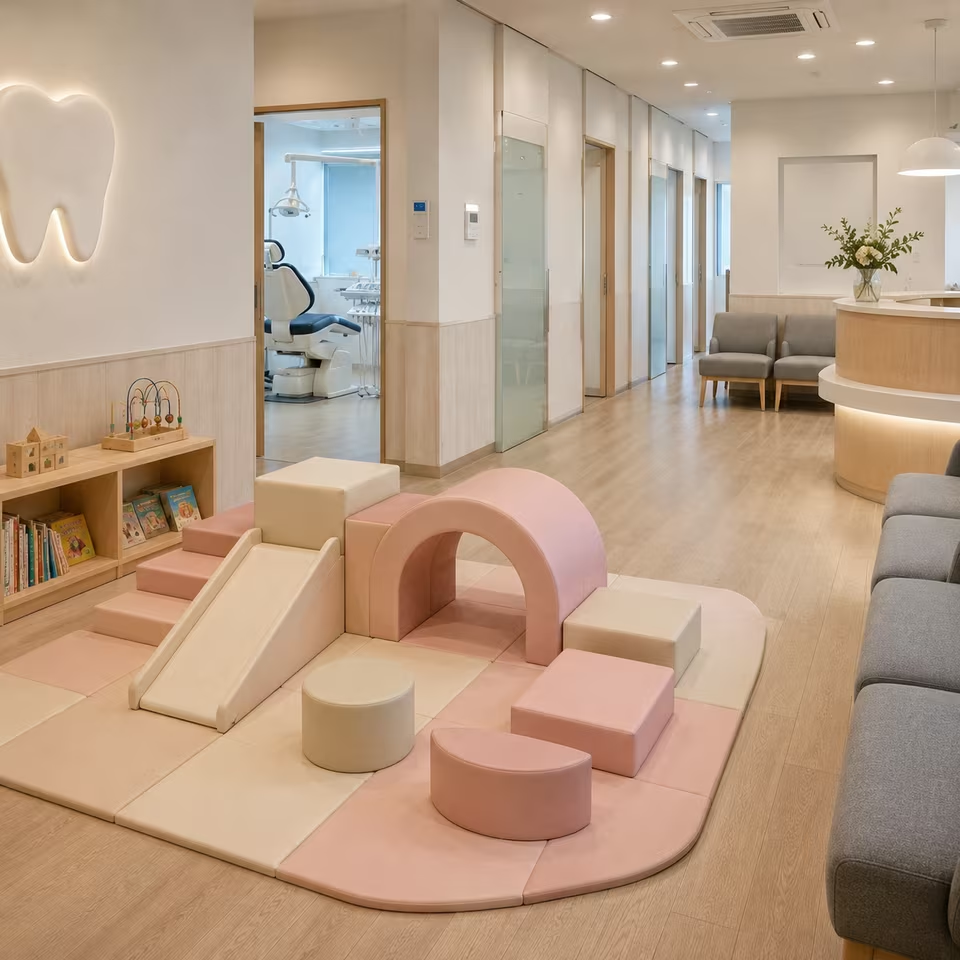
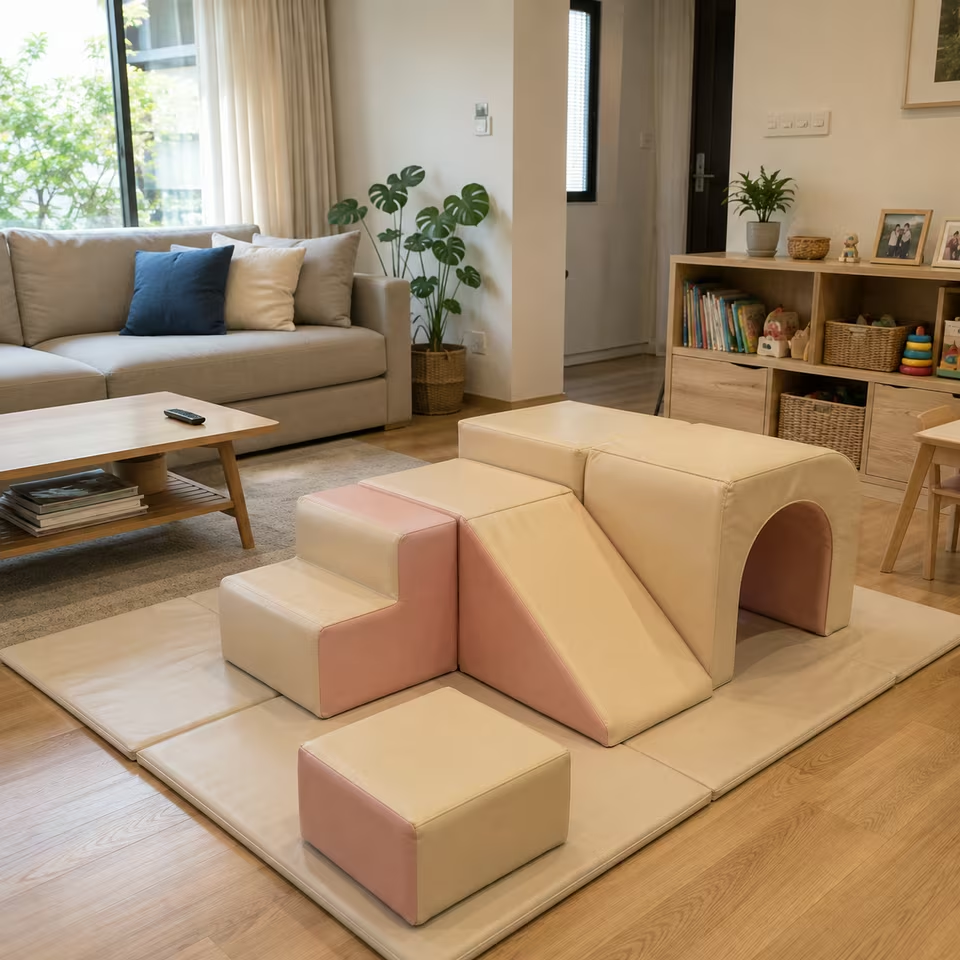
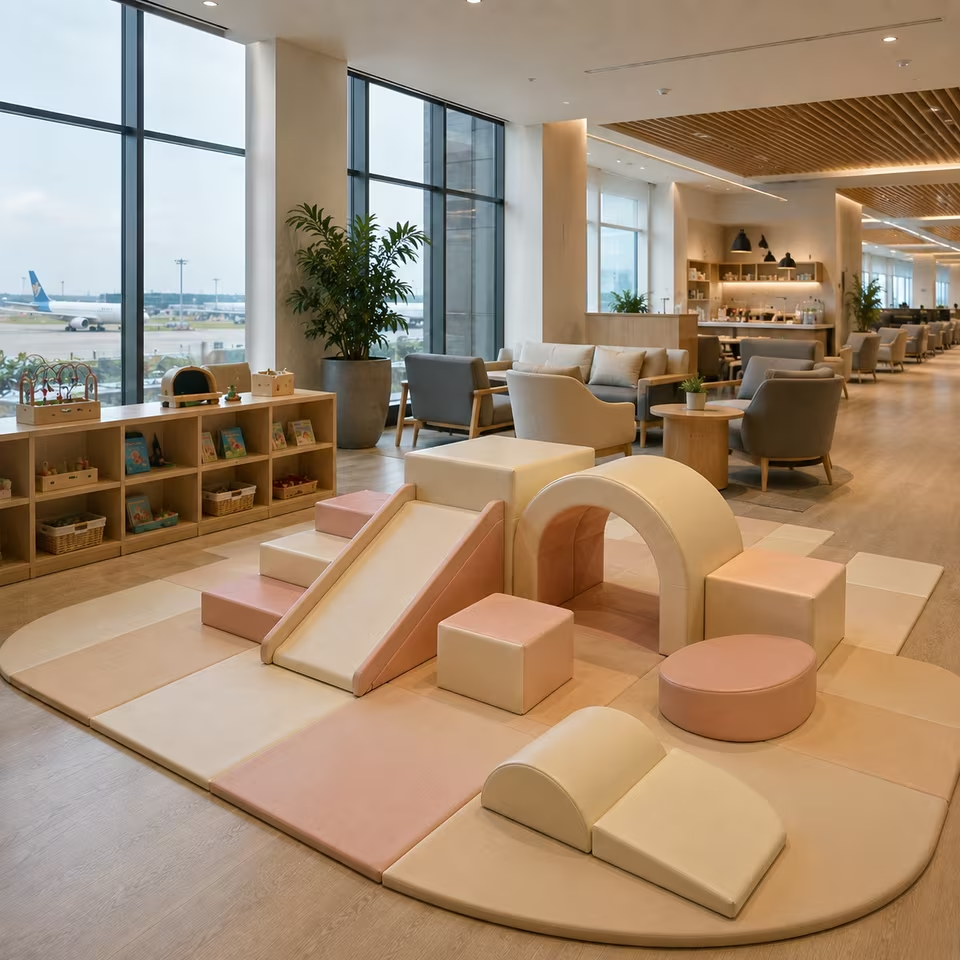
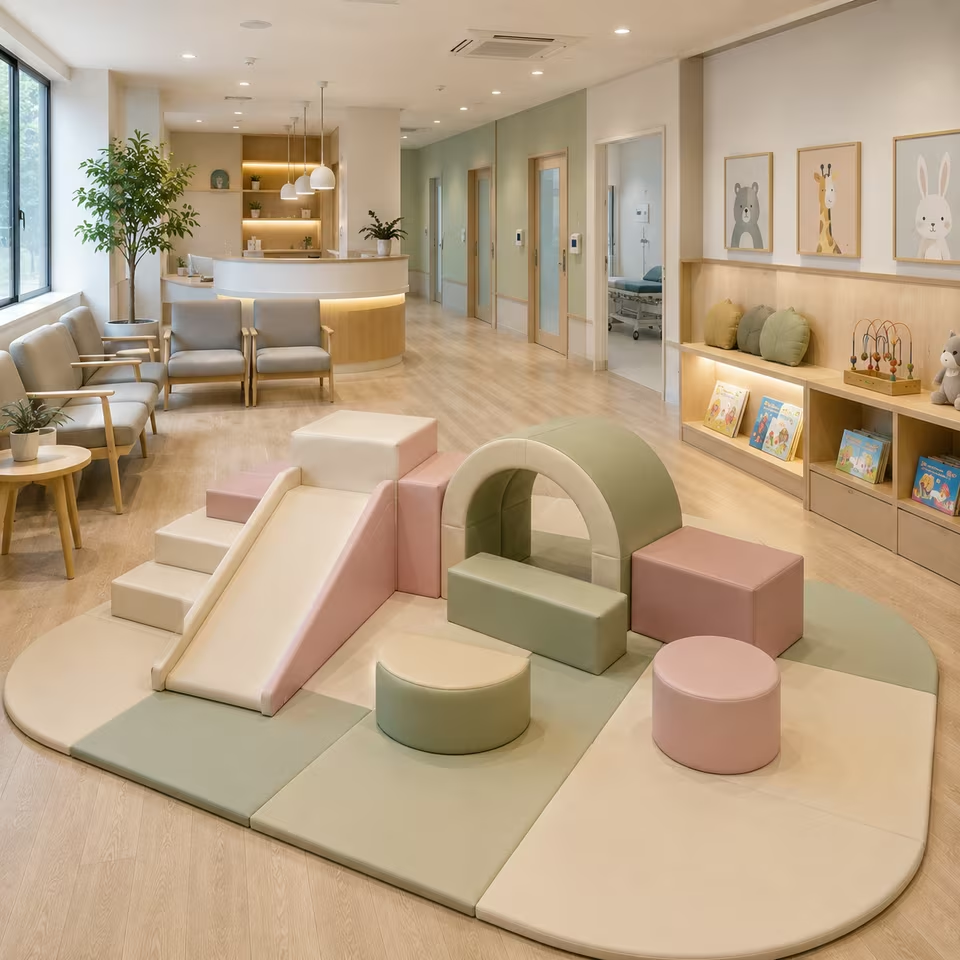
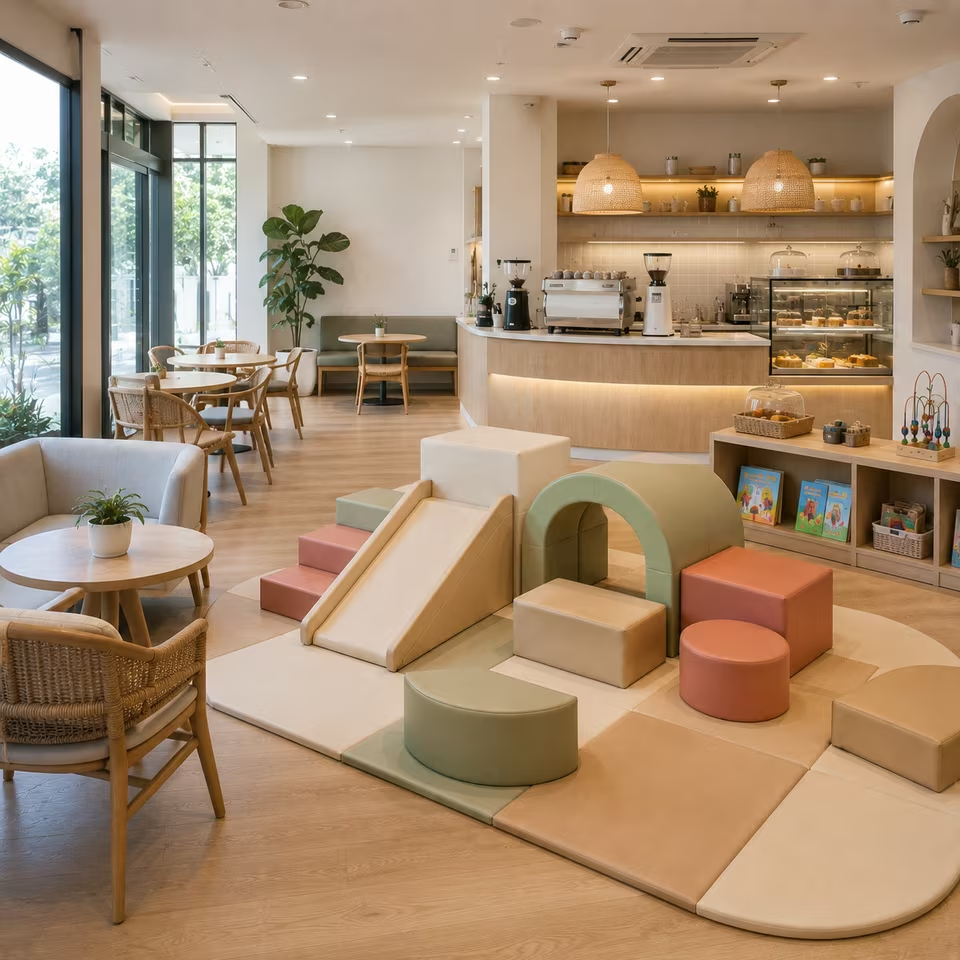
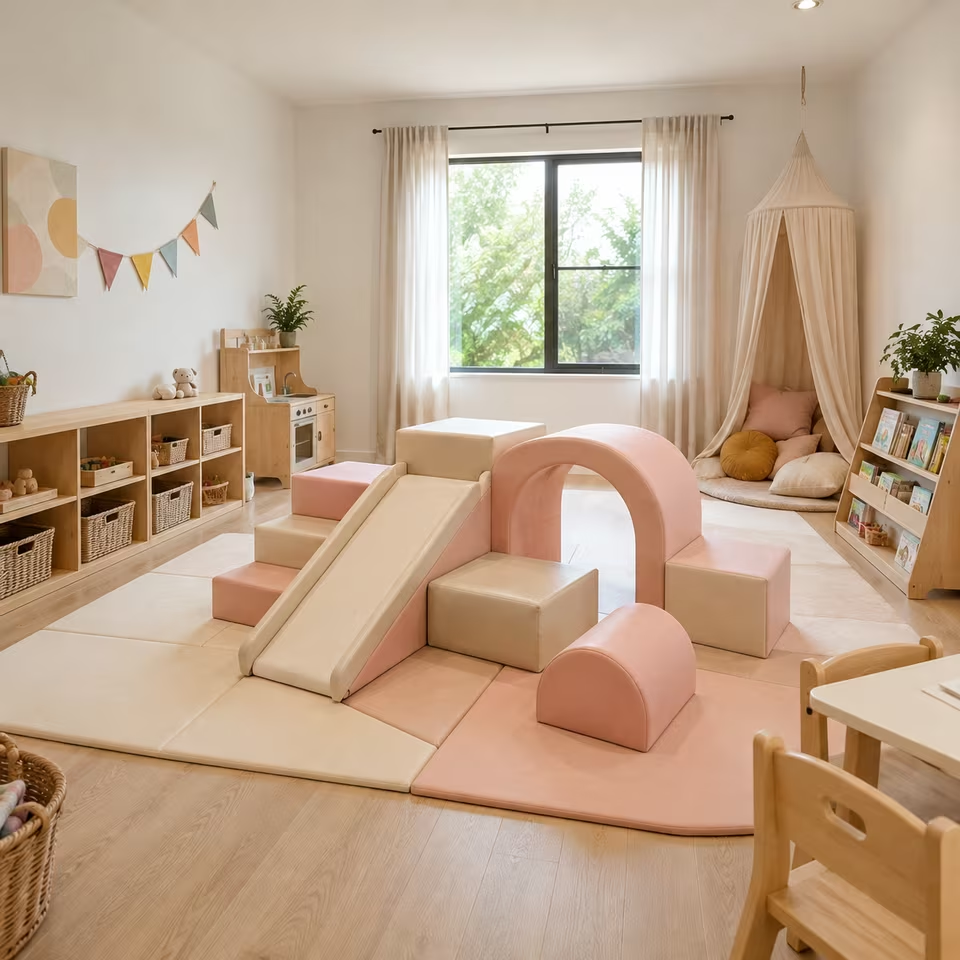
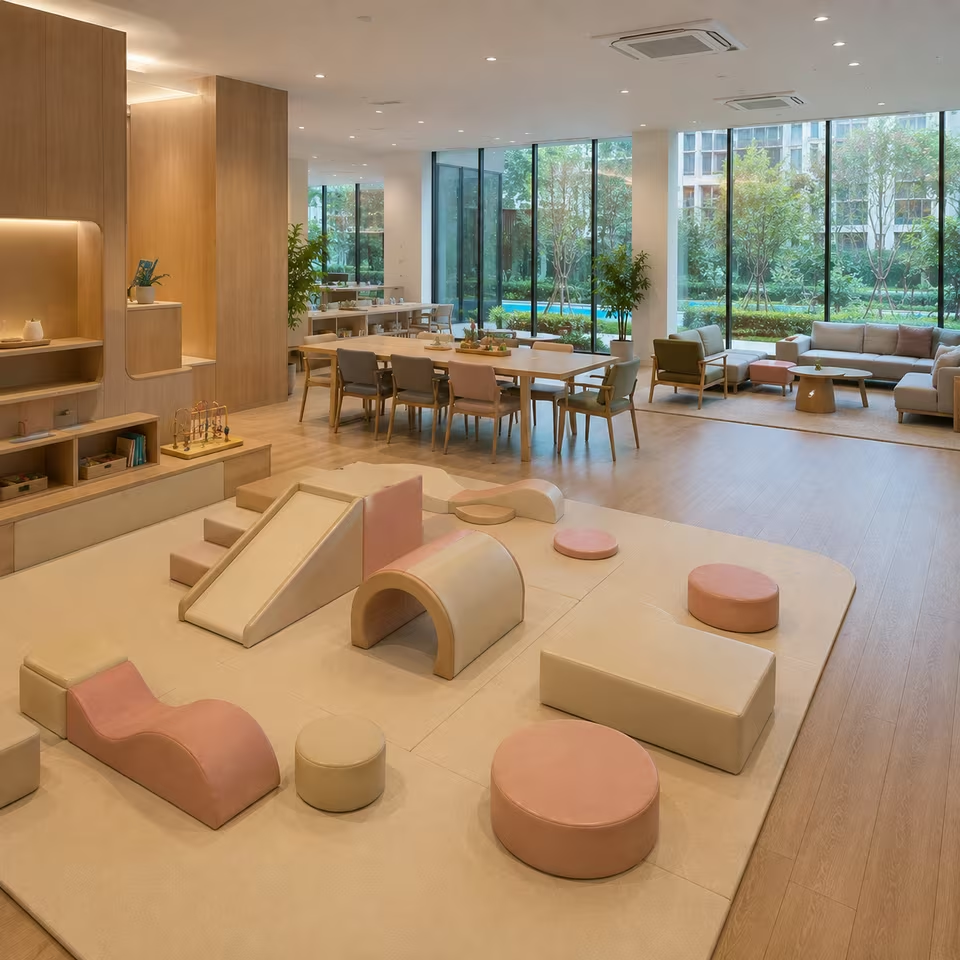
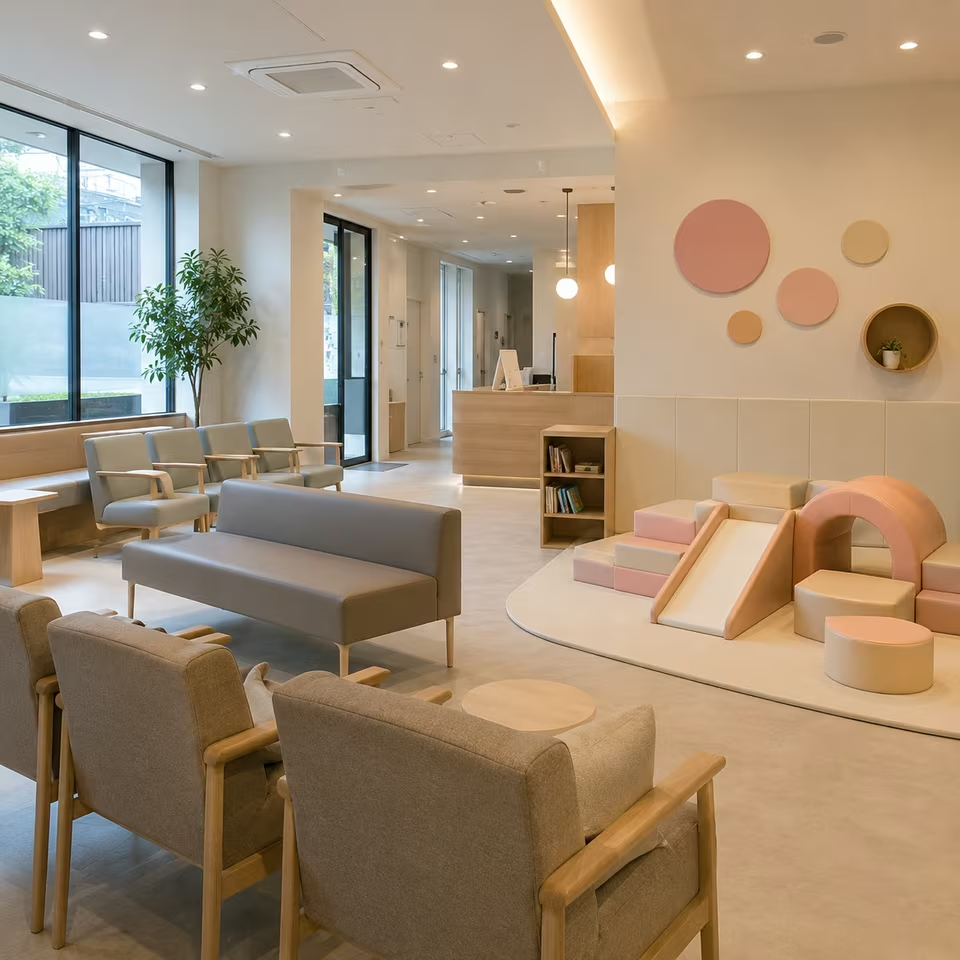
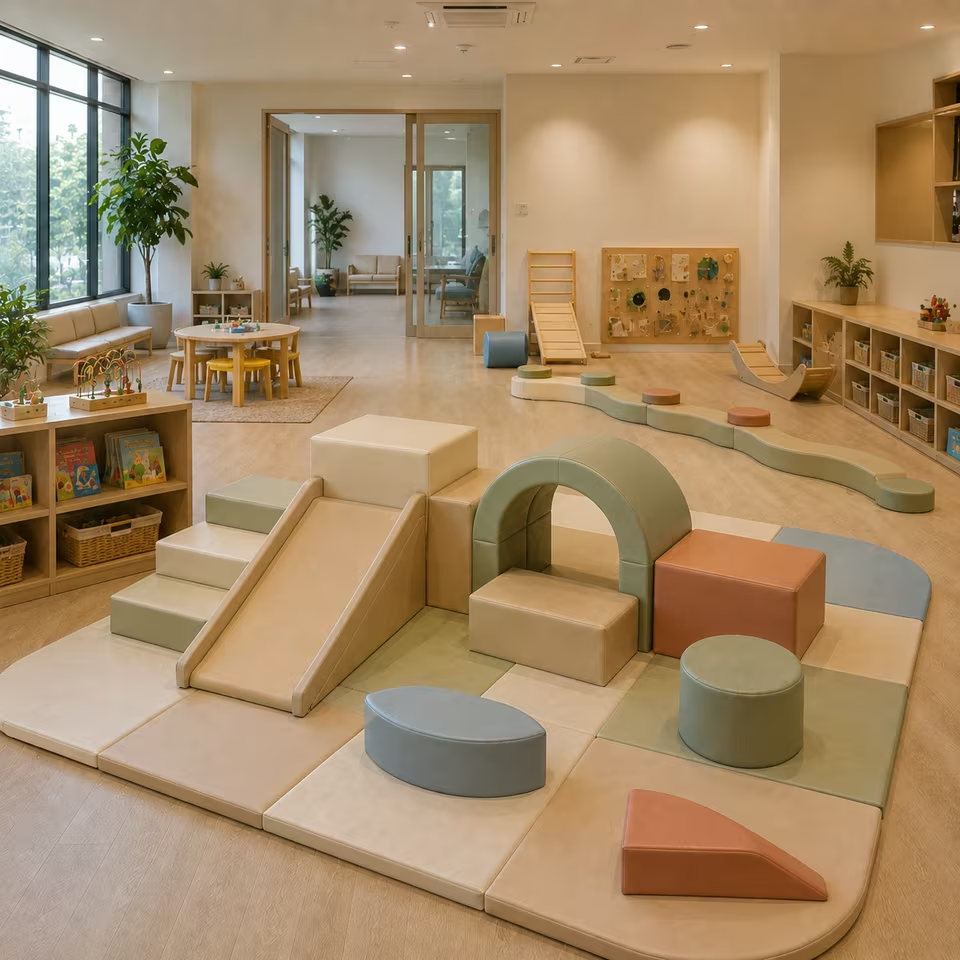
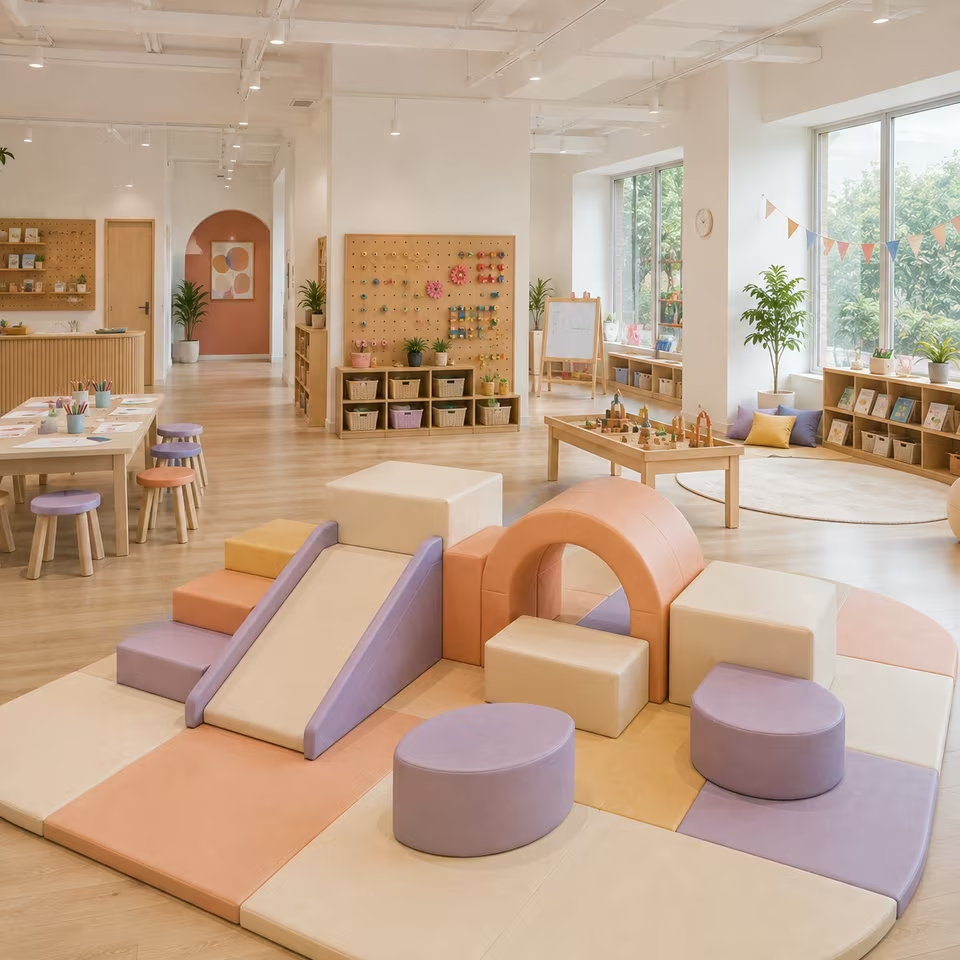
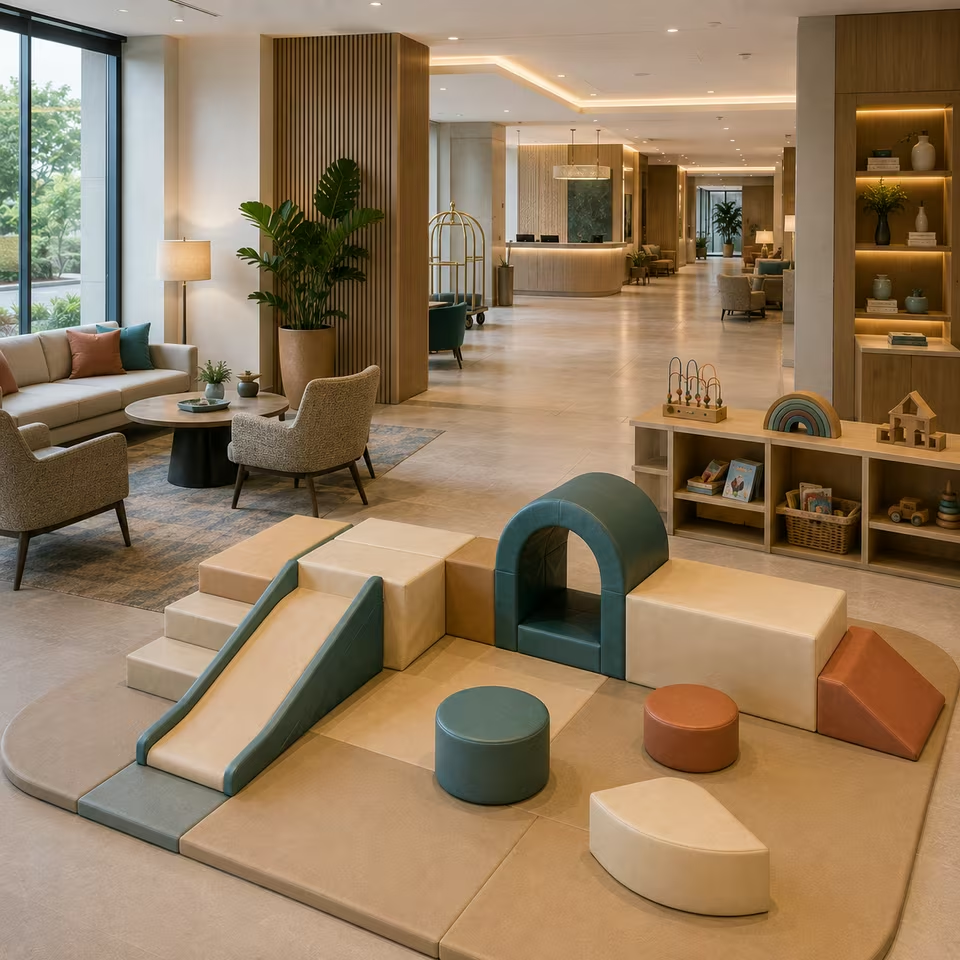
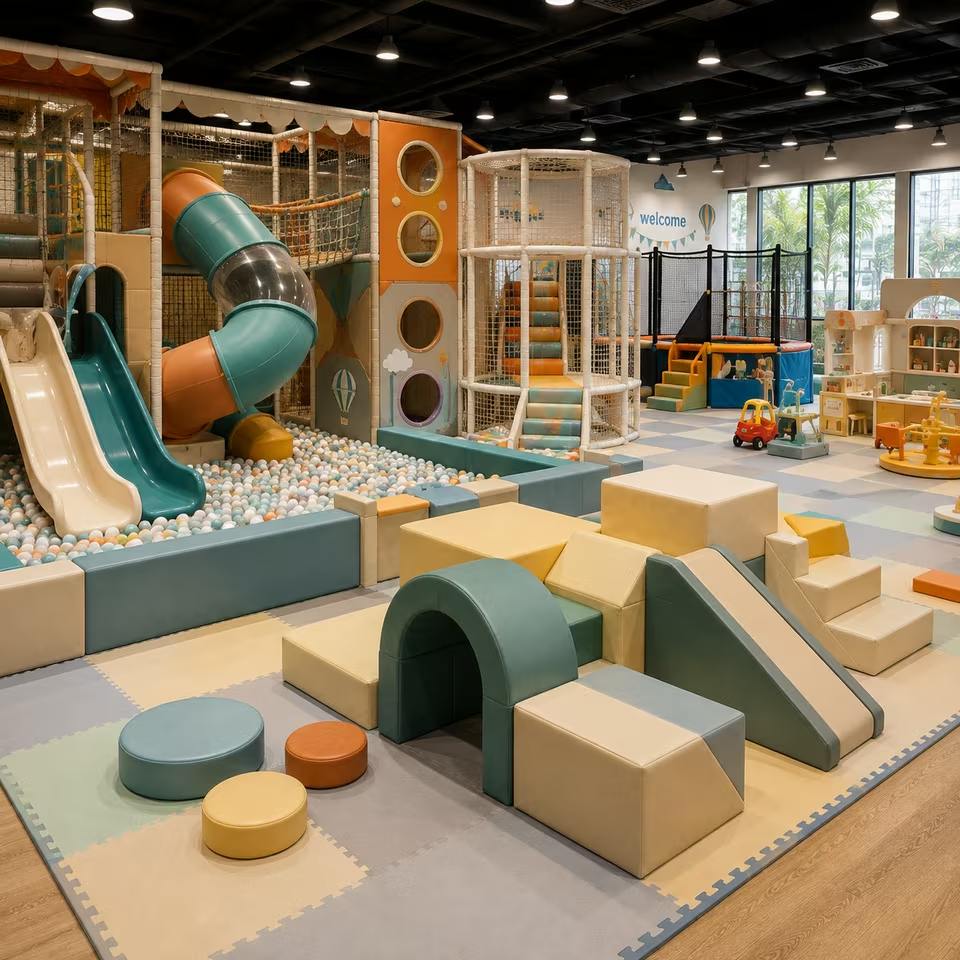
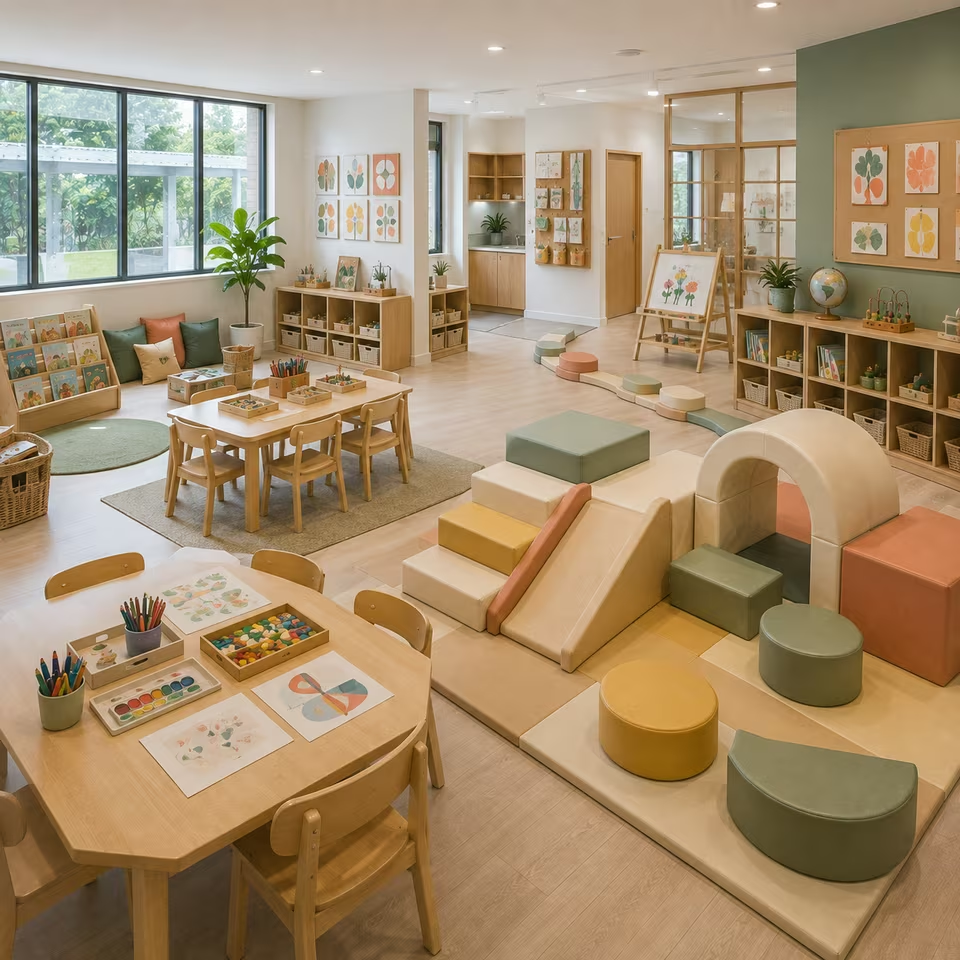
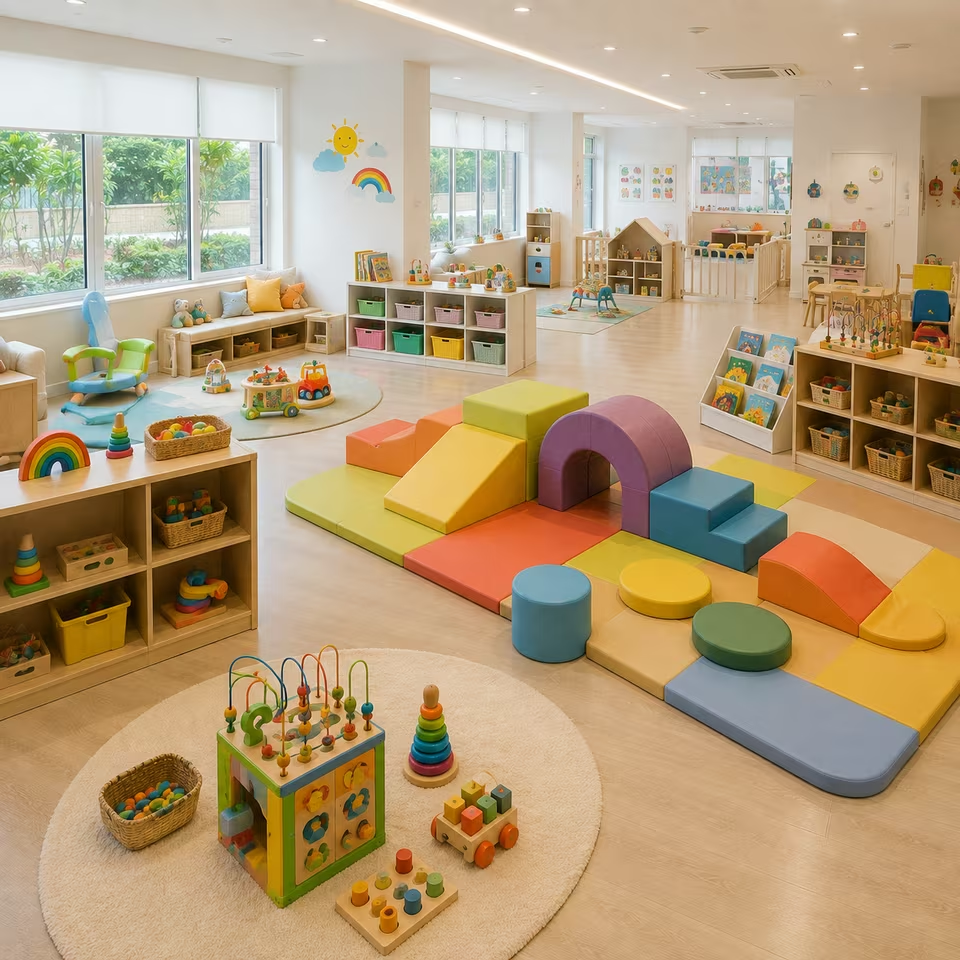
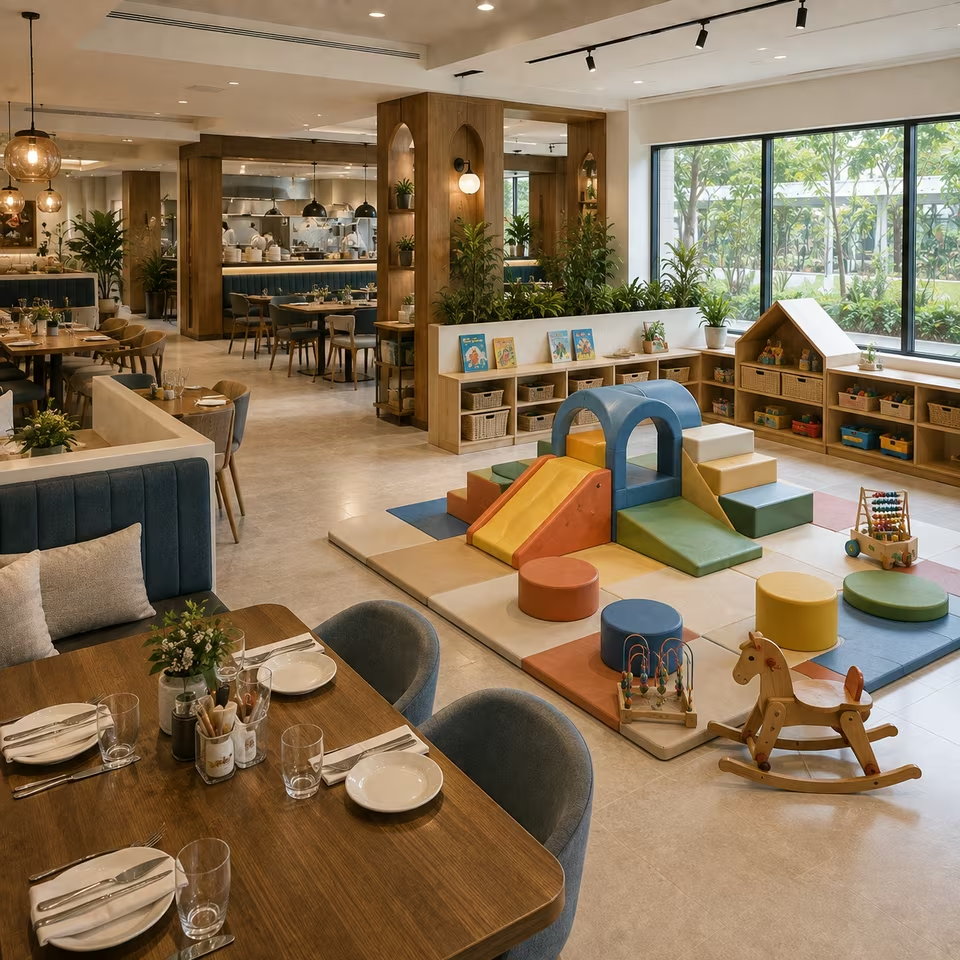
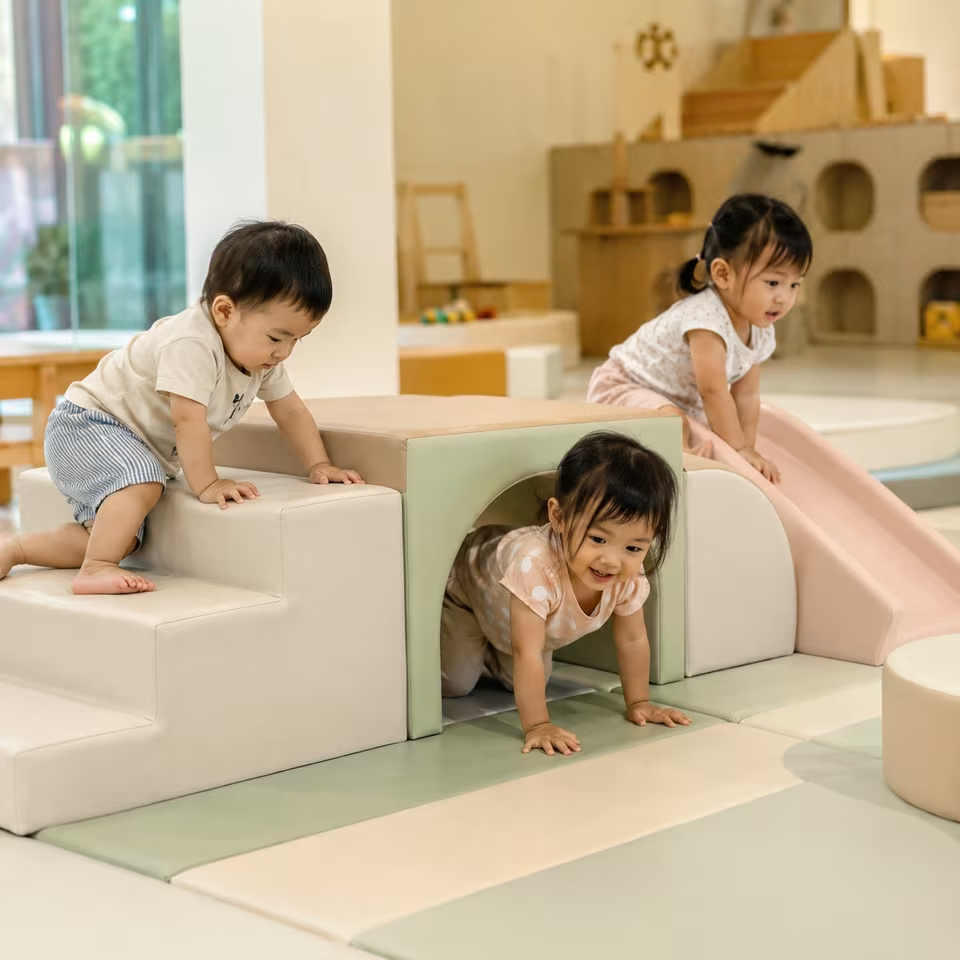
Crawling gives children an early way to explore their surroundings while developing coordination, body awareness and confidence through movement.
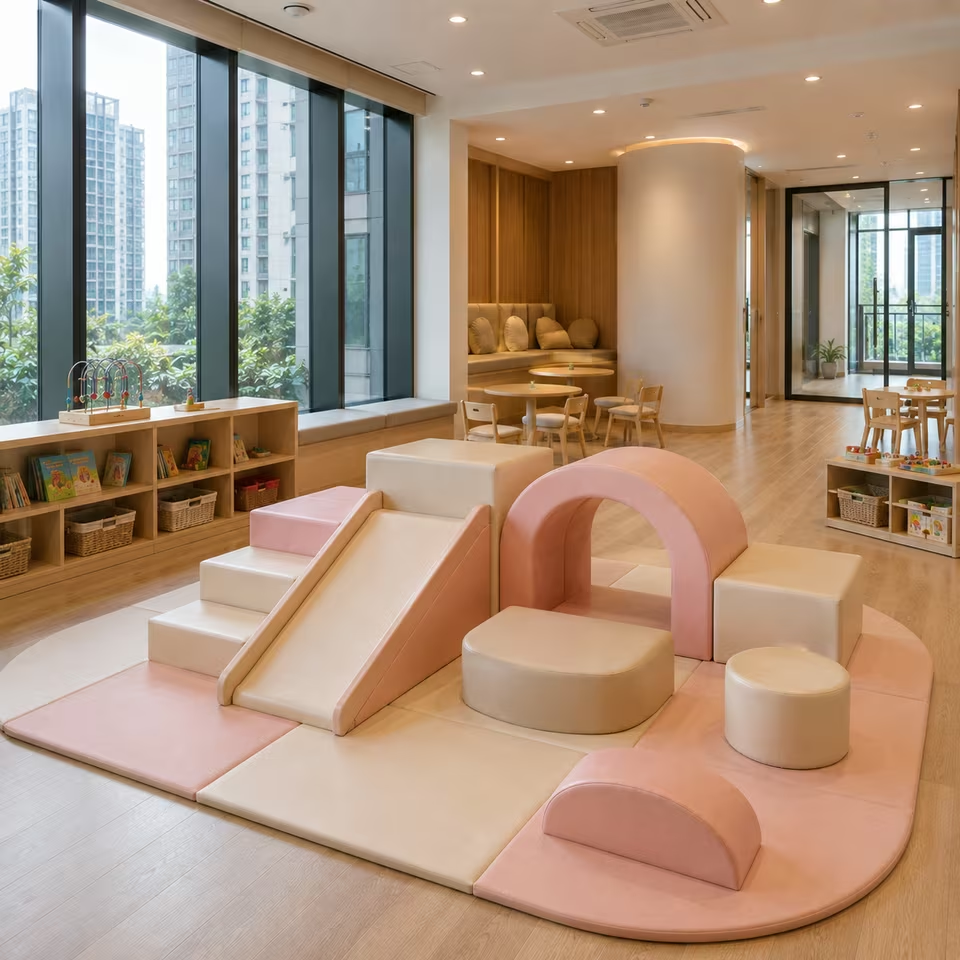
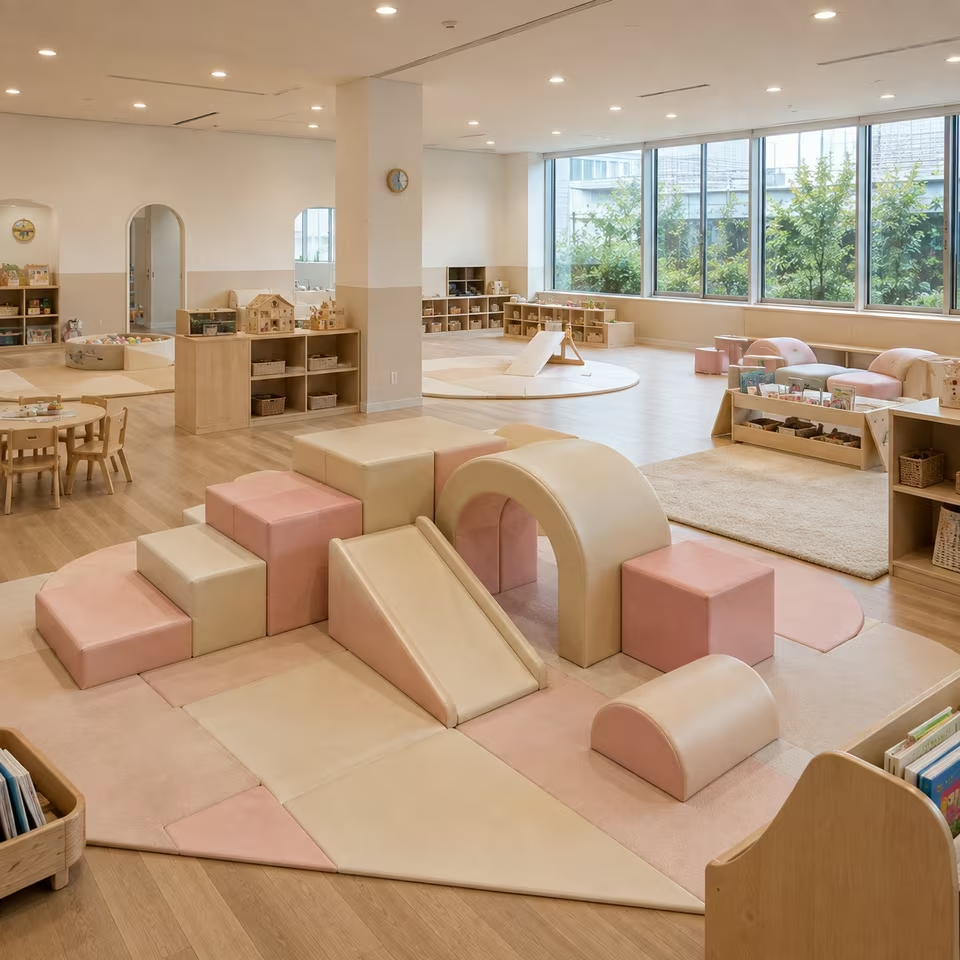
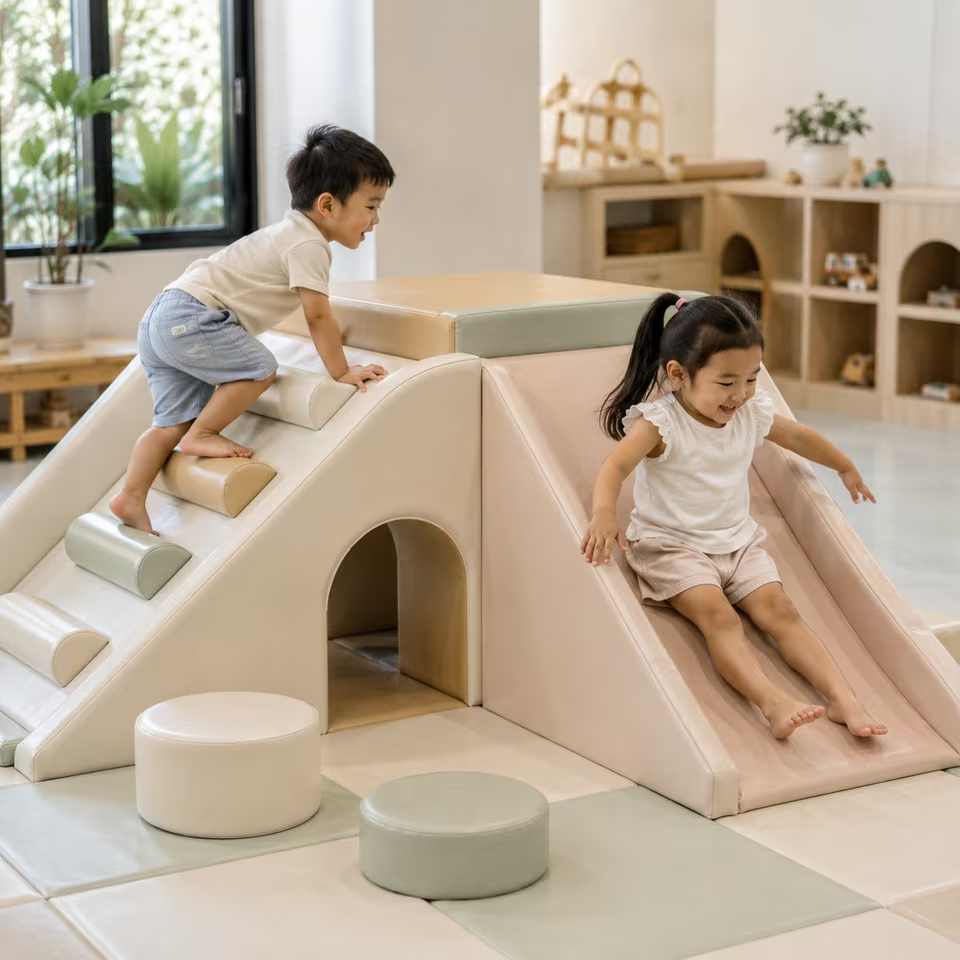
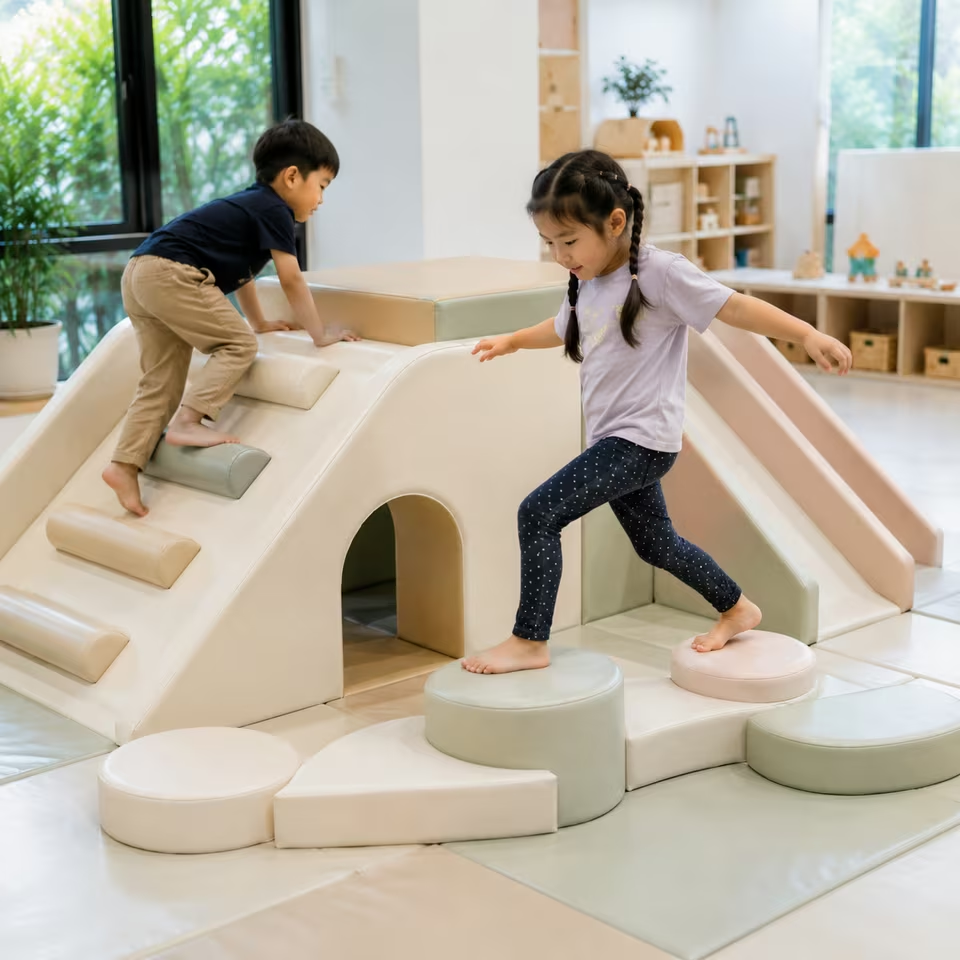
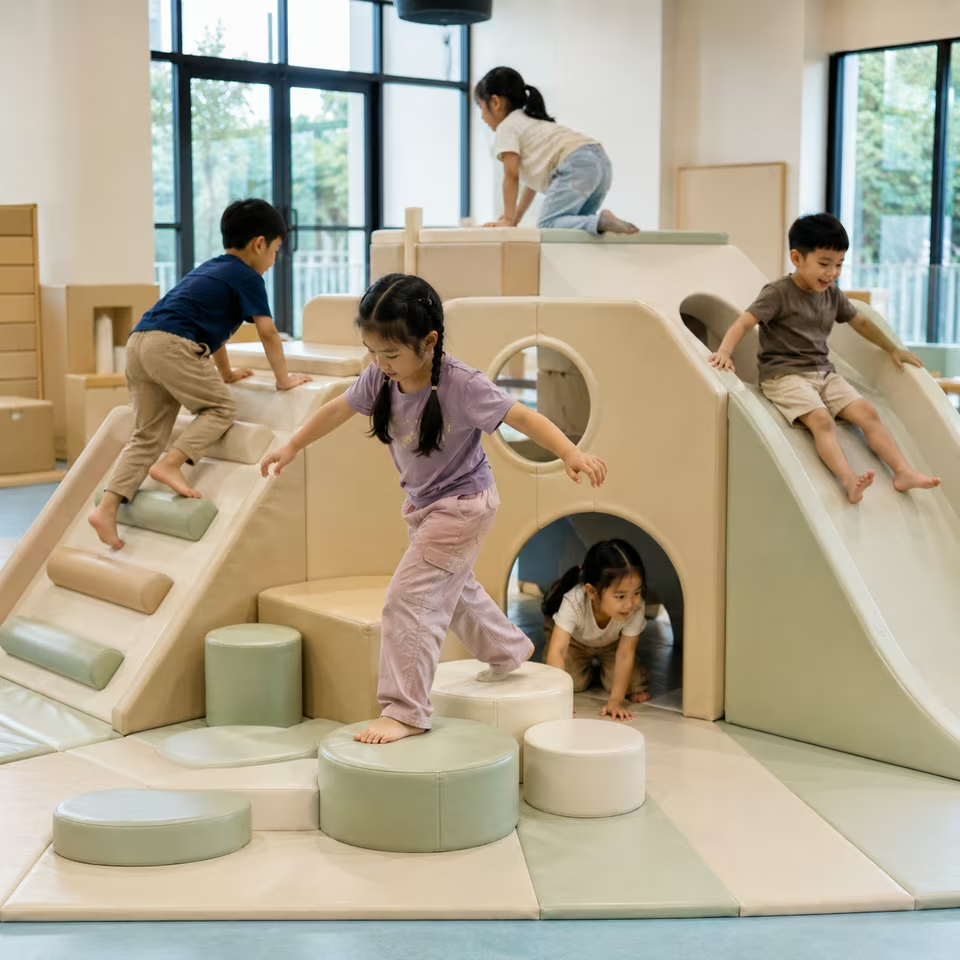
Crawling is an important form of early movement that allows children to explore independently at floor level. As children move across different surfaces, approach low obstacles and navigate simple changes in height, they gain experience coordinating their arms, legs and body while learning about distance, direction and space. A well-planned play environment can make this exploration more inviting by providing comfortable surfaces, approachable forms and simple movement choices that children can discover at their own pace.
Highlights
Encourages independent movement and exploration
Provides experience coordinating arms, legs and body
Builds awareness of distance, direction and surrounding space
Introduces simple challenges through surfaces, shapes and low obstacles
Creates opportunities for children to choose their own movement paths
Crawling involves coordinated movement across multiple parts of the body as children support their weight and move through space.
Moving at floor level gives children opportunities to judge distance, direction and the position of objects around them.
Changes in surface, direction and height can introduce new movement problems for children to explore rather than simply repeating the same crawling pattern.
Approaching, moving around or crossing low obstacles encourages children to adjust their body position and plan how to continue moving.
Open-ended environments allow children to repeat movements, change direction and discover different routes according to their own confidence and curiosity.
Crawling can naturally connect with other forms of movement as children begin transitioning between floor movement, kneeling, climbing and standing.
Play Guidance
Begin with a comfortable open surface that gives children enough room to move without requiring them to follow a fixed route.
Use low and approachable forms to create destinations that encourage children to crawl toward, around or between different points.
Introduce gentle changes in level to make movement more interesting without turning every route into a difficult obstacle.
Leave more than one possible path through the play area so children can make simple choices about where to move next.
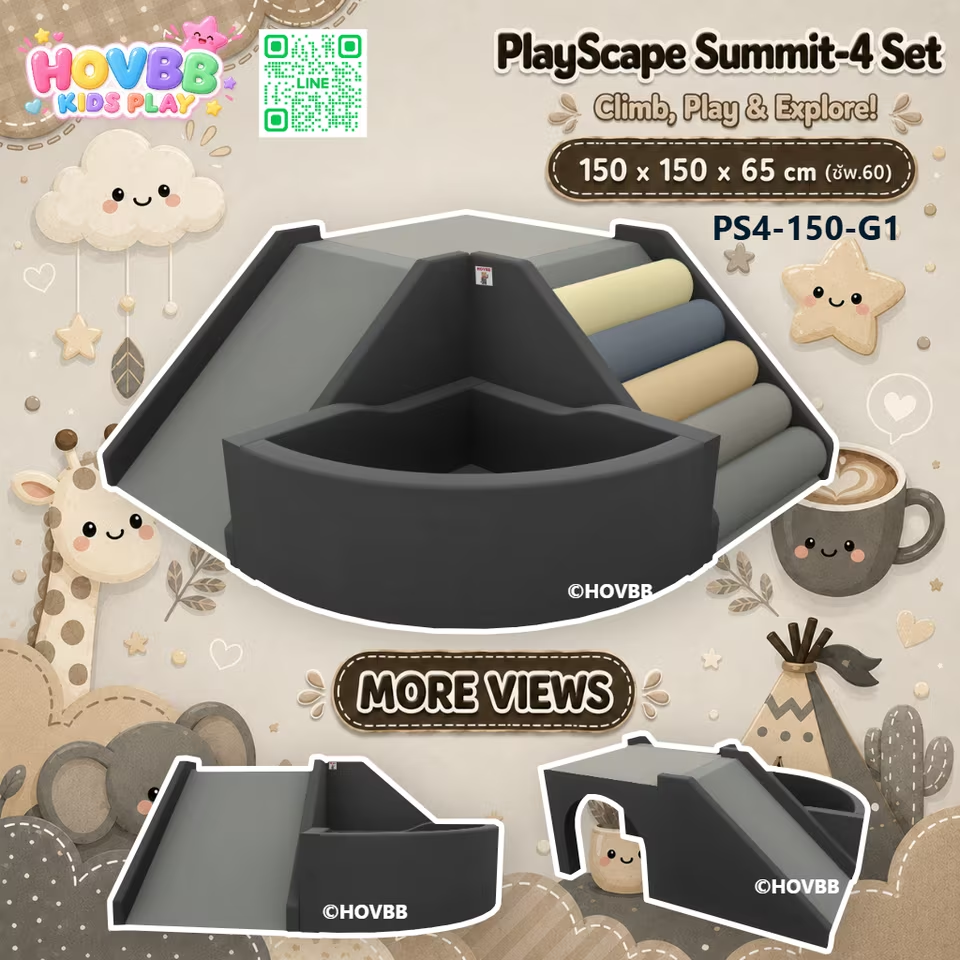
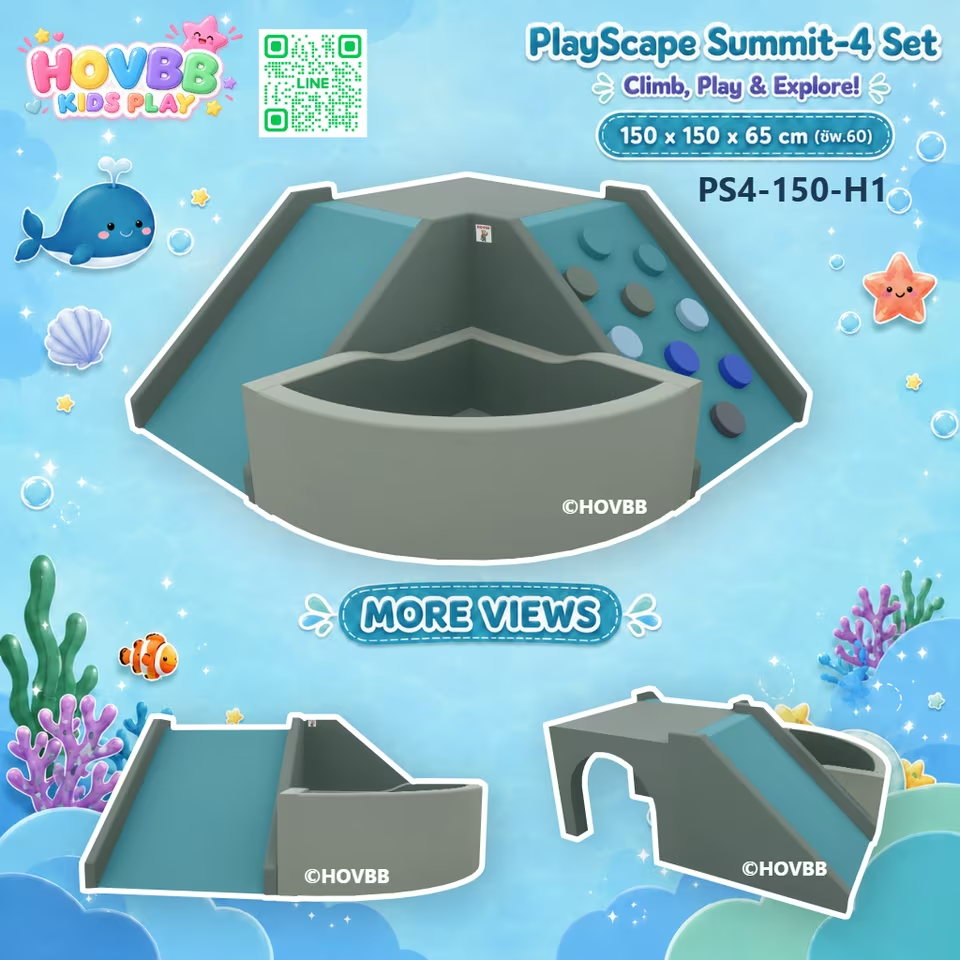
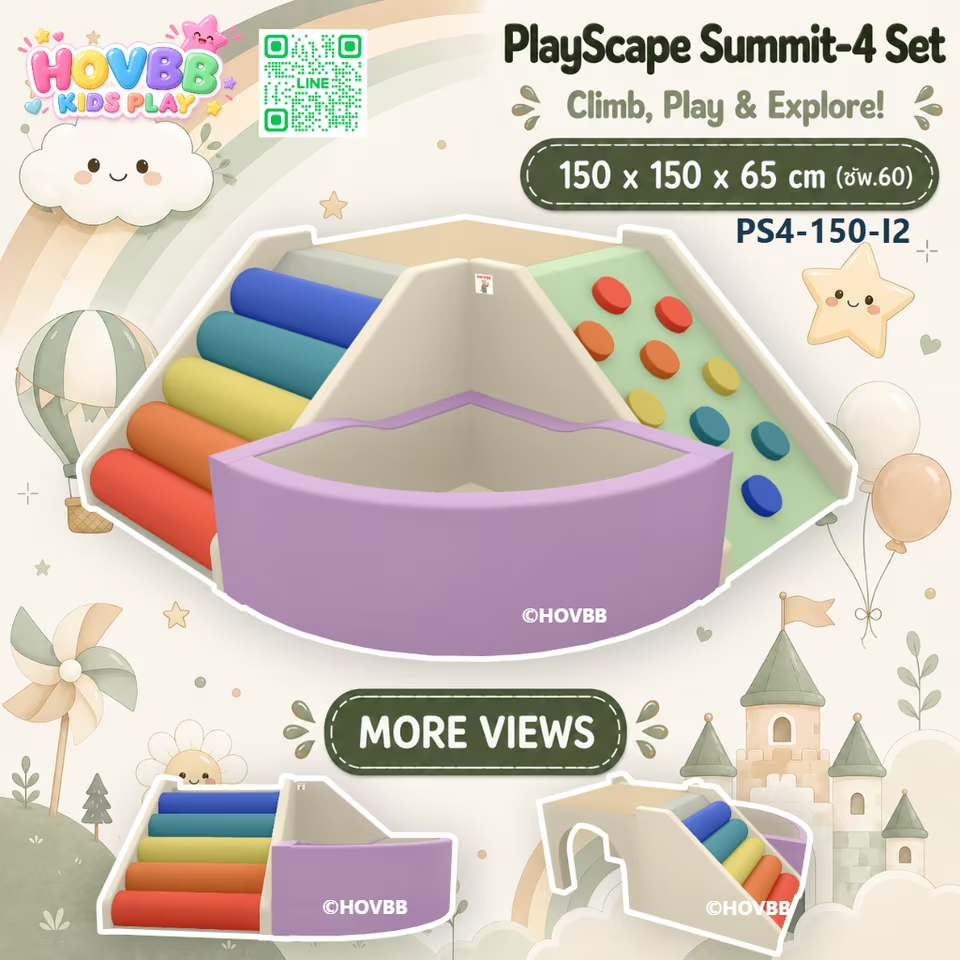
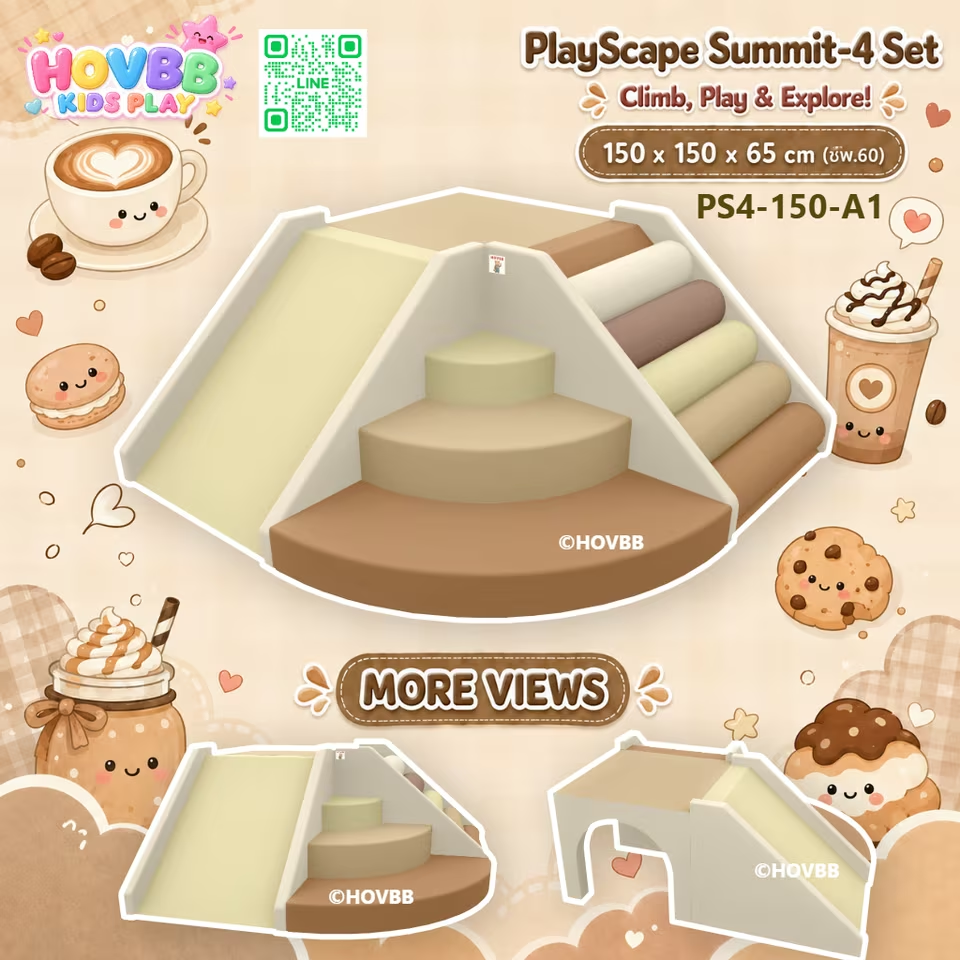
Combine open crawling space with forms that invite children to move over, around or through them.
Keep frequently used movement areas free from unnecessary objects so children have enough room to turn, stop and change direction naturally.
Observe how children actually use the space and adjust the arrangement when certain routes feel too crowded, difficult or rarely used.
FAQ
How does crawling support children's development?
Crawling gives children experience coordinating different parts of the body while moving independently through space. It also provides opportunities to explore direction, distance, body position and different ways of reaching a destination.
What activities can encourage crawling?
Simple activities can include moving toward an interesting object, crawling between soft forms, going around low obstacles or exploring gentle changes in surface and height. The goal is to make movement inviting rather than forcing children through a fixed course.
How can soft play be used for crawling activities?
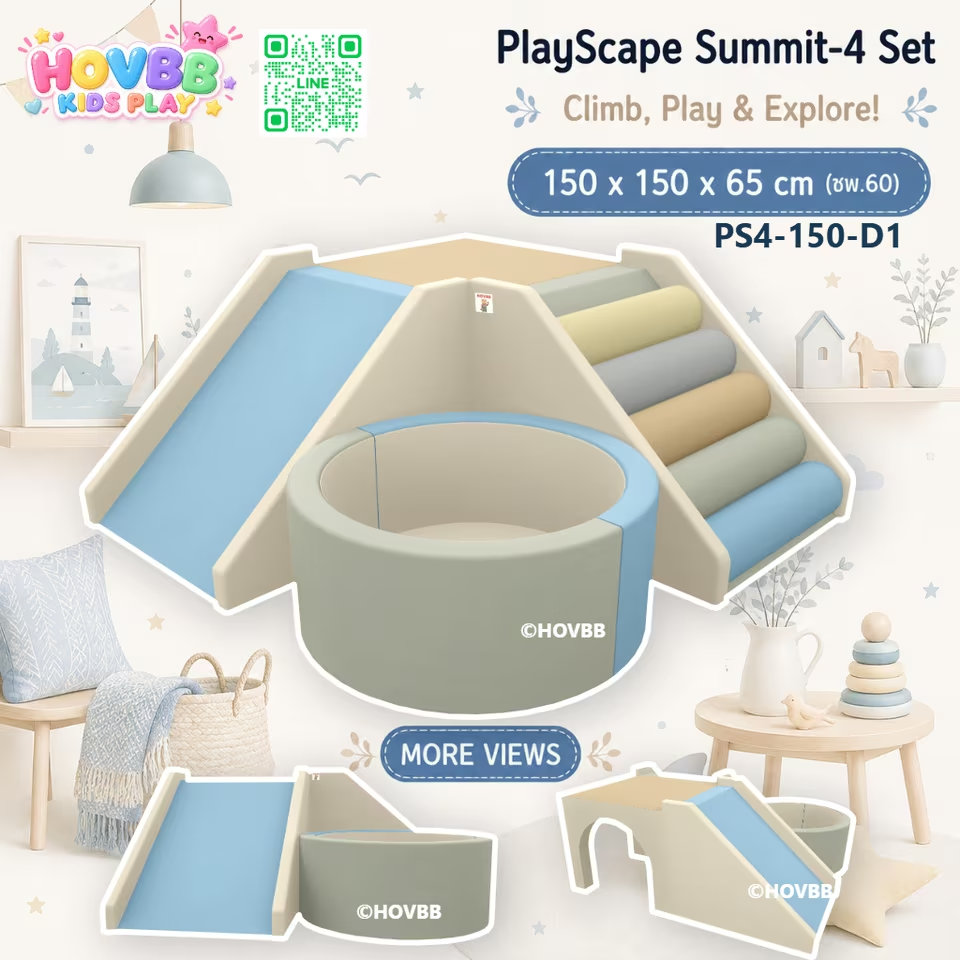
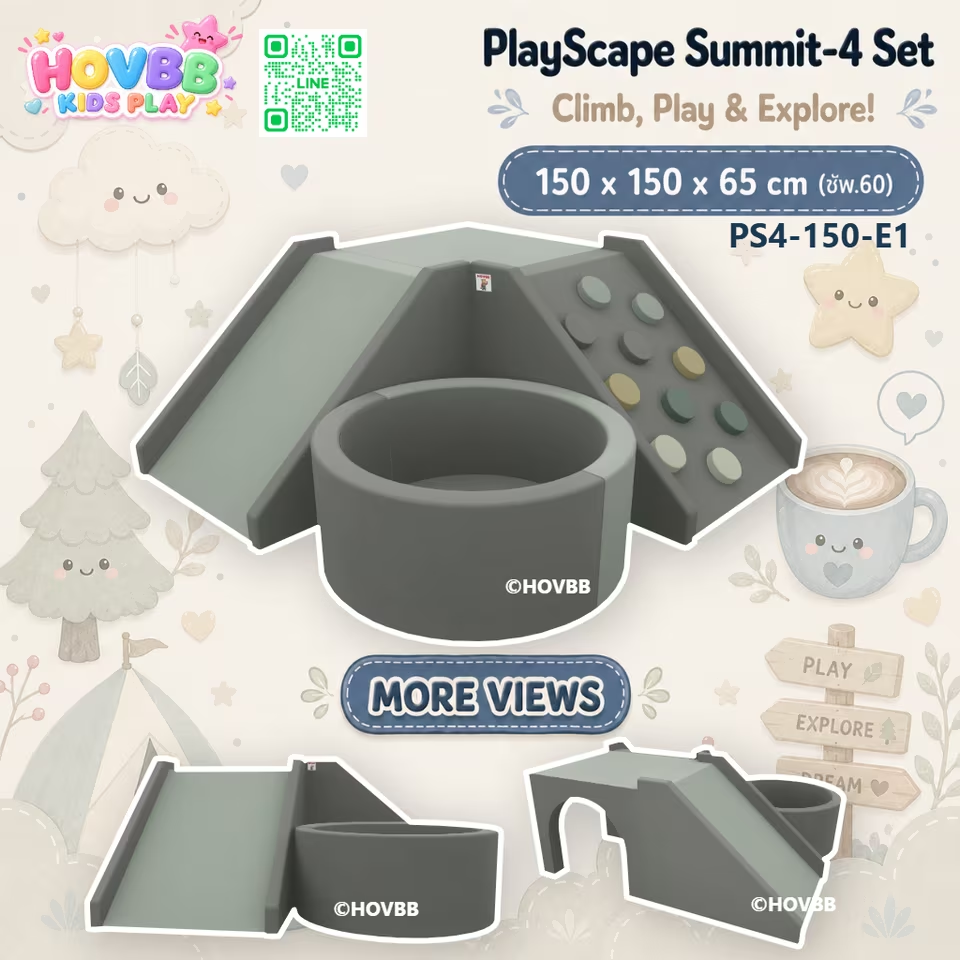
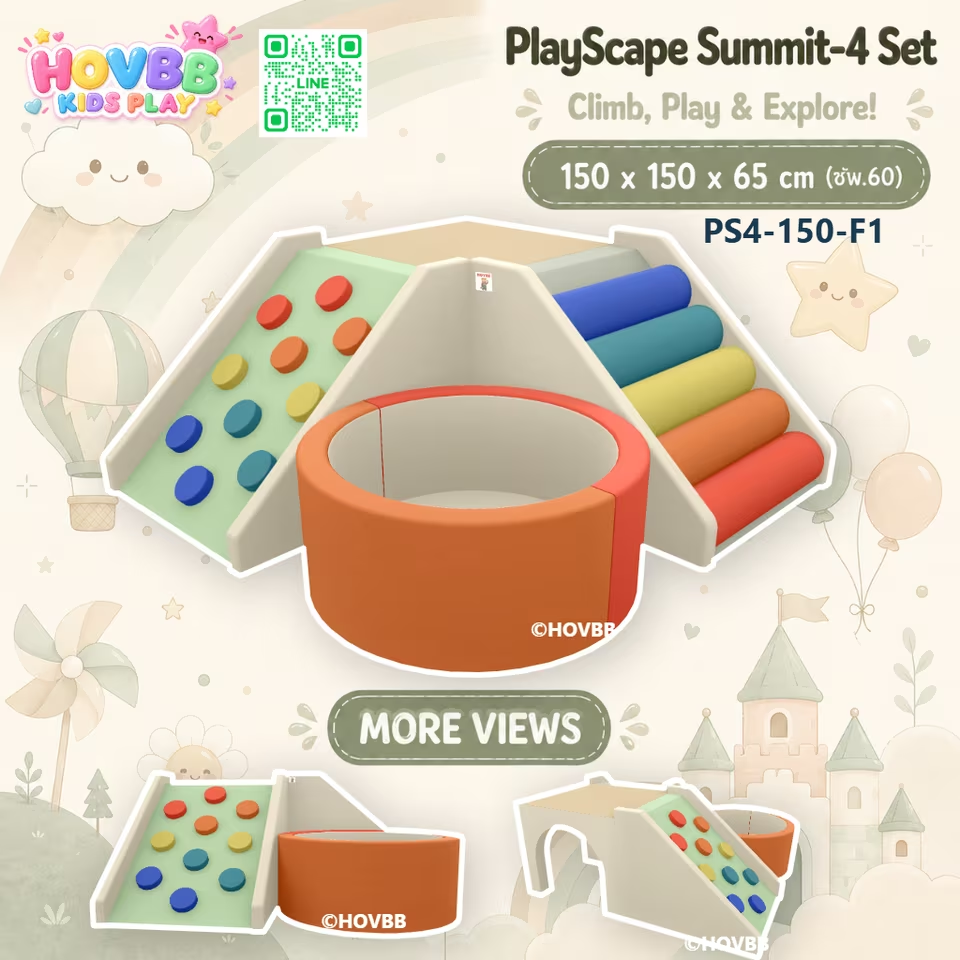
Soft play can create comfortable surfaces, low obstacles and simple routes that invite children to explore movement. Different forms can encourage crawling over, around or through the play environment while keeping the experience open-ended.
What makes a good crawling play area?
A useful crawling area provides enough open floor space for movement along with a small number of approachable features that create reasons to explore. Clear routes, comfortable surfaces and room to change direction are often more valuable than filling the space with many obstacles.
Does crawling play need an obstacle course?
No. Open floor exploration can be valuable on its own. Low obstacles, tunnels or changes in level can add variety, but they work best as optional movement choices rather than a route every child must complete.
Can crawling activities lead into other types of active play?
Yes. As children's movement develops, floor exploration can naturally connect with moving over low forms, kneeling, pulling up, climbing and other ways of navigating the environment.