What is balance development in children?
Balance development is the growing ability to control body position and remain stable while standing or moving. It includes adjusting posture, shifting weight and responding to changes in surface, direction and movement.
How can Soft Play support balance practice?
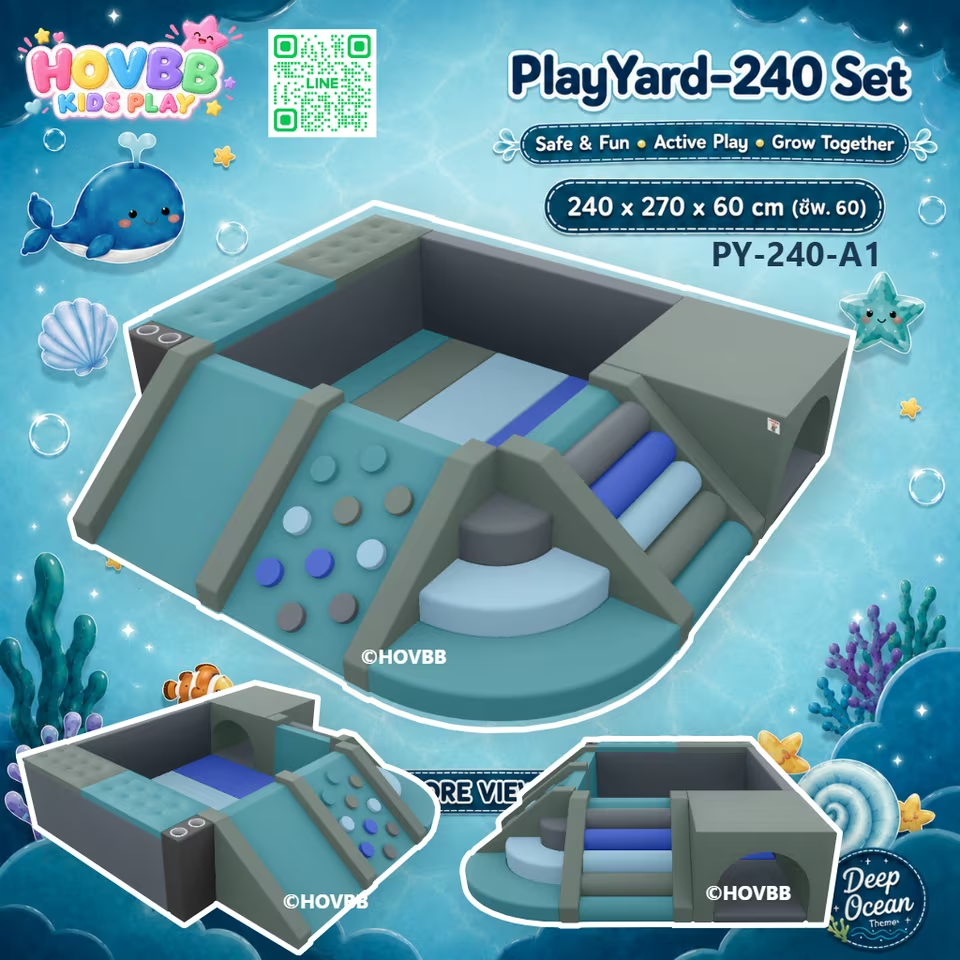
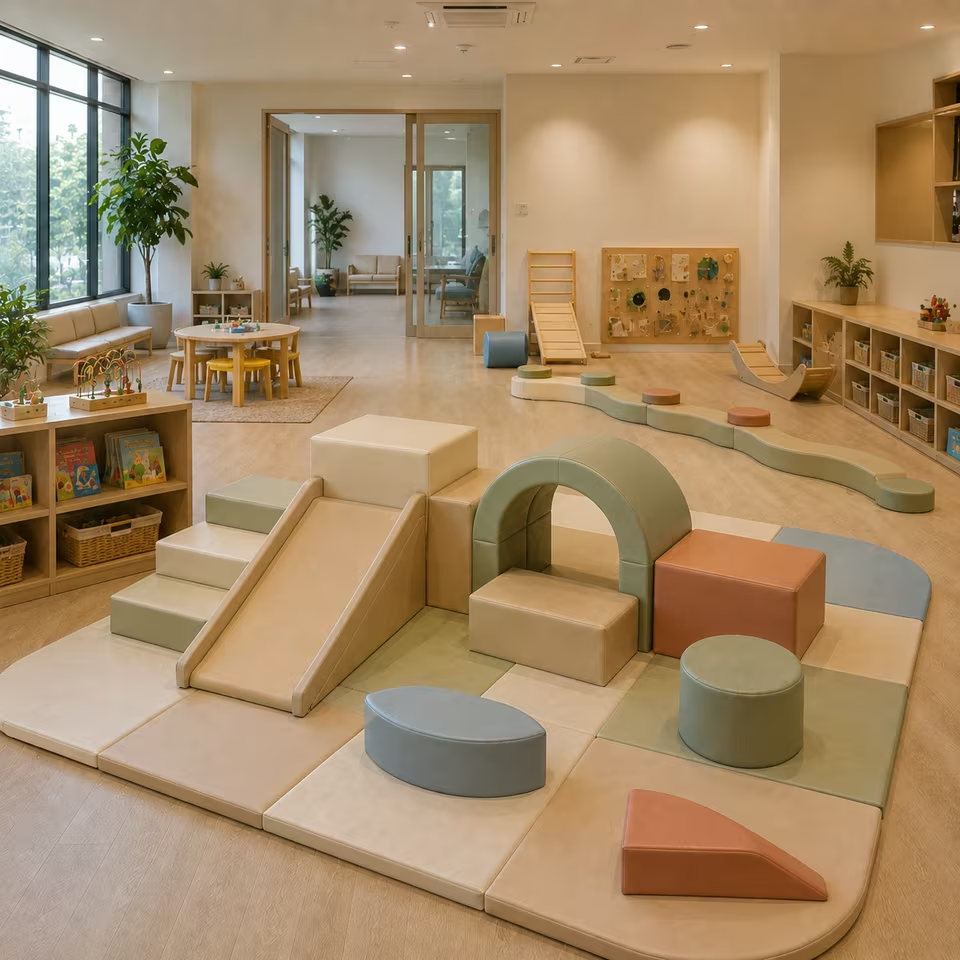
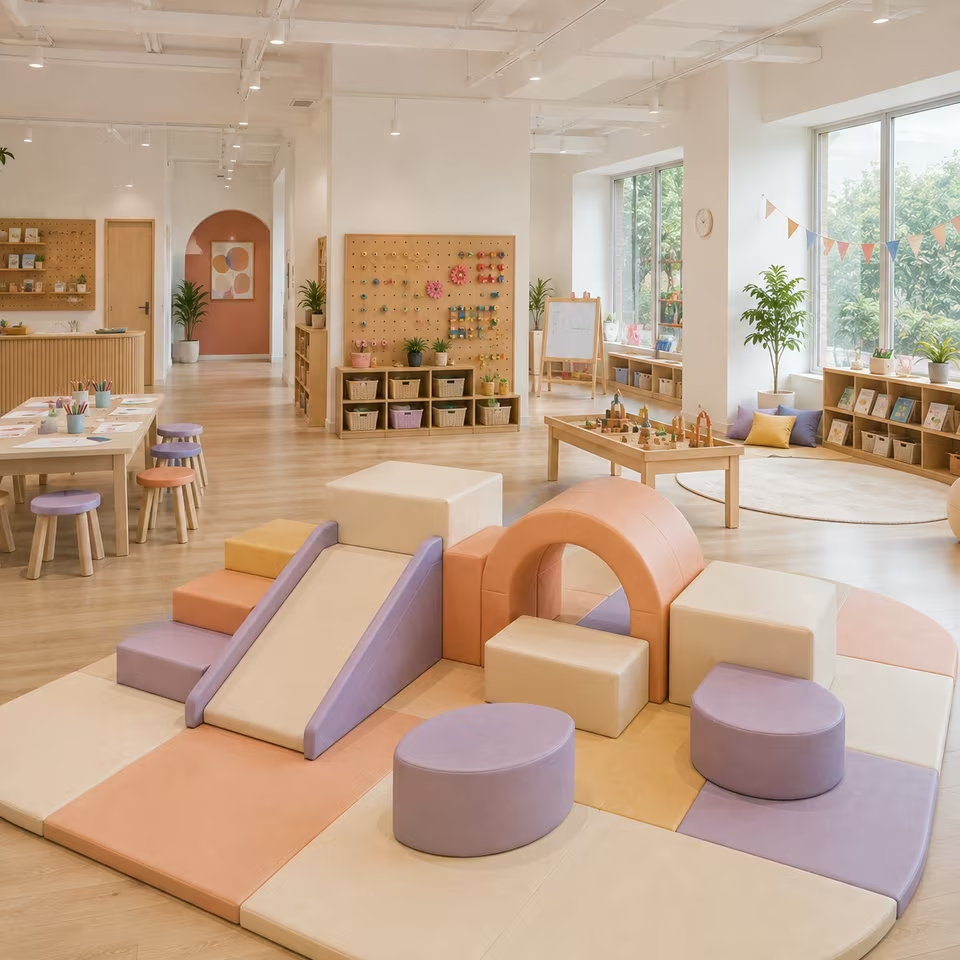
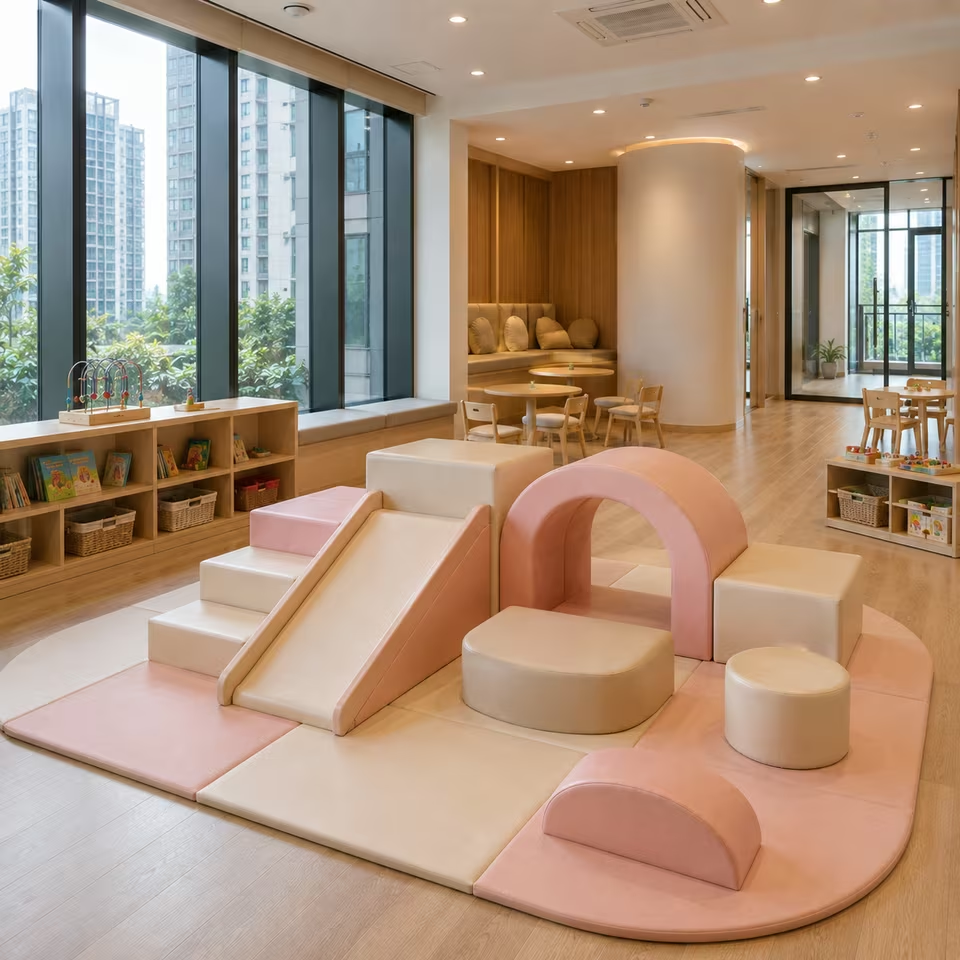
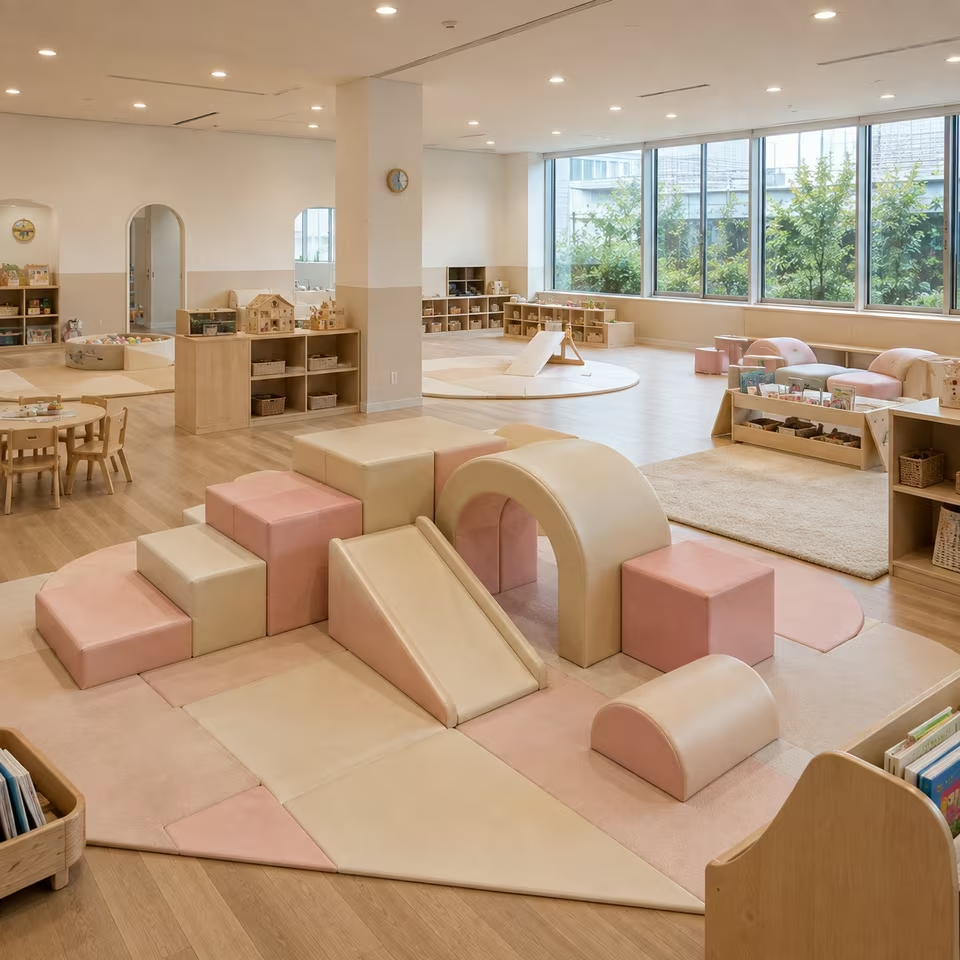
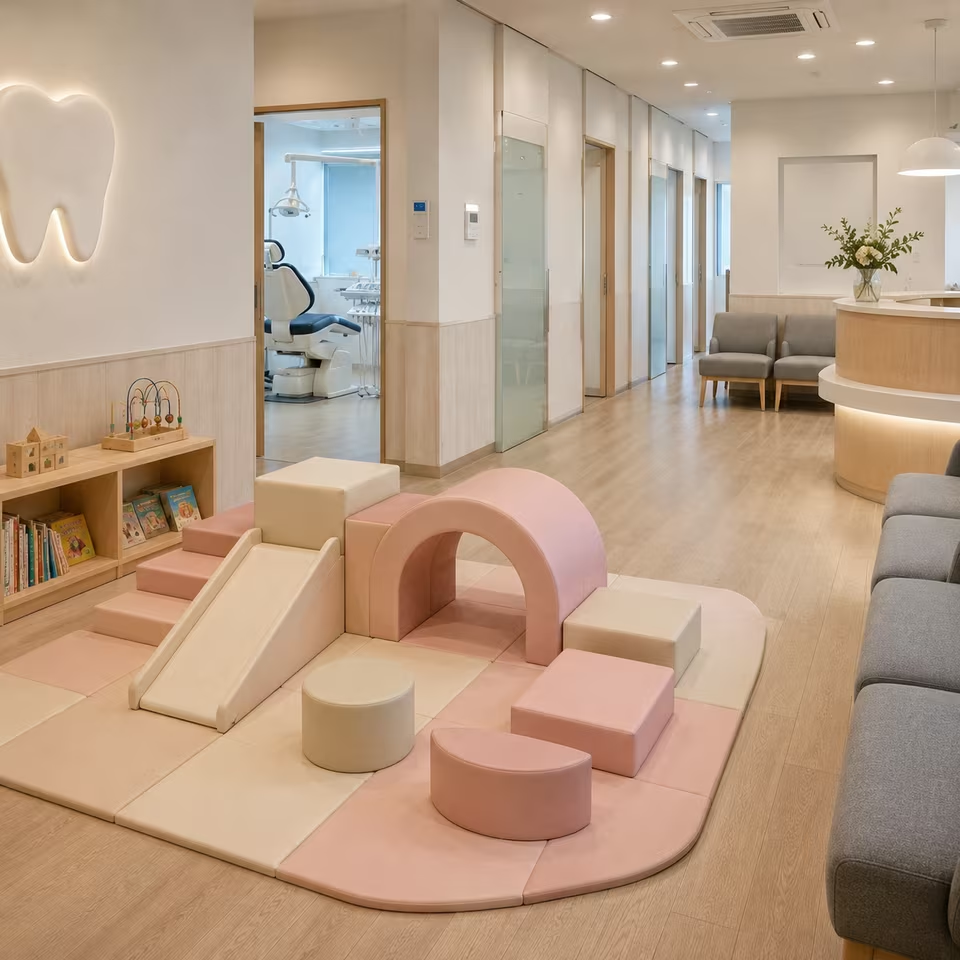
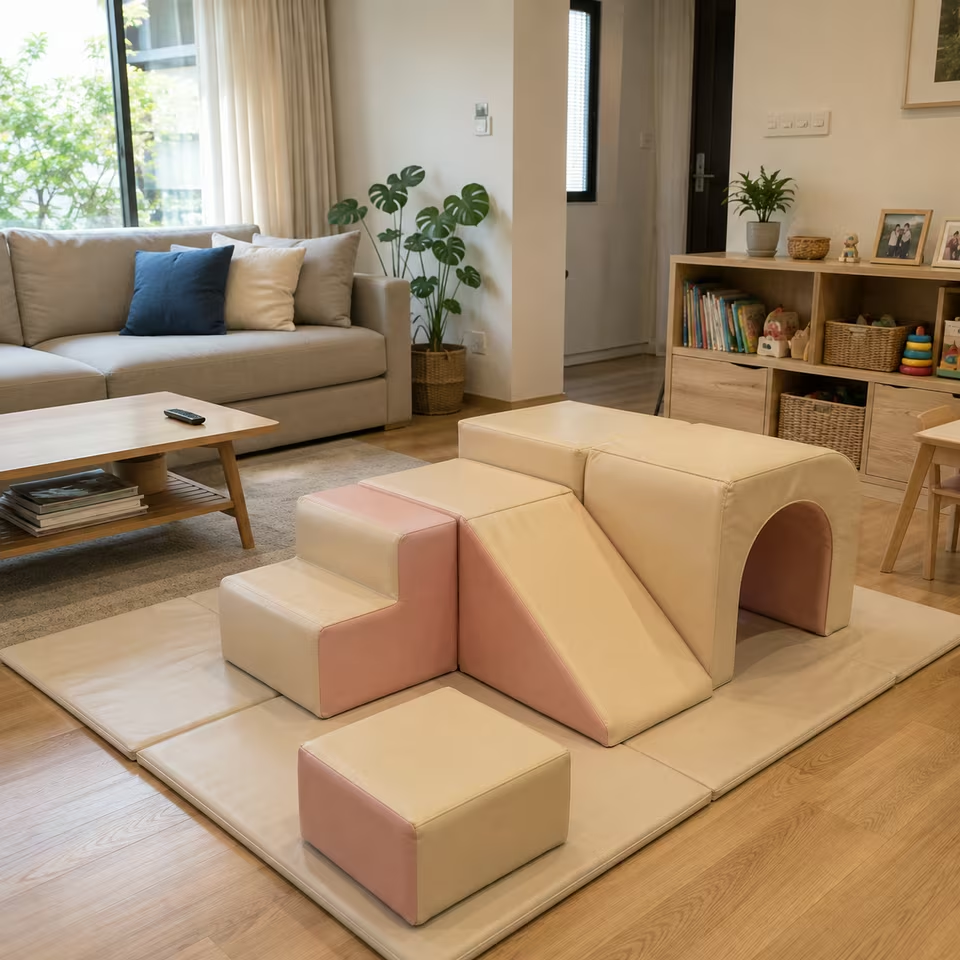
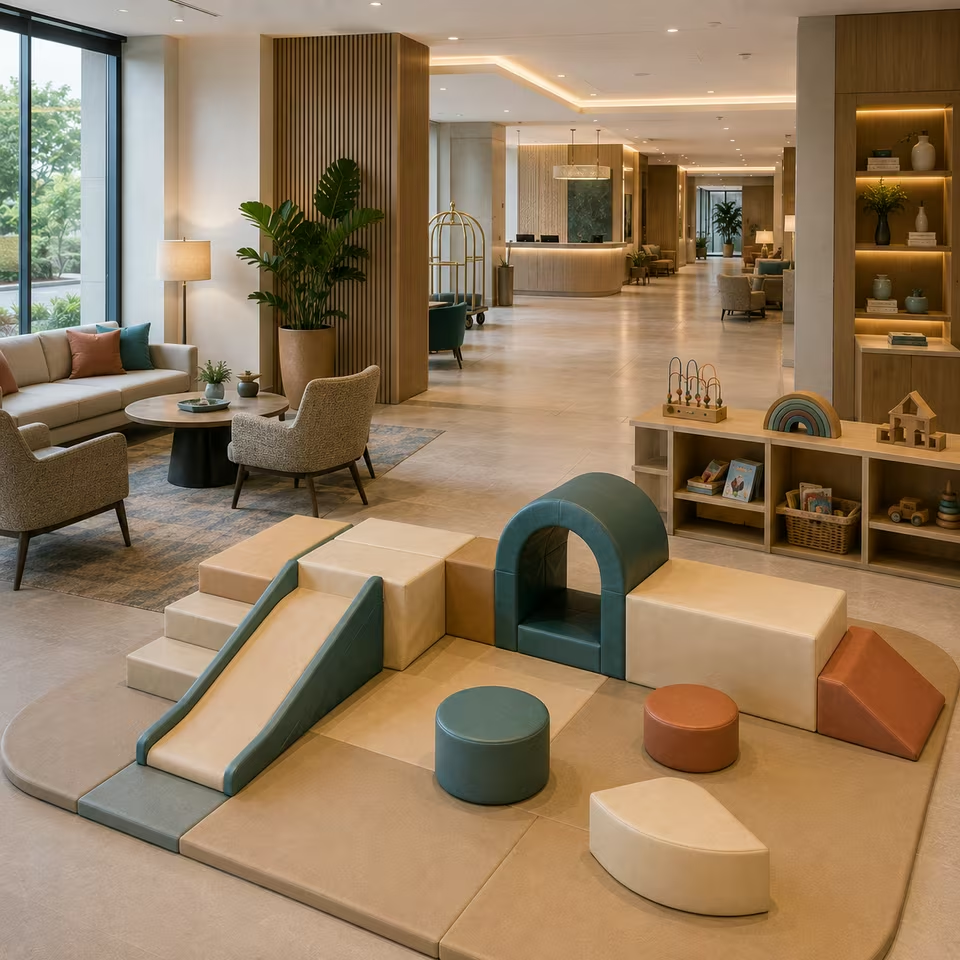
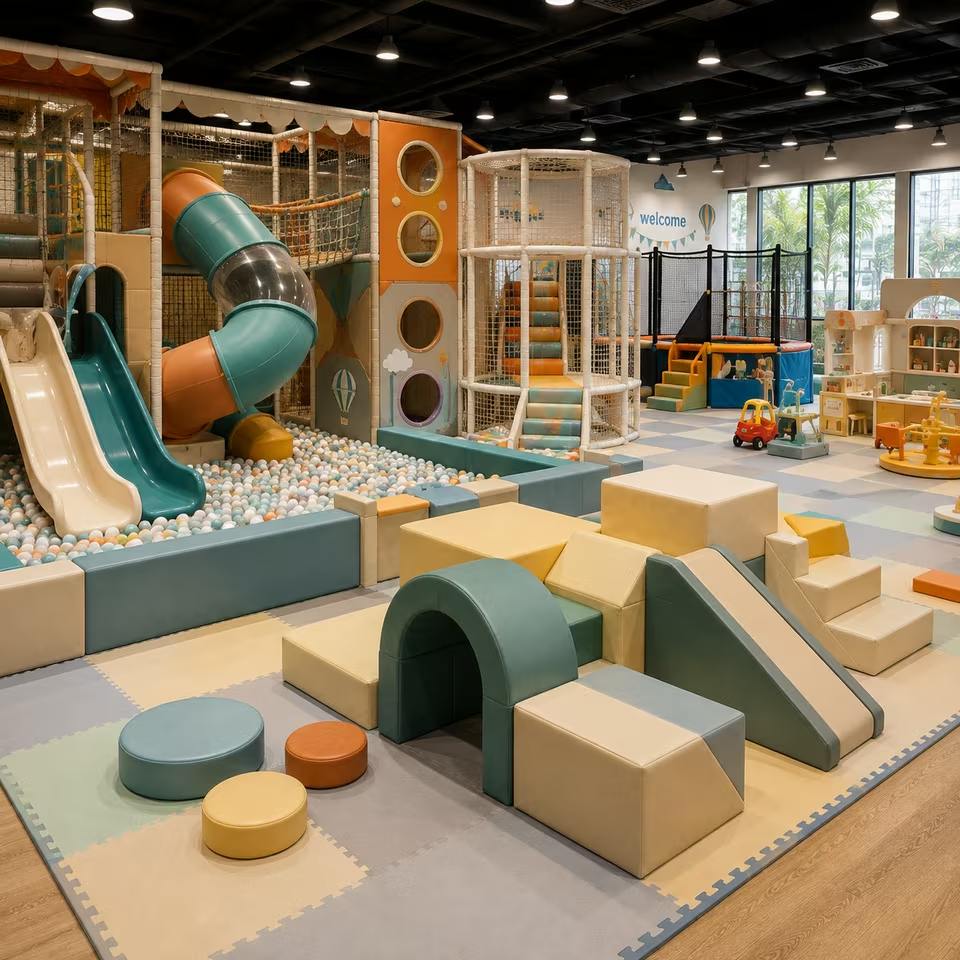
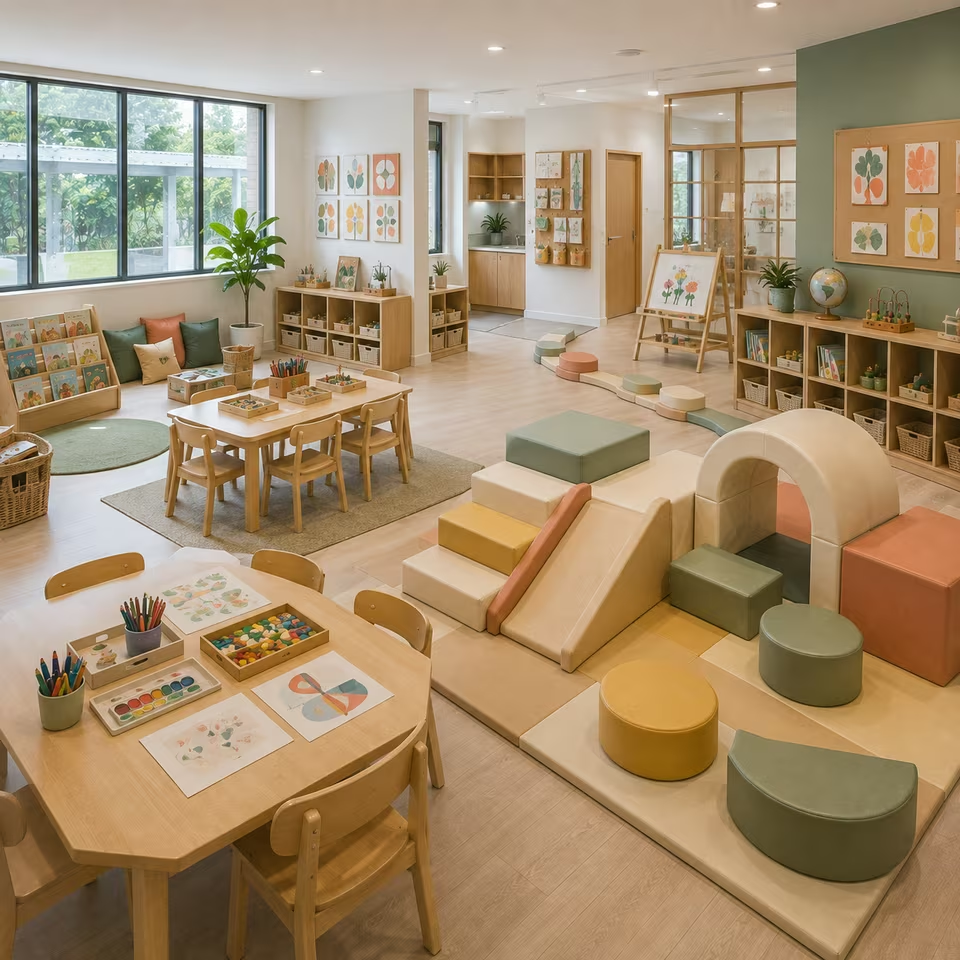
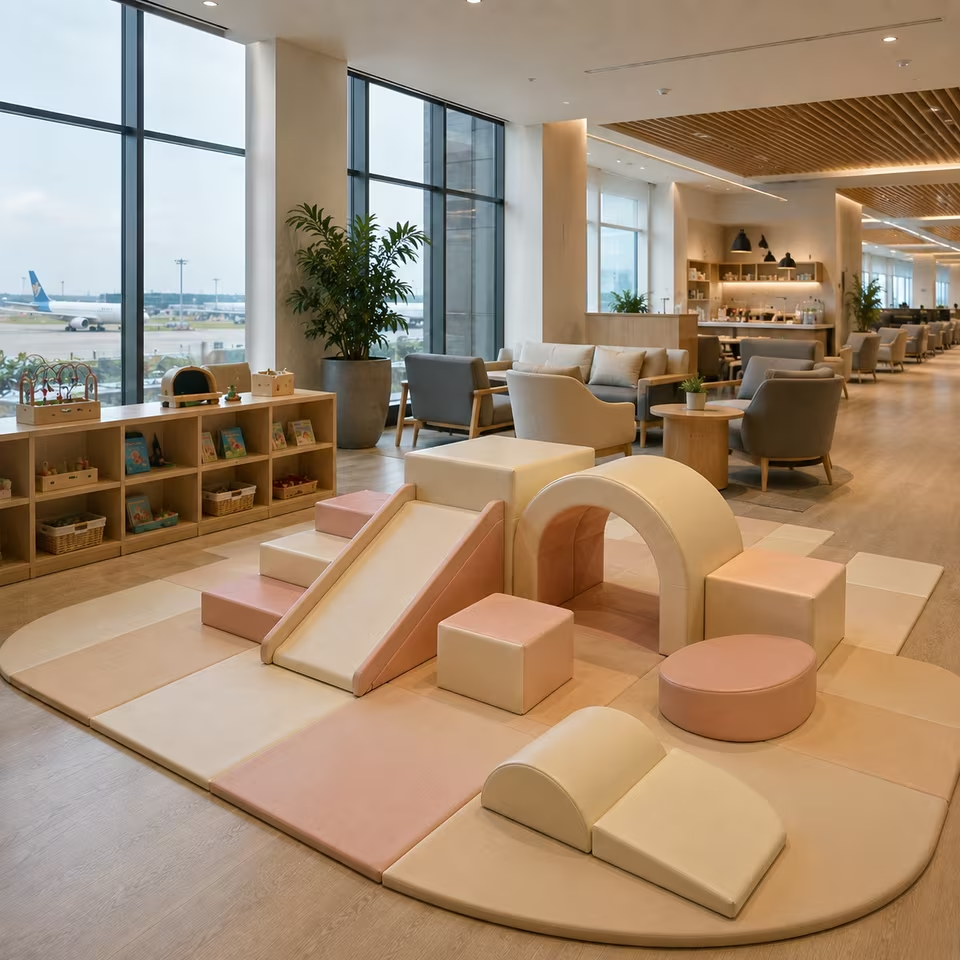
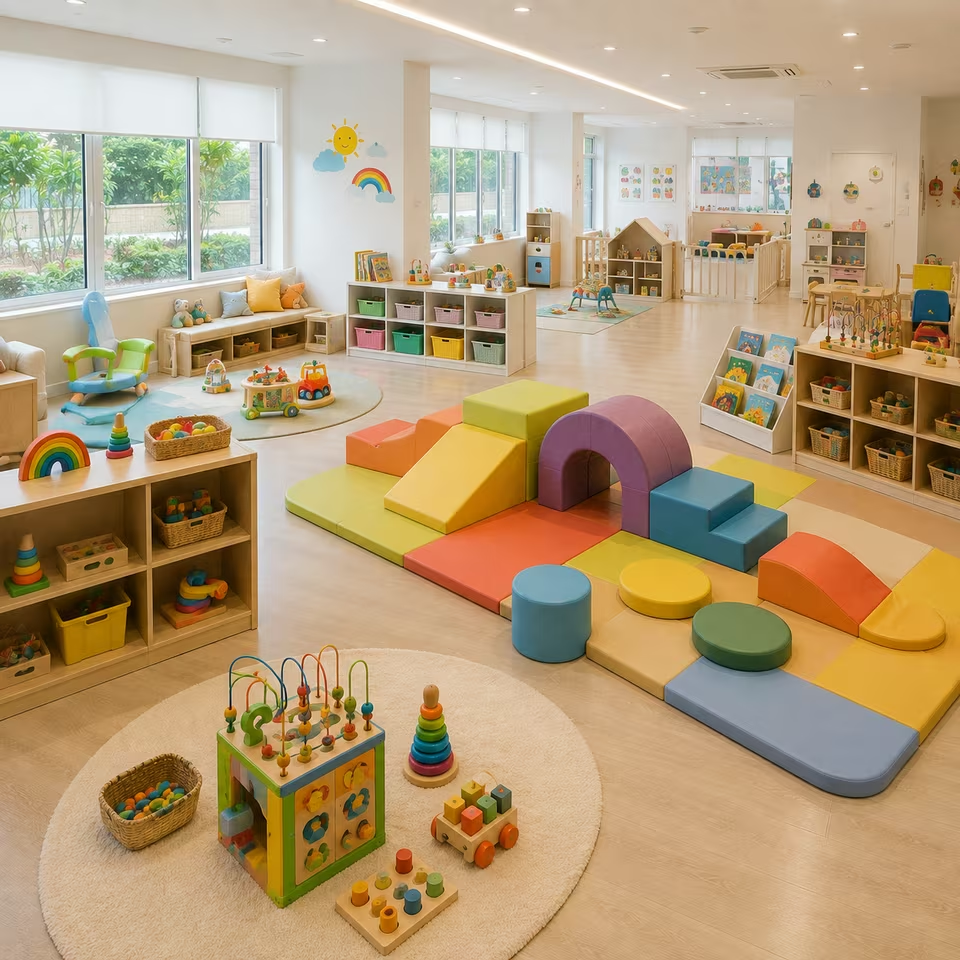
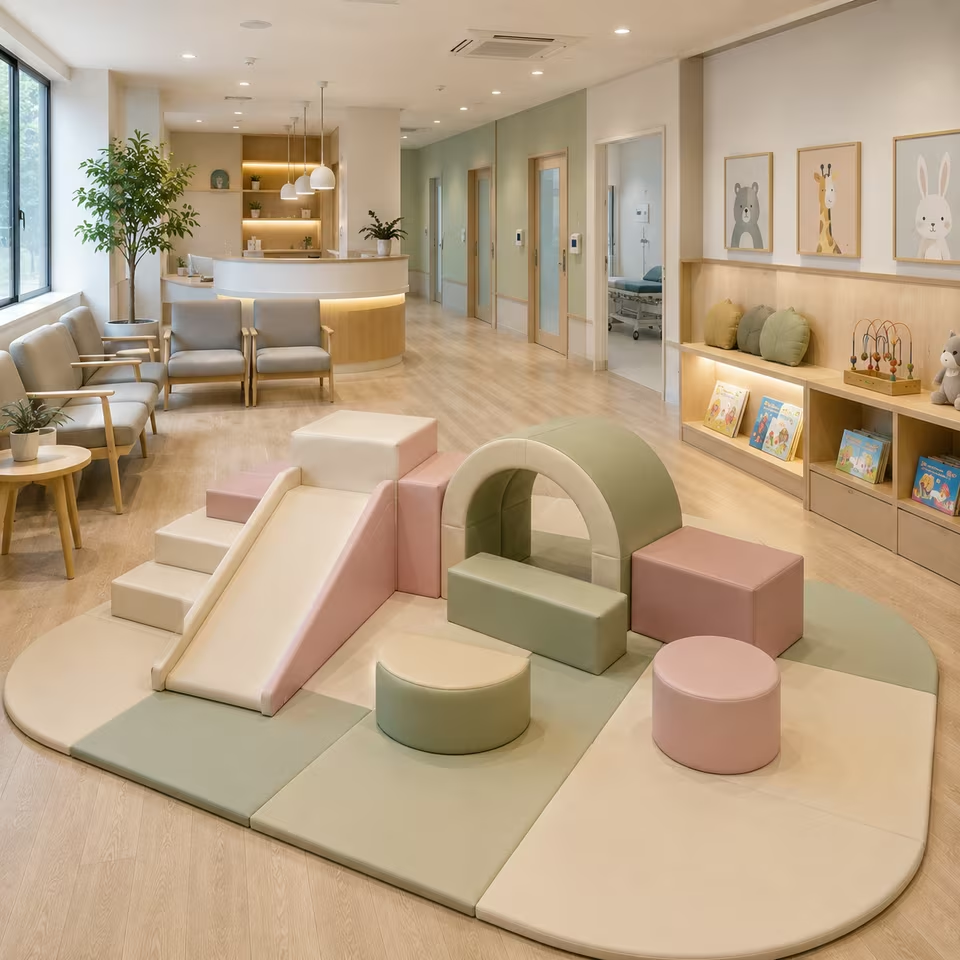
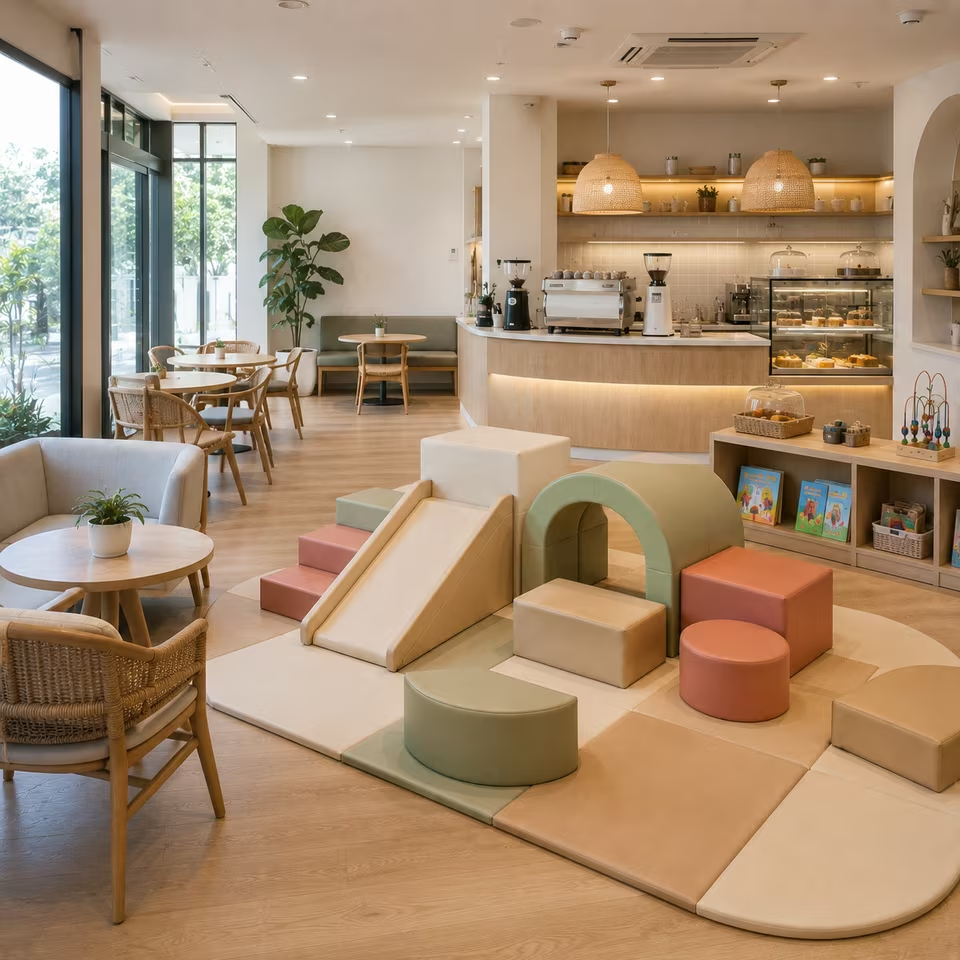
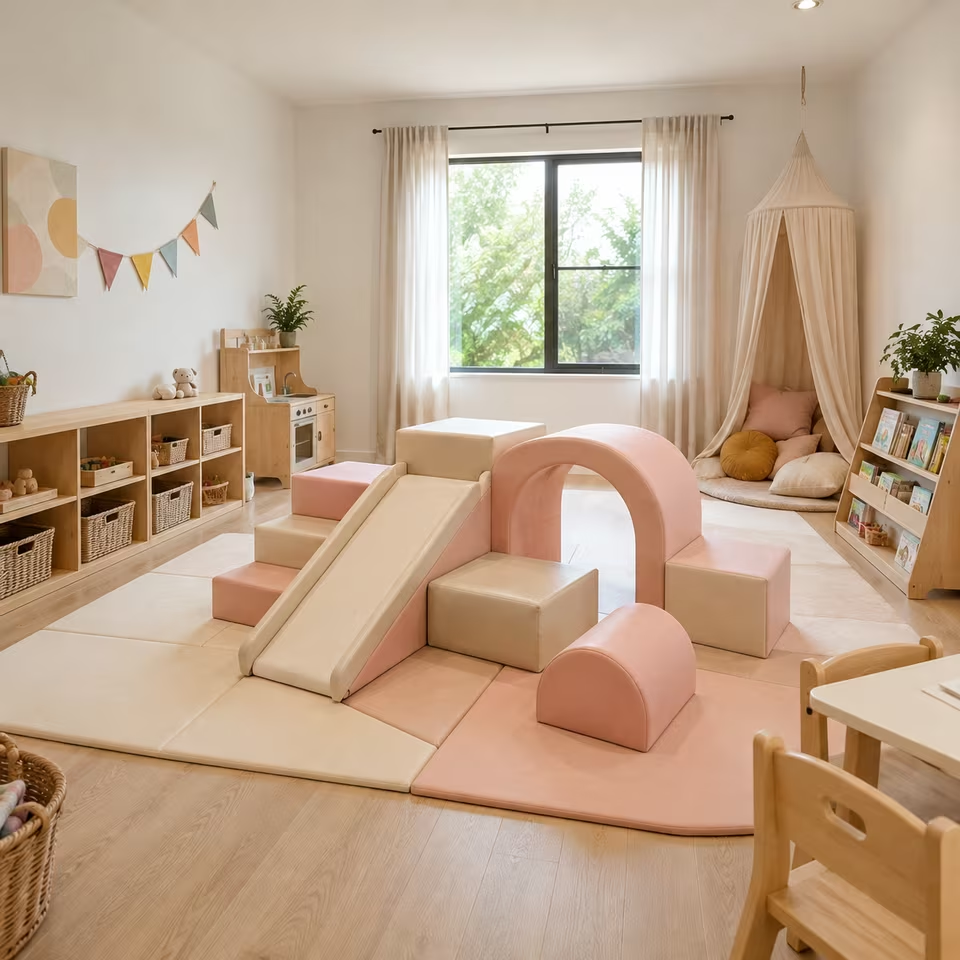
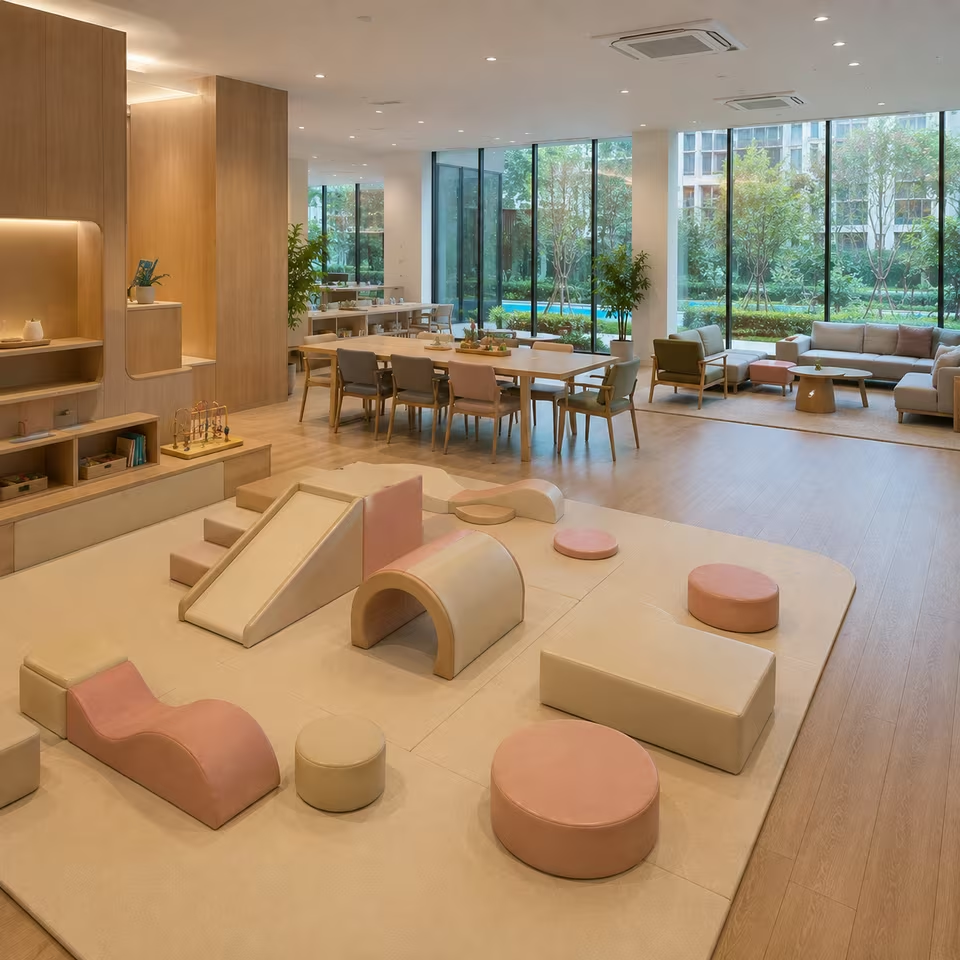
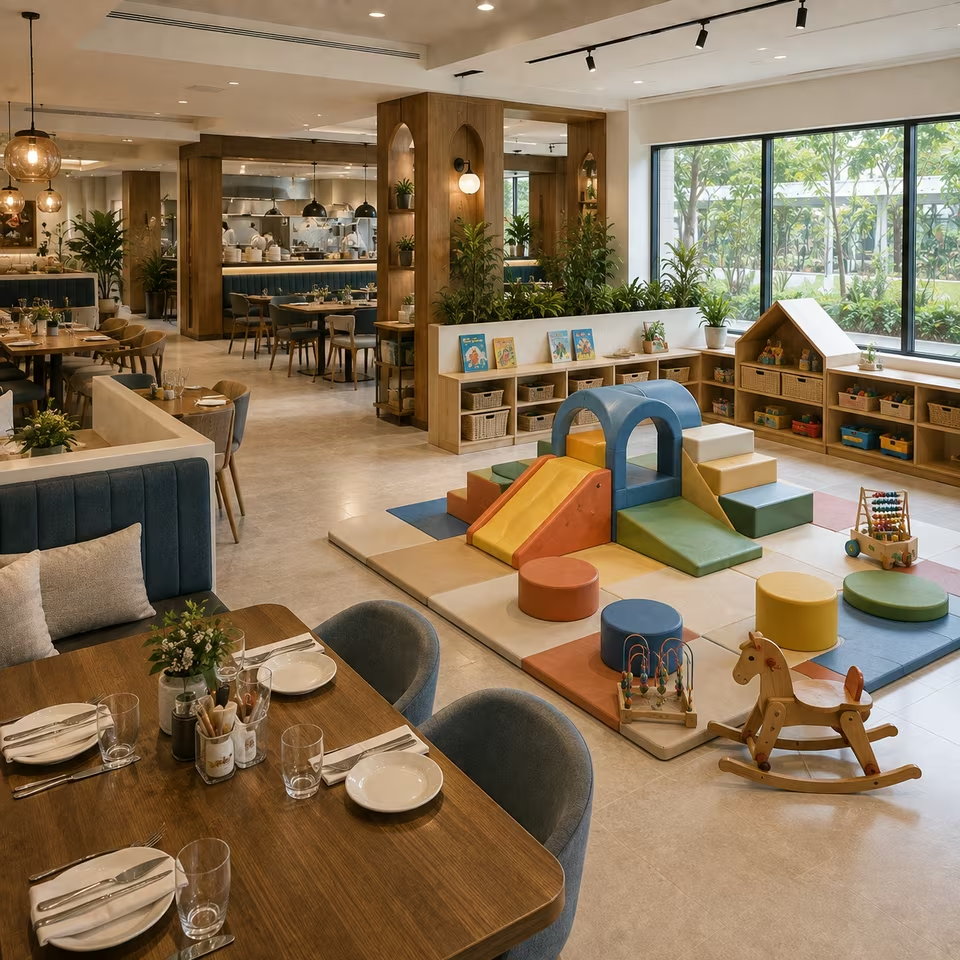
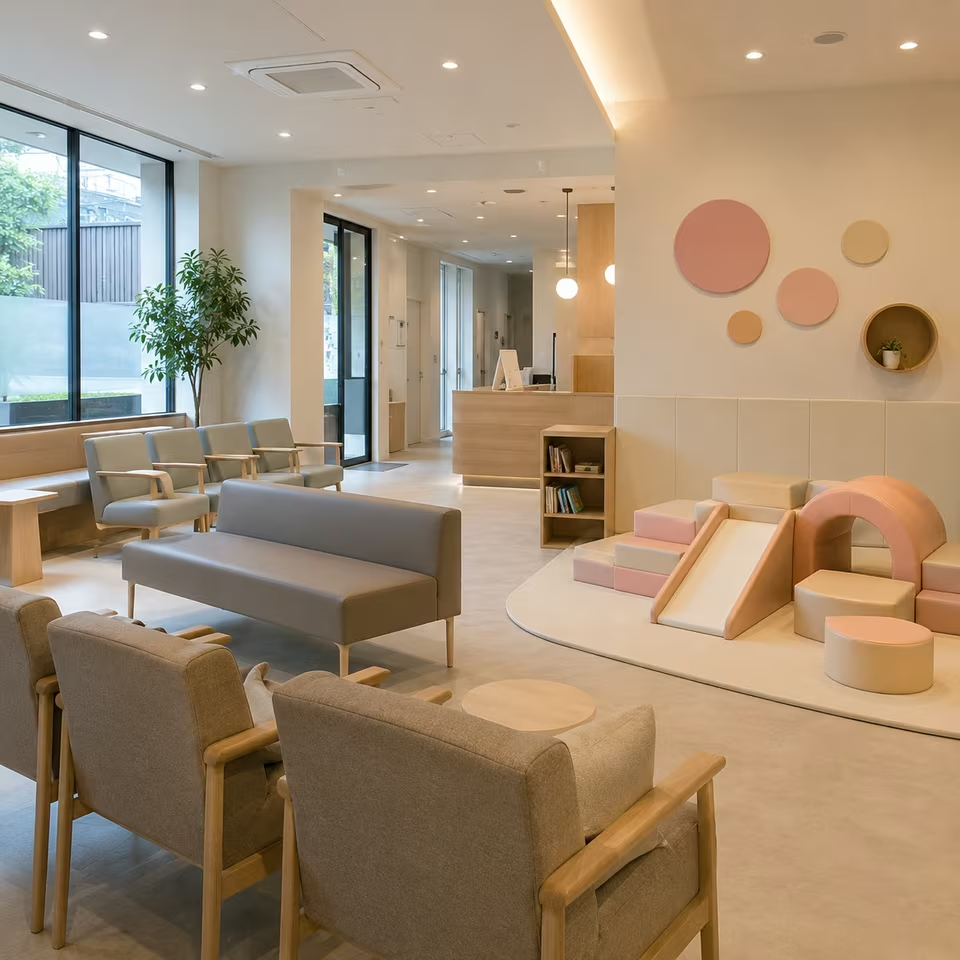
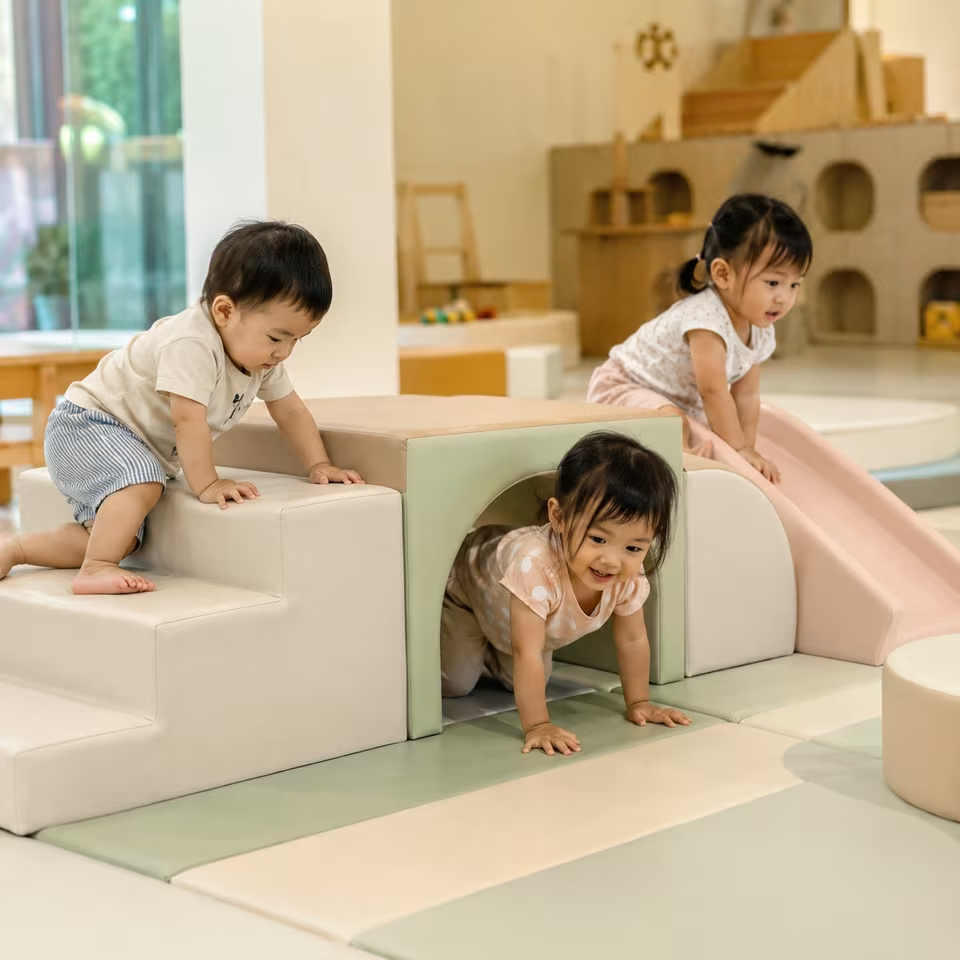
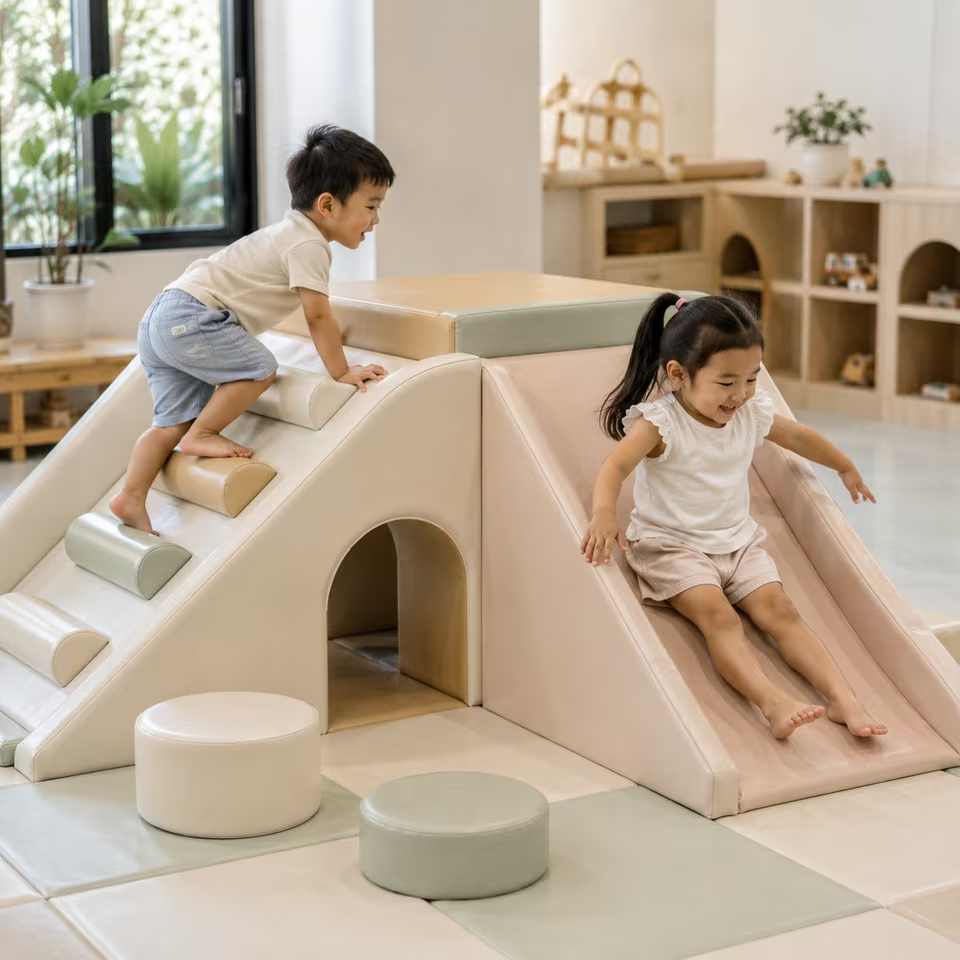
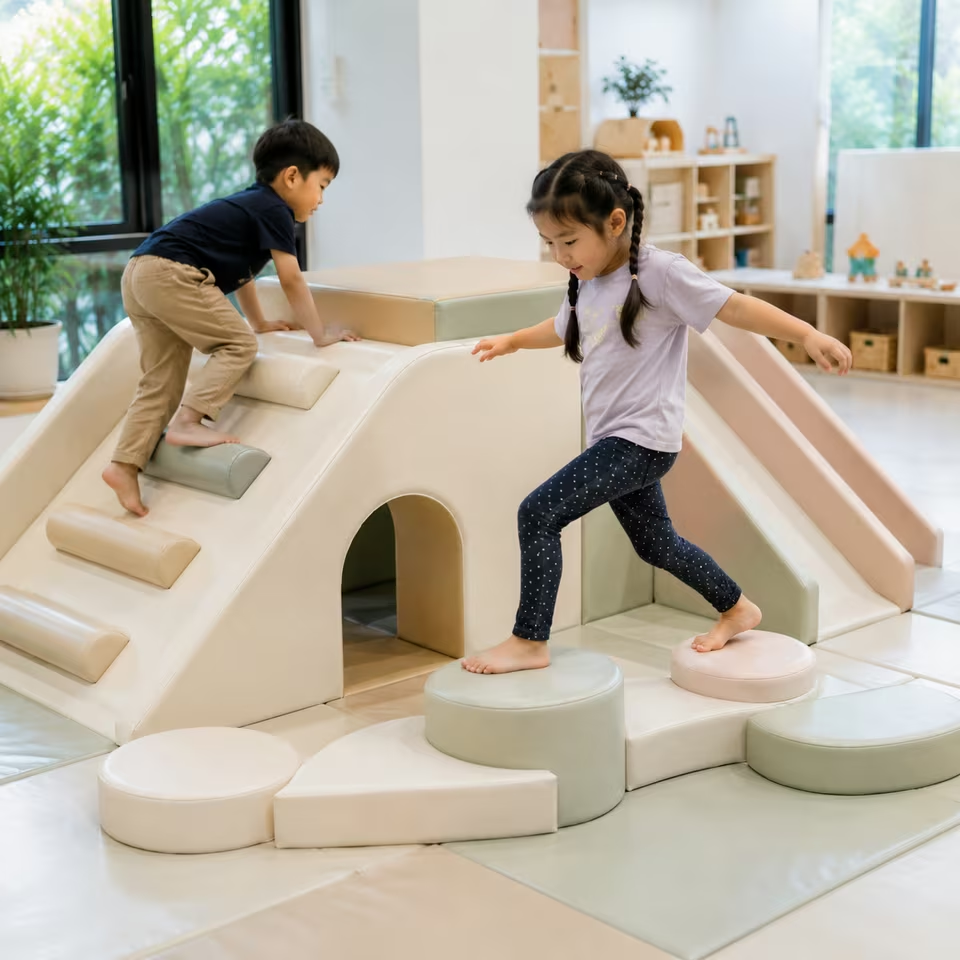
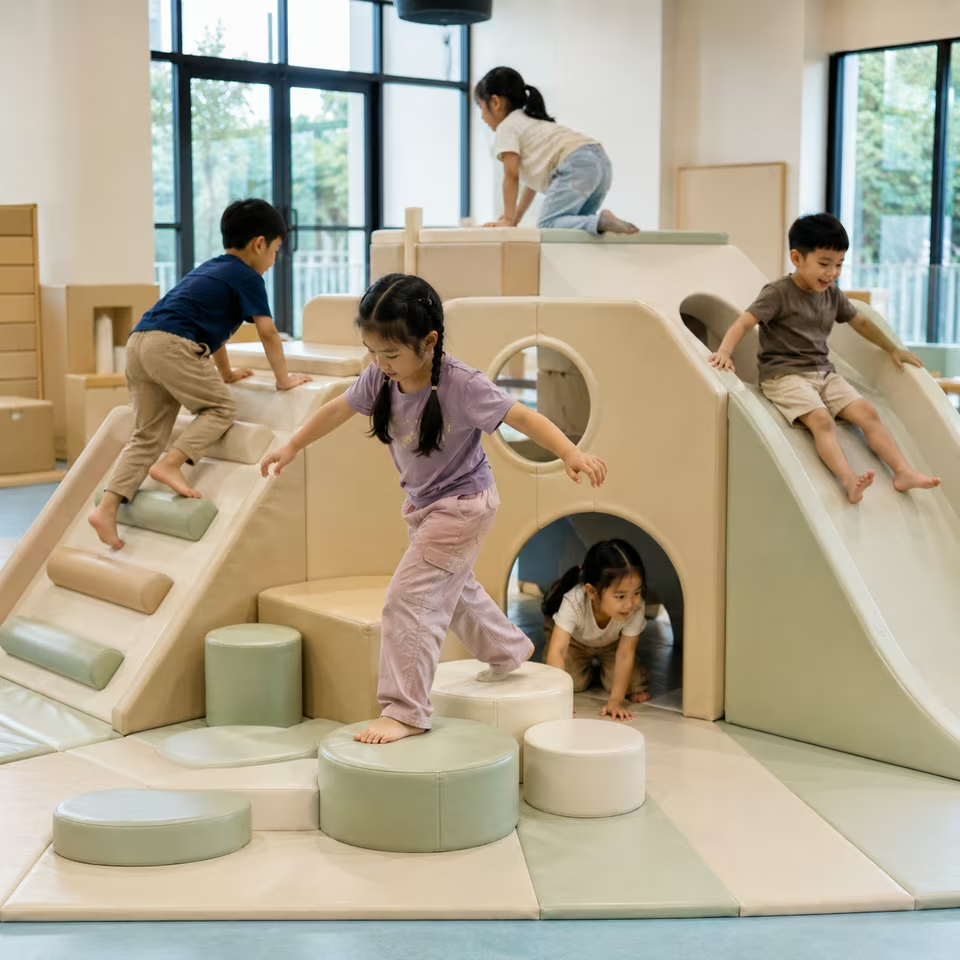
Soft Play can create movement situations involving steps, ramps, platforms and changing levels. These give children opportunities to practice weight transfer, controlled stepping and body positioning during active play.
Is balance part of gross motor development?
Balance is closely connected with gross motor development because many whole-body movements depend on maintaining or recovering stability while the body changes position.
What activities involve balance skills?
Standing, stepping between surfaces, walking across different levels, climbing, turning, reaching and changing direction can all involve balance to different degrees.
What is the difference between static and dynamic balance?
Static balance involves maintaining control in a relatively fixed position, while dynamic balance involves maintaining or recovering control as the body moves or changes position.
How can a balance activity become more challenging?
Challenge can be adjusted gradually through factors such as surface width, spacing, height differences and changes in direction. The appropriate progression depends on the individual child and the equipment being used.
Do children need a balance beam to practice balance?
No. Balance is used in many forms of movement. Low platforms, steps, ramps and transitions between surfaces can also create opportunities to practice body control and weight shifting.
Why is weight shifting important for balance?
Moving from one position or support point to another often requires the body to transfer weight while remaining controlled. This occurs during everyday actions such as stepping, climbing and changing direction.