What is core strength in children?
Core strength refers to the strength and control of the muscles around the trunk that help stabilize the body while children sit, crawl, stand, reach and move.
Core strength develops as children use the muscles around the trunk to stabilize and control their body during crawling, climbing, sitting, reaching, balancing and other whole-body movements.
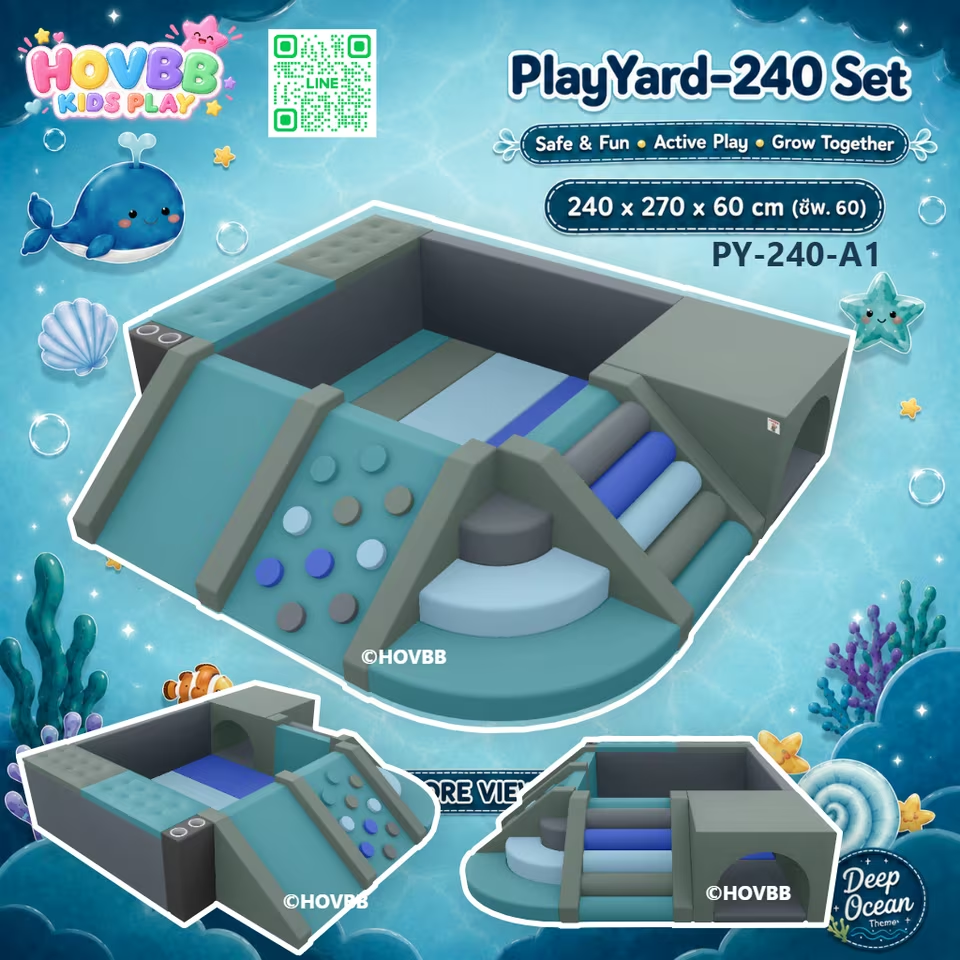
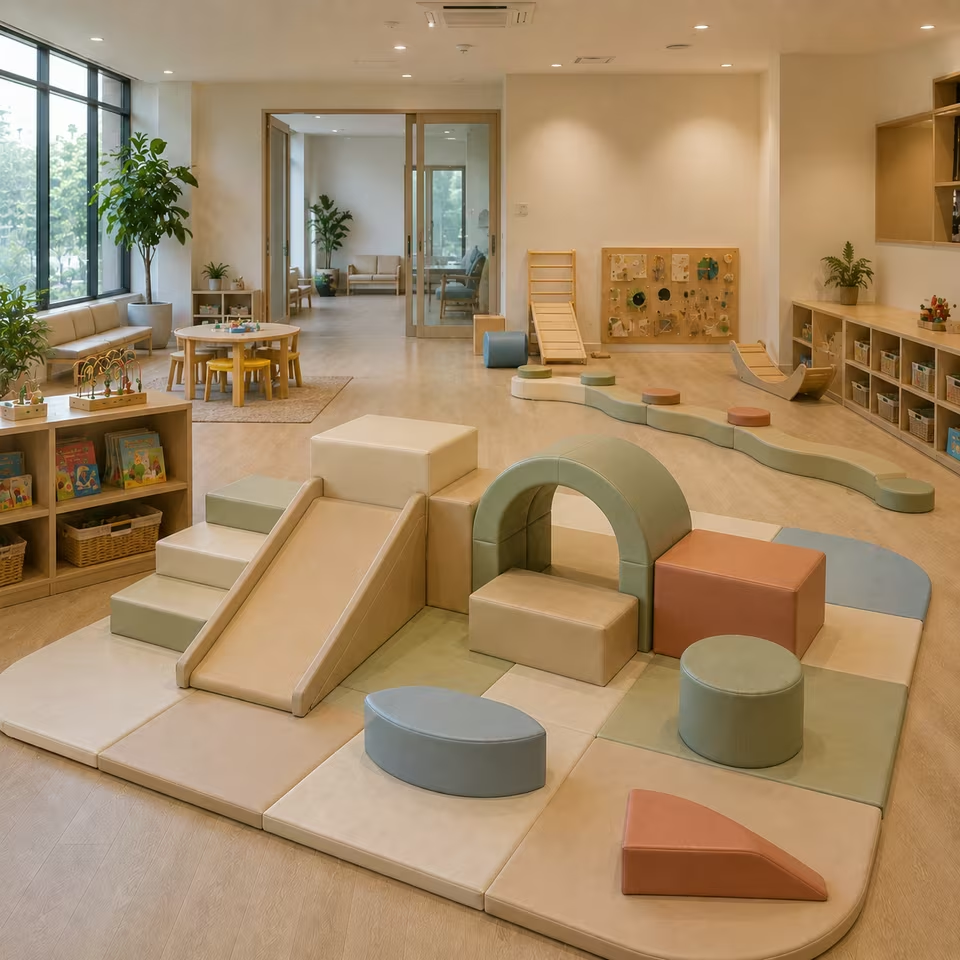
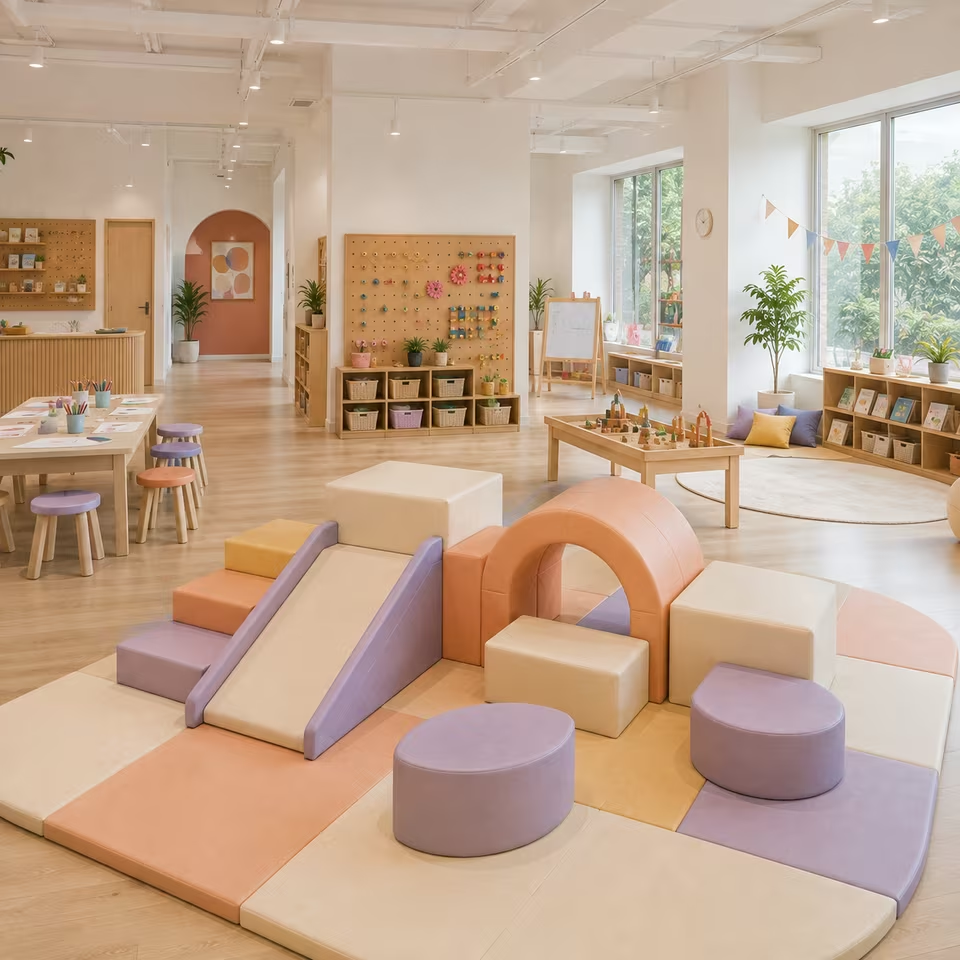
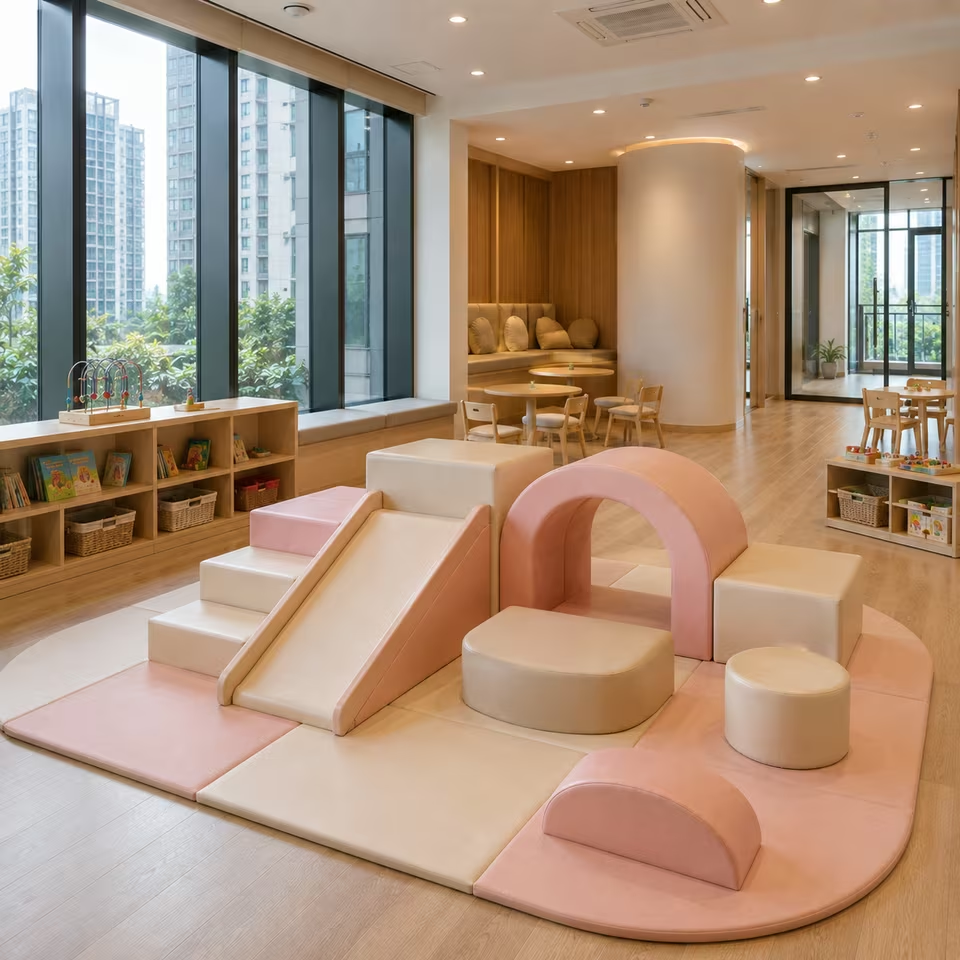
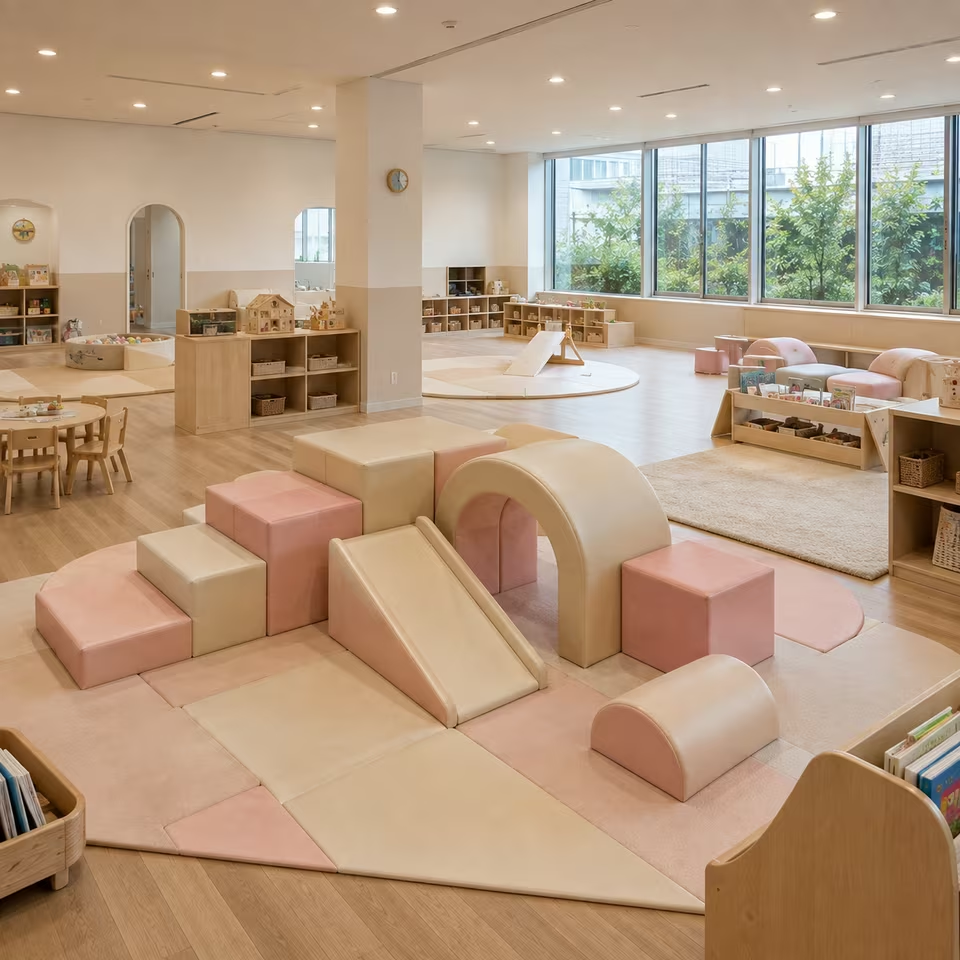
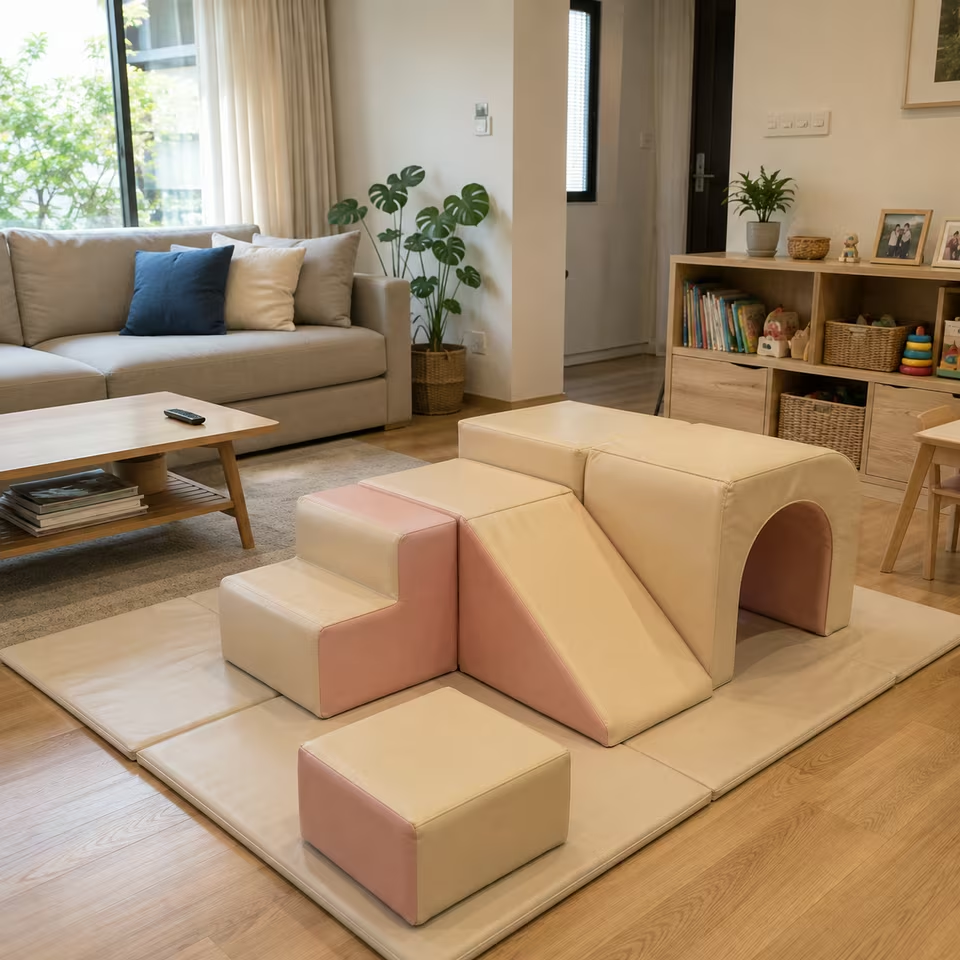
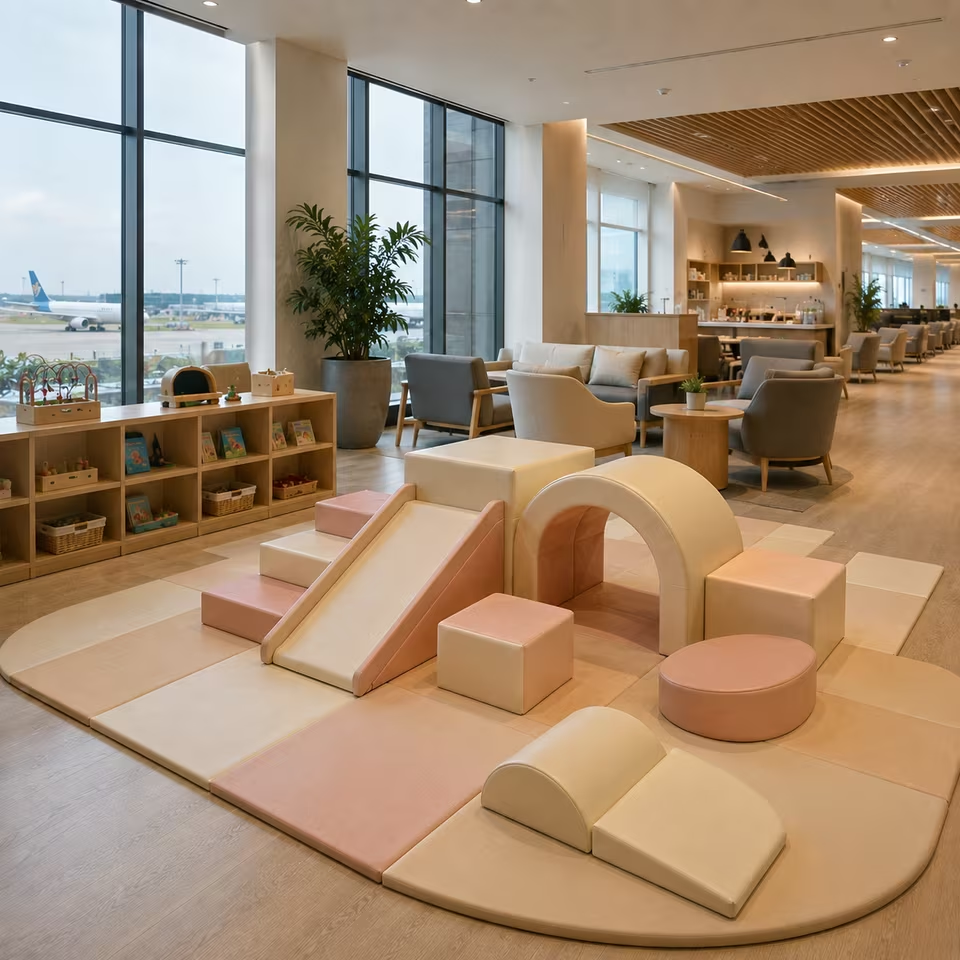
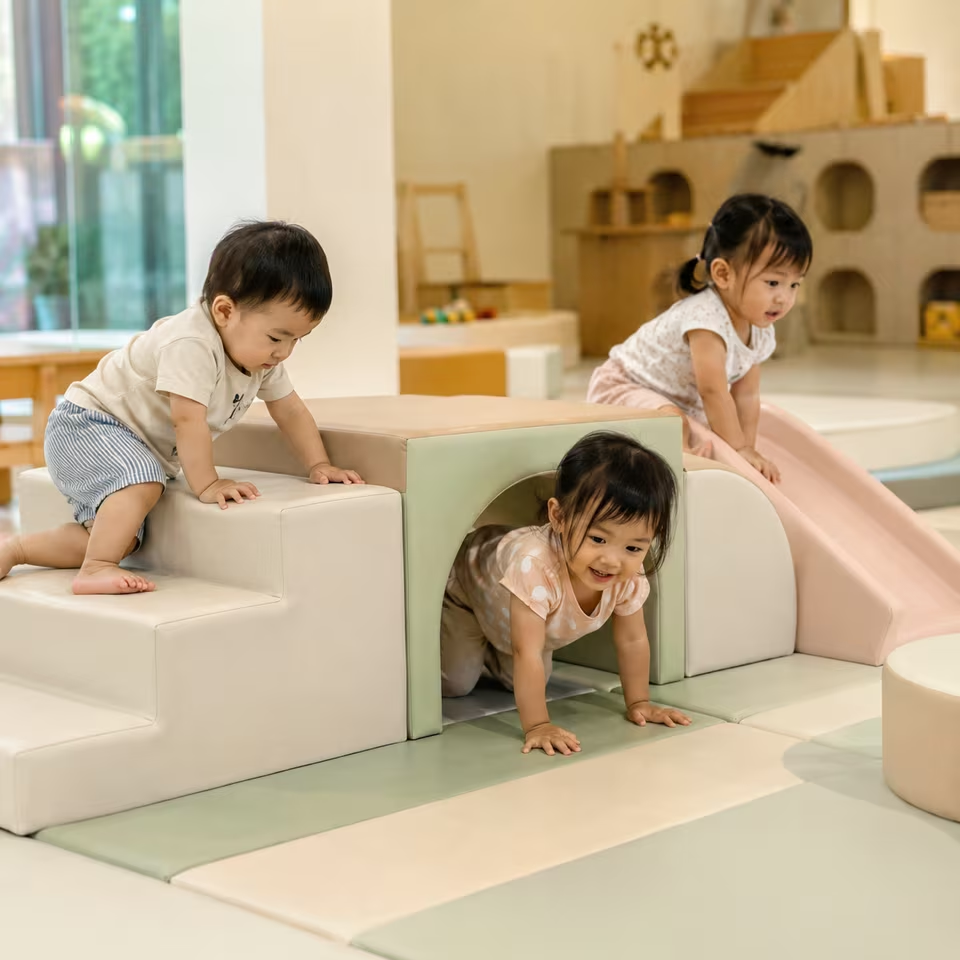
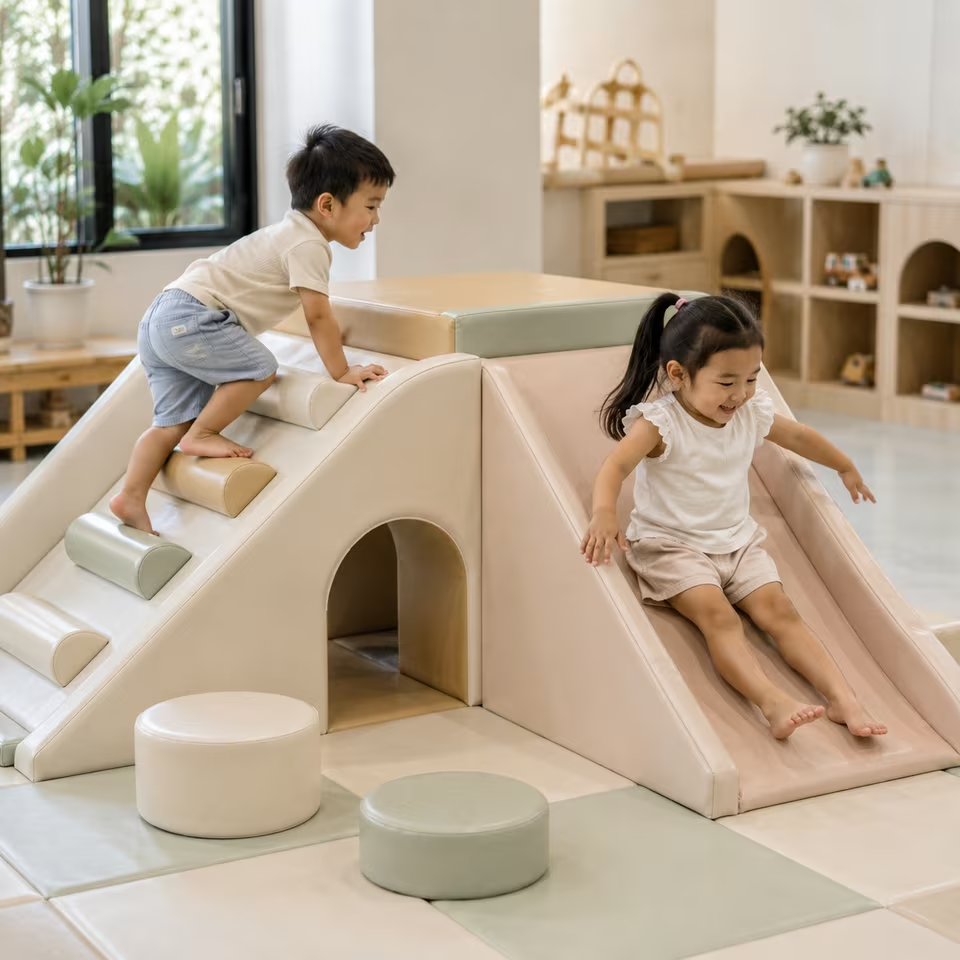
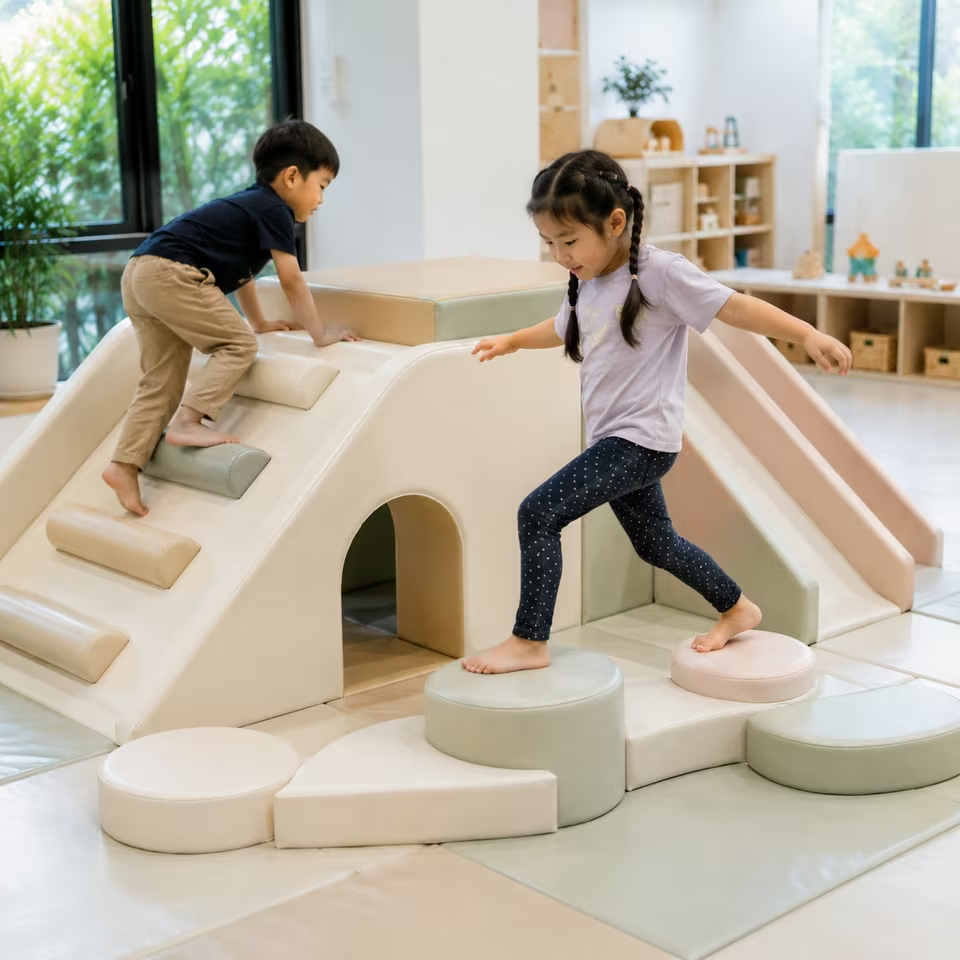
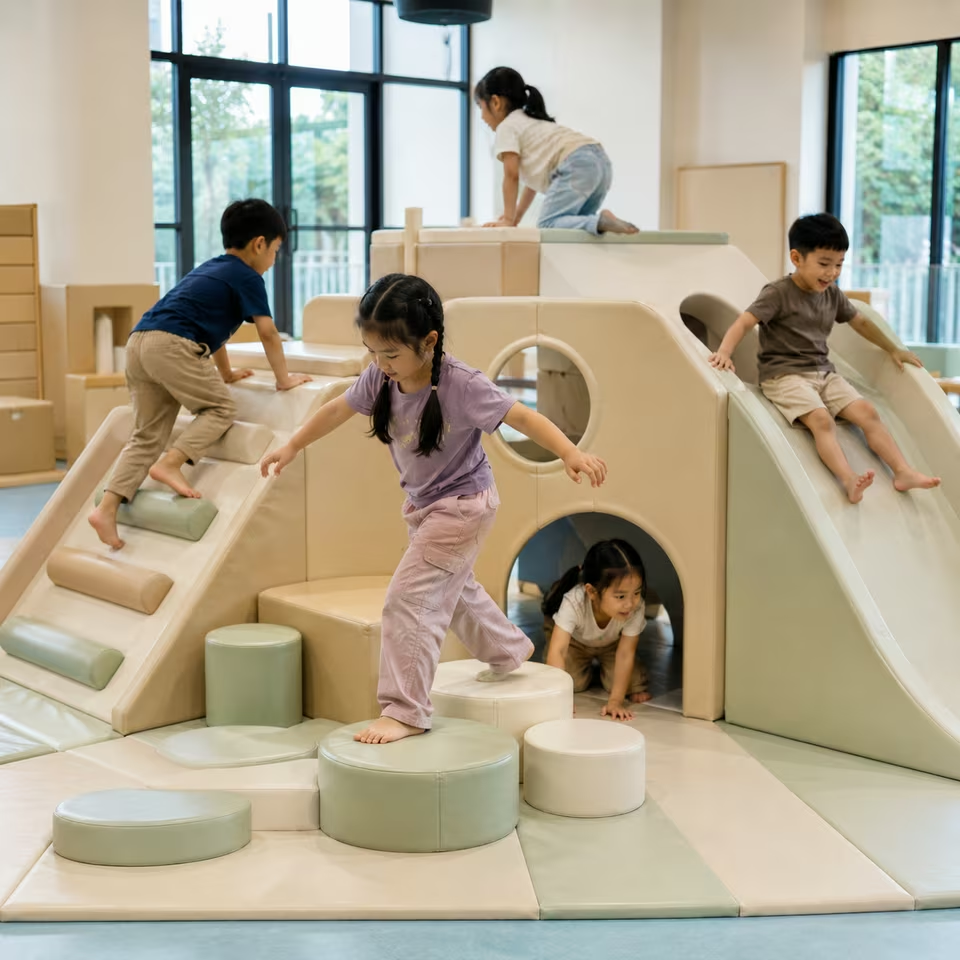
Core strength refers to the strength and control of the muscles around the trunk that help stabilize the body during movement. Rather than working in isolation, the core provides a stable foundation while the arms and legs crawl, climb, step, reach, push and change position. Children naturally use their trunk muscles when moving between different levels, maintaining posture on a platform, crawling through a tunnel or controlling their body while climbing over padded forms. Soft Play can create varied opportunities for these whole-body movements through ramps, steps, platforms, tunnels and climbing elements. Core strength is closely connected with postural control, balance, gross motor skills and coordination because effective movement often requires the trunk to remain controlled while other parts of the body are moving.
Core strength refers to the strength and control of the muscles around the trunk that help stabilize the body while children sit, crawl, stand, reach and move.
The trunk provides a stable base for movement. When it is adequately controlled, the arms and legs can perform actions such as reaching, crawling, stepping and climbing while the body maintains or adjusts its position.
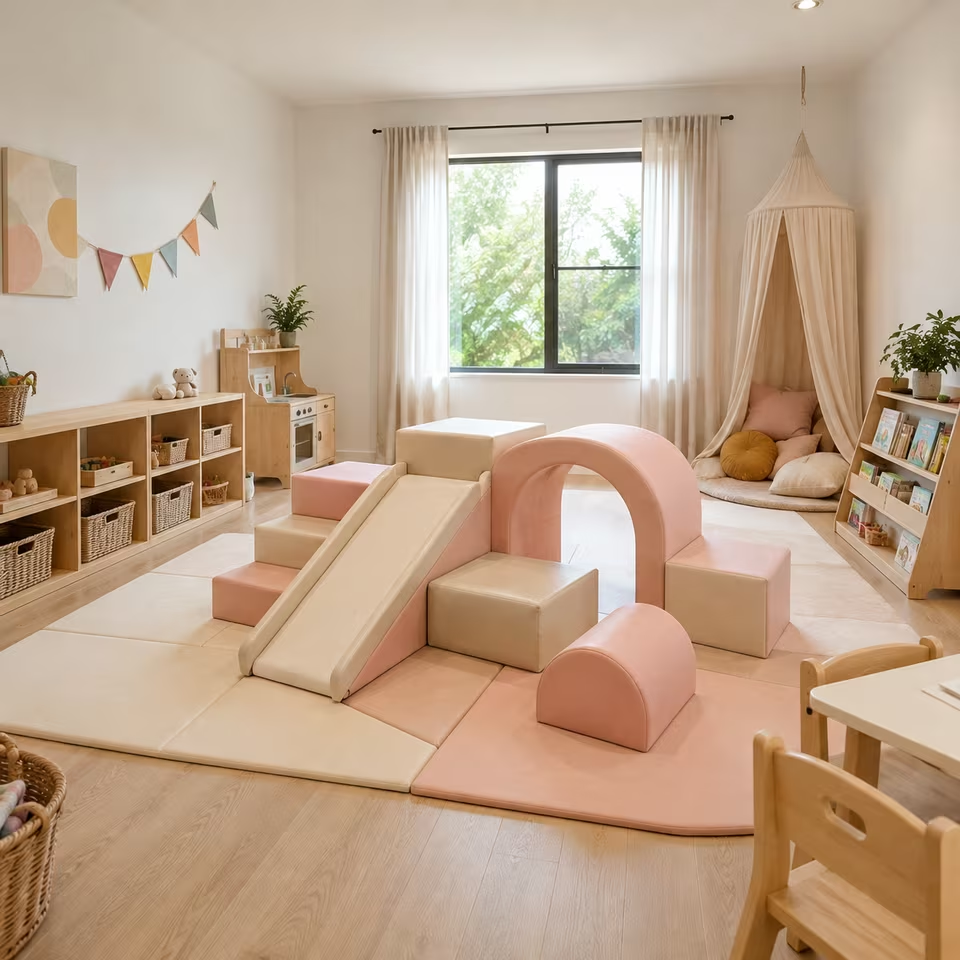
Soft Play can create whole-body movement through crawling, climbing, ramps, level changes and transitions between different positions, all of which can require children to use trunk stability and control.
Yes. During crawling, the trunk helps stabilize the body while the arms and legs move, support weight and shift between different points of contact.
Climbing can place demands on trunk control as children reach, push, pull, shift weight and move their hands and feet between different support points.
No. Abdominal muscles contribute to core function, but core strength and control involve a broader group of muscles around the trunk working together to support posture and movement.
They often work together. The trunk contributes to stability and postural adjustments, while balance involves controlling the body's position as support and movement conditions change.
Crawling through tunnels, moving over ramps, climbing padded forms, transitioning between levels, reaching from a stable position and changing direction can all involve trunk control.
Children naturally use their trunk muscles during many forms of everyday movement and active play. Soft Play can provide varied movement opportunities without requiring the play experience to be structured as isolated core exercises.