What is bilateral coordination in children?
Bilateral coordination is the ability to organize both sides of the body so they can work together effectively. Depending on the activity, the two sides may move together, alternate or perform different complementary roles.
Why is bilateral coordination important for movement?
Many everyday and play movements require the left and right sides of the body to cooperate. Crawling, climbing, stepping, reaching and changing support points can all involve bilateral coordination.
How can Soft Play support bilateral coordination?
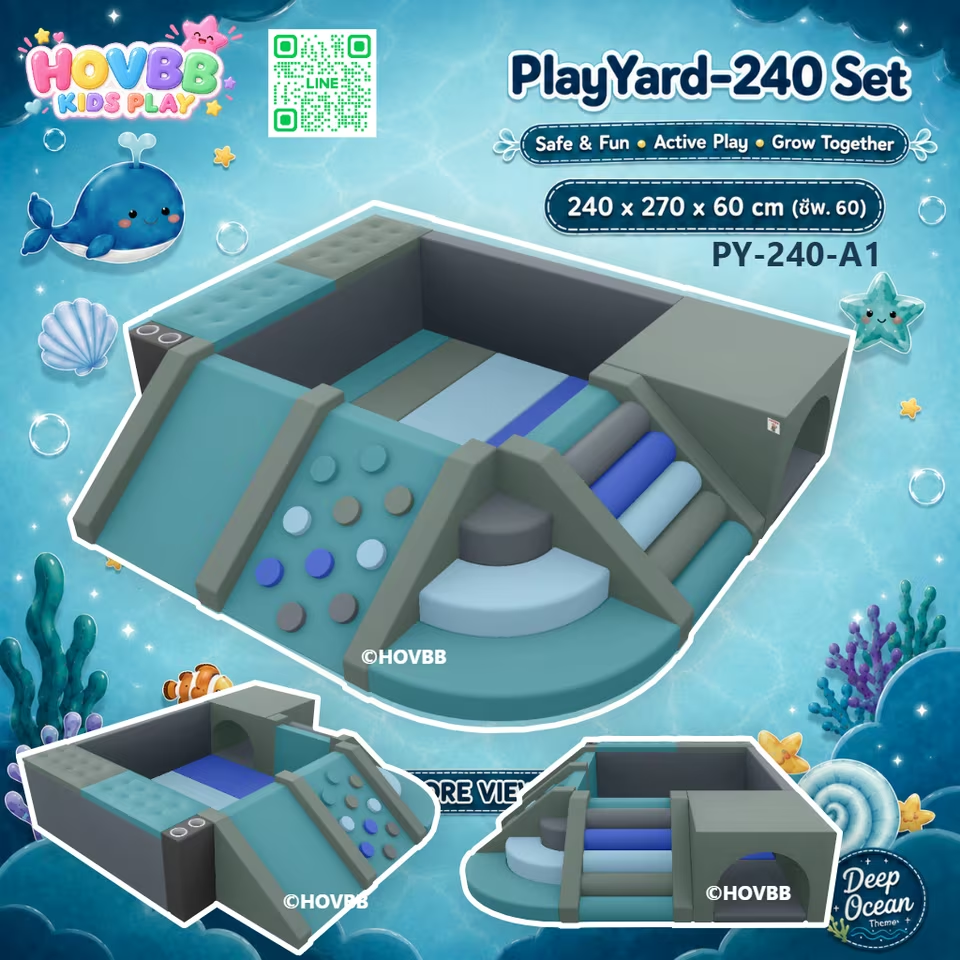
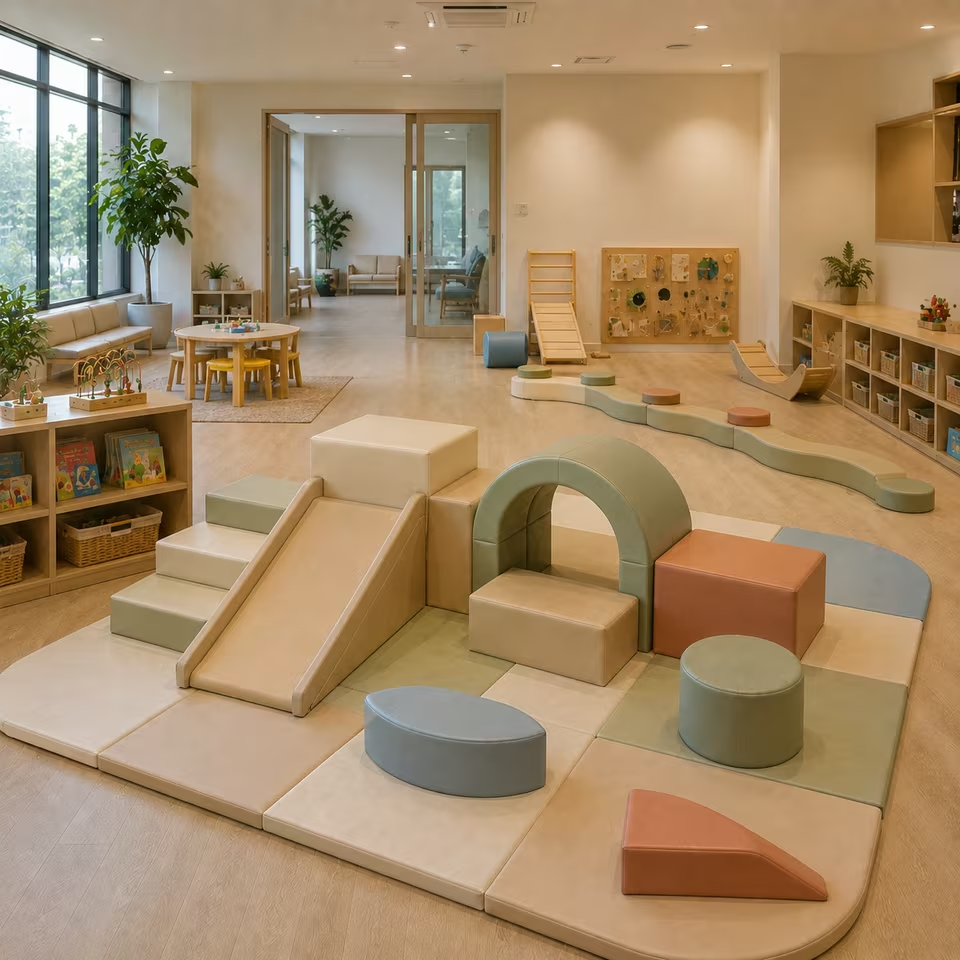
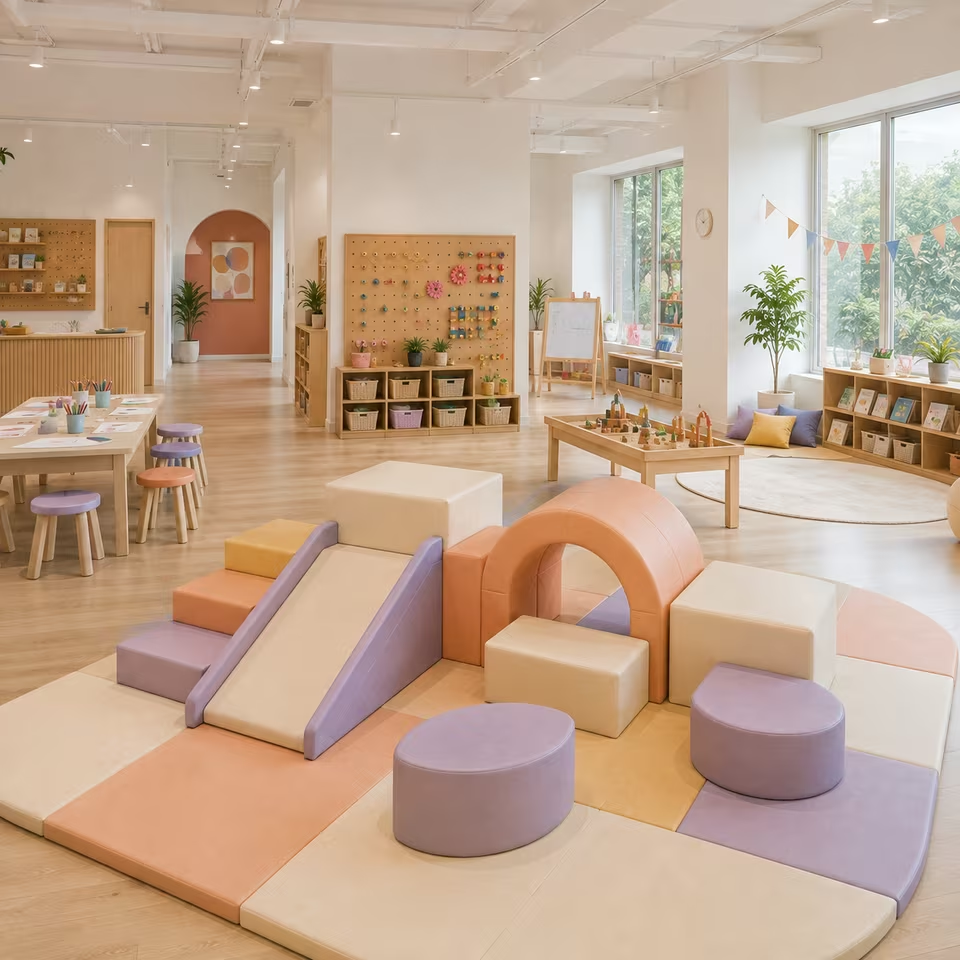
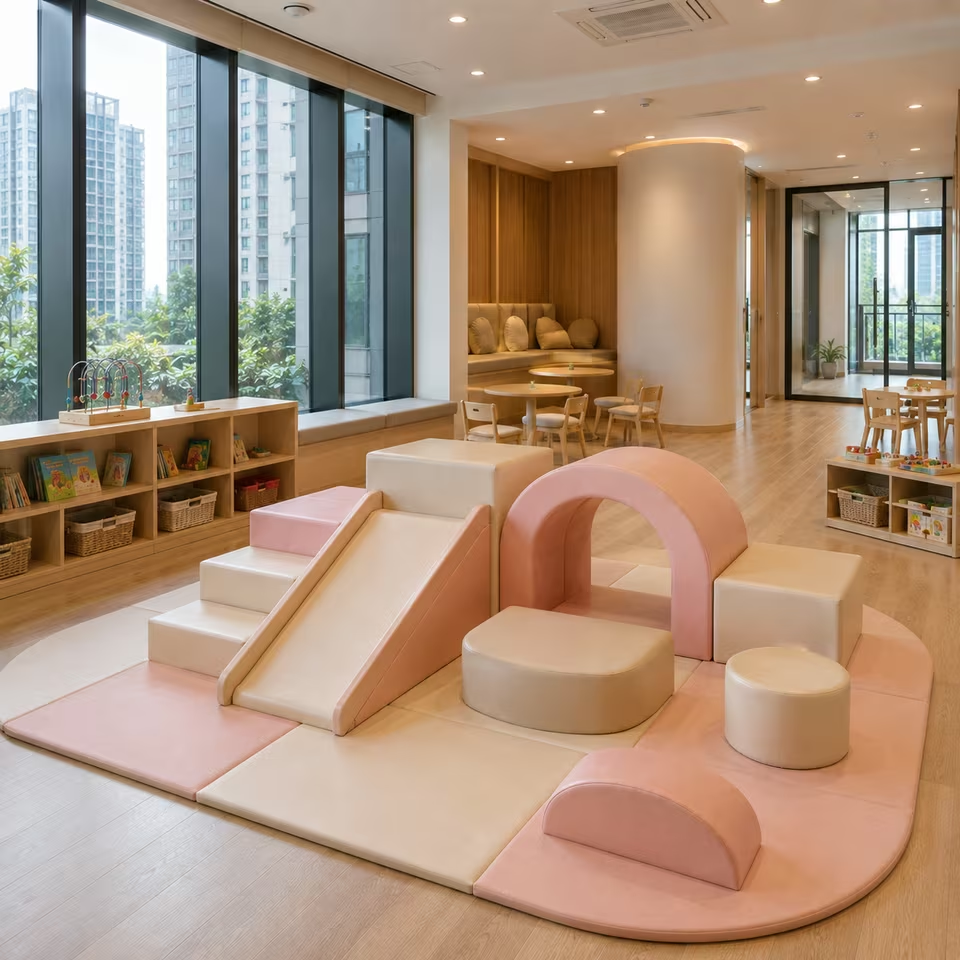
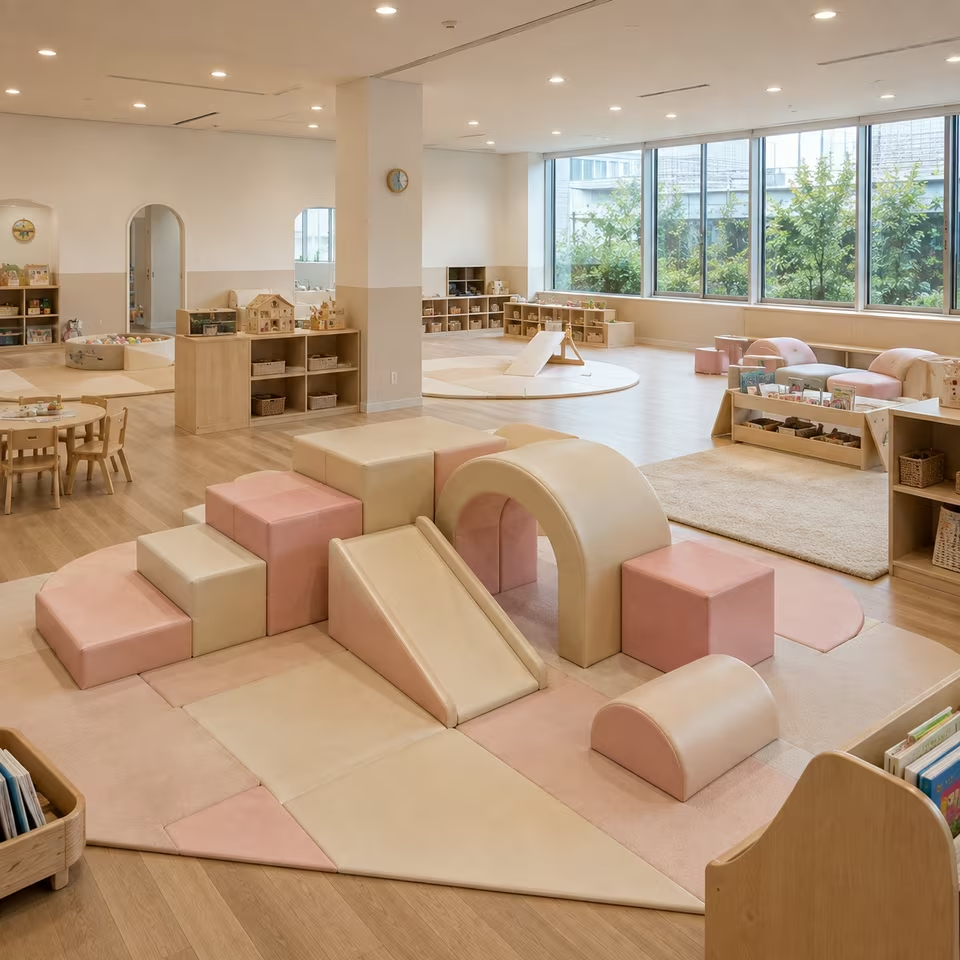
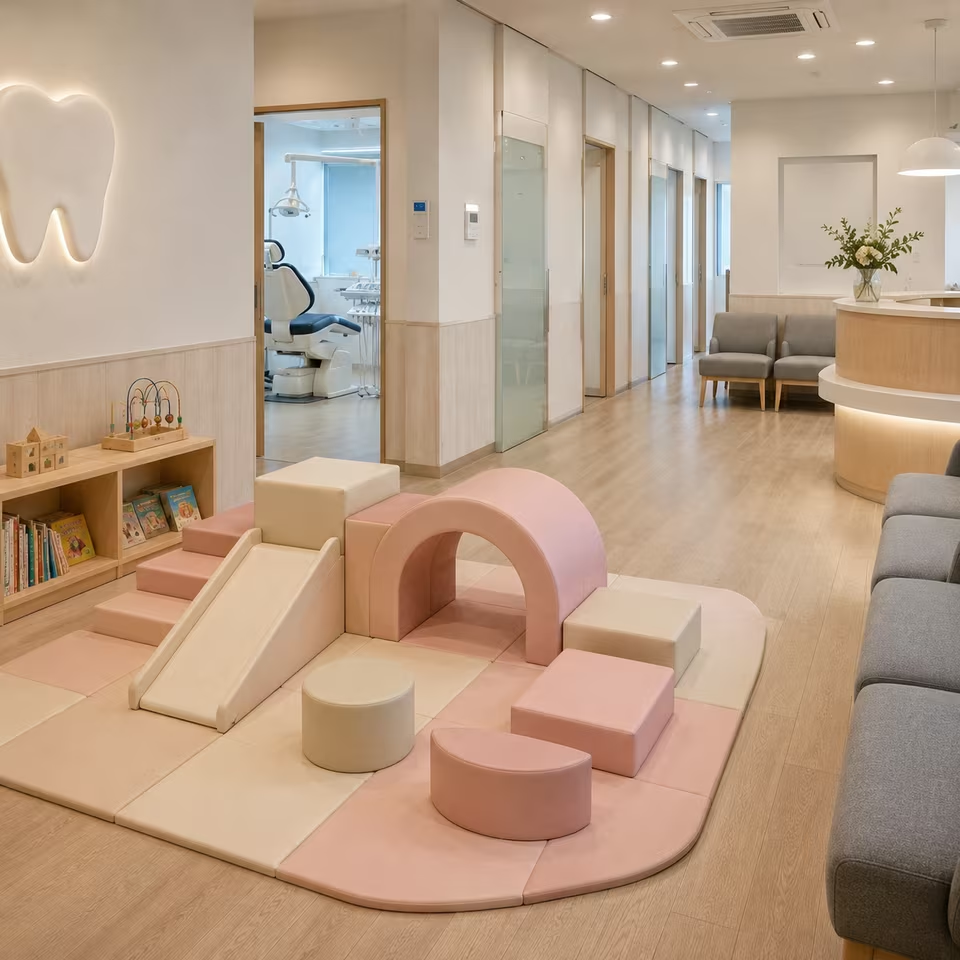
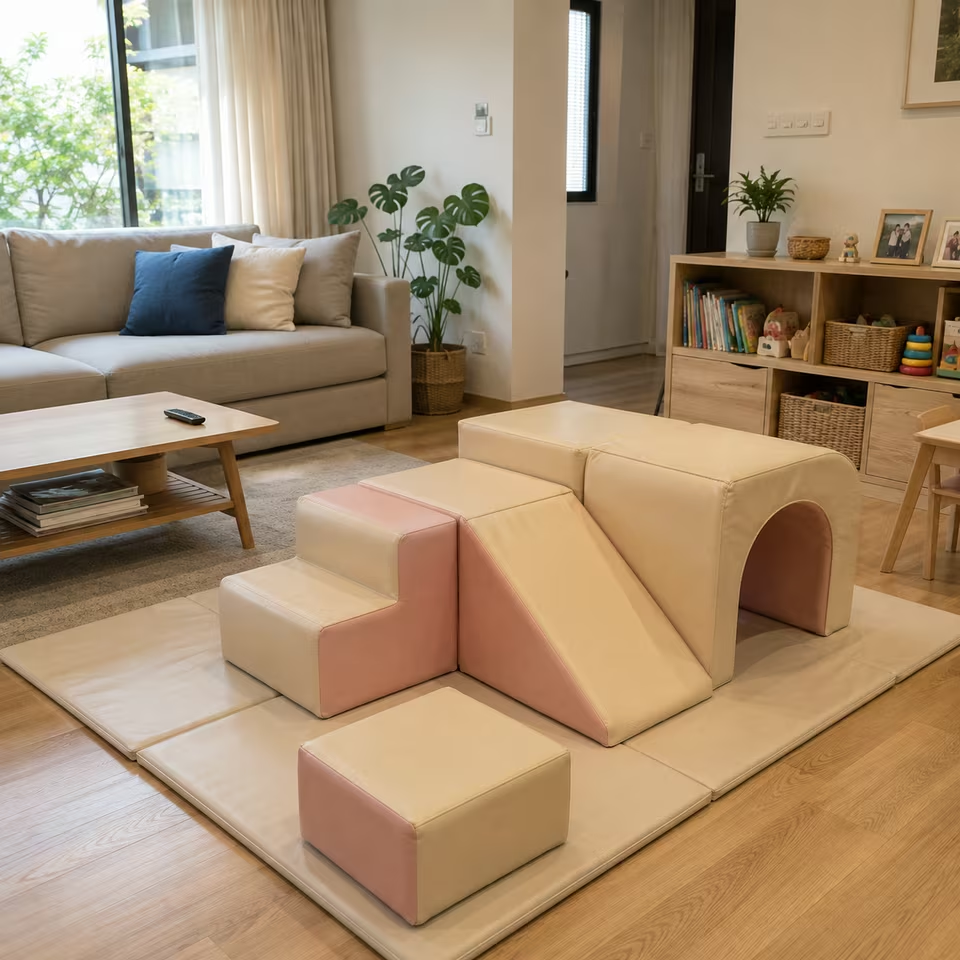
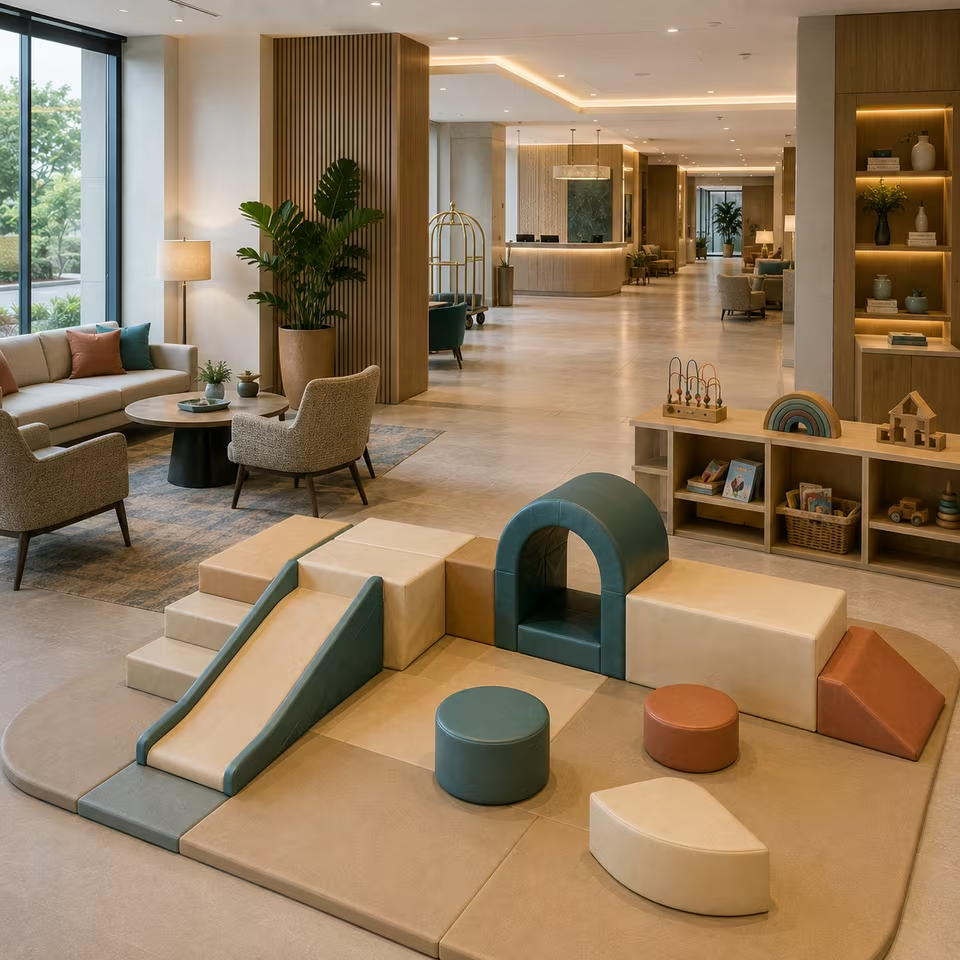
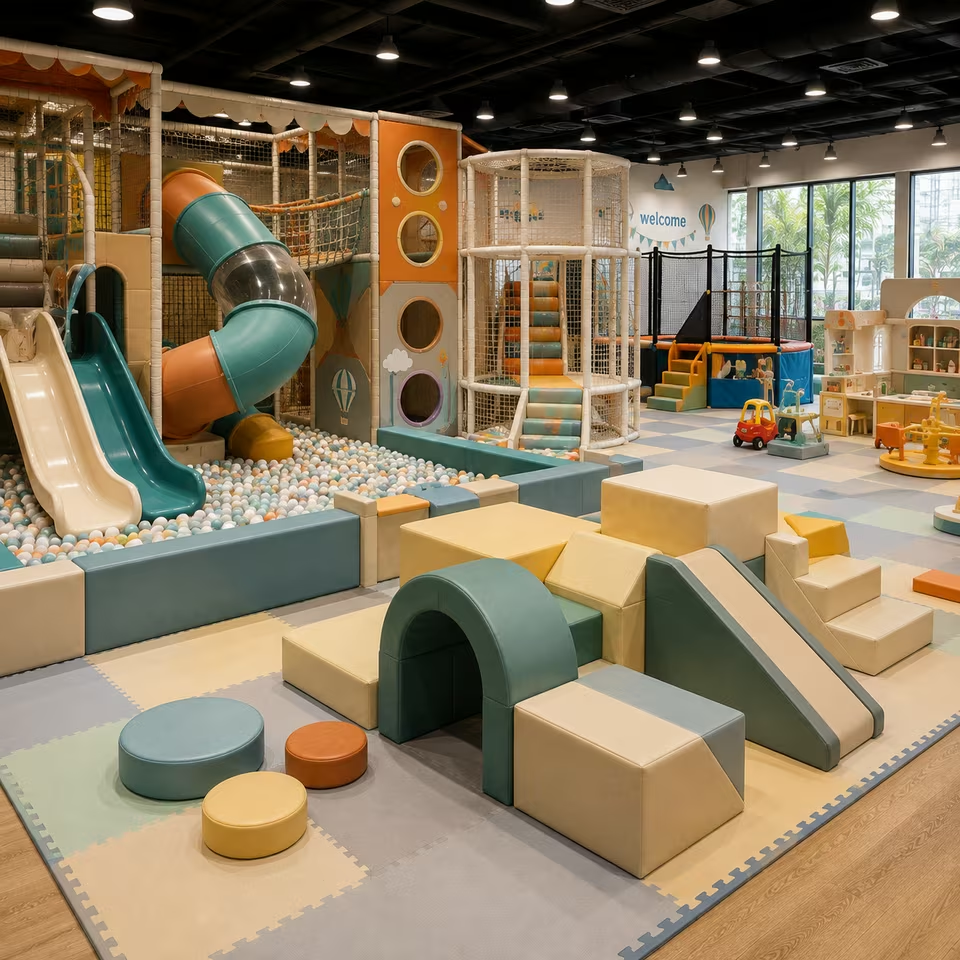
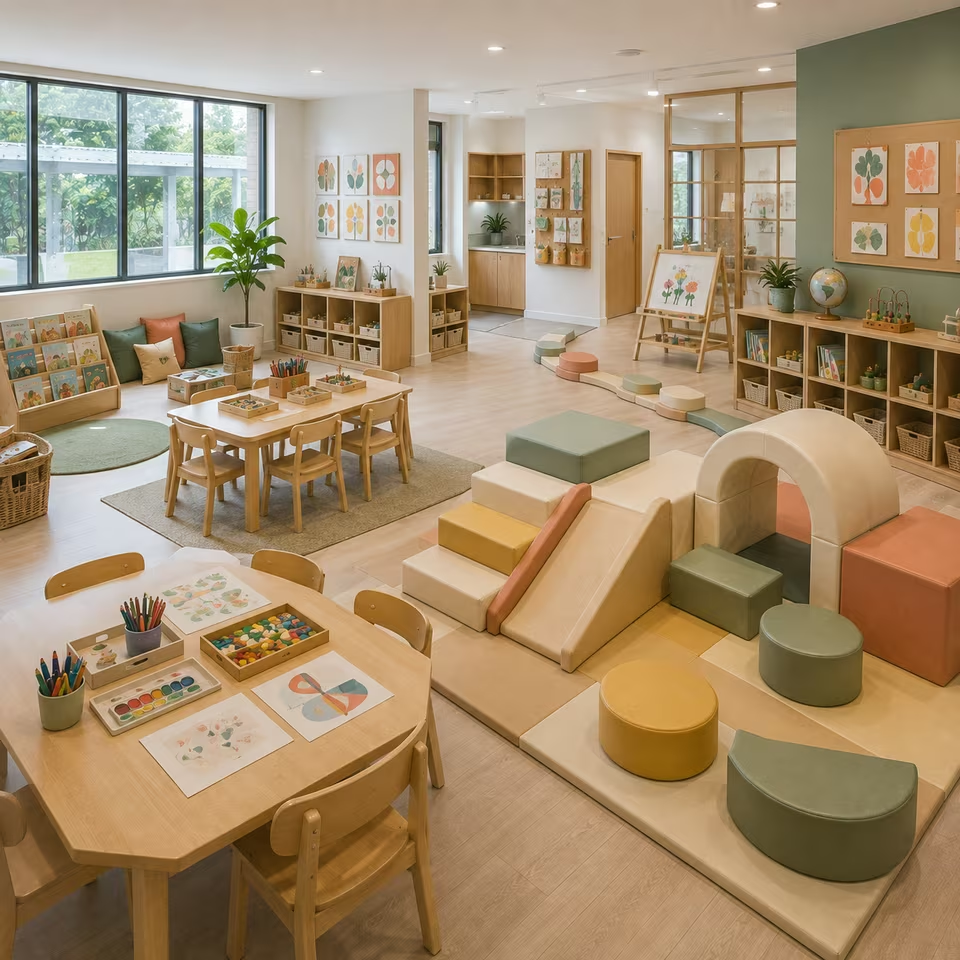
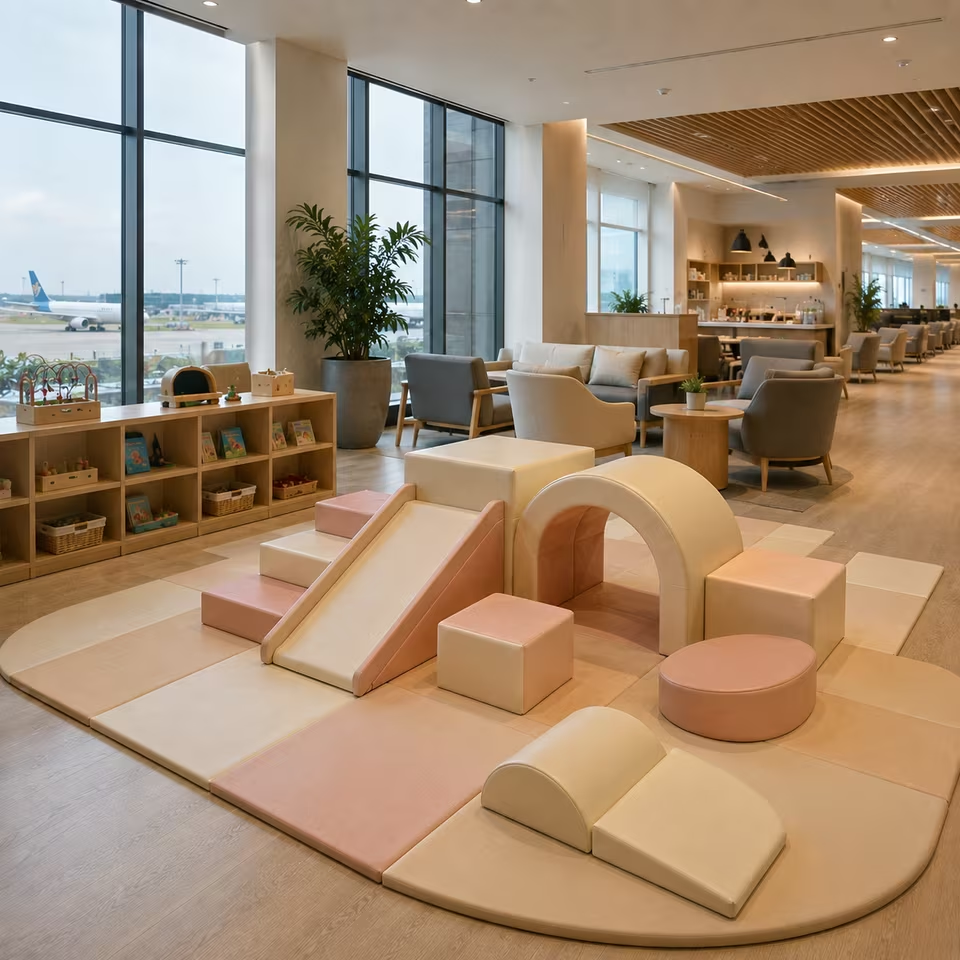
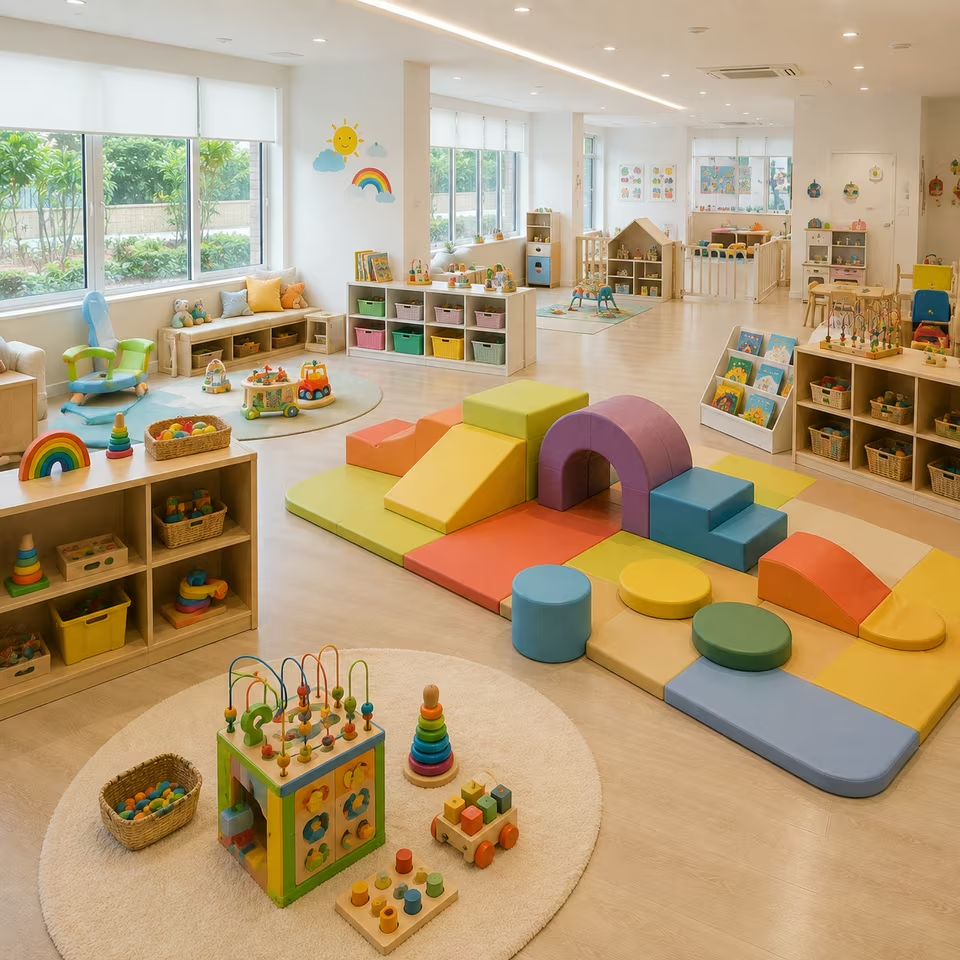
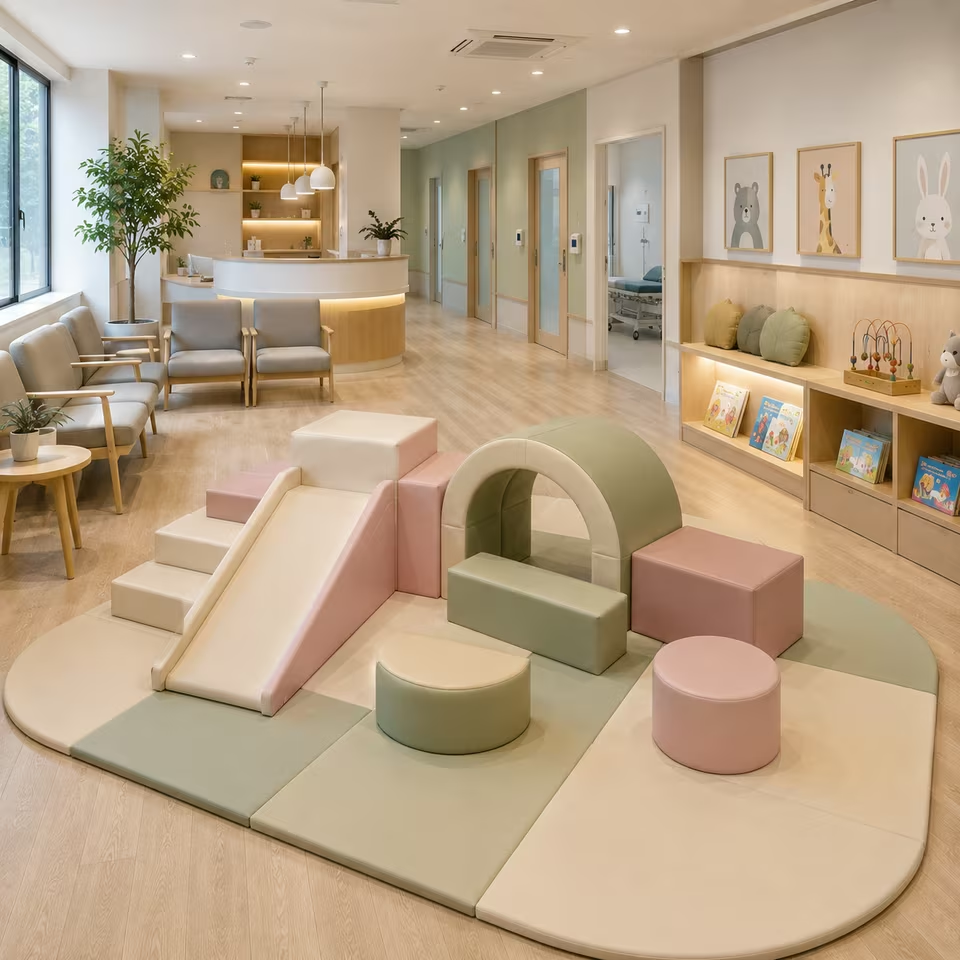
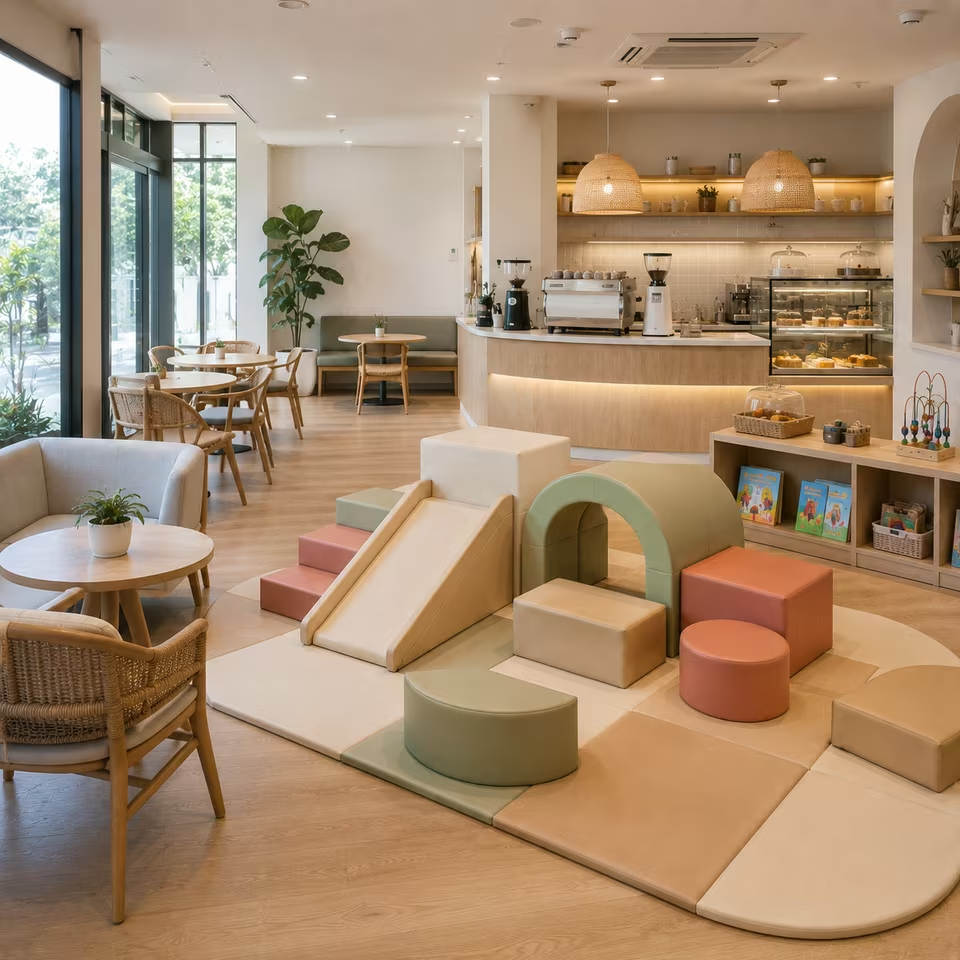
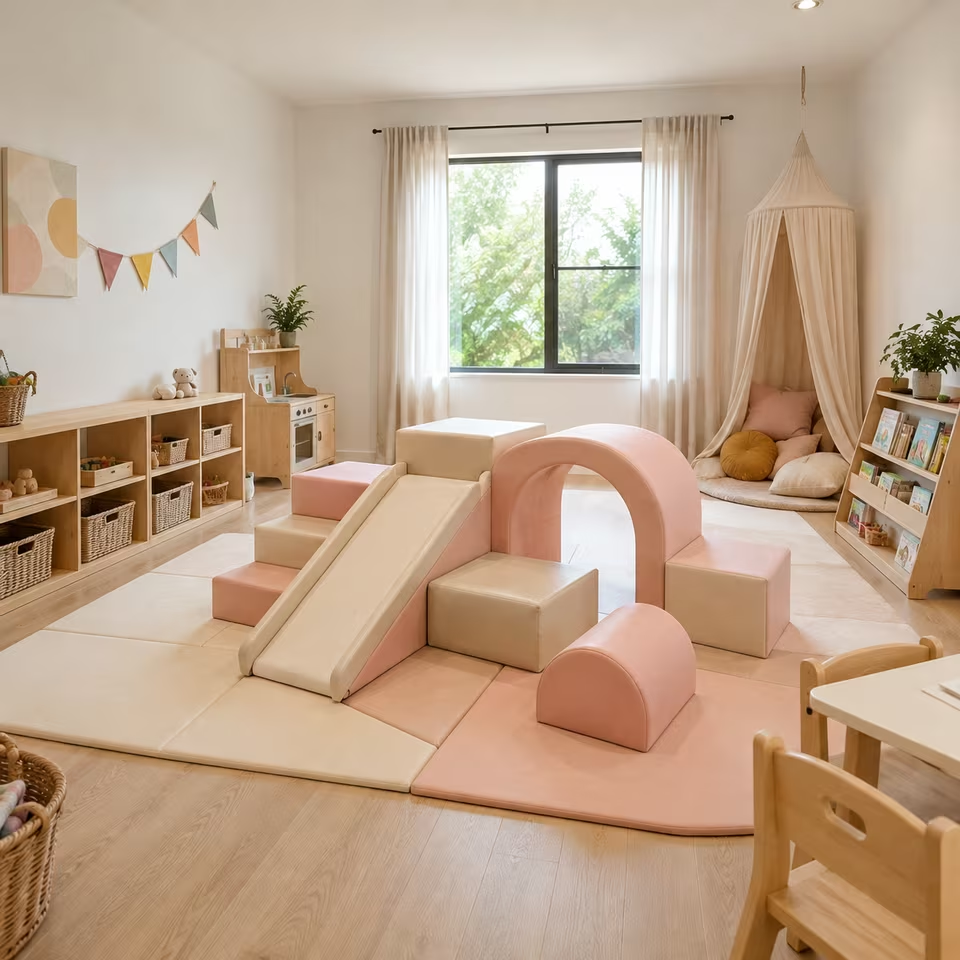
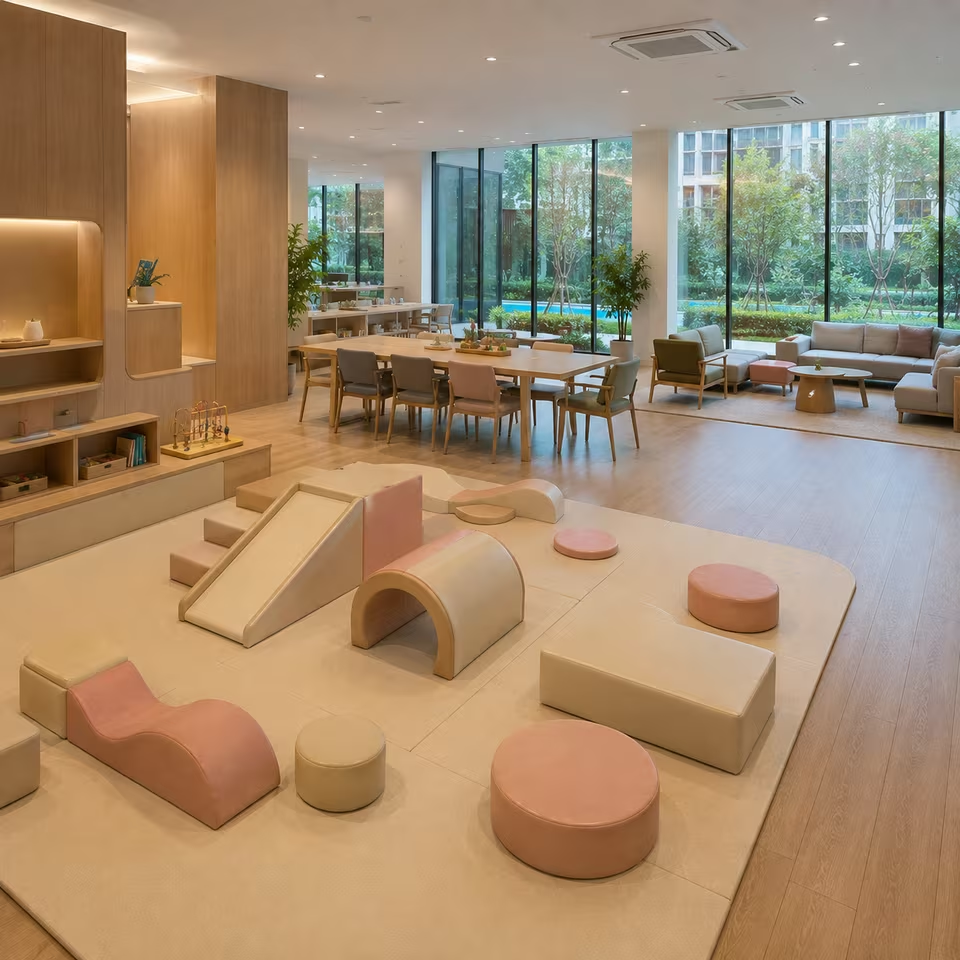
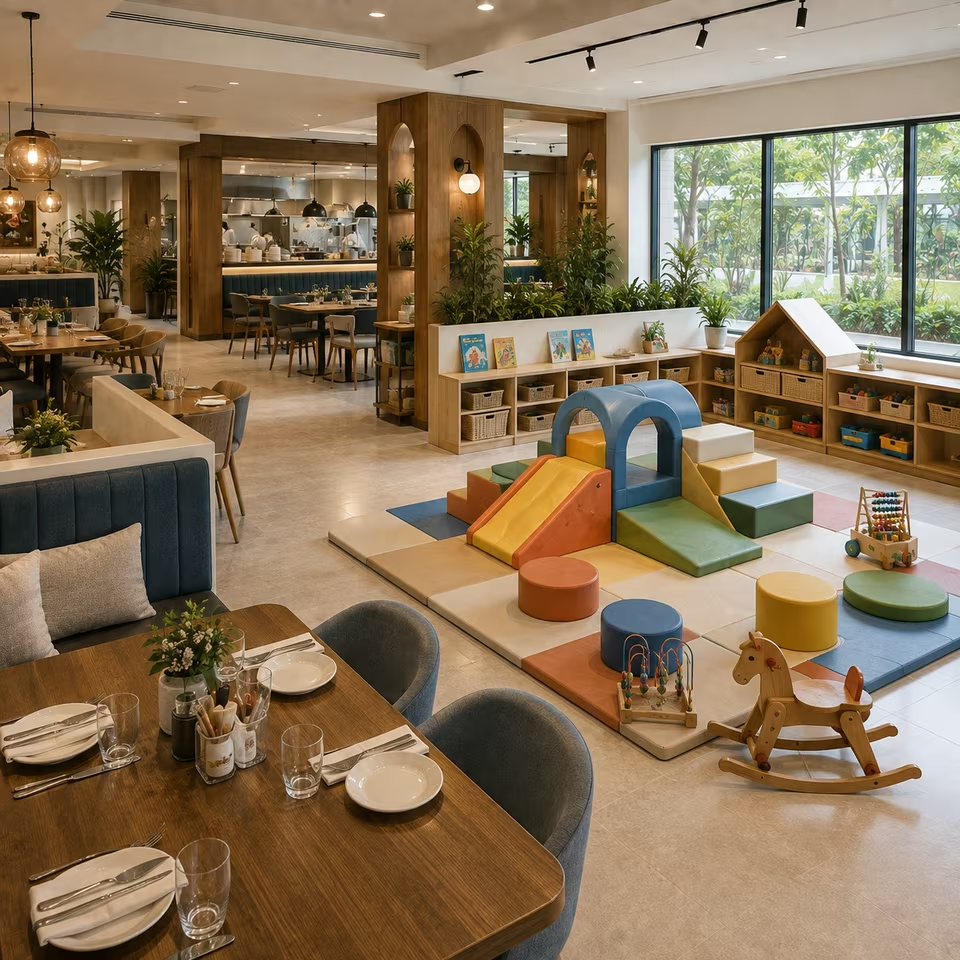
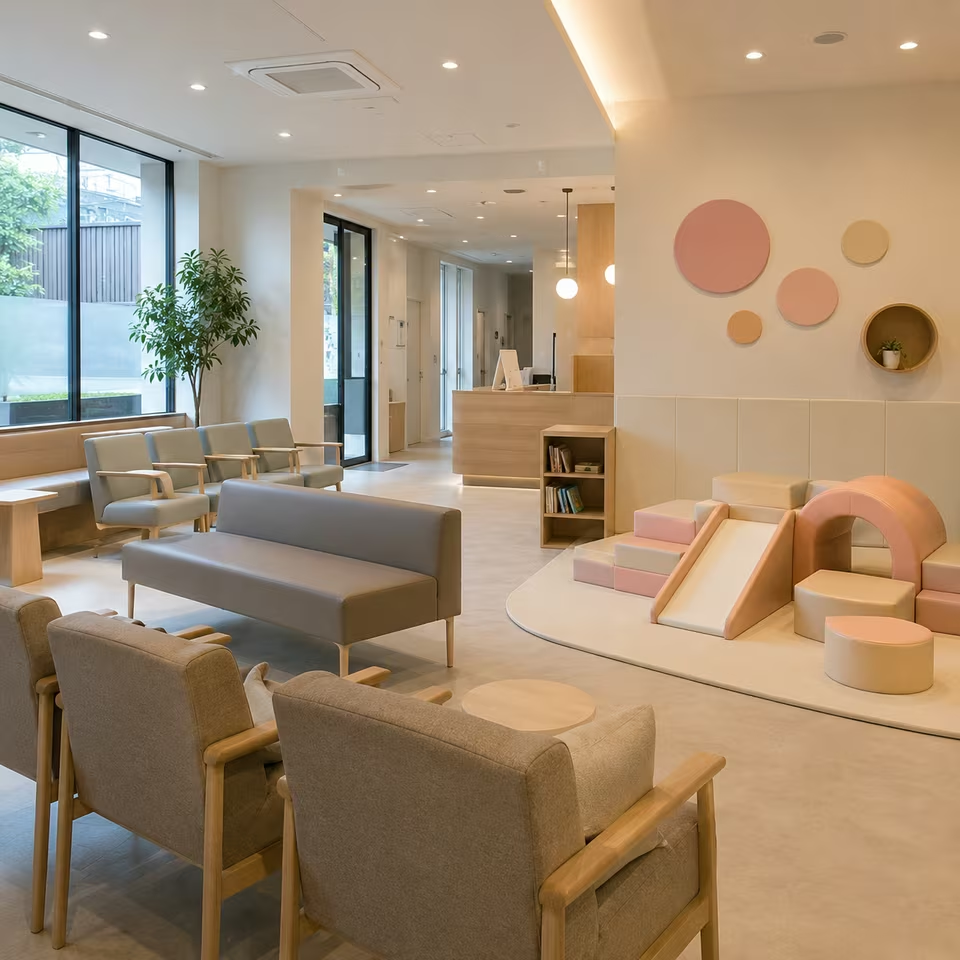
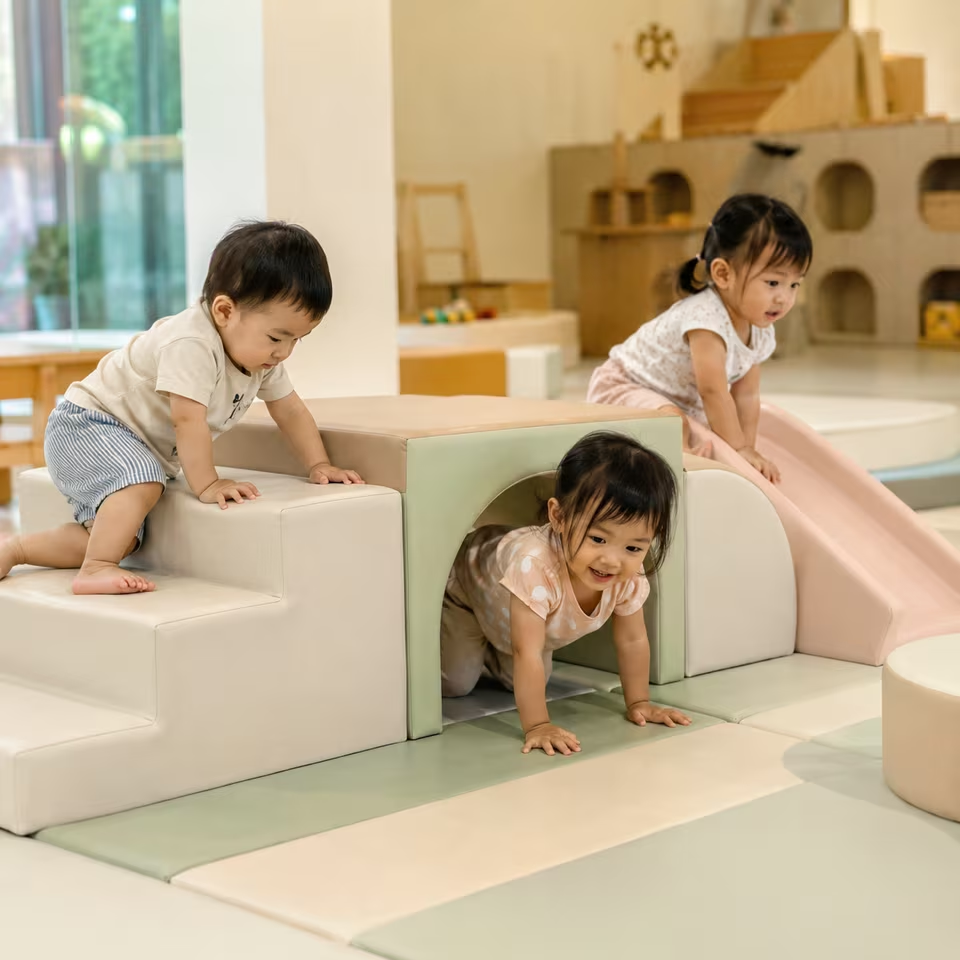
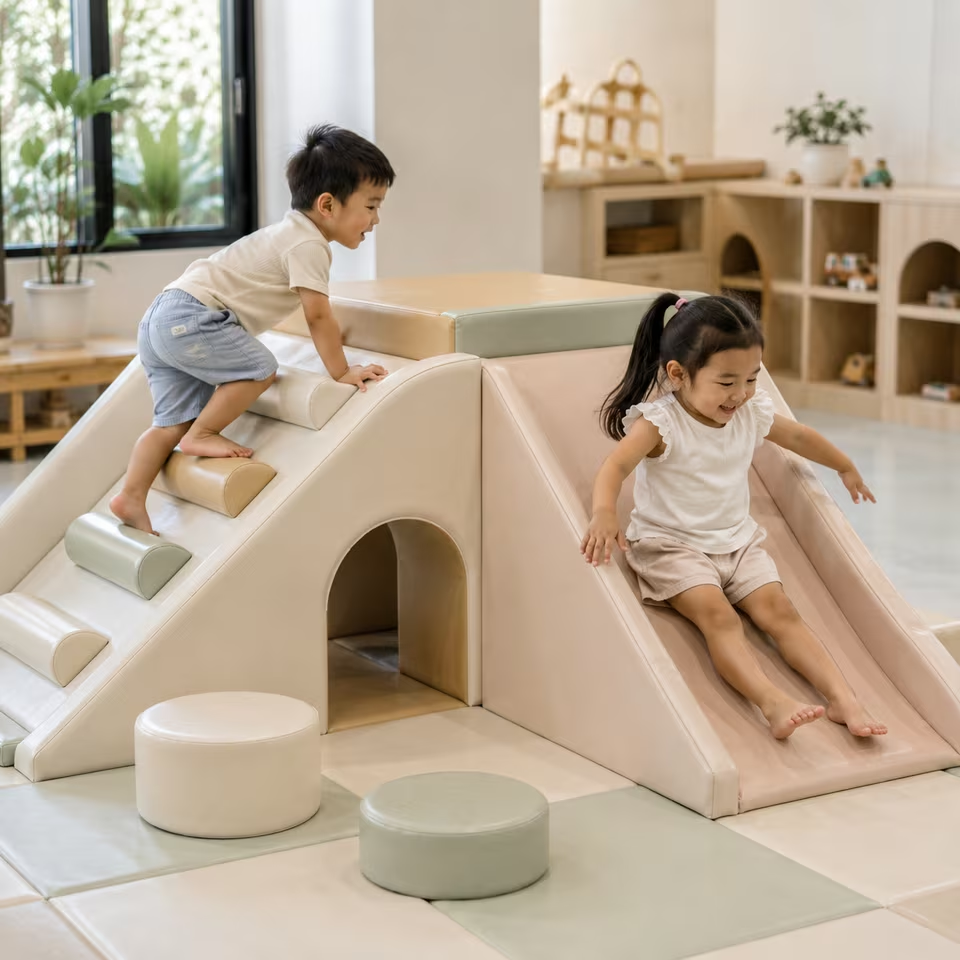
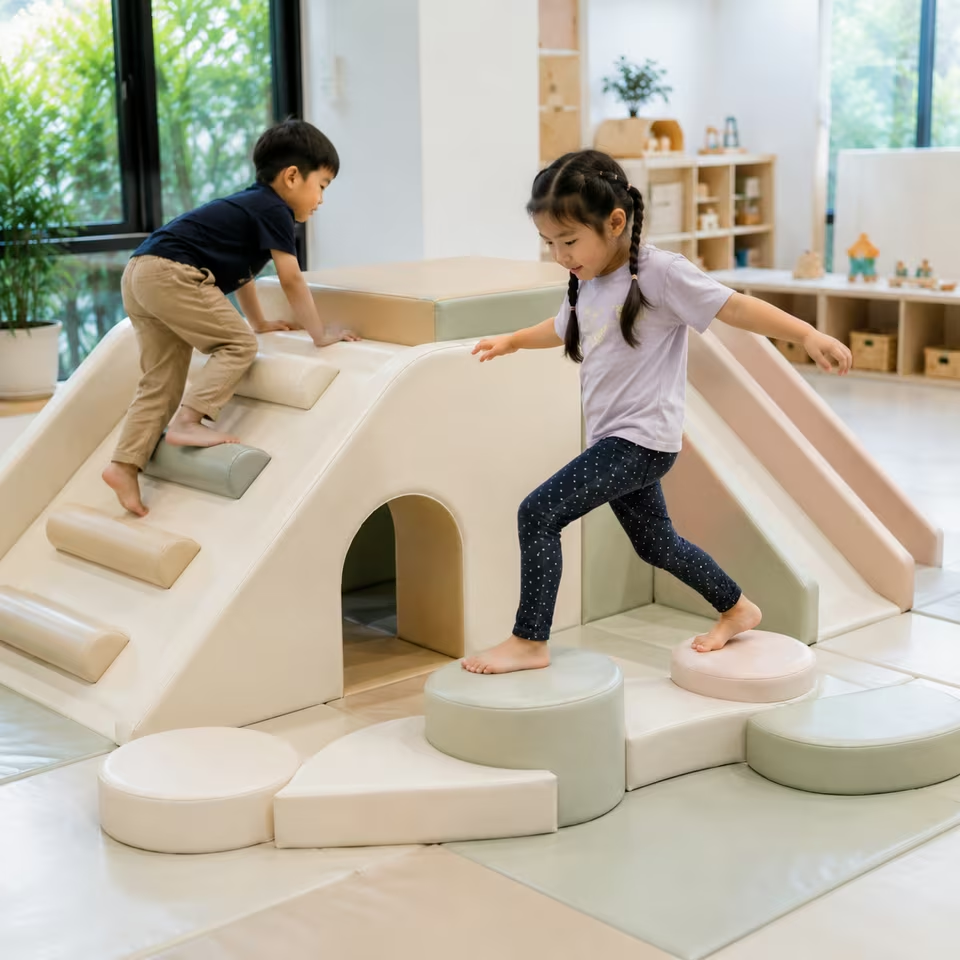
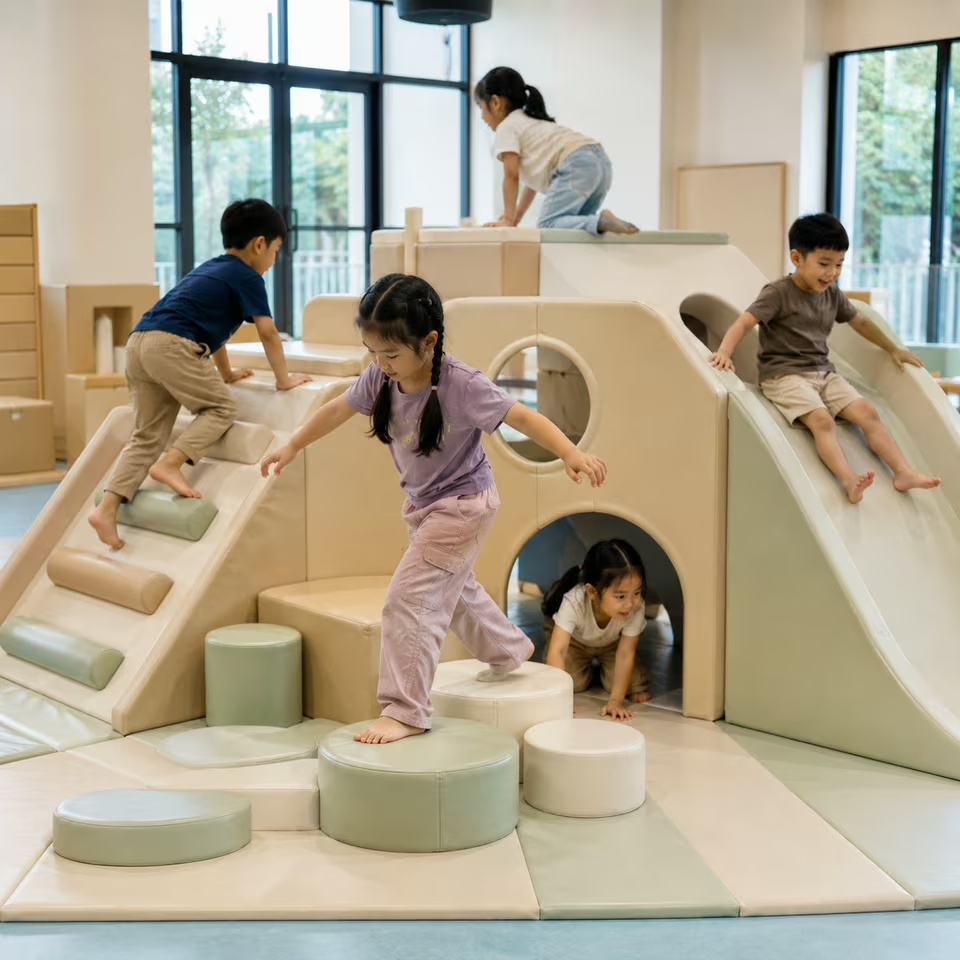
Soft Play can create opportunities to crawl, climb, step and move between surfaces, requiring children to organize the use of their arms, legs and support points in different combinations.
Is crawling a bilateral coordination activity?
Crawling commonly involves coordinated use of both sides of the body, with the arms and legs participating in an organized movement pattern while support shifts from side to side.
Does climbing involve bilateral coordination?
Yes. Climbing can require both hands and feet to work together, alternate between support points and take different roles as the body moves upward, across or through a structure.
Is bilateral coordination the same as crossing the midline?
No. They are related concepts, but they are not identical. Bilateral coordination concerns how both sides of the body work together, while crossing the midline refers to moving a body part across the body's central line.
What are examples of bilateral movement patterns?
Examples include using both sides together, alternating left and right movements, or stabilizing with one side while the other side performs an action.
How is bilateral coordination related to gross motor skills?
Many gross motor activities use the whole body and require coordinated contributions from both sides. Balance, body control and motor planning often work alongside bilateral coordination during these movements.
Do children need special equipment to practice bilateral coordination?
Not necessarily. Bilateral coordination occurs in many everyday movements and forms of active play. Suitable Soft Play can provide additional opportunities by creating varied crawling, stepping and climbing situations.